Amy Adams built her career through passion and versatility, going from dinner theater dancer to award-nominated actress. Her unique roles and dedication make her one of Hollywood’s most respected talents. Discover surprising and lesser-known facts about her fascinating journey and craft.
Amy Adams
Amy Adams is not a natural redhead; she dyed her hair red at 27 to get different acting roles.
Before acting, she worked as a greeter at The Gap and as a hostess at Hooters to support herself.
Amy began her career as a dancer in a dinner theater in Colorado before she moved into acting.
She almost gave up acting at 30 after being fired from a TV series and facing uncertainty about her career.
Adams got her breakthrough role in Junebug (2005), which earned her first Oscar nomination despite the film’s low budget.
She can sing and dance, which helped land her the lead role in the Disney musical Enchanted (2007).
Amy Adams turned down the role of Lois Lane twice before accepting it in the DC Extended Universe films.
Her chemistry with co-star Henry Cavill as Lois Lane in Man of Steel was criticized, but the film still grossed over $660 million.
She frequently collaborates with director David O. Russell, starring in acclaimed films like American Hustle and The Fighter.
Amy Adams received back-to-back Golden Globe Awards for Best Actress for American Hustle (2013) and Big Eyes (2014).
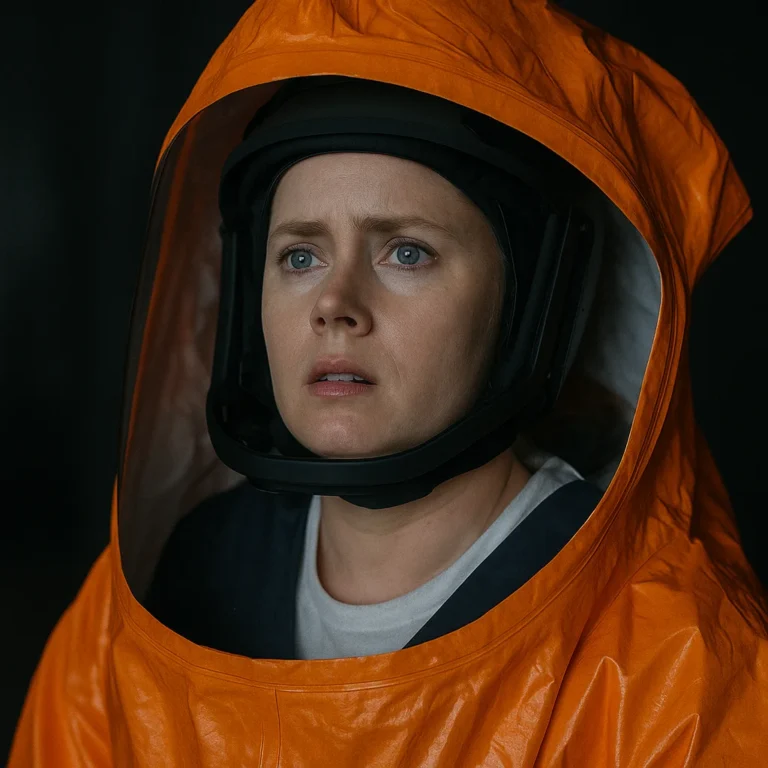
She played a linguist in the science-fiction film Arrival (2016), showcasing her ability to handle complex, dramatic roles.
Amy portrayed a troubled reporter in the HBO miniseries Sharp Objects (2018), earning critical praise.
She has been nominated for six Academy Awards but has yet to win, making her one of the most nominated actresses without a win.
Amy’s role as Sister James in Doubt (2008) is considered one of her most powerful performances.
In 2014, Time magazine named her one of the 100 most influential people in the world.
How useful was this post?
Click on a star to rate it!
This AI-assisted post was rigorously curated and fact-checked for accuracy by:
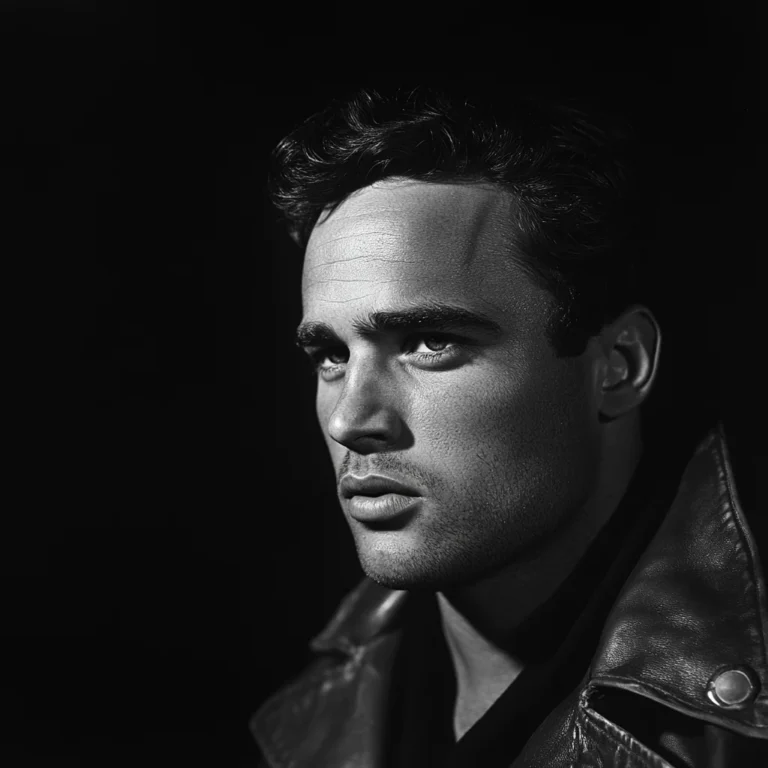
Marlon Brando remains a legendary icon who forever changed Hollywood. Known for his method acting and unpredictable personality, Brando astonished the world with memorable performances, groundbreaking choices, and a life packed with drama, making him a true titan of film and culture.
Marlon Brando
Born in Omaha in 1924, Marlon Brando quickly developed an independent streak that set him apart from peers.
While a teenager, Brando was expelled from both military academy and high school for rebellious behavior.
After moving to New York, he learned method acting from Stella Adler. He soon transformed his approach and inspired countless actors.
Brando’s career started on the Broadway stage, but he soared to fame as Stanley Kowalski in A Streetcar Named Desire.
Hollywood soon took notice, as Brando’s film debut in The Men showcased his impressive dedication. He even lived among wounded veterans to prepare.
He won his first Oscar for On the Waterfront and delivered unforgettable performances in The Wild One and Viva Zapata!.
For The Godfather, Brando created Don Vito Corleone and achieved a legendary Oscar win, but he famously refused the award in protest of Hollywood’s treatment of Native Americans.
Brando’s acting style changed cinema by bringing Stanislavski’s method to mainstream audiences, blending raw emotion with improvisation.
Ever the risk-taker, Brando directed and starred in One-Eyed Jacks—although critics didn’t love it, the film still became a cult classic.
He bought a private island in French Polynesia, naming it Tetiaroa, which remains a luxury resort today.
Brando was known for both genius and chaos on set; stories about his improvisation, pranks, and late-night antics still circulate in Hollywood.
Throughout his life, he married three times and fathered at least eleven children, keeping his family life as dramatic as his movies.
In the late 1970s, he played Superman’s father and Colonel Kurtz in Apocalypse Now, earning massive paychecks for his selective roles.
Surprisingly, Brando held a patent for a drum tuning device, revealing creative pursuits beyond acting.
Despite controversy and setbacks, Marlon Brando’s influence continues. His method, roles, and passion remain unmatched in film history.
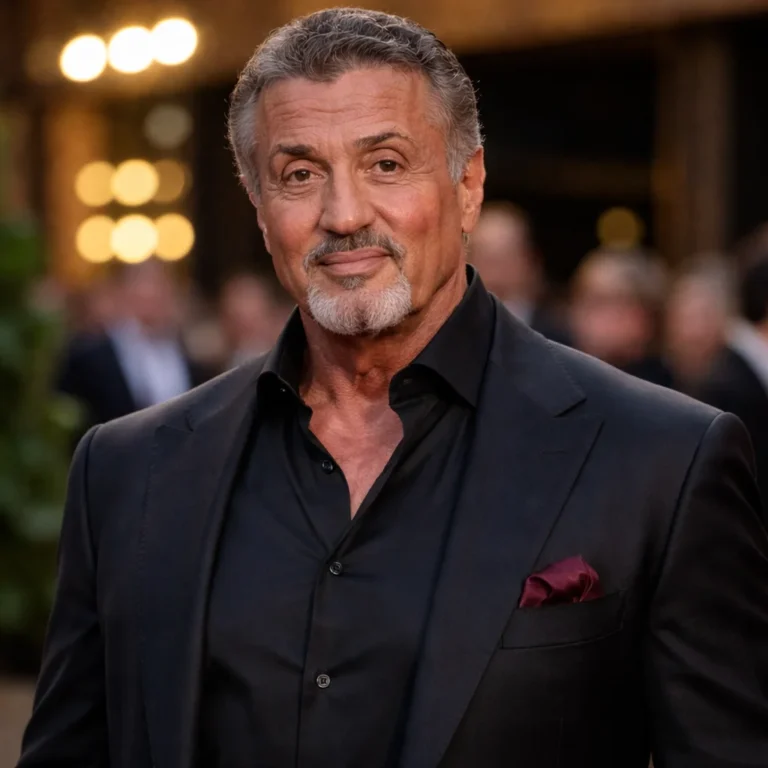
Sylvester Stallone defines the ultimate underdog story in Hollywood history. He went from sleeping at bus terminals to becoming a global action icon. Furthermore, he wrote the screenplays for his biggest hits himself, proving his literary talent. Consequently, his creative control shaped cinema history for decades. His journey proves that grit matters more than talent alone. Explore the gritty truth behind the man who created Rocky and Rambo.
Sylvester Stallone
Doctors used forceps during his birth, which accidentally severed a nerve in his face. Therefore, Sylvester Stallone developed his signature snarl and slurred speech permanently. This injury eventually became his trademark look in action movies.
He was so broke that he starred in an adult film called The Party at Kitty and Stud’s. He earned 200 dollars for two days of work just to pay his rent.
Desperation forced him to sell his beloved dog, Butkus, for 50 dollars outside a liquor store. However, he bought the dog back for 3,000 dollars immediately after selling the Rocky script.
Remarkably, he wrote the entire first draft of Rocky in just three and a half days. He fueled this marathon writing session with caffeine, pure adrenaline, and very little sleep.
Studios offered him 360,000 dollars for the script but refused to let him play the lead. Sylvester Stallone turned down this fortune despite having only 106 dollars in his bank account.
Dolph Lundgren punched him so hard during Rocky IV that he landed in intensive care. The blow swelled his heart, and doctors feared for his life for several days.
Arnold Schwarzenegger tricked him into starring in the terrible movie Stop! Or My Mom Will Shoot. Sly took the role only because he thought Arnold wanted it. Thus, the rivalry led to his worst career mistake.
The two turtles from the original 1976 Rocky movie are actually still alive today. He kept Cuff and Link, and they even appeared in the movie Creed II.
Sylvester Stallone is also a serious painter who has exhibited his art in museums globally. He often paints characters before he writes them to visualize their emotions clearly.
During The Expendables, he fractured his neck while filming a brutal fight scene with Steve Austin. Consequently, surgeons had to insert a metal plate into his spine to fix the damage.
In the original script for First Blood, Rambo died at the end of the movie. Luckily, Stallone insisted on changing the ending to keep the character alive for sequels.
Before finding fame, Sylvester Stallone worked odd jobs including cleaning lion cages at the zoo. This dangerous work paid very little but kept him motivated to succeed in acting.
His mother, Jackie, became famous for a bizarre practice she called rumpology. She claimed she could predict people’s futures simply by reading the shape of their bottoms.
Sylvester Stallone holds the unique record of being nominated for Oscars for the same character 39 years apart. Both Rocky and Creed earned Sylvester Stallone nods for playing the legendary boxer.
Finally, the famous steps at the Philadelphia Museum of Art now feature a bronze statue of him. Tourists flock there daily to recreate his legendary run from the film.