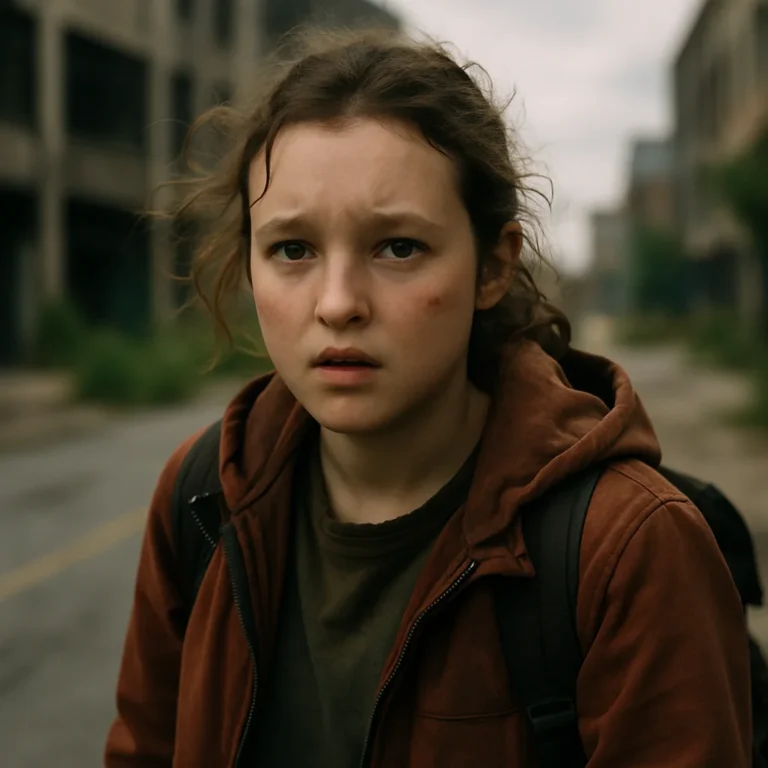
Bella Ramsey burst onto the screen with a ferocity that stunned audiences worldwide. While fans know the actor best for playing tough, no-nonsense characters like Lyanna Mormont and Ellie Williams, the real person behind the roles is surprisingly gentle and musical. In fact, Ramsey almost quit acting entirely before landing the role of a lifetime in The Last of Us. Furthermore, the star learned a perfect American accent not from a coach, but from watching cursing swear words. Prepare to survive the apocalypse with the new face of Hollywood.
Bella Ramsey
Bella Ramsey started acting as a hobby at age four. The star joined a local theater group simply for fun and never attended a formal drama school. Consequently, the raw, natural talent seen on screen comes from instinct rather than years of classical training.
The role of Lyanna Mormont in Game of Thrones was only supposed to be one scene. The script initially called for a brief appearance, but the producers were so impressed by the performance that they kept writing the character into future seasons.
Ramsey wore a chest binder for nearly ninety percent of filming The Last of Us. As a non-binary actor, Ramsey found that binding helped with focus and comfort on set. This allowed for a better connection with the character of Ellie.
The actor learned the American accent by swearing. To prepare for the role of Ellie, Ramsey practiced a catalog of American curse words. The specific cadence and emphasis of swearing helped unlock the rest of the dialect.
Bella Ramsey plays the guitar and sings. The actor often posts covers of songs on social media and even wrote a song for the movie Catherine Called Birdy. This musical talent added a layer of depth to the character of Ellie in the second season.
The star is vegan and passionate about animal rights. Ramsey often advocates for veganism and environmental causes during interviews. This lifestyle choice reflects a deep personal commitment to compassion for all living beings.
Ramsey almost rejected the role of Ellie because of fame. After the overwhelming attention from Game of Thrones, the actor feared losing anonymity. Fortunately, the decision was made to accept the part despite the fear of becoming a global superstar.
The actor struck up a real-life friendship with co-star Pedro Pascal. Their bond on set mirrored the father-daughter dynamic of their characters. They often joked around between takes, creating the genuine chemistry that fans loved.
Bella Ramsey voiced the title character in Hilda. The animated Netflix series features the actor as a fearless, blue-haired adventurer. This voice role allowed Ramsey to explore a softer, more whimsical side of acting.
The star admitted to being gender fluid. Ramsey has stated that gender has never been something that felt particularly important or fixed. Consequently, the actor uses they/them pronouns but does not mind she/her in certain contexts.
Ramsey had to cut off over ten inches of hair for The Last of Us. To transform into the rugged survivor Ellie, the long locks were chopped into a shorter, messier style. This physical change helped separate the actor from previous period drama roles.
The actor learned sign language for a role. In The Last of Us, the character encounters a deaf community, requiring Ramsey to learn American Sign Language. This added another layer of authenticity to the performance.
Bella Ramsey loves writing screenplays. In addition to acting, the star spends free time writing scripts and stories. This passion for storytelling extends beyond just performing lines written by others.
The producers of The Last of Us told Ramsey not to play the video game. They wanted a fresh interpretation of Ellie rather than a copy of the digital character. However, Ramsey watched gameplay clips on YouTube to understand the essence of the world.
Finally, Ramsey is a devout Christian. The actor has spoken openly about faith and how it provided a grounding force during struggles with mental health. This spiritual foundation remains a quiet but essential part of life.
How useful was this post?
Click on a star to rate it!
This AI-assisted post was rigorously curated and fact-checked for accuracy by:
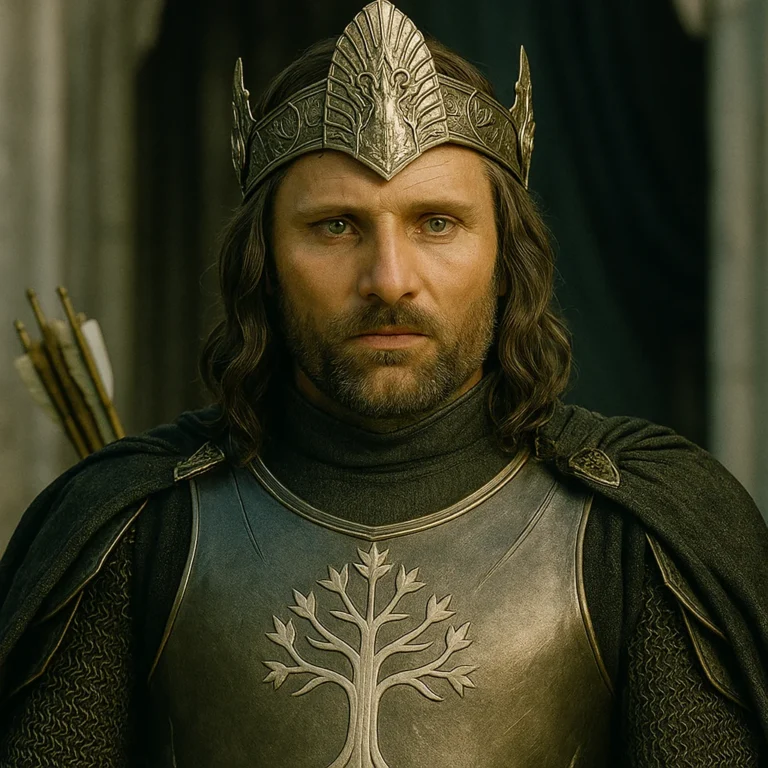
Viggo Mortensen is more than just Aragorn—he’s a seasoned actor, poet, photographer, and publisher with a rich multicultural background. Discover fascinating insights into his multifaceted career and artistic passions.
Viggo Mortensen
Viggo Mortensen was born on October 20, 1958, in New York City and has Danish, American, and Argentine heritage.
He gained worldwide fame for portraying Aragorn in the epic “The Lord of the Rings” trilogy.
Mortensen pursues multiple art forms beyond acting, including photography, poetry, painting, music, and publishing.
He founded Perceval Press to support artists and authors whom mainstream publishers often overlook.
Viggo is known for his dedication to roles, learning new skills like horse riding and sword fighting for “The Lord of the Rings.”
He earned three Academy Award nominations, including for the films “Eastern Promises,” “Captain Fantastic,” and “Green Book.”
Mortensen began his career in films with a small role in Ridley Scott’s “Witness” (1985).
He is fluent in English, Danish, Spanish, and French, owing to his multinational upbringing.
Apart from Hollywood, Viggo has worked in independent films and international cinema, always choosing challenging characters.
He once infamously responded to a journalist’s rude question by flipping the bird—a testament to his passionate and sometimes fiery personality.
Mortensen’s interest in poetry and photography often intersects with his film projects, capturing behind-the-scenes moments and inspirations.
He is also a humanitarian, involved in social and environmental causes, often using his art and platform to highlight important issues.
Viggo has performed live readings of poetry and frequently collaborates with other artists across creative disciplines.
He speaks openly about his family life, including his three children and relationship with his wife, which gives him a down-to-earth aura.
Despite his fame, Mortensen maintains a somewhat private life and earns admiration for his humility and depth both on and off screen.
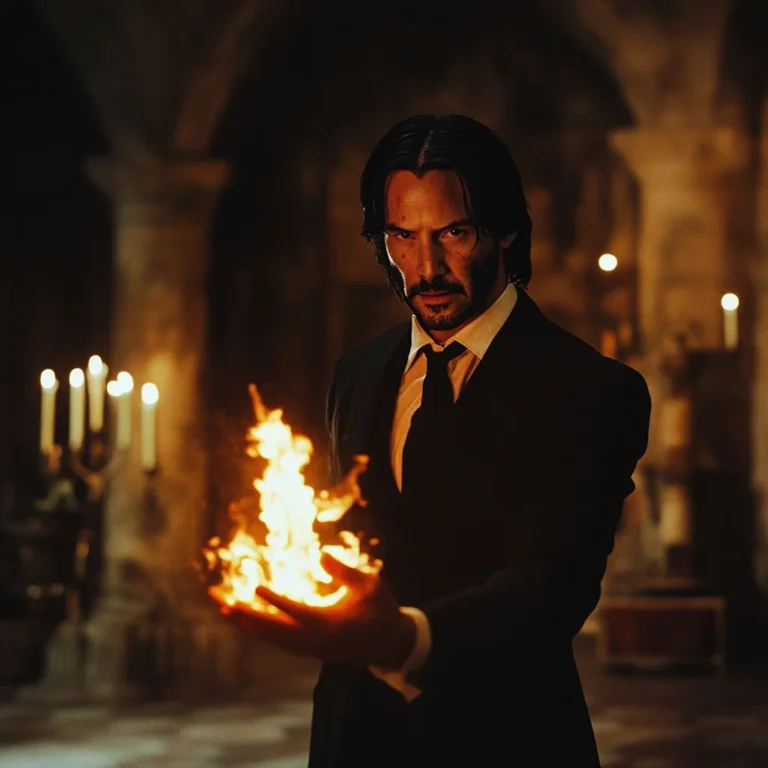
The movie Constantine blends supernatural action with biblical lore in a unique way. While fans know about Keanu Reeves as the demon hunter, many lesser-known details about the film’s production and story remain hidden. These intriguing facts shed light on how this cult classic came to life, uncovering secrets that make Constantine even more fascinating for viewers.
Constantine
Keanu Reeves learned to ride a motorcycle specifically for his role as John Constantine, adding authenticity to action scenes.
The character Constantine originally appeared in the Hellblazer comic series, which inspired the film’s dark tone.
Director Francis Lawrence made his feature film debut with Constantine, using his TV experience to create a visually distinct style.
The film’s portrayal of demons and angels draws heavily from Christian mythology but with creative liberties.
Guillermo del Toro helped design some of the demonic creatures, lending an eerie, otherworldly look.
Tilda Swinton played the angel Gabriel in the movie, choosing to portray the character without traditional gender cues.
The movie was filmed in multiple locations around Los Angeles, standing in for a gritty, supernatural cityscape.
Keanu Reeves performed many of his own stunts, including intense fight scenes and action sequences..
The iconic trench coat worn by Constantine became a defining costume piece for the character’s look.
The movie initially received mixed reviews but gained a strong cult following over time.
Constant references to sin, redemption, and fate reflect the film’s deep theological and philosophical layers.
The script included several scenes that were cut for pacing but remain popular among fans in deleted footage.
The soundtrack mixes rock and orchestral music to enhance the film’s dark yet dramatic tone.
The character’s love interest, Angela, was portrayed with a strong feminist angle, contrasting typical action tropes.
Constantine’s design emphasizes practical effects combined with CGI, creating a believable supernatural world.