1. Evolution Keeps Inventing Crabs
In biology, there is a very weird and well-documented trend known as carcinization. Essentially, nature loves the physical shape of a crab. Over millions of years, several different, non-crab crustacean families have naturally evolved to look exactly like crabs, developing the same flat, round body and tucked-under tail. It turns out that being shaped like a crab is a great advantage for surviving on the ocean floor.
2. They Have Teeth in Their Stomachs
Because crabs completely lack teeth in their mouths, they cannot chew their food before swallowing. Instead, they rely on a cool body part located deep inside their stomach called a gastric mill. This internal stomach chamber is lined with three hard, bony plates that act exactly like grinding teeth. The crab uses strong stomach muscles to rub these internal plates together, perfectly crushing tough shells and bones before digestion.
3. Walking Sideways is a Body Rule
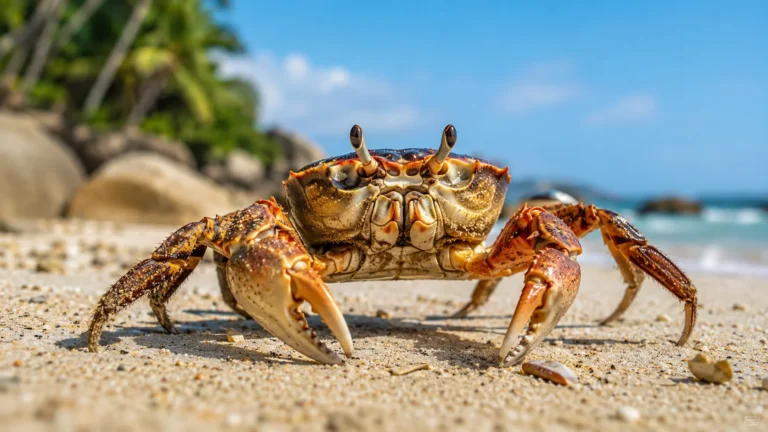
The famous sideways scuttle of the crab is not just a fun habit; it is a strict physical rule. True crabs have stiff legs that are attached to the sides of their wide, flat shells. Their leg joints do not have the right hinges to move forward and backward easily. Moving sideways is the absolute fastest, most stable way for them to sprint across uneven sand or rocky ocean floors.
4. Horseshoe Crabs Are Fake Crabs
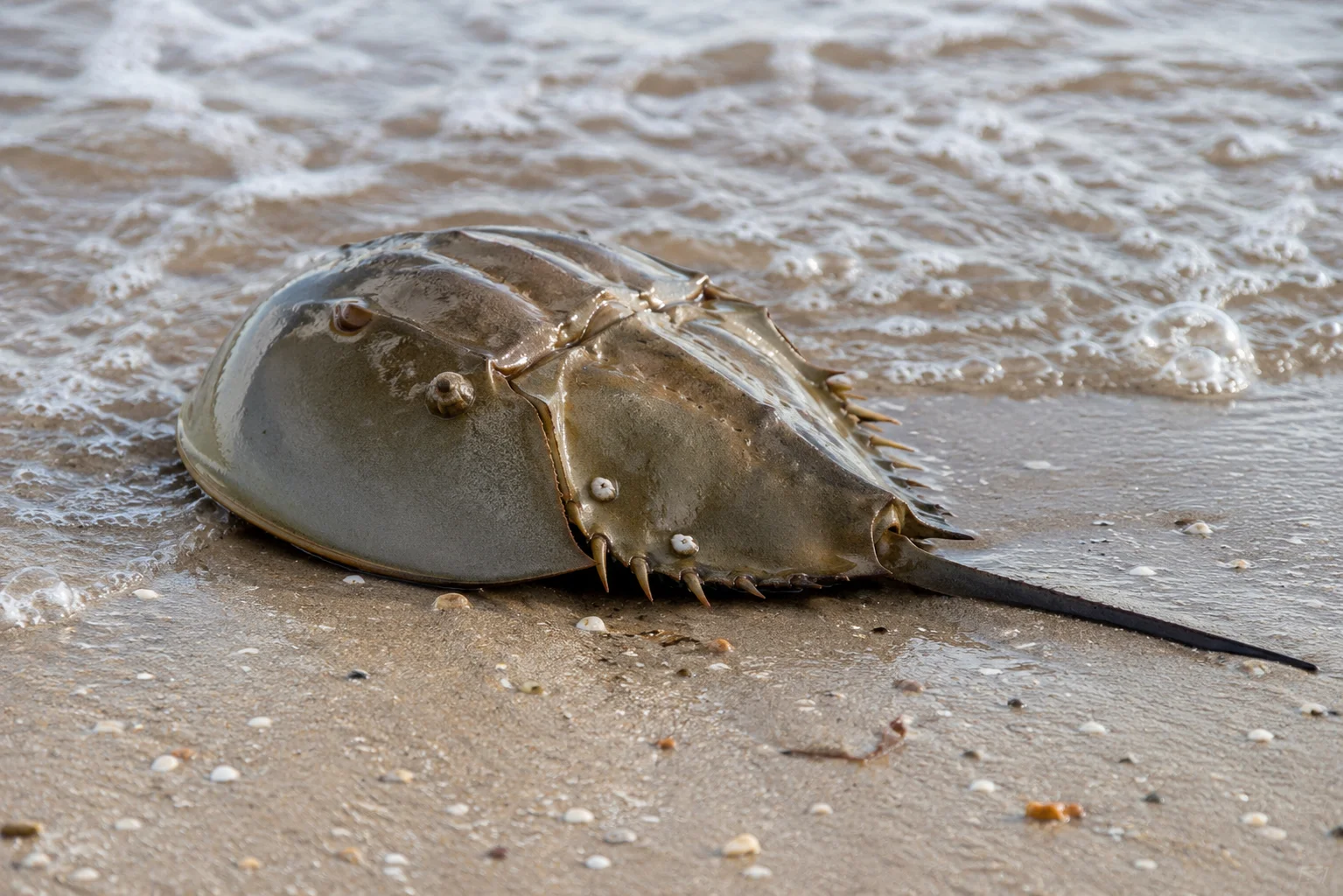
Despite their common name and hard shells, horseshoe crabs are not true crabs at all. In the grand family tree of life, they do not even belong to the crustacean family. They are ancient marine animals that are actually much more closely related to land spiders, scorpions, and ticks than they are to any crab swimming in the ocean today.
5. They Can Safely Breathe on Dry Land
While they are mainly water animals equipped with gills, many crab species spend lots of their time entirely out of the water. Their hidden gill chambers are designed to trap and hold seawater. As long as these delicate gills stay wet, the crab can easily pull oxygen directly from the surface air, allowing species like the ghost crab to live happily on dry, hot beaches.
6. The Zombie Barnacle Parasite
Crabs fall victim to one of the most wild and creepy parasites in the entire animal kingdom: Sacculina. This tiny barnacle completely injects itself into a male crab, growing a large network of root-like strings throughout the crab’s entire body. The parasite alters the crab’s hormones to make it act exactly like a pregnant female, and forces the zombified crab to care for and release the parasite’s own eggs.
7. The Japanese Spider Crab is a Giant
Deep in the freezing ocean trenches off the coast of Japan lives the largest arthropod on the planet. The Japanese spider crab has a crazy, long leg span that can reach up to twelve feet across from claw to claw. Despite their huge, scary appearance, they are very gentle, slow-moving scavengers that can easily live for up to an amazing one hundred years in the wild.
8. They Bleed Pale Blue
If a crab gets a bad injury on the reef, it does not bleed red. Crabs lack hemoglobin, the iron-based molecule that makes human blood red. Instead, they use a copper-rich protein completely dissolved in their blood called hemocyanin to carry oxygen. When this copper-based fluid touches oxygen, it instantly turns a cloudy, pale blue color.
9. They Will Drop Limbs to Survive
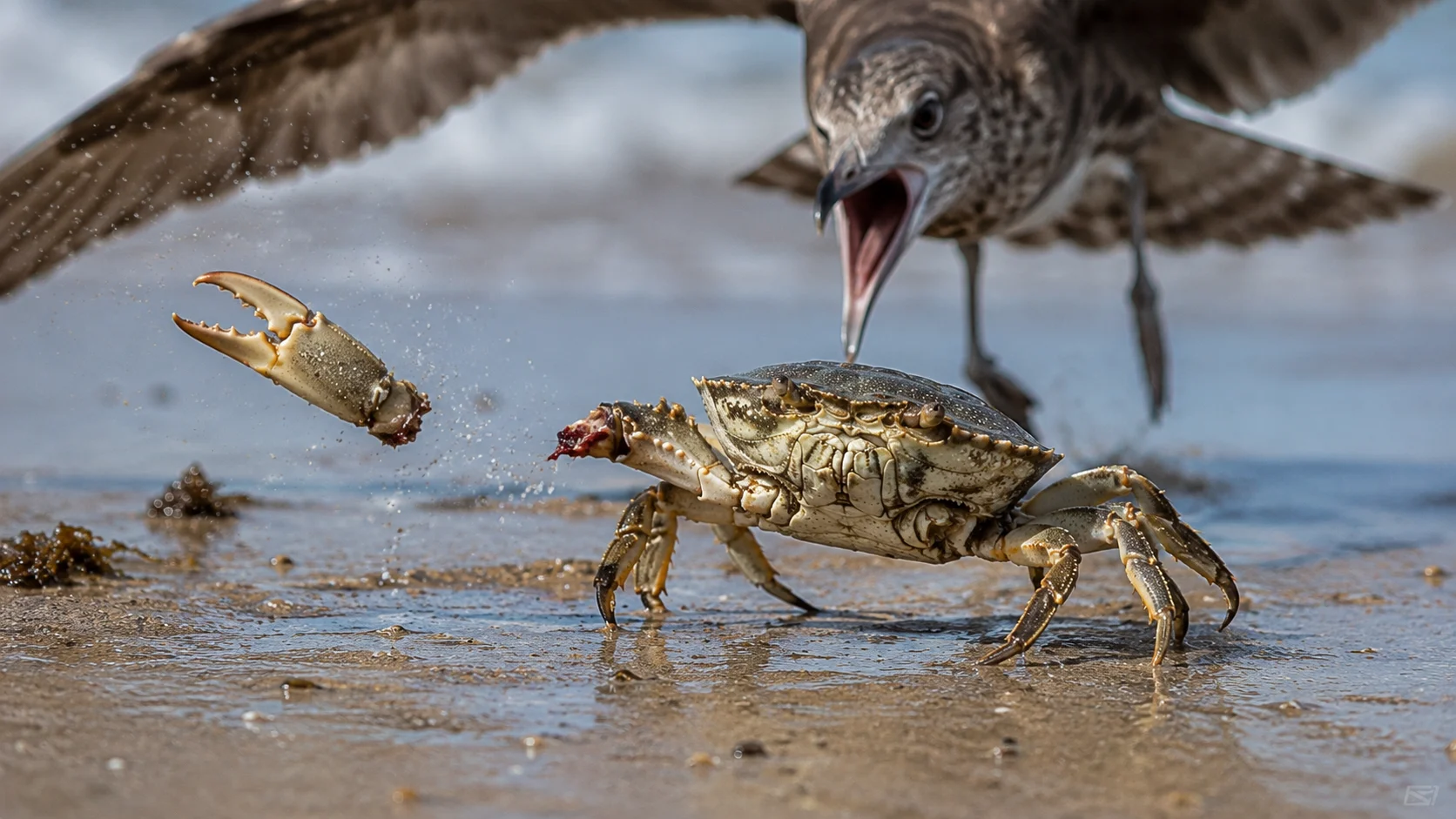
To survive run-ins with hungry predators, crabs use a wild escape trick known as autotomy. If a bird or an octopus tightly grabs a crab’s leg or claw, the crab can flex a special muscle to completely snap off its own limb at a built-in breaking point. The dropped claw continues to twitch, distracting the predator while the crab escapes. The crab will then miraculously grow a perfect new limb over its next few molts.
10. The Huge Christmas Island Migration
On the tiny, isolated Australian territory of Christmas Island, the local nature scene is completely ruled by the red crab. Every single year at the start of the wet season, an estimated fifty million adult red crabs come out of the forest at the exact same time. They march across roads, golf courses, and human backyards in an unstoppable red wave, all determined to reach the ocean to mate and release their eggs.
11. Coconut Crabs Are Tree-Climbing Giants
The coconut crab holds the clear title of the largest land-dwelling arthropod in the world. Weighing up to nine pounds, these huge, heavy land crabs are great climbers. They regularly climb completely vertical palm trees to cut down heavy coconuts. Their pincers are so incredibly strong that they can easily crack open a solid coconut shell to feast on the sweet meat inside.
12. Pea Crabs Live Inside Living Oysters
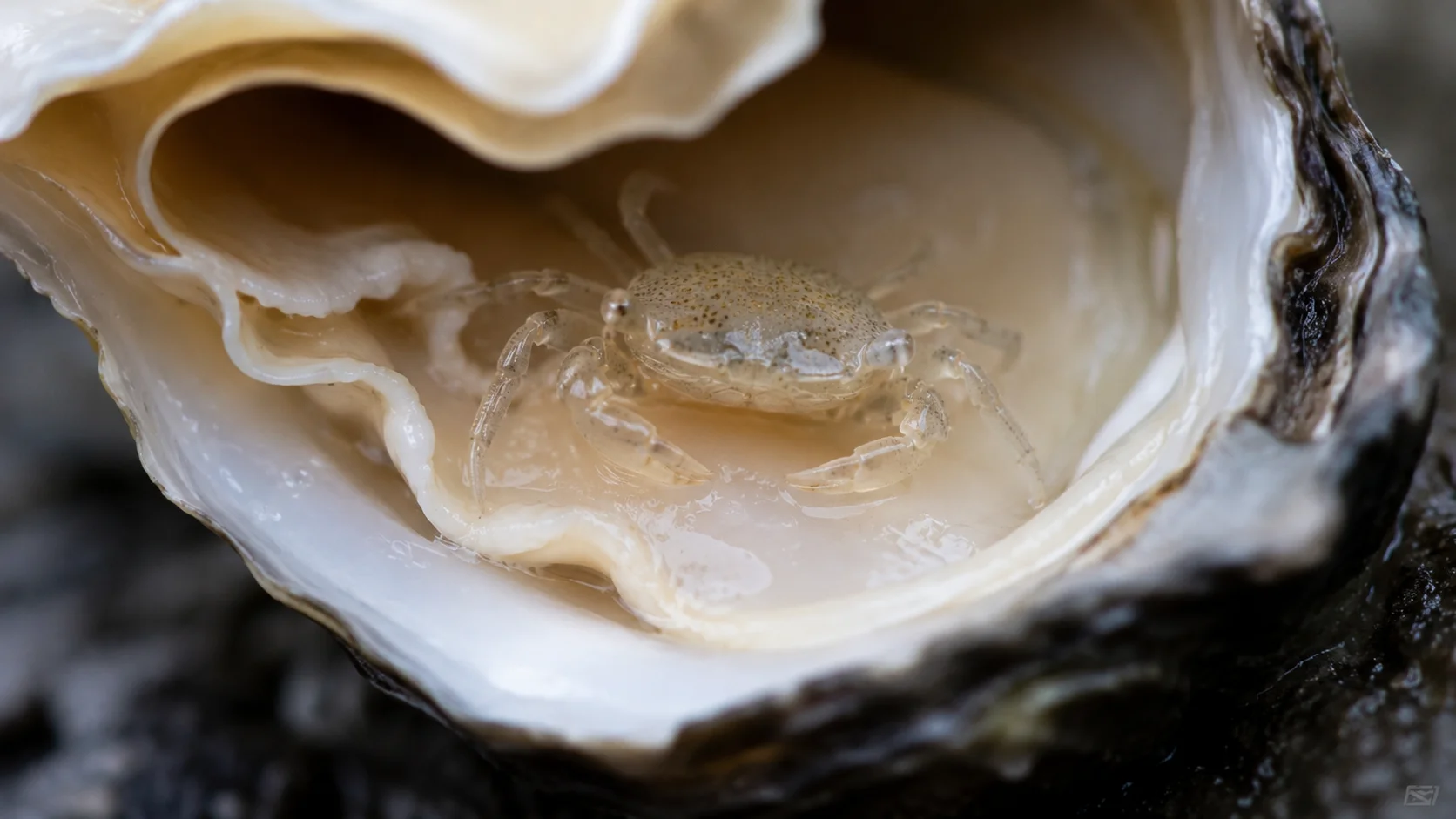
While some crabs are huge giants, the pea crab is unbelievably tiny. These weird, clear little crabs are sneaky thieves that spend almost their entire lives completely hidden inside the shells of living oysters, mussels, and clams. They sit safely inside the host’s shell, completely protected from ocean predators, and lazily eat the tiny bits of food that the host naturally filters from the water.
13. Fiddler Crabs Have Built-In Shields
The male fiddler crab shows off one of the most obvious gender differences in nature. One of his front claws is a normal, useful size for eating, but the other claw is absolutely huge—often making up half of his entire body weight. He uses this giant, heavy arm exactly like a big shield in rough fights against rival males, and waves it in the air to attract females.
14. They Use Sound to Talk
Crabs are not quiet creatures. Because they have hard, bony shells, they often use them to make loud, clicking noises. Ghost crabs have a special ridge inside their claws that they rub together to create a scary, scratchy hiss to warn predators. Other species will drum their heavy claws directly against the hard ocean floor to send deep, vibrating warnings to rival crabs.
15. Hermit Crabs Have Soft Backsides
Hermit crabs are another famous example of fake crabs; they are not true crabs. Unlike true crabs that have a hard shell completely covering their entire body, hermit crabs have a soft, easily hurt backside. To protect their squishy back from hungry predators, they must constantly search the ocean floor for empty snail shells to live inside, swapping for larger shells every time they grow.