The Hunger Games movie captivated audiences worldwide with its intense story and unforgettable characters. Beyond the thrilling plot lies a treasure trove of behind-the-scenes secrets, unique production methods, and surprising challenges. Discover intriguing facts about The Hunger Games movie that fans might not know and see the film from a fresh perspective.
Hunger Games
Jennifer Lawrence broke her finger during filming Hunger Games but kept acting through the pain to maintain continuity.
The iconic salute came from the book but was adapted into a silent, powerful gesture by the film’s director.
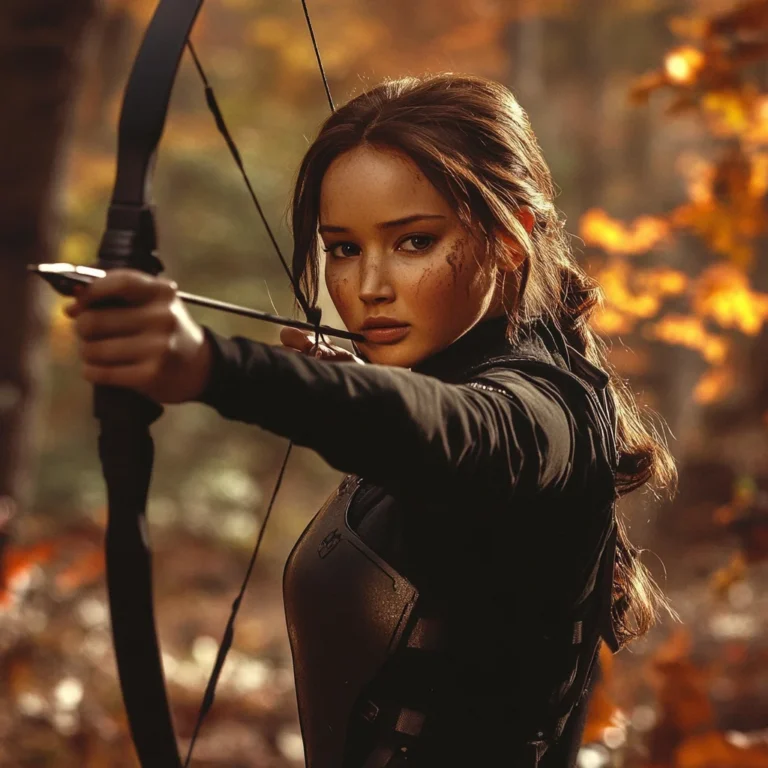
Real archers trained the cast, including Jennifer Lawrence, to use a bow and arrow authentically.
The movie’s background music included sounds recorded from natural forest environments for realism.
To create the harsh arena environment, costume designers used unconventional materials like sand and clay.
The Mockingjay pin was made from actual 3D printing technology, pioneering for movie props at the time.
Director Gary Ross initially hesitated to direct Hunger Games but was convinced after reading the original novel.
Filming took place in North Carolina, where many Appalachian locals worked as extras in the Capitol scenes.
The film used CGI animals sparingly, opting mostly for practical effects and animatronics.
Woody Harrelson shaved his head himself to prepare for his role as Haymitch.
The filmmakers created a special “Hunger Games language” that actors used during silent scenes to add depth.
The book’s author, Suzanne Collins, visited the set and provided insight that influenced some script changes.
Production designers incorporated dystopian elements inspired by real-world architecture and fashion trends.
The movie’s release sparked a boost in interest in archery clubs and survival skill workshops worldwide.
Despite its futuristic setting, the film carefully avoided excessive technology to keep it grounded and relatable.
How useful was this post?
Click on a star to rate it!
This AI-assisted post was rigorously curated and fact-checked for accuracy by:
Ian McKellen, renowned for his commanding stage presence and iconic film roles, has shaped modern acting with passion and activism. Although best known as Gandalf and Magneto, McKellen’s journey delights fans with personal stories, pivotal roles, and bold advocacy for equality.
Ian McKellen
Ian McKellen was born in Burnley, England, on May 25, 1939, and soon fell in love with acting at school.
Throughout six decades, he thrived on stage, starring in Shakespeare’s classics and debuting at the Belgrade Theatre in 1961.
Film fans know McKellen for his unforgettable portrayals of Gandalf in The Lord of the Rings and Magneto in X-Men, roles which instantly propelled him to global fame.
Although he shines in film, McKellen treasures theatre and has earned six Olivier Awards for his powerhouse performances.
Hollywood and Broadway embraced him, as he won a Tony Award for his riveting role as Salieri in Amadeus.
Close friendships with fellow actors, especially Patrick Stewart, led to legendary joint productions like Waiting for Godot.
McKellen’s activism stands out. He helped found Stonewall UK, advancing LGBTQ+ rights across Britain and beyond.
In 1988, he bravely came out as gay, energizing a movement for equality and dignity.
Queen Elizabeth II knighted him in 1991, later appointing him a Companion of Honour for services to drama and equality.
He continues to reach new audiences through television, including memorable appearances on Coronation Street and hit shows like Vicious.
McKellen avoids alcohol after age 70, instead enjoying a teatotal lifestyle and championing healthy habits.
Inventively, he became one of the first actors with a personal website, blogging for fans since the 1990s.
He supports education and charity, advocating for Age UK and theatre outreach programs.
McKellen narrowly missed out on becoming the “World’s Sexiest Vegetarian,” reflecting his well-known pescetarian diet.
Even as he approaches legendary status, Ian McKellen remains humble, endlessly creative, and a continual source of inspiration throughout entertainment and society.
Robert Rodriguez brought Frank Miller's gritty graphic novels to life with groundbreaking visual style. He ignored traditional filmmaking rules to create a living, breathing comic book on screen. Furthermore, he resigned from the Directors Guild of America to ensure Frank Miller received proper credit. Consequently, the film remains a unique masterpiece of the noir genre. Explore these fascinating details about Basin City.
Sin City
Robert Rodriguez filmed the opening scene solely to convince Frank Miller to make the movie. Specifically, he shot “The Customer is Always Right” as an audition tape to prove he would treat the source material with respect.
Quentin Tarantino directed one scene in the film for the salary of one dollar. As a friend, he stepped in to direct the sequence where Dwight talks to a dead Jackie Boy in the car.
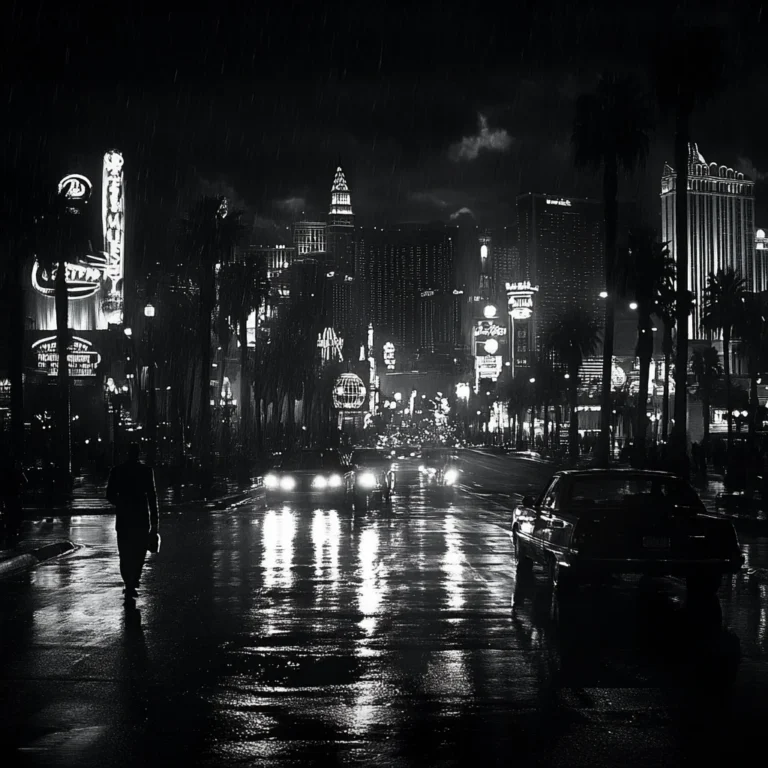
The production of Sin City used only four physical sets for the entire movie. Surprisingly, the actors performed almost exclusively in front of green screens, with the digital backgrounds added later.
Miho uses the exact same swords that appeared in the movie Kill Bill. Tarantino had the props in his garage and generously lent them to the production team for the character.
Robert Rodriguez quit the Directors Guild of America before the movie’s release. He resigned because the guild refused to let him credit Frank Miller as a co-director on the project.
Mickey Rourke and Elijah Wood never met during the entire filming process. Although their characters fight in the movie, they shot their individual scenes months apart on a digital soundstage.
The crew used fluorescent red liquid to create the white blood. Interestingly, this special fluid glowed under black light, which made it easier for the digital artists to process the color.
Brittany Murphy filmed all of her scenes in a single day. The actress delivered her memorable performance as Shellie quickly because the digital schedule allowed for rapid shooting.
Jessica Alba had a strict “no nudity” clause in her contract. Therefore, the filmmakers used creative lighting and camera angles to hide her body during her striptease performances.
The movie does not have a traditional screenwriter credit. Instead, the credits simply state that the film is “Based on the graphic novels by Frank Miller” because they used the books as the script.
Leonardo DiCaprio originally turned down the role of Junior. Consequently, Nick Stahl took the part of the creepy yellow villain after the superstar passed on the project.
Frank Miller appears in Sin City as a priest. Unfortunately for him, his character meets a gruesome end when Marv kills him in the confessional booth.
Robert Rodriguez saw Benicio del Toro at the Oscars and told him not to cut his hair. Thus, the actor kept his long, messy look to play the role of the corrupt cop Jackie Boy.
Elijah Wood wore special contact lenses to play the silent killer Kevin. These white lenses gave him a soulless look that made his character appear even more terrifying on screen.
Finally, Robert Rodriguez performed almost every major job on the film himself. remarkably, he served as the director, cinematographer, editor, and composer to maintain complete creative control.