1. She Never Called Herself Joan of Arc
In fifteenth-century France, last names were not widely used by commoners in the way they are today. She was born in the village of Domremy, where girls typically took their mothers surnames. In the massive volumes of her official trial transcripts, she testified that she only knew herself as Jehanne la Pucelle, which translates directly to Joan the Maid. The name Joan of Arc was completely retroactively applied to her by historians years after her death.
2. The Voices Began at Age Thirteen
The massive, divine visions that completely altered the course of European history began when Joan was just a young teenager. While standing in her fathers garden at the age of thirteen, she claimed to see a blinding light and hear the highly distinct voices of Saint Michael, Saint Catherine, and Saint Margaret. These specific voices relentlessly commanded her to maintain her virginity, drive the English military out of France, and see the Dauphin crowned as the rightful king.
3. She Never Actually Fought in Combat
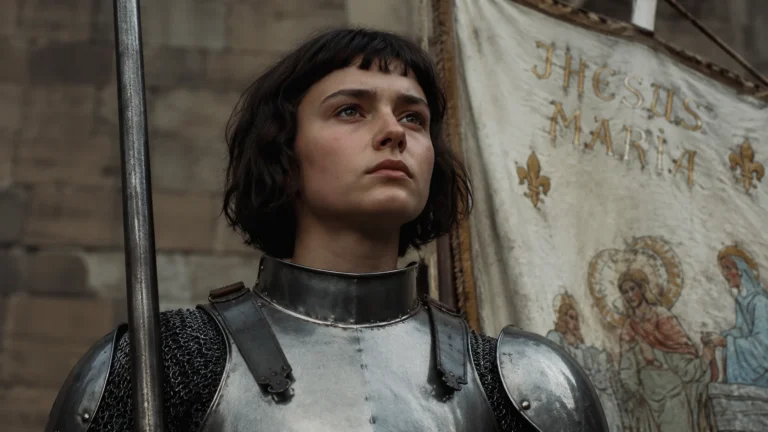
Despite being universally depicted in paintings and statues wielding a heavy sword in the thick of battle, Joan never actually fought on the front lines or killed an enemy soldier. She served as a highly inspirational mascot and a brilliant strategic advisor. She rode into massive battles carrying a customized white banner depicting God and two angels, using it to direct troop movements and vastly boost the morale of the terrified French soldiers.
4. She Survived an Arrow to the Chest
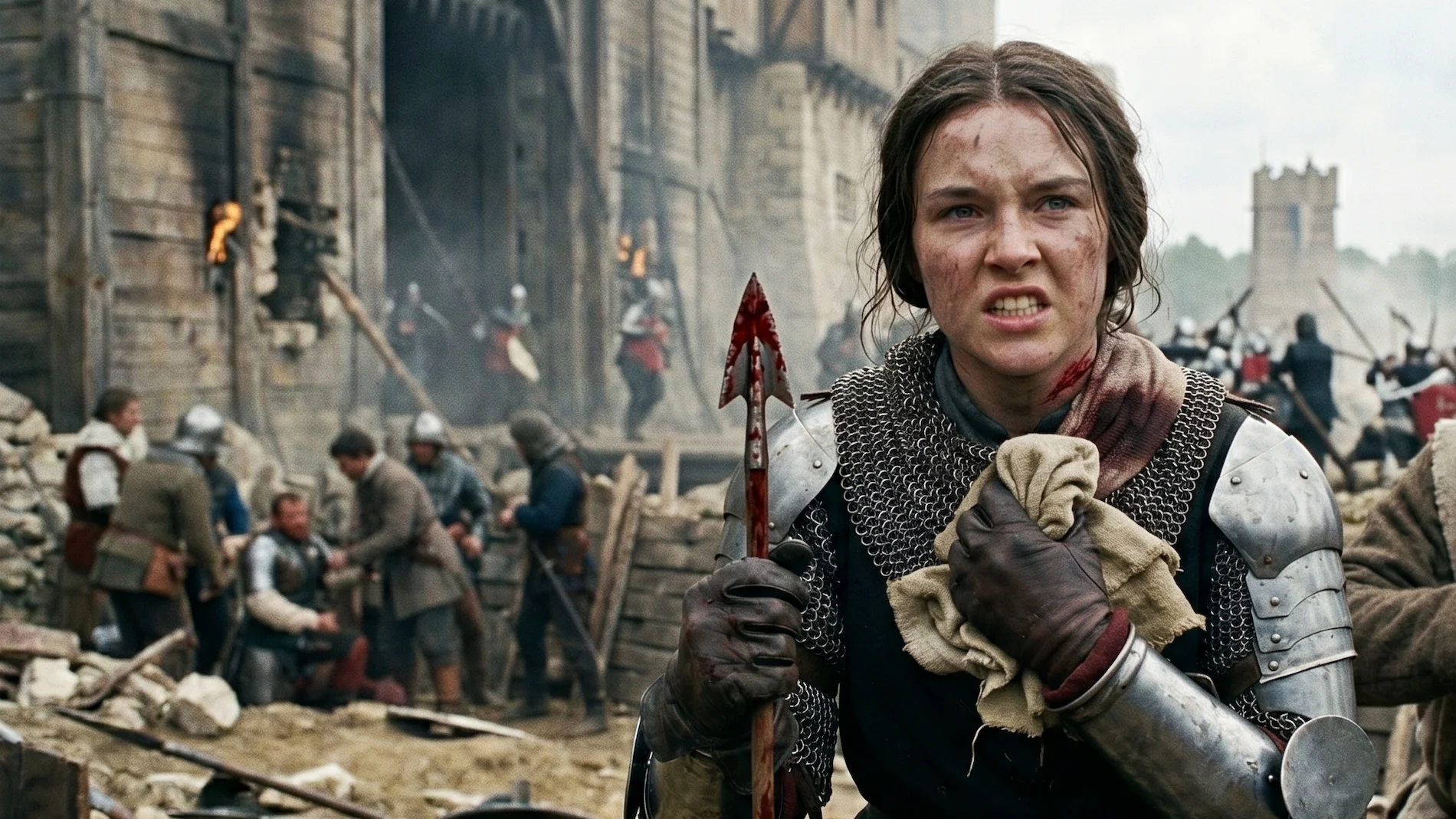
While she did not actively kill enemies, she placed herself directly in the massive line of fire and suffered horrific injuries. During the crucial siege of Orleans, Joan was struck directly between the neck and the shoulder by an English longbow arrow. Instead of retreating, she remarkably pulled the heavy arrow out of her own flesh, had the wound quickly dressed with olive oil and lard, and immediately returned to the battlefield to lead the final, victorious assault.
5. The King Tried to Trick Her
Before the desperate Charles VII would allow a teenage peasant to lead his army, he demanded a private meeting to test her divine claims. When Joan arrived at the royal court in Chinon, Charles completely disguised himself in plain clothes and hid among his massive crowd of wealthy courtiers, placing a fake king on the throne. Joan completely ignored the decoy, walked directly over to the disguised Charles in the crowd, and immediately bowed to him.
6. She Dictated Terrifying Letters
Despite being completely illiterate and unable to read or write a single word, Joan was a master of psychological warfare. She frequently dictated incredibly articulate, highly aggressive letters to the commanding English generals. In these letters, she fiercely demanded that they immediately surrender the keys to all French cities or face a massive, divine massacre, frequently referring to herself in the third person as the Maid sent directly by God.
7. Her Sword Was Found by a Miracle
When it came time to arm herself for war, Joan completely refused to take a standard military sword from the royal armory. Instead, she claimed her voices told her exactly where to find a sacred, rusted sword buried behind the altar of the church of Saint Catherine of Fierbois. When priests dug in the exact spot she described, they miraculously uncovered an ancient sword bearing five crosses, completely solidifying her divine reputation among the soldiers.
8. Wearing Mens Clothes Doomed Her
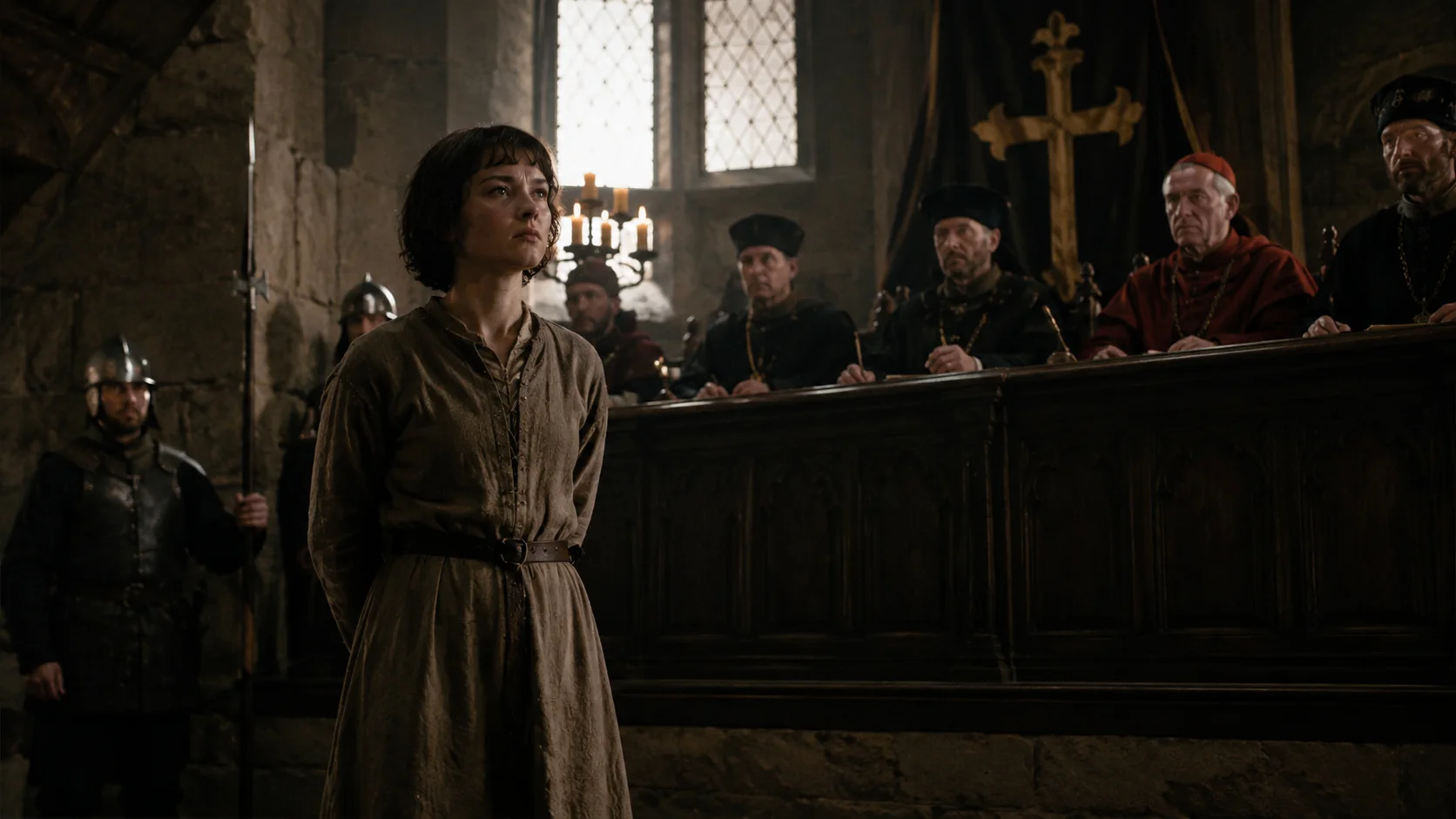
The massive, highly publicized trial that ultimately led to her execution was technically not for witchcraft or murder. The English and their Burgundian allies heavily struggled to prove any legitimate theological charges against her. Ultimately, they sentenced her to death entirely on the charge of cross-dressing. Joan completely refused to stop wearing mens military clothing and heavy armor in prison, arguing that the tightly laced garments actively protected her from being assaulted by the guards.
9. Her Trial is Incredibly Well Documented
Unlike most events from the medieval era which rely on vague rumors and lost chronicles, the trial of Joan of Arc is one of the most meticulously documented legal proceedings in human history. Every single question asked by the massive panel of inquisitors, and every single brilliant, highly defiant answer given by the teenage girl, was completely transcribed by court clerks. These massive volumes allow modern historians to hear Joans exact words and brilliant theological defenses.
10. Impostors Claimed Her Identity
Several years after Joan was tragically burned at the stake in Rouen, a highly bizarre historical conspiracy unfolded. A woman named Claude des Armoises publicly emerged claiming to be Joan, insisting she had miraculously escaped the fire. Shockingly, Joans own biological brothers completely played along with the massive fraud. They traveled across France with the impostor for several years, receiving lavish gifts and massive royal banquets from ecstatic townspeople until the deception was finally exposed.
11. She Inspired the Modern Bob Haircut
Before heading into battle, Joan completely chopped off her long hair, adopting a highly practical, short pageboy style to prevent enemies from grabbing it in combat. Centuries later, in 1909, a highly famous Polish hairdresser named Monsieur Antoine used Joans legendary, short-cropped style as the direct inspiration for the bob haircut. This massive stylistic shift eventually became the iconic, defining look for rebellious flapper women throughout the 1920s.
12. A Retrial Declared Her Innocent
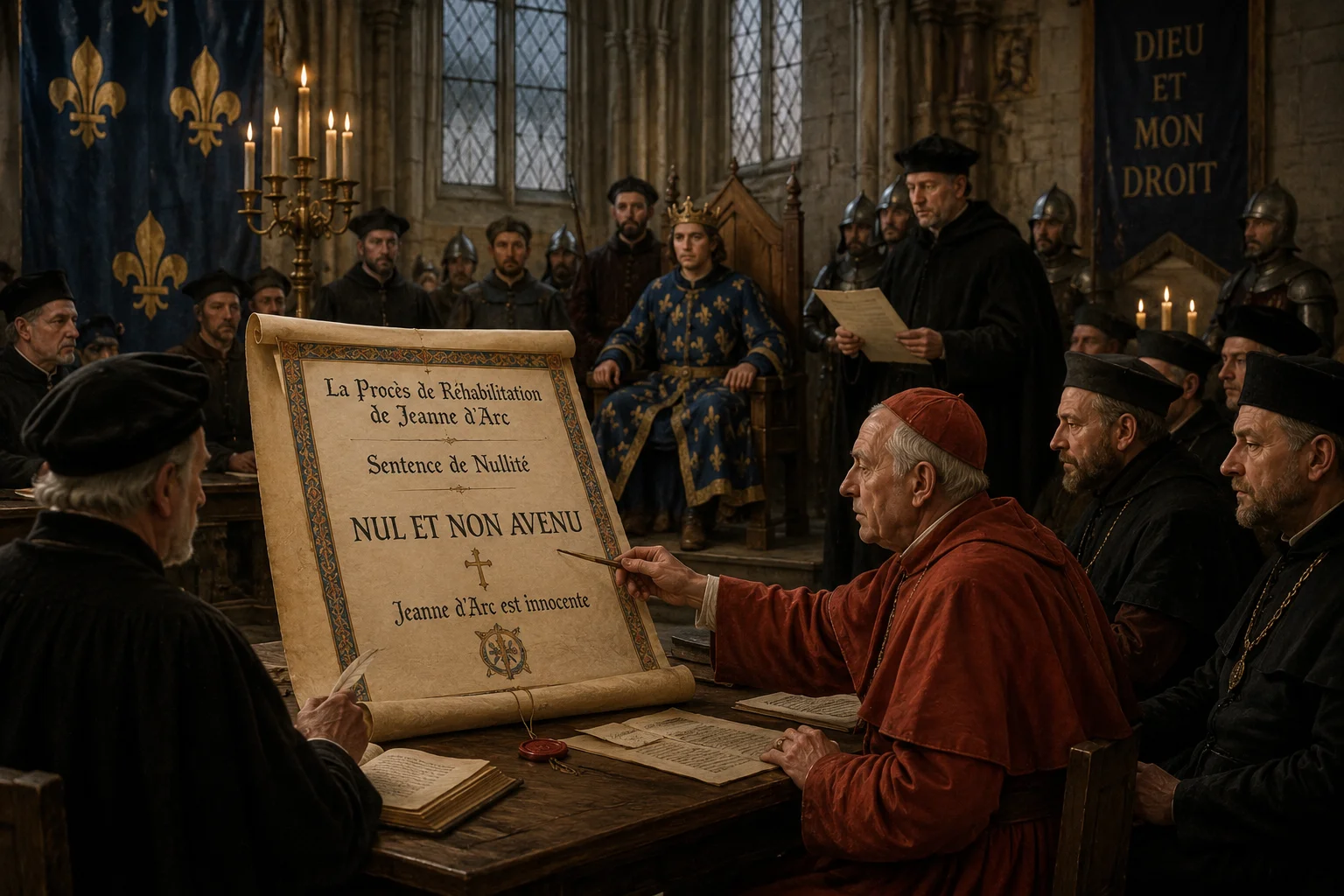
The devastating injustice of her execution was not allowed to stand permanently in the historical record. Twenty years after her death, once the English had been completely driven out of France, King Charles VII ordered a massive nullification trial to clear her name. After reviewing the original transcripts and interviewing over a hundred witnesses who knew her, the papal court completely overturned her guilty verdict, declaring her a true martyr and completely innocent of all charges.
13. Her Ring Returned to France in 2016
Before her execution, English officials confiscated a simple, highly cherished brass ring given to Joan by her parents. The ring remained completely in England for over six centuries, passing through the hands of various wealthy private collectors. In 2016, a French historical theme park finally purchased the ring at a massive London auction for nearly half a million dollars, permanently returning the deeply personal artifact to her native country.
14. She Was Burned Three Times
The English were absolutely terrified of Joans legendary status and deeply feared that her followers would collect her bones as sacred religious relics. When she was burned at the stake, the executioner was ordered to rake back the fire after she died to publicly display her charred body, completely proving she was a mortal woman. They then burned her remains two more times to reduce everything to fine ash, which was permanently cast into the Seine River.
15. It Took 500 Years to Become a Saint
Despite completely saving the nation of France and dying as an innocent martyr, the Catholic Church was incredibly slow to officially recognize her immense spiritual contributions. While she was immediately viewed as a massive folk hero, the complex political tensions between France and the Vatican delayed her official canonization for centuries. She was not officially declared a saint by Pope Benedict XV until 1920, nearly five hundred years after her horrific execution.