The Controversial Champion: 15 Fascinating Facts About Lance Armstrong
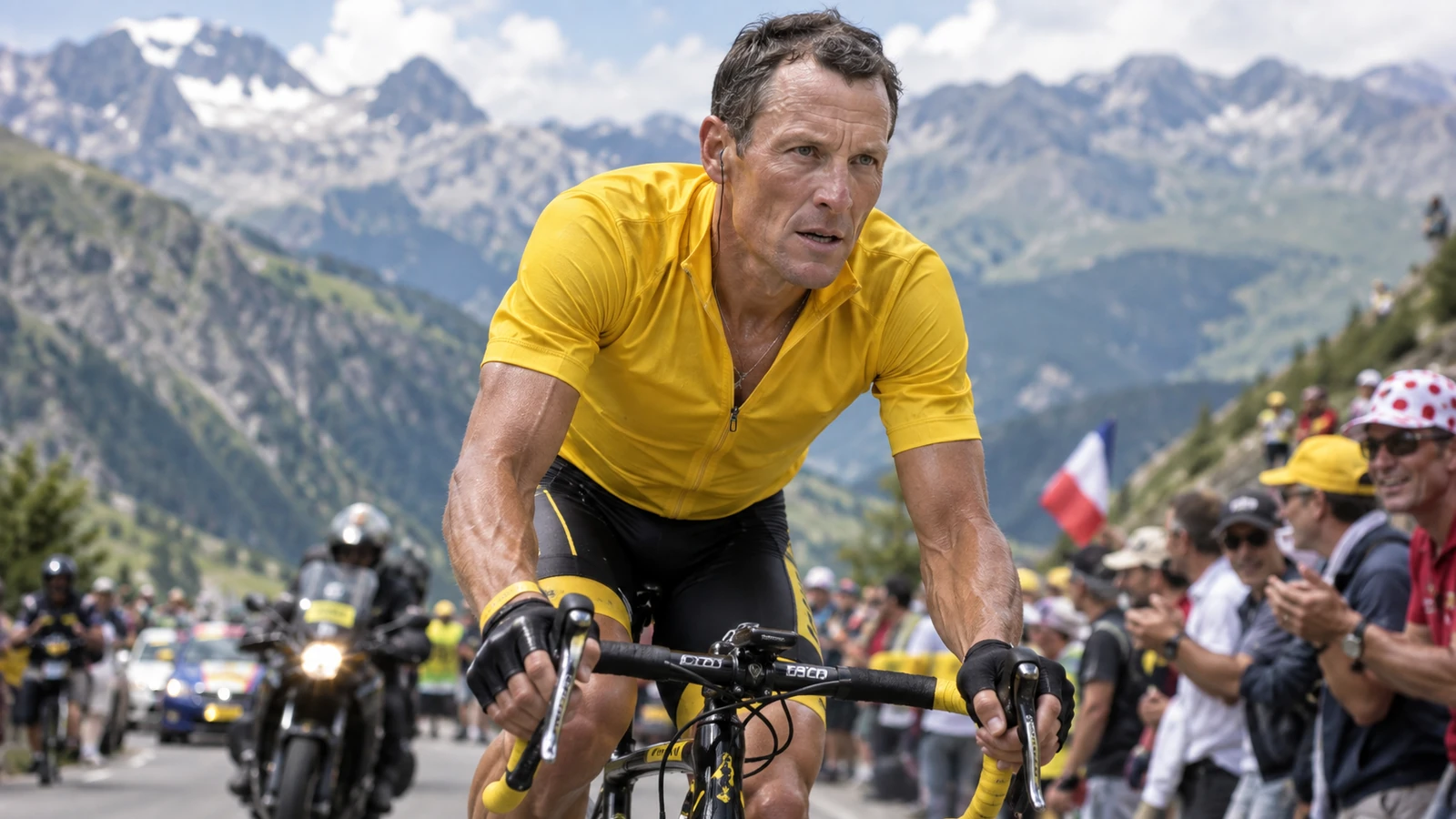
Lance Armstrong remains one of the most polarizing figures in modern sports history, celebrated for an extraordinary recovery from advanced cancer before suffering a dramatic fall from grace due to systemic doping. From winning seven consecutive Tour de France titles to having those very achievements wiped from the official record books, his athletic trajectory reached unprecedented heights and catastrophic lows. Behind the public scandals lie fascinating stories of early venture capital luck, covert race-day logistics, and high-stakes legal battles. Here are 15 riveting facts that illuminate the complex life, career, and legacy of cycling's most infamous rider.
1. He Survived Advanced Stage Three Cancer Against Severe Odds
In October 1996, Lance Armstrong was diagnosed with stage three testicular cancer that had already metastasized to his lungs, abdomen, and brain. Doctors gave him less than a 40 percent chance of survival, requiring immediate, high-risk interventions to save his life. He underwent two emergency brain surgeries to remove cancerous lesions and endured grueling rounds of aggressive chemotherapy that severely weakened his body. Despite the harrowing medical odds, he achieved full remission within months and mounted one of the most famous comebacks in athletic history. This medical battle initially defined his public persona as an invincible symbol of human resilience and determination.
2. Stripped of Seven Tour de France Titles, Leaving an Official Void
Following a comprehensive investigation by the United States Anti-Doping Agency, Armstrong was stripped of all seven of his consecutive Tour de France victories spanning from 1999 to 2005. No other elite athlete in modern sports history has had such an extensive series of major championship titles erased in a single decision. Rather than reassigning the victories to the original runners-up, cycling authorities opted to leave the official record books completely blank for those seven years. This decision created an unprecedented seven-year void in the history of road cycling's most prestigious event. Armstrong remains the only rider to cross the finish line first in seven consecutive editions without an official winner currently recognized.
3. An Early Investment in Uber Rescued His Personal Finances
In 2009, Armstrong made a pivotal $100,000 angel investment in a fledgling tech startup called Uber through venture capitalist Chris Sacca. Remarkably, Armstrong later admitted he had little understanding of the business model at the time and initially believed he was investing in a video game company. As Uber expanded globally into a ride-sharing giant, that modest stake swelled in value to tens of millions of dollars over the next decade. This extraordinary financial windfall proved crucial in saving his personal fortune during years of expensive legal battles. Without this venture capital deal, the compounding lawsuits following his doping confession could have left him entirely bankrupt.
4. The Myth of "Never Testing Positive" Masked Systemic Evasion
Throughout his career, Armstrong repeatedly defended his innocence by boasting that he had passed hundreds of anti-doping tests without a single positive result. However, investigative files later revealed that he had actually triggered suspicious test results that were systematically covered up or explained away. During his first Tour de France victory in 1999, he tested positive for cortisone, but his team circumvented penalty by producing a backdated prescription for saddle sore cream. He also utilized fast-clearing synthetic hormones and micro-dosing protocols engineered specifically to flush out of his bloodstream before testers arrived. This carefully orchestrated evasion scheme allowed him to maintain a technically clean public record for over a decade.
5. He Was Engaged to Rock Star Sheryl Crow
In the early 2000s, Armstrong formed one of pop culture's most prominent celebrity power couples through his high-profile relationship with musician Sheryl Crow. The pair began dating in 2003 and subsequently announced their engagement in 2005, drawing immense media attention across both music and sports media. However, they abruptly called off their wedding in early 2006, just months before their scheduled nuptials. Reports indicated that the breakup stemmed primarily from differing desires regarding family planning, as Crow wanted children while Armstrong hesitated to expand his family at that time. Their public split presaged a dramatic shift in Armstrong's personal life just as rumors about his racing practices began to intensify.
6. A Secret Motorcycle Courier Called "Motoman" Delivered Drugs
To keep prohibited performance-enhancing drugs off the official team bus, Armstrong's team employed a clandestine delivery network using an outside accomplice. Dubbed "Motoman" by team insiders, a hired handyman followed the Tour de France race route riding a motorcycle. Motoman carried insulated thermoses packed with micro-doses of erythropoietin (EPO) and testosterone directly to designated secret meeting spots near the race stages. This covert courier system allowed riders to receive fresh supplies of illegal substances without risking police detection or hotel room raids during the race. The elaborate setup demonstrated the astonishing level of logistical planning that underpinned the team's organized doping operations.
7. He Received a Lifetime Ban from All Olympic Sports
In 2012, the United States Anti-Doping Agency issued a lifetime ban against Armstrong that permanently barred him from participating in any sport governed by the World Anti-Doping Code. The scope of this sanction was extraordinarily broad, preventing him not only from professional cycling but also from official marathons and triathlons. This total exclusion shattered his plan to transition back into elite triathlon racing, the endurance sport where he had begun his athletic career as a teenager. Even non-competitive charity events under official athletic sanctioning bodies were placed completely out of his reach. The comprehensive nature of the ban severed his access to the entire mainstream sporting establishment.
8. He Still Displays His Seven Yellow Jerseys at Home
Despite official international federations stripping his name from the cycling record books, Armstrong continues to prominently display all seven yellow jerseys in his home. Framed and mounted inside his private media room in Austin, Texas, the iconic leader jerseys serve as a defiant reminder of his dominance on the road. Armstrong has repeatedly stated that he still views himself as the rightful champion of those seven races because his primary rivals were also engaged in widespread doping. In his perspective, he conquered an even playing field of fellow dopers through superior training and strategy. This steadfast display underscores his ongoing refusal to completely accept the official erasure of his athletic legacy.
9. He Enforced Doping on Teammates Through Bullying and Threats
Armstrong did not merely participate in a secret doping program; he actively led and enforced it across his entire racing squad with ruthless discipline. As the undisputed leader of the US Postal team, he pressured domestic support riders like Tyler Hamilton and Floyd Landis to adopt strict drug regimens to maintain their contracts. Teammates who expressed reluctance or questioned the unethical practices faced severe intimidation, ostracization, and threats of career destruction. When former teammates eventually cooperated with federal investigators, Armstrong publicly maligned their character and used his legal resources to discredit them. His aggressive enforcement of silence created an atmosphere of fear that protected the illicit program for years.
10. He Rebuilt a Media Empire Around His Cycling Podcast
After being banished from mainstream sports, Armstrong successfully reinvented himself as a prominent media broadcaster by launching his own podcast network. His flagship show, "The Move," provides detailed, technical analysis of major cycling events like the Tour de France and has attracted millions of loyal listeners worldwide. The podcast quickly grew into a lucrative digital media operation that generates substantial sponsorship revenue and high viewer engagement. Despite his controversial reputation, cycling enthusiasts continue to seek out his unmatched tactical insight and unvarnished commentary on race strategy. This media resurgence demonstrates that a massive audience remains eager to consume his analytical expertise despite his public disgrace.
11. His Team Conducted Blood Transfusions on a Moving Team Bus
During the 2004 Tour de France, Armstrong and his teammates executed blood transfusions directly inside their team bus while traveling between race stages on public highways. To carry out the illicit procedure unseen, the driver pulled the vehicle over onto a mountain road under the pretext of experiencing mechanical engine trouble. While waiting for the faux repair, riders lay on the floor of the passenger aisle as support staff hung bags of pre-harvested, oxygen-rich blood from the overhead luggage racks. The infused blood rapidly boosted their red blood cell counts, providing immediate stamina recovery for the upcoming mountain stages. This reckless mid-tour operation highlighted the extraordinary lengths to which the team went to maintain their physical advantage.
12. He Was a Professional Triathlon Prodigy at Age 16
Long before becoming a dominant force in international road cycling, Armstrong established himself as a teenage prodigy in the sport of triathlon. He began competing in professional endurance events at just 16 years old, quickly showcasing extraordinary cardiovascular capacity and physical toughness. By age 17, he won the United States Sprint Triathlon National Championship, outperforming seasoned adult professionals while still a high school student. His aggressive racing style and outspoken confidence immediately set him apart from older competitors in the multisport community. This early triathlon success provided the foundational endurance and fierce competitive drive that later propelled his transition into elite European road racing.
13. The Livestrong Bracelet Created a Global Cultural Phenomenon
In 1997, Armstrong founded the Lance Armstrong Foundation to support cancer survivors, which eventually launched the iconic yellow "Livestrong" silicone wristband in 2004. Developed in partnership with Nike, the simple yellow bracelet exploded into a global cultural phenomenon, selling more than 80 million units worldwide. The wristband became a ubiquitous symbol of hope, solidarity, and cancer awareness, raising tens of millions of dollars for patient support programs. However, as the doping scandal escalated in 2012, Armstrong stepped down from the foundation's board to prevent his personal disgrace from jeopardizing its charitable mission. The organization subsequently rebranded as the Livestrong Foundation to distance itself from its compromised founder.
14. He Settled a $100 Million Federal Fraud Lawsuit for $5 Million
Following his public confession, the United States government filed a massive $100 million whistleblower lawsuit against Armstrong under the False Claims Act. The federal lawsuit alleged that Armstrong defrauded the U.S. Postal Service by accepting tens of millions of dollars in team sponsorship money while violating contract clauses against performance-enhancing drugs. Facing potential financial ruin that could have wiped out his entire remaining net worth, Armstrong fought the case for years as it headed toward a high-stakes jury trial. Just days before trial proceedings were scheduled to begin in 2018, he reached a settlement agreement to pay $5 million to the federal government. This negotiated resolution spared him from catastrophic financial damages and ended his longest-running legal battle.
15. He Voluntarily Surrendered His 2000 Olympic Bronze Medal
While Armstrong fiercely contested the revocation of his Tour de France titles, he ultimately complied with demands to surrender his Olympic accolade. At the 2000 Summer Olympics in Sydney, Australia, he earned a bronze medal in the men's individual road time trial behind gold medalist Jan Ullrich. In 2013, following his official doping confession and the subsequent decision by the International Olympic Committee to disqualify his result, Armstrong voluntarily returned the physical medal. He packaged the bronze medal and mailed it back to the US Olympic Committee headquarters in Colorado to be returned to Switzerland. This act marked one of the few instances where he formally submitted to the disciplinary actions of international sports governing bodies.
Sources & References
This AI-assisted post was rigorously curated and fact-checked for accuracy by:
 Martin Roháček
How fun was this article? 🤔
Tap a star to rate it
🧠 Quiz: How closely were you paying attention?
10 questions — all answers are in the article above!
Enjoyed these facts? There's more! 💌
Fresh fun facts in your inbox. No spam, ever.