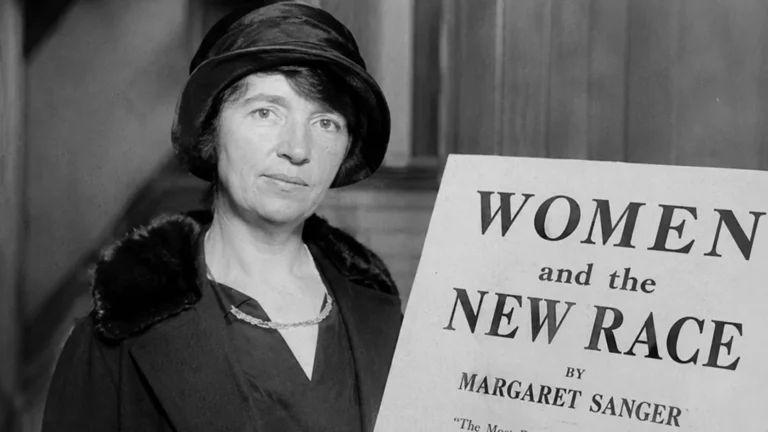
1. Her Mother’s Tragic Health Inspired Her Mission
Margaret Sanger was born Margaret Higgins in Corning, New York, into a large, working-class Irish Catholic family. Her mother, Anne, experienced 18 pregnancies in 22 years, resulting in 11 live births and 7 miscarriages. Anne died of tuberculosis at the age of 50. Margaret deeply believed that the physical toll of continuous, unwanted pregnancies destroyed her mother’s health and ultimately caused her early death, fueling Margaret’s lifelong crusade for reproductive autonomy.
2. She Coined the Term “Birth Control”
In the early 1910s, Sanger began writing a column called “What Every Girl Should Know” for a socialist newspaper in New York. Looking for a concise, powerful phrase to describe the practice of preventing pregnancy, she and her friends brain-stormed various terms. In 1914, she officially coined and popularized the phrase “birth control” in her newly launched feminist newsletter, The Woman Rebel.
3. She Fled the Country to Avoid Prison
In 1873, the U.S. Congress passed the Comstock Act, which classified information about contraception as “obscene” and made it a federal crime to distribute it through the mail. When Sanger published The Woman Rebel and a pamphlet called Family Limitation, she was indicted in 1530 for violating the Comstock Act. Facing up to 45 years in prison, she fled to England under an assumed name to avoid standing trial.
4. She Opened the First U.S. Birth Control Clinic
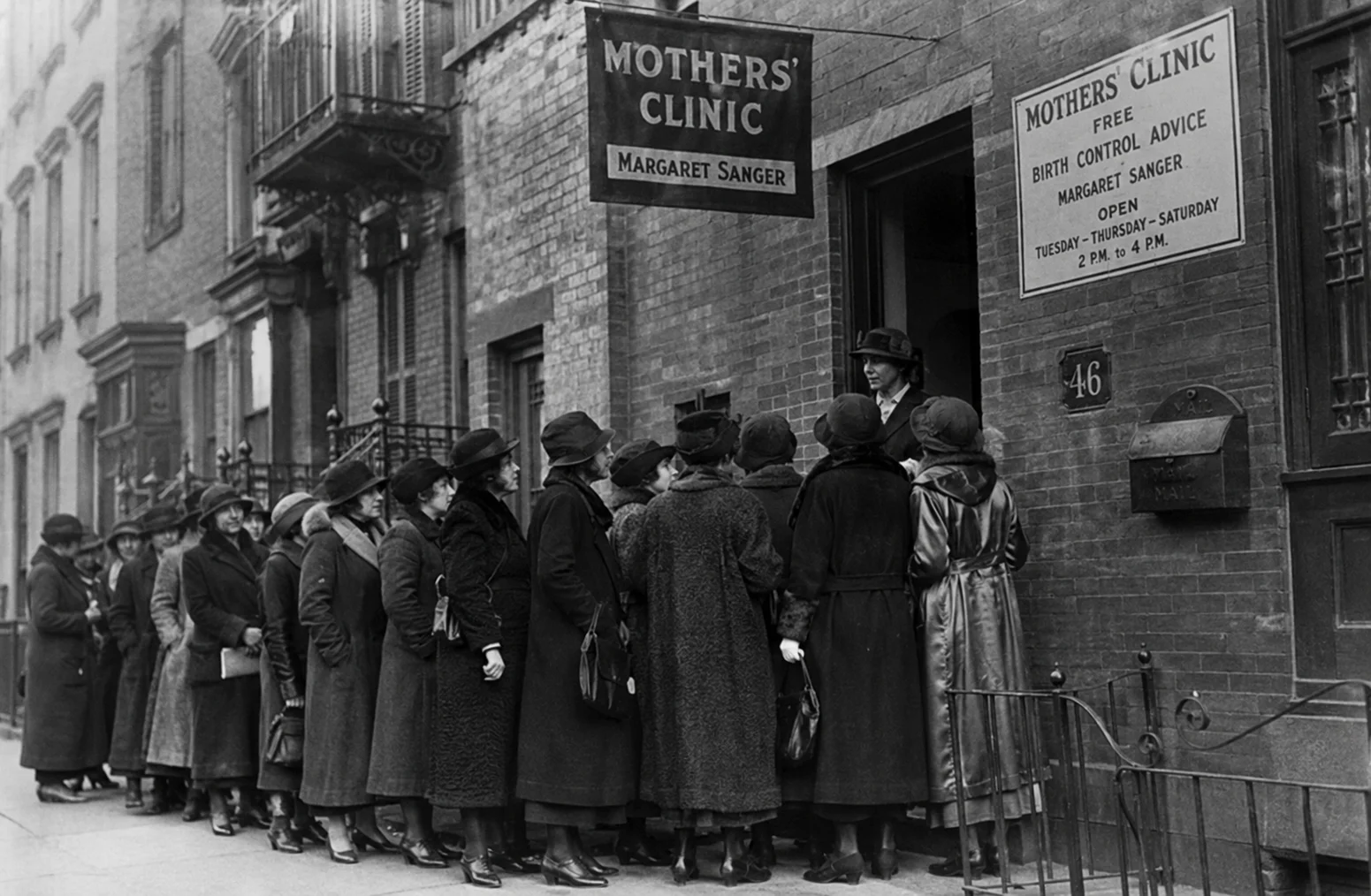
After the charges against her were eventually dropped, Sanger returned to the United States. In October 1916, she, alongside her sister Ethel Byrne and activist Fania Mindell, opened the very first birth control clinic in the United States in the Brownsville neighborhood of Brooklyn, New York. Women lined up down the street to receive counseling and information on family planning.
5. She Was Arrested Nine Days Later
The Brownsville clinic did not stay open for long. Just nine days after it opened, an undercover female police officer purchased a pamphlet, and the clinic was raided by the police. Sanger and her staff were arrested, and the clinic’s confidential patient records were confiscated. Sanger was convicted of maintaining a public nuisance and served 30 days in the Queens County Penitentiary.
6. Her Court Case Created a Legal Loophole
While Sanger lost her appeal regarding her 1916 arrest, the judge’s ruling contained a massive silver lining. In 1918, the New York State Court of Appeals ruled that while the ban on contraception stood, a legal exemption existed for physicians. The ruling stated that doctors could legally prescribe contraception to women for strictly medical reasons (to prevent or cure disease), creating the first major legal loophole in the anti-birth control laws.
7. She Founded the Organization That Became Planned Parenthood
In 1921, Sanger founded the American Birth Control League (ABCL) to legally advocate for the education and distribution of birth control. The organization worked to establish clinics that operated under the new legal exemptions for doctors. Decades later, in 1942, the ABCL underwent a major rebranding and name change, officially becoming the Planned Parenthood Federation of America.
8. She Smuggled Diaphragms into the United States
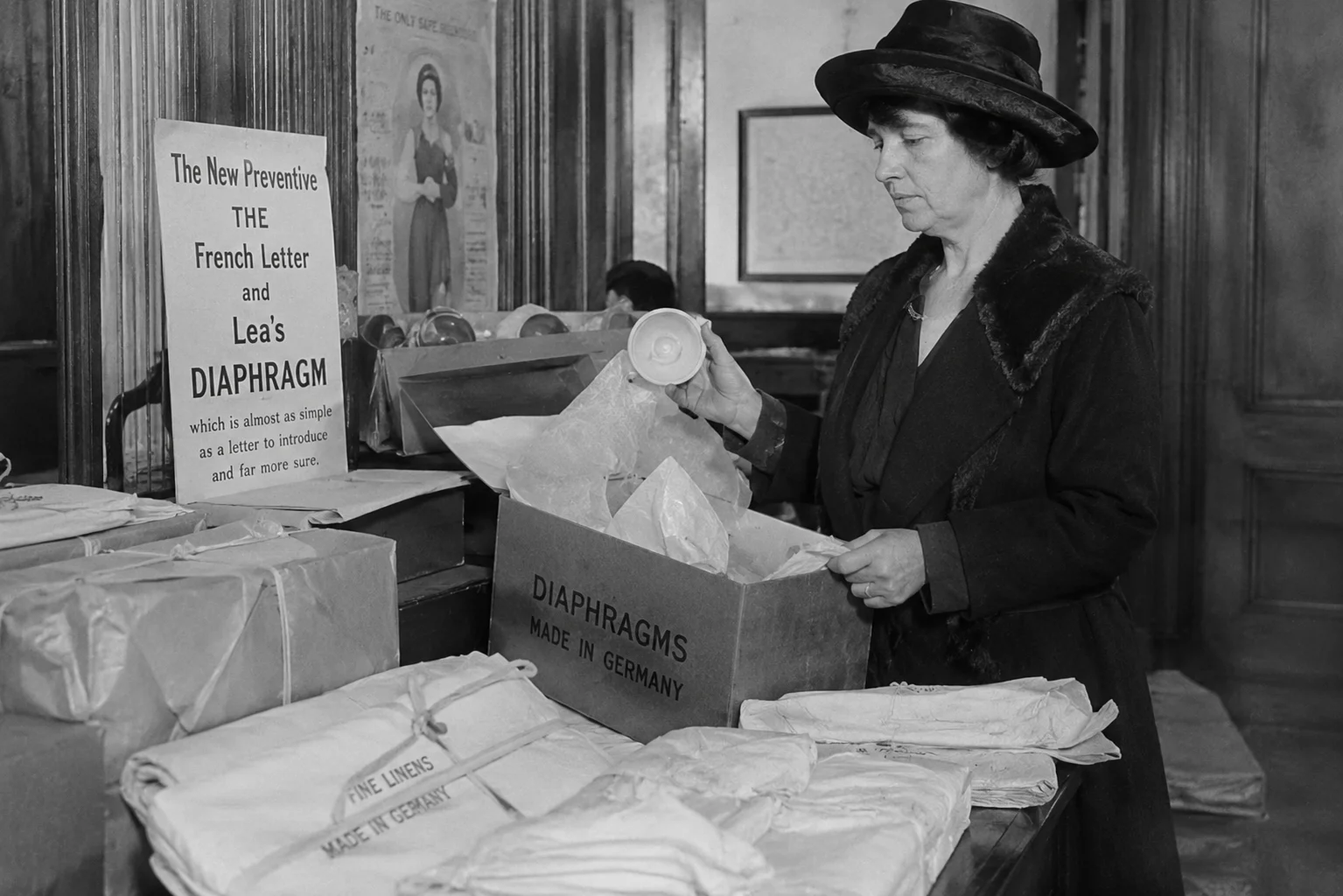
Because effective contraceptives were illegal to manufacture or import into the U.S., Sanger had to resort to smuggling. During her travels to Europe, where family planning was more legally accepted, she discovered the spring-loaded diaphragm. She purchased them in bulk and had them smuggled back into the United States, often hidden inside the packaging of other legal goods like fine linens.
9. She Had a Deeply Controversial Association with Eugenics
Sanger’s historical legacy is heavily debated due to her involvement with the eugenics movement in the 1920s and 1930s. While she explicitly rejected eugenicists’ ideas regarding race and ethnicity, she did align with the movement’s classist and ableist views. She advocated for the sterilization of the “unfit”—specifically targeting people with severe mental or physical disabilities—believing it would eradicate poverty and disease.
10. She Preached at a KKK Rally
As part of her intense drive to promote birth control to any audience that would listen, Sanger accepted an invitation in 1926 to speak to the women’s auxiliary of the Ku Klux Klan in Silver Lake, New Jersey. While she noted in her autobiography that she found the group bizarre and relied on simplistic analogies to explain her mission to them, the event remains a permanent stain on her legacy.
11. She Spearheaded the Creation of the First Birth Control Pill
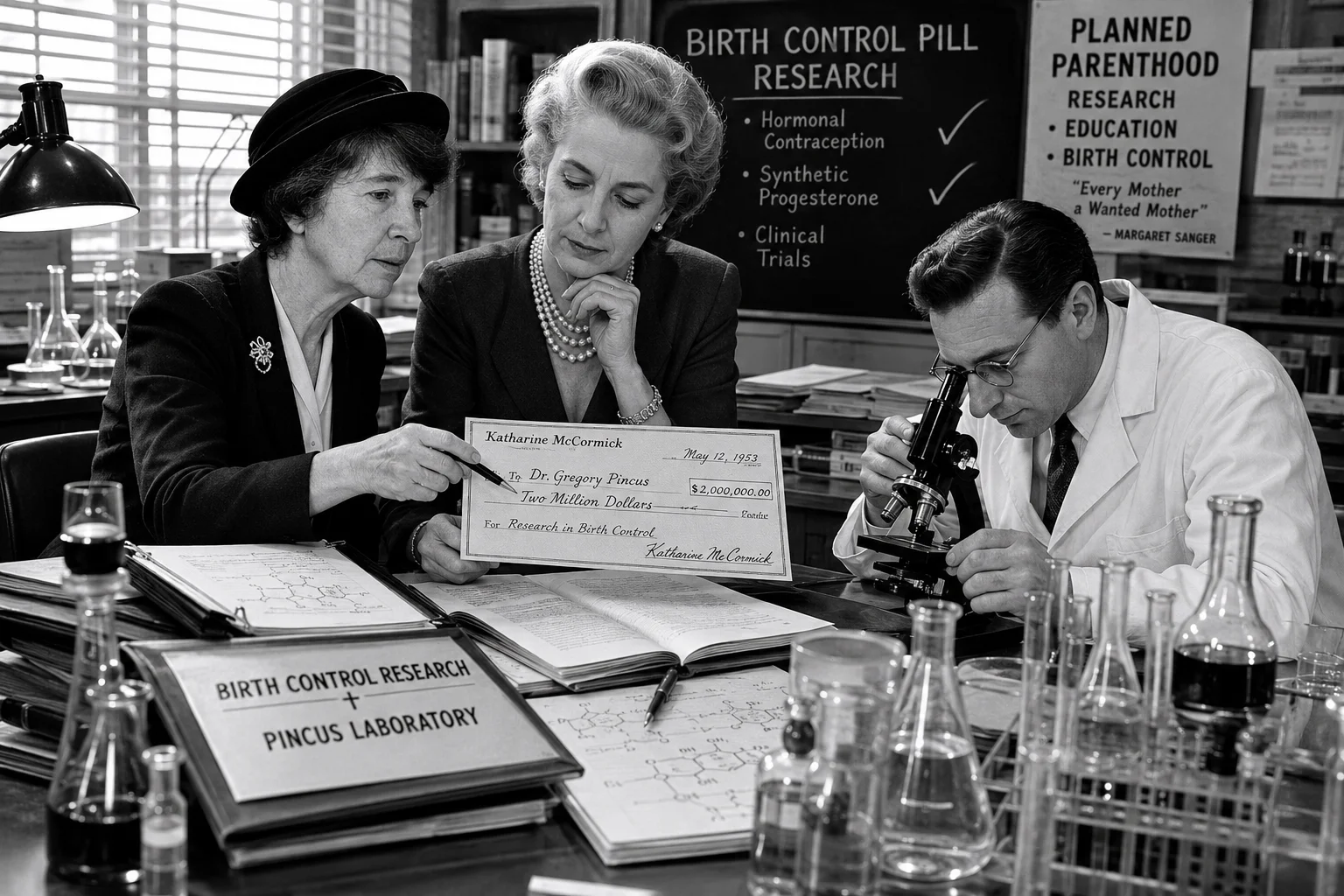
In her 70s, realizing that diaphragms and condoms were too expensive and difficult for many women to use, Sanger set out to find a “magic pill.” In 1953, she recruited Gregory Pincus, an expert in mammalian reproduction, to develop an oral contraceptive. Through her sheer willpower and networking, she set the scientific wheels in motion for one of the greatest medical breakthroughs of the 20th century.
12. She Found the Financial Backing for the Pill
Researching and developing the birth control pill required massive funding, and pharmaceutical companies were terrified of the legal and moral backlash of investing in contraception. Sanger turned to her close friend Katharine McCormick, a brilliant biologist and incredibly wealthy heiress to the International Harvester fortune. McCormick single-handedly funded the research, donating over $2 million (tens of millions in today’s dollars) to Pincus’s lab.
13. She Took Her Mission Global
Sanger did not limit her advocacy to the United States. She traveled extensively to countries like Japan, China, and India to promote family planning. In 1952, she helped found the International Planned Parenthood Federation (IPPF) in Bombay, India, serving as its first co-president and cementing her influence on a global scale.
14. She Lived to See Birth Control Legalized for Married Couples
After decades of fighting state and federal laws, Sanger lived just long enough to witness her ultimate legal victory. In 1965, the United States Supreme Court ruled in the landmark case Griswold v. Connecticut that a state ban on the use of contraceptives violated the right to marital privacy. This effectively legalized birth control for all married couples across the country.
15. She Died the Year After the Supreme Court Ruling
Margaret Sanger passed away from congestive heart failure in a nursing home in Tucson, Arizona, in September 1966, at the age of 86. She died roughly one year after the Griswold v. Connecticut decision and six years after the FDA officially approved Enovid, the first oral contraceptive pill she helped bring into existence.