15 Fun Facts
Animals

Apex Predators and Big Cats

Fourteen hunters that dominate the land: silent big cats, a pack of highly social canids, an armor-skinned mustelid that shrugs off cobra venom, and two bears built on opposite survival strategies.

Updated 20 September 2026 · 14 items · 210 facts in the linked articles · Reading time 7 min

Put a tiger, a fennec fox and a honey badger side by side and the only obvious thing they share is a spot near the top of the food chain — everything else about how they get there is different. This page lines up 14 of the animal kingdom's most effective land predators: seven cats of wildly different sizes, three canids, one matriarchal not-quite-dog, one armored mustelid, and two bears built on opposite survival strategies.

What makes the comparison worth making is how differently "apex predator" gets solved. A cheetah wins by outrunning everything else on the savanna, then physically cannot fight for the kill it just made. A honey badger wins by being nearly impossible to kill in the first place — venom-resistant, loose-skinned, thick-hided. A polar bear wins by carrying a four-inch layer of insulation that also makes it almost invisible to thermal cameras. Speed, venom resistance, raw bite force and sheer unkillability all count as the same evolutionary answer to the same question.

The record board below pulls out four numbers worth remembering, the table gives you the one fact worth knowing about each animal, and every card links straight through to the full 15-fact article if one of them grabs you.

The short version

Every item on this page, with the one fact most people get wrong about it.

Name Where you'll meet it The fact worth knowing
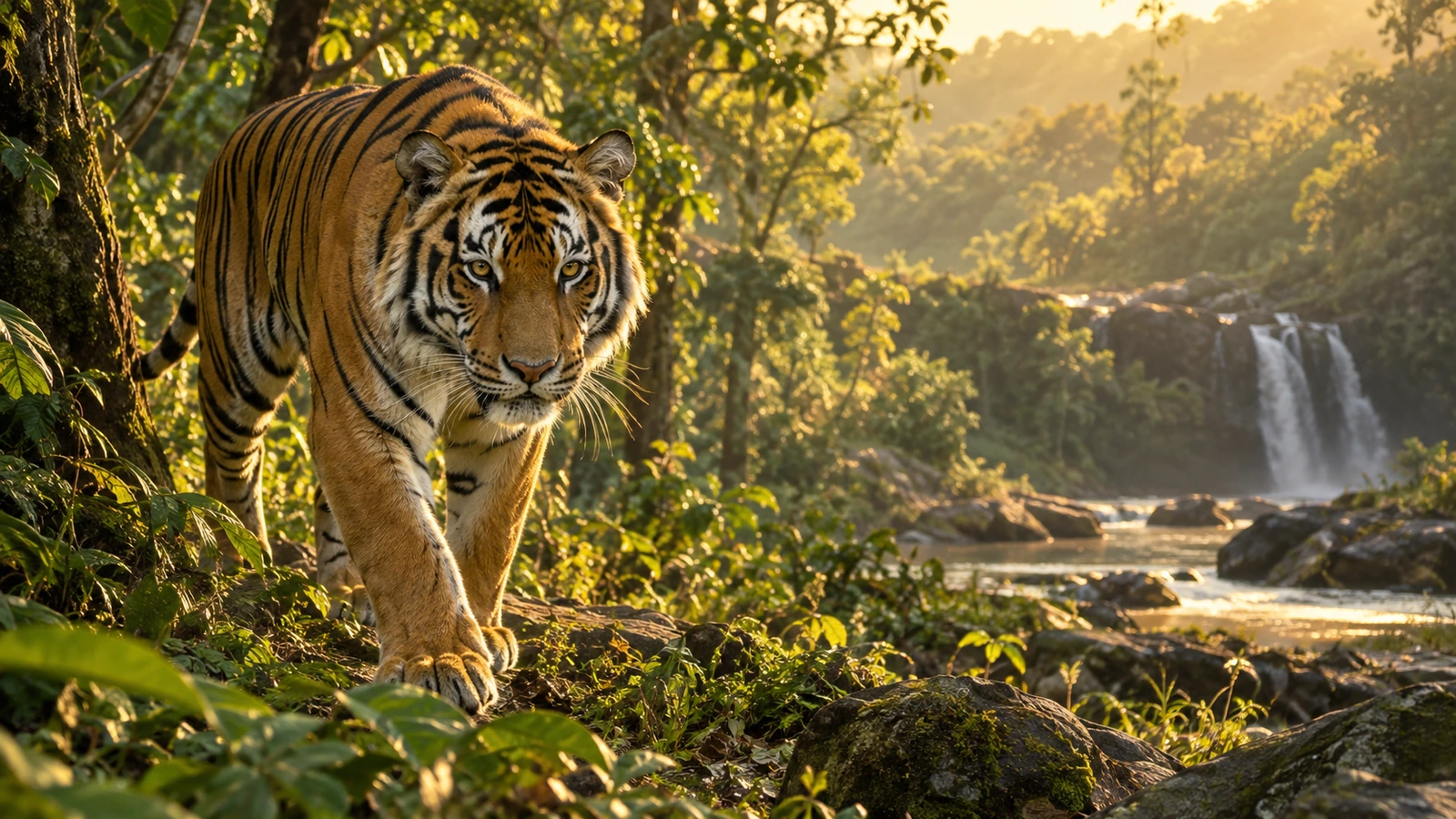
Tiger Siberian forests to Indian jungles Its territorial scent mark smells unmistakably like buttered popcorn.
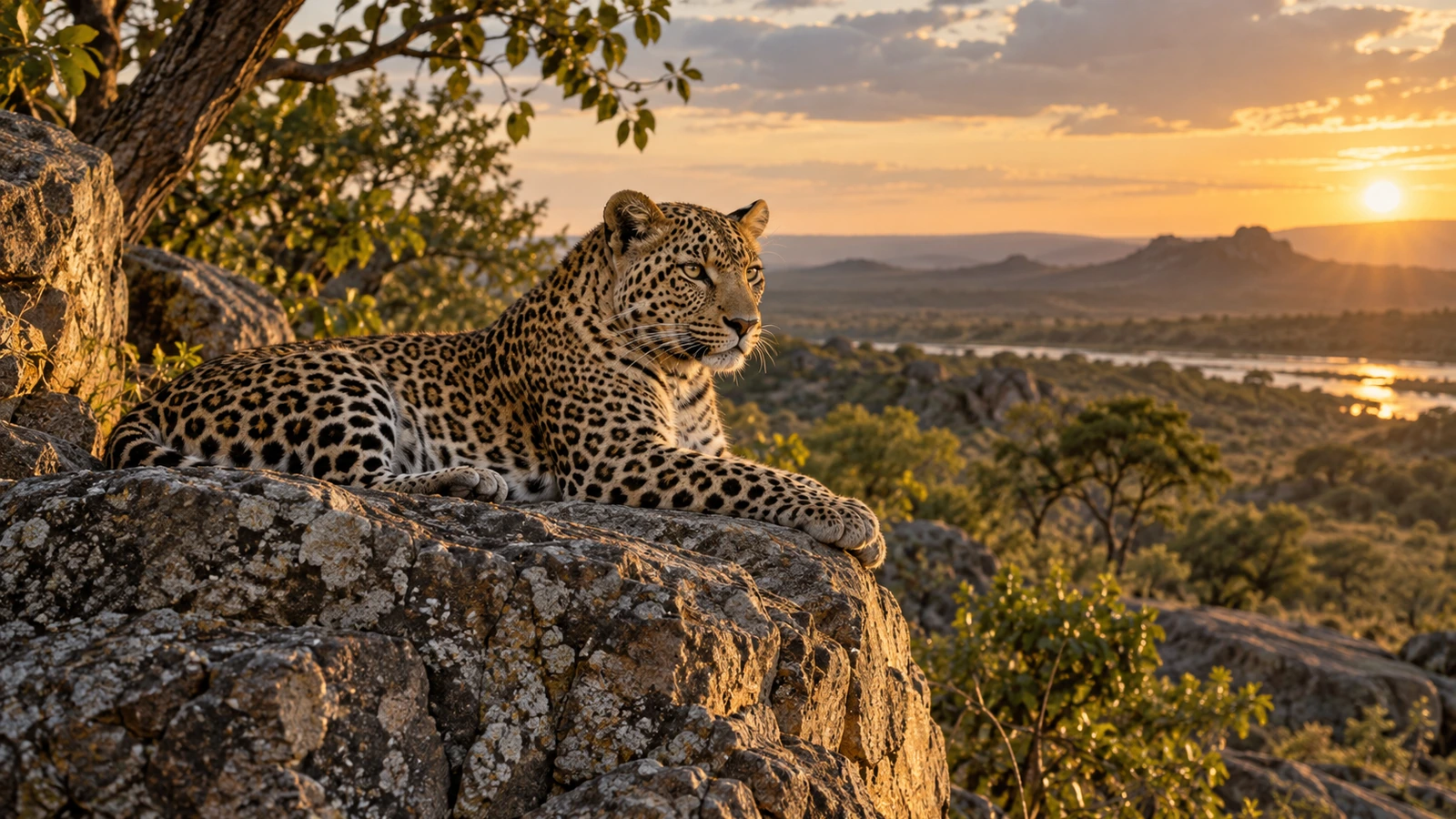
Leopard Most widely distributed big cat, from Africa to Siberia It can haul a carcass three times its own body weight straight up a tree.
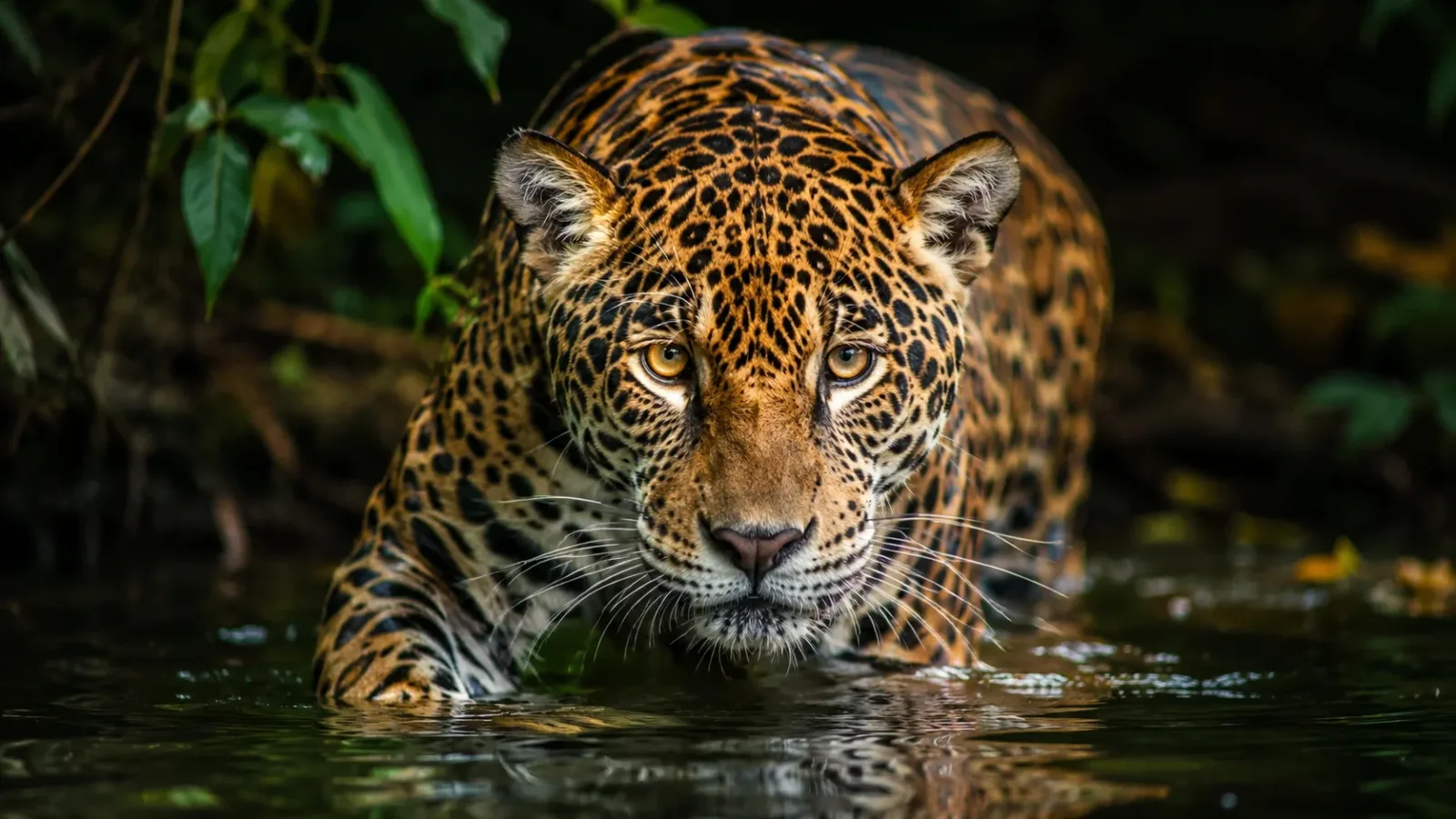
Jaguar Amazon basin, with rare sightings in the American Southwest Pound for pound, it has the strongest bite of any big cat — strong enough to pierce a skull.
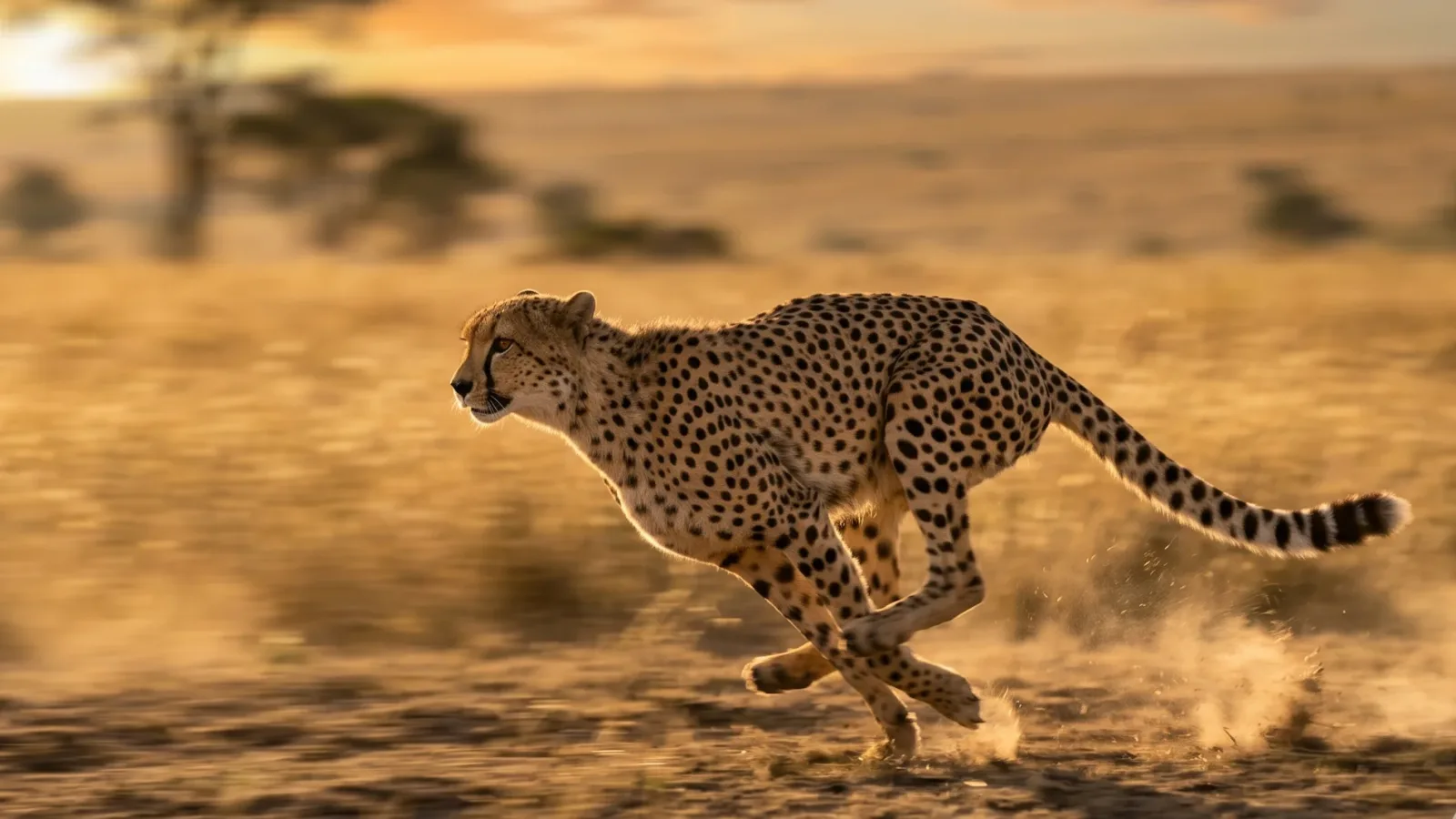
Cheetah Open savanna across sub-Saharan Africa It can go from a standstill to 60 mph in three seconds flat.
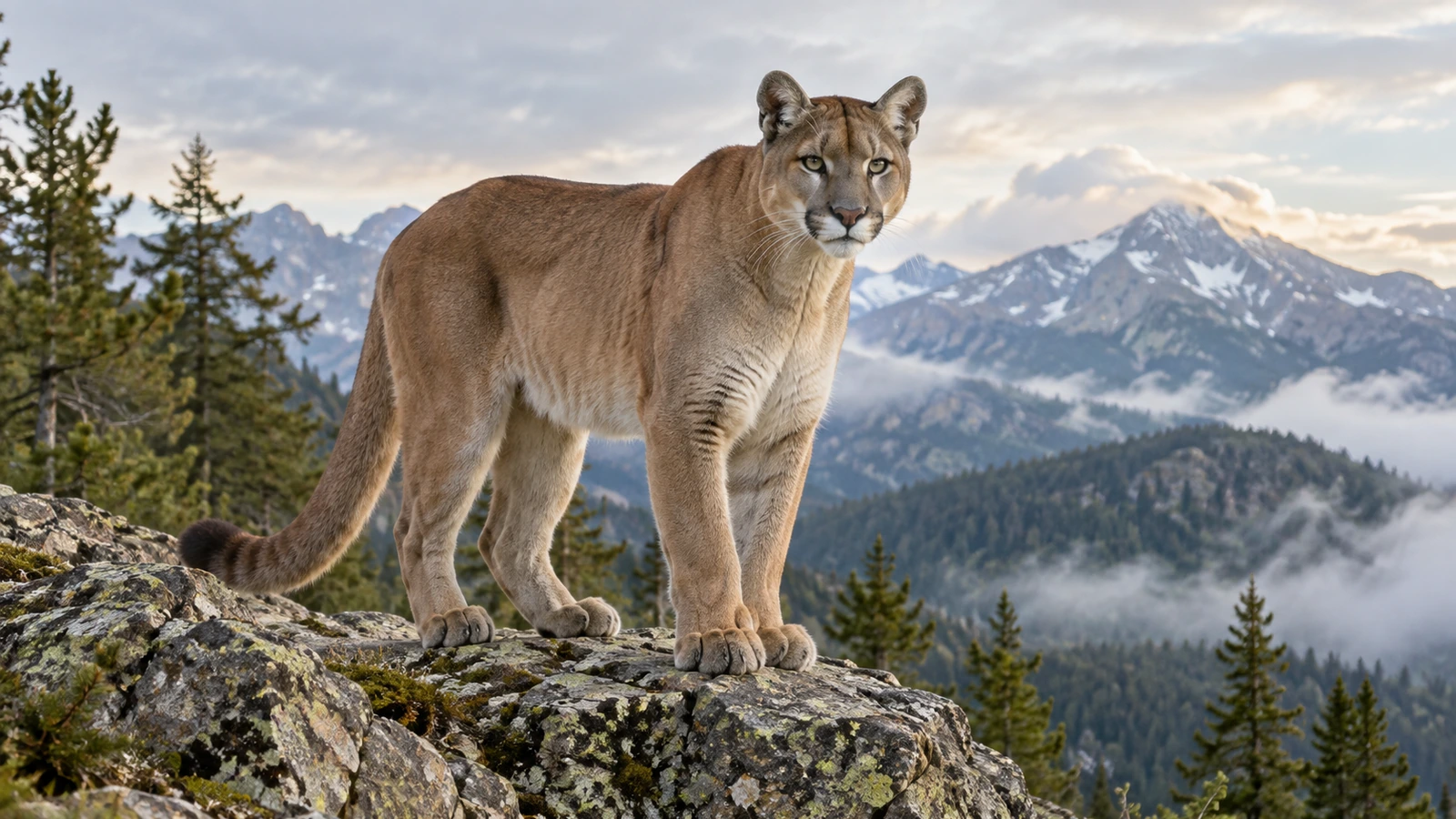
Cougar Yukon to the Andes — the widest range of any land mammal in the Americas It holds the Guinness World Record for the animal with the most common names — over 40 in English alone.
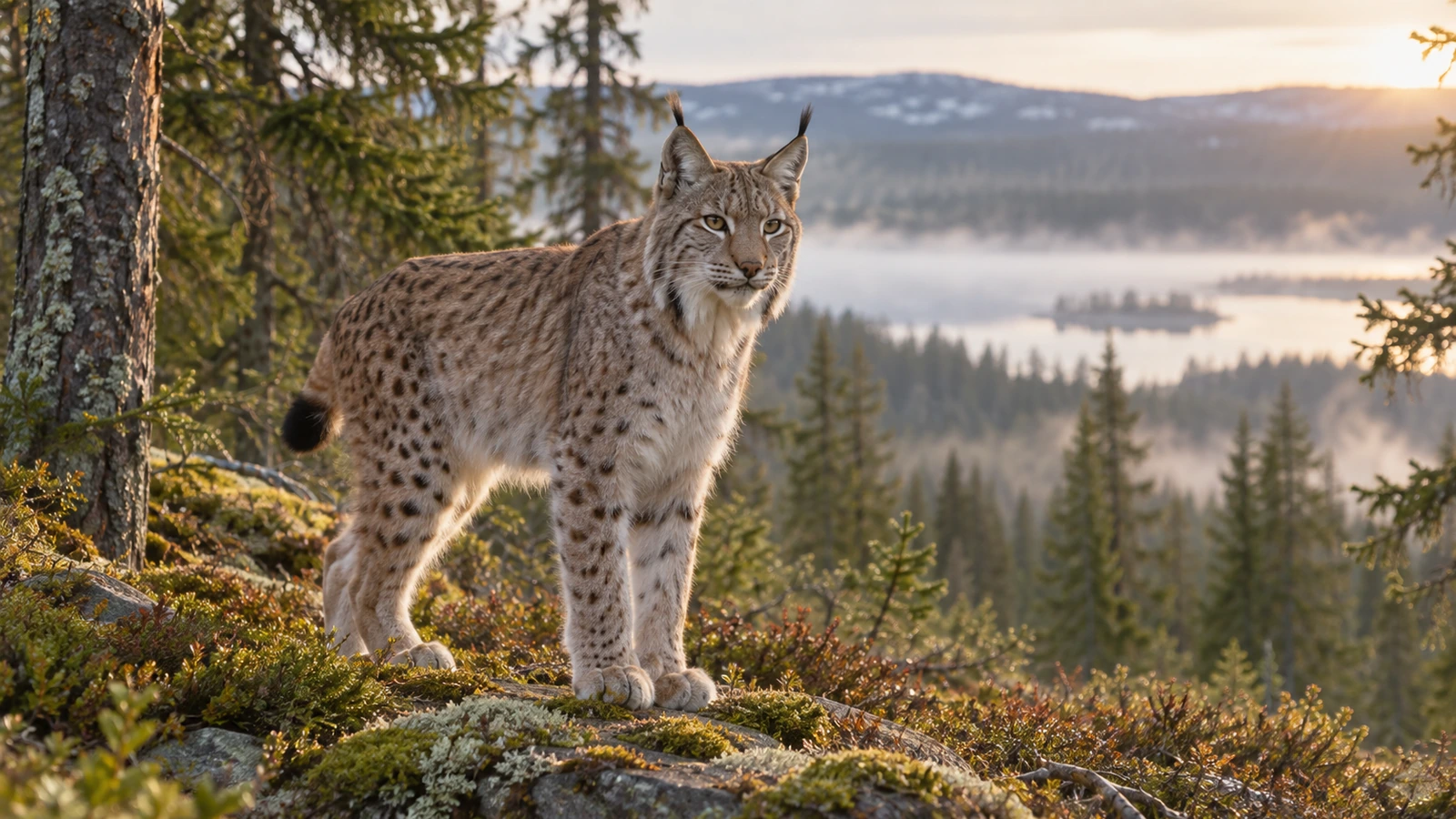
Lynx Boreal forests across the Northern Hemisphere Its ear tufts appear to work as hearing aids — trim them and its hearing measurably worsens.
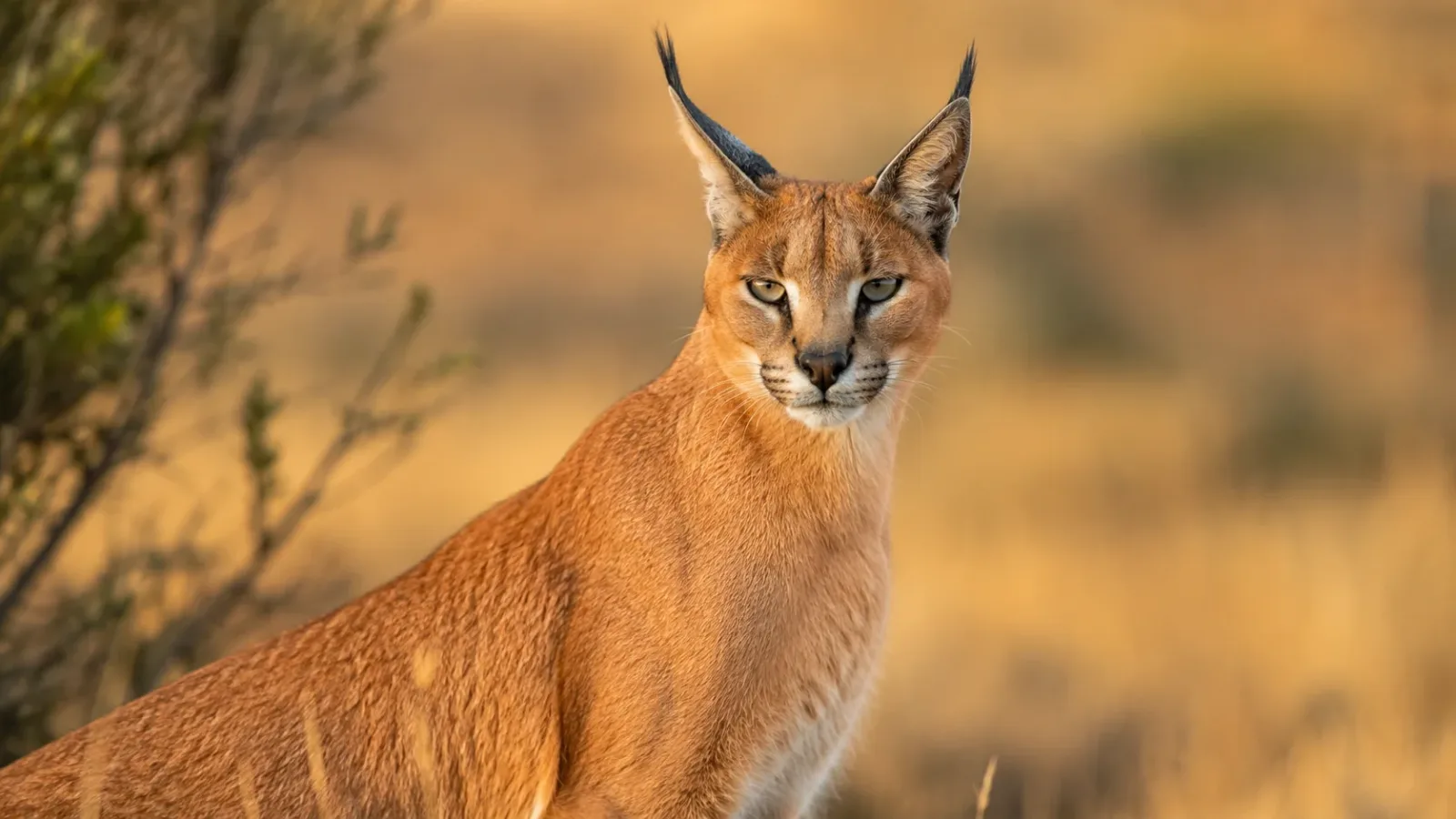
Caracal African and Middle Eastern scrubland — now also Cape Town's suburbs From a standing start, it can leap ten feet straight up and swat several birds out of the air in one jump.
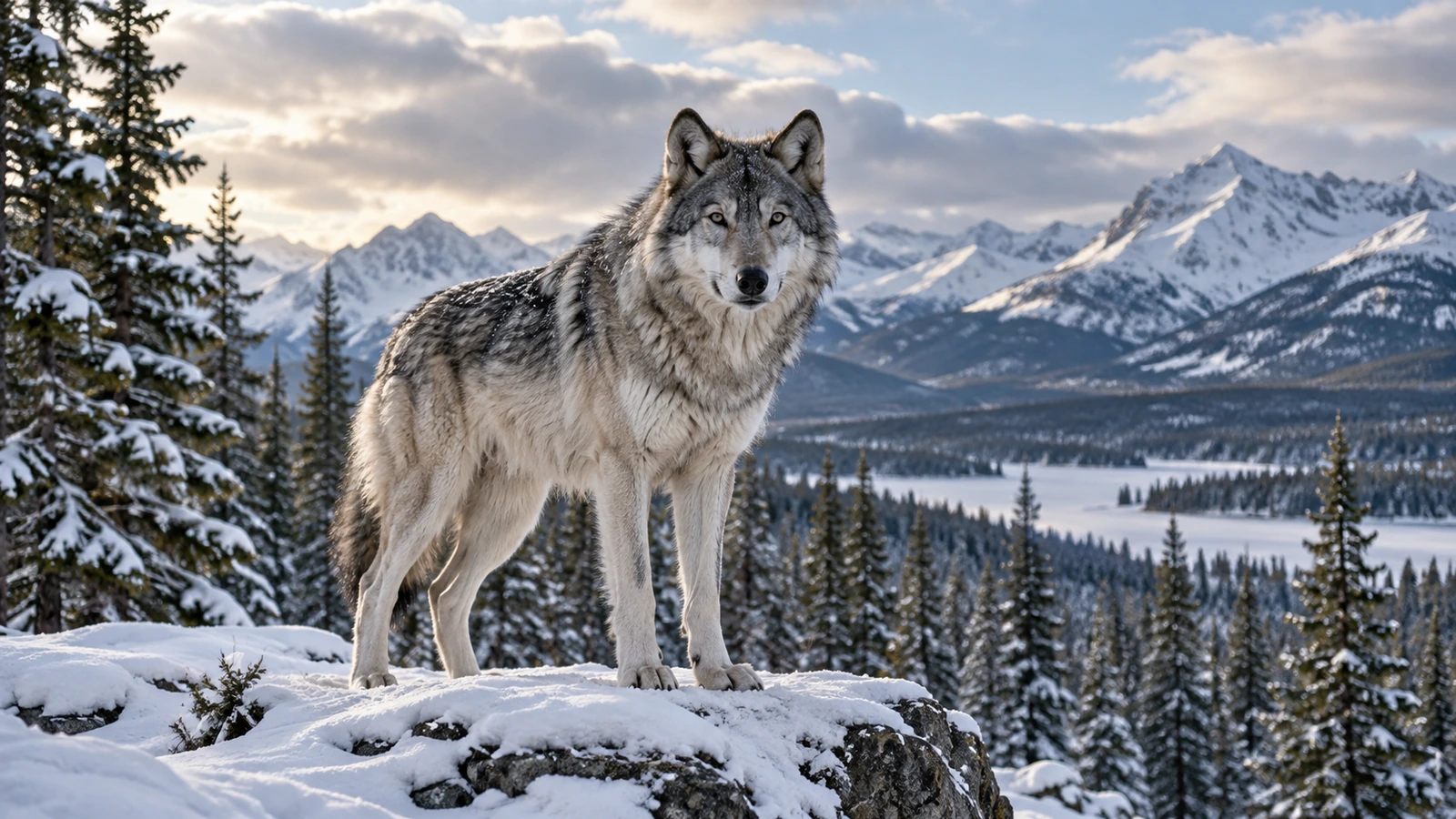
Gray Wolf Yellowstone, Canada and across Eurasia Reintroducing wolves to Yellowstone eventually changed the course of its rivers.
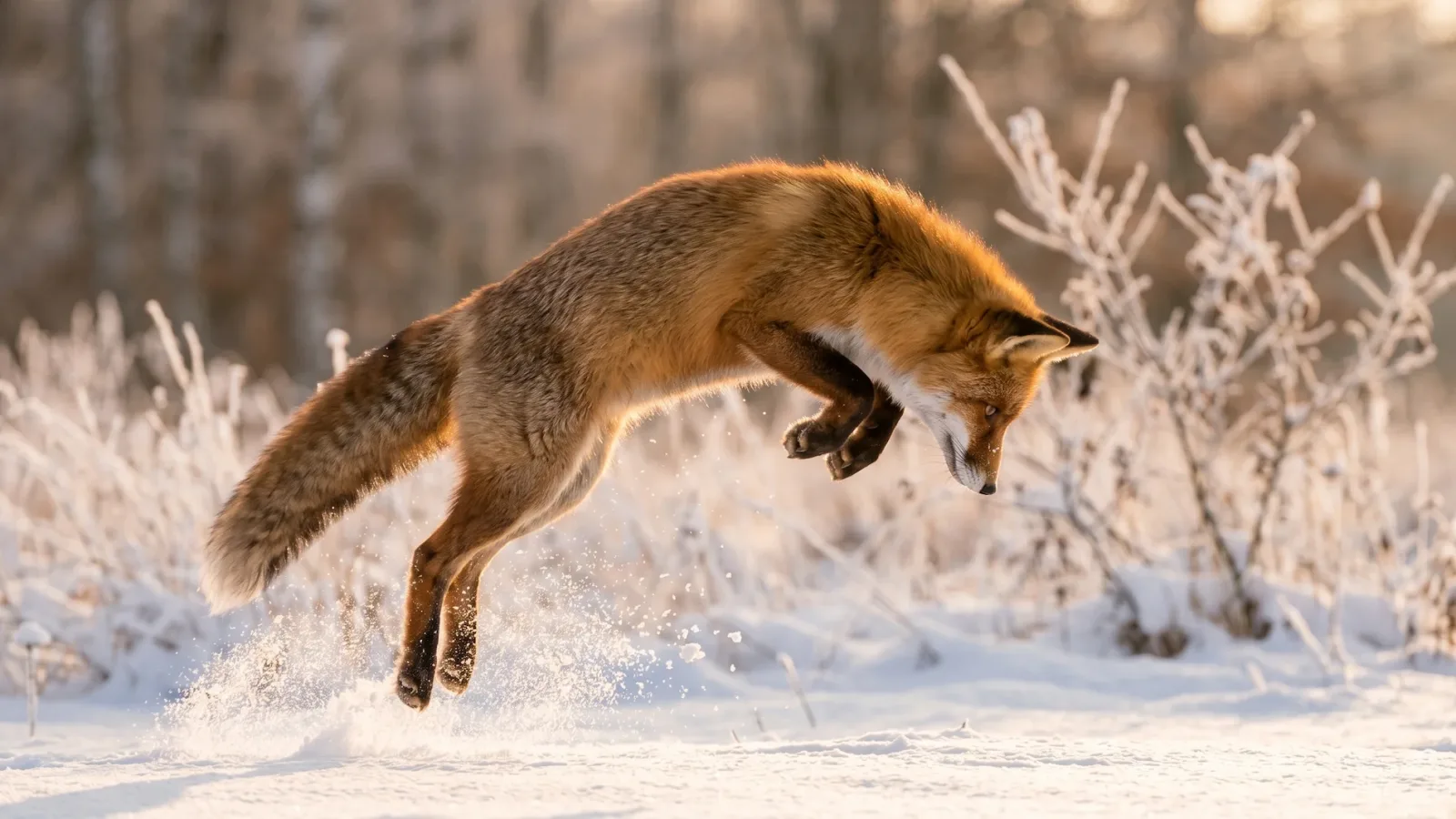
Red Fox Every continent except Antarctica — the most widespread wild carnivore alive It appears to aim its hunting pounce using Earth's magnetic field.
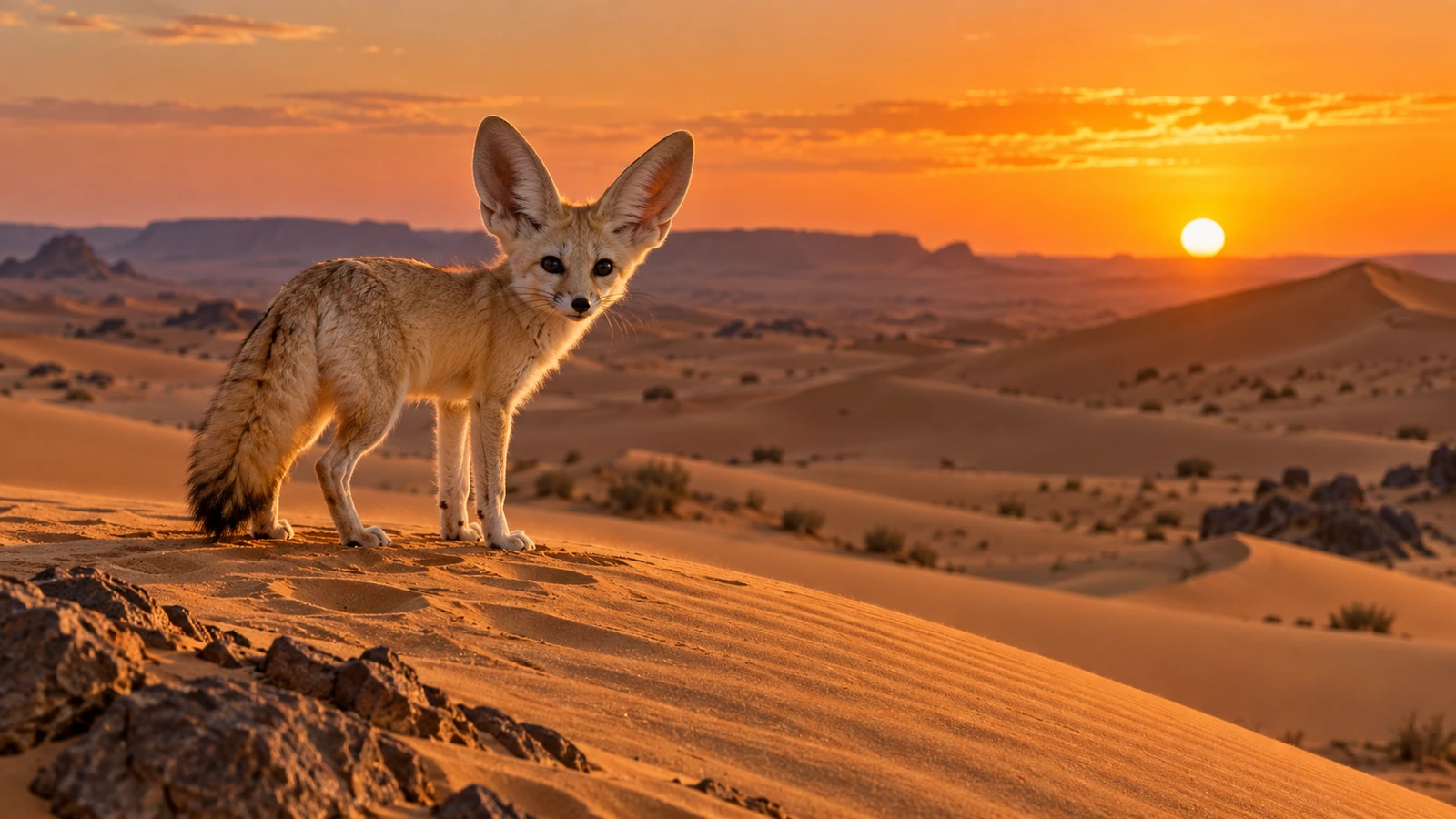
Fennec Fox Sahara Desert The world's smallest wild canid survives the Sahara without ever taking a single drink of water.
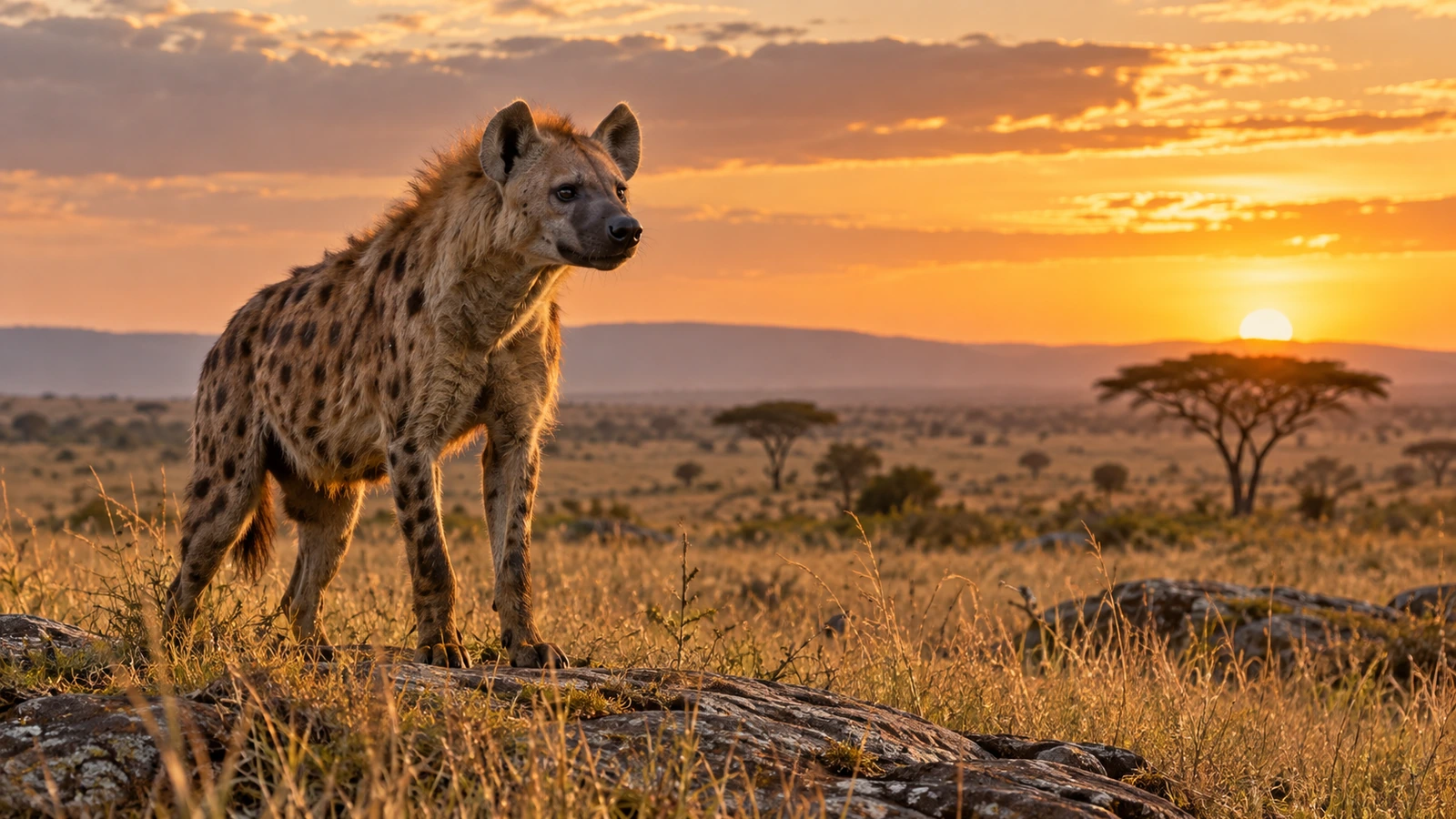
Spotted Hyena Sub-Saharan African savanna Despite the dog-like build, it is genetically closer to a cat than to a wolf.
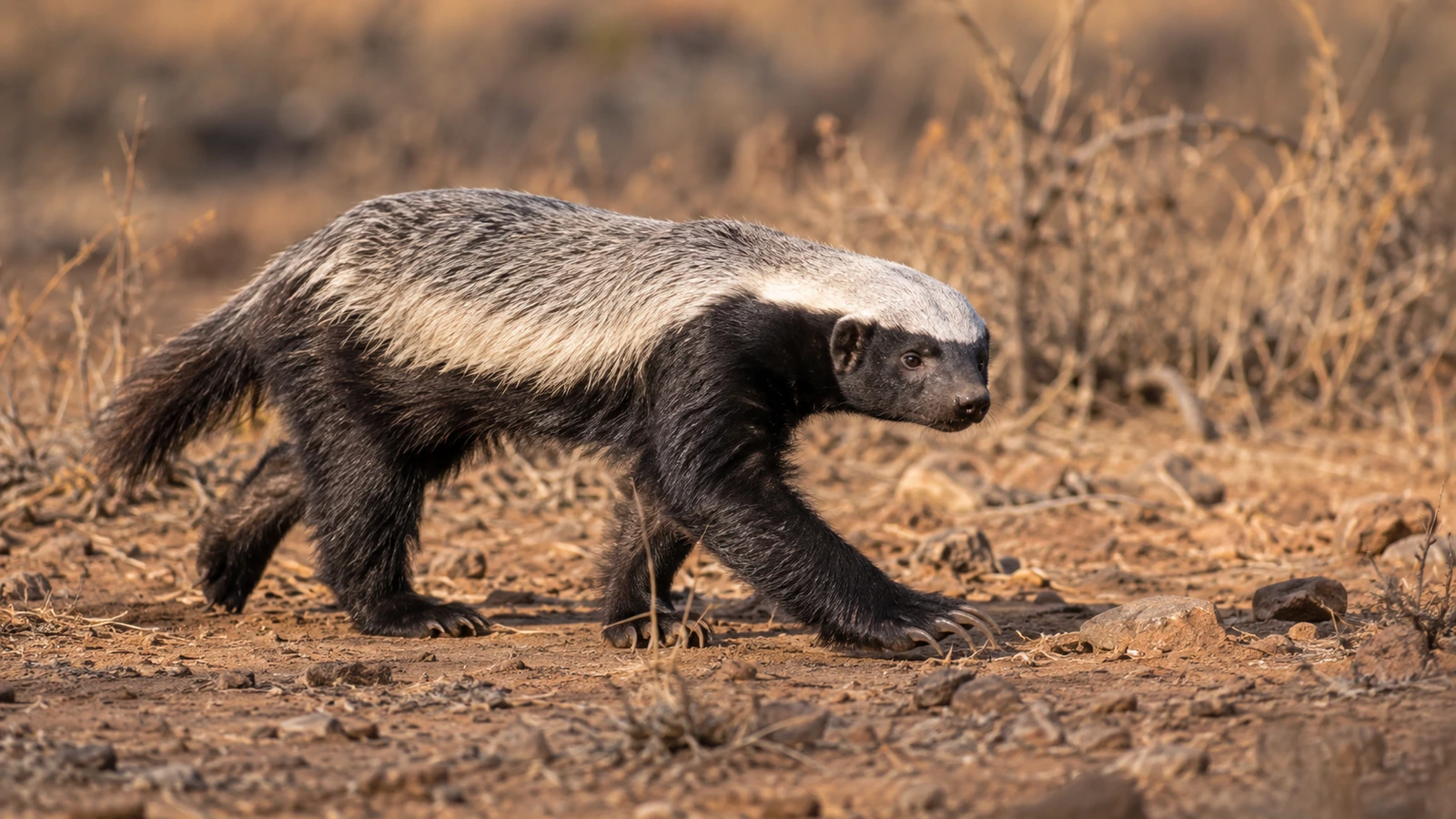
Honey Badger Sub-Saharan Africa, the Middle East and South Asia It can survive a cobra bite that would kill almost anything else its size.
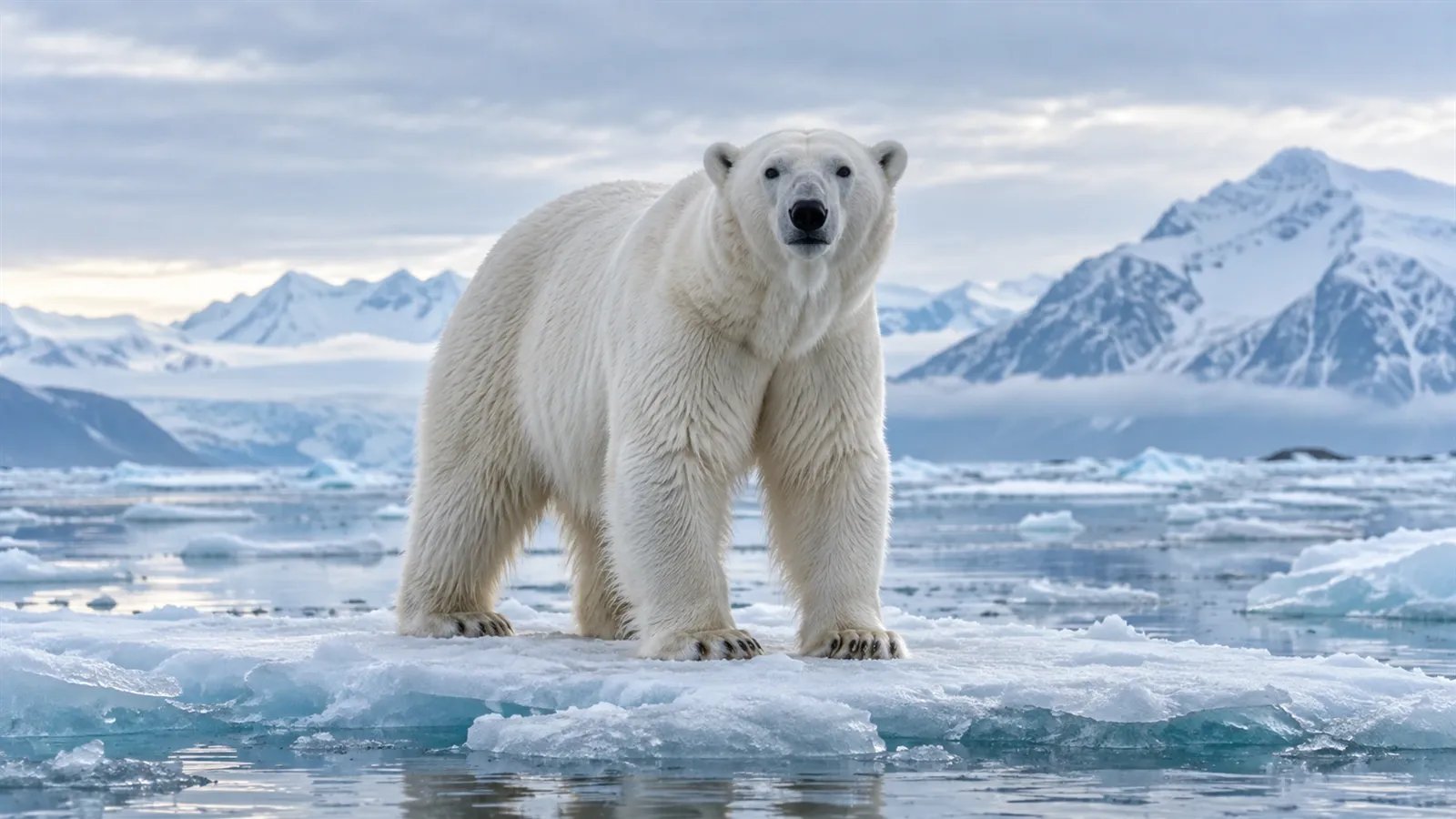
Polar Bear Arctic sea ice Under that white coat, its skin is jet black, and its fur has no white pigment in it at all.
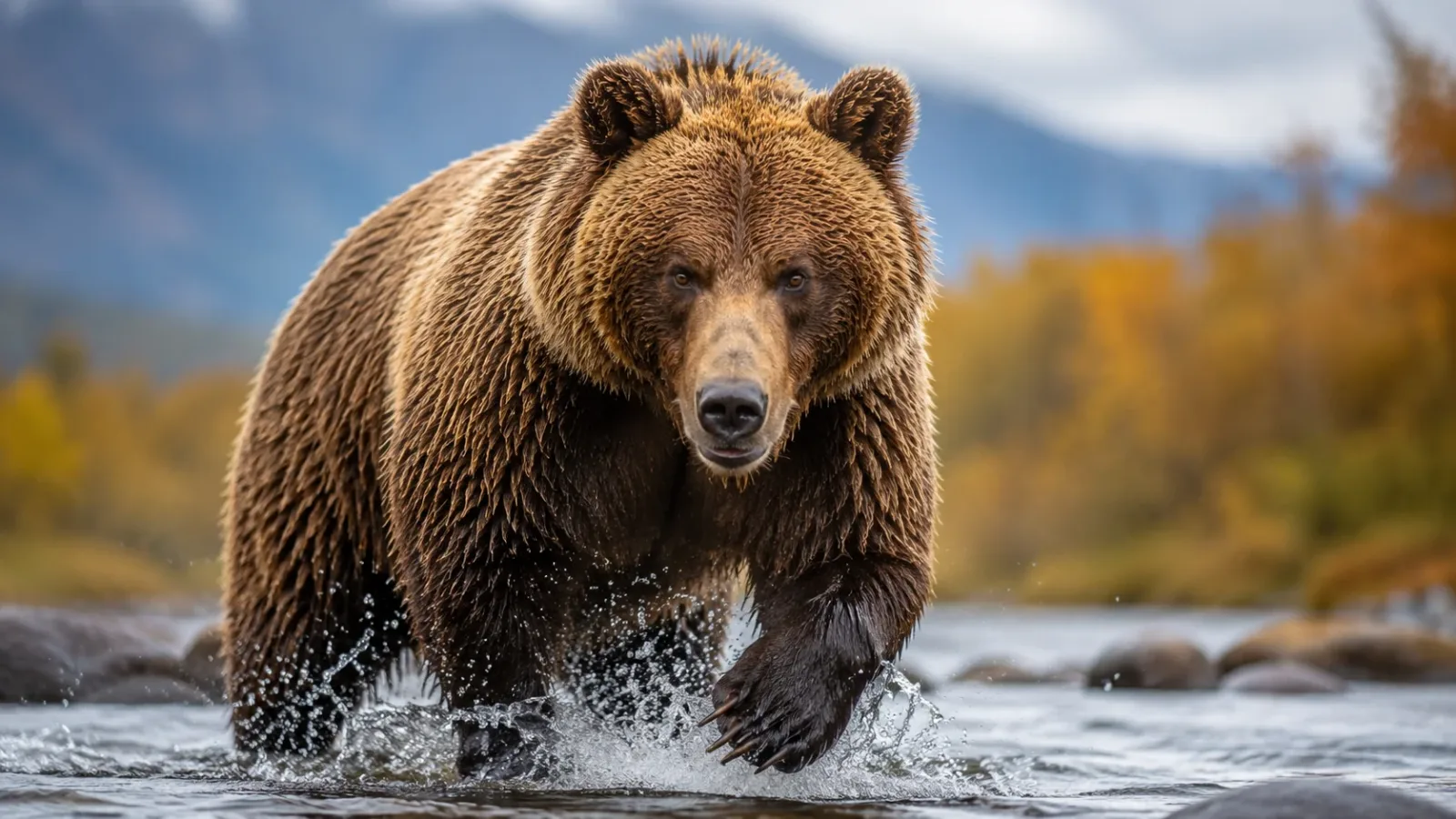
Brown Bear North America, Europe and Siberia A grizzly bear is simply a brown bear that lives inland — same species, different address.

Record holders

Fastest

~60 mph

The cheetah reaches highway speed in three seconds — faster than most cars off the line. Cheetah

Strongest bite (pound for pound)

Skull-piercing

The jaguar's bite is the strongest of any big cat relative to its size, built to pierce bone directly. Jaguar

Hardest to kill

Survives cobra venom

A honey badger can be bitten by a venomous snake, black out for a few hours, then get up and finish eating it. Honey Badger

Heaviest

~1,500+ lb

A fully grown Kodiak brown bear can weigh well over 1,500 pounds, rivaling the largest polar bears. Brown Bear

All 14, one fact at a time

The Majestic Apex: 15 Fascinating Facts About Tigers

Tiger

Siberian forests to Indian jungles

The largest of all wild cats marks its range with a compound also found in popcorn, and its roar carries an infrasonic component that can leave prey briefly frozen in place. Its stripes are not just a fur pattern — shave a tiger and the same markings are still visible on its skin, as unique to each animal as a fingerprint. Add night vision six times sharper than a human's and a tongue rough enough to strip meat clean off bone, and it is easy to see why it remains one of the most feared hunters on the continent.

Read the full article →
The Stealthy Shadow: 15 Fascinating Facts About Leopards

Leopard

Most widely distributed big cat, from Africa to Siberia

No other big cat covers as much of the planet as the leopard, which thrives from scorching desert to dense rainforest to the edges of major cities. Its rosette-patterned coat occasionally comes in solid black — the animal known as a black panther is simply a melanistic leopard, its spots still faintly visible up close. Immense shoulder strength lets it drag prey heavier than itself into the canopy, safely out of reach of lions and hyenas, and it hunts more than 90 different species to stay that adaptable.

Read the full article →
Shadows of the Jungle: 15 Jaw-Dropping Facts About Jaguars

Jaguar

Amazon basin, with rare sightings in the American Southwest

Where lions and tigers suffocate prey with a throat bite, the jaguar simply bites straight through bone, piercing the skull or a turtle's shell to reach the brain in one strike. It is also one of the few cats that actively enjoys water, swimming rivers to hunt fish, turtles and even caimans. Its name comes from an Indigenous word meaning "he who kills with one leap," and it was worshipped as a symbol of power by the Maya, Aztec and Inca alike.

Read the full article →
15 Fascinating Facts About Cheetahs

Cheetah

Open savanna across sub-Saharan Africa

Built entirely for acceleration, the cheetah reaches highway speed almost instantly, spending more than half of each stride airborne. That speed comes at a cost: its skull has no room left for the heavy jaw muscles other big cats rely on, so its bite is comparatively weak, and it cannot roar at all — only chirp, stutter and purr like an overgrown house cat. A hunt that isn't finished within about a minute gets abandoned outright, because sustained sprinting risks fatally overheating its brain.

Read the full article →
The Adaptable Apex: 15 Fascinating Facts About Cougars

Cougar

Yukon to the Andes — the widest range of any land mammal in the Americas

Puma, mountain lion, panther, catamount, painter, shadow cat: no other animal has collected as many names. Despite its size, taxonomists don't even classify it as a "big cat" — it can't roar, only purr and produce an eerie, human-like scream, and its closest living relative is the cheetah rather than the lion. Stretching from the Canadian Yukon to the Chilean Andes, it covers more latitude than any other land mammal in the Western Hemisphere, hunting almost entirely from ambush.

Read the full article →
The Ghostly Prowler: 15 Fascinating Facts About Lynxes

Lynx

Boreal forests across the Northern Hemisphere

The lynx's oversized, snowshoe-like paws let it glide across deep snowdrifts that heavier prey sink straight through, while its black ear tufts seem to funnel sound the way a satellite dish does. One member of the family, the Iberian lynx, staged one of conservation's most dramatic comebacks: fewer than 100 animals survived in 2002, and captive breeding has since pushed the wild population past 2,000. Its night vision is sharp enough to spot a mouse from 250 feet away in near-total darkness.

Read the full article →
15 Fascinating Facts About Caracals

Caracal

African and Middle Eastern scrubland — now also Cape Town's suburbs

Named for the Turkish word for "black ear," the caracal is the heaviest of Africa's small cats and arguably its most explosive jumper, powered by disproportionately long, spring-like hind legs. With leopards long gone from South Africa's Cape Peninsula, caracals have quietly become the apex predator of Cape Town's urban fringe, hunting everything from rodents to, controversially, protected penguin colonies. It can also go without drinking water for extended stretches, pulling all the moisture it needs from its prey.

Read the full article →
The Apex Canid: 15 Fascinating Facts About Wolves

Gray Wolf

Yellowstone, Canada and across Eurasia

The "alpha wolf" of popular belief is a myth built on studies of unrelated wolves forced together in captivity — a wild pack is simply a family, led by the parents. What is real is the bite, at roughly 1,500 psi enough to crack a moose's leg bone, and the ecological ripple effect: when wolves returned to Yellowstone in 1995, elk stopped lingering in open valleys, willows and beavers came back, and eroding riverbanks stabilized. They also don't howl at the moon — they howl to reach pack members miles away, and simply do more of it at night.

Read the full article →
15 Fascinating Facts About Foxes

Red Fox

Every continent except Antarctica — the most widespread wild carnivore alive

Red foxes are the first animals shown to use magnetic sensing not just for navigation but to judge distance when pouncing on hidden prey, favoring a specific compass direction that measurably boosts their hit rate. A 1959 Soviet breeding experiment that selected only for tameness accidentally produced floppy ears, curly tails and spotted coats within a few generations, showing how closely friendliness and "cute" traits are genetically linked. Vertically slit pupils and whiskers on the backs of its legs round out a toolkit built for hunting silently in the dark.

Read the full article →
The Micro Desert Predator: 15 Fascinating Facts About Fennec Foxes

Fennec Fox

Sahara Desert

Weighing less than a house cat, the fennec fox is the smallest wild member of the dog family, and its enormous six-inch ears do double duty as radiators, dumping body heat through a dense network of surface blood vessels. It pulls every drop of hydration it needs from its food, and when the desert heat spikes further it can pant up to 690 times a minute to cool down. Living in tight, monogamous family groups underground by day, it emerges only after dark — and is Algeria's official national animal.

Read the full article →
The Misunderstood Matriarchs: 15 Fascinating Facts About Hyenas

Spotted Hyena

Sub-Saharan African savanna

Hyenas belong to the same cat-like evolutionary branch as mongooses, not the dog family their silhouette suggests, and spotted hyena clans are run by females so dominant that the lowest-ranking female still outranks every male. Their famous "laugh" isn't amusement at all — it signals fear or submission, usually while being chased off a kill. Far from the cowardly scavenger of popular myth, a clan hunts and kills 60 to 95 percent of its own food, often more efficiently than the lions that steal from it.

Read the full article →
The Fearless Mustelid: 15 Fascinating Facts About Honey Badgers

Honey Badger

Sub-Saharan Africa, the Middle East and South Asia

A honey badger bitten by a venomous snake typically collapses into a coma-like state for a few hours, then wakes up and finishes eating the snake that bit it. Its skin is thick enough to shrug off bee stings and porcupine quills yet loose enough that the animal can twist a full 180 degrees inside it to bite an attacker gripping its neck. That combination of toughness and sheer nerve is why lions, leopards and hyenas generally choose to avoid a fight they could technically win but would rather not risk.

Read the full article →
The Apex Voyagers: 15 Fascinating Facts About Polar Bears

Polar Bear

Arctic sea ice

Each guard hair is a clear, hollow tube that scatters light to look white; underneath, black skin soaks up every available ray of Arctic sun. The insulation is so complete that thermal cameras barely register a polar bear at all, and tracked females have swum continuously for nine days and over 400 miles between ice floes. Classified as a marine mammal rather than a terrestrial one, it is built to lose heat so slowly that overheating, not freezing, is its more common problem.

Read the full article →
15 Fascinating Facts About Brown Bears

Brown Bear

North America, Europe and Siberia

"Grizzly" is just the regional name for brown bears living inland in North America; coastal populations with unlimited salmon grow into Kodiak bears large enough to rival a polar bear. Despite the fearsome reputation, up to 90 percent of a brown bear's diet can be plants, and its shoulder hump is solid muscle rather than fat, built for tearing open logs and digging dens. Its winter sleep isn't true hibernation either — body temperature drops only slightly, and a disturbed bear can wake and walk out of the den in the middle of January.

Read the full article →

Quiz: how much of that stuck?

7 questions, every answer is somewhere above.

Apex Predators and Big Cats 0 / 7

1. Which big cat's territorial scent mark famously smells like buttered popcorn?

2. What is a "black panther" in the Americas actually?

3. Why can't a cheetah roar like a lion?

4. What does modern research say about the "alpha wolf"?

5. Which animal on this page has the widest range of any land mammal in the Americas?

6. What lets a honey badger fight back even when a predator has it by the neck?

7. What color is a polar bear's skin underneath its fur?

Frequently asked

Is a cougar considered a "big cat"?

No. Despite its size, the cougar belongs to a different branch of the cat family — it can't roar, only purr, and its closest living relative is the cheetah rather than the lion or tiger.

Why do wolves howl?

To communicate with pack members over long distances, not because of the moon. They're simply more active — and easier to hear — at night.

Is a grizzly bear a different species from a brown bear?

No, they're the same species, Ursus arctos. "Grizzly" is just the common name for the population living inland in North America.

Can a honey badger really survive a venomous snake bite?

Yes. Target-site mutations make it highly resistant to the neurotoxins in cobra and adder venom — a bite typically causes a temporary collapse rather than death.

Which of these predators is the fastest?

The cheetah, which can accelerate from a standstill to about 60 mph in three seconds, though it can only hold top speed for roughly 30 seconds before overheating.

Keep going

Enjoyed these facts? There's more! 💌

Fresh fun facts in your inbox. No spam, ever.