15 Fun Facts
🎲
Animals

Rodents and Small Mammals

Eleven small mammals with big surprises, from squirrels, flying squirrels, beavers, capybaras and porcupines to naked mole-rats, moles, hedgehogs, stoats, raccoons and bats.

Updated November 3, 2026 · 11 items · 165 facts in the linked articles · Reading time 3 min

Small mammals are easy to overlook, but they include some of the most remarkable animals on Earth. This collection brings together the rodents, from squirrels and flying squirrels to beavers, capybaras, porcupines and naked mole-rats, along with other small mammals that are often mistaken for them: moles, hedgehogs, stoats, raccoons and bats.

Many of them break the rules of biology. Naked mole-rats live in queen-ruled colonies like ants, can live for more than 37 years and almost never get cancer. Arctic ground squirrels survive freezing temperatures, flying squirrels glow pink under ultraviolet light, and the star-nosed mole can identify and eat its food in about 120 milliseconds. Bats are the only mammals capable of true flight, and the smallest mammal of all is a bat.

Their tools and tricks are just as impressive. Beavers have iron-strengthened orange teeth and can even be triggered into building by the sound of running water, porcupines carry around 30,000 quills coated with natural antibiotics, and hedgehogs can survive the venom of adders. Raccoons dunk their food to sharpen their sense of touch, and stoats perform a strange dance before striking their prey.

From the world's largest rodent to a squirrel arrested for spying, each animal below has fifteen facts to discover.

The short version

Every item on this page, with the one fact most people get wrong about it.

Name Where you'll meet it The fact worth knowing
Squirrels Tree and ground squirrels worldwide They pretend to bury nuts to fool would-be thieves.
Flying Squirrels Forests of North America and Asia Their fur glows pink under ultraviolet light.
Beavers Rivers and wetlands The sound of running water makes them start building.
Capybaras Wetlands of South America They are the largest rodents alive today.
Porcupines Old World and New World species They cannot shoot their quills.
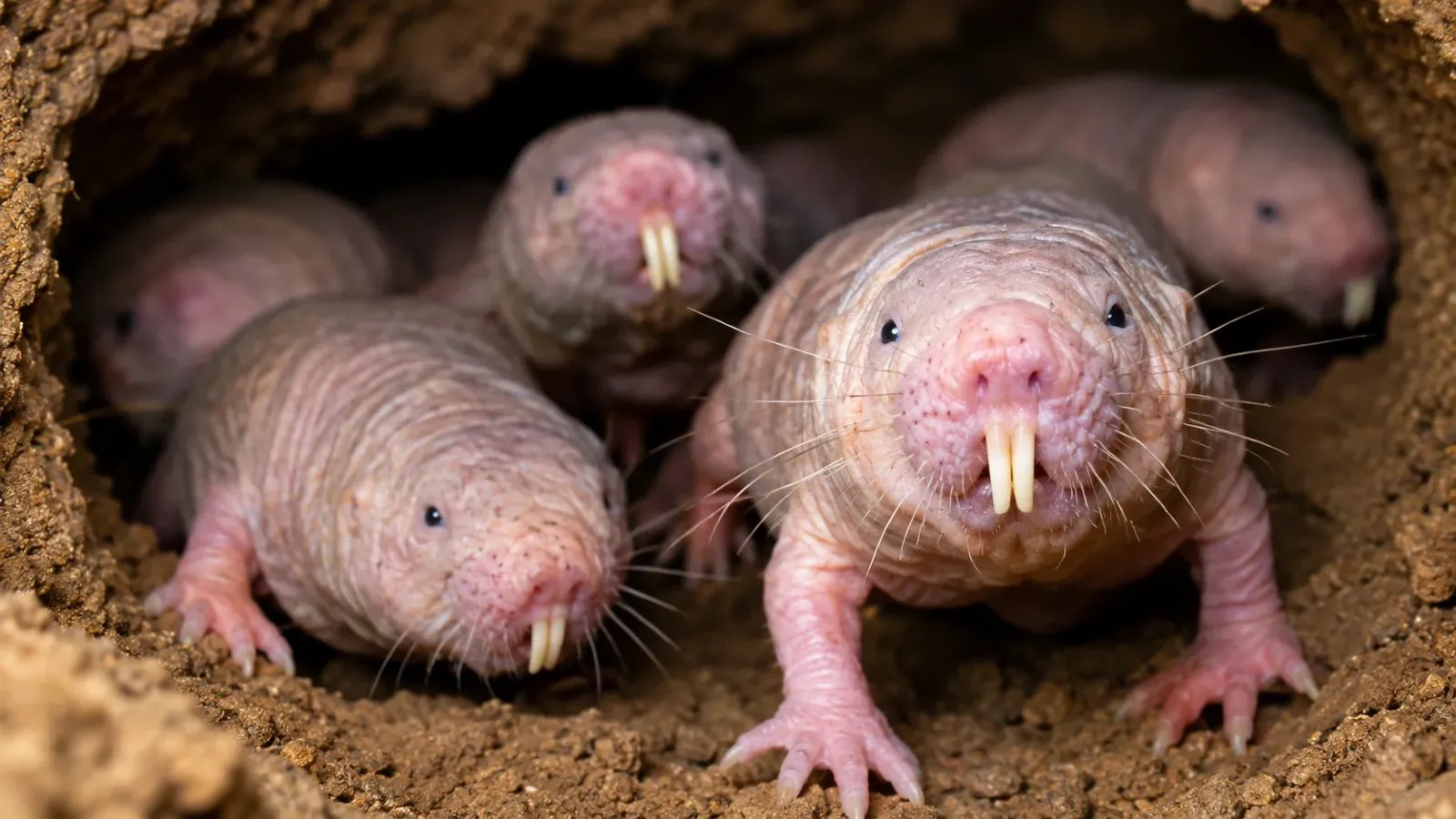
Naked Mole-Rats East Africa They live in colonies ruled by a queen, like ants.
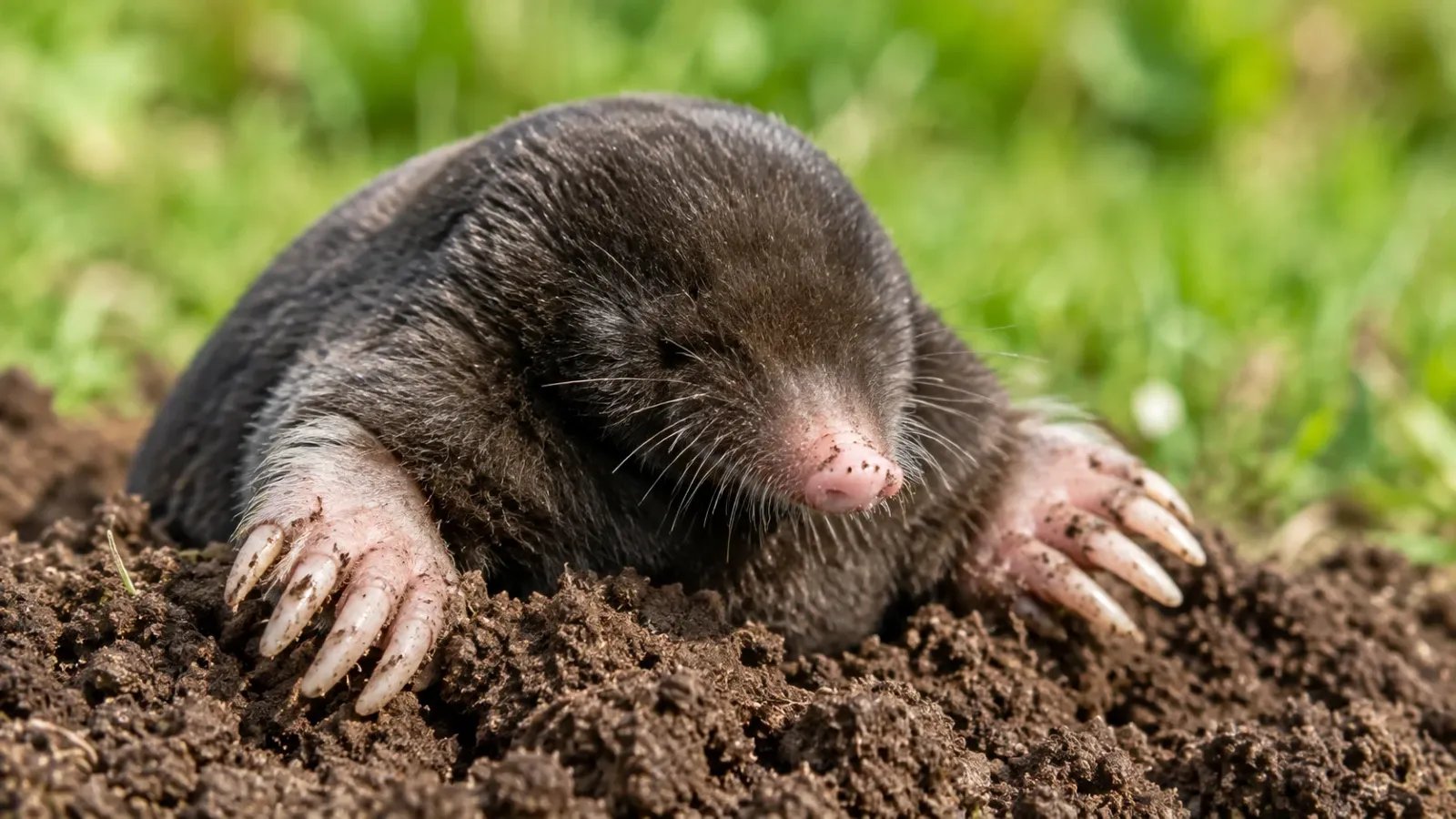
Moles Underground in Europe, Asia and North America The star-nosed mole is the fastest-eating mammal known.
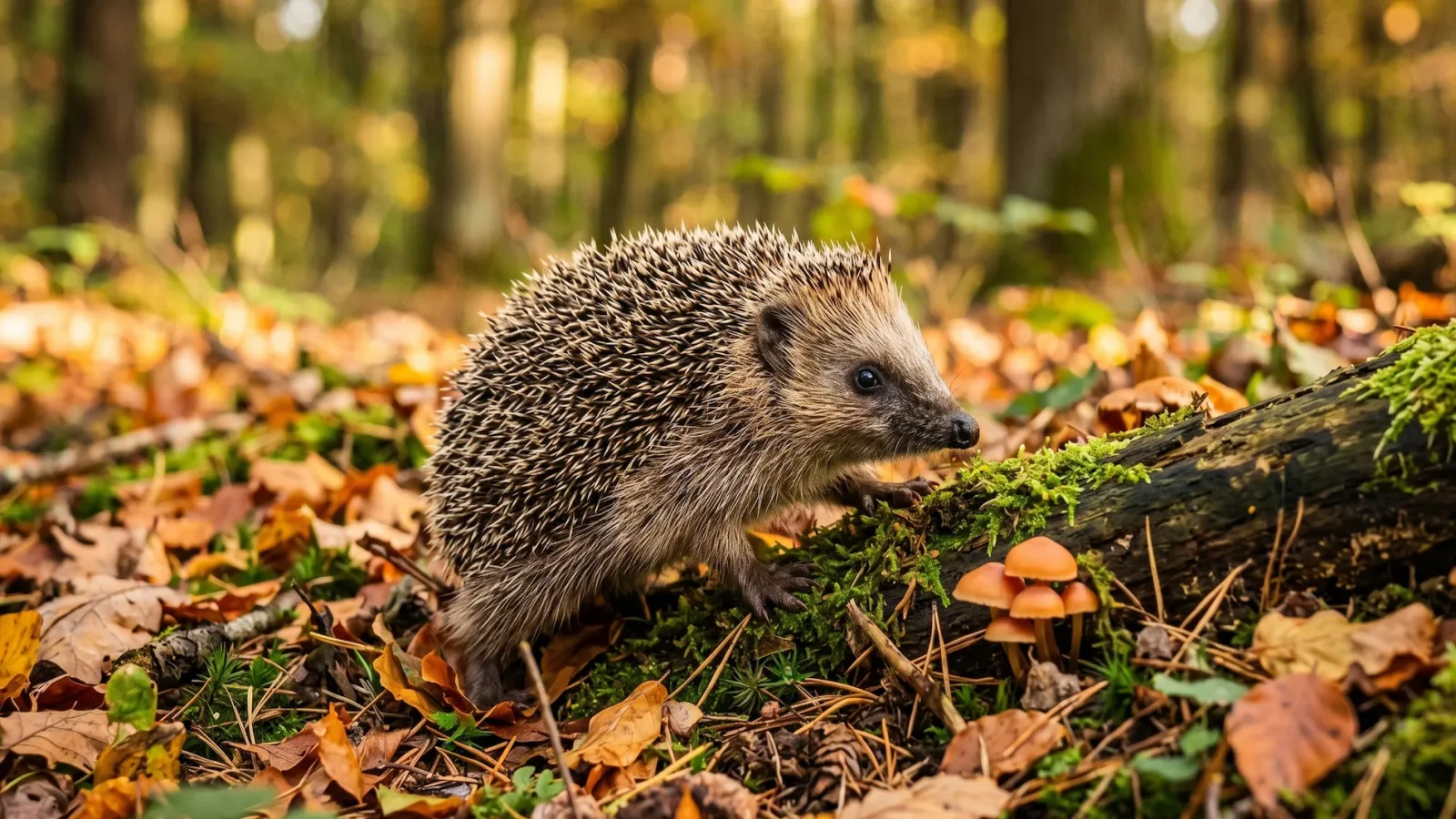
Hedgehogs Europe, Africa and Asia They can survive bites from venomous adders.
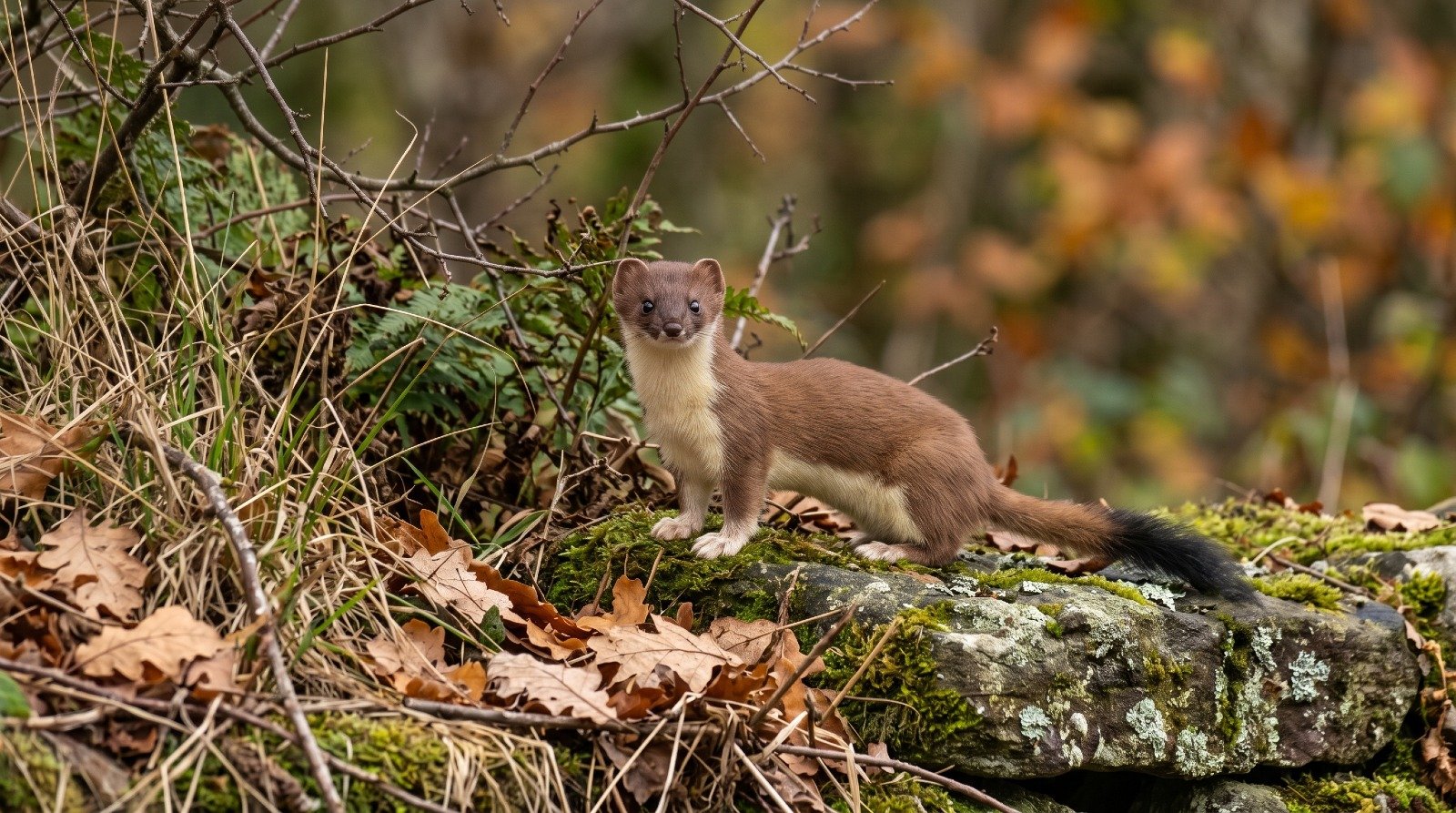
Stoats Across the Northern Hemisphere They perform a strange dance to mesmerise their prey.
Raccoons North America, introduced to Europe and Asia They wet their food to sharpen their sense of touch, not to clean it.
Bats Found across most of the world They are the only mammals capable of true flight.

Record holders

Largest Rodent

Up to 79 kg

Capybaras are the largest living rodents, with bodies that can exceed a metre in length. Capybaras

Longest-Lived Rodent

37+ years

Naked mole-rats can live for more than 37 years in captivity. Naked Mole-Rats

Fastest Eater

120 milliseconds

The star-nosed mole can identify and swallow a piece of food faster than the human eye can follow. Moles

Biggest Bat Colony

20 million

Bracken Cave near San Antonio, Texas, fills with around 20 million bats every summer. Bats

All 11, one fact at a time

15 Fascinating Facts About Squirrels

Squirrels

Tree and ground squirrels worldwide

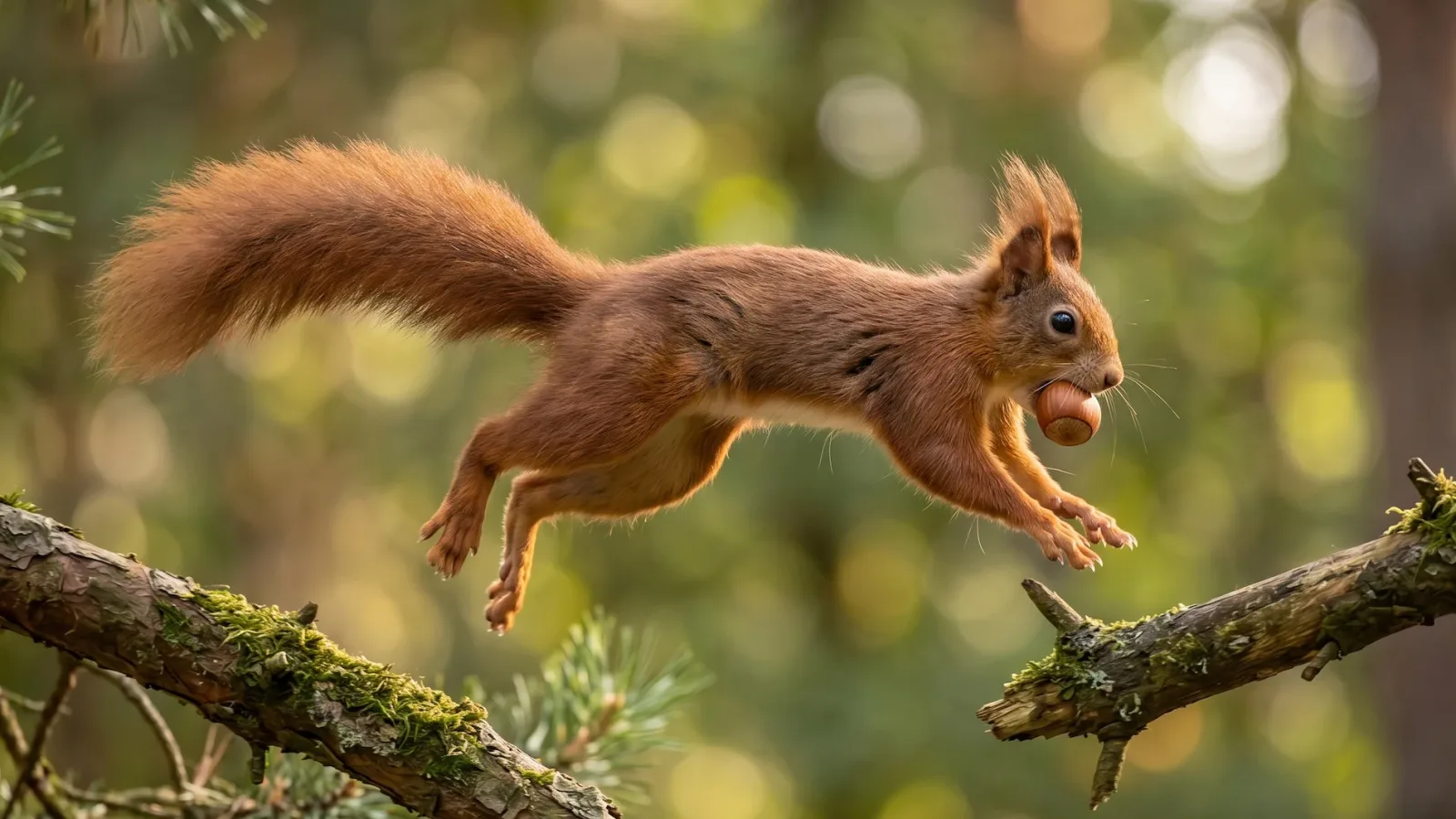
Squirrels' front teeth grow up to six inches a year, their ankles let them run headfirst down trees, and forgotten caches plant millions of trees. California ground squirrels heat their tails to scare rattlesnakes, and Iran once arrested fourteen squirrels as spies.

Read the full article →
15 Incredible Facts About Flying Squirrels

Flying Squirrels

Forests of North America and Asia

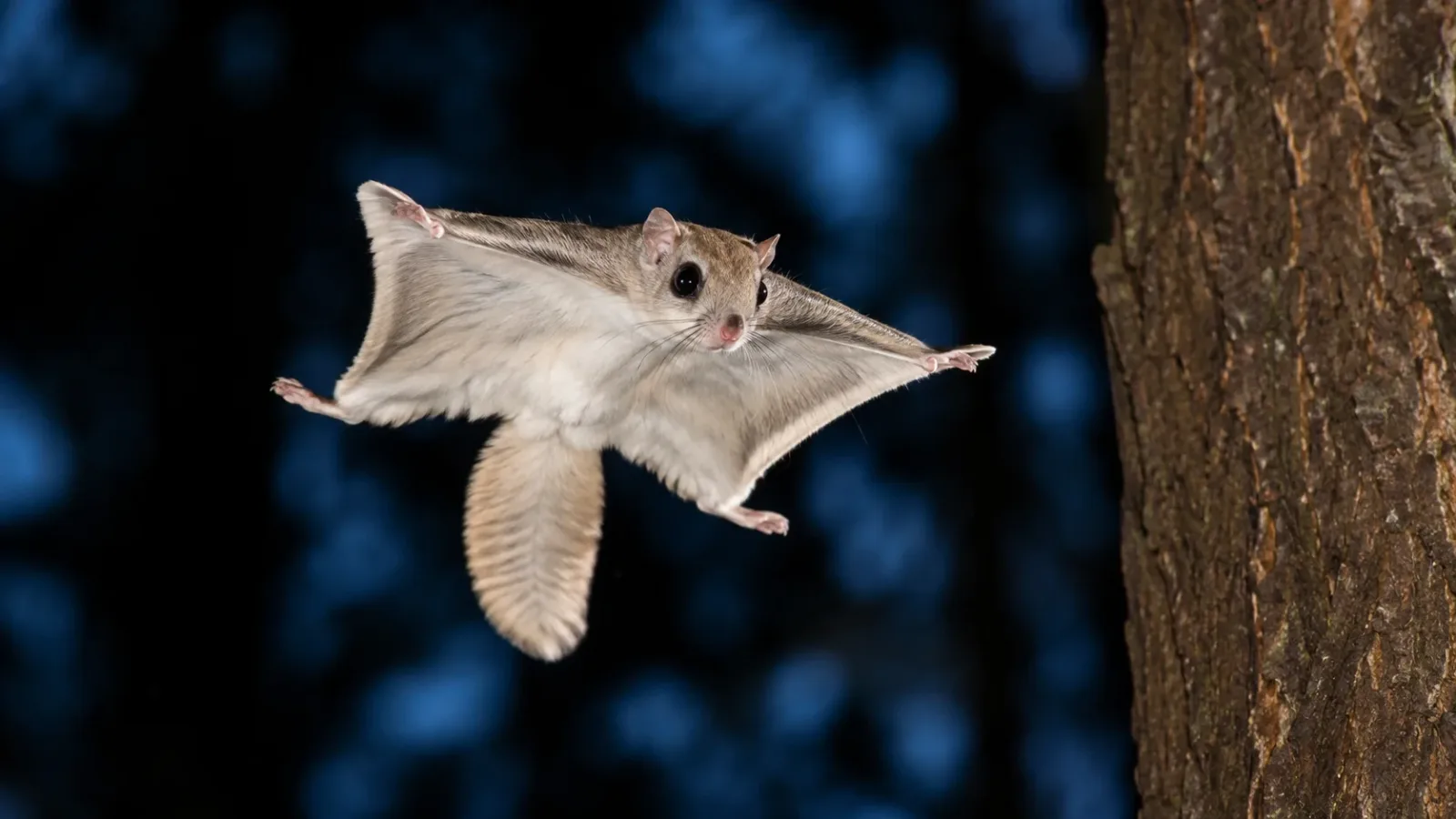
Flying squirrels glide rather than fly, using a skin membrane supported by cartilage at the wing tips. They can cover more than 150 feet in one glide, brake with their flat tails and huddle together in winter. Asia's red giant flying squirrel is far larger than the American species.

Read the full article →
The Ecological Engineer: 15 Fascinating Facts About Beavers

Beavers

Rivers and wetlands

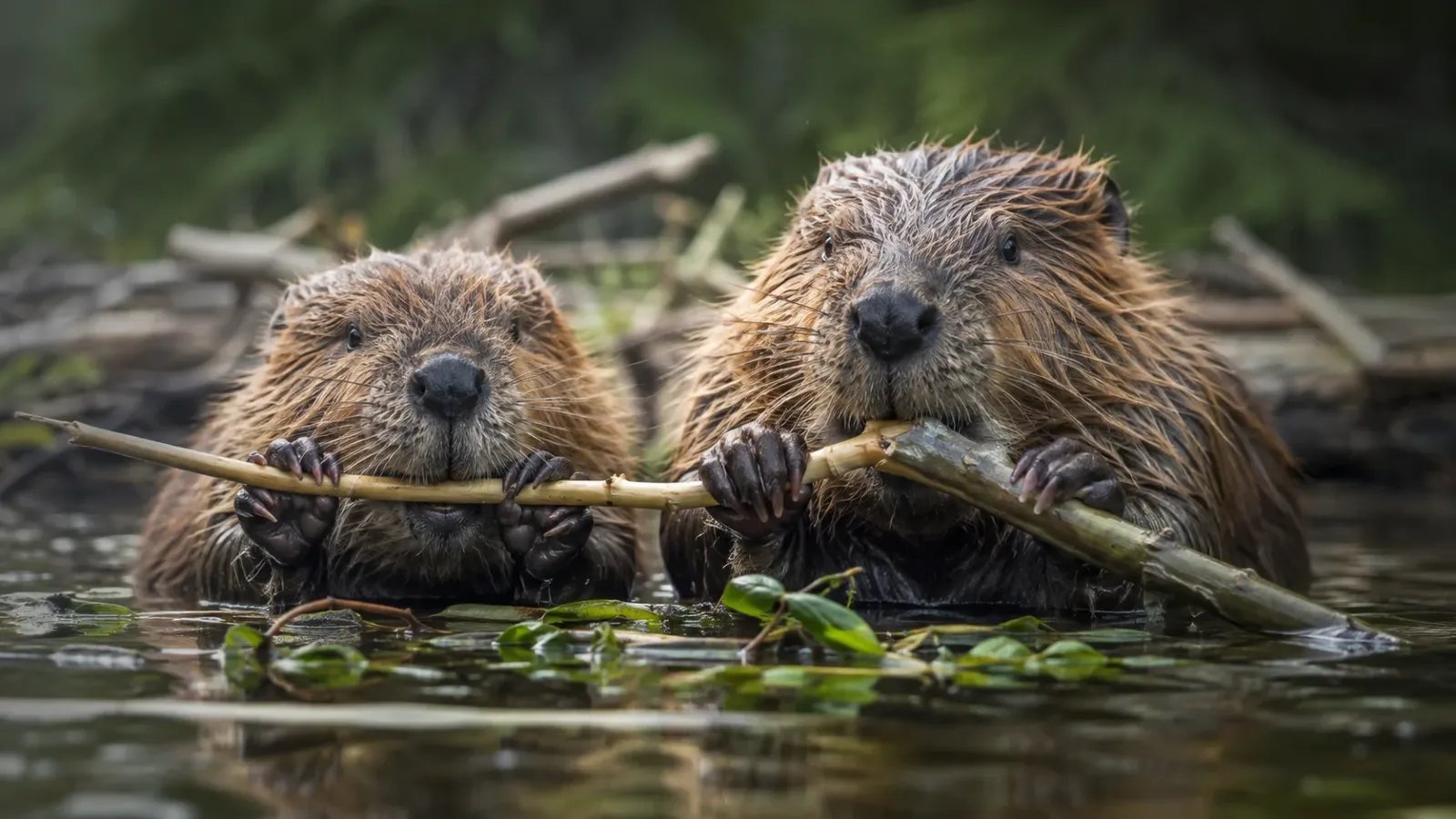
Beavers have iron-strengthened orange teeth and lips that close behind them, and they live in lodges rather than dams. The largest known dam, in Alberta, is visible from space. In 1948 Idaho parachuted beavers into the wilderness.

Read the full article →
15 Fascinating Facts About Capybaras

Capybaras

Wetlands of South America

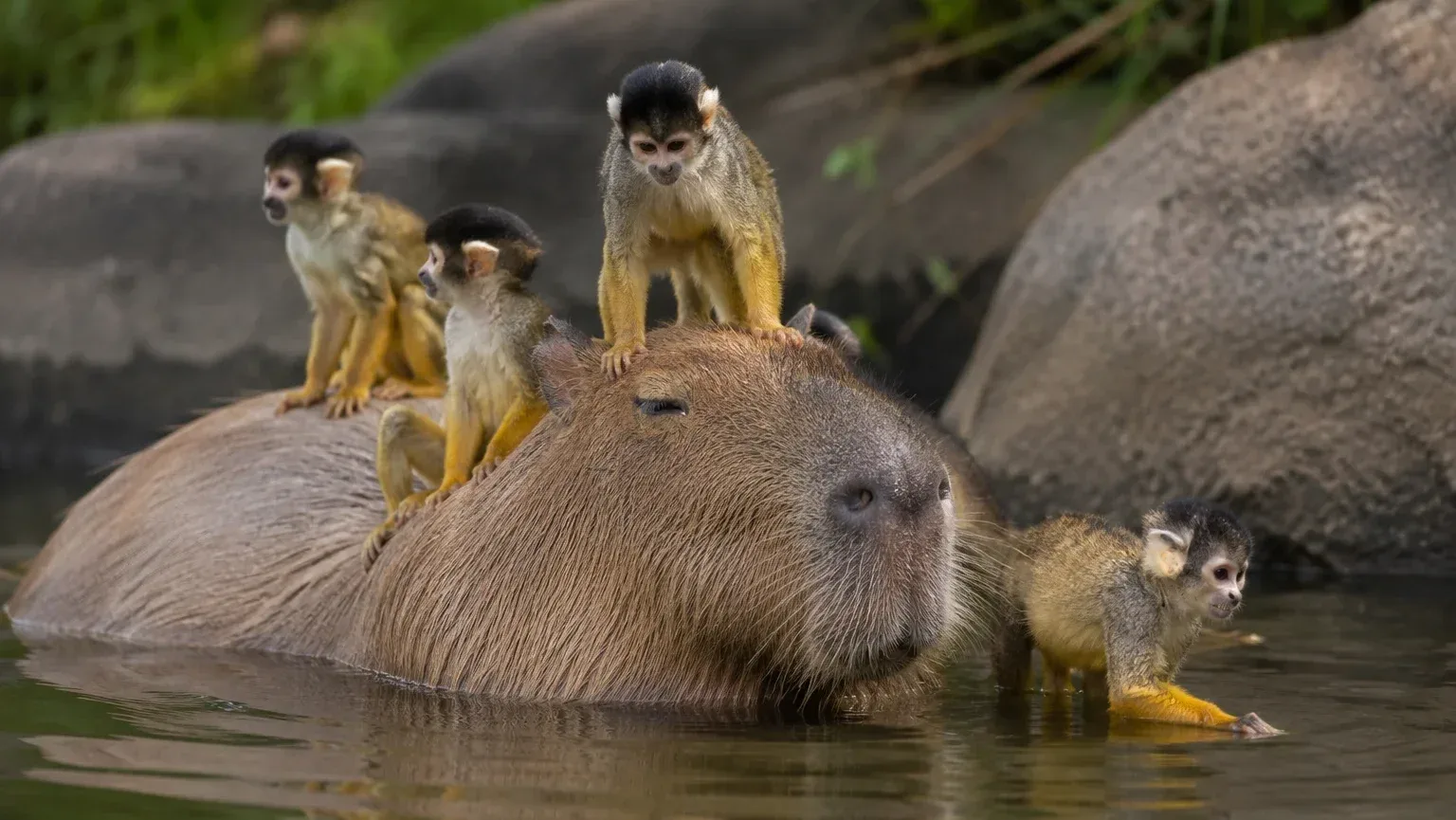
Capybaras have eyes, ears and nostrils high on the head for life in water, and they can stay submerged for about five minutes. Birds use them as feeding stations, pups may nurse from other females, and their calls include whistles, barks and clicks.

Read the full article →
The Prickly Rodent: 15 Fascinating Facts About Porcupines

Porcupines

Old World and New World species

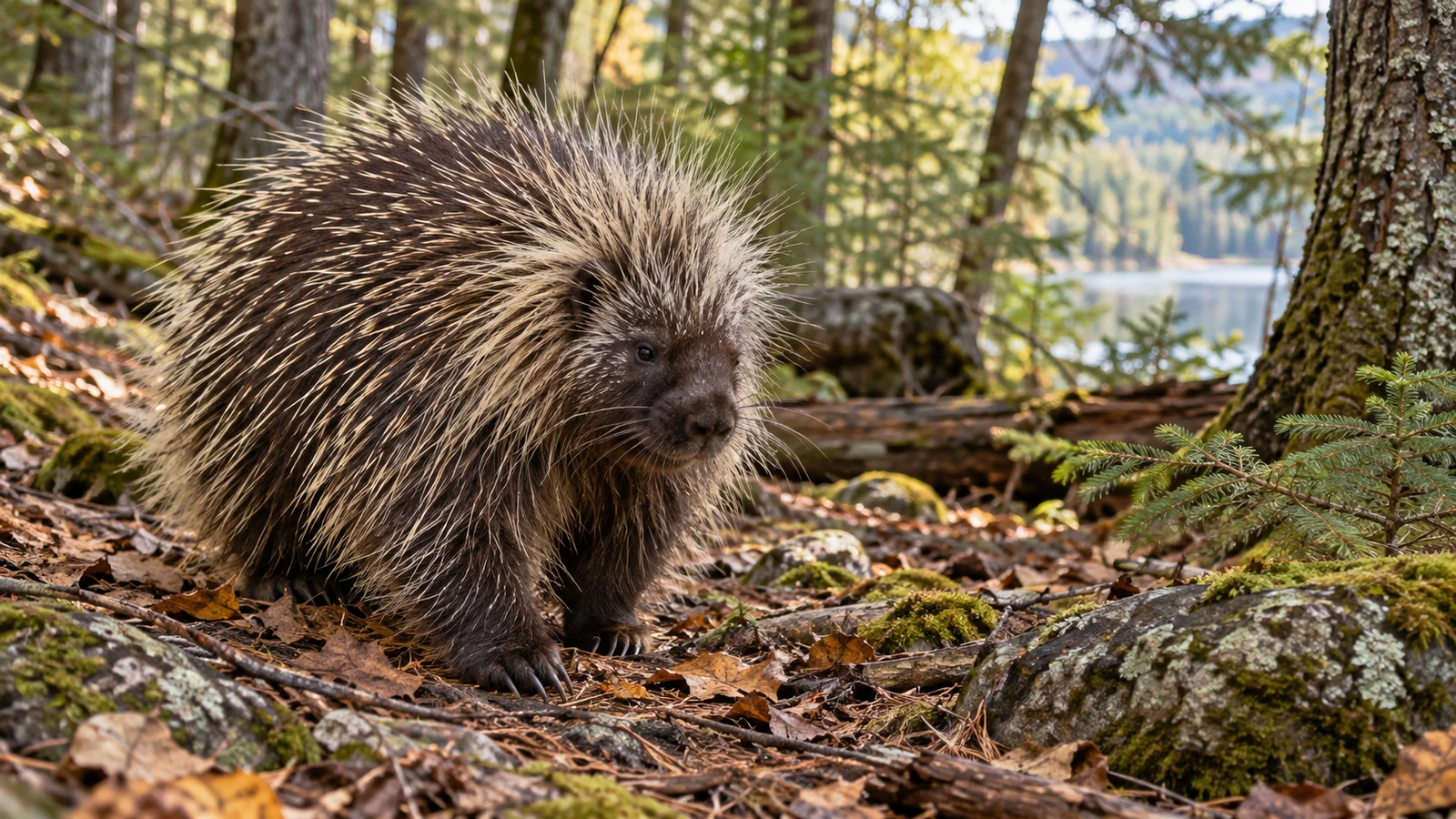
A porcupine carries around 30,000 quills coated with natural antibiotics and tipped with tiny barbs. The hollow quills help it float, babies are called porcupettes, and porcupines crave salt. They often fall out of trees.

Read the full article →
The Underground Superheroes: 15 Fascinating Facts About Naked Mole-Rats

Naked Mole-Rats

East Africa

Naked mole-rats can live for more than 37 years, hardly seem to age and almost never get cancer. They survived eighteen minutes without oxygen in one experiment, run backwards as fast as forwards, and each colony has its own chirping dialect.

Read the full article →
15 Fascinating Facts About Moles

Moles

Underground in Europe, Asia and North America

Moles are not rodents, and their toxic saliva paralyses earthworms so they can be stored alive. They have an extra thumb-like bone for digging, smell in stereo, and fur that lets them move backwards. The star-nosed mole can even smell underwater.

Read the full article →
15 Fascinating Facts About Hedgehogs

Hedgehogs

Europe, Africa and Asia

Hedgehogs have five to seven thousand spines and smear themselves with foamy saliva when they meet strange scents. They are lactose intolerant, and garden "hedgehog highways" help them roam. The Romans kept them for pest control.

Read the full article →
The Relentless Predator: 15 Fascinating Facts About Stoats

Stoats

Across the Northern Hemisphere

Stoats can kill prey more than five times their weight, and their white winter coat is the ermine once reserved for royalty. The black tail tip may distract predators, and females spend most of their lives pregnant. Stoats introduced to New Zealand devastated native birds.

Read the full article →
The Masked Survivor: 15 Cool Facts About Raccoons

Raccoons

North America, introduced to Europe and Asia

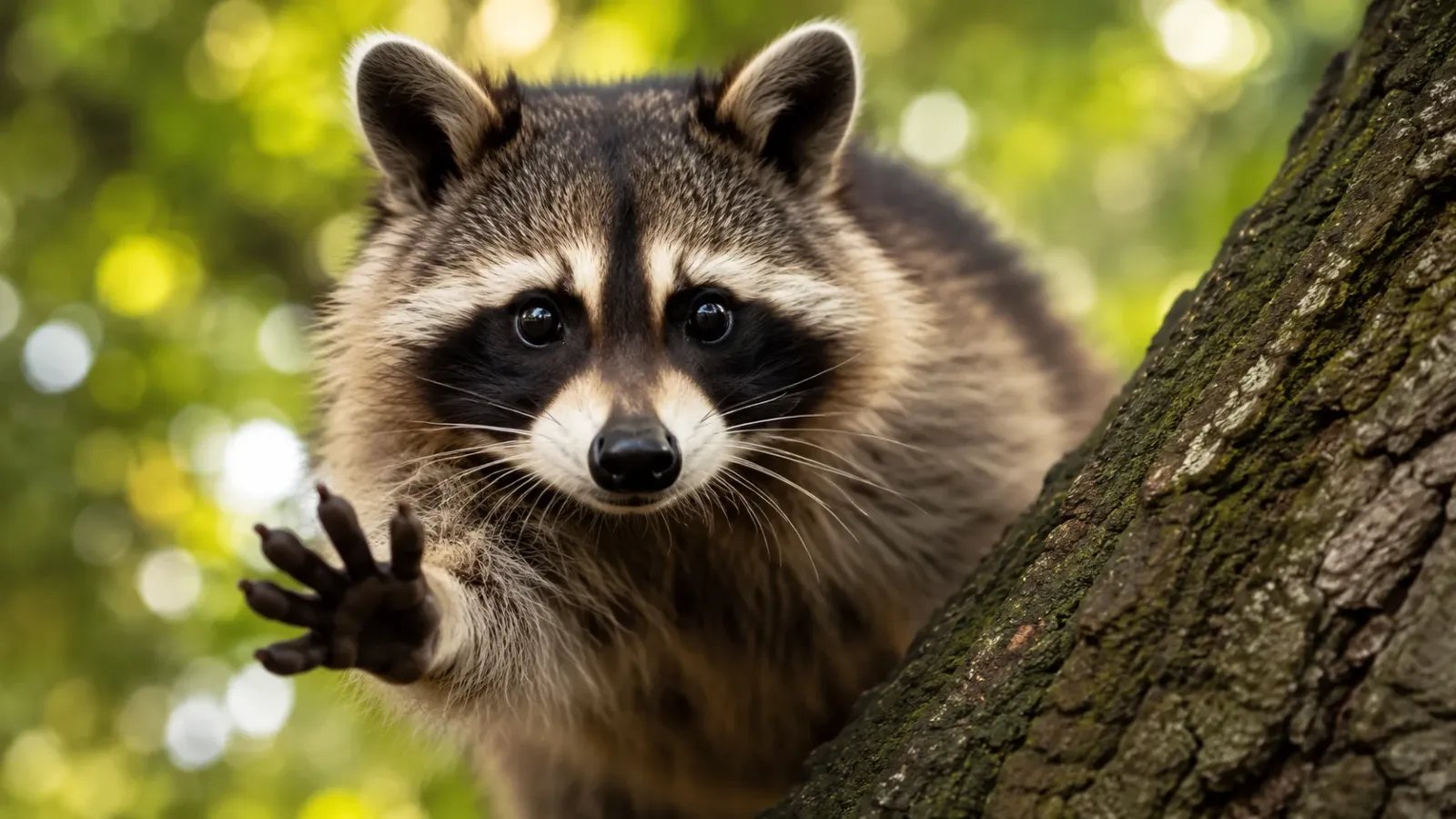
Raccoons have no opposable thumbs yet can open jars and untie knots, and city raccoons may be smarter than country ones. They can turn their hind feet to climb down trees headfirst. Calvin Coolidge kept a pet raccoon named Rebecca.

Read the full article →
15 Fascinating Facts About Bats

Bats

Found across most of the world

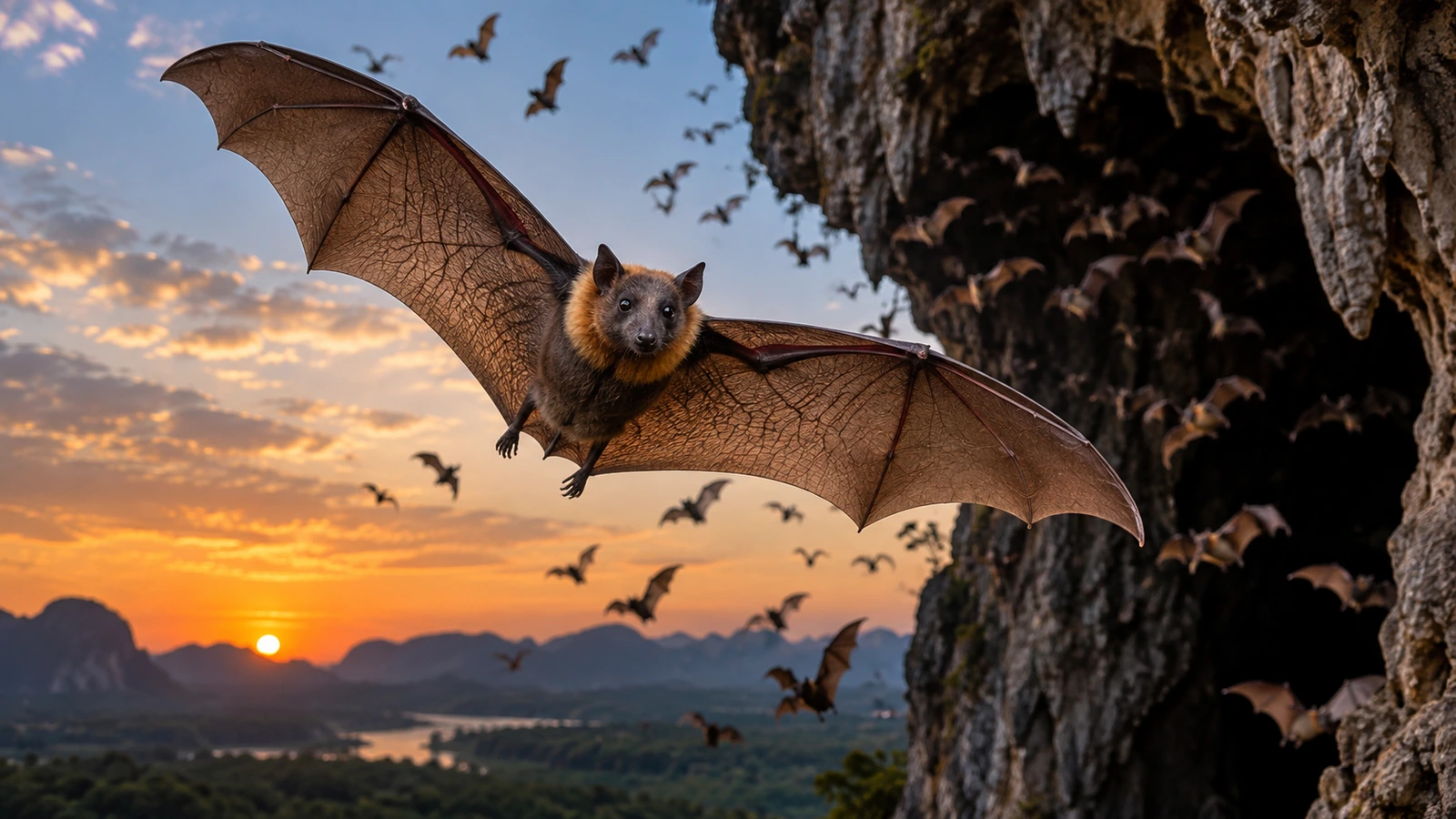
Bats make up about 20 percent of mammal species, are not blind and hang upside down without effort. They pollinate the agave used for tequila, vampire bats share food with friends, and the Mexican free-tailed bat may be the fastest mammal. The smallest mammal is a bat.

Read the full article →

Quiz: how much of that stuck?

8 questions, every answer is somewhere above.

Rodents and Small Mammals 0 / 8

1. What did the Iranian military reportedly arrest near a nuclear site?

2. What colour do flying squirrels glow under ultraviolet light?

3. Why are beavers' teeth orange?

4. Can porcupines shoot their quills?

5. How is a naked mole-rat colony organised?

6. Why should you never give a hedgehog milk?

7. Which US president kept a pet raccoon called Rebecca?

8. What is the world's smallest mammal?

Frequently asked

Are moles and hedgehogs rodents?

No. Moles belong to the order Eulipotyphla and are closely related to hedgehogs and shrews, not to mice and rats. Bats, raccoons and stoats are not rodents either.

Can flying squirrels really fly?

No. They glide using a furry membrane called a patagium stretched between their wrists and ankles. North American flying squirrels can glide more than 150 feet, steering with their limbs and using their flat tails as brakes.

Do beavers live in their dams?

No. The dam floods a valley to create a deep, still pond, and the beavers live in a separate structure called a lodge.

Are bats blind?

No bat species is entirely blind. Many use echolocation to hunt in the dark, but all bats can see.

Why do raccoons wash their food?

They are not cleaning it. Wetting their sensitive front paws increases their sense of touch, helping them feel what they are holding.

Keep going

Enjoyed these facts? There's more! 💌

Fresh fun facts in your inbox. No spam, ever.