15 Fun Facts
🎲
Travel

Italy: Cities and Landmarks

Eleven articles on Italy: the country itself, Rome, Venice, Florence, Milan, Naples and Cinque Terre, plus the Leaning Tower of Pisa, the Trevi Fountain, Milan Cathedral and Saint Peter's Basilica.

Updated November 3, 2026 · 11 items · 165 facts in the linked articles · Reading time 3 min

Few countries hold as much history per square kilometre as Italy, which has more UNESCO World Heritage Sites than any other nation. This collection explores it city by city and landmark by landmark: Rome, the Eternal City; Venice, built on a lagoon; Florence, the cradle of the Renaissance; fashionable Milan; Naples in the shadow of Vesuvius; and the five cliff-top villages of Cinque Terre, together with four icons: the Leaning Tower of Pisa, the Trevi Fountain, Milan Cathedral and Saint Peter's Basilica.

Italian engineering has been astonishing for two thousand years. Ancient Roman concrete heals its own cracks, Venice rests on millions of petrified tree trunks, Brunelleschi built Florence's great dome without wooden scaffolding, and the Trevi Fountain is still fed by an aqueduct more than 2,000 years old. The soft soil that tilts the Leaning Tower is also what helps it survive earthquakes.

Every city has its own surprises. Rome's stray cats enjoy legal protection and it was the first city to reach a million people, Venice opened the world's first public casino in 1638, Florence displays Galileo's middle finger, and Naples gave the world the pizza Margherita in 1889. Milan Cathedral has more statues than any other building, one of which may have inspired the Statue of Liberty.

From Bologna's university, the oldest still operating, to a free 24-hour wine fountain in Abruzzo, Italy rewards curiosity. Choose a place below to read fifteen facts about it.
The short version

Every item on this page, with the one fact most people get wrong about it.

Name Where you'll meet it The fact worth knowing
Italy Southern Europe Italy holds the world record for the most UNESCO World Heritage Sites.
Rome Lazio Rome was the first city in history to reach a million residents.
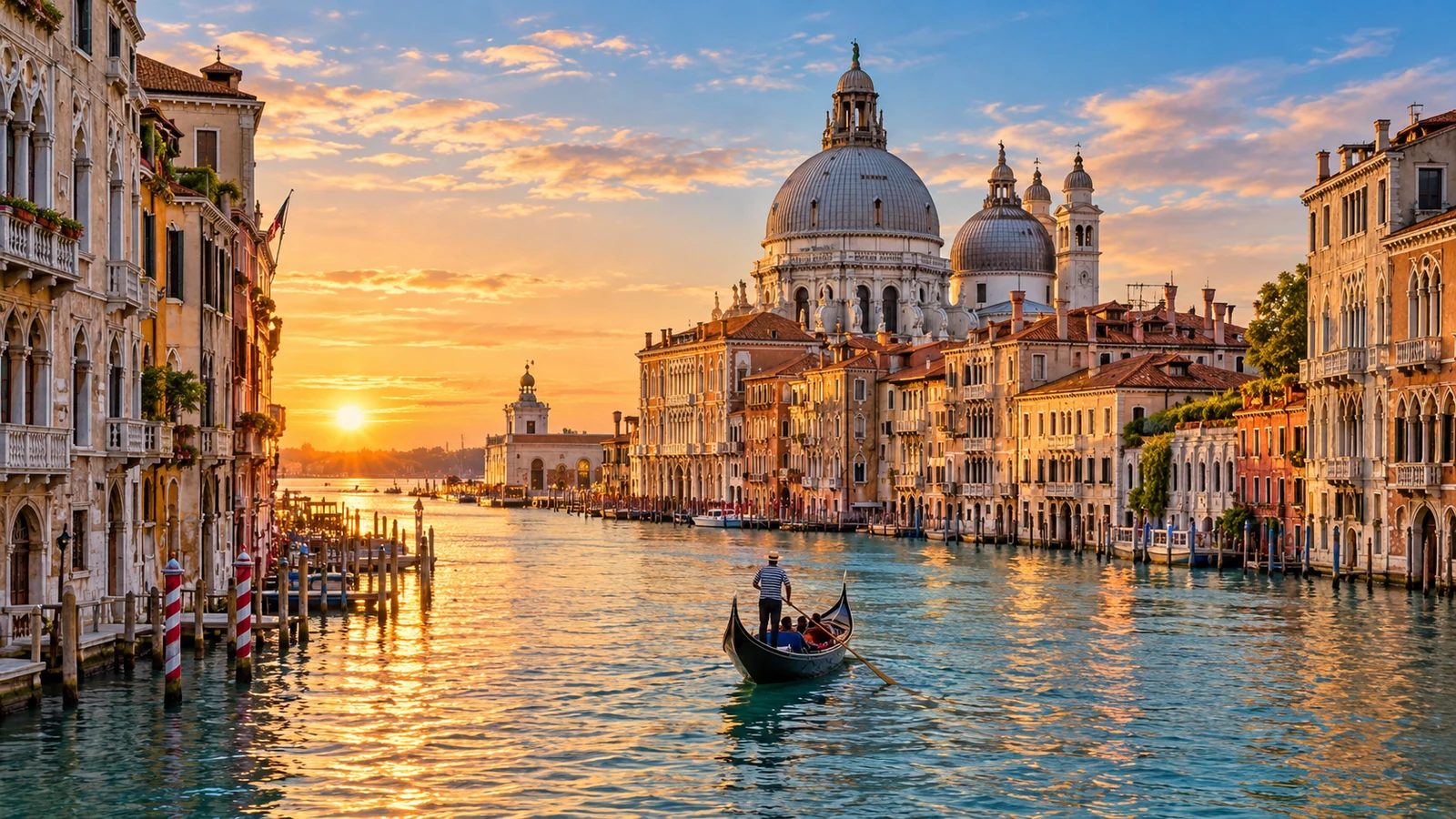
Venice Veneto The whole city rests on millions of petrified tree trunks.
Florence Tuscany Brunelleschi built its great cathedral dome without wooden scaffolding.
Milan Lombardy Leonardo da Vinci owned a vineyard opposite The Last Supper.
Naples Campania The pizza Margherita was born here in 1889.
Cinque Terre Liguria Corniglia is the only one of the five villages without direct sea access.
Leaning Tower of Pisa Pisa, Tuscany The tower is actually curved like a banana.
Trevi Fountain Rome Coins thrown into it help fund supermarkets for people in need.
Milan Cathedral Milan, Lombardy It has more statues than any other building in the world.
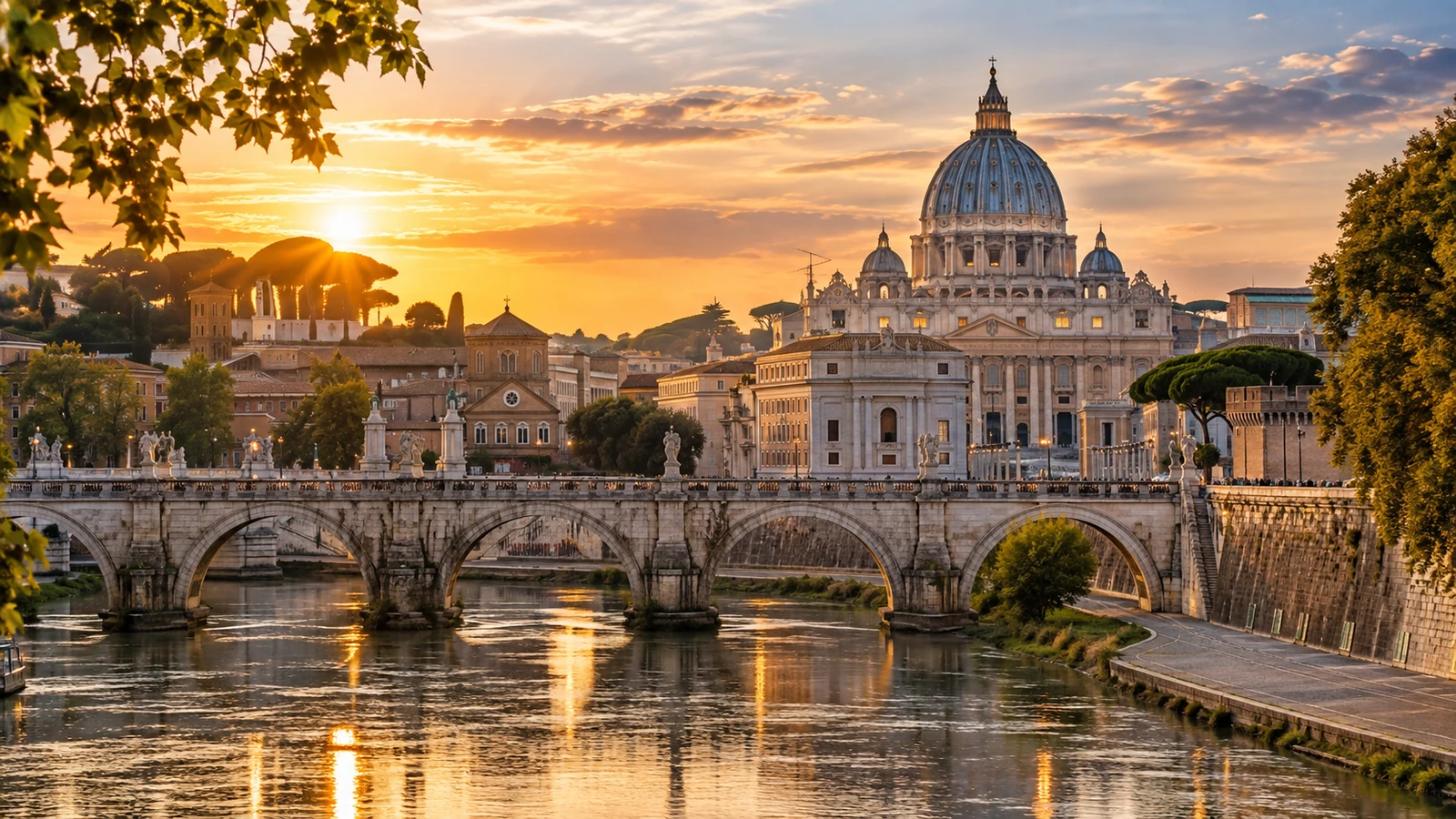
Saint Peter's Basilica Vatican City Its famous altar paintings are actually glass mosaics.

Record holders

Most Statues on a Building

World record

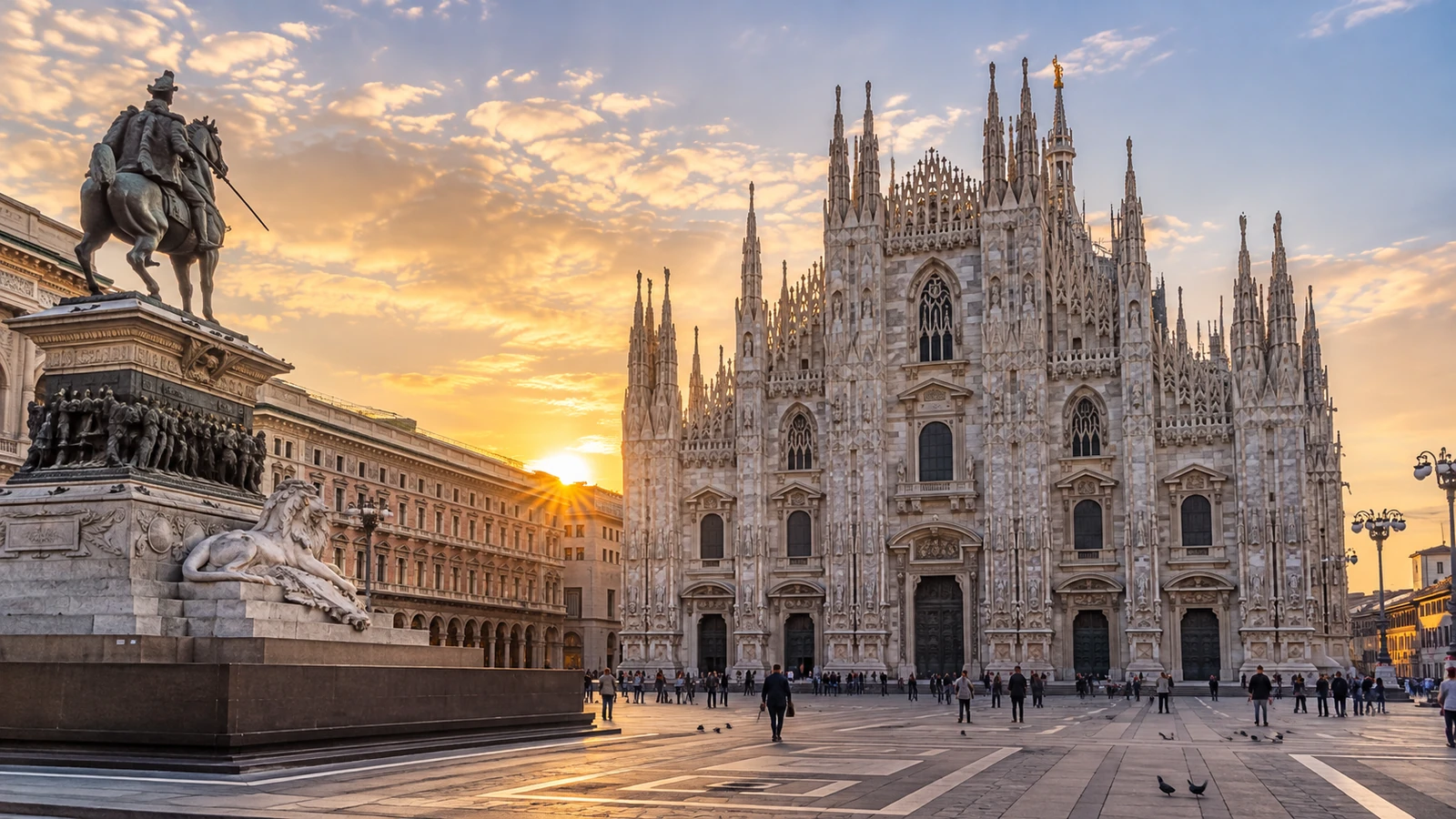
Milan Cathedral holds the world record for the most statues on a single building. Milan Cathedral

Narrowest Street

53 cm

Venice has a street just 53 centimetres wide. Venice

Oldest Water Supply

2,000+ years

The Trevi Fountain is still fed by an aqueduct more than two thousand years old. Trevi Fountain

Longest Construction

~6 centuries

Milan's Duomo took nearly six hundred years to finish. Milan

All 11, one fact at a time

The Historic Peninsula: 15 Fascinating Facts About Italy

Italy

Southern Europe

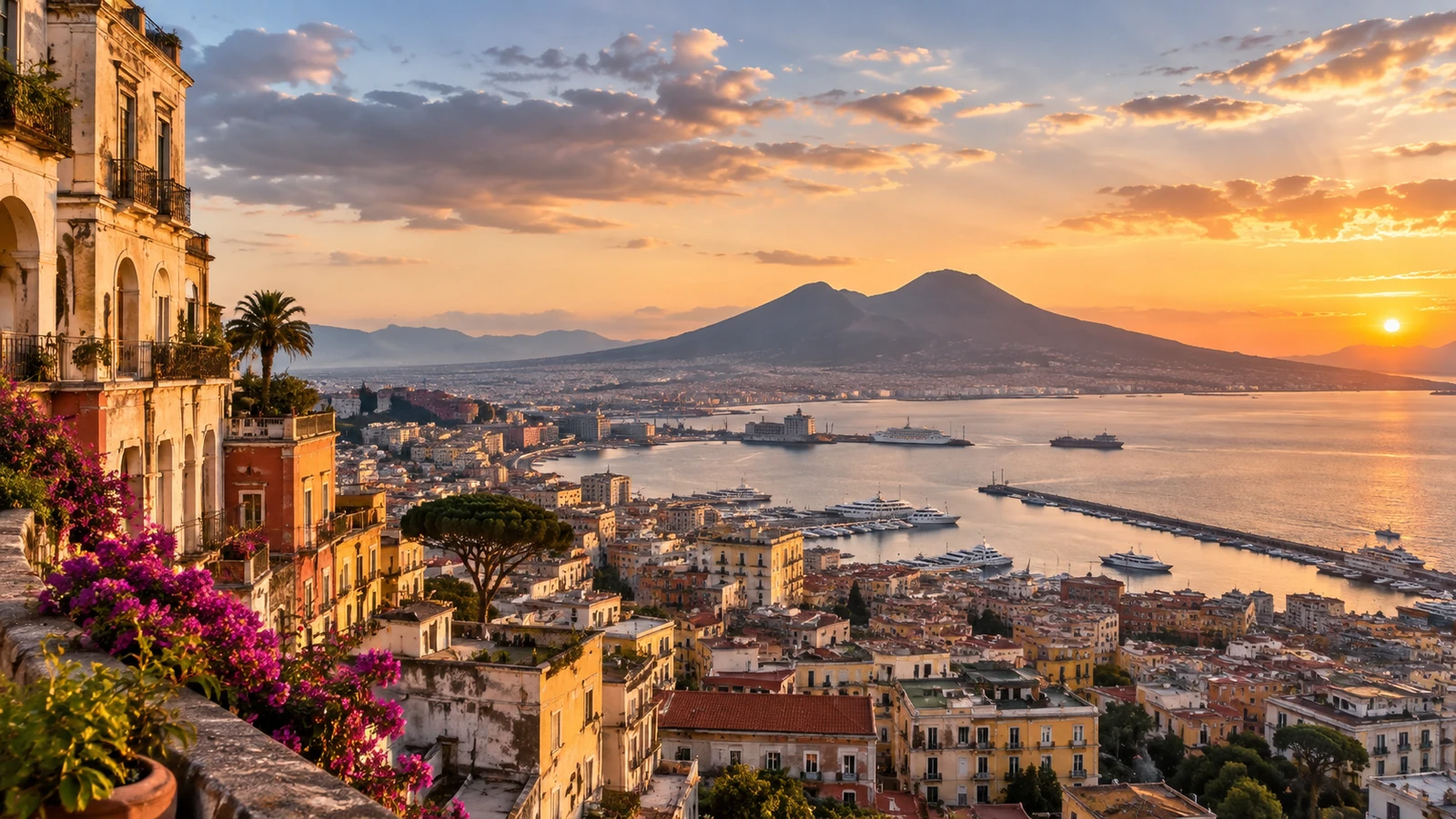
Italy contains all three of mainland Europe's active volcanoes and completely surrounds two independent microstates. Its police use a supercar to deliver donor organs, and an Alpine village built a giant mirror to capture winter sunshine. Bologna has the world's oldest continuously operating university.

Read the full article →
The Eternal City: 15 Fascinating Facts About Rome

Rome

Lazio

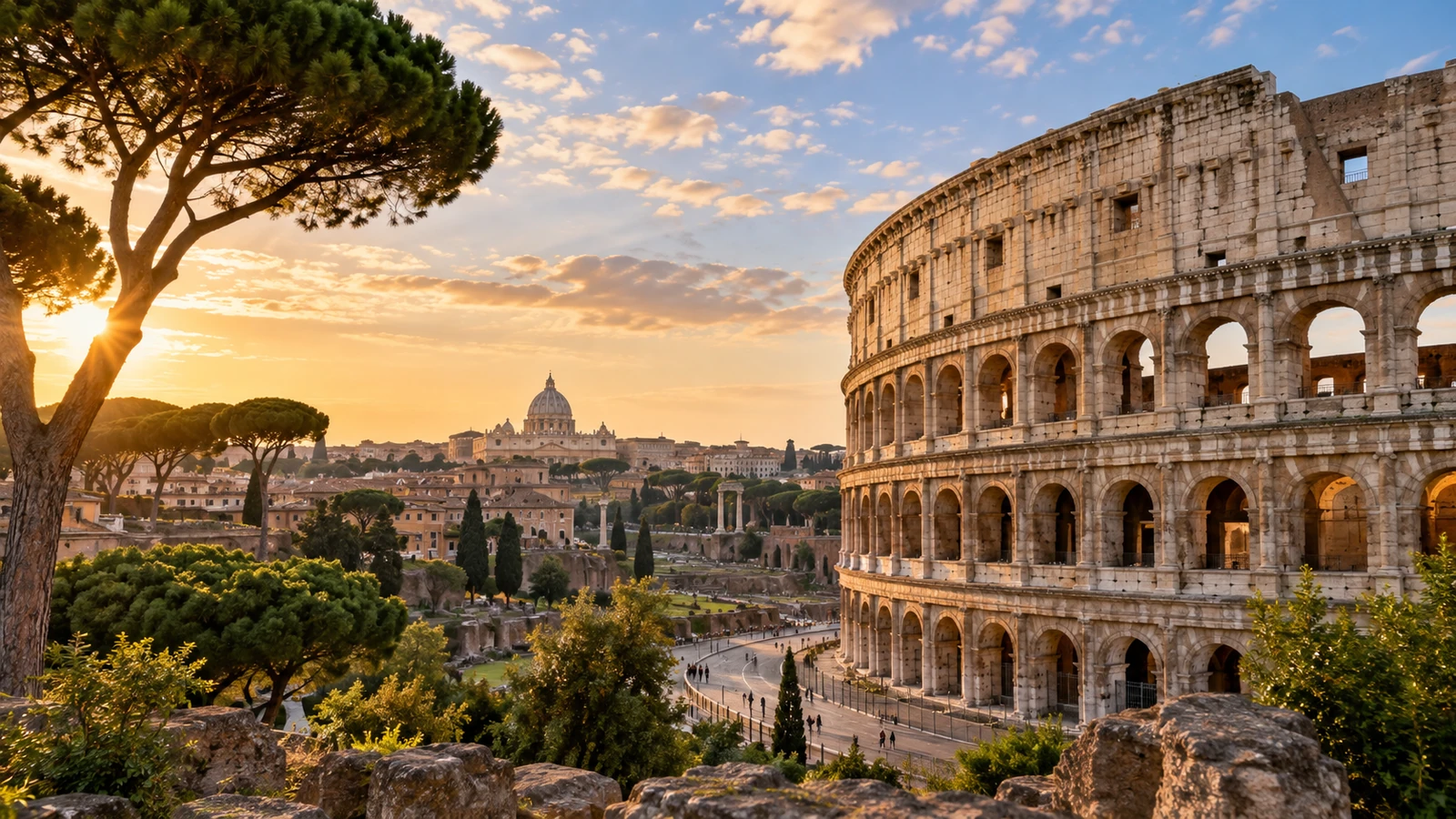
Rome's stray cats are legally protected, and its public drinking fountains are nicknamed "big noses". Ancient Rome built the world's first shopping mall and served flamingos as a delicacy. Millions of kisses have worn down the foot of Saint Peter's statue.

Read the full article →
The Sinking Floating City: 15 Fascinating Facts About Venice

Venice

Veneto

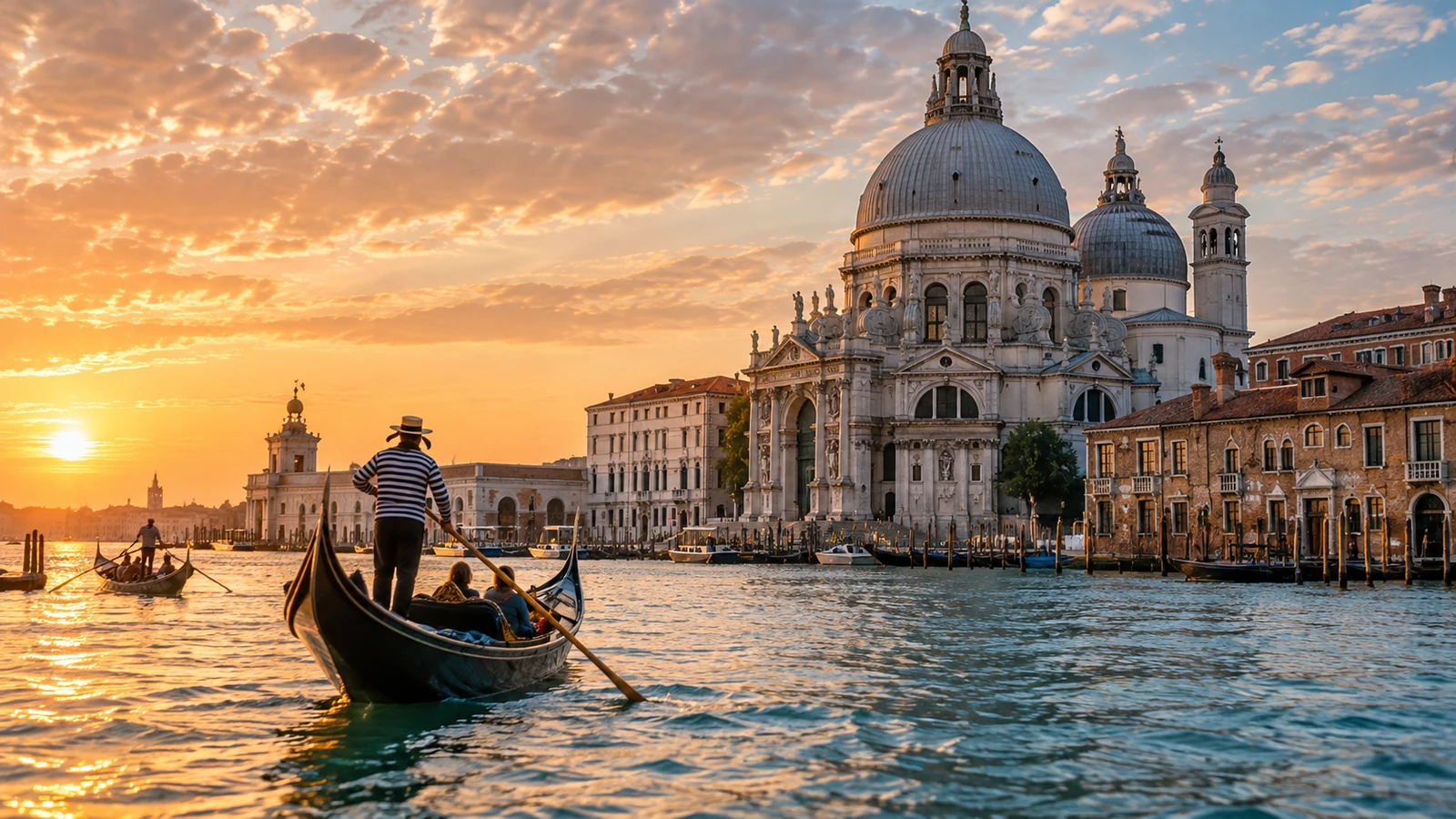
Venice spreads across 118 islands, bans cars and bicycles and has a street just 53 centimetres wide. Its glassmakers were confined to Murano under pain of death, and it opened the world's first public casino in 1638. Austrian soldiers invented the spritz there.

Read the full article →
The Renaissance Cradle: 15 Fascinating Facts About Florence

Florence

Tuscany

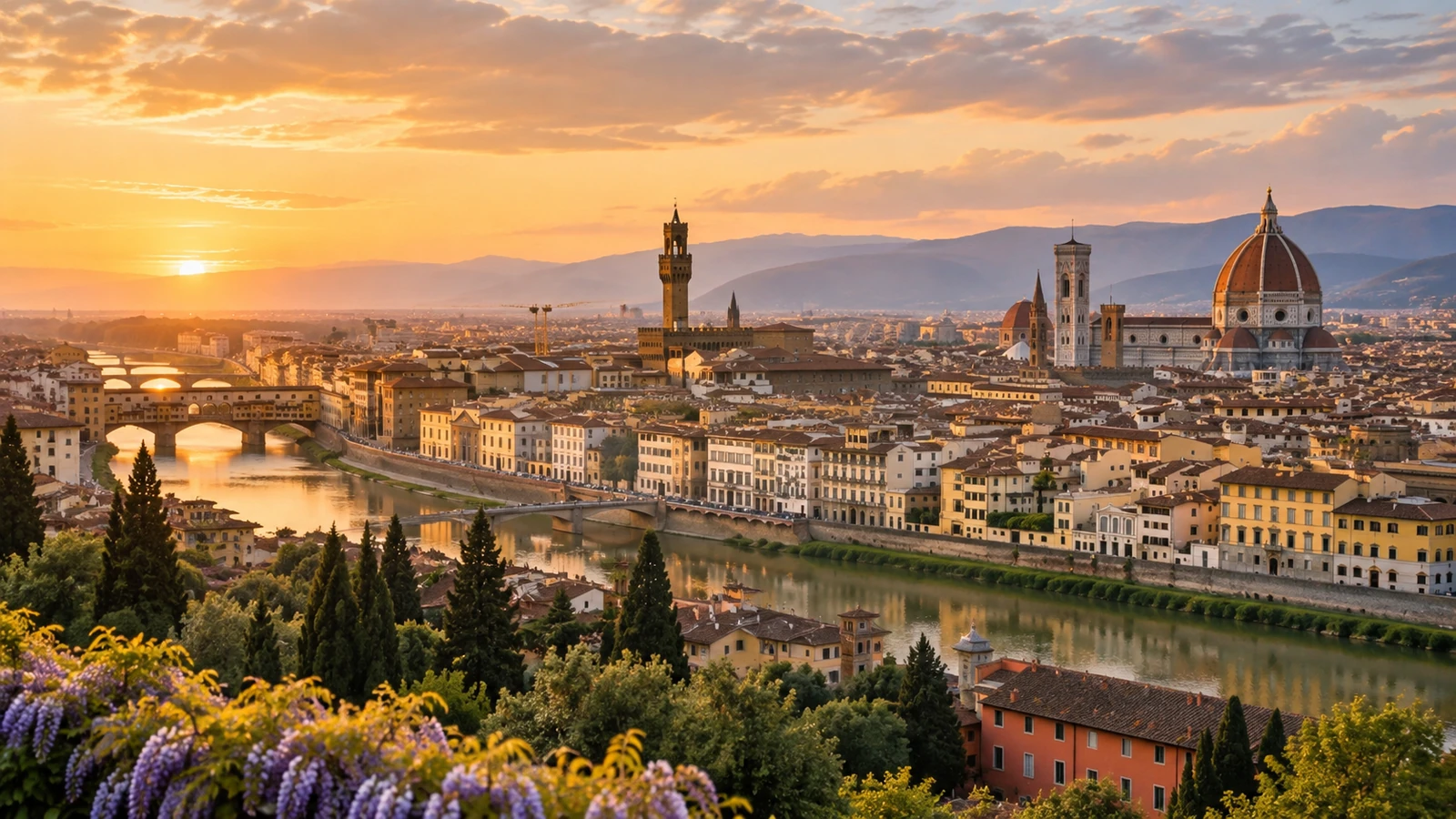
Florence was founded by Julius Caesar for retired soldiers, and its bread has been salt-free since the Middle Ages. Michelangelo carved David from a rejected marble block, and the piano was invented there around 1700. Galileo's middle finger is on display in a local museum.

Read the full article →
The Unseen Metropolis: 15 Fascinating Facts About Milan

Milan

Lombardy

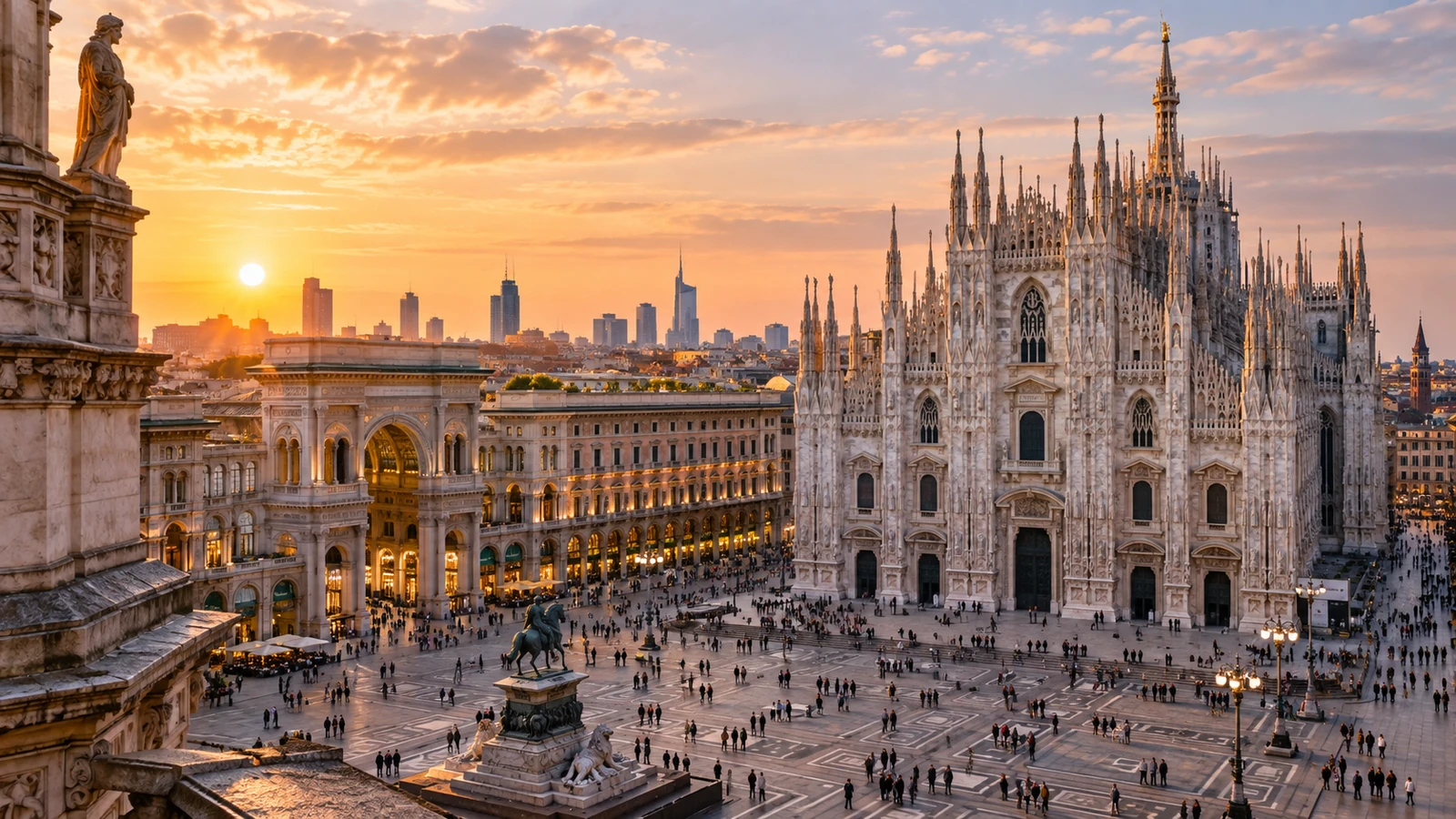
Milan's Duomo took nearly six centuries to finish, and Napoleon crowned himself King of Italy there. Real pink flamingos live in a hidden garden, and spinning on a mosaic bull's testicles is said to bring luck. Panettone was invented in Milan.

Read the full article →
The Enigmatic Metropolis: 15 Fascinating Facts About Naples

Naples

Campania

An entire underground city lies beneath Naples, and its Teatro di San Carlo is the world's oldest active opera house. Neapolitans invented the caffè sospeso, a coffee paid for a stranger. The blood of San Gennaro is said to liquefy three times a year.

Read the full article →
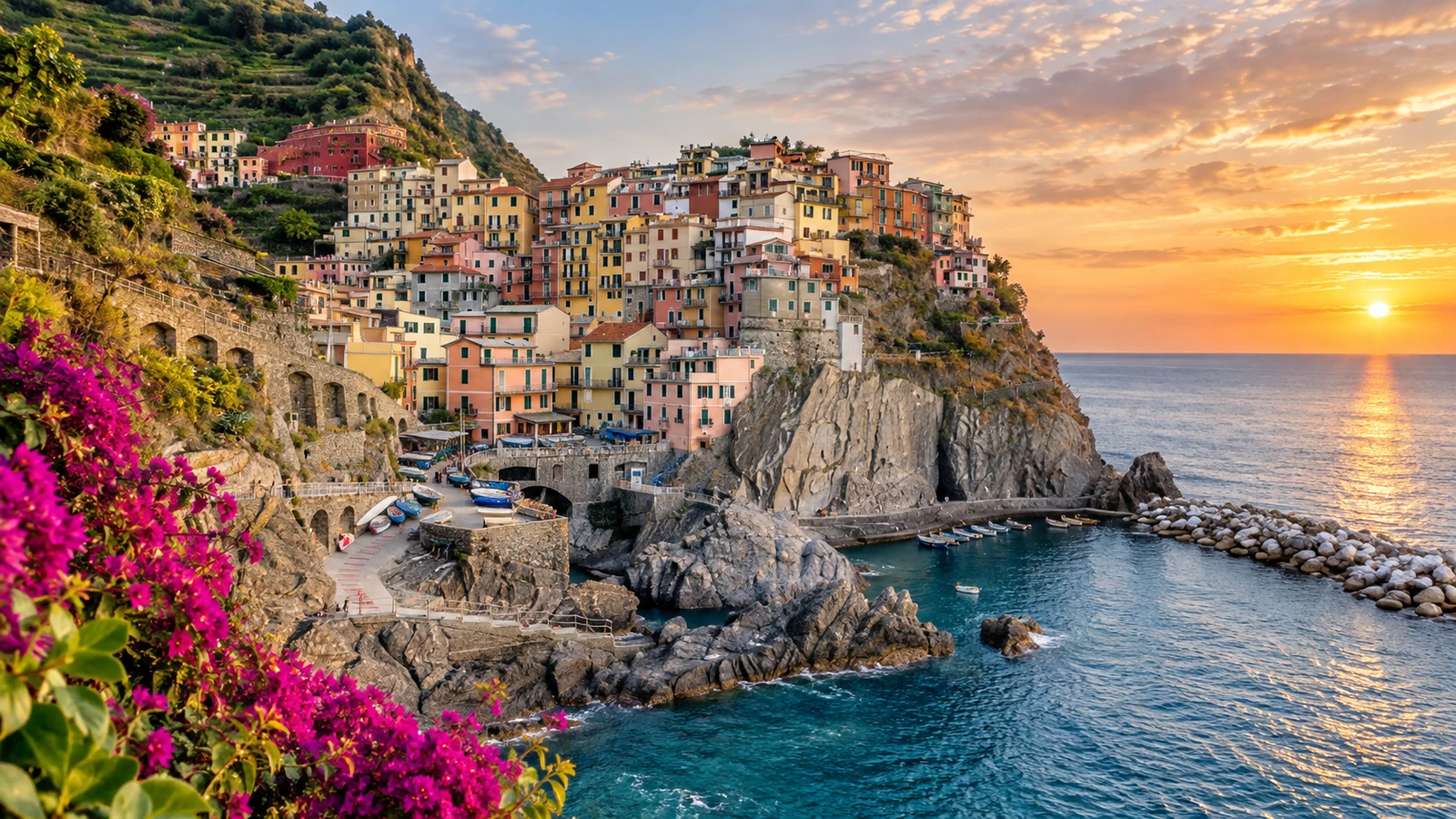
The Rugged Riviera: 15 Fascinating Facts About Cinque Terre

Cinque Terre

Liguria

Cinque Terre means "Five Lands", and thousands of miles of dry-stone walls hold up its terraced vineyards. Farming, not fishing, was its main industry, and pastel houses helped sailors spot home. It became a UNESCO site in 1997.

Read the full article →
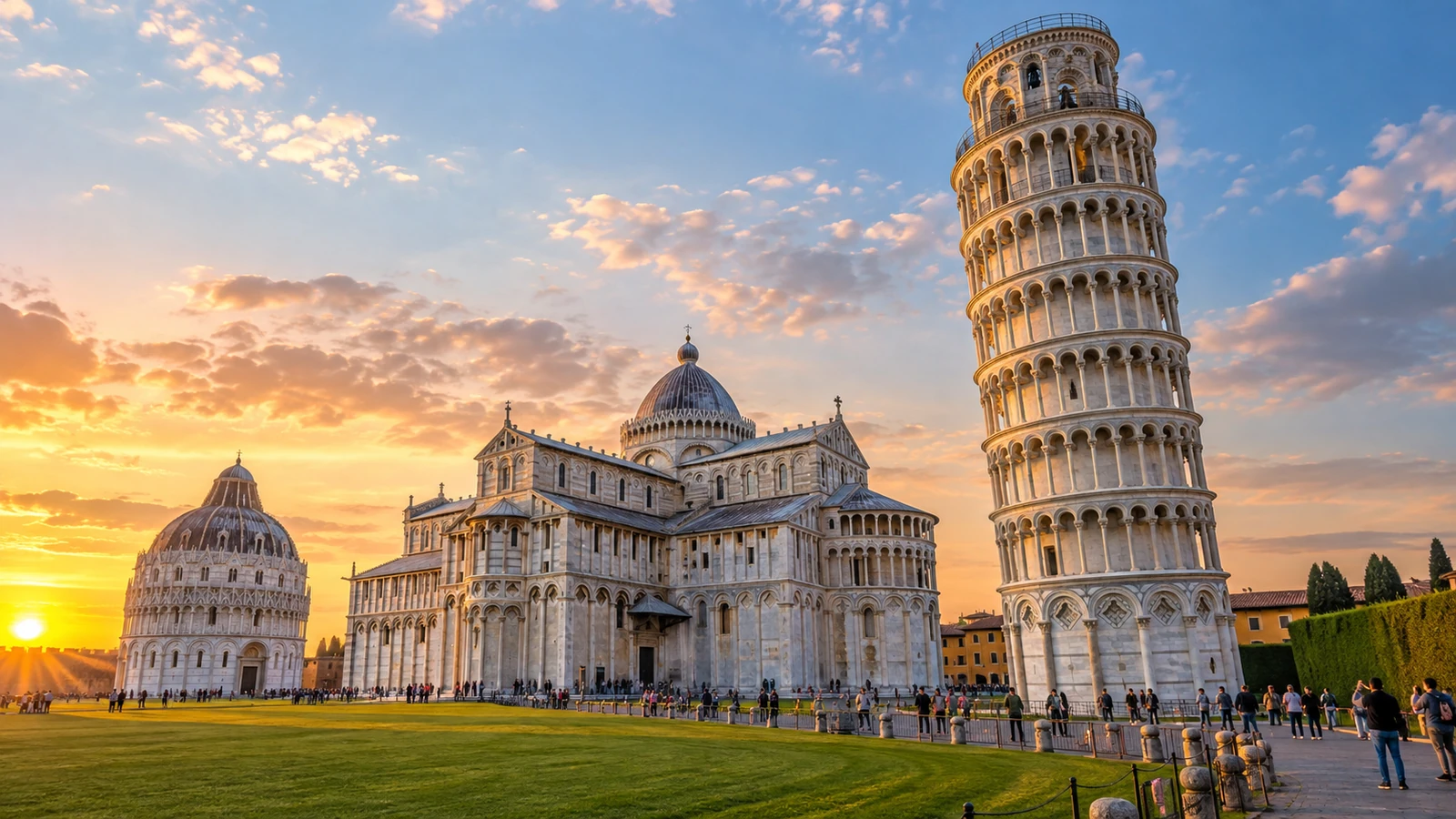
The Leaning Wonder: 15 Fascinating Facts About the Leaning Tower of Pisa

Leaning Tower of Pisa

Pisa, Tuscany

The Leaning Tower began tilting while builders were still adding floors, and long pauses let the soft ground settle. Galileo's famous gravity experiment there is probably a myth, and Mussolini made the lean worse. A decade-long project finally stabilised it.

Read the full article →
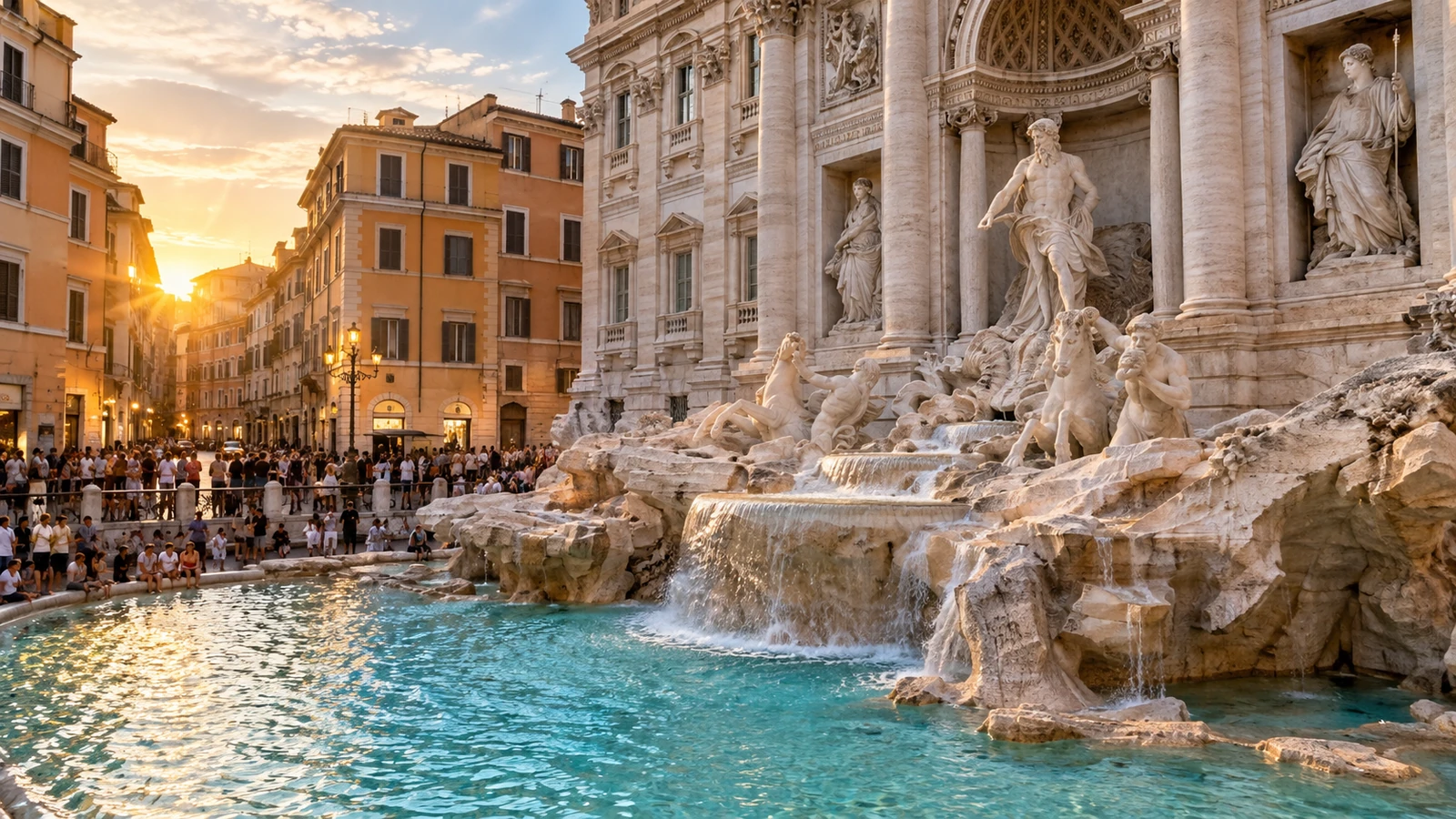
The Eternal Cascade: 15 Fascinating Facts About the Trevi Fountain

Trevi Fountain

Rome

The Trevi Fountain's name means "three roads", and its central figure is Oceanus, not Neptune. A giant stone urn was added out of petty revenge, and construction was paid for by the papal lottery. One thief stole coins from it daily for 30 years.

Read the full article →
The Gothic Marvel: 15 Fascinating Facts About the Milan Cathedral

Milan Cathedral

Milan, Lombardy

Milan Cathedral took nearly six centuries to build, and one facade statue may have inspired the Statue of Liberty. Its spires include carvings of modern sports gear, and the archbishop uses a 16th-century cloud-shaped lift to reach a relic. Visitors can walk across its marble roof.

Read the full article →
The Sacred Masterpiece: 15 Fascinating Facts About Saint Peter's Basilica

Saint Peter's Basilica

Vatican City

Michelangelo took over the design of Saint Peter's at 71 and refused a salary. Its bronze canopy used metal stripped from ancient Roman buildings, and its square hides an optical illusion among 284 columns. Construction took 120 years and helped trigger the Protestant Reformation.

Read the full article →

Quiz: how much of that stuck?

8 questions, every answer is somewhere above.

Italy: Cities and Landmarks 0 / 8

1. What does ancient Roman concrete do that modern concrete usually can't?

2. Which animals enjoy official legal protection in Rome?

3. How many islands make up Venice?

4. What is unusual about traditional Florentine bread?

5. Which famous Christmas cake was invented in Milan?

6. In what year was the pizza Margherita born in Naples?

7. Which Cinque Terre village has no direct access to the sea?

8. Whose statue is actually at the centre of the Trevi Fountain?

Frequently asked

Which country has the most UNESCO World Heritage Sites?

Italy holds the global record. Its sites include the Cinque Terre coast, listed in 1997, and the cathedral square of Pisa with its Leaning Tower, listed in 1987.

Why does the Leaning Tower of Pisa lean?

It was built on soft ground that began to give way while medieval builders were still adding upper floors. Long construction pauses let the soil settle, and a decade-long engineering project later reduced the lean by extracting soil.

What happens to the coins thrown into the Trevi Fountain?

They are collected and given to charity, raising more than a million euros a year that helps fund supermarkets for people in need.

Is Saint Peter's Basilica the Pope's official church?

Surprisingly, no. Saint Peter's is not the official seat of the Pope, although it is built over the tomb of Saint Peter, which was confirmed under the altar in the 1940s.

Is Venice really sinking?

Yes, slightly every year, while sea levels rise. The city uses air-raid sirens to warn of floods and steel barriers to hold back high tides, and its local population is shrinking fast.

Keep going

Enjoyed these facts? There's more! 💌

Fresh fun facts in your inbox. No spam, ever.