15 Fun Facts
Animals

Birds of the World

From record-breaking aerial plunge-divers to massive flightless icons, the avian world is a marvel of evolutionary engineering. Discover the extraordinary intellects, specialized survival skills, and hidden superpowers of the planet's most fascinating birds.

Updated 22 September 2026 · 24 items · 360 facts in the linked articles · Reading time 7 min

To look up at the sky, out across the ocean, or deep into the dense canopy of a rainforest is to witness one of evolution’s greatest success stories. Birds inhabit every continent on Earth, thriving in environments that would instantly destroy most other forms of life. Bound together by feathers, hollow bones, and an ancient lineage stretching back to the dinosaurs, the avian family tree has branched into an astonishing array of shapes, sizes, and intellects. From microscopic pollinators humming at impossible speeds to towering flightless giants roaming arid deserts, birds represent biological engineering at its absolute finest.

What makes this collection of species so compelling is the sheer ingenuity behind their survival. Consider the cognitive divide: while some birds rely on raw physical adaptations like biological airbags and built-in salt filters to conquer the extreme elements, others conquer their environments through sheer brainpower. Species once dismissed as simple flocking pests or grim scavengers have been revealed to possess intellects that rival great apes, capable of crafting tools, solving multi-step logic puzzles, and even practicing mutual aid.

Beyond intelligence, this curated list explores the hidden mechanical wonders of the avian body. You will discover seabirds that can sleep while flying, raptors equipped with the biological equivalent of telephoto lenses, and waterfowl that migrate at altitudes shared by commercial jetliners. Every feather, beak shape, and behavioral quirk is a highly specialized tool carved by millions of years of natural selection, allowing these animals to dominate skies, seas, and caustic lakes alike.

Dive into the articles below to uncover the meticulously verified truths behind the world's most remarkable birds. Whether you are fascinated by high-speed predators, eccentric flightless wanderers, or the vibrant acrobats of the tropical canopy, there is a hidden world of science waiting to be explored.

The short version

Every item on this page, with the one fact most people get wrong about it.

Name Where you'll meet it The fact worth knowing
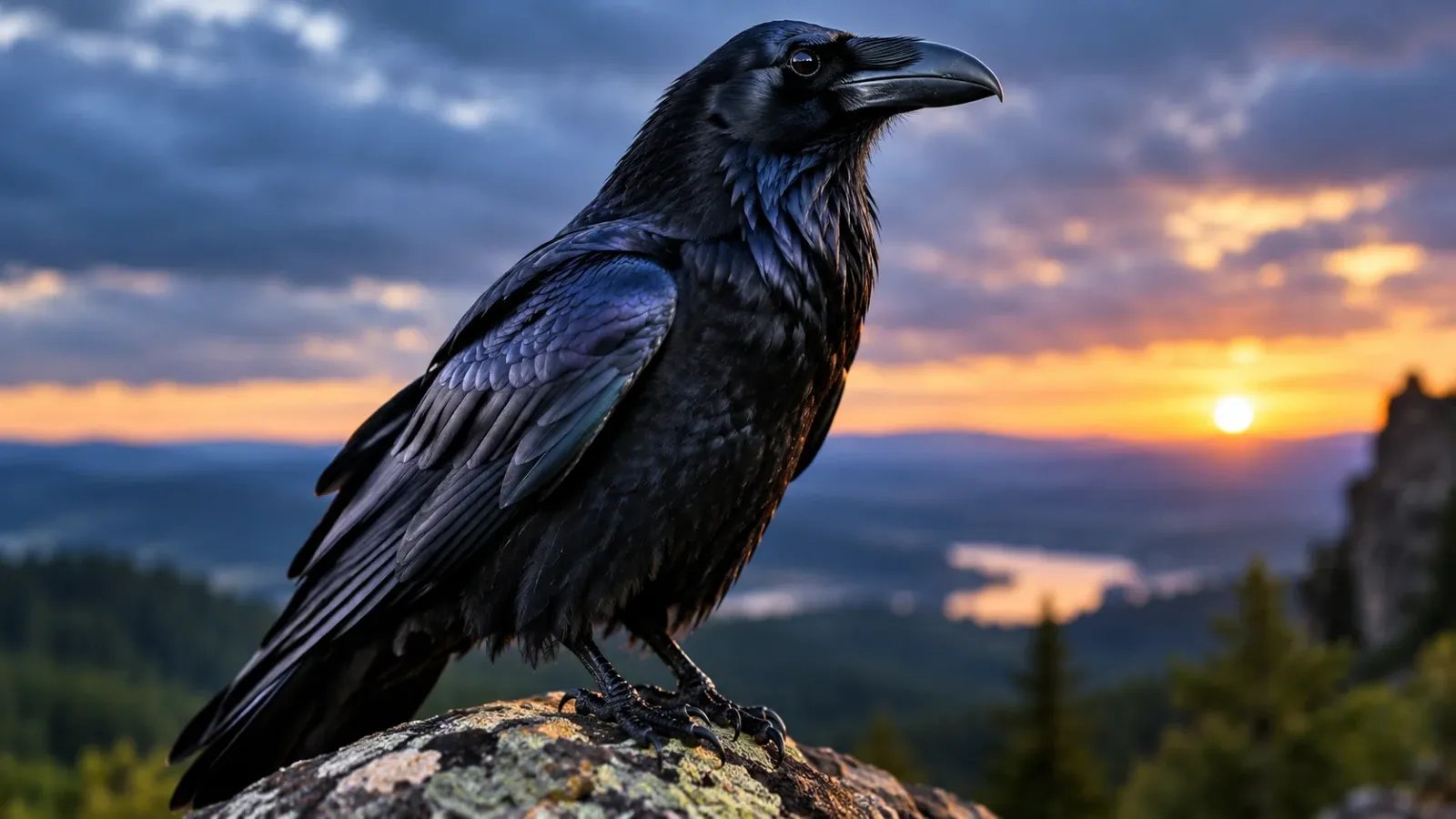
Ravens Global, Corvids These complex thinkers are capable of empathy, deception, and planning for the future.
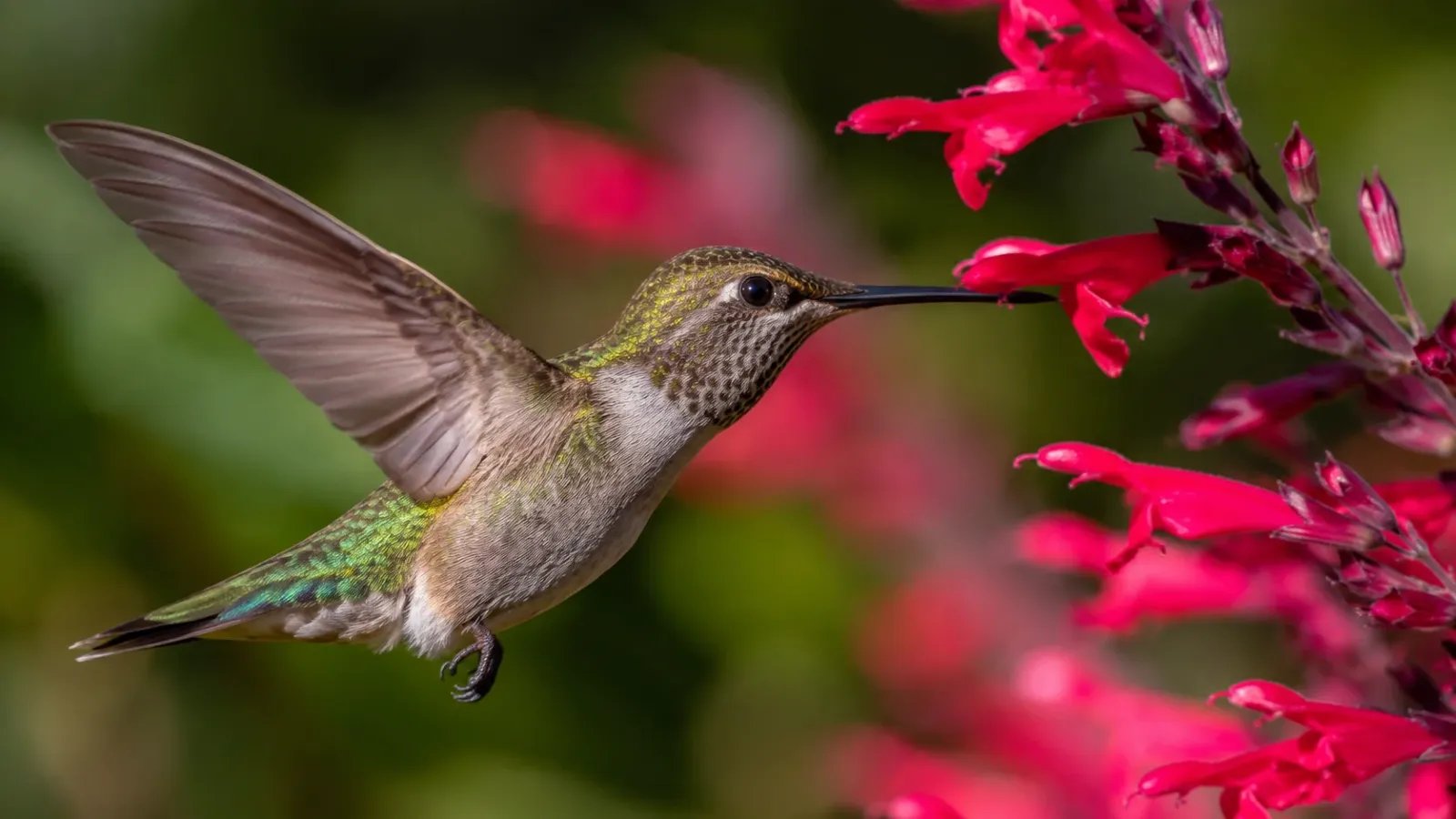
Hummingbirds Americas, Nectarivores Beneath their iridescent feathers lies an evolutionary marvel capable of manipulating fluid dynamics and defying gravity.
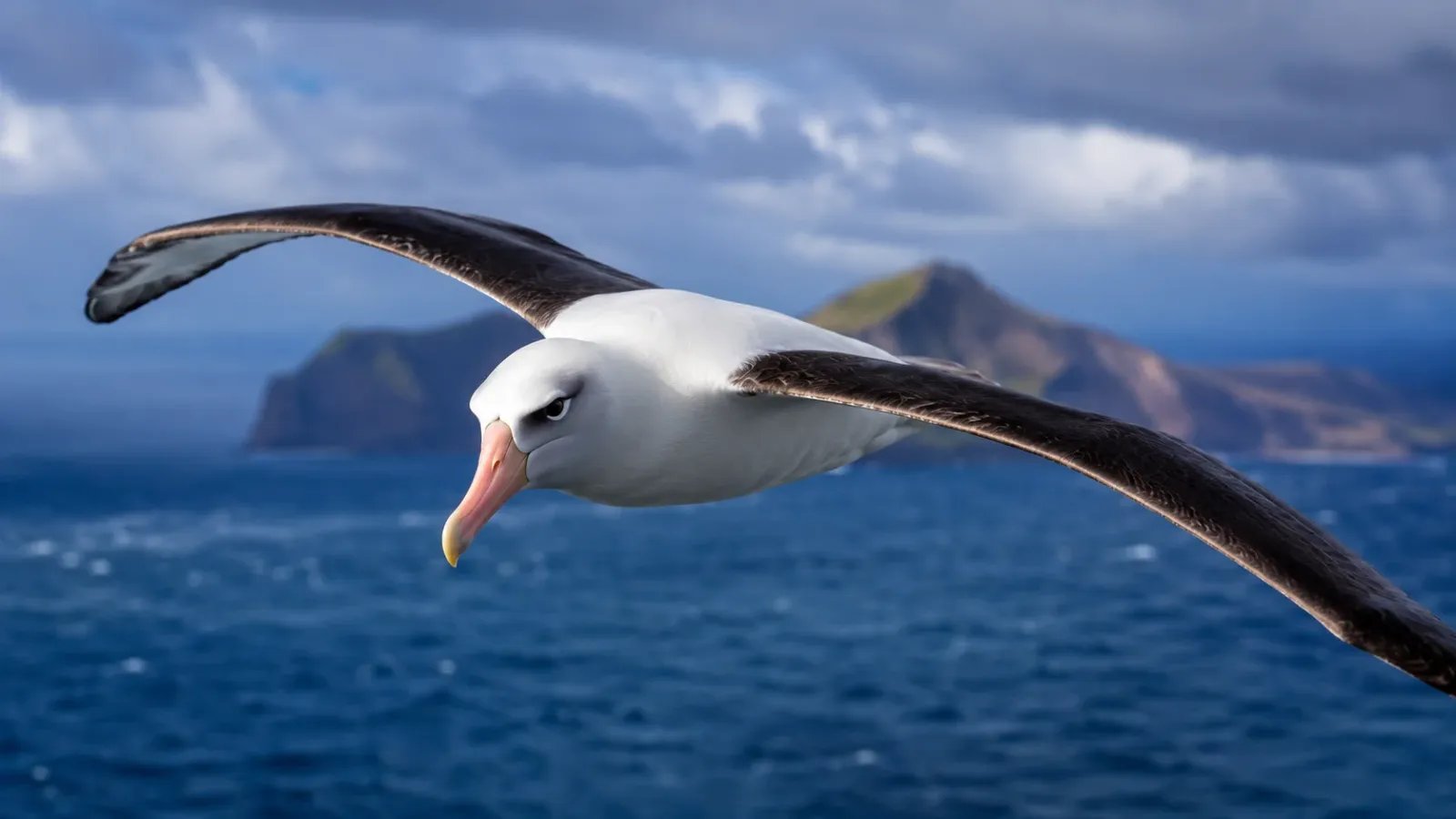
Albatrosses Southern Ocean, Seabirds These majestic seabirds can spend years aloft without ever touching land.
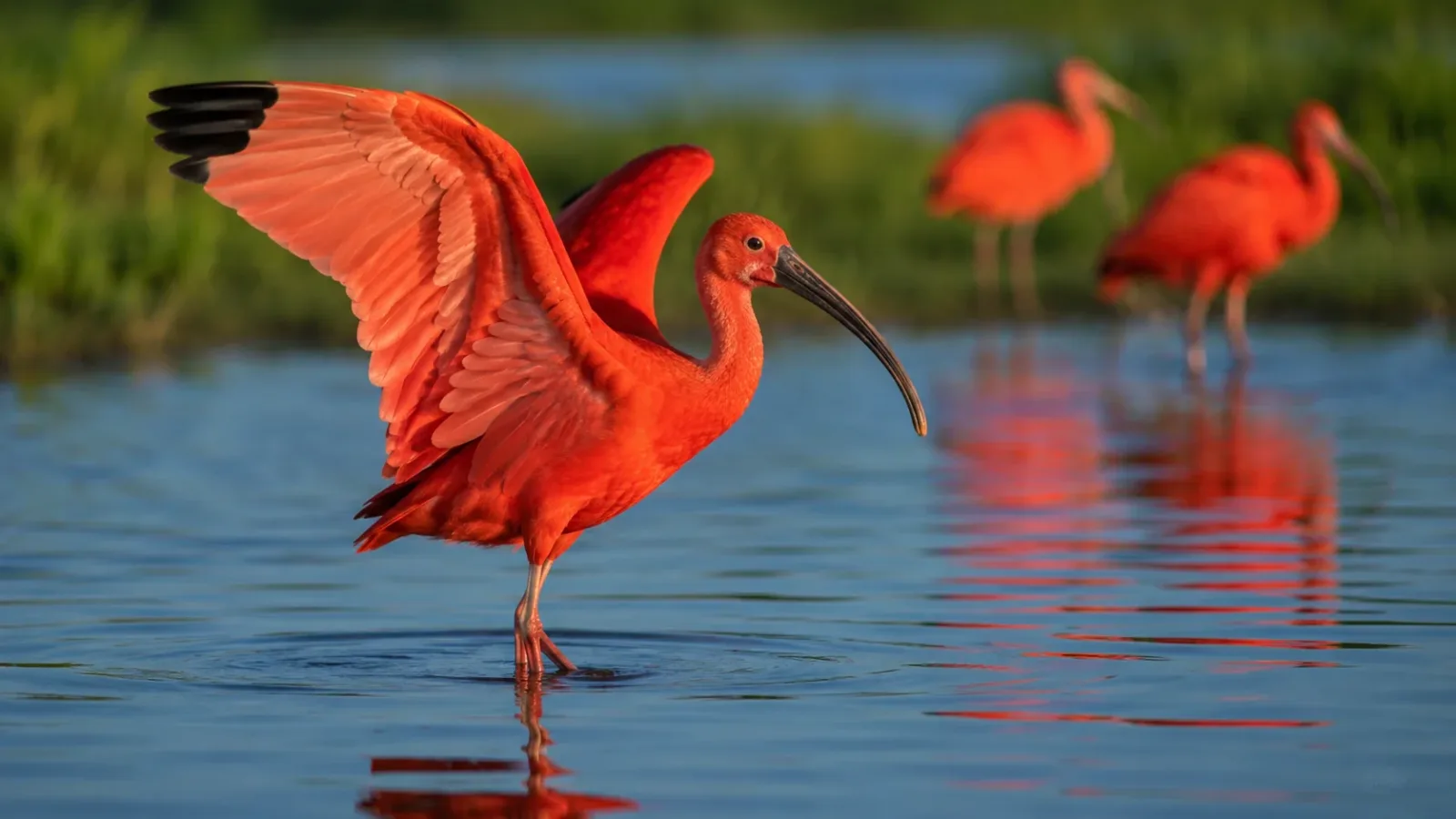
Ibises Global Wetlands They belong to an ancient lineage that has seamlessly adapted to modern urban landscapes.
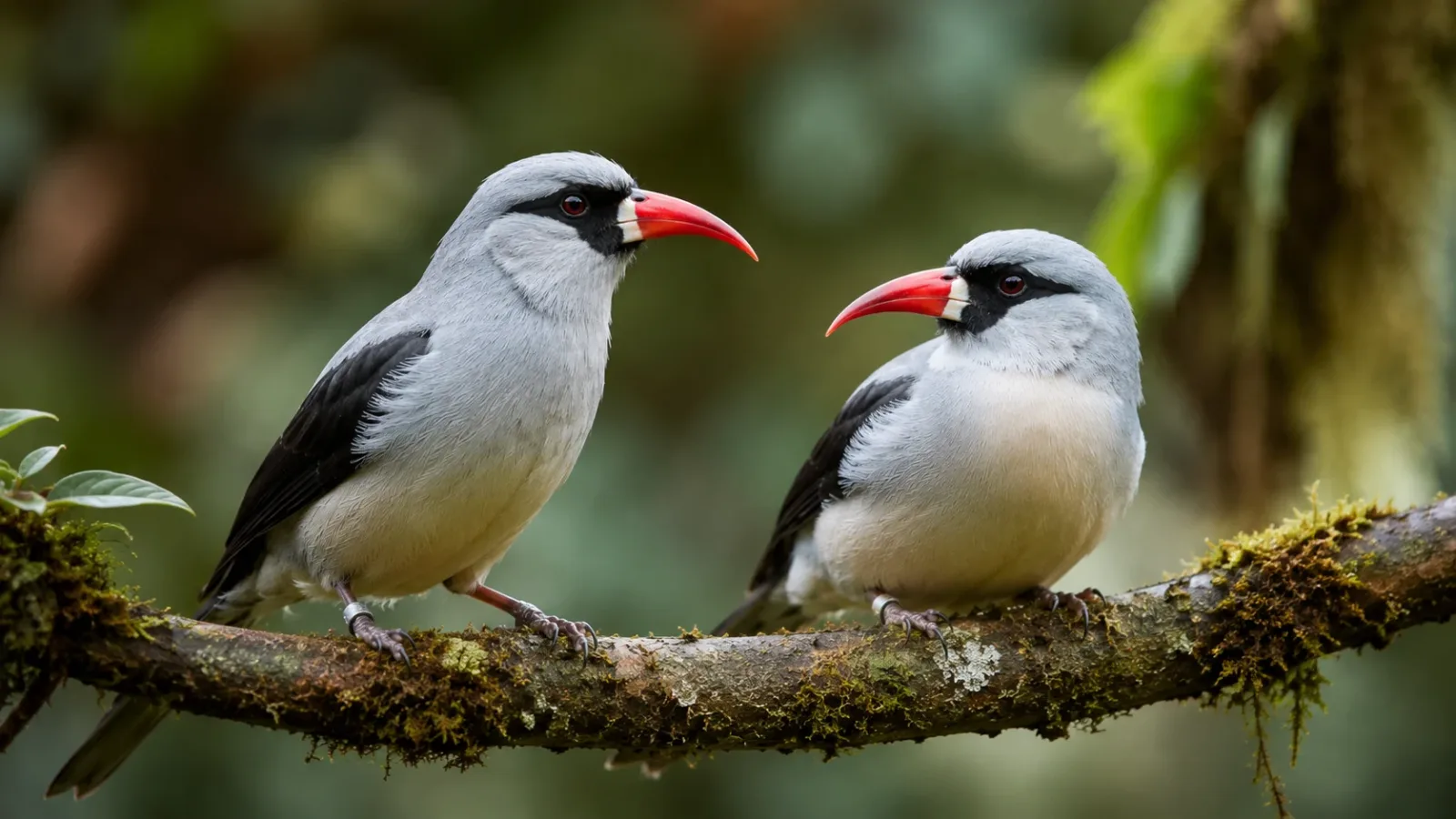
Ibisbills Himalayas, Central Asia Rather than gathering in massive flocks, the ibisbill prefers a quiet, solitary life among icy river stones.
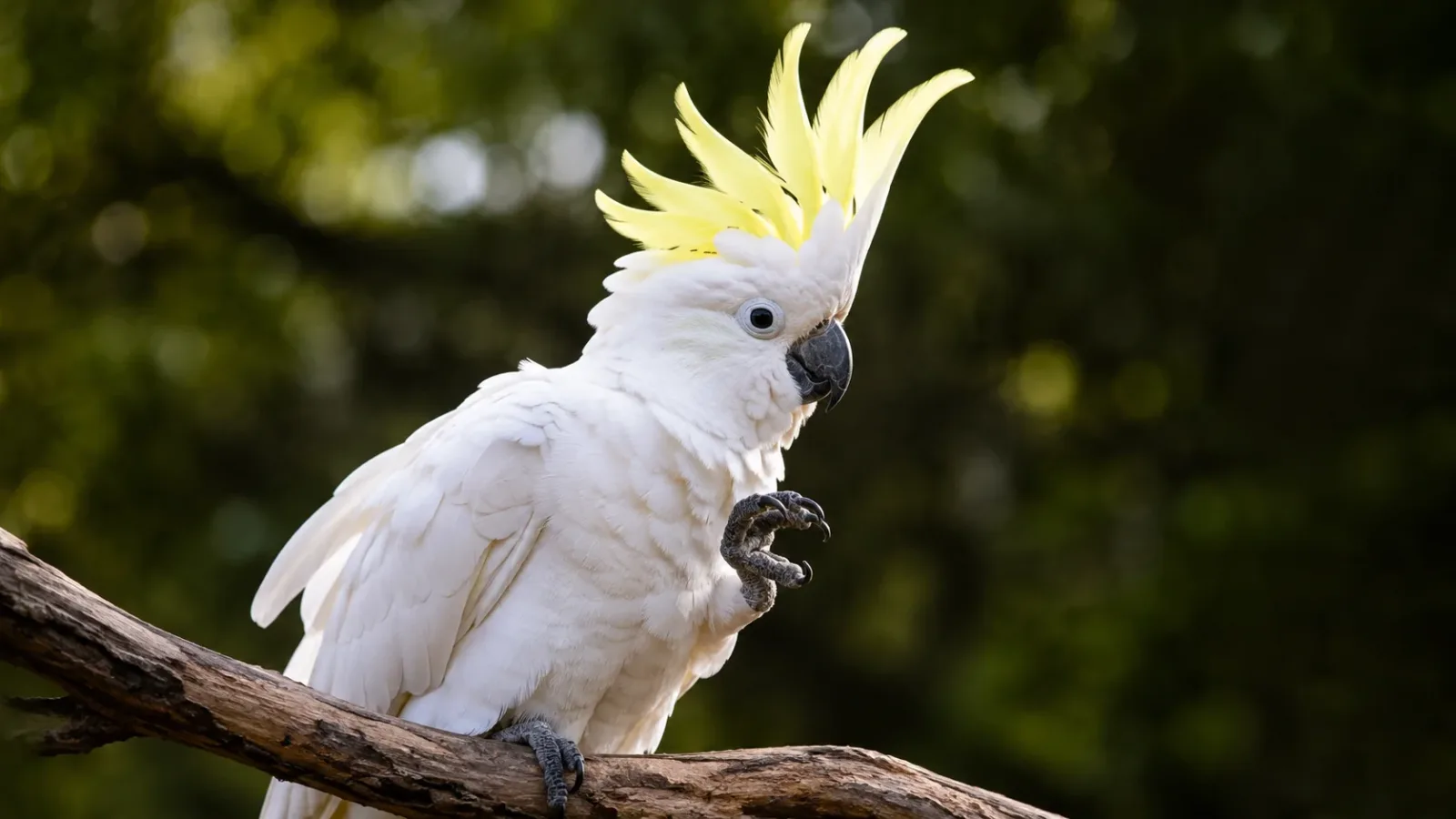
Cockatoos Australasia, Parrots Behind their funny dances and loud screams lies a highly complex brain that rivals a human toddler.
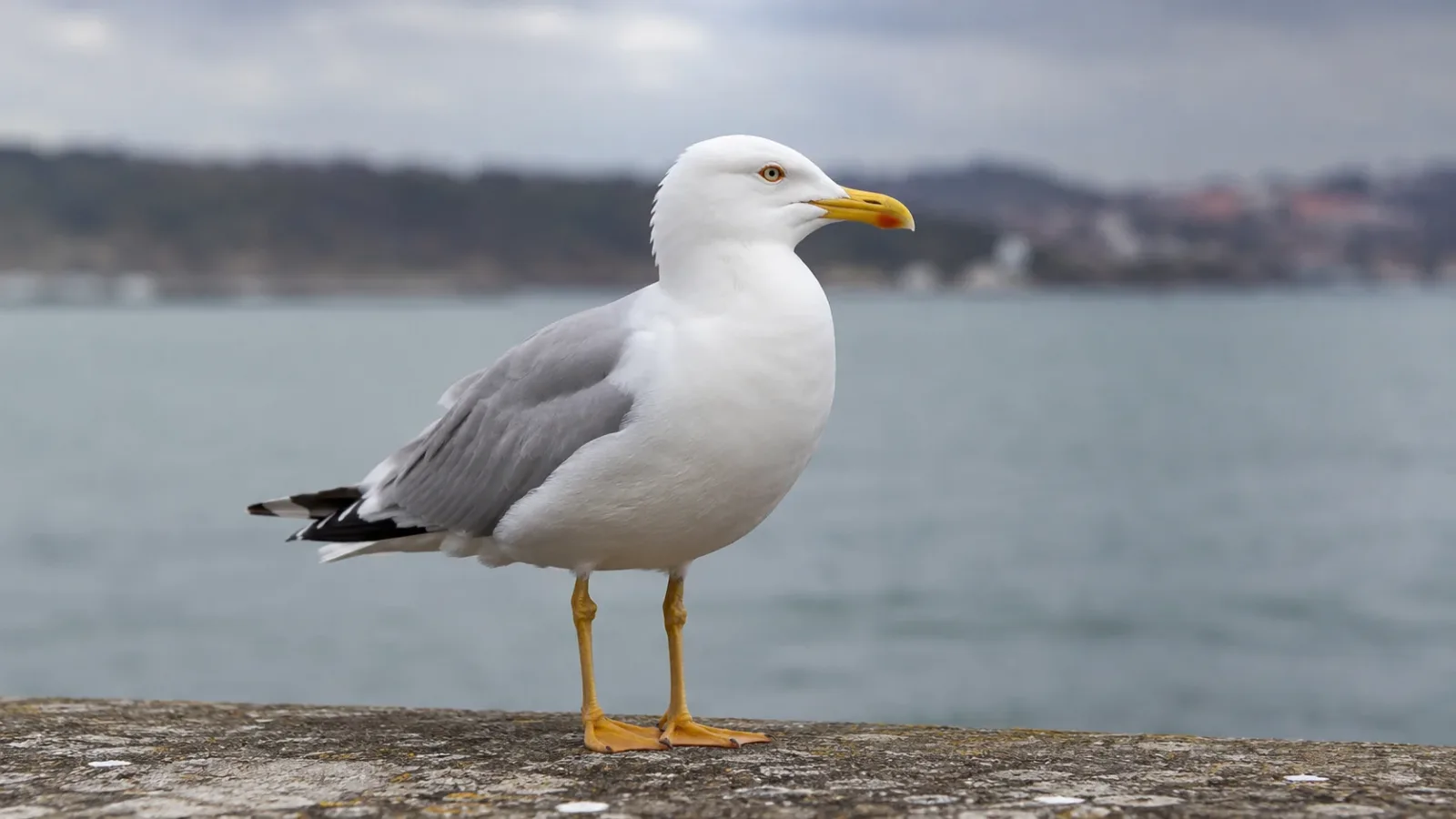
Seagulls Global Coasts Behind their chaotic scavenging behavior lies an incredibly complex, highly intelligent avian family.
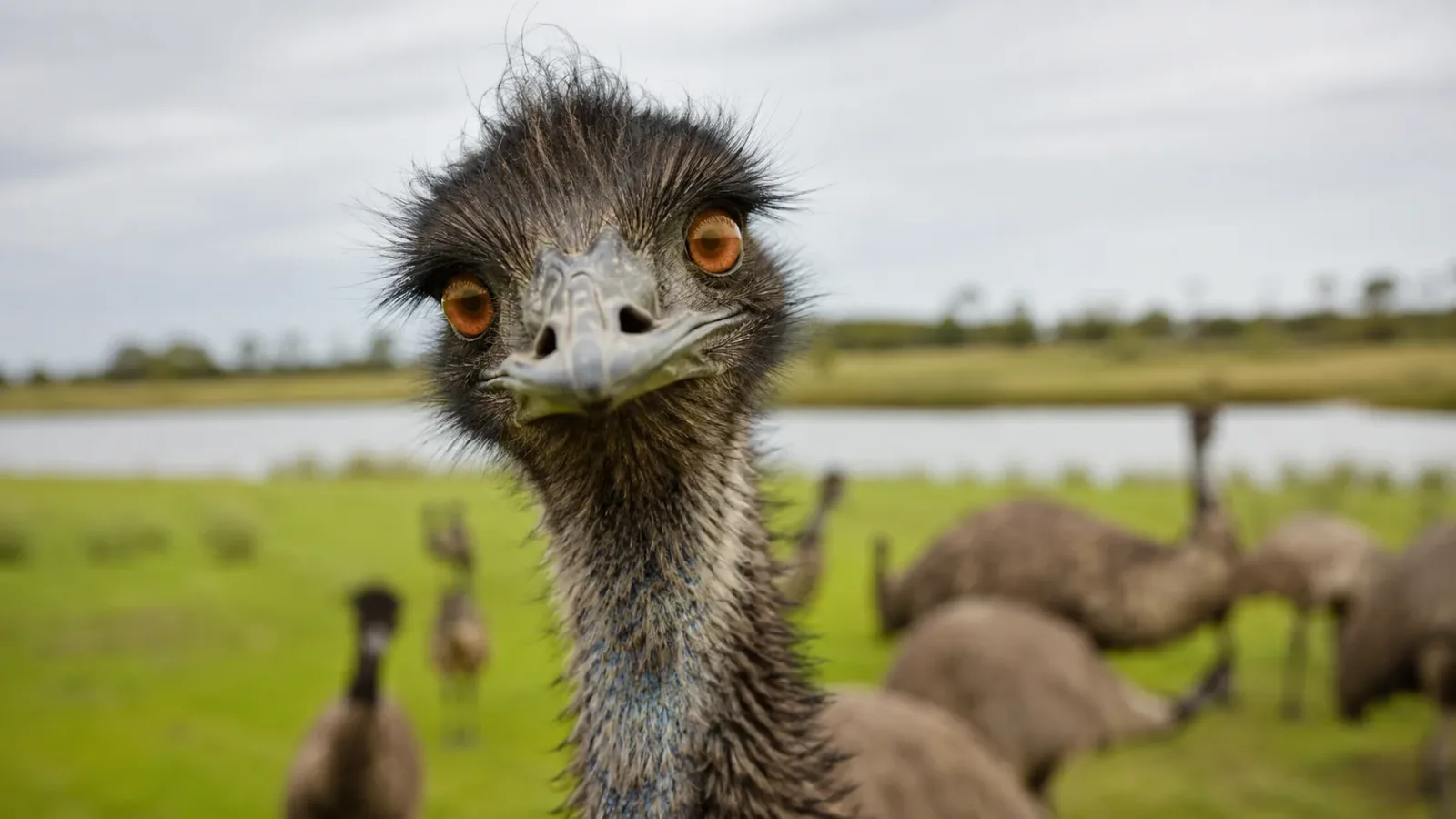
Emus Australian Outback This massive, flightless bird boasts a legendary military victory against human armies.
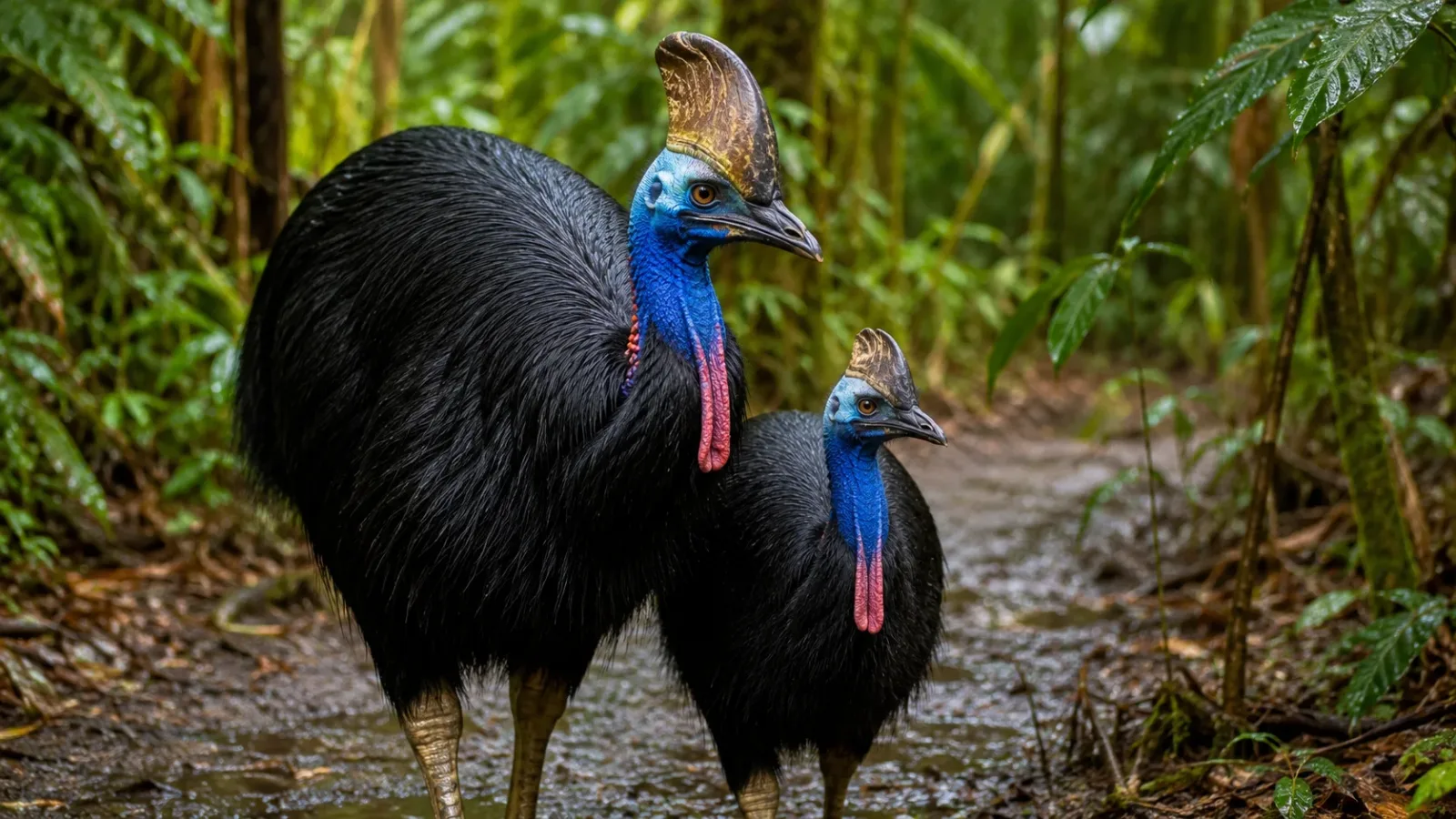
Cassowaries Australia & New Guinea Despite their lethal defensive capabilities and prehistoric looks, these giant birds are deeply shy creatures.
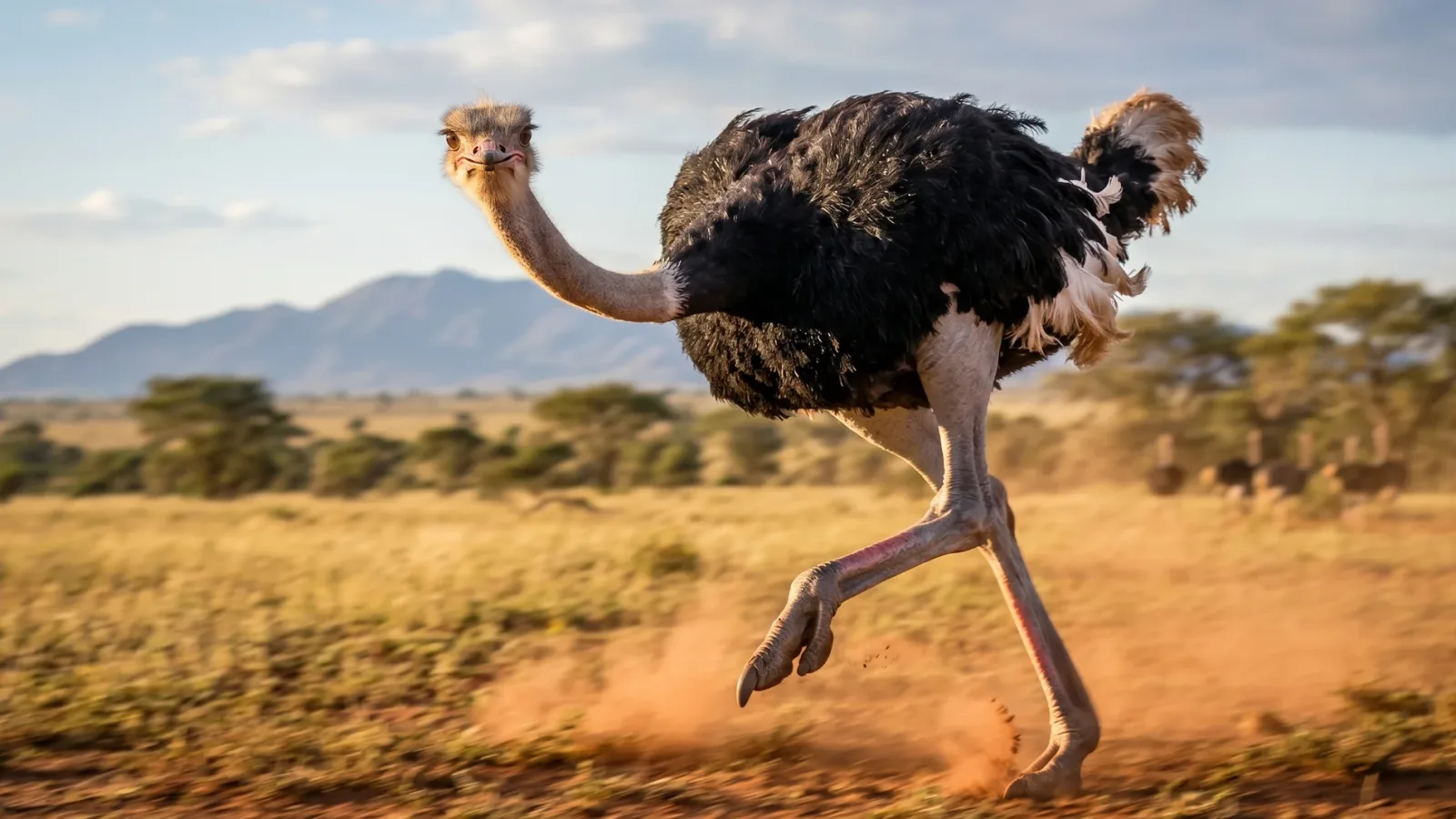
Ostriches African Savannas This giant, flightless bird relies on an incredible land speed and powerful evolutionary defense systems to survive.
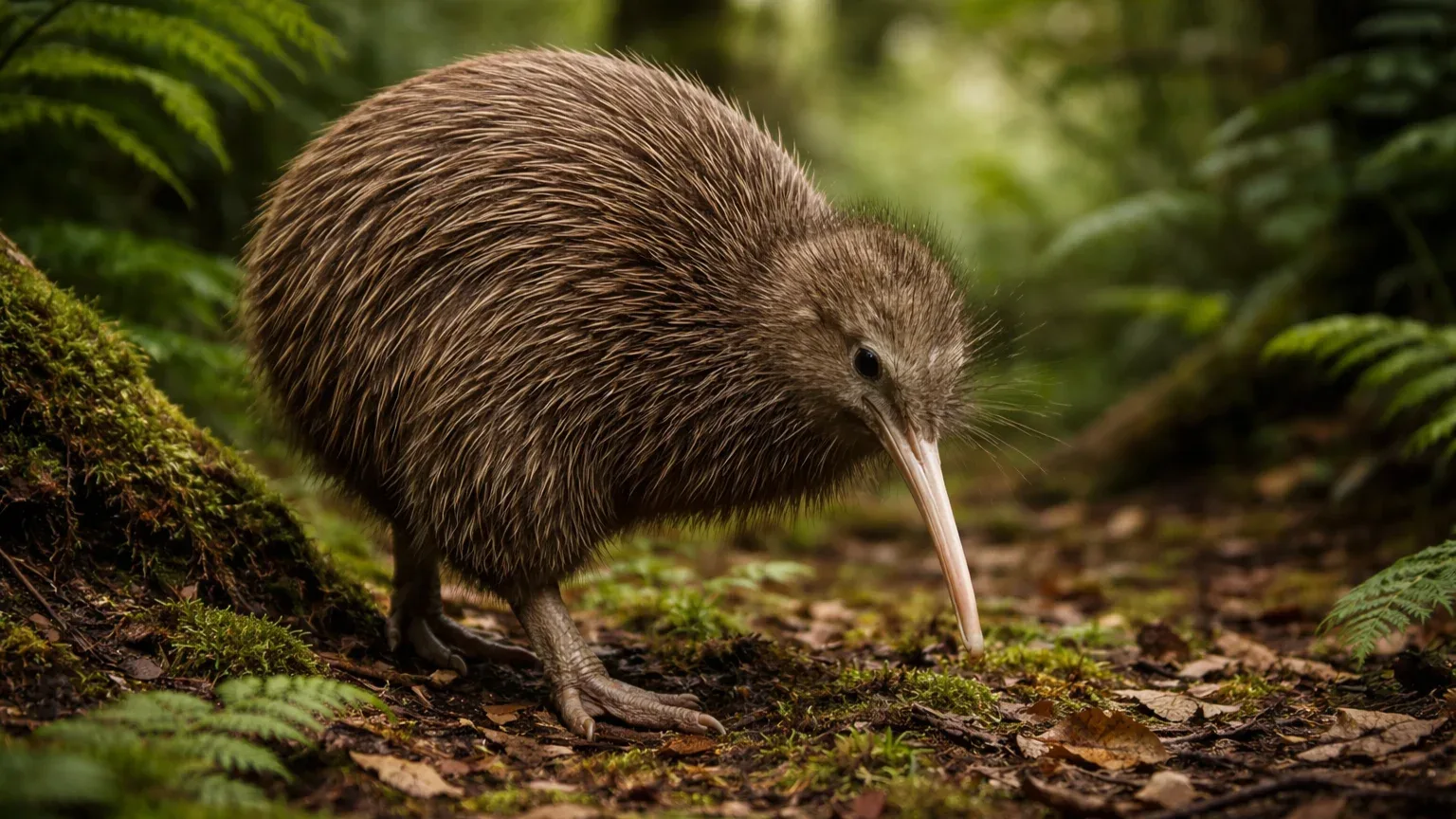
Kiwis New Zealand Female kiwis produce massive eggs that take up an astonishing 20 percent of their entire body volume.
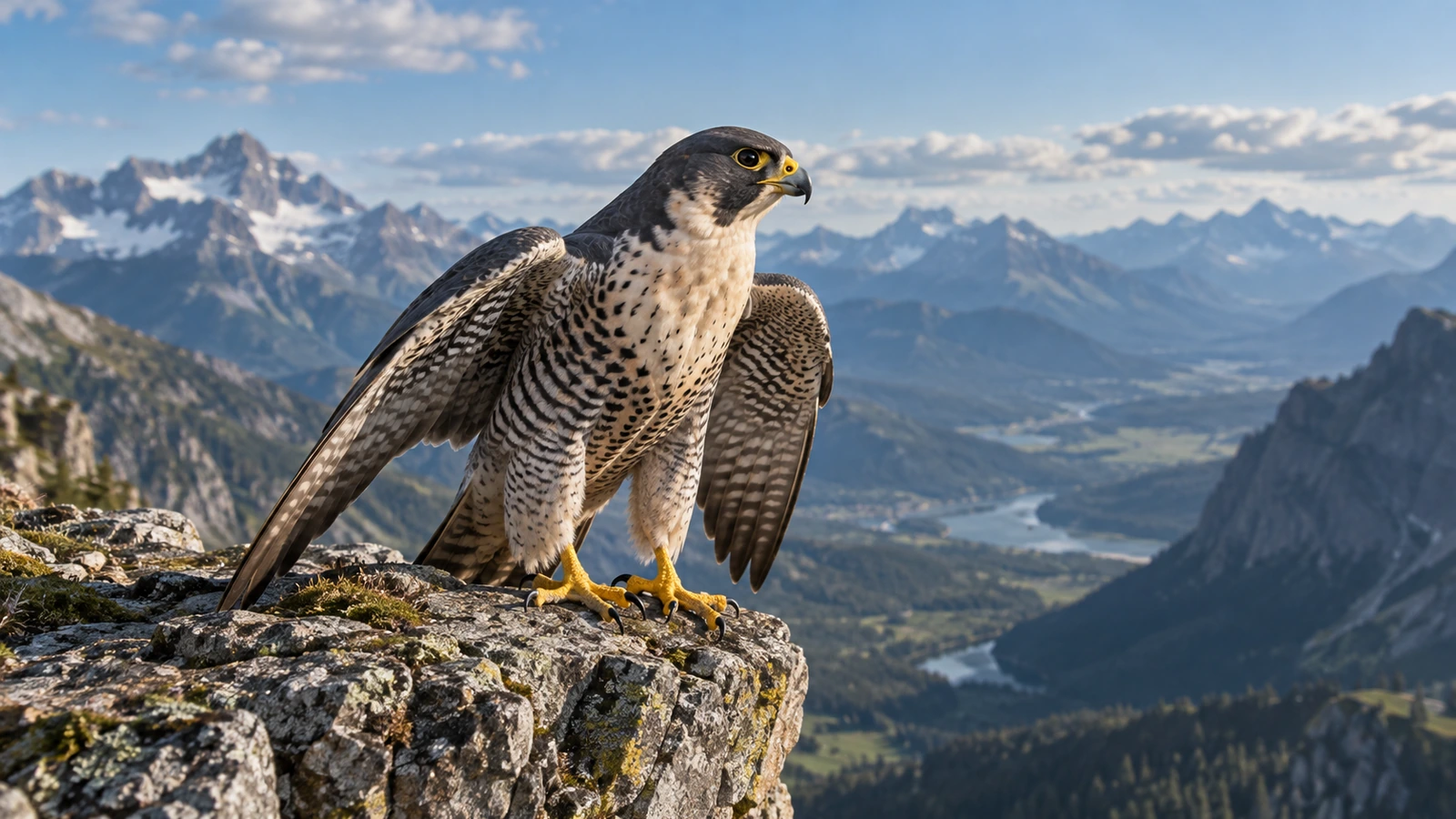
Falcons Global Skies Surprising genetic revelations show that falcons are actually more closely related to parrots than to hawks.
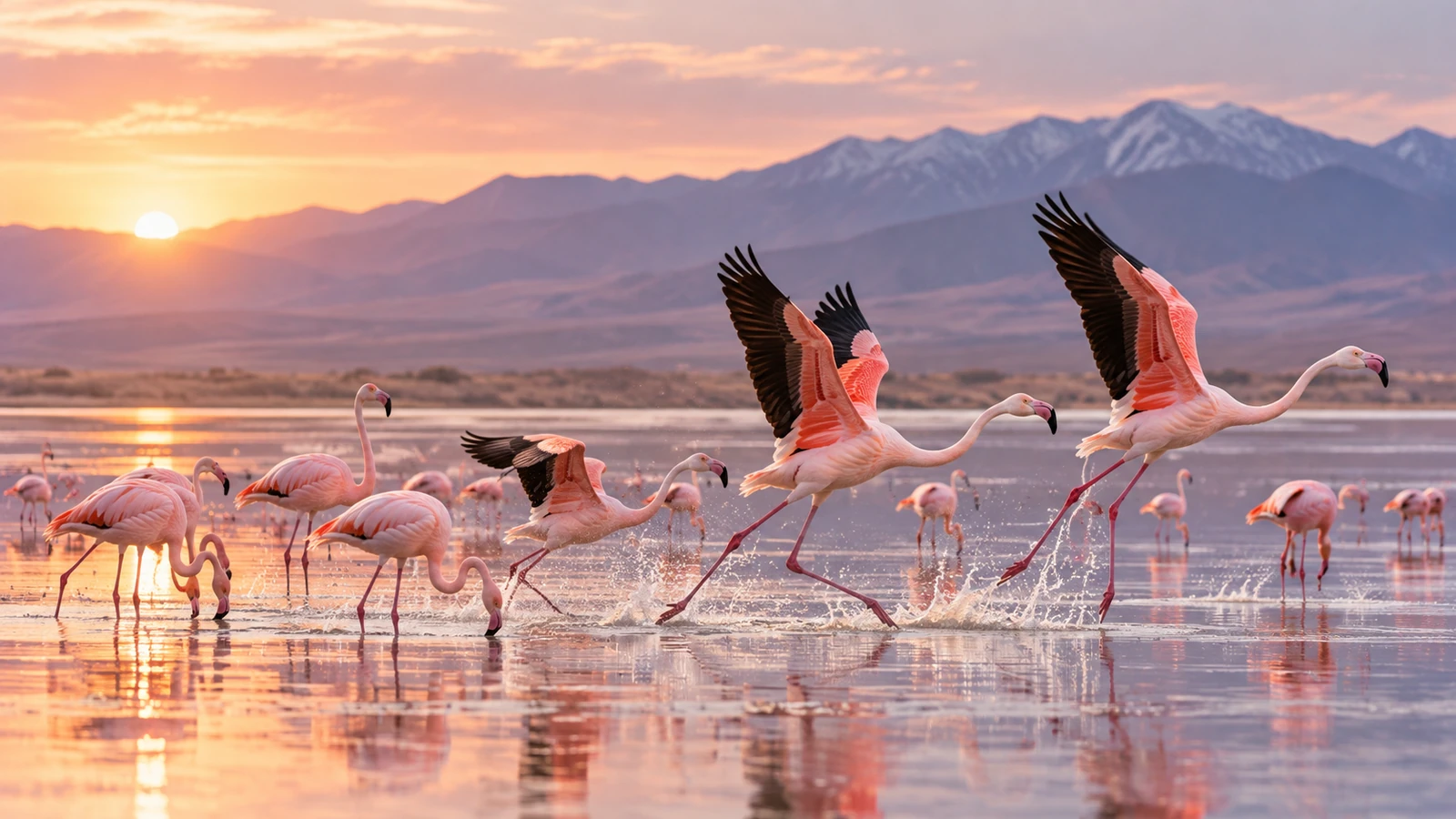
Flamingos Global Wetlands They easily filter highly caustic soda lakes by turning their unique beaks completely upside-down.
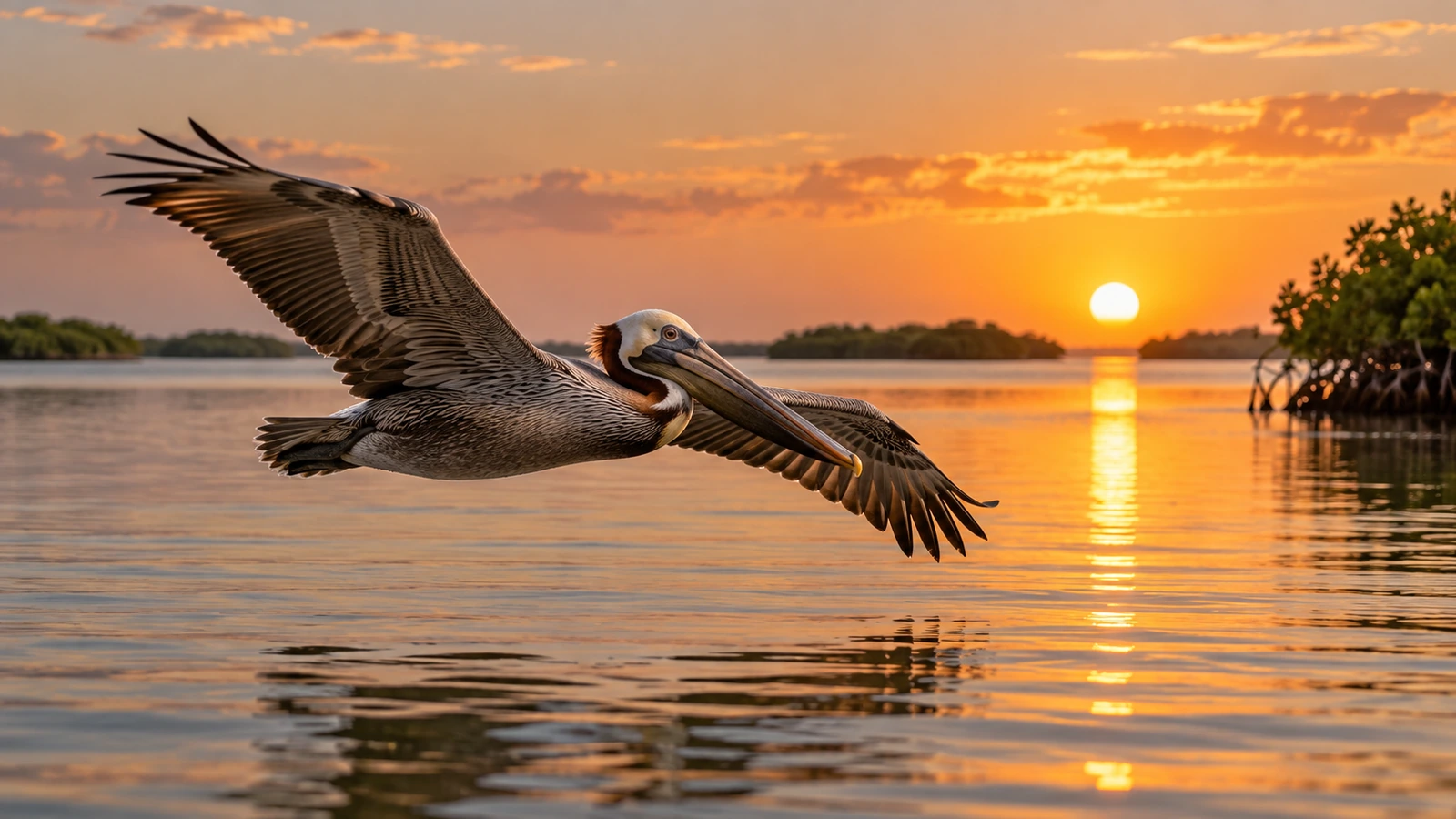
Pelicans Global Coasts & Lakes Specialized internal air cushions and unique glands allow them to survive high-speed dives and drink seawater.
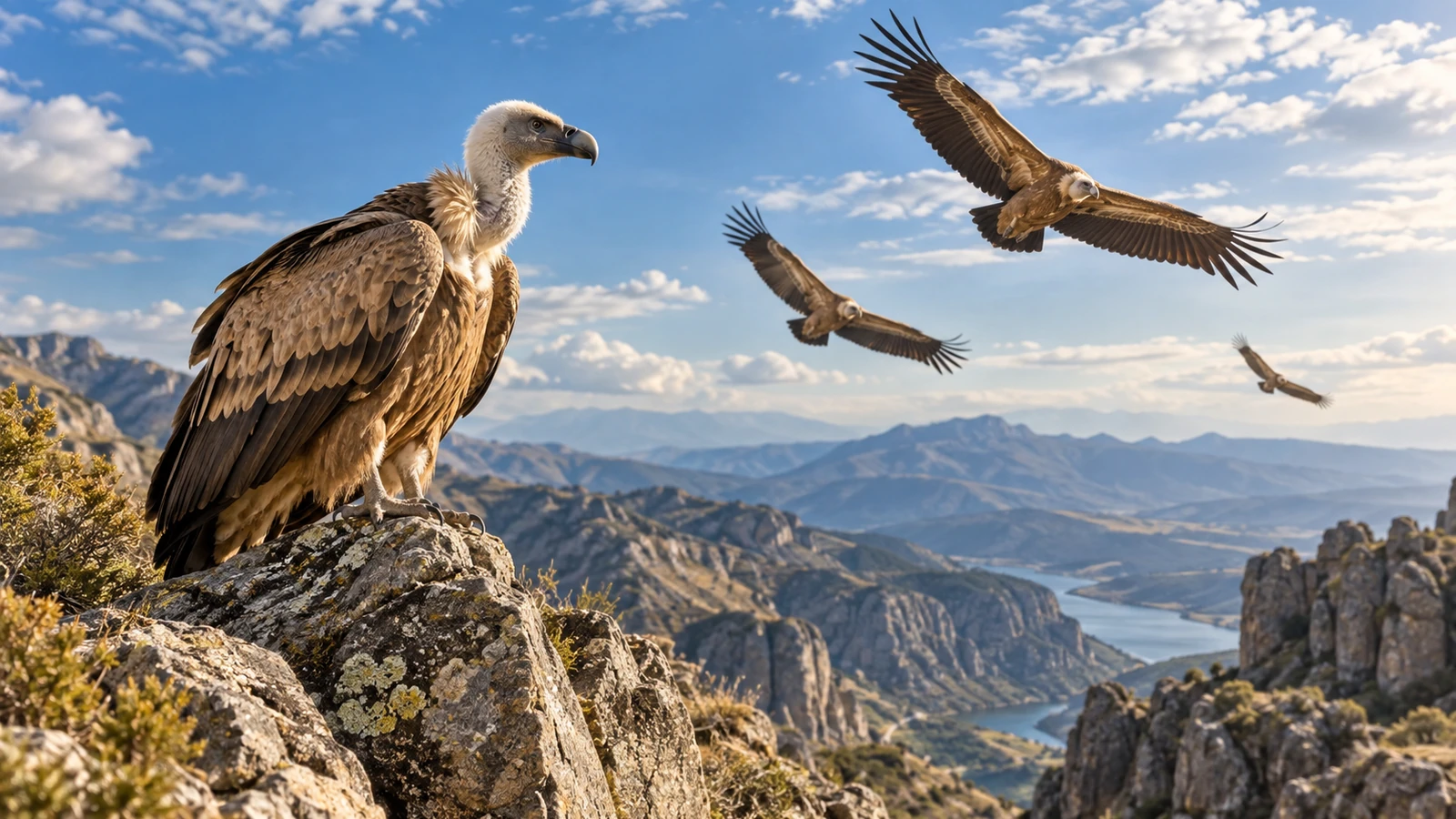
Vultures Global Scavengers They easily digest deadly pathogens like anthrax using stomach acid stronger than battery acid.
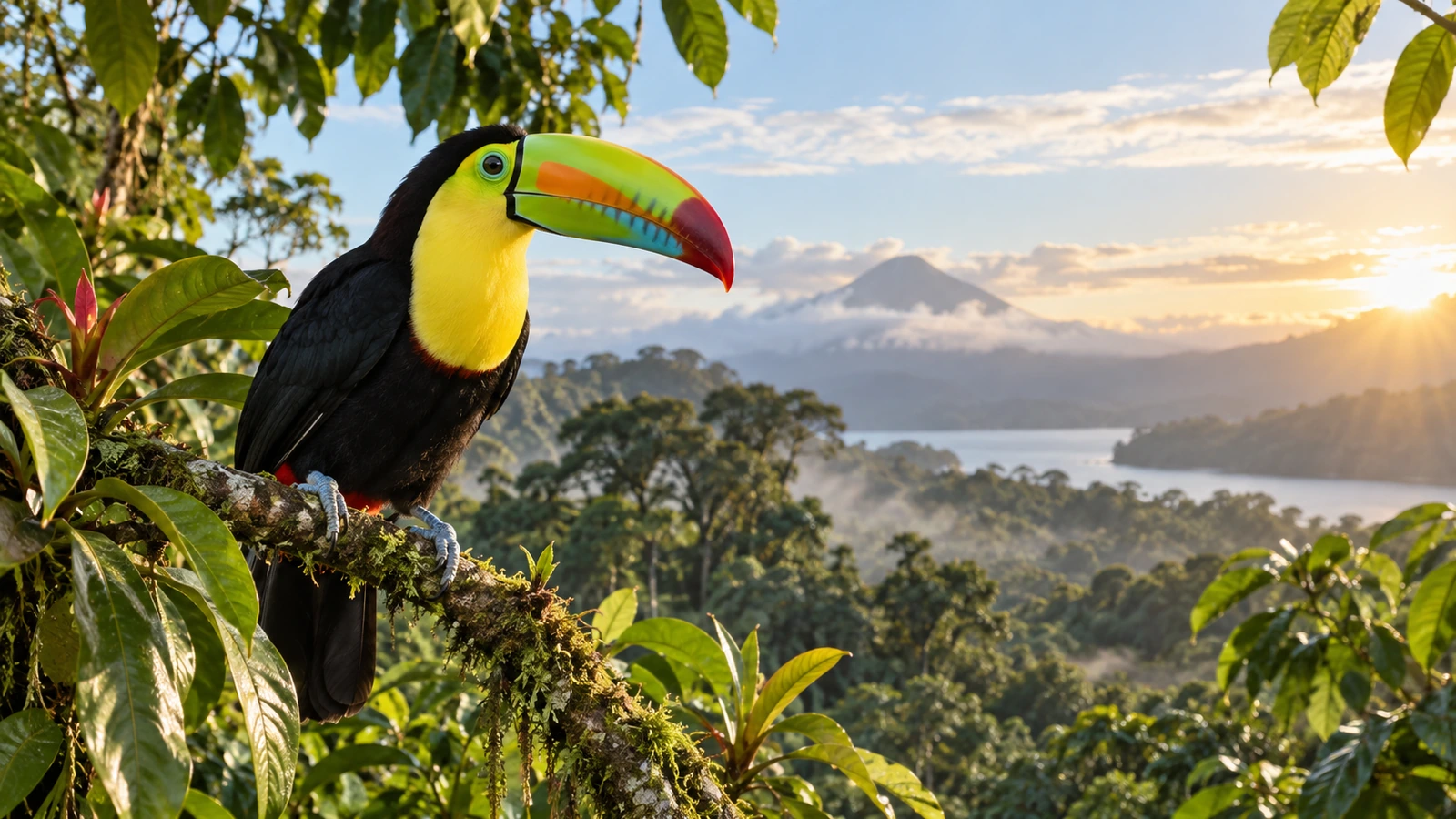
Toucans Tropical Rainforests Their oversized, vivid bills actually function as high-tech thermal cooling systems in the hot jungle.
Swans Northern Hemisphere These heavy waterfowl undertake high-altitude migrations that routinely cross paths with commercial airliners.
Owls Global Nocturnal Predators Their unique tubular eyes are locked permanently in place, forcing them to swivel their heads to see.
Eagles Global Apex Predators They possess built-in optical telephoto lenses and execute underwater butterfly strokes when hunting aquatic prey.
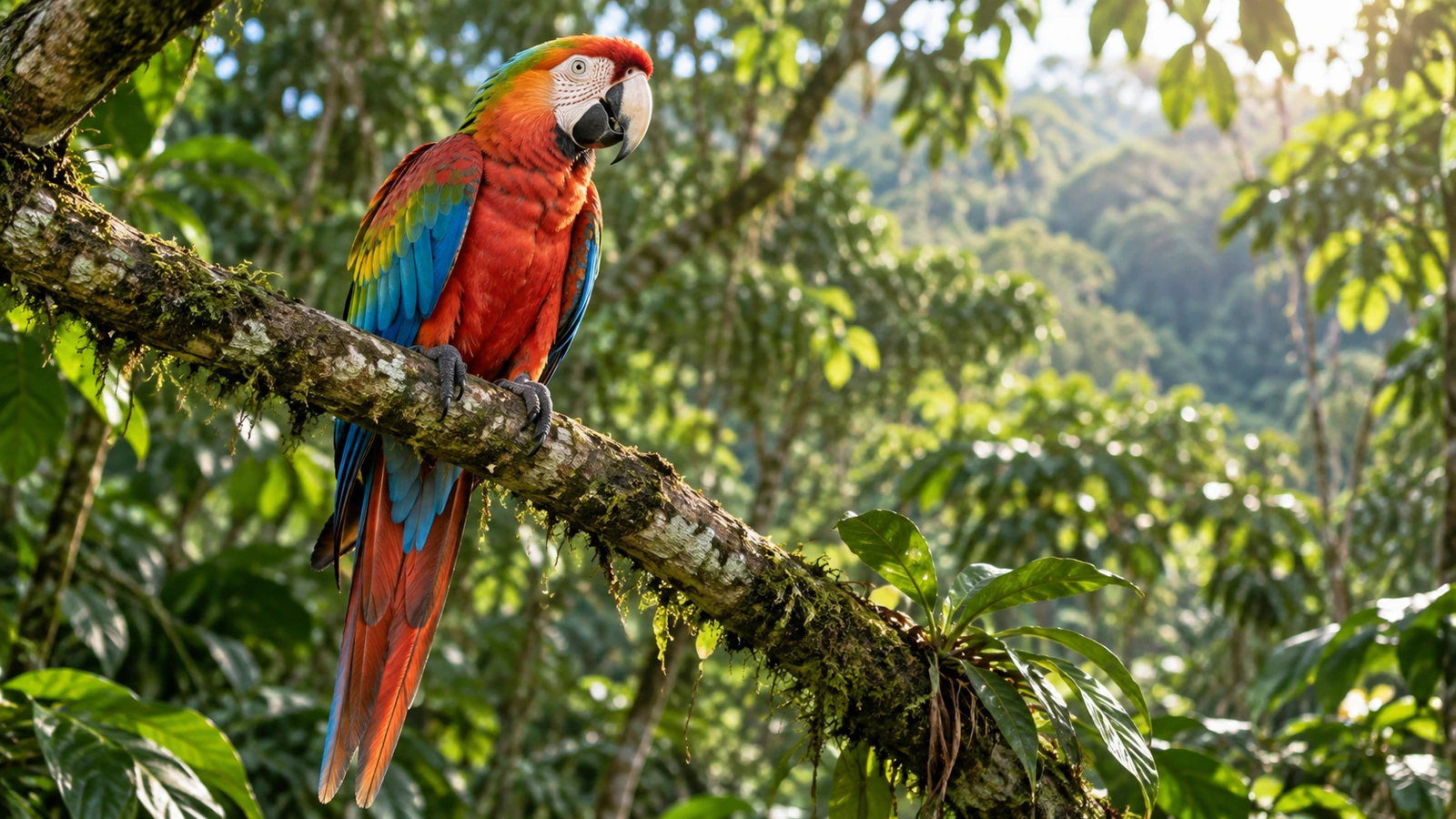
Parrots Global Tropics These brilliant birds actually name their nestlings using custom, highly specific vocal signatures.
Penguins Southern Oceans Equipped with built-in salt filters, these flightless birds possess astonishing high-pressure deep-sea diving capabilities.
Geese Global Migratory Birds These highly intelligent waterfowl possess extraordinary navigational capabilities that allow them to scale Himalayan peaks.
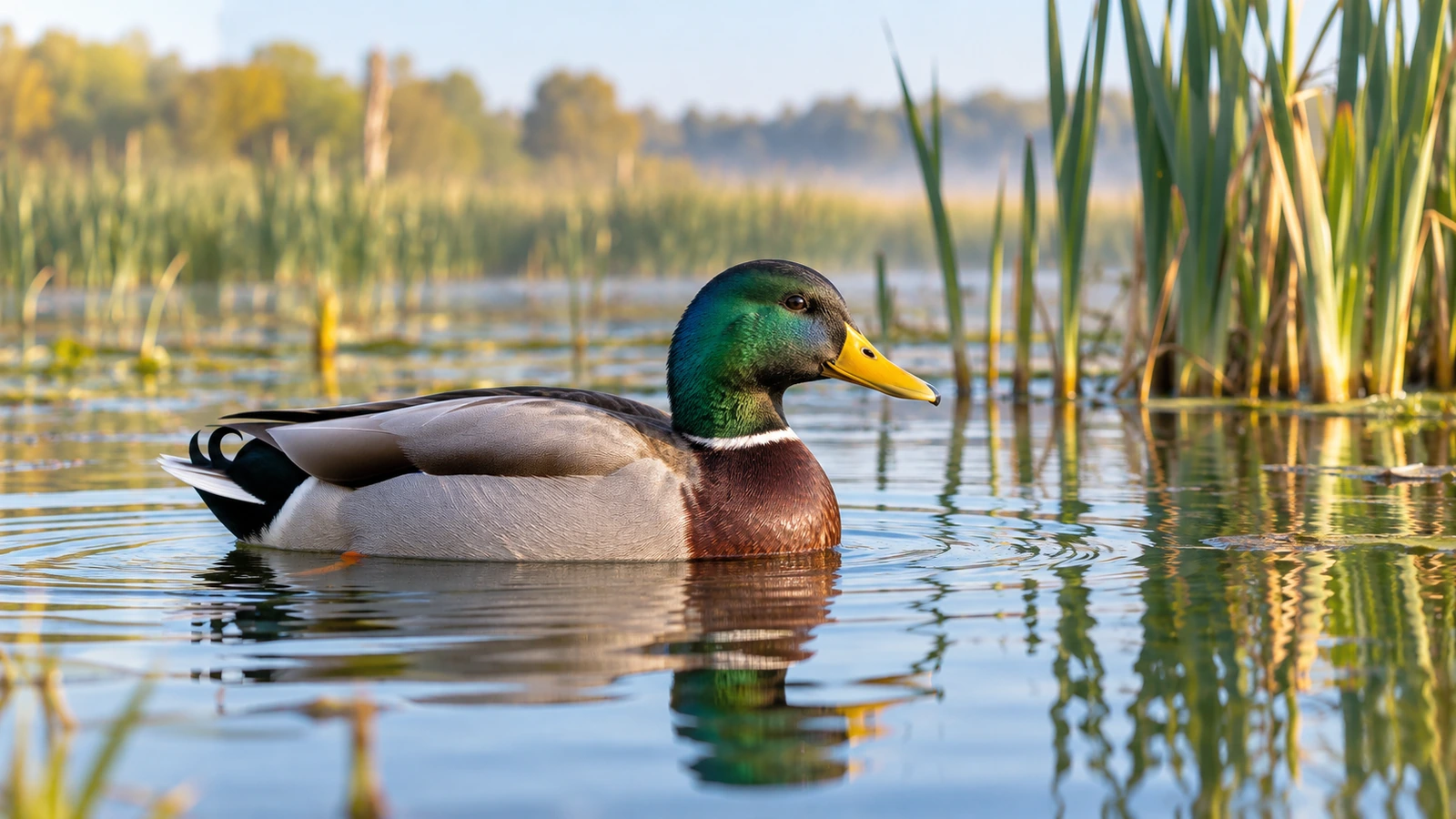
Ducks Global Waterways They can comfortably sleep with one eye open and survive arctic ice without freezing their webbed feet.
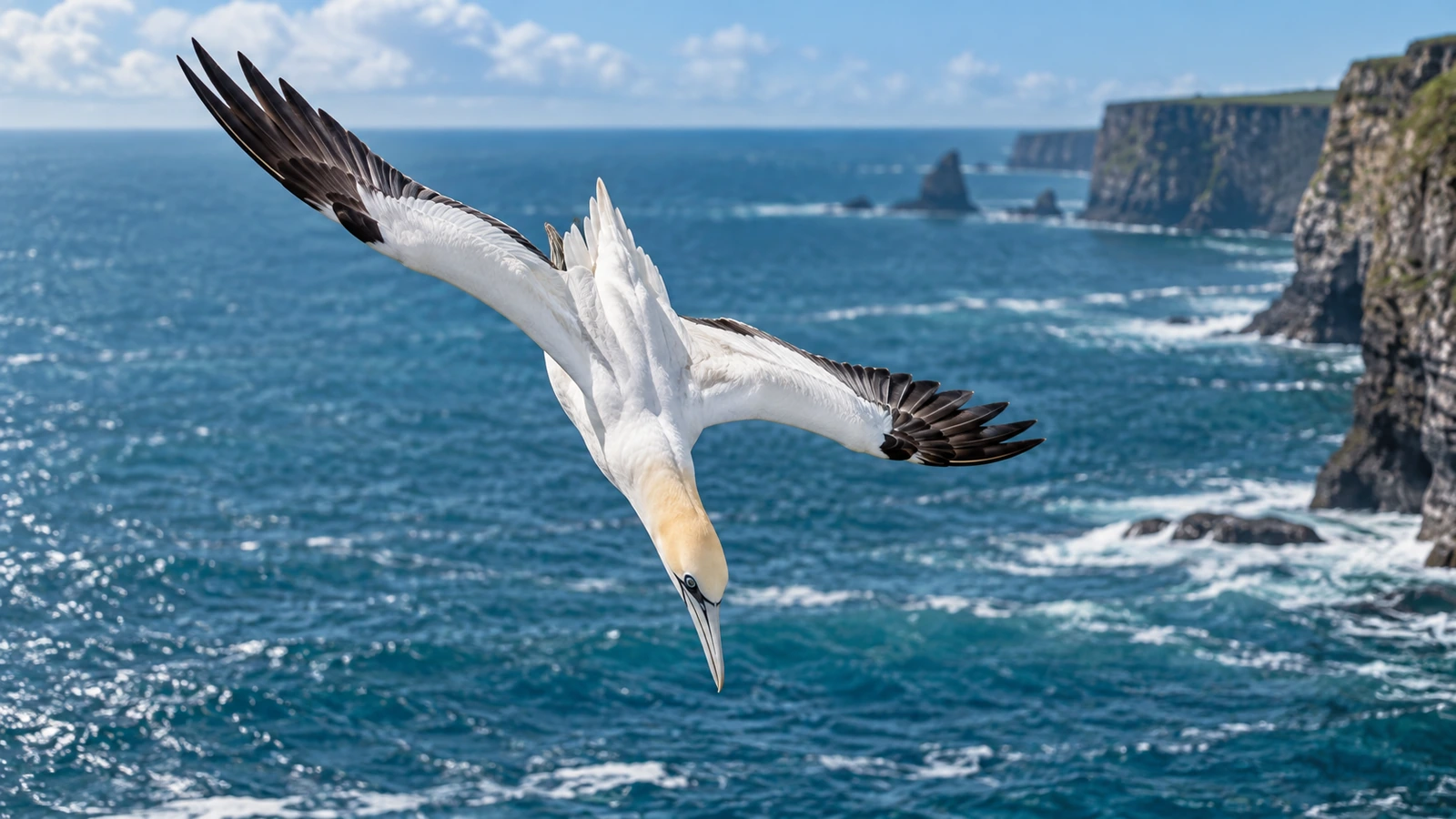
Gannets North Atlantic Oceans To survive diving into the ocean at 100 km/h, they evolved biological airbags and specialized shock-absorbing skulls.

Record holders

Largest Living Bird

Up to 9 feet tall

The ostrich defies conventional bird biology, roaming the African savannas as the world's undisputed heavyweight avian champion. Ostriches

Fastest Plunge-Diver

100 km/h

The gannet utilizes built-in biological airbags to survive missile-like impacts with the ocean surface. Gannets

Most Extreme Egg Size

20% of body volume

The eccentric kiwi lays a massive egg relative to its body size, which is then incubated underground by devoted males. Kiwis

Most Enduring Aviator

Years aloft

The albatross is an aerodynamic marvel capable of spending multiple years flying without ever touching dry land. Albatrosses

All 24, one fact at a time

The Enigmatic Corvid: 15 Fascinating Facts About Ravens

Ravens

Global, Corvids

Often dismissed as mere spooky omens of death, ravens possess some of the animal kingdom's most brilliant minds. Far from simple scavengers, their cognitive abilities rival those of great apes. Look beyond their dark pop-culture reputation to discover the incredible science and history of this enigmatic bird.

Read the full article →
The Aerial Acrobat: 15 Fascinating Facts About Hummingbirds

Hummingbirds

Americas, Nectarivores

Forget the myth that hummingbirds survive solely on a peaceful diet of sweet nectar. These tiny gladiators are actually ruthless predators driven by a hyperactive metabolism. Prepare to discover the bizarre, high-stakes scientific reality of this high-speed avian marvel.

Read the full article →
The Oceanic Nomad: 15 Fascinating Facts About Albatrosses

Albatrosses

Southern Ocean, Seabirds

Often dismissed as a mere metaphor for a psychological burden, the albatross is actually an aerodynamic marvel. Far from a curse, they drink ocean water and form lifelong bonds to survive the harshest environments. Discover the hidden science and surprising truths behind the ocean's greatest wanderer.

Read the full article →
15 Interesting Facts About Ibises

Ibises

Global Wetlands

Ibises are highly successful wading birds easily recognized by their long, gracefully curved beaks. Whether quietly foraging in remote, muddy marshes or creatively surviving in city parks, they are resilient survivors. Discover the fascinating biological history behind these elegant and highly varied birds.

Read the full article →
15 Interesting Facts About Ibisbills

Ibisbills

Himalayas, Central Asia

This distinct wading bird makes its home in the cold, high-altitude river valleys of the Himalayas and Central Asia. With its curved red beak and specialized feeding habits, it has carved out a highly specific niche in a rugged environment. Discover the trusted facts behind this elusive river dweller.

Read the full article →
15 Cool Facts About Cockatoos

Cockatoos

Australasia, Parrots

Cockatoos are some of the smartest, loudest, and most expressive birds on the planet. Famous as both wild acrobats and highly demanding pets, their intelligence is staggering. From crafting their own wooden tools to picking complicated locks, discover the highly trusted, fun truths behind these brilliant parrots.

Read the full article →
15 Fascinating Facts About Seagulls

Seagulls

Global Coasts

Seagulls are frequently dismissed as loud, obnoxious beach pests that exist entirely to steal unguarded french fries. However, they are brilliant problem solvers possessing remarkable biological adaptations that allow them to thrive globally. Discover the verified truths behind the undisputed winged rulers of the coast.

Read the full article →
15 Fascinating Facts About Emus

Emus

Australian Outback

Emus are an incredible, distinctly Australian icon that completely shatter our traditional understanding of avian biology. Roaming the vast expanses of the Outback, they have perfectly adapted to survive in an unforgiving, arid climate. Uncover the bizarre anatomical quirks behind the second largest bird on Earth.

Read the full article →
15 Fascinating Facts About Cassowaries

Cassowaries

Australia & New Guinea

Cassowaries are frequently described as modern-day dinosaurs silently roaming the dense tropical rainforests. With towering size and brightly colored faces, they play a vital role in maintaining the ecological balance of their jungle habitats. Discover the meticulously researched truths behind the most dangerous birds on the planet.

Read the full article →
15 Fascinating Facts About Ostriches

Ostriches

African Savannas

The ostrich is the undisputed heavyweight champion of the avian world. Roaming across the vast African savannas, it defies almost every conventional rule of bird biology. Discover the surprising, meticulously verified truths behind the planet’s largest living bird.

Read the full article →
The Uncanny Avian Mammal: 15 Fascinating Facts About Kiwis

Kiwis

New Zealand

New Zealand's iconic kiwi is one of the most eccentric creatures on Earth, behaving much more like a small nocturnal mammal than a bird. It features hair-like plumage, marrow-filled bones, and nostrils located at the very tip of its beak. Learn the extraordinary truths behind this remarkable flightless oddity.

Read the full article →
The Aerial Speedsters: 15 Fascinating Facts About Falcons

Falcons

Global Skies

Falcons are renowned as nature's ultimate high-speed aerial hunters, blending extraordinary velocity with lethal biological precision. Their remarkable evolutionary adaptations allow them to thrive everywhere from frozen Arctic tundras to bustling urban skyscrapers. Explore incredible facts about these magnificent birds of prey.

Read the full article →
The Radiant Wader: 15 Fascinating Facts About Flamingos

Flamingos

Global Wetlands

Flamingos are among the most instantly recognizable birds, famous for their vibrant pink feathers and spindly legs. Yet behind this striking appearance lies an astonishing collection of evolutionary adaptations, including the ability to produce bright red 'milk'. Uncover the true science behind their pink perfection.

Read the full article →
The Gliding Giants: 15 Fascinating Facts About Pelicans

Pelicans

Global Coasts & Lakes

With their cavernous throat pouches and prehistoric silhouettes, pelicans are easily recognizable coastal birds. Far from being simple fish-eaters, these master aviators boast evolutionary adaptations millions of years in the making. Dive into the intricate secret life and bizarre mating rituals of these gliding giants.

Read the full article →
The Essential Cleaners: 15 Fascinating Facts About Vultures

Vultures

Global Scavengers

Vultures often suffer from an unfair reputation as grim heralds of death, but they are some of the most vital and biologically sophisticated birds on Earth. By riding high-altitude winds and consuming diseased carcasses, they protect global ecosystems from catastrophic outbreaks. Explore the essential world of these master scavengers.

Read the full article →
The Radiant Canopy Acrobat: 15 Fascinating Facts About Toucans

Toucans

Tropical Rainforests

Toucans are iconic symbols of the tropical rainforest, known for their striking plumages. However, beneath their flashiness lies a suite of extraordinary biological adaptations and surprising hunting habits. Learn the fascinating truth behind their massive beaks, bizarre sleeping gymnastics, and complex social lives.

Read the full article →
The Majestic Waterfowl: 15 Fascinating Facts About Swans

Swans

Northern Hemisphere

Few creatures evoke as much grandeur and romantic idealization as swans. Beyond their pristine plumage, they are formidable survivors with serrated beaks, ancient royal ties, and dramatic social behaviors. Discover the surprising physiological quirks and intense mourning rituals of these magnificent birds.

Read the full article →
The Silent Hunters: 15 Fascinating Facts About Owls

Owls

Global Nocturnal Predators

Owls have long captivated human imagination as mysterious nocturnal guardians. Beneath their solemn expressions lies an extraordinary suite of evolutionary adaptations, including asymmetrical ears capable of 3D sound mapping. Discover the hidden mechanics that make these feathered predators so uniquely lethal.

Read the full article →
The Sovereign Sky Predators: 15 Fascinating Facts About Eagles

Eagles

Global Apex Predators

Eagles have captured human imagination for millennia as symbols of power, but the real science behind them is far more astonishing than mythology. With crushing grip strength that dwarfs human power and nests as heavy as motor vehicles, they truly rule the skies. Uncover the extraordinary adaptations of these sovereign predators.

Read the full article →
The Feathered Geniuses: 15 Fascinating Facts About Parrots

Parrots

Global Tropics

Parrots are far more than colourful mimics of human conversation. Capable of seeing in ultraviolet light, navigating dense canopies with foot-hands, and logic-testing complex puzzles, they are true avian geniuses. Discover why these deeply social creatures stand among the absolute smartest animals on Earth.

Read the full article →
The Remarkable Ocean Wanderers: 15 Fascinating Facts About Penguins

Penguins

Southern Oceans

Penguins are among the most extraordinary marine creatures, perfectly adapted to thrive in harsh environments. While recognized for their tuxedo-like waddle, they descend from ancient mega-giant ancestors and carry a host of biological superpowers. Uncover the surprising science behind these iconic ocean wanderers.

Read the full article →
The Sentinel Aviators: 15 Fascinating Facts About Geese

Geese

Global Migratory Birds

Geese are far more than aggressive park inhabitants. They rely on complex social networks, serrated jaw structures, and mutual aid during their long migrations. From saving ancient Rome from a midnight attack to surviving harsh altitudes, explore the fascinating physiology and history of these sentinel aviators.

Read the full article →
The Extraordinary Waterfowl: 15 Fascinating Facts About Ducks

Ducks

Global Waterways

Ducks are highly widespread and adaptable waterfowl, yet much of their biology remains wildly misunderstood. From specialized diving abilities to filtering mud with built-in beak combs, their anatomical adaptations defy expectation. Discover the evolutionary mysteries and fascinating survival strategies of these incredible birds.

Read the full article →
The Dashing Plunge-Diver: 15 Fascinating Facts About Gannets

Gannets

North Atlantic Oceans

Renowned for their missile-like plunges, gannets are among the most remarkable seabirds in the world. Behind their elegant white plumage lies a complex creature that incubates eggs with its webbed feet and navigates thousands of miles. Uncover the evolutionary marvels engineered for high-velocity fishing.

Read the full article →

Quiz: how much of that stuck?

6 questions, every answer is somewhere above.

Birds of the World 0 / 6

1. Which bird is surprisingly more genetically related to parrots than to hawks?

2. Which bird features a specialized stomach acid capable of safely digesting pathogens like anthrax?

3. Which of the following birds employs its oversized beak as a high-tech thermal cooling system?

4. Which notoriously aggressive flocking bird is credited with alerting ancient Romans to a midnight attack?

5. Which nocturnal predator possesses tubular eyes locked permanently in place?

6. Which massive flightless bird was the primary target of an infamous, yet highly unsuccessful, military campaign by human armies?

Frequently asked

How do seabirds survive without access to fresh drinking water?

Many seabirds, such as albatrosses and penguins, possess specialized salt glands located near their eyes or nasal passages. These glands act like biological desalination plants, filtering the excess salt from the ocean water they drink and excreting it, allowing them to stay hydrated entirely on seawater.

Why did some bird species lose the ability to fly?

Flightlessness typically evolves in environments where there are few natural ground predators, such as isolated islands, or where large size is advantageous. Birds like ostriches, emus, and kiwis traded the high energetic cost of flying for robust terrestrial traits, developing massive legs for running, kicking, or burrowing.

How do diving birds hit the water at high speeds without getting injured?

Birds that plunge-dive, like gannets and pelicans, have evolved specialized anatomy to survive high-impact collisions with the water. They feature heavily reinforced, shock-absorbing skulls, lack external nostrils to prevent water from rushing in, and deploy biological air cushions under their skin that inflate just before impact.

Are birds actually capable of complex problem-solving?

Yes, incredibly so. The term 'bird brain' is highly misleading. Species like ravens, crows, parrots, and cockatoos demonstrate cognitive abilities that rival those of human toddlers and great apes. They can fashion multi-part tools, solve complex puzzles, communicate with specific names, and even understand cause and effect.

Keep going

Enjoyed these facts? There's more! 💌

Fresh fun facts in your inbox. No spam, ever.