Animals
Reptiles, Amphibians and Snakes
From venomous serpents and heavily armored crocodilians to shape-shifting amphibians, explore the fascinating biology and hidden secrets of Earth's most incredible cold-blooded marvels.
Updated 22 September 2026
·
16 items
·
240 facts in the linked articles
·
Reading time 7 min
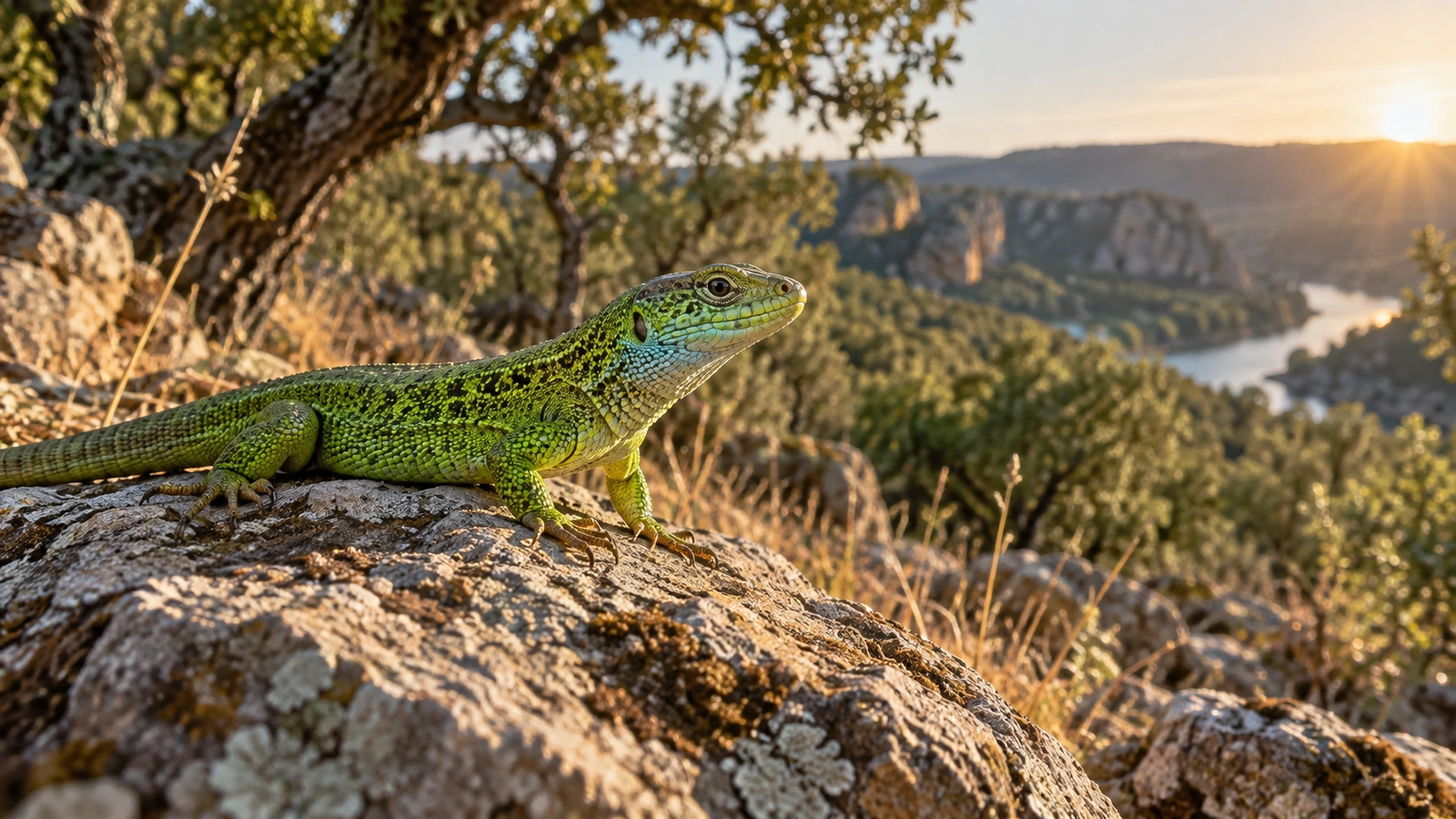
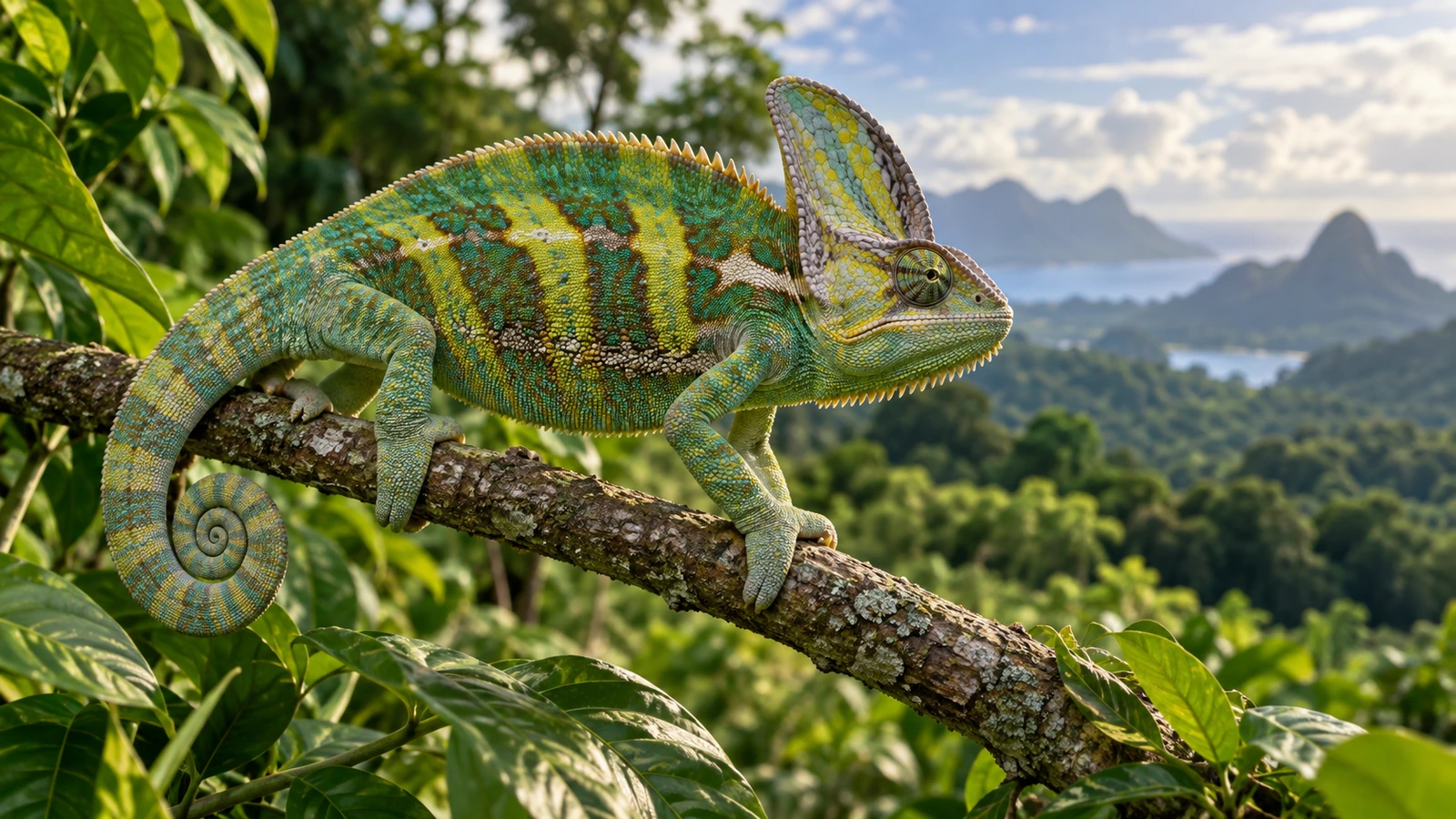
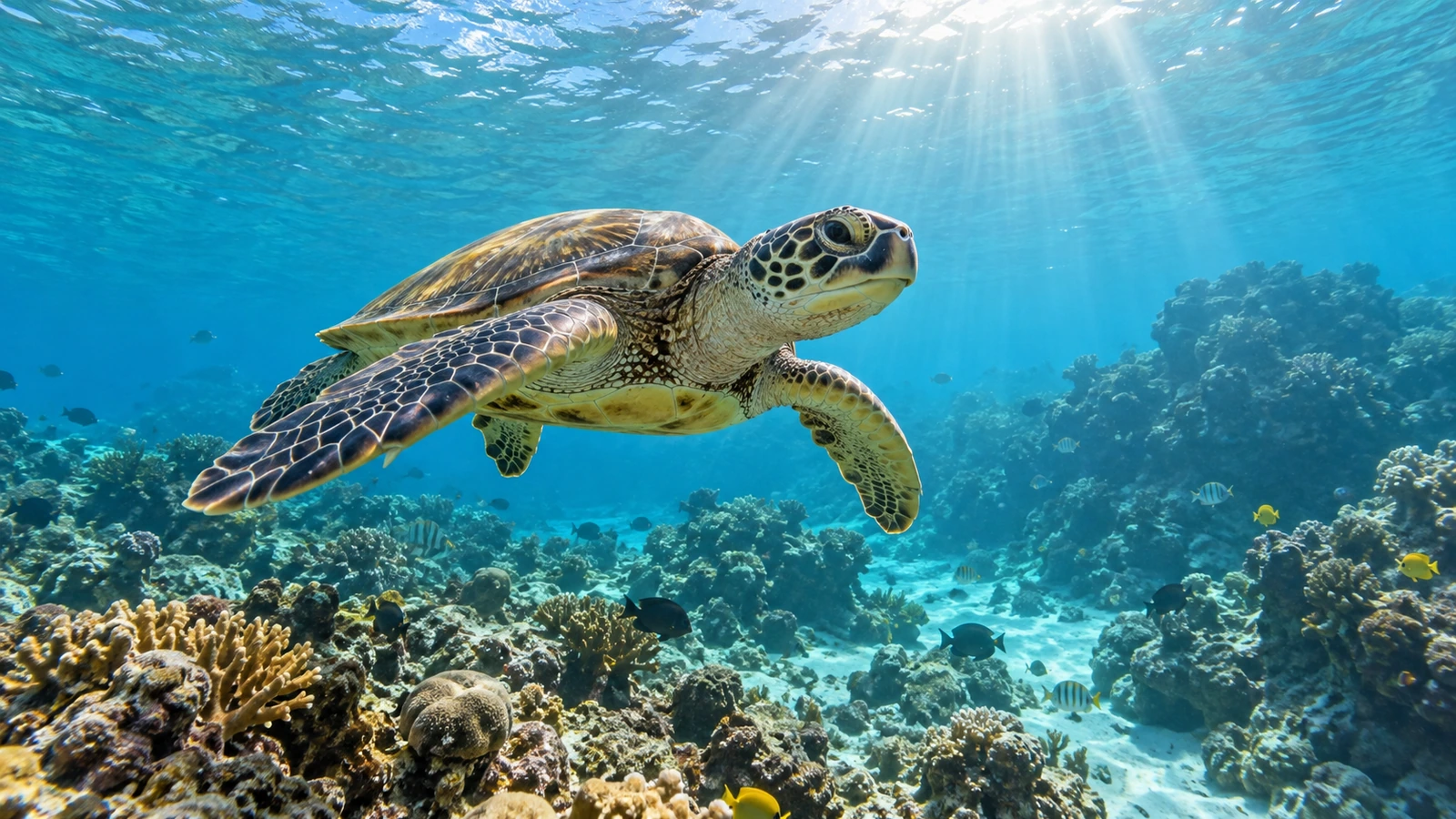
Cold-blooded creatures have long haunted our collective imagination, casting reptilian and amphibian shadows across centuries of mythology, folklore, and cinematic horror. Yet, the biological reality of these scaled and permeable-skinned survivors is far more astonishing than any legend. They are the evolutionary bridge between ancient aquatic environments and terrestrial dominance, possessing adaptations that completely defy the standard rules of mammalian biology.
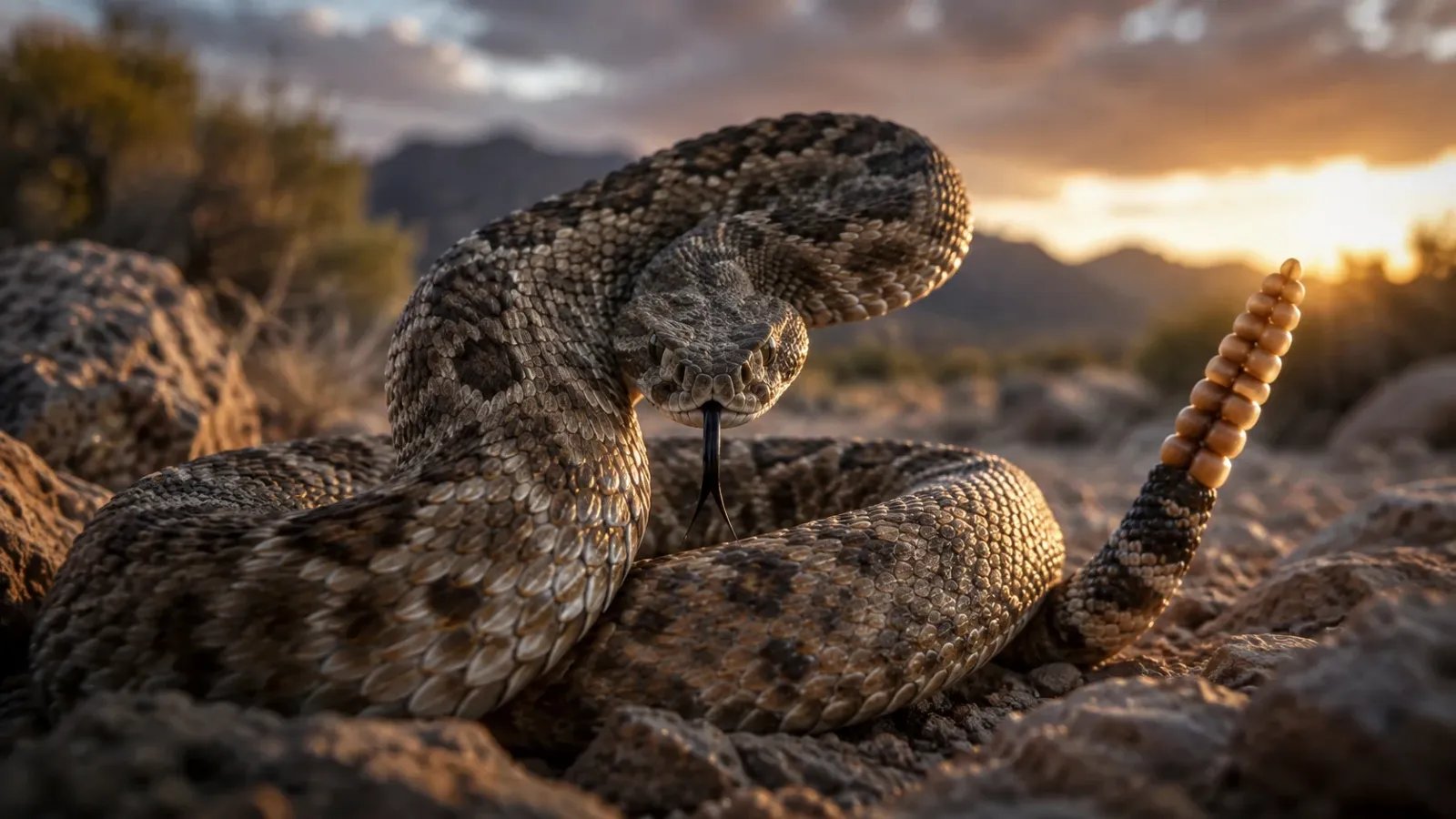
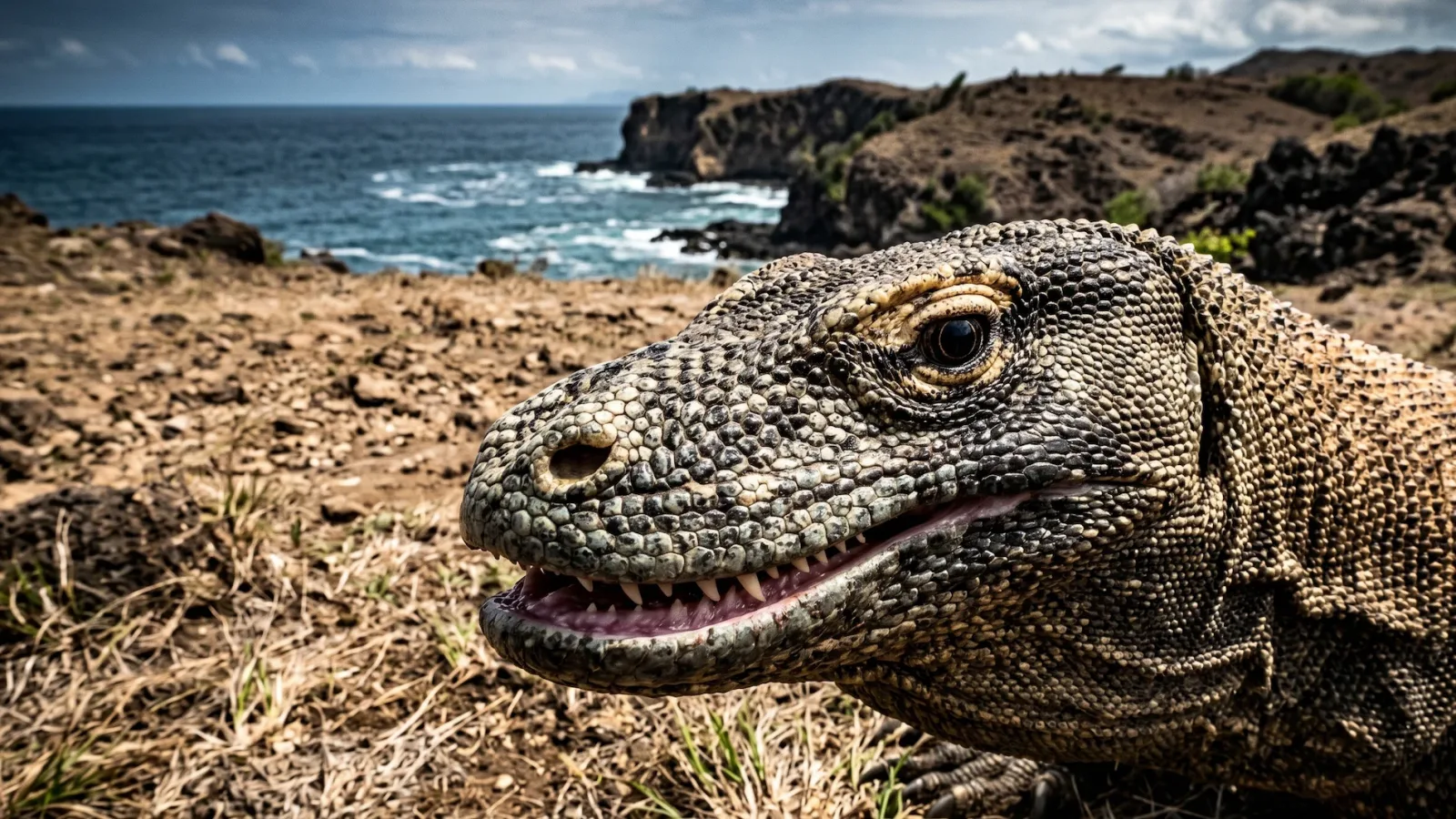
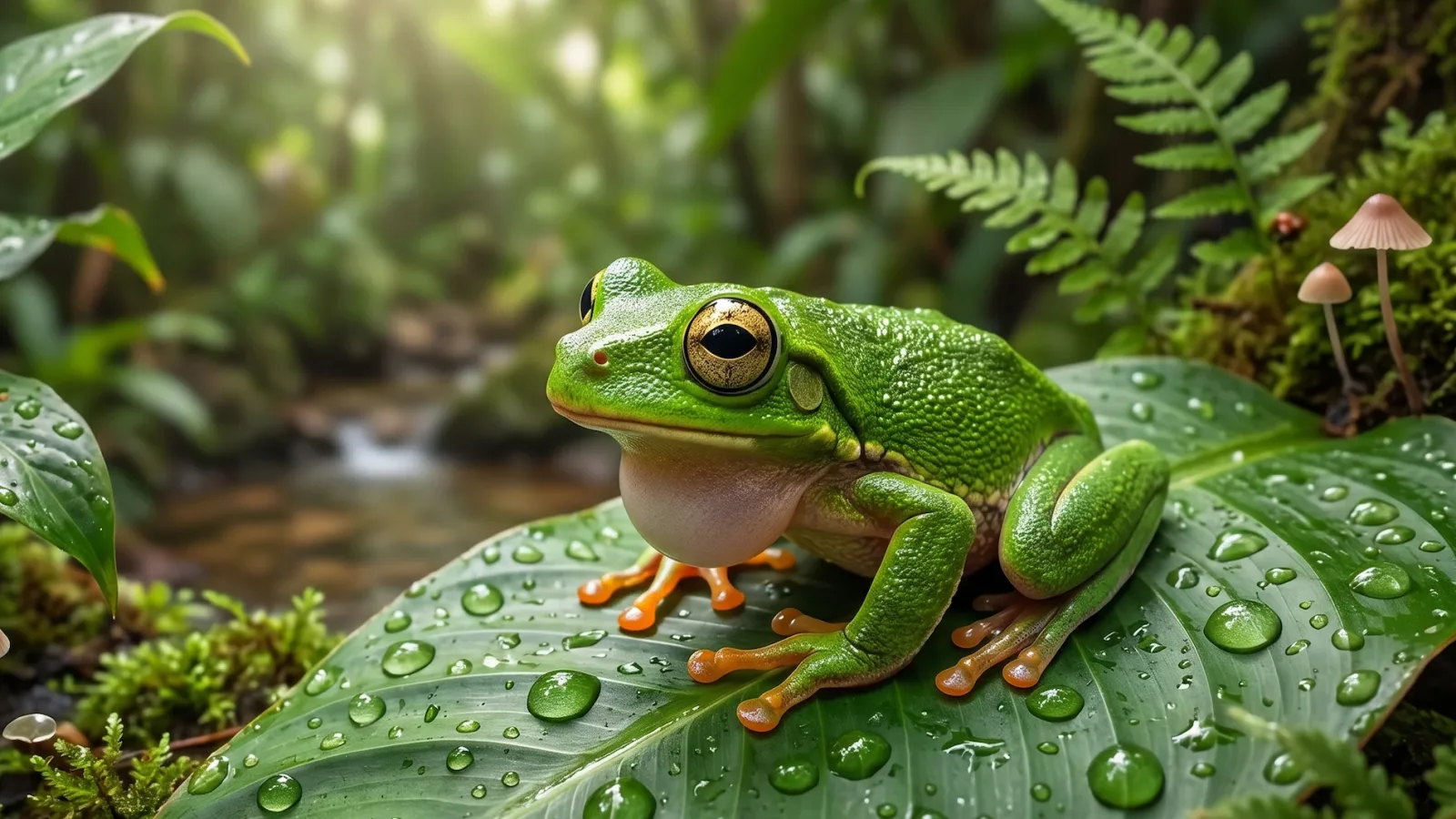
What makes this diverse group so captivating is the sheer variety of their survival strategies. On one side of the ectothermic divide, you have amphibians performing medical miracles, seamlessly regenerating severed spinal cords and utilizing transdermal respiration to breathe through their fragile skin. On the other, reptiles have perfected the art of anatomical warfare, weaponizing complex neurotoxins, evolving thermal-imaging pits, and developing molecular adhesion to scale vertical surfaces.
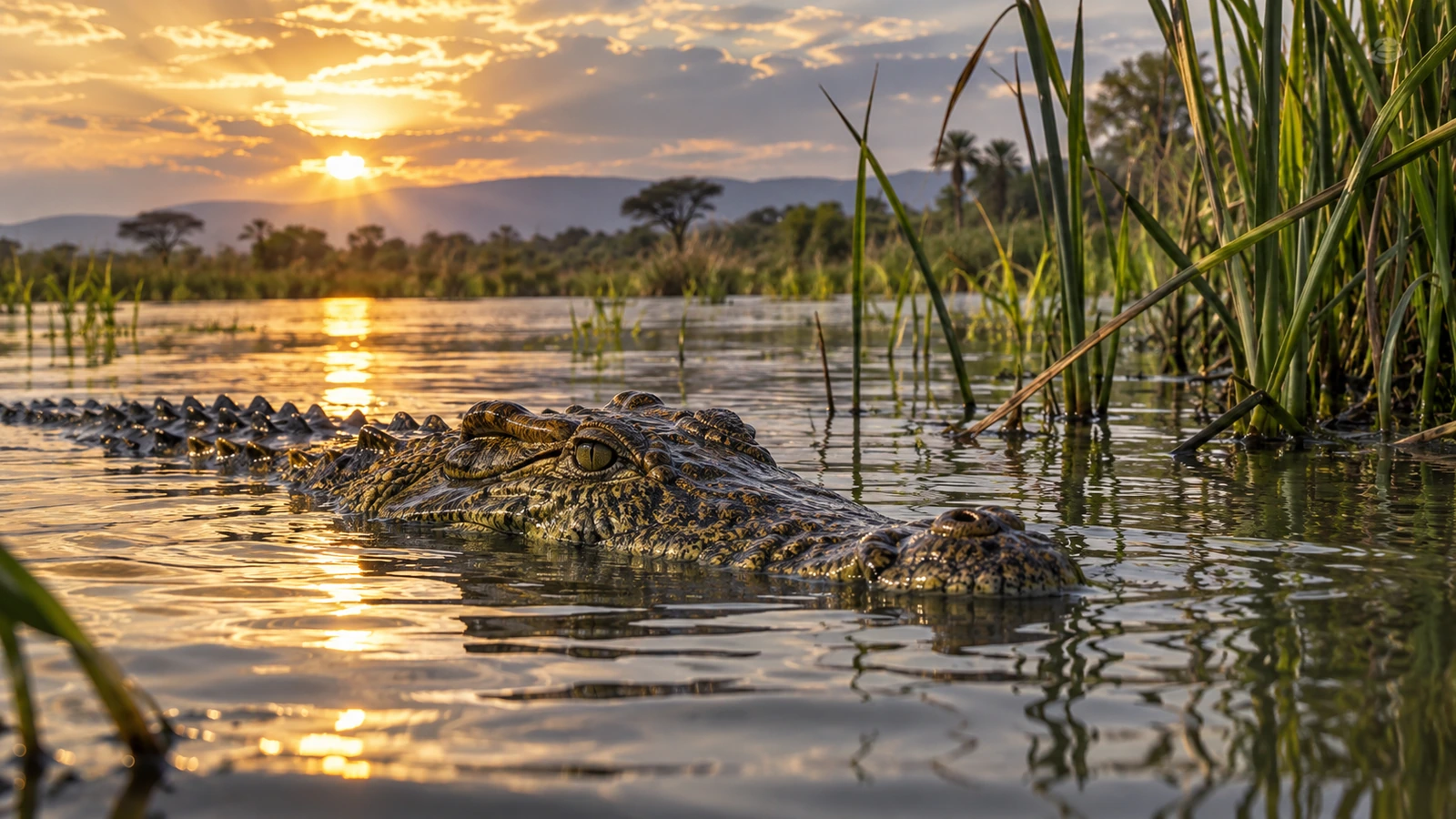
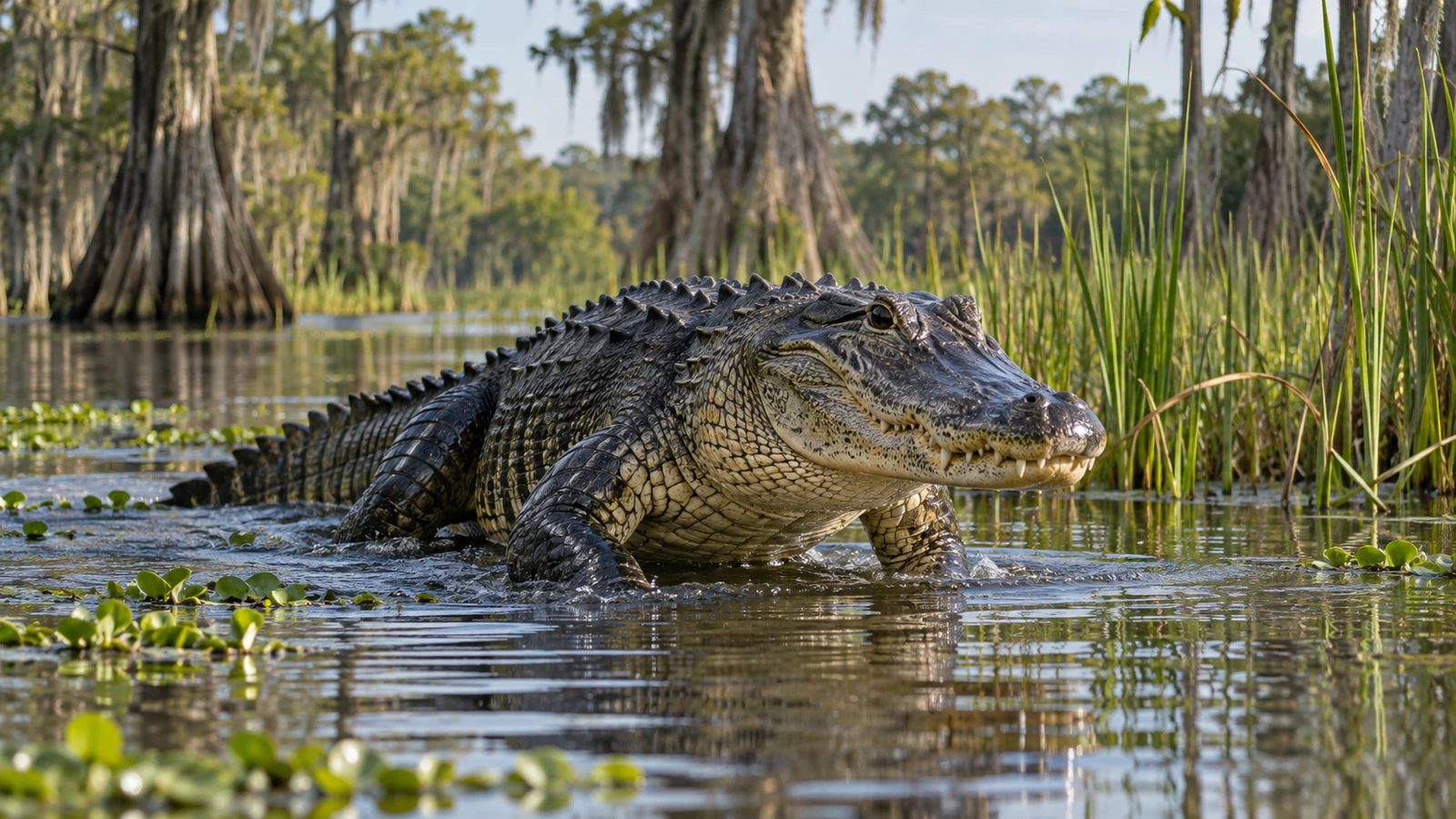
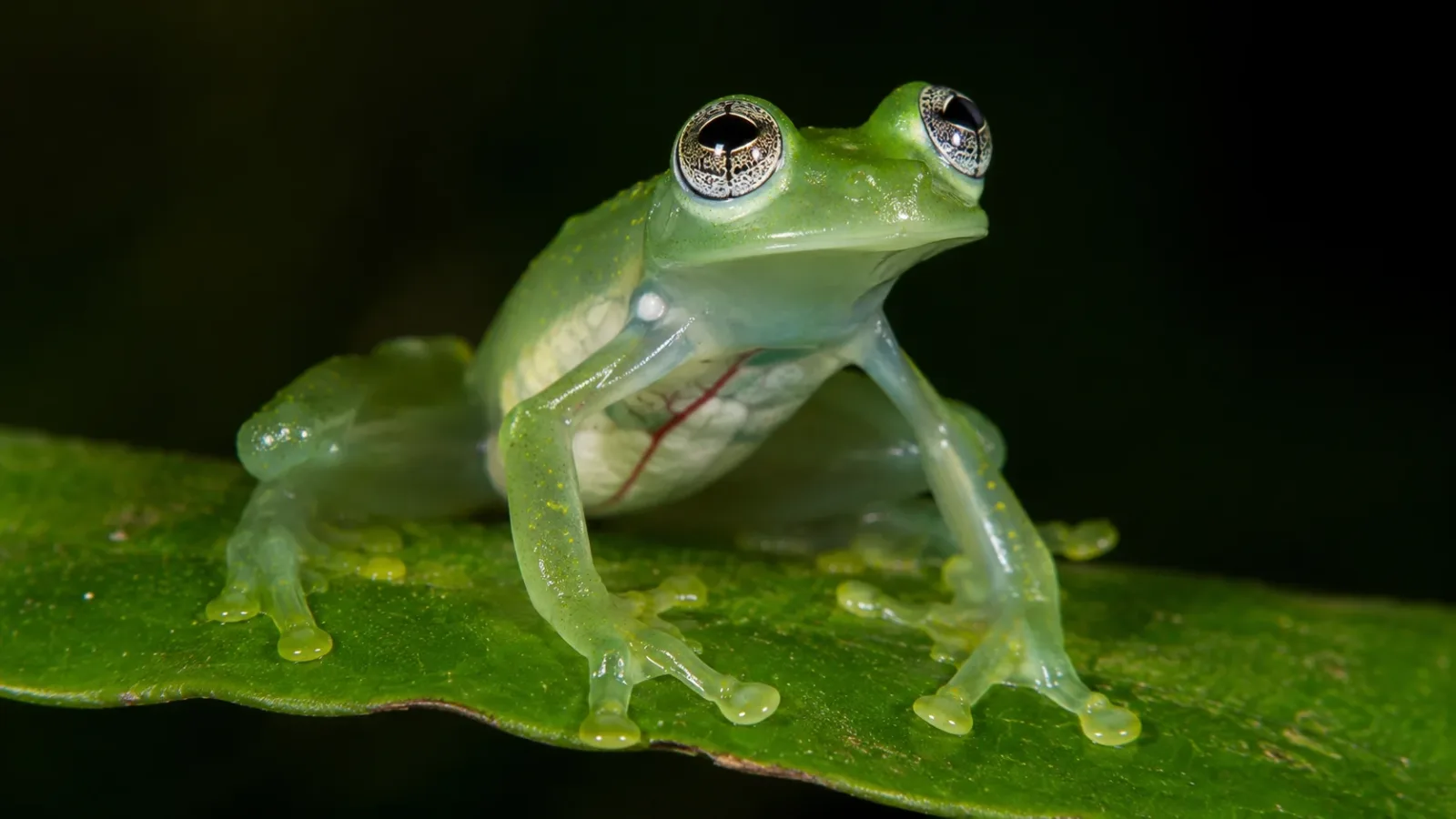
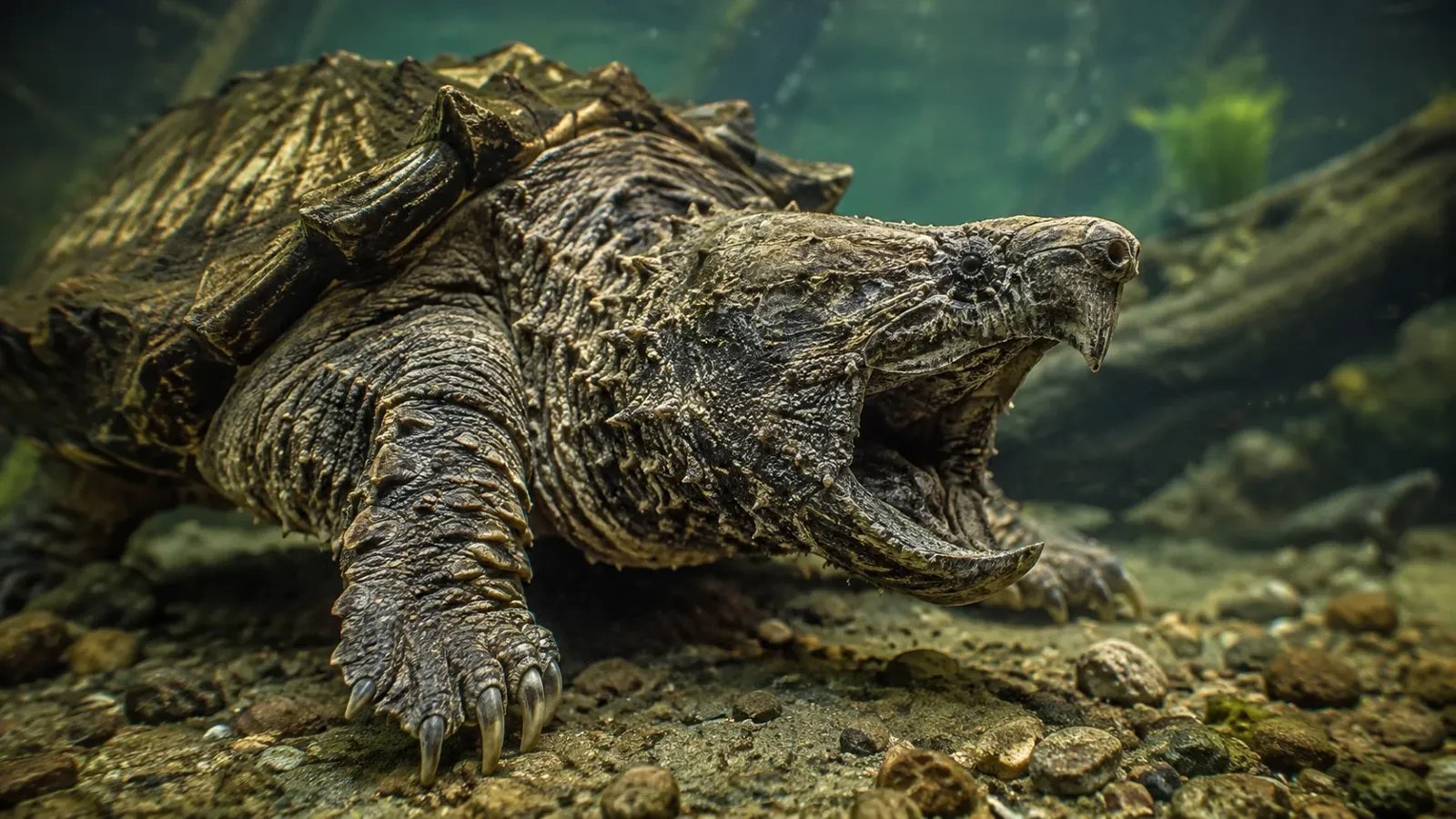
Comparing these creatures reveals a beautiful, ruthless tapestry of evolutionary trial and error. The delicate, nearly invisible underbelly of a cloud forest frog contrasts sharply with the bone-crushing, heavily armored jaws of an apex crocodilian, yet both represent biological perfection within their respective niches. By stripping away the cinematic monster tropes, we uncover highly sophisticated predators, surprising ecosystem engineers, and remarkably tender parents.
Dive into the curated list below to uncover the meticulously verified science behind these slithering, swimming, and climbing marvels. Click through any subject to explore the deeply misunderstood and completely fascinating truths of Earth's most resilient creatures.