History
Scientists and Inventors Who Changed the World
Twenty-seven scientists and inventors, from Archimedes to Stephen Hawking, with the surprising habits, failures and discoveries behind their fame.
Updated November 1, 2026
·
27 items
·
405 facts in the linked articles
·
Reading time 10 min
Some of the greatest ideas in history came from people with very ordinary habits and very strange ones. This collection gathers twenty-seven scientists and inventors, from Archimedes in ancient Greece to Stephen Hawking, and shows the human side of discoveries that changed the world.
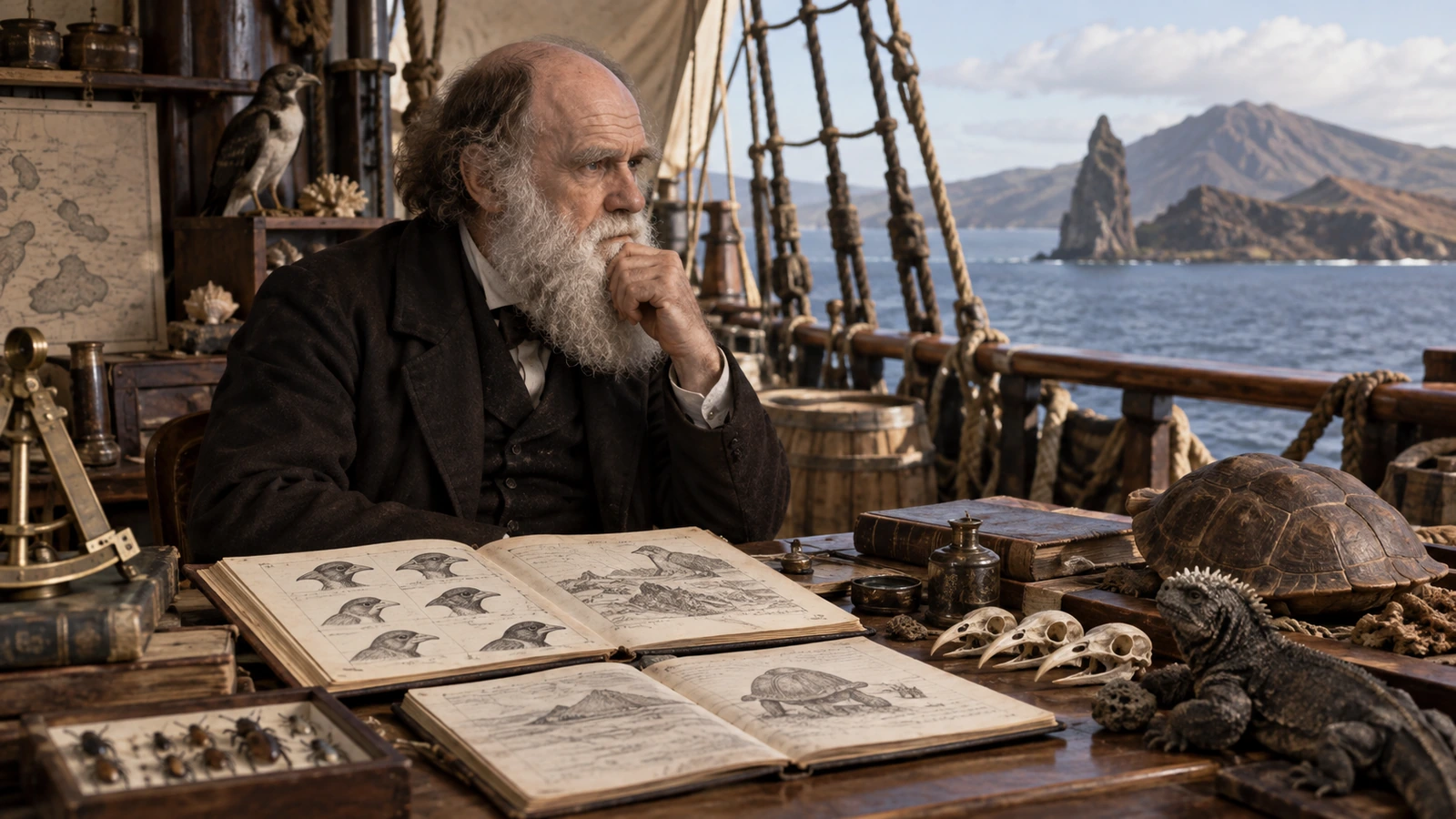
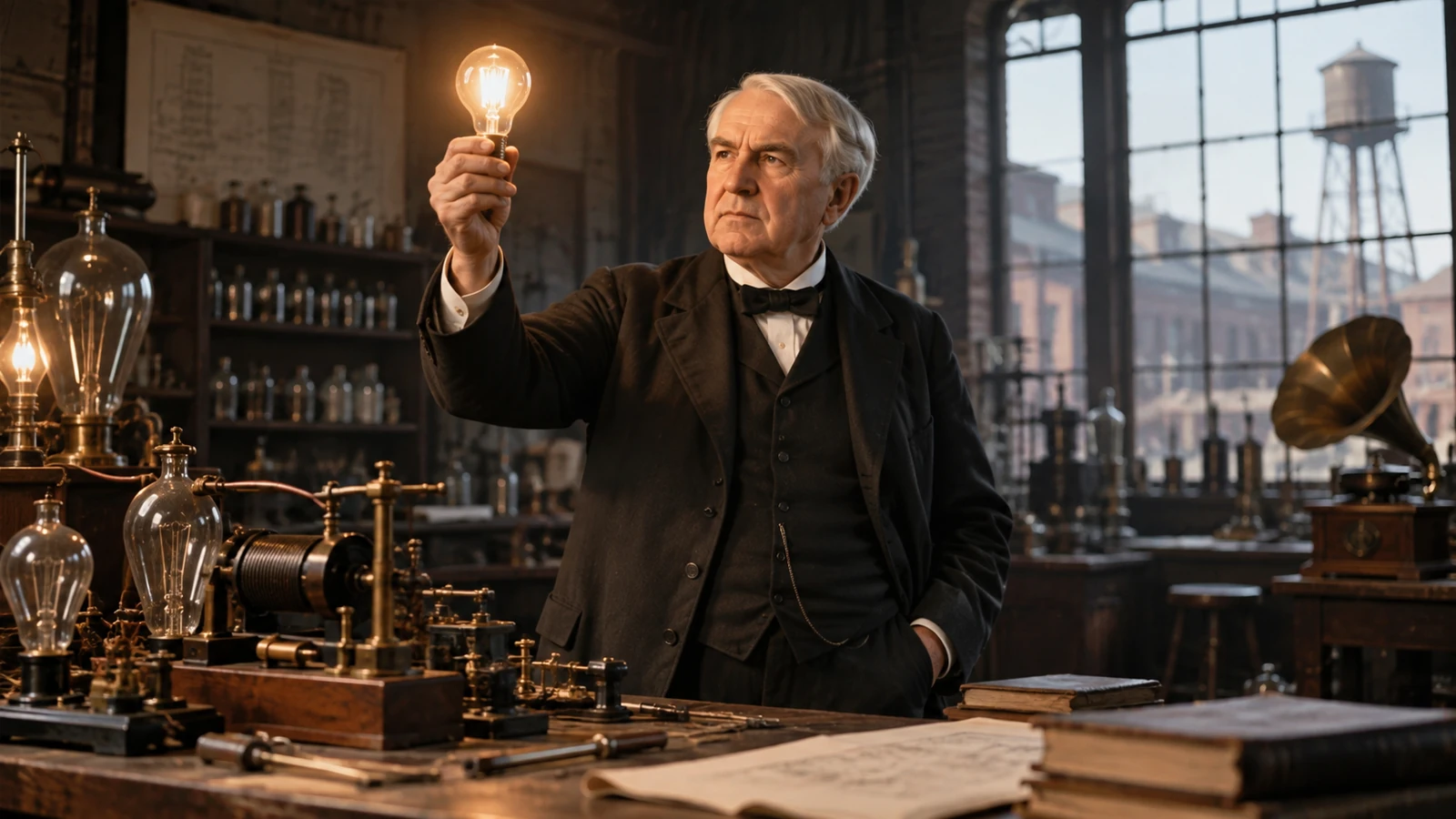
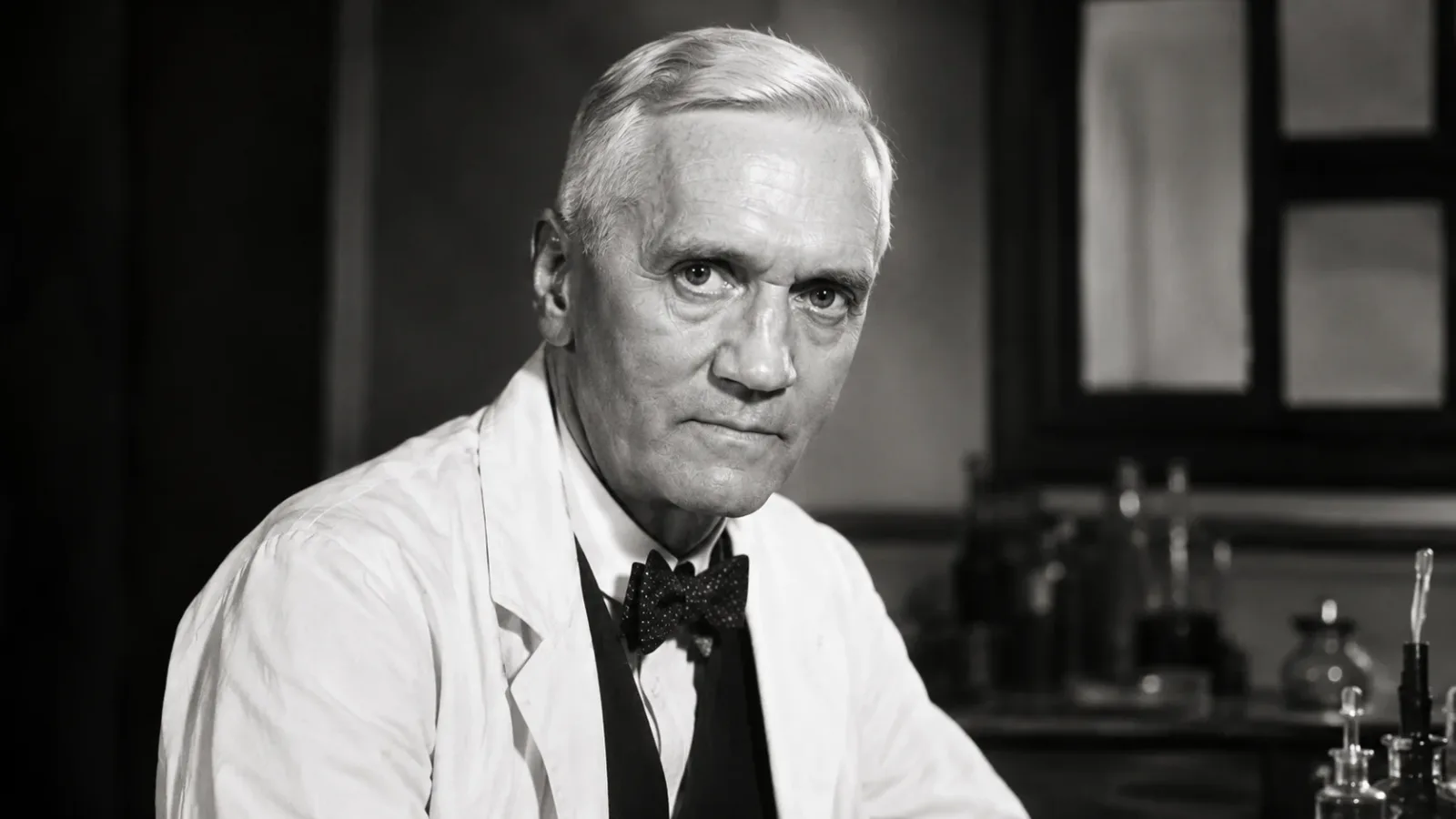
Their paths rarely ran straight. Darwin dropped out of medical school because he could not stand blood, Edison had only three months of formal schooling, and Faraday started out as a bookbinder's apprentice. Fleming joined his hospital for the water polo, and Mendel failed his teaching exams twice before his pea plants made him the founder of genetics.
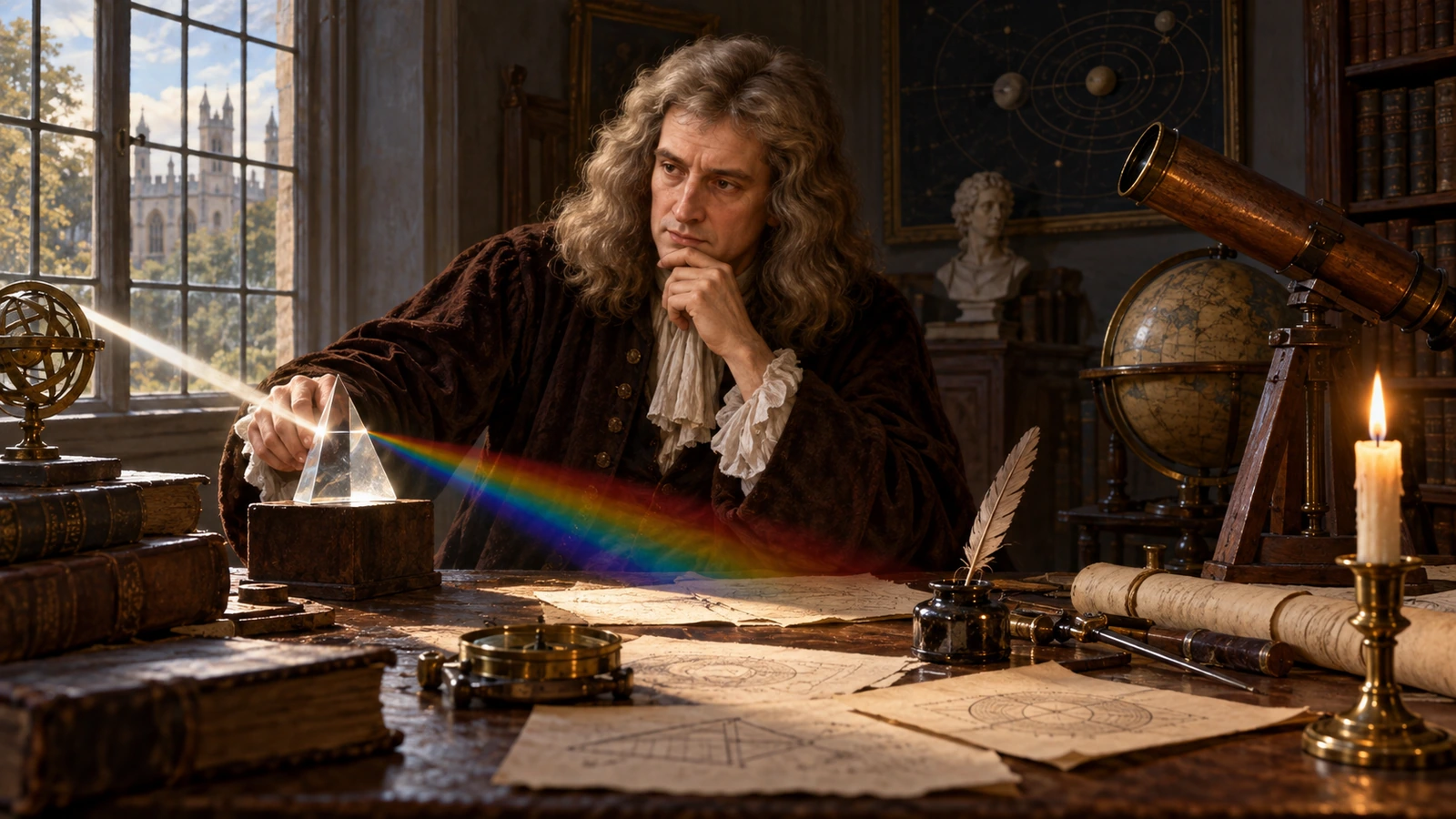
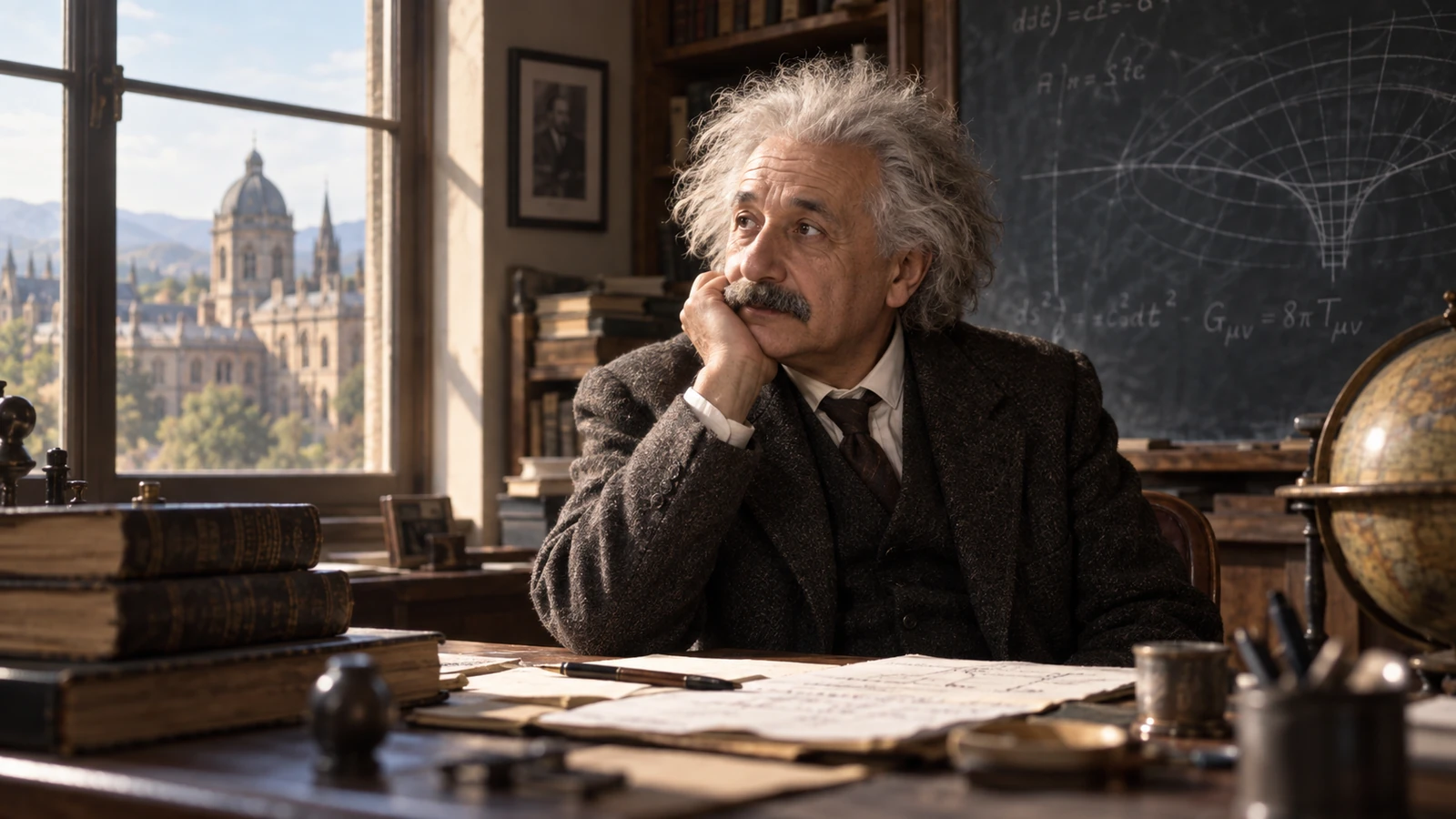
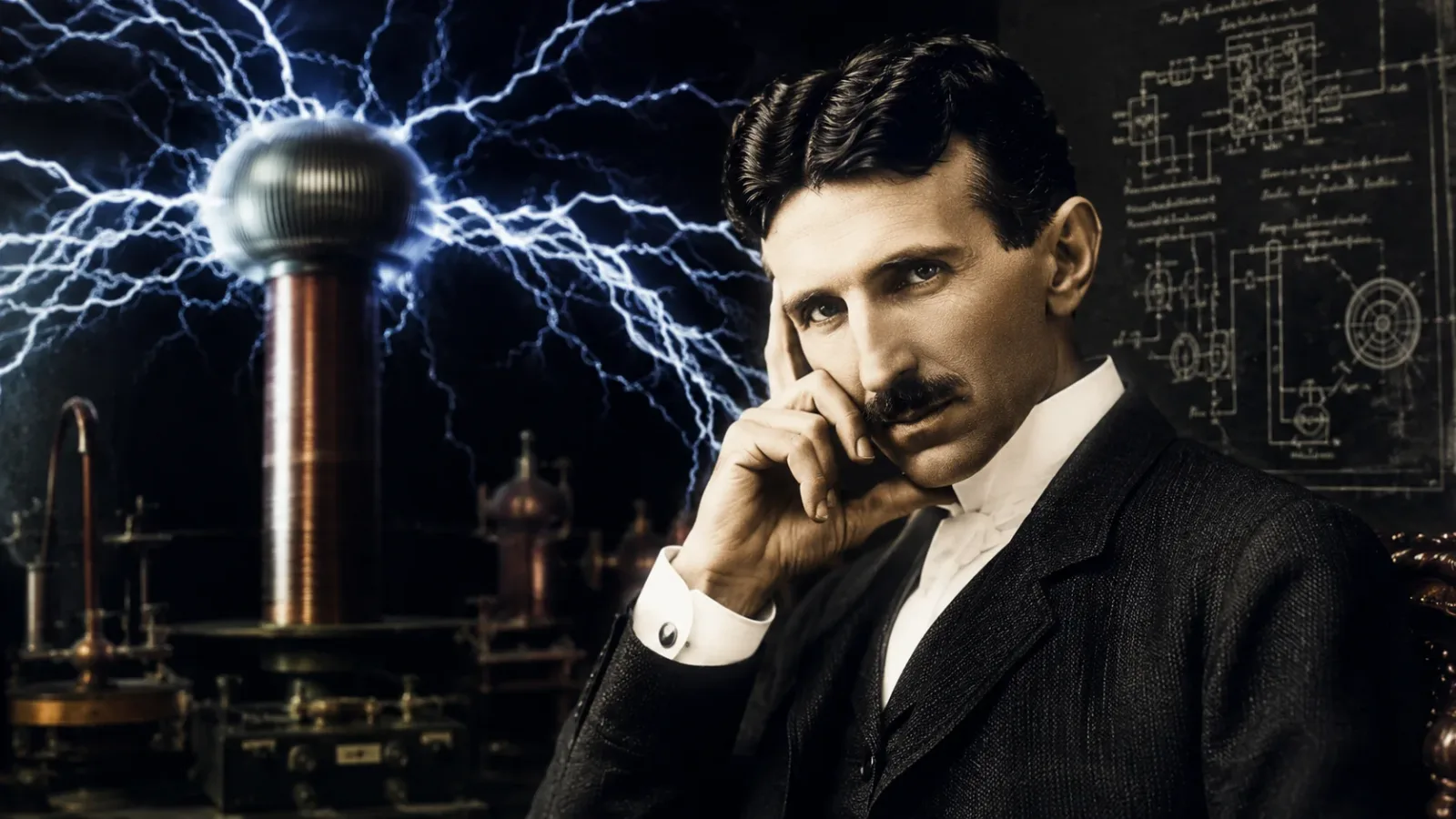
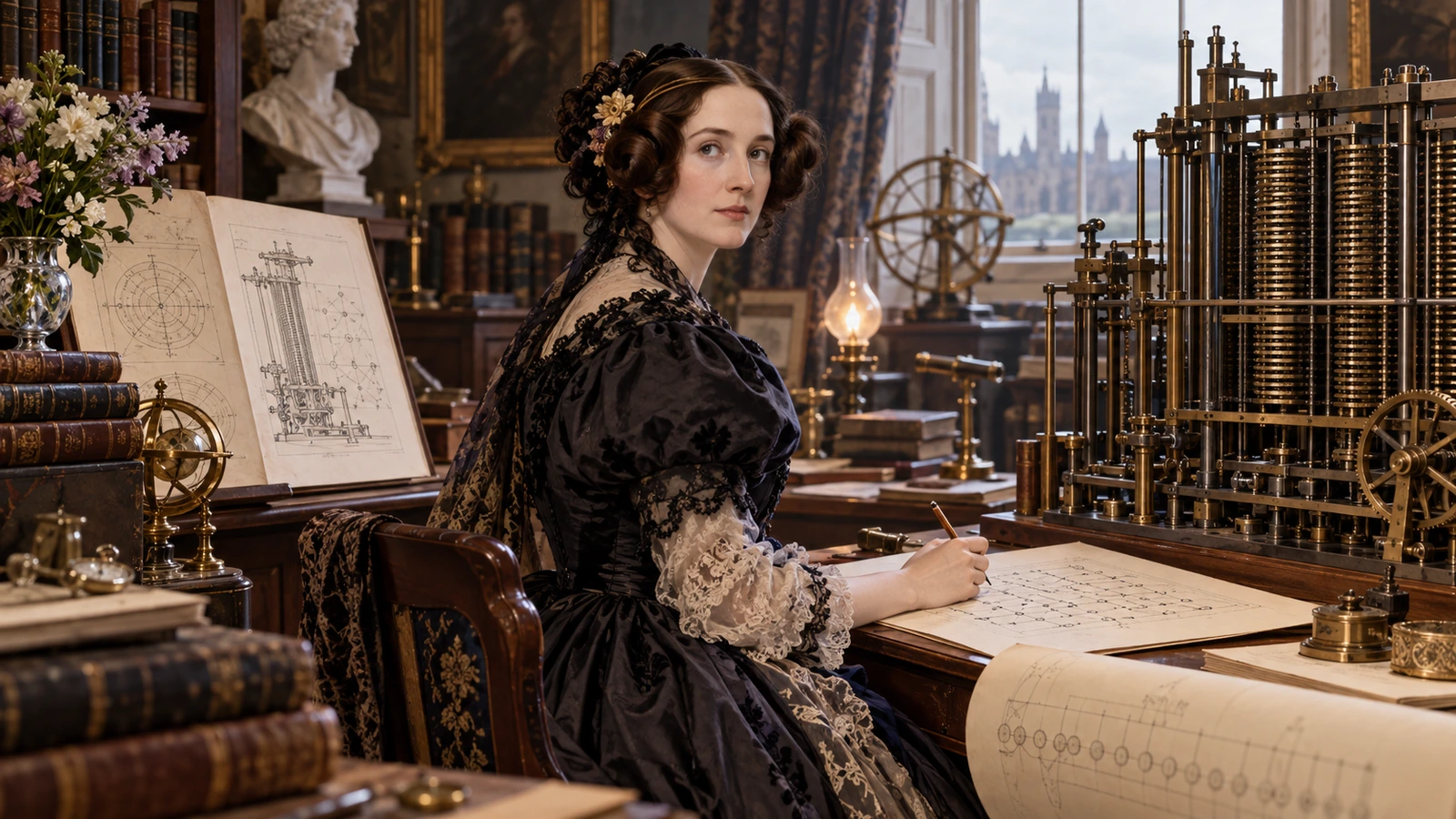
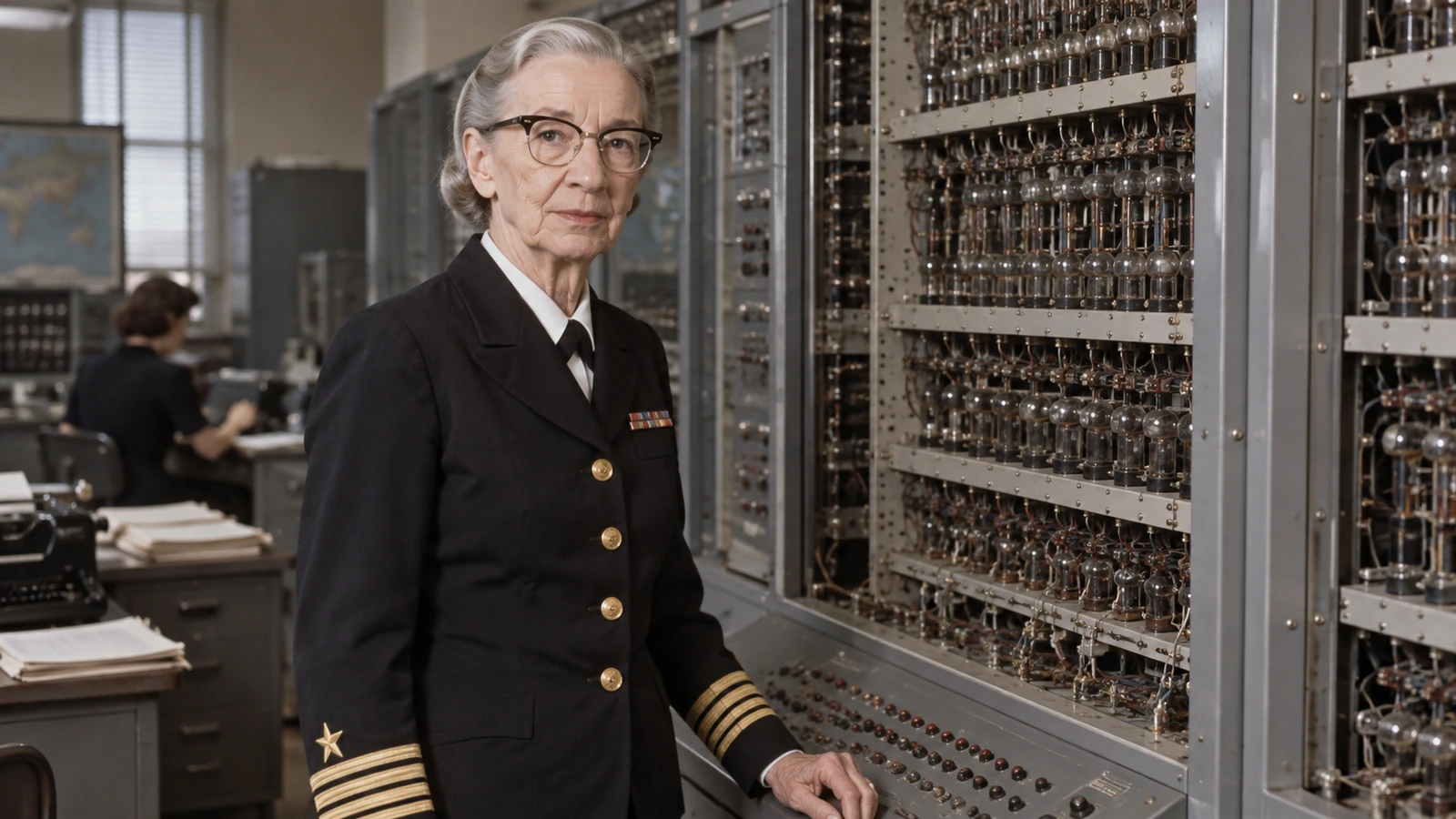
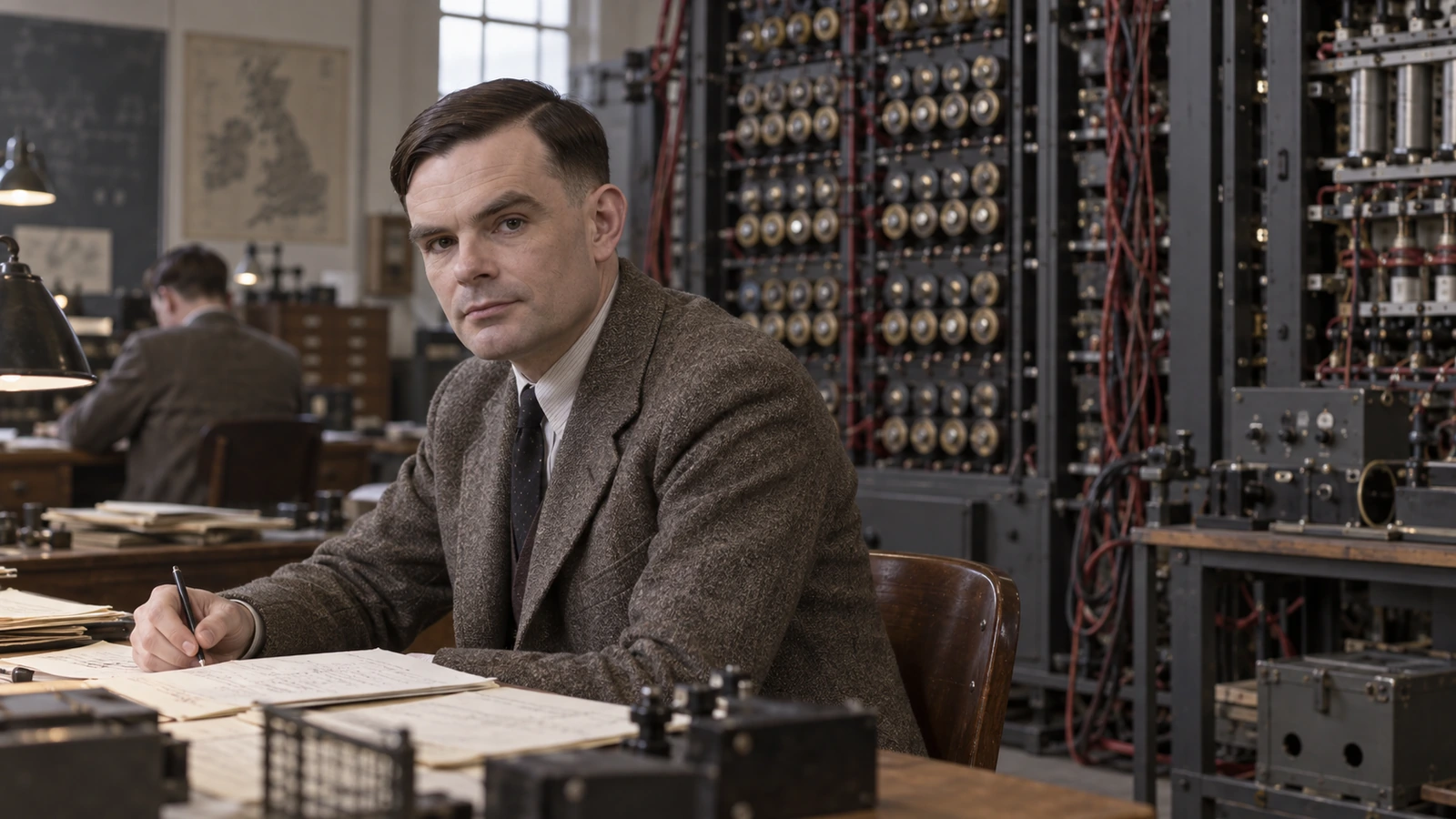
Quirks follow the genius. Newton worked as an undercover detective chasing counterfeiters, Turing chained his teacup to a radiator, Tesla was obsessed with the number three, and Einstein refused to wear socks. Others were far ahead of their time: Ada Lovelace published the first computer algorithm, and Grace Hopper created the first compiler.
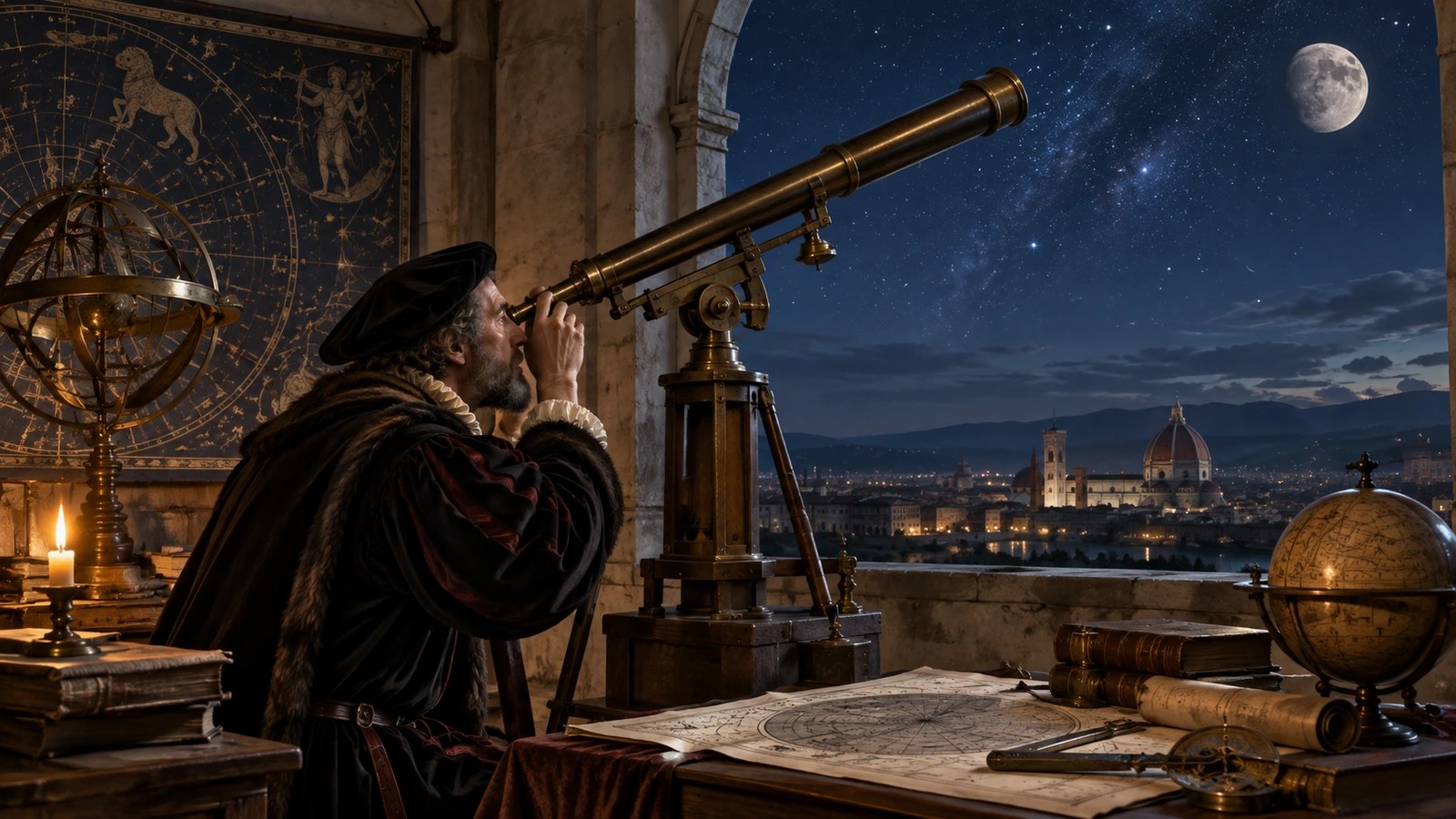
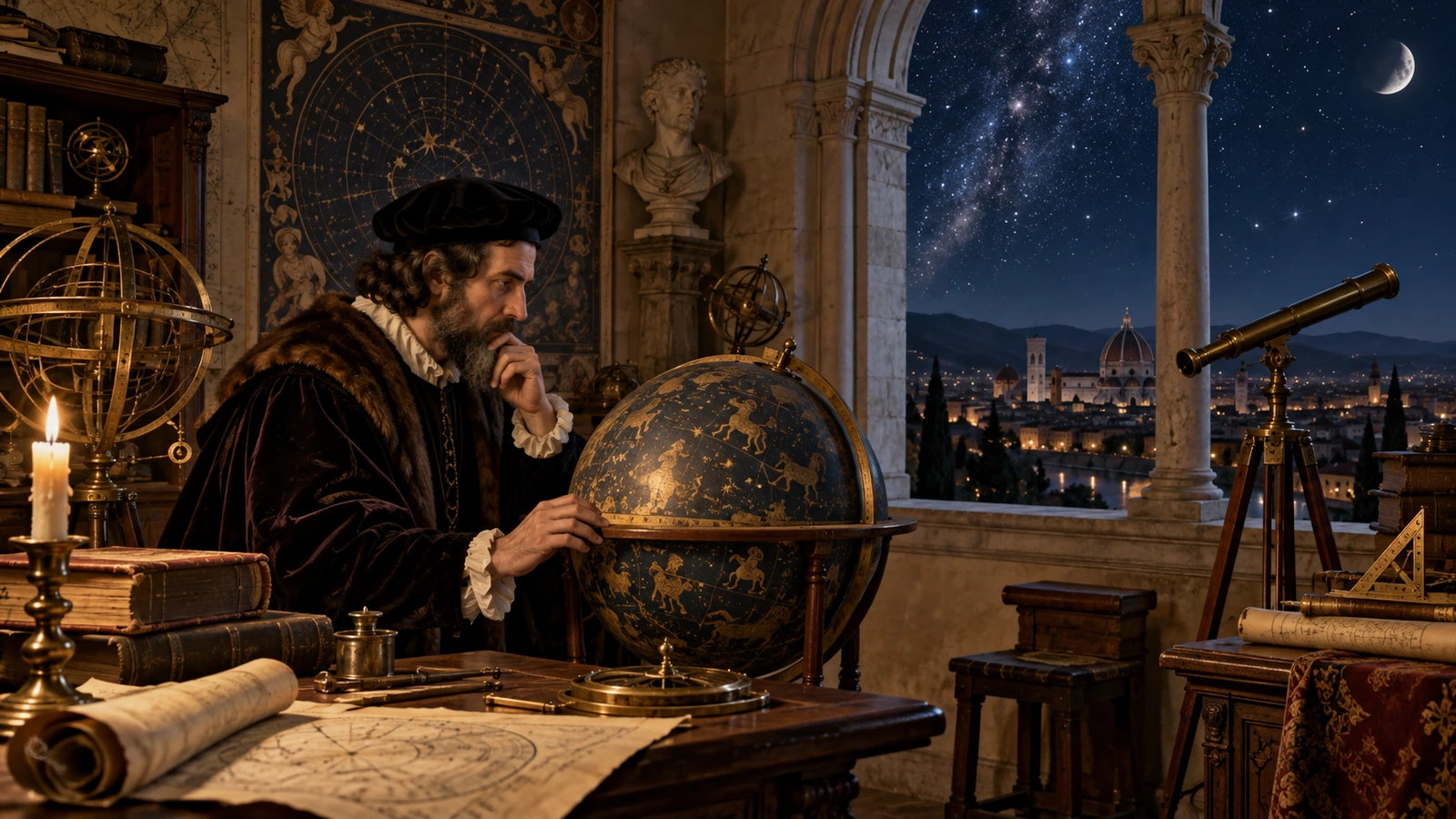
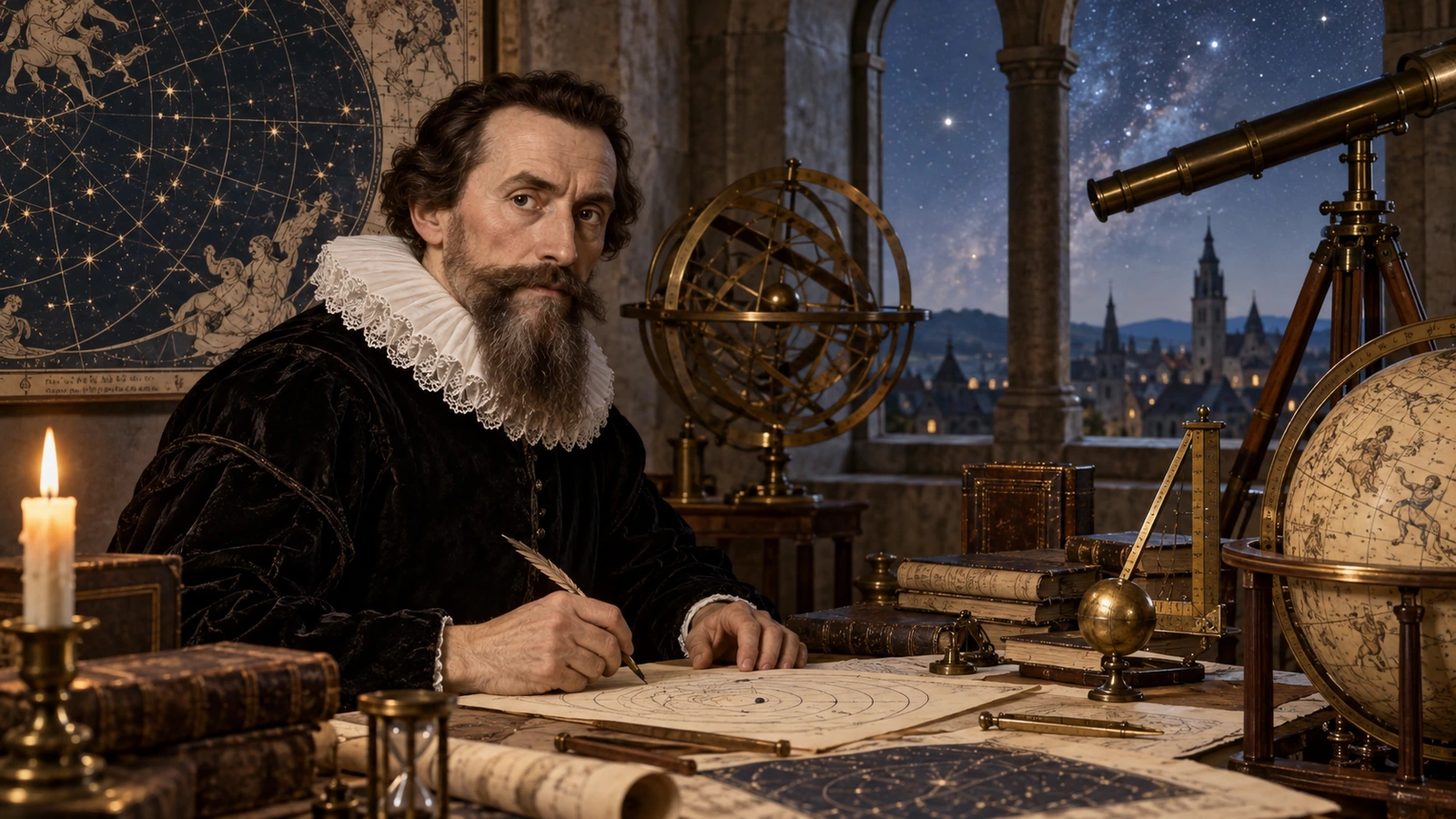
Several of them mapped the heavens with surprisingly little equipment. Copernicus researched the cosmos without a telescope, Kepler worked out his laws of planetary motion without one, and Galileo, who did not invent the telescope, used one to show that the Moon is rough and cratered and that Jupiter has moons of its own.
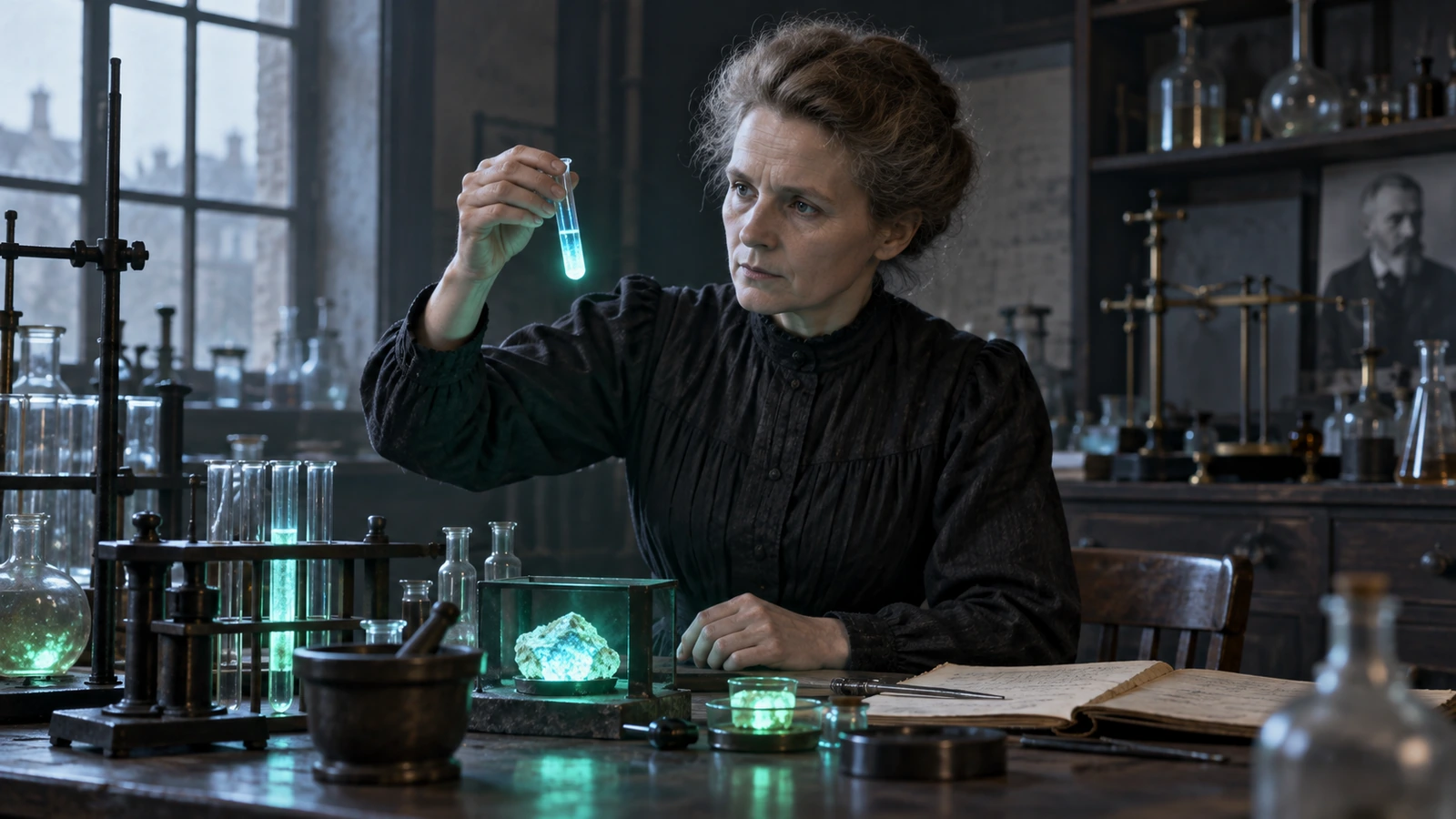
Many also saw their work ignored, doubted or punished. Mendel's discoveries went unnoticed for 35 years, Galileo spent his final years under house arrest, and Marie Curie remains the only person to win Nobel Prizes in two different sciences. Explore the articles below to meet them.