15 Fun Facts
🎲
Music

Soul, Jazz and Blues Legends

Twelve soul, jazz and blues legends, from Louis Armstrong, Ella Fitzgerald and John Coltrane to Aretha Franklin, Ray Charles, Stevie Wonder and Amy Winehouse, plus the stories of jazz and the blues themselves.

Updated November 3, 2026 · 12 items · 180 facts in the linked articles · Reading time 4 min

Almost every kind of popular music can be traced back to the blues and to jazz. Born in the American South among African American communities, these styles gave the world the twelve-bar progression, the blue note, improvisation and scat singing, and later fed into soul, rock and roll and hip-hop. This collection follows the music and the artists who carried it from New Orleans and the Mississippi Delta to concert halls and stadiums around the world.

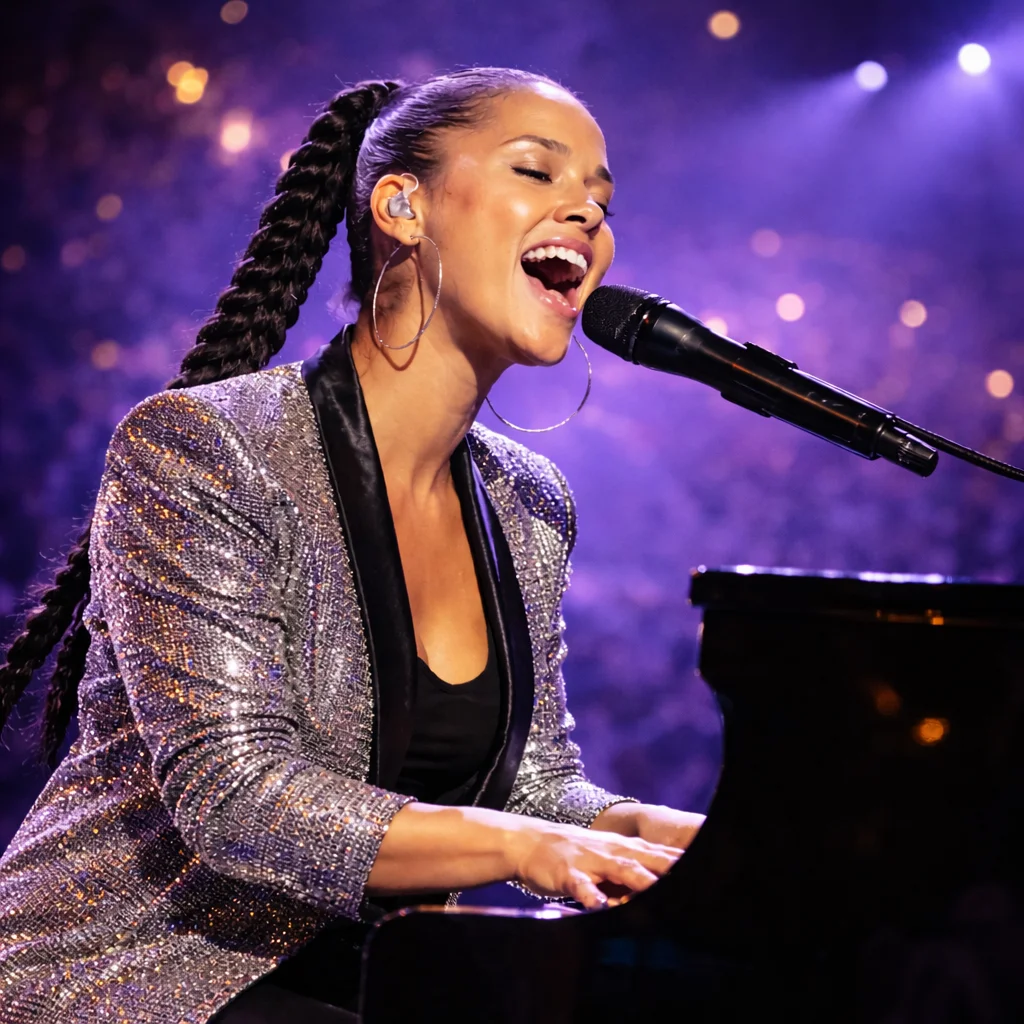
It begins with the pioneers: Louis Armstrong, whose trumpet and gravelly voice defined early jazz; Ella Fitzgerald, the First Lady of Song, who recorded more than 2,000 tracks; and John Coltrane, whose "sheets of sound" reshaped jazz harmony. Then come the voices of soul, from Ray Charles, who fused gospel and blues, to Aretha Franklin, Diana Ross, Tina Turner and Stevie Wonder, and the modern torchbearers Amy Winehouse and Alicia Keys.

Their lives are full of remarkable turns. Armstrong's career began after a New Year's Eve arrest, Ella Fitzgerald's started with a panic attack on the Apollo stage, and Aretha Franklin replaced Luciano Pavarotti at the Grammys with less than twenty minutes' notice. Ray Charles flew planes and beat Willie Nelson at chess, and Tina Turner left her abusive marriage with 36 cents and a fuel card before rebuilding her career.

Many of these artists also broke racial barriers along the way, from Ella Fitzgerald winning at the very first Grammy Awards to Stevie Wonder leading the campaign for Martin Luther King Jr. Day. Explore their stories below.
The short version

Every item on this page, with the one fact most people get wrong about it.

Name Where you'll meet it The fact worth knowing
Aretha Franklin Memphis and Detroit, 1942-2018 She replaced Luciano Pavarotti at the 1998 Grammys with less than 20 minutes' notice.
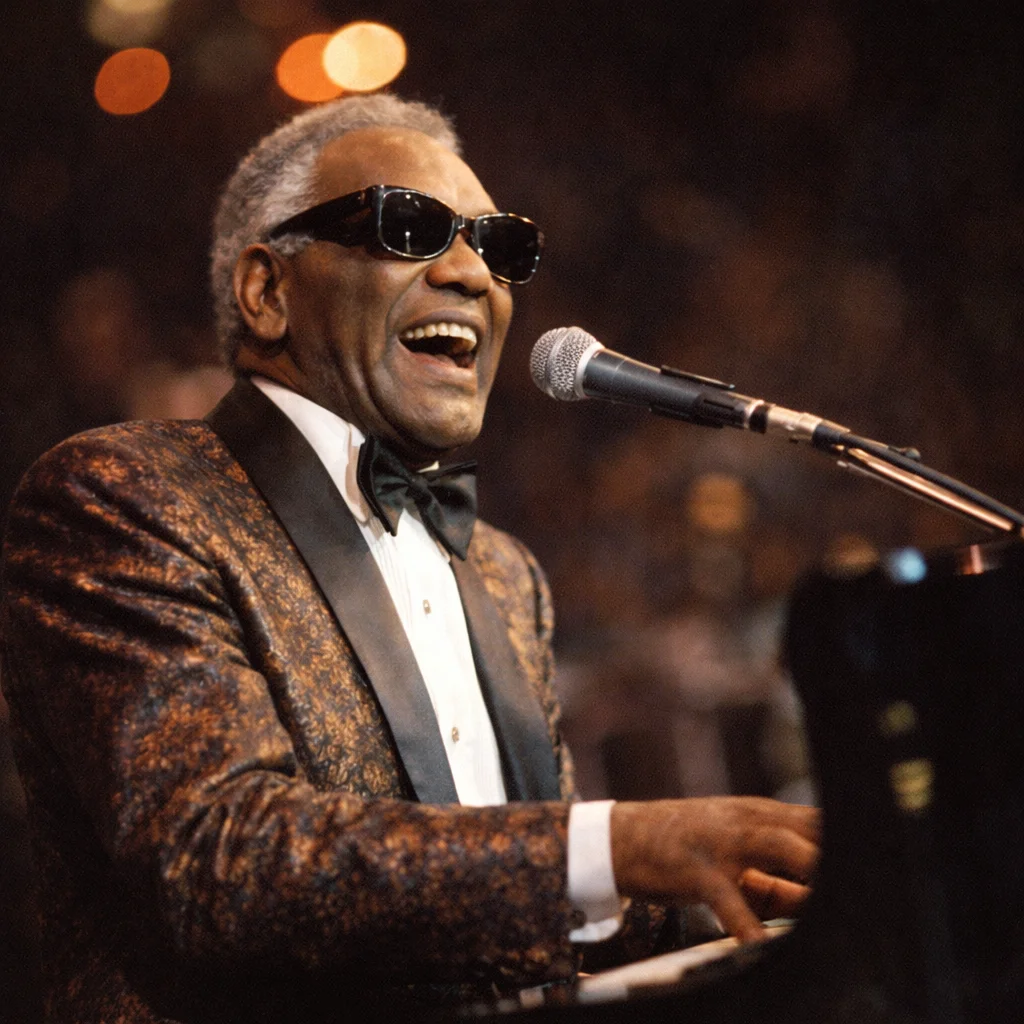
Ray Charles Albany, Georgia, 1930-2004 He arranged entire orchestral scores in his head.
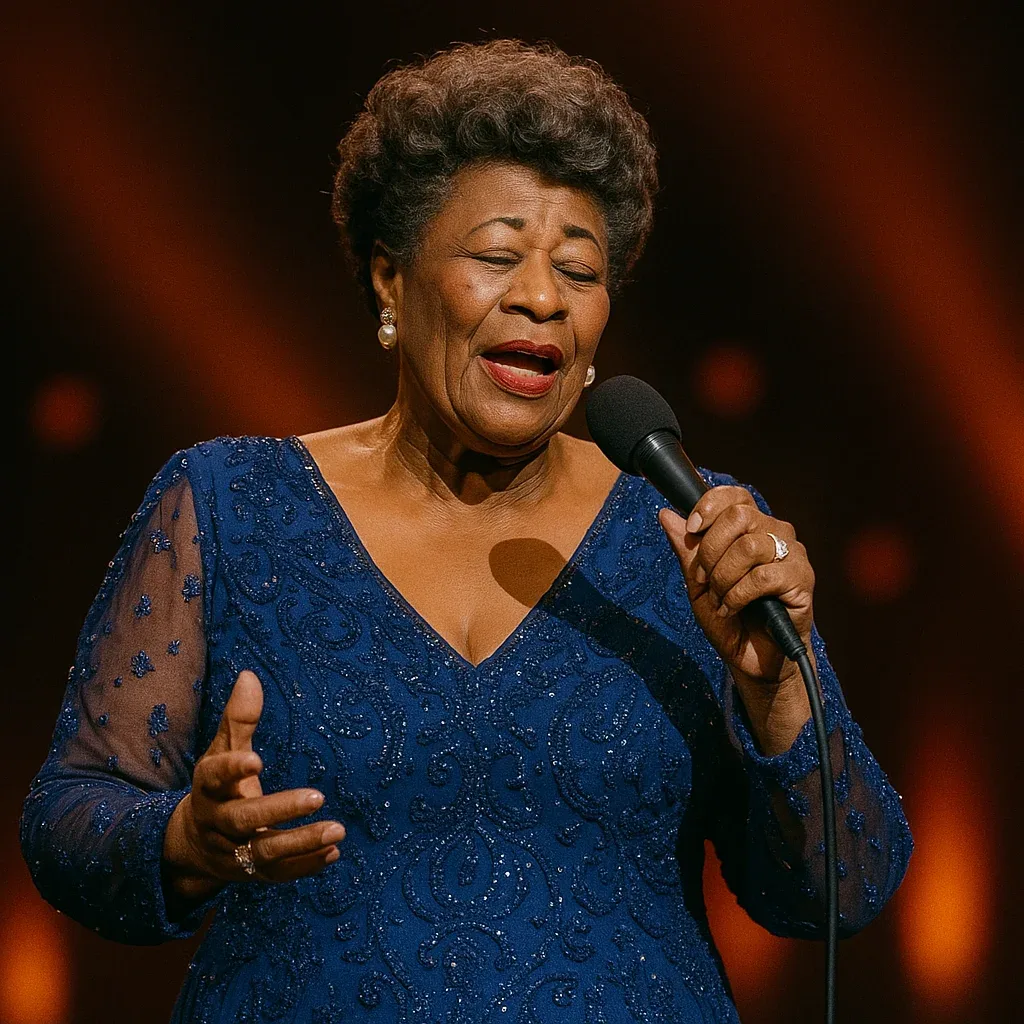
Ella Fitzgerald Newport News, Virginia, 1917-1996 Verve Records was founded specifically to record her.
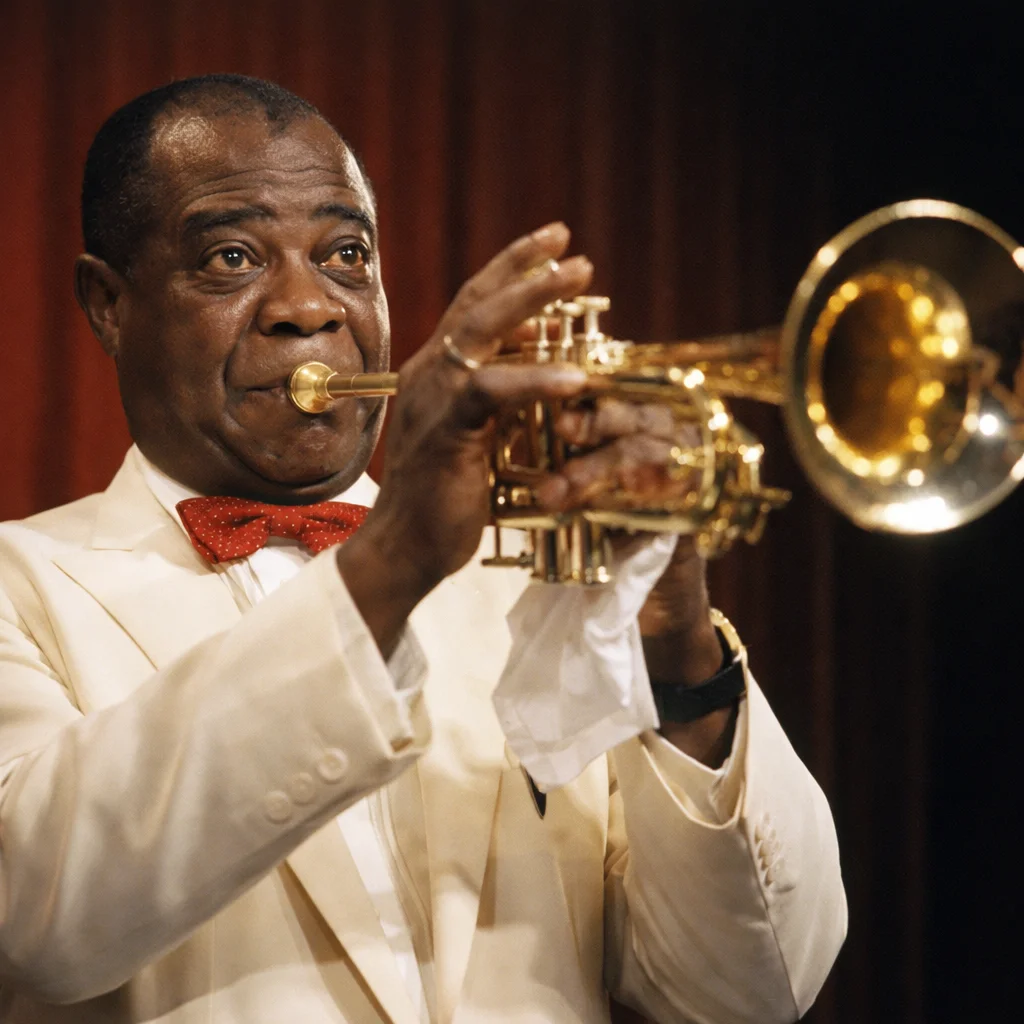
Louis Armstrong New Orleans, 1901-1971 His "Hello, Dolly!" ended The Beatles' 14-week run at number one in 1964.
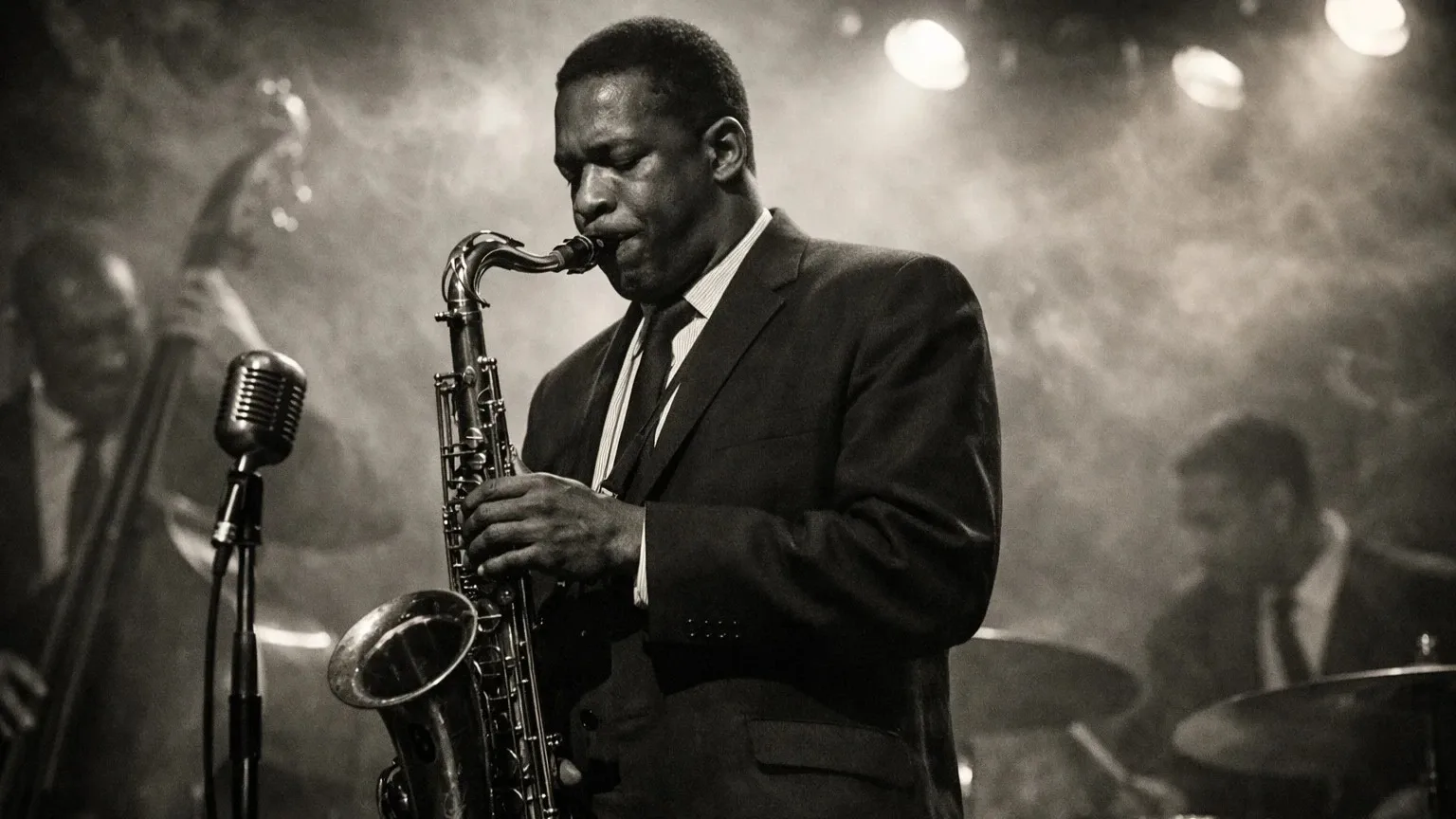
John Coltrane Hamlet, North Carolina, 1926-1967 A San Francisco church honours him as an official saint.
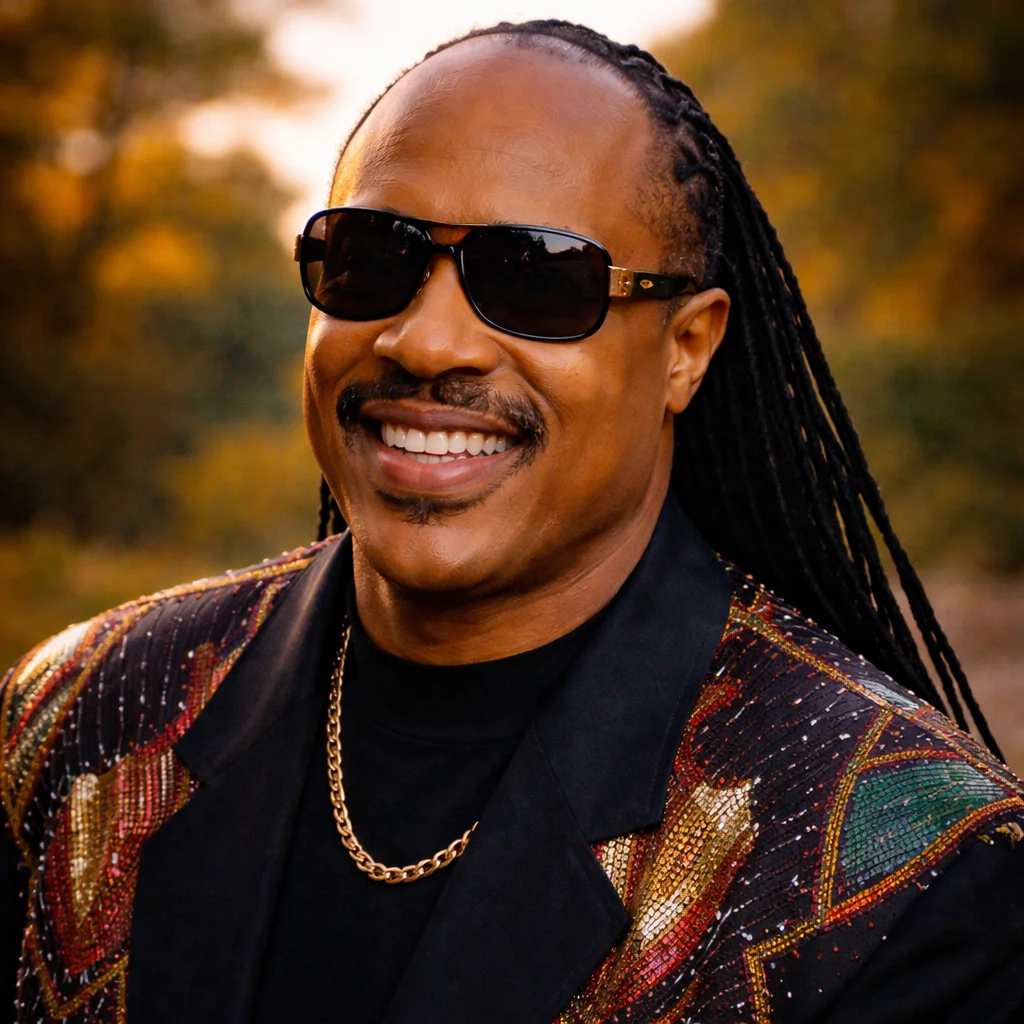
Stevie Wonder Saginaw, Michigan, born 1950 He is still the youngest solo artist ever to top the Billboard Hot 100.
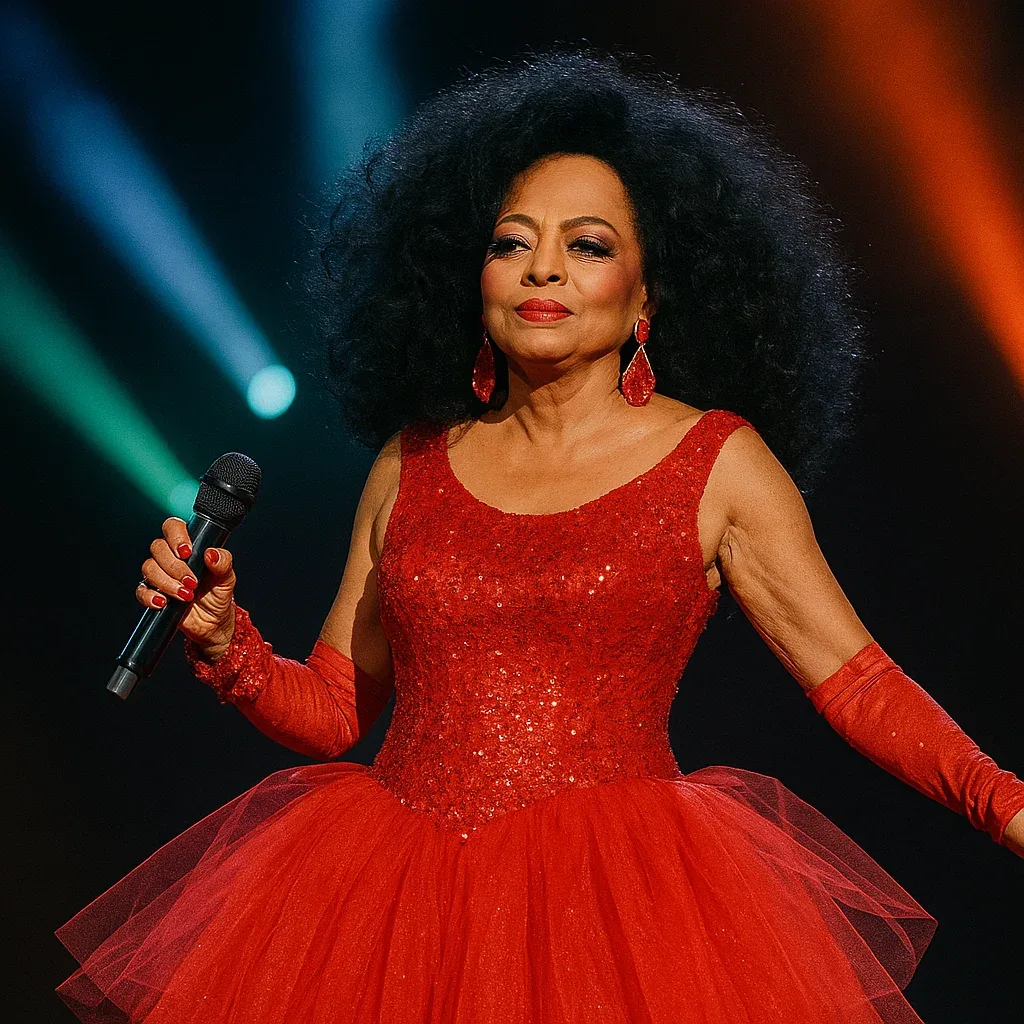
Diana Ross Detroit, born 1944 The Supremes scored 12 Billboard number ones between 1964 and 1969.
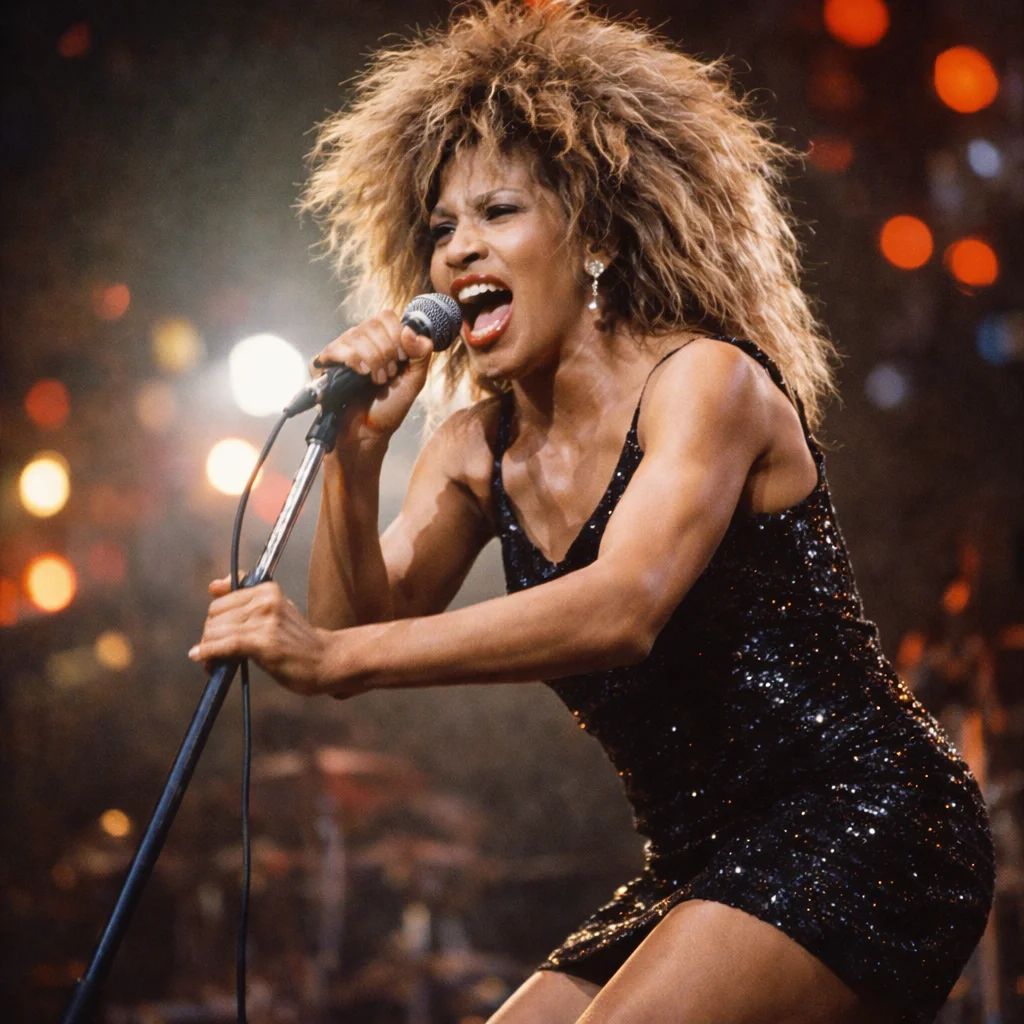
Tina Turner Nutbush, Tennessee, 1939-2023 She drew a record paying crowd of over 180,000 people to Rio's Maracanã Stadium in 1988.
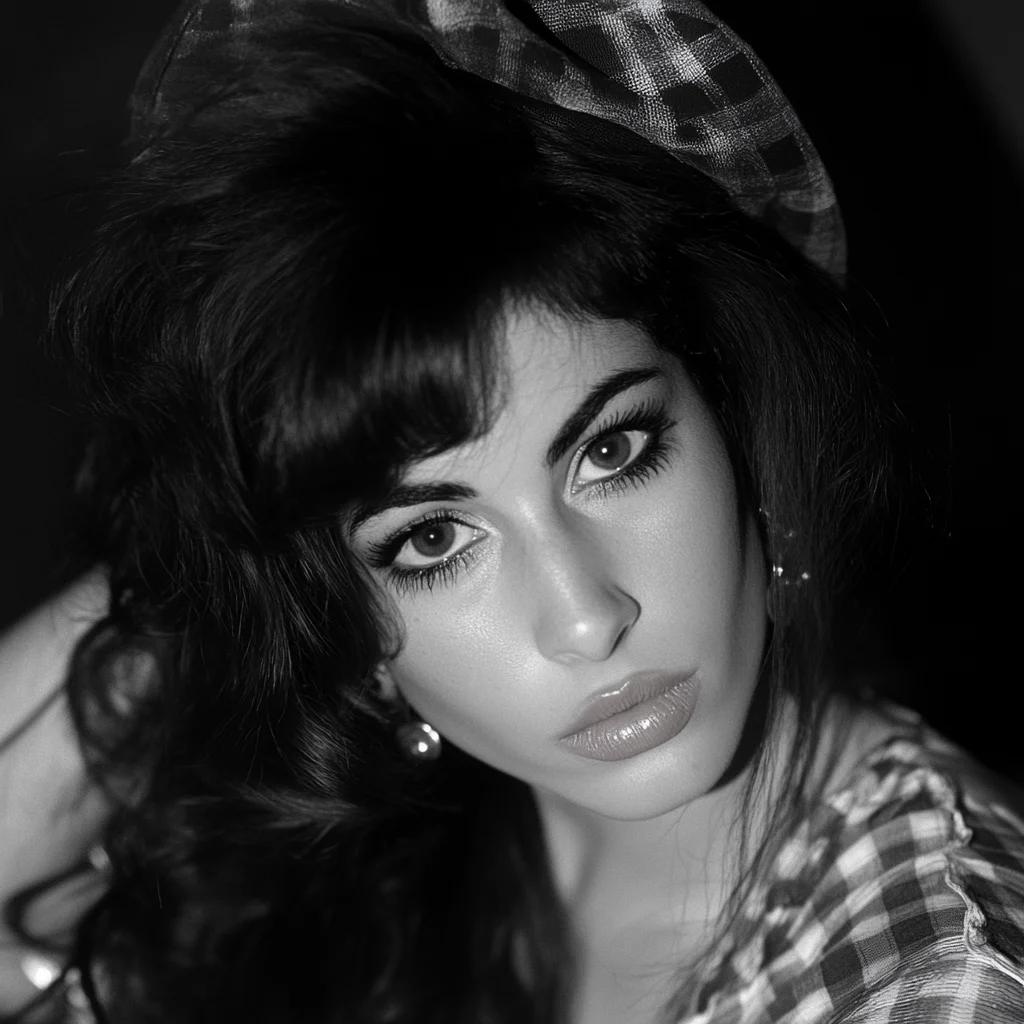
Amy Winehouse London, 1983-2011 "Rehab" grew out of an offhand remark to producer Mark Ronson during a walk in New York.
Alicia Keys New York, born 1981 She wrote "Butterflyz" when she was only 14.
Blues Music American South, late 1800s The blue notes that give the blues its feeling fall between the keys of a standard piano.
Jazz Music New Orleans, late 1800s Fats Waller was kidnapped at gunpoint to play at Al Capone's birthday party.

Record holders

Most Recordings

2,000+ tracks

Over six decades Ella Fitzgerald recorded more than 2,000 songs and won 13 Grammy Awards. Ella Fitzgerald

Largest Paying Crowd

180,000+

Tina Turner's 1988 show at Rio's Maracanã Stadium set a Guinness record for a paying solo concert audience. Tina Turner

Most No. 1 Singles

12

With Diana Ross on lead vocals, The Supremes scored 12 Billboard number ones between 1964 and 1969. Diana Ross

Hardest Workday

~300 shows a year

Louis Armstrong kept up a relentless touring schedule of around 300 concerts a year. Louis Armstrong

All 12, one fact at a time

The Sovereign Soul: 15 Fascinating Facts About Aretha Franklin

Aretha Franklin

Memphis and Detroit, 1942-2018

The Queen of Soul taught herself piano and never learned to read sheet music. "Respect" was originally an Otis Redding song, and she became the first woman inducted into the Rock and Roll Hall of Fame. Michigan officially declared her voice a natural resource.

Read the full article →
The Soul Pioneer: 15 Fascinating Facts About Ray Charles

Ray Charles

Albany, Georgia, 1930-2004

Ray Charles lost his sight by the age of seven and dropped his surname to avoid confusion with a famous boxer. By mixing gospel and blues he helped create soul music, and Frank Sinatra called him "The Genius". He flew planes, beat Willie Nelson at chess and won 17 Grammy Awards.

Read the full article →
The First Lady of Song: 15 Fascinating Facts About Ella Fitzgerald

Ella Fitzgerald

Newport News, Virginia, 1917-1996

Ella Fitzgerald survived childhood poverty and reform school before a panic attack at the Apollo turned her from a dancer into a singer. She won at the very first Grammy Awards, and Marilyn Monroe helped her get bookings at segregated venues. Over six decades she recorded more than 2,000 tracks.

Read the full article →
The Irrepressible Innovator: 15 Fascinating Facts About Louis Armstrong

Louis Armstrong

New Orleans, 1901-1971

Satchmo's musical career began with a New Year's Eve arrest that sent him to a boys' home where he learned the cornet. He wore a Star of David all his life, played around 300 shows a year and stood up to the US government during the Little Rock crisis. "What a Wonderful World" was initially a flop in America.

Read the full article →
The Harmonist of the Cosmos: 15 Fascinating Facts About John Coltrane

John Coltrane

Hamlet, North Carolina, 1926-1967

John Coltrane made his first recordings in the US Navy and practised so obsessively that he fell asleep with his horn in his hands. Being fired by Miles Davis pushed him to get sober, and his "Coltrane changes" in Giant Steps revolutionised jazz harmony. A Love Supreme grew out of a deep spiritual awakening.

Read the full article →
The Musical Genius: 15 Fascinating Facts About Stevie Wonder

Stevie Wonder

Saginaw, Michigan, born 1950

Stevie Wonder became a Motown child star and later pioneered synthesizers and digital sampling. He won Album of the Year for three consecutive albums and led the campaign for Martin Luther King Jr. Day. "Superstition" was originally written for guitarist Jeff Beck.

Read the full article →
The Reigning Supreme: 15 Fascinating Facts About Diana Ross

Diana Ross

Detroit, born 1944

Diana Ross began as a teenager in The Primettes and led The Supremes to a record run of hits before a solo career that brought six number ones. Her film debut earned an Oscar nomination, and The Bodyguard was originally written for her. She once sang through a torrential rainstorm in Central Park.

Read the full article →
The Electrifying Queen of Rock: 15 Fascinating Facts About Tina Turner

Tina Turner

Nutbush, Tennessee, 1939-2023

Tina Turner picked cotton as a child, started out as "Little Ann" and fled her abusive marriage with 36 cents and a fuel card. She taught Mick Jagger to dance and initially hated "What's Love Got to Do with It". She later became a Swiss citizen and was inducted into the Rock & Roll Hall of Fame twice.

Read the full article →
The Unfiltered Icon: 15 Fascinating Facts About Amy Winehouse

Amy Winehouse

London, 1983-2011

Amy Winehouse started out in a childhood rap duo called Sweet 'n' Sour and taught herself guitar on her brother's instrument. Her beehive was a psychological shield, and Karl Lagerfeld called her his ultimate muse. Her final recording was a duet with Tony Bennett.

Read the full article →
The Soulful Virtuoso: 15 Fascinating Facts About Alicia Keys

Alicia Keys

New York, born 1981

Alicia Keys trained as a classical pianist in Hell's Kitchen, graduated from high school at 16 and left Columbia to pursue music. She almost called herself Alicia Wilde and won 15 Grammy Awards. Frank Sinatra's songs directly inspired "Empire State of Mind".

Read the full article →
The Melancholic Pulse: 15 Fascinating Facts About Blues Music

Blues Music

American South, late 1800s

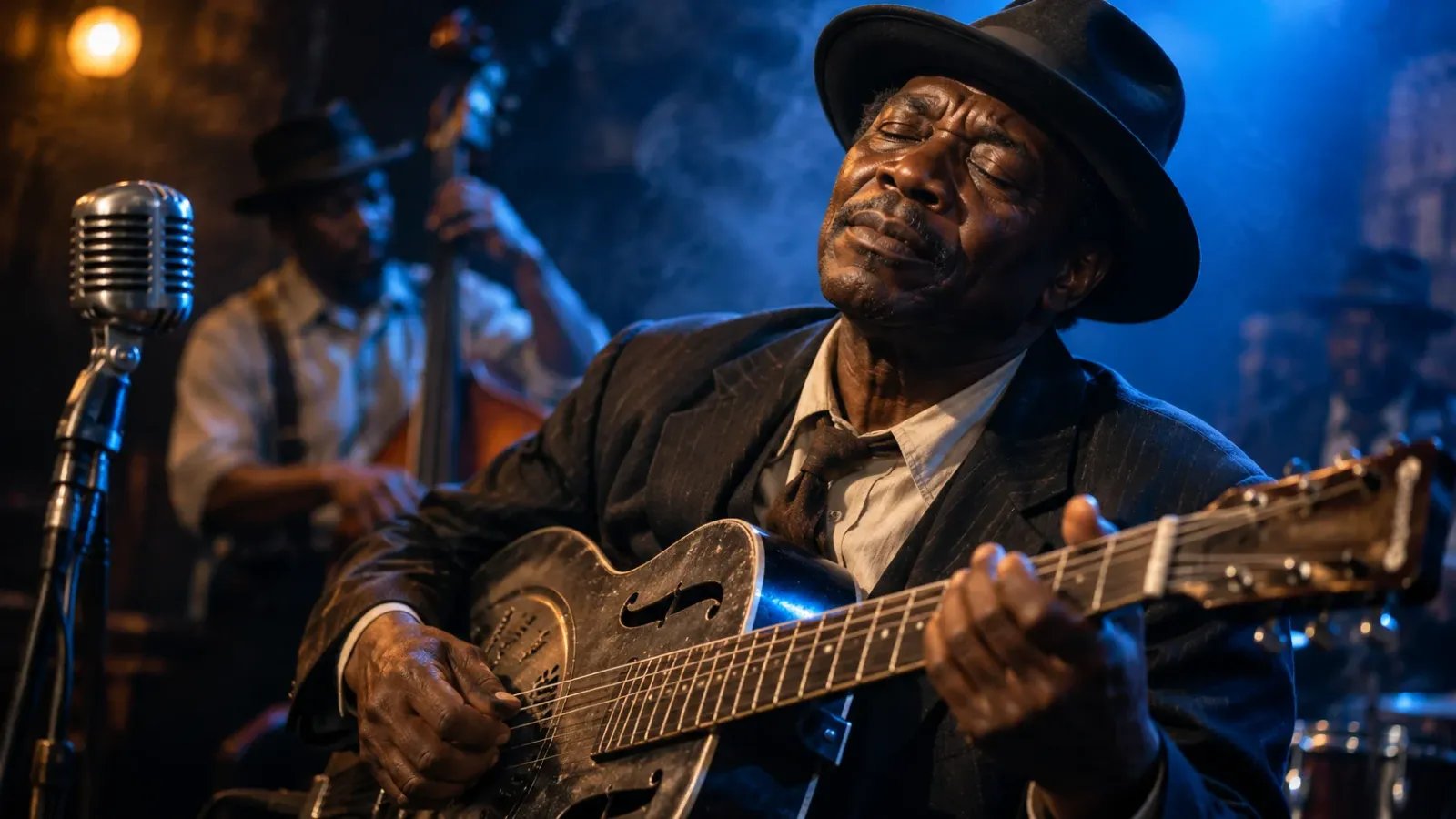
The blues began with the unaccompanied singing of enslaved African Americans and was first dominated by female vocalists. The Great Migration electrified it, and British bands of the 1960s saved it from obscurity. Its lyrics even worked as a hidden survival network during the Jim Crow era.

Read the full article →
The Syncopated Revolution: 15 Fascinating Facts About Jazz Music

Jazz Music

New Orleans, late 1800s

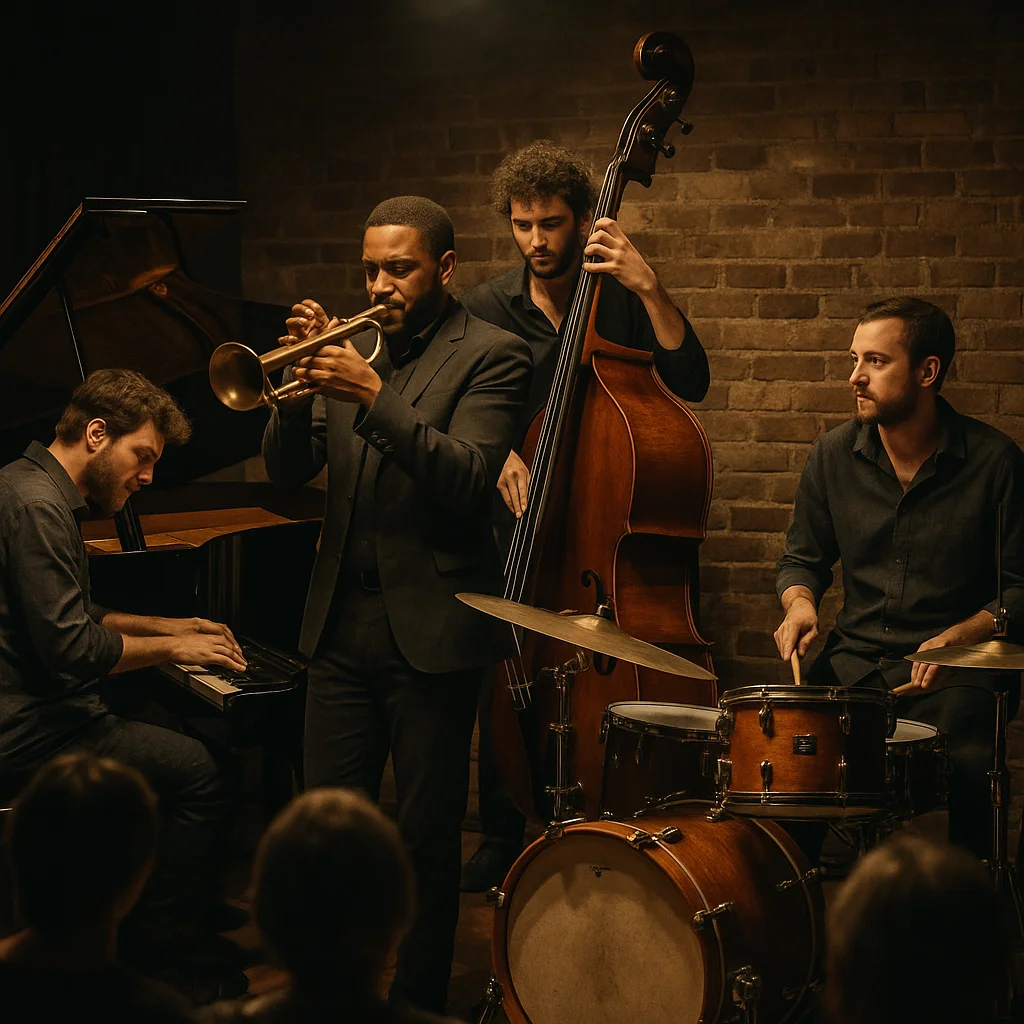
The first jazz record was made by an all-white group who spelled it "jass". Benny Goodman broke barriers at Carnegie Hall in 1938, and Duke Ellington treated his whole orchestra as his instrument. Early radio censored jazz amid a moral panic.

Read the full article →

Quiz: how much of that stuck?

8 questions, every answer is somewhere above.

Soul, Jazz and Blues Legends 0 / 8

1. Whose place did Aretha Franklin take at the 1998 Grammys with less than 20 minutes' notice?

2. Who originally wrote and recorded "Respect"?

3. Which Louis Armstrong hit ended The Beatles' run at number one in 1964?

4. Who gave Ray Charles the nickname "The Genius"?

5. What launched Ella Fitzgerald's career at the Apollo Theater?

6. Which Indian musician did John Coltrane name his son after?

7. For which guitarist was Stevie Wonder's "Superstition" originally written?

8. What did the first jazz record spell the word "jazz" as?

Frequently asked

What is the difference between blues, jazz and soul?

The blues grew from the vocal traditions of enslaved African Americans and is built on the twelve-bar progression and blue notes. Jazz developed in New Orleans and adds syncopation and improvisation. Soul, pioneered by Ray Charles, combined gospel singing with the blues and became the sound of Motown and Atlantic Records.

Who is the Queen of Soul?

Aretha Franklin. She won 18 Grammy Awards, was the first woman inducted into the Rock and Roll Hall of Fame, and her voice was declared a natural resource by the state of Michigan.

Where did scat singing come from?

Louis Armstrong popularized scat singing, reportedly after dropping his sheet music during a recording and improvising nonsense syllables. Ella Fitzgerald later developed it into an art form by imitating bebop horn lines with her voice.

How did the blues influence rock music?

British bands of the 1960s fell in love with American blues records and built rock music on them. The British Invasion is even credited with saving the blues from obscurity by sending American audiences back to its original artists.

Which of these artists were blind?

Ray Charles lost his sight by the age of seven and refused canes and guide dogs, and Stevie Wonder became blind as a premature baby because of retinopathy of prematurity. Both became multi-instrumentalists with perfect musical memories.

Keep going

Enjoyed these facts? There's more! 💌

Fresh fun facts in your inbox. No spam, ever.