15 Fun Facts
🎲
Music

Classical Composers and Opera

Nine great composers, from Bach and Mozart to Beethoven, Chopin, Wagner, Dvořák and Stravinsky, plus the strange history of opera and the secrets of the Stradivarius violin.

Updated November 3, 2026 · 11 items · 165 facts in the linked articles · Reading time 4 min

Classical music can seem formal and remote, but the people who wrote it led anything but quiet lives. This collection follows nine composers across three centuries, from Johann Sebastian Bach, whose death in 1750 is used to mark the end of the Baroque era, through Mozart and Beethoven to the Romantics Chopin, Brahms, Dvořák, Verdi and Wagner, and finally Igor Stravinsky, whose Rite of Spring provoked a riot in 1913. Two more articles look at opera itself and at the legendary violins of Antonio Stradivari.

Their lives are full of drama. Bach was jailed for trying to quit his job, Mozart wrote down a closely guarded Vatican score after hearing it once, and Beethoven conducted the premiere of his Ninth Symphony when he was completely deaf. Chopin's heart was smuggled from Paris to Warsaw in a jar of cognac, and Wagner fled an arrest warrant after taking part in a revolution.

They were also wonderfully human. Beethoven counted out exactly sixty coffee beans for every cup, Dvořák was an obsessive trainspotter who loved pigeons, Brahms grew his famous beard only at 45, and Verdi considered a retirement home for poor musicians, not any of his operas, to be his greatest work. Stravinsky was paid just $6,000 when Disney used The Rite of Spring in Fantasia, and he hated the result.

Their music has travelled further than they could have imagined: Neil Armstrong took Dvořák's New World Symphony to the Moon. Choose a composer below and read fifteen facts about his life.
The short version

Every item on this page, with the one fact most people get wrong about it.

Name Where you'll meet it The fact worth knowing
Wolfgang Amadeus Mozart Salzburg and Vienna, 1756-1791 He wrote down a closely guarded Vatican score after hearing it just once.
Ludwig van Beethoven Bonn and Vienna, 1770-1827 He conducted the premiere of his Ninth Symphony when he was completely deaf.
Johann Sebastian Bach Leipzig, 1685-1750 He walked about 250 miles to hear the organist Dieterich Buxtehude play.
Johannes Brahms Hamburg and Vienna, 1833-1897 He spent more than twenty years on his First Symphony.
Frédéric Chopin Warsaw and Paris, 1810-1849 His heart was smuggled from Paris to Warsaw in a jar of cognac.
Antonín Dvořák Bohemia and New York, 1841-1904 Neil Armstrong took a recording of his New World Symphony on Apollo 11.
Giuseppe Verdi Busseto, Italy, 1813-1901 He considered a retirement home for poor musicians his greatest masterpiece.
Richard Wagner Leipzig and Bayreuth, 1813-1883 His Ring cycle takes about fifteen hours to perform in full.
Igor Stravinsky St Petersburg to Hollywood, 1882-1971 The premiere of The Rite of Spring in 1913 ended in a riot.
Opera Italy, late 1500s The horned Viking helmet comes from a single costume designer's mistake in 1876.
Stradivarius Violins Cremona, Italy, 1600s-1700s The Lady Blunt Stradivarius sold for a record $15.9 million in 2011.

Record holders

Longest Opera Cycle

~15 hours

Wagner's Ring cycle of four operas takes about fifteen hours to perform in full. Richard Wagner

Most Valuable Violin

$15.9 million

The Lady Blunt Stradivarius sold for a record $15.9 million in 2011, raising money for Japanese earthquake relief. Stradivarius Violins

Biggest Pay Rise

~25x

Dvořák's $15,000 salary in New York was roughly 25 times what he earned as a professor in Prague. Antonín Dvořák

Biggest Family

20 children

Bach fathered twenty children across two marriages, and several became famous composers themselves. Johann Sebastian Bach

All 11, one fact at a time

The Unrivaled Prodigy: 15 Fascinating Facts About Wolfgang Amadeus Mozart

Wolfgang Amadeus Mozart

Salzburg and Vienna, 1756-1791

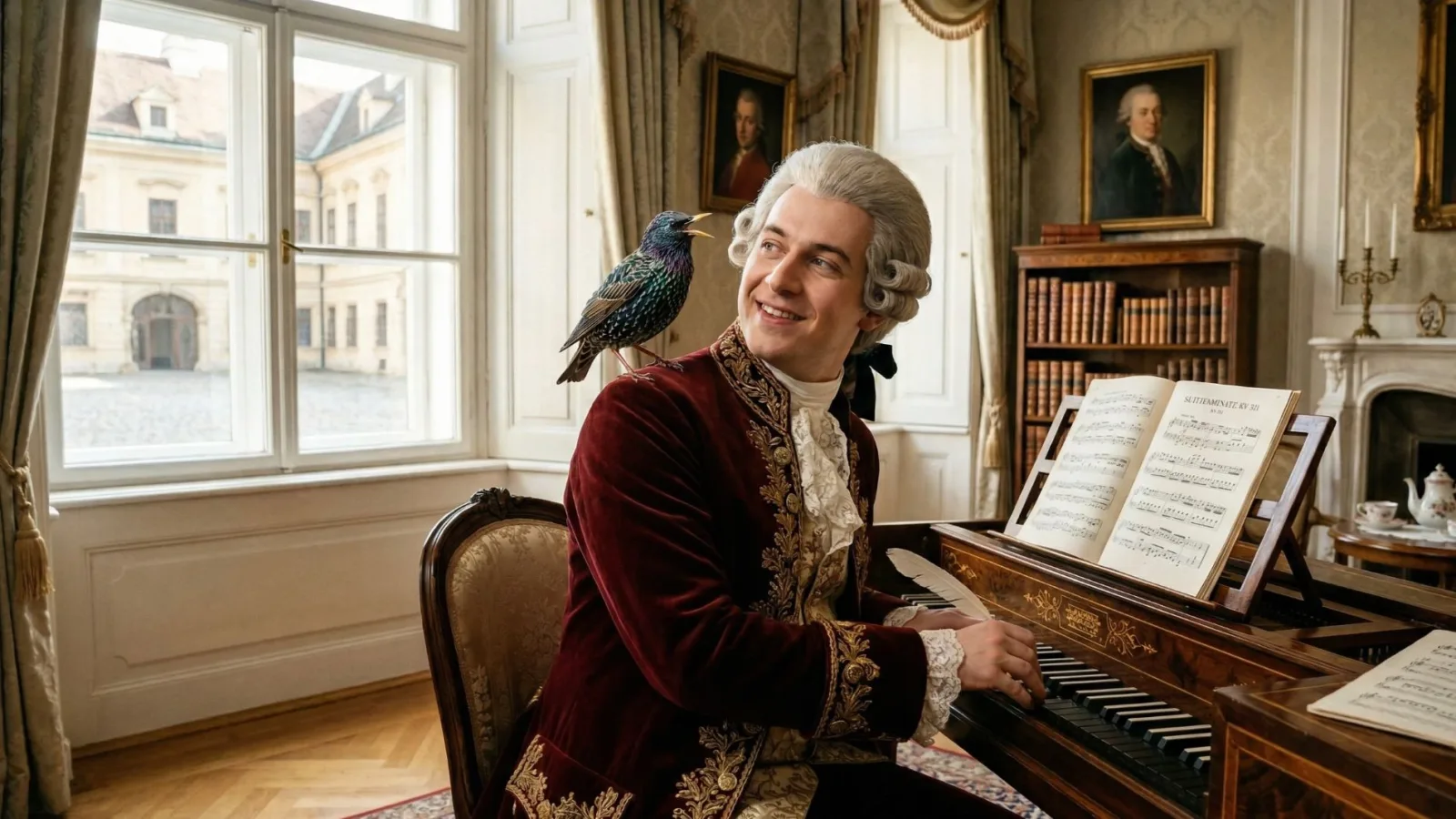
Mozart's childhood tours nearly killed him, and his letters were full of crude toilet humour. He owned a pet starling that whistled one of his concertos and almost never called himself "Amadeus". Salieri did not poison him, and he was not buried in a pauper's grave.

Read the full article →
The Tempestuous Titan: 15 Fascinating Facts About Ludwig van Beethoven

Ludwig van Beethoven

Bonn and Vienna, 1770-1827

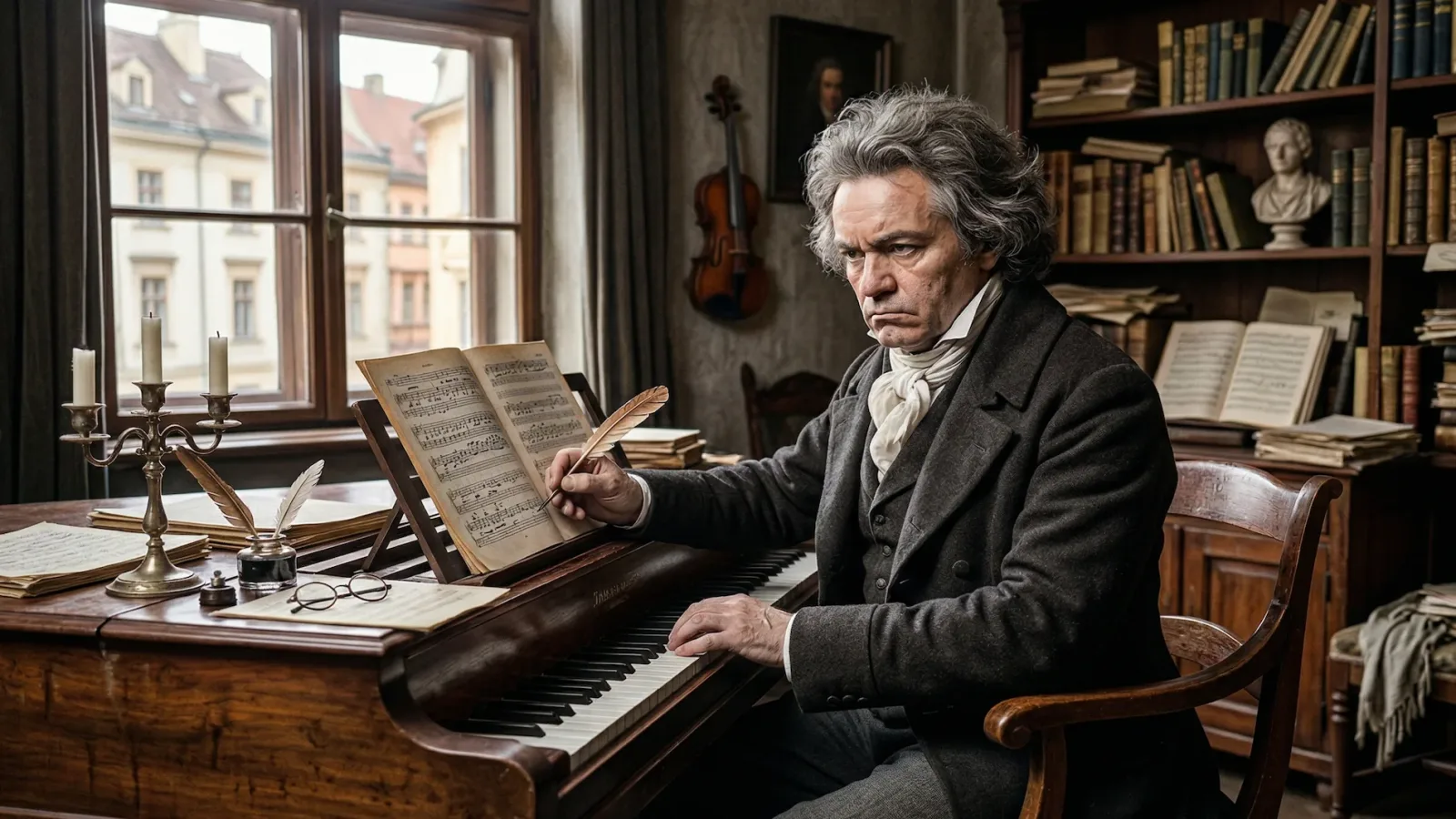
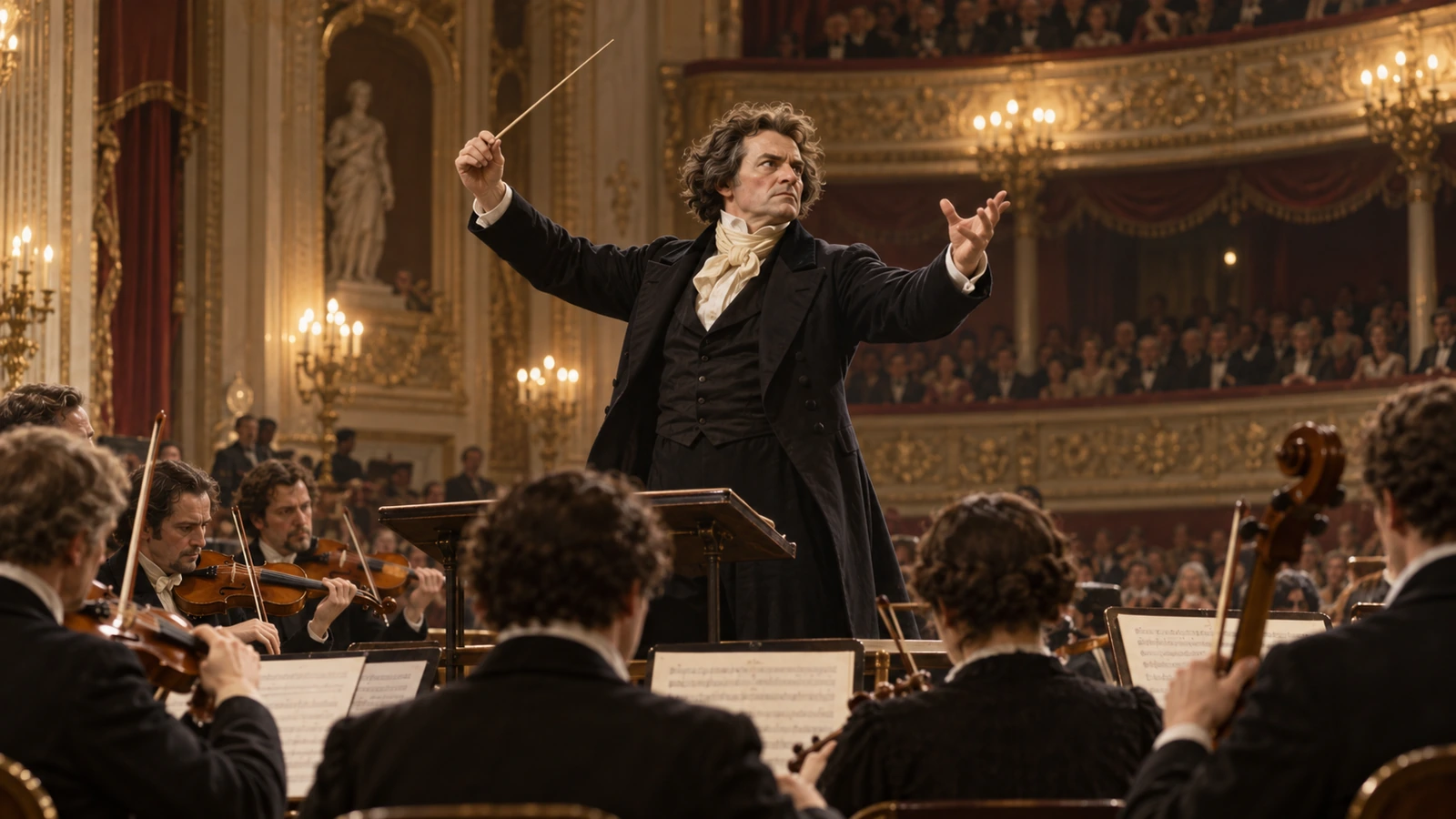
Beethoven counted out exactly sixty coffee beans for every cup and moved home more than seventy times. He used a wooden stick between his teeth to hear his piano through his bones, and DNA tests show severe lead poisoning. He tore Napoleon's name out of his Eroica score in a rage.

Read the full article →
The Master Harmonist: 15 Fascinating Facts About Johann Sebastian Bach

Johann Sebastian Bach

Leipzig, 1685-1750

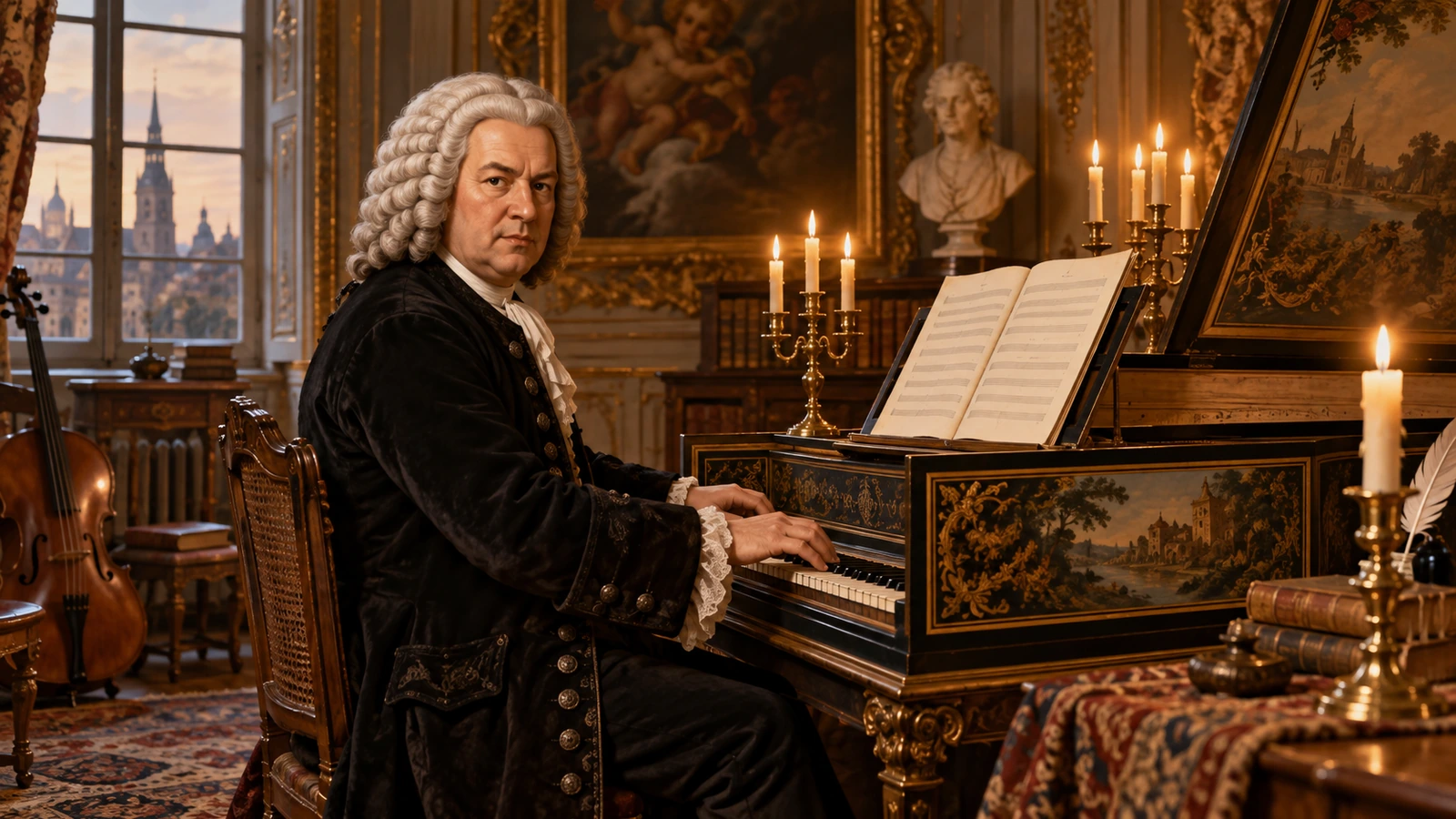
Bach was jailed for nearly four weeks for trying to quit his job and fathered twenty children. In his lifetime he was famous mainly as an organist, and his music was revived only when Mendelssohn conducted the St Matthew Passion in 1829. His death in 1750 is used to mark the end of the Baroque era.

Read the full article →
The Reluctant Master: 15 Fascinating Facts About Johannes Brahms

Johannes Brahms

Hamburg and Vienna, 1833-1897

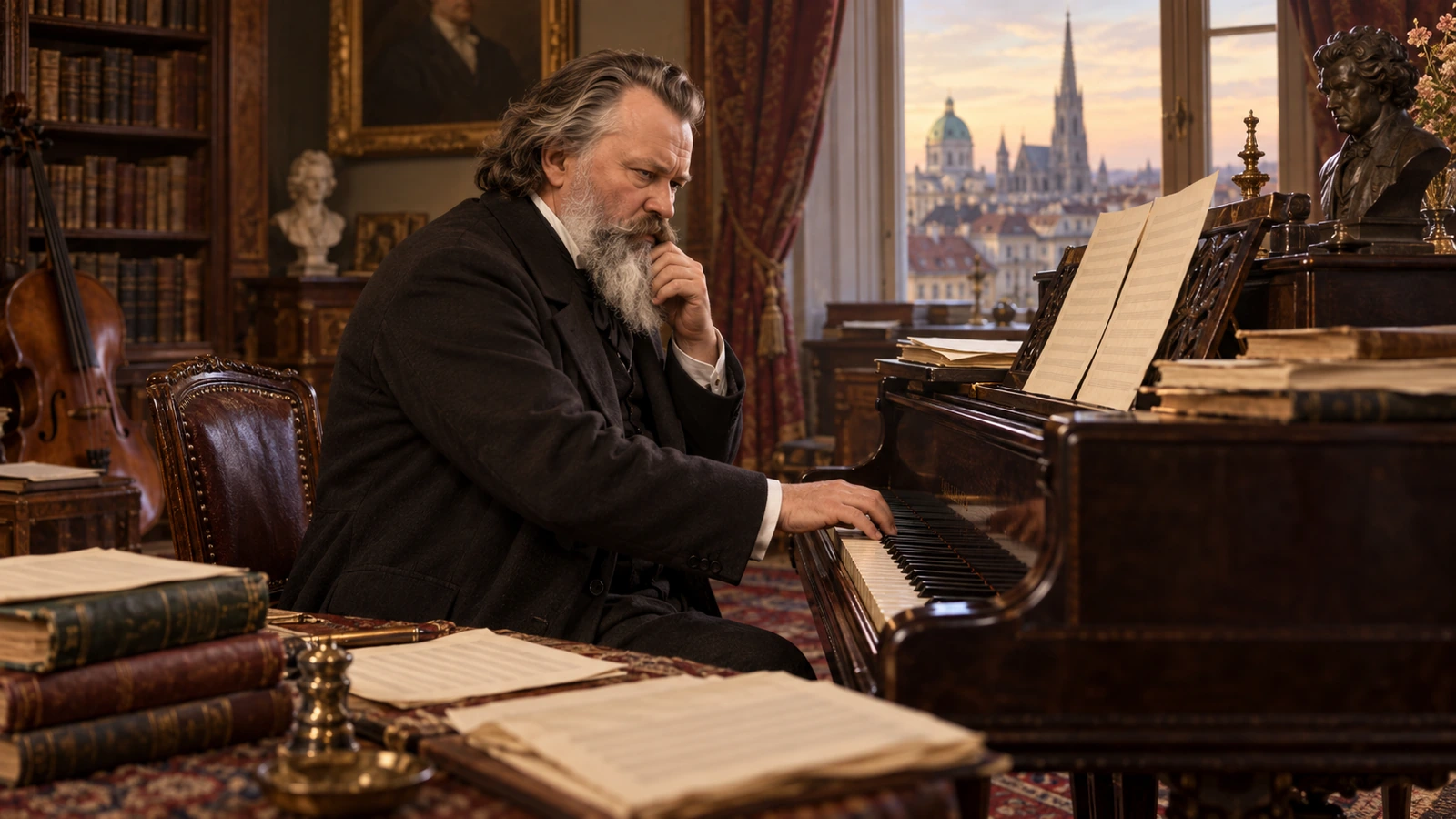
Brahms played piano in Hamburg taverns as a teenager and later destroyed any work he thought unworthy, including about twenty string quartets. His famous lullaby was written for the baby son of a friend, and he only grew his famous beard at 45. He was secretly generous to struggling musicians.

Read the full article →
The Poetic Virtuoso: 15 Fascinating Facts About Frédéric Chopin

Frédéric Chopin

Warsaw and Paris, 1810-1849

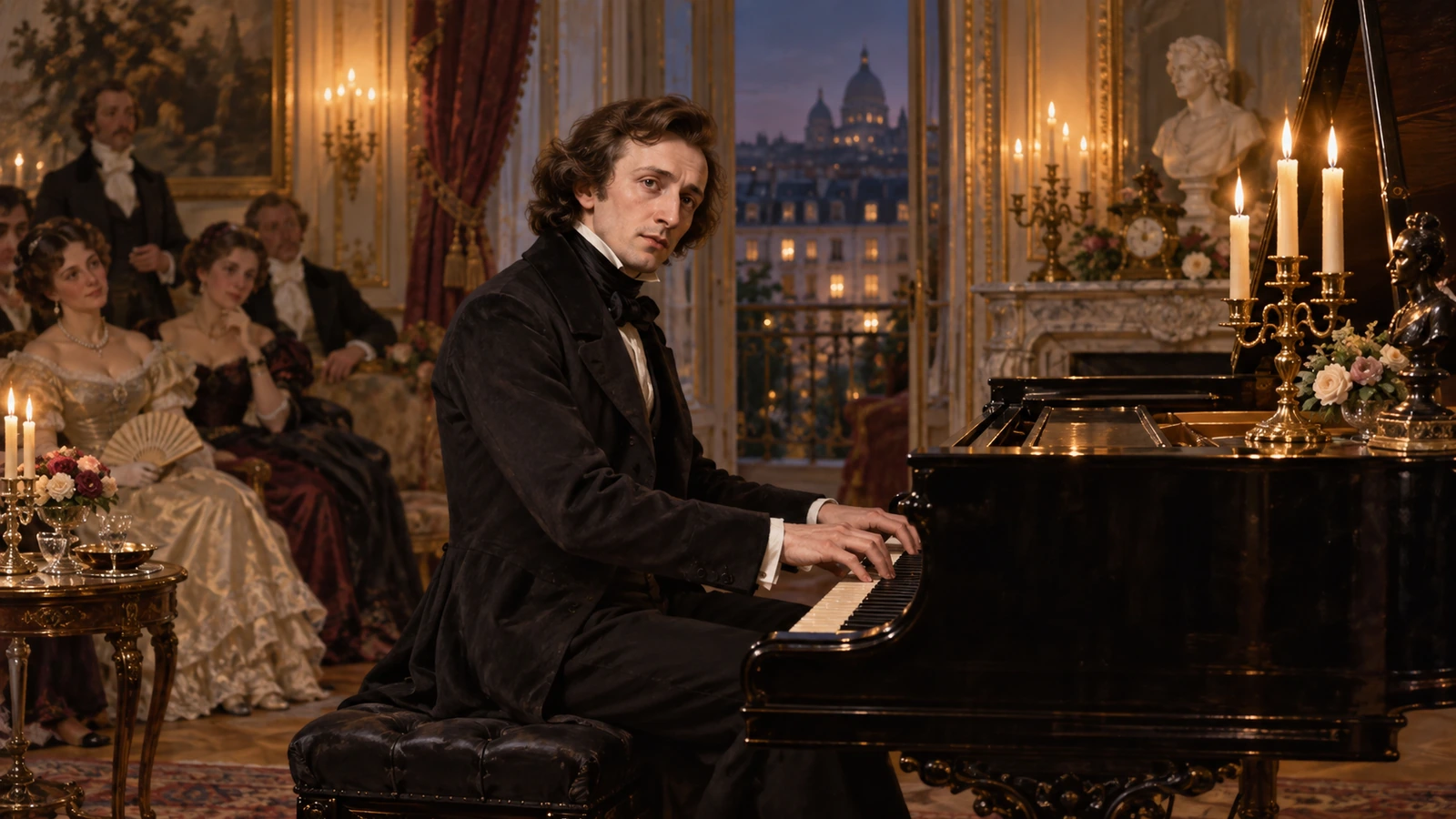
Chopin published his first composition at seven and spent his adult life in exile in Paris, carrying a jar of Polish soil. He dreaded large concert halls and gave fewer than thirty public performances. His stormy romance with the novelist George Sand inspired some of his finest music.

Read the full article →
15 Fascinating Facts About Antonín Dvořák

Antonín Dvořák

Bohemia and New York, 1841-1904

Dvořák was apprenticed as a butcher before Brahms discovered his talent. In New York he earned $15,000 a year, about 25 times his Prague salary, and spent a happy summer in Spillville, Iowa. He was an obsessive trainspotter and loved his pigeons.

Read the full article →
The Maestro: 15 Fascinating Facts About Giuseppe Verdi

Giuseppe Verdi

Busseto, Italy, 1813-1901

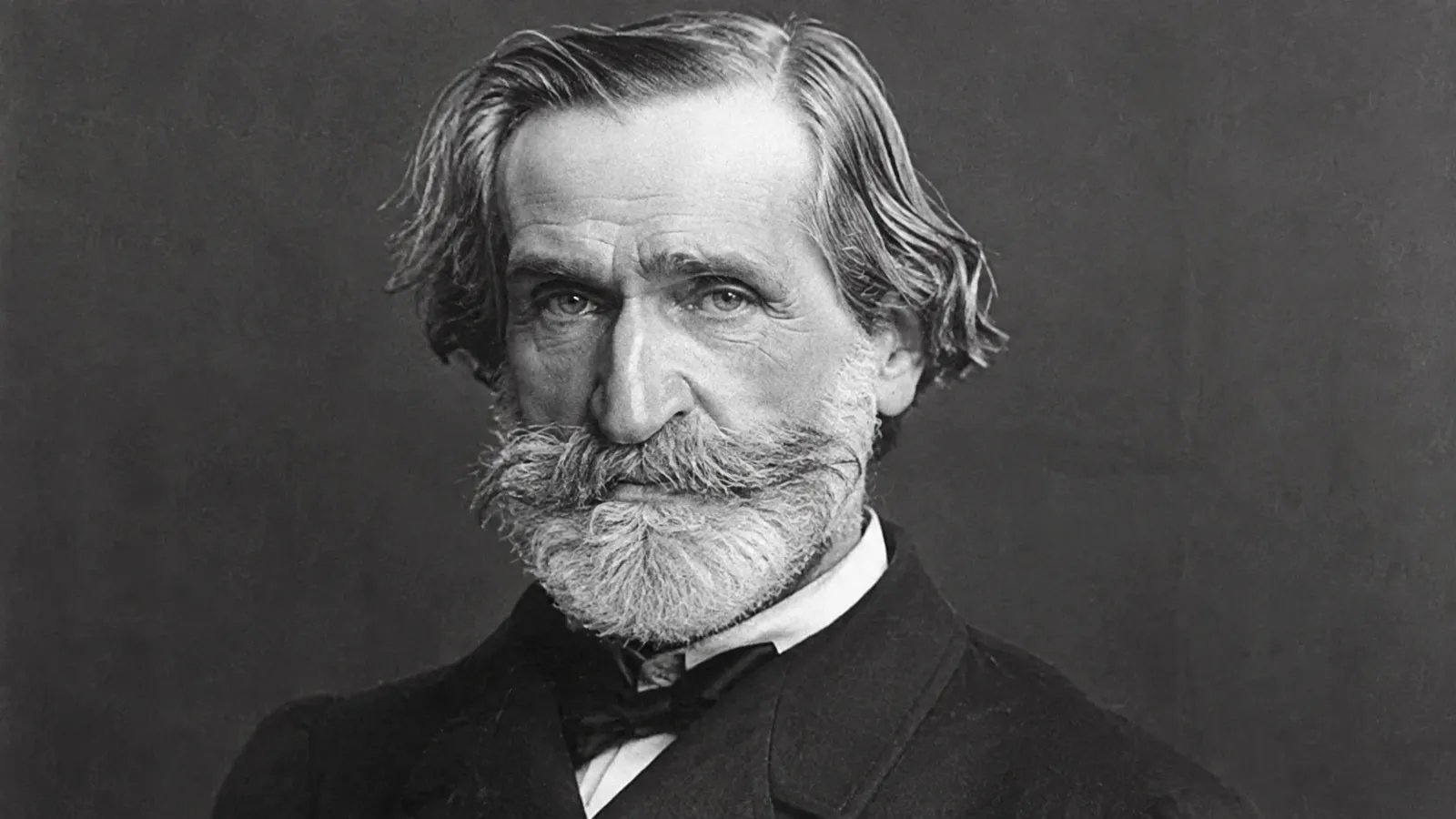
Verdi was rejected by the Milan Conservatory for being too old, and La Traviata, now the world's most performed opera, failed at its premiere. He rented every barrel organ in town to stop them playing his music. He asked for a funeral without music, then crowds gathered for the largest public assembly in Italian history.

Read the full article →
The Tempestuous Visionary: 15 Fascinating Facts About Richard Wagner

Richard Wagner

Leipzig and Bayreuth, 1813-1883

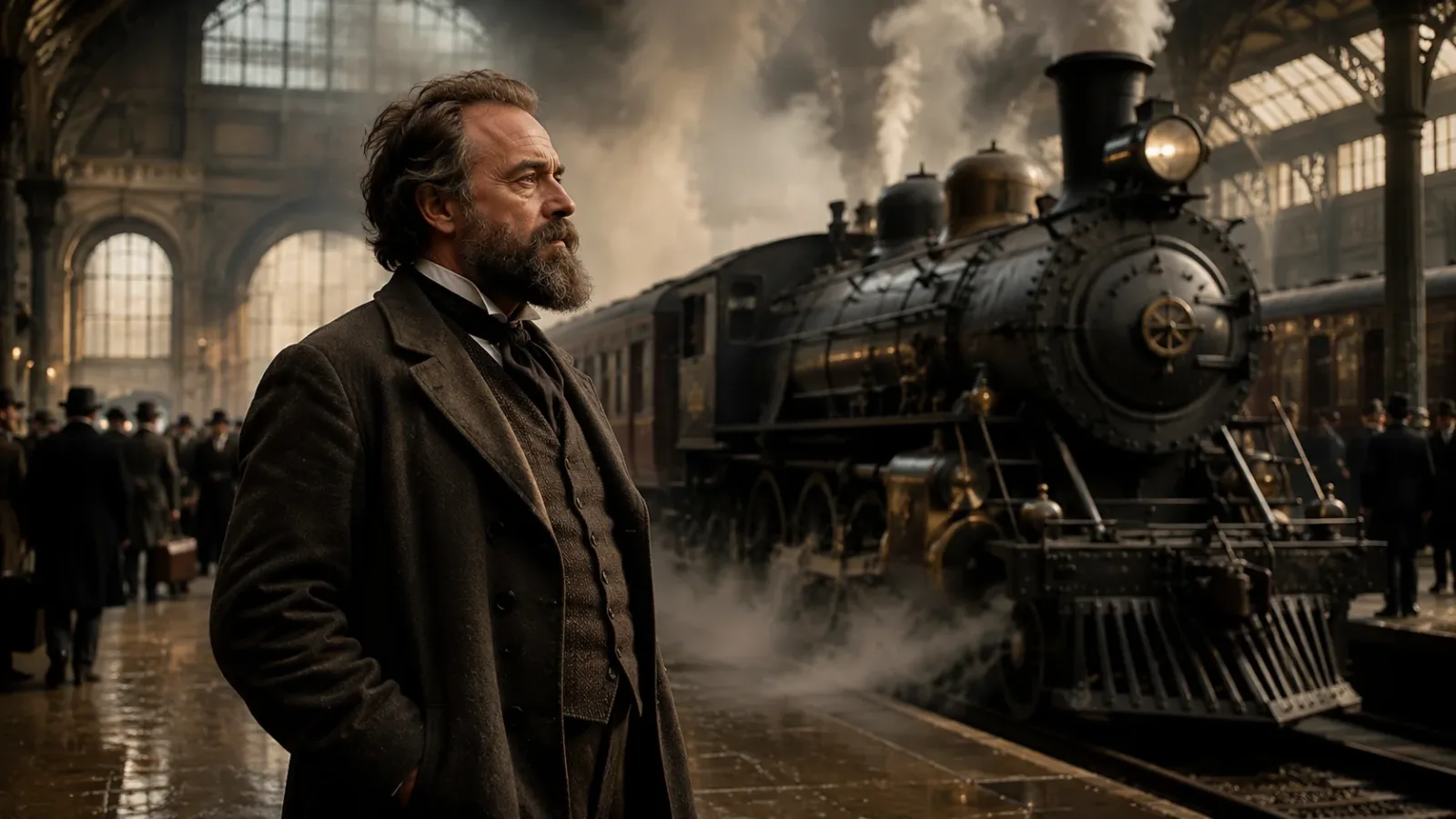
Wagner wrote every word and note of his operas and built his own theatre in Bayreuth. He fled an arrest warrant after the 1849 Dresden uprising, and King Ludwig II of Bavaria later paid off his debts. His leitmotifs laid the groundwork for modern film scores, but his antisemitic writings left a dark legacy.

Read the full article →
The Musical Renegade: 15 Fascinating Facts About Igor Stravinsky

Igor Stravinsky

St Petersburg to Hollywood, 1882-1971

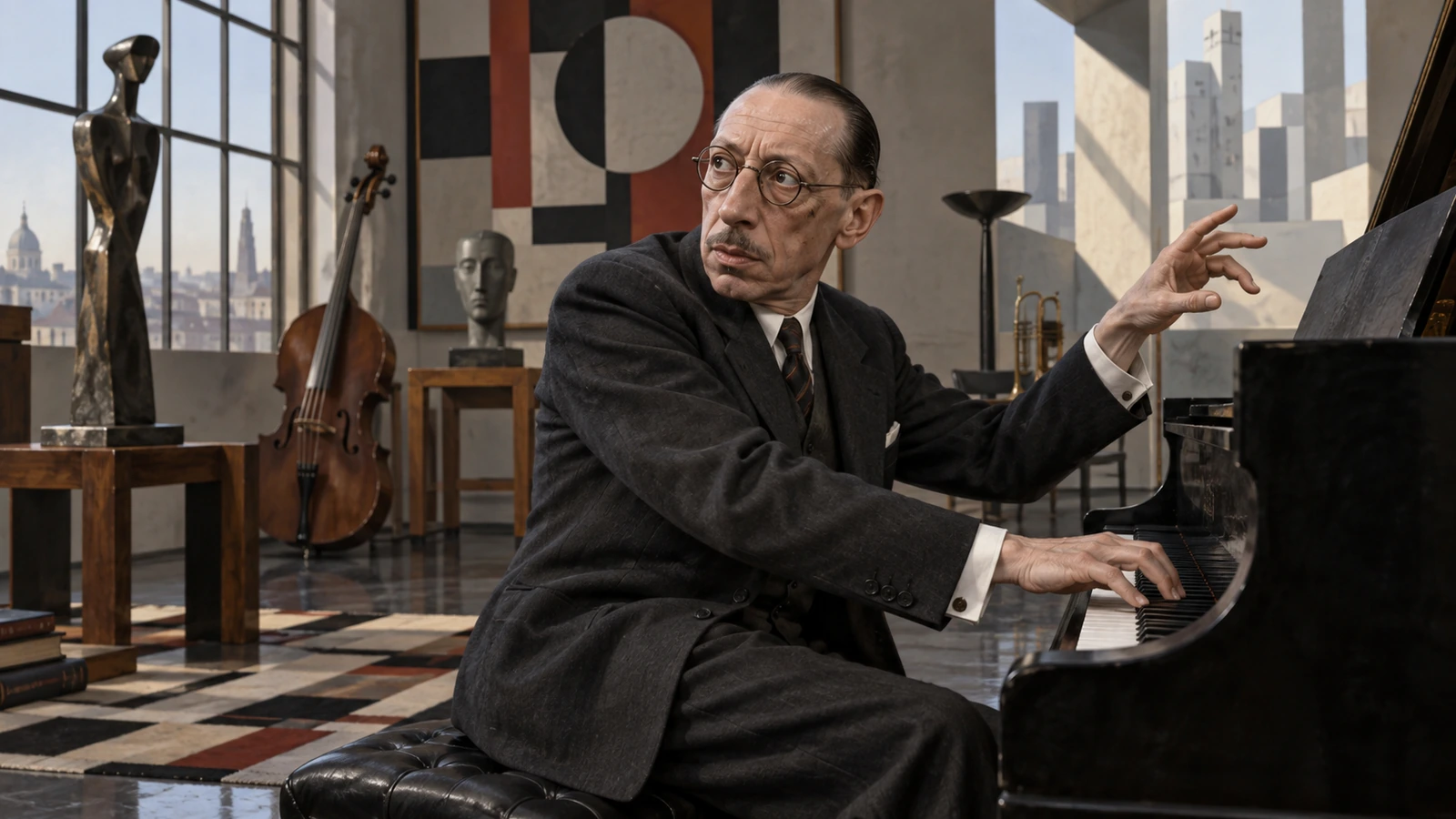
Stravinsky studied law to please his parents and reinvented his style three times. Disney paid him just $6,000 to use The Rite of Spring in Fantasia, and he hated the result. He spent nearly three decades living in Hollywood and held the citizenship of four countries.

Read the full article →
The Magnificent Spectacle: 15 Fascinating Facts About Opera

Opera

Italy, late 1500s

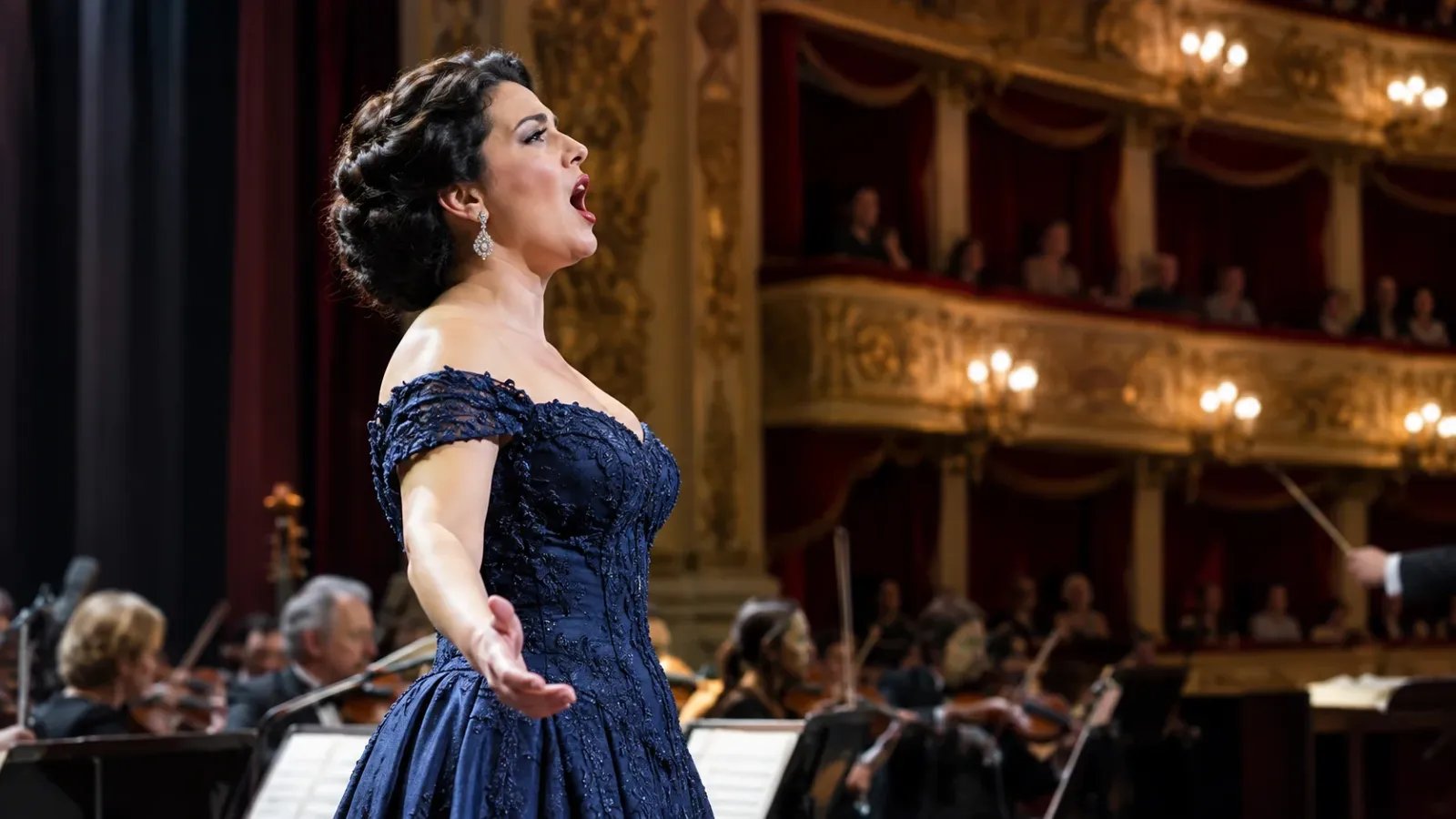
Opera began in the late 16th century as an attempt to recreate ancient Greek drama, and its word simply means "works" in Latin. Its first superstars were castrati, and one premiere even sparked the Belgian Revolution. Singers fill a hall without microphones thanks to the "singer's formant".

Read the full article →
The Resonant Masterpieces: 15 Fascinating Facts About Stradivarius Violins

Stradivarius Violins

Cremona, Italy, 1600s-1700s

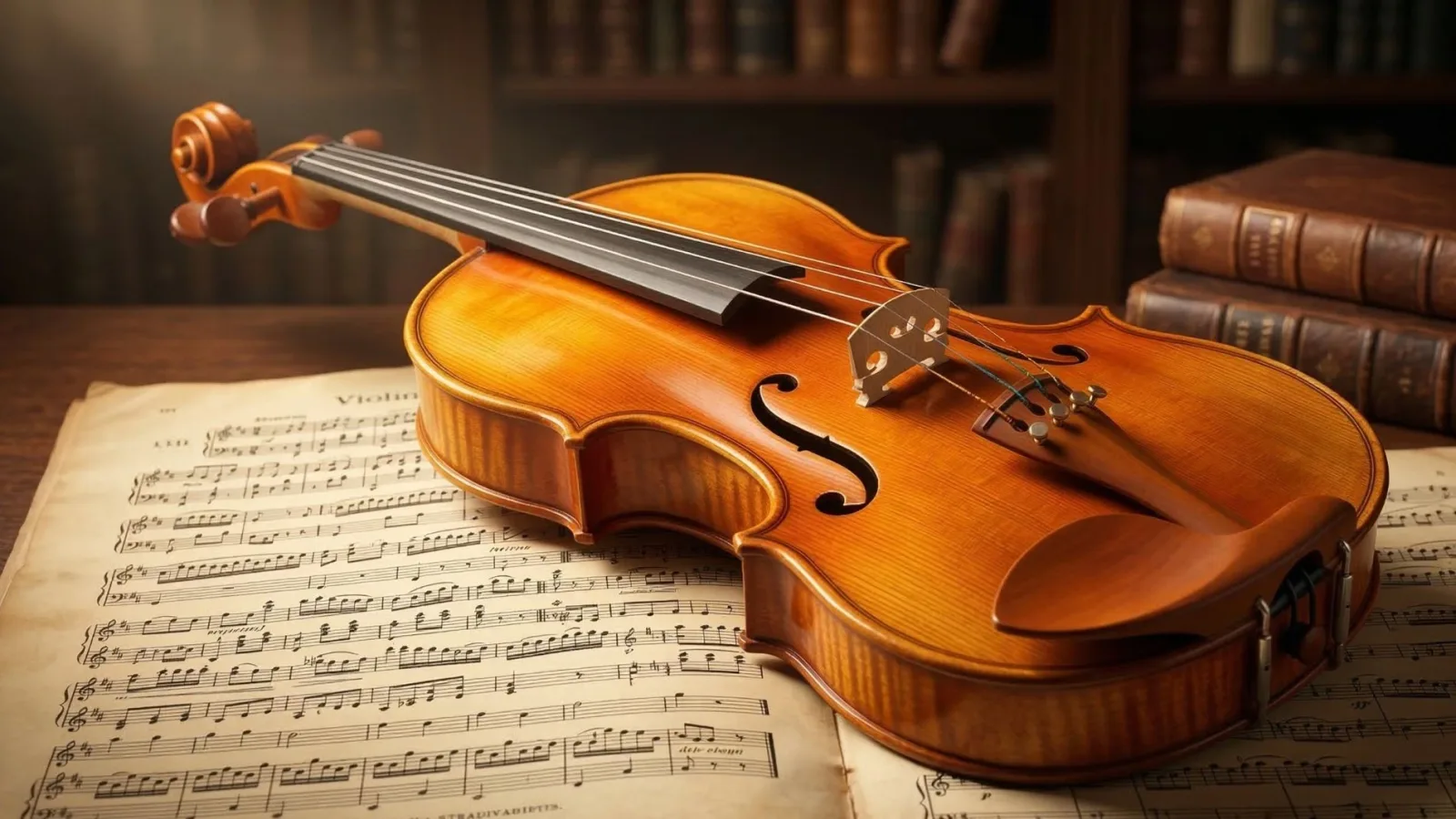
Antonio Stradivari made about 1,200 instruments, of which only around 600 survive. Wood densified by the Little Ice Age and chemical pest treatments may explain part of their sound. Each instrument has a name instead of a serial number, and CT scanners now map their insides.

Read the full article →

Quiz: how much of that stuck?

8 questions, every answer is somewhere above.

Classical Composers and Opera 0 / 8

1. How many coffee beans did Beethoven count out for each cup?

2. Why was Bach imprisoned in 1717?

3. What pet did Mozart own that whistled one of his concertos?

4. Where is Chopin's heart kept today?

5. Which hobby was Antonín Dvořák famous for?

6. What caused a riot in Paris in 1913?

7. Which king rescued Richard Wagner from financial ruin?

8. What does the word "opera" literally mean in Latin?

Frequently asked

Did Salieri really poison Mozart?

No. The rivalry made famous by the film Amadeus is largely fiction, and there is no evidence that Antonio Salieri poisoned Mozart. Mozart was also not buried in a pauper's grave, despite the popular legend.

How did Beethoven compose when he was deaf?

He used bone conduction, clenching a wooden rod attached to his piano between his teeth so he could feel the vibrations. Modern DNA tests show he also suffered from severe lead poisoning, which may have contributed to his hearing loss.

Why did The Rite of Spring cause a riot?

At its 1913 Paris premiere, Stravinsky's brutal rhythms, dissonant harmonies and Nijinsky's choreography of a pagan sacrifice shocked the audience. Supporters and opponents shouted, threw objects and fought in the aisles, and Stravinsky left the theatre in tears.

Are Stradivarius violins really better than modern ones?

Their reputation is legendary, but modern blind tests have challenged the myth: many professional violinists could not reliably tell a Stradivarius from a top modern instrument. Scientists point to dense wood from the Little Ice Age and chemical treatments as possible secrets.

Did opera singers really wear Viking helmets?

Only since 1876, when a costume designer for Wagner's Ring cycle gave the characters horned helmets. Real Vikings did not wear them, but the image stuck to opera ever since.

Keep going

Enjoyed these facts? There's more! 💌

Fresh fun facts in your inbox. No spam, ever.