15 Fun Facts
Animals

African Wildlife

Venture beyond the safari stereotypes and discover the astonishing biological adaptations, fierce rivalries, and complex societies of Africa's most iconic wildlife. From venom-proof mustelids to deep-rumbling giants, explore the hidden lives of the continent's most remarkable survivors.

Updated 22 September 2026 · 15 items · 225 facts in the linked articles · Reading time 8 min

African wildlife is deeply ingrained in human imagination, but beyond the polished documentaries and glowing safari brochures lies a world of breathtaking biological complexity. From the dense, mist-shrouded rainforests of the Congo basin to the sweeping golden plains of the Serengeti, these creatures are tied together by a relentless evolutionary arms race. This continent has forged some of the most extraordinary anatomical and social adaptations on Earth, pushing mammals to the absolute extremes of speed, strength, and intelligence.

This collection delves past the familiar silhouettes against the savanna sunset to reveal the shocking truths behind popular stereotypes. You will discover unexpected connections across the continent, where survival demands bizarre evolutionary trade-offs. For instance, the infamous giggling scavengers of the plains are actually highly intelligent matriarchs, and the seemingly chubby river giants are, in reality, fiercely aggressive territorial titans. Whether it is communicating through subterranean seismic rumbles or evolving an immunity to deadly neurotoxins, these animals have mastered their unforgiving environments in ways that continue to baffle and amaze biologists.

Furthermore, Africa offers a unique mirror into our own evolutionary past. The continent is home to our closest living primate relatives, whose deep emotional lives, multi-year conflicts, and complex cooperative societies force us to rethink the boundaries of what it means to be human. By comparing the divergent paths of peaceful forest dwellers with the aggressive tactics of open-plain predators, we gain a profound understanding of how environment shapes behavior.

Ready to rethink everything you thought you knew about nature's greatest theater? Dive into the hand-picked articles below to uncover the meticulously verified, science-backed truths about Africa's legendary animals and their secret lives.

The short version

Every item on this page, with the one fact most people get wrong about it.

Name Where you'll meet it The fact worth knowing
Spotted Hyenas Savanna, Sub-Saharan Africa Far from simple scavengers, hyenas are highly intelligent carnivores with complex matriarchal societies more closely related to felines than to dogs.
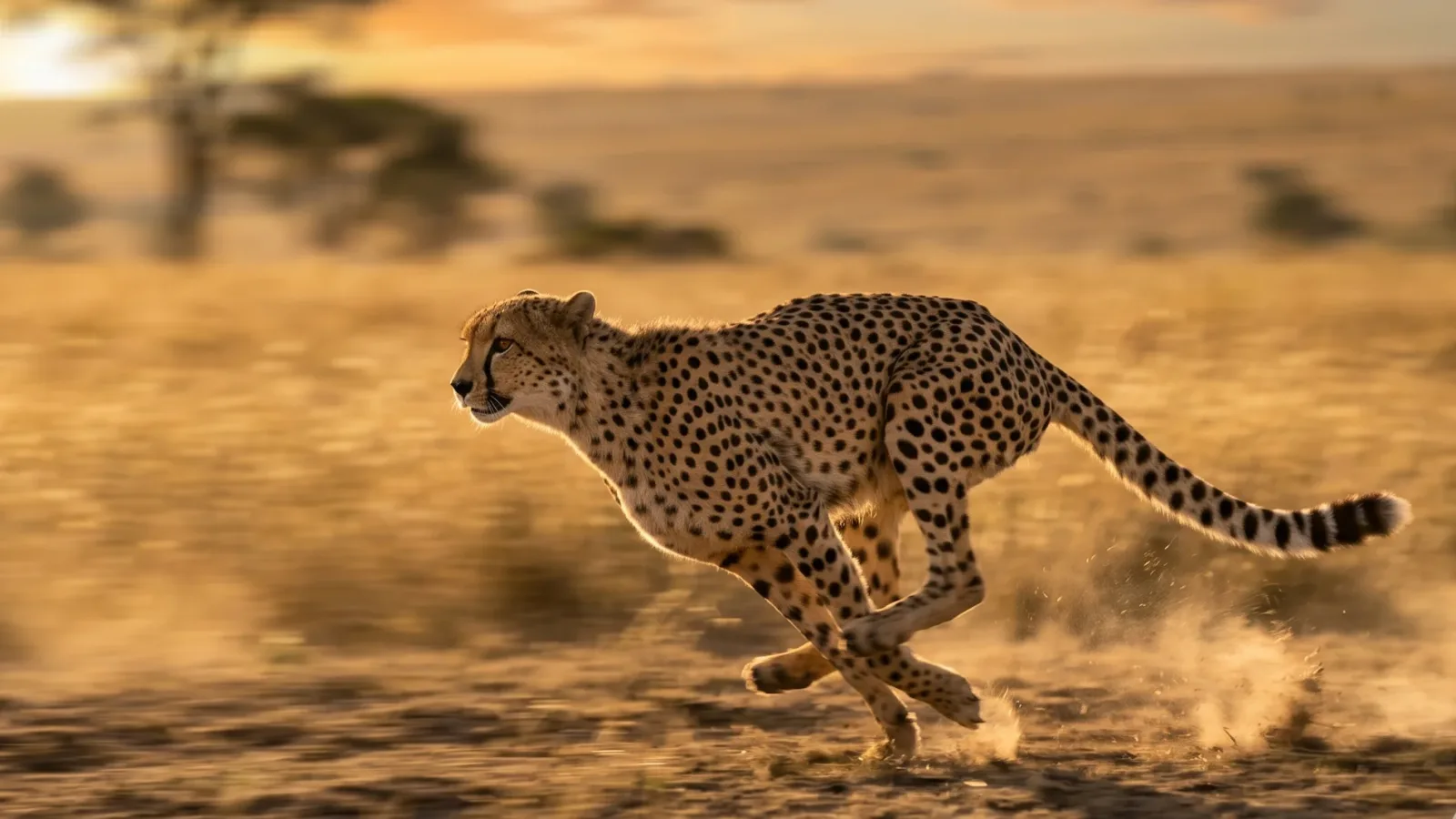
Cheetahs Open Grasslands, Savanna Nature's ultimate sprinter underwent such a severe genetic bottleneck in its evolutionary past that individual cheetahs are practically biological clones.
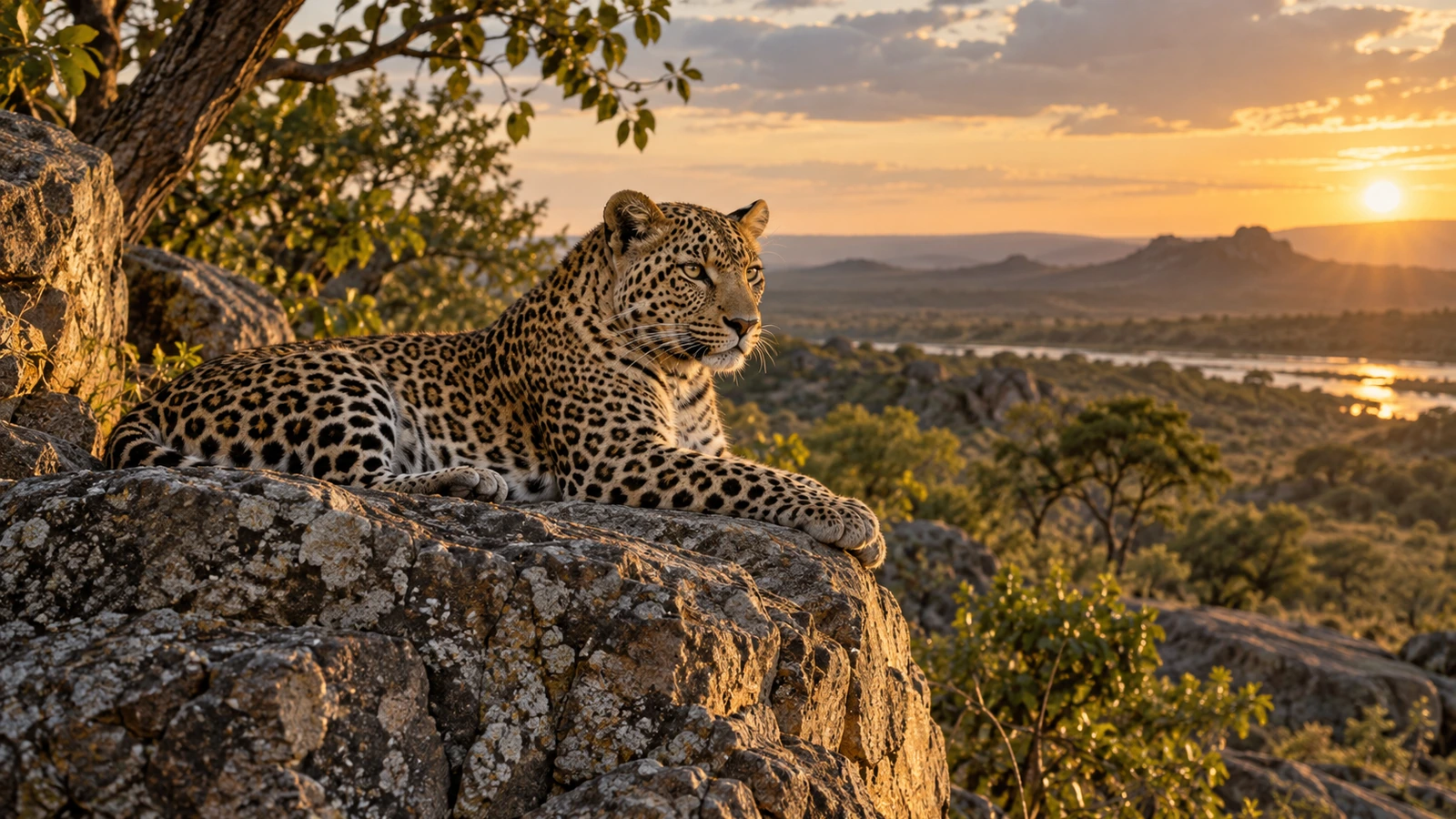
Leopards Diverse African Habitats These incredibly powerful solitary cats can haul prey heavier than their own body weight straight up vertical tree trunks to avoid thieving scavengers.
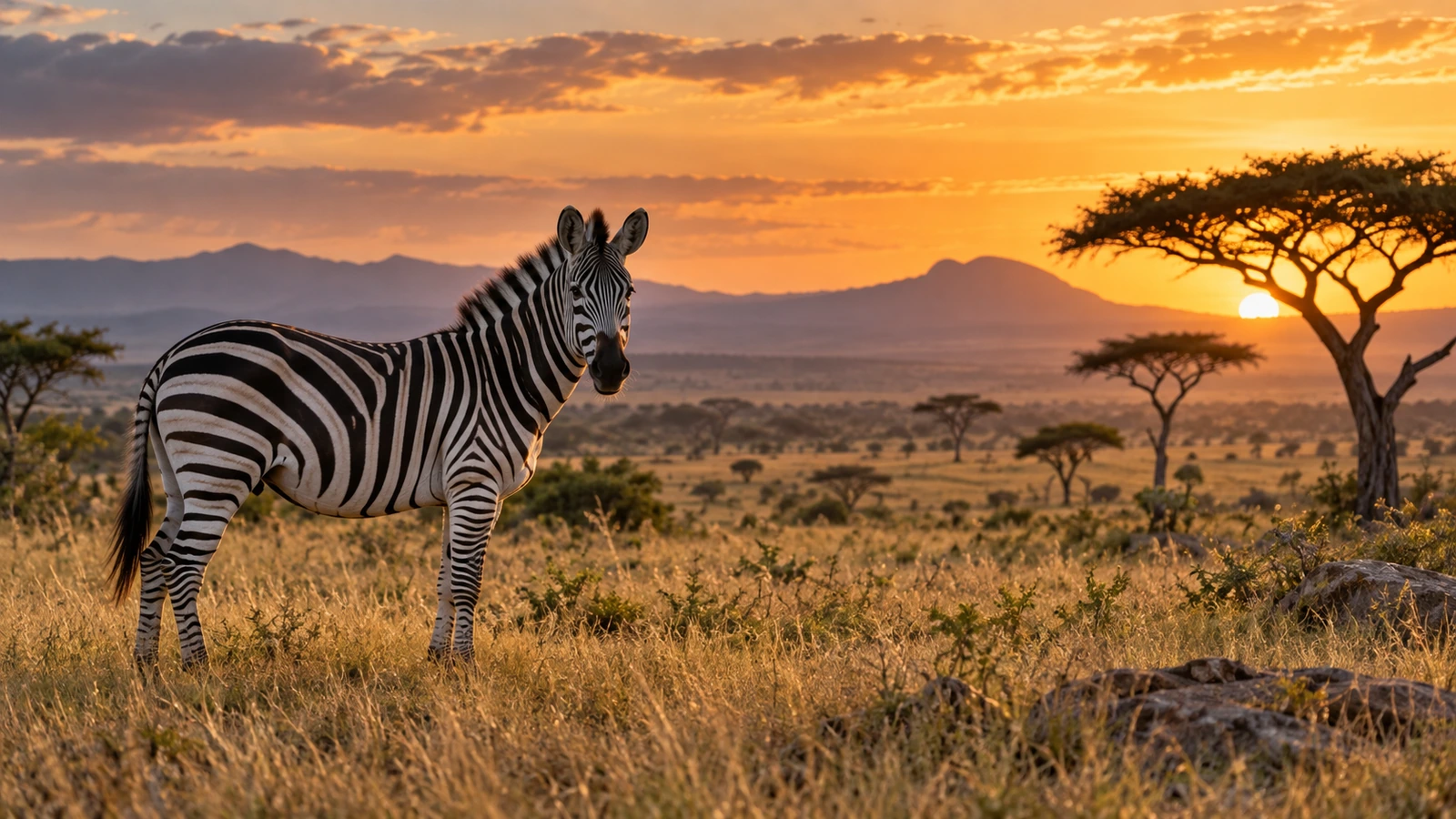
Plains Zebras Open Grasslands Beneath their mesmerizing barcodes lies a highly aggressive survivor capable of inflicting devastating, lion-shattering kicks.
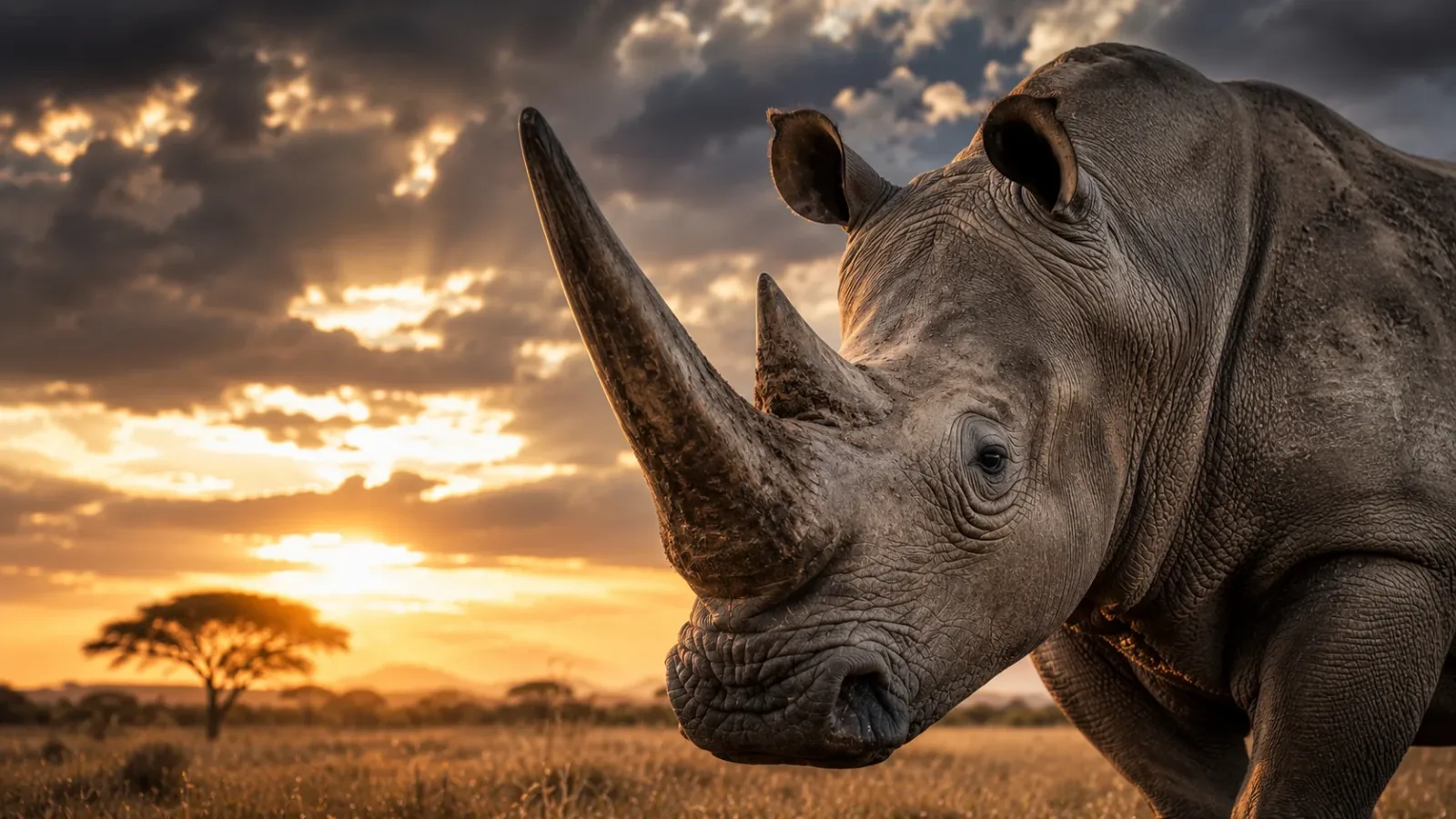
Rhinoceroses Savannas and Grasslands Despite their prehistoric armor, rhinos are highly communicative creatures that 'sing' in low frequencies similar to humpback whales.
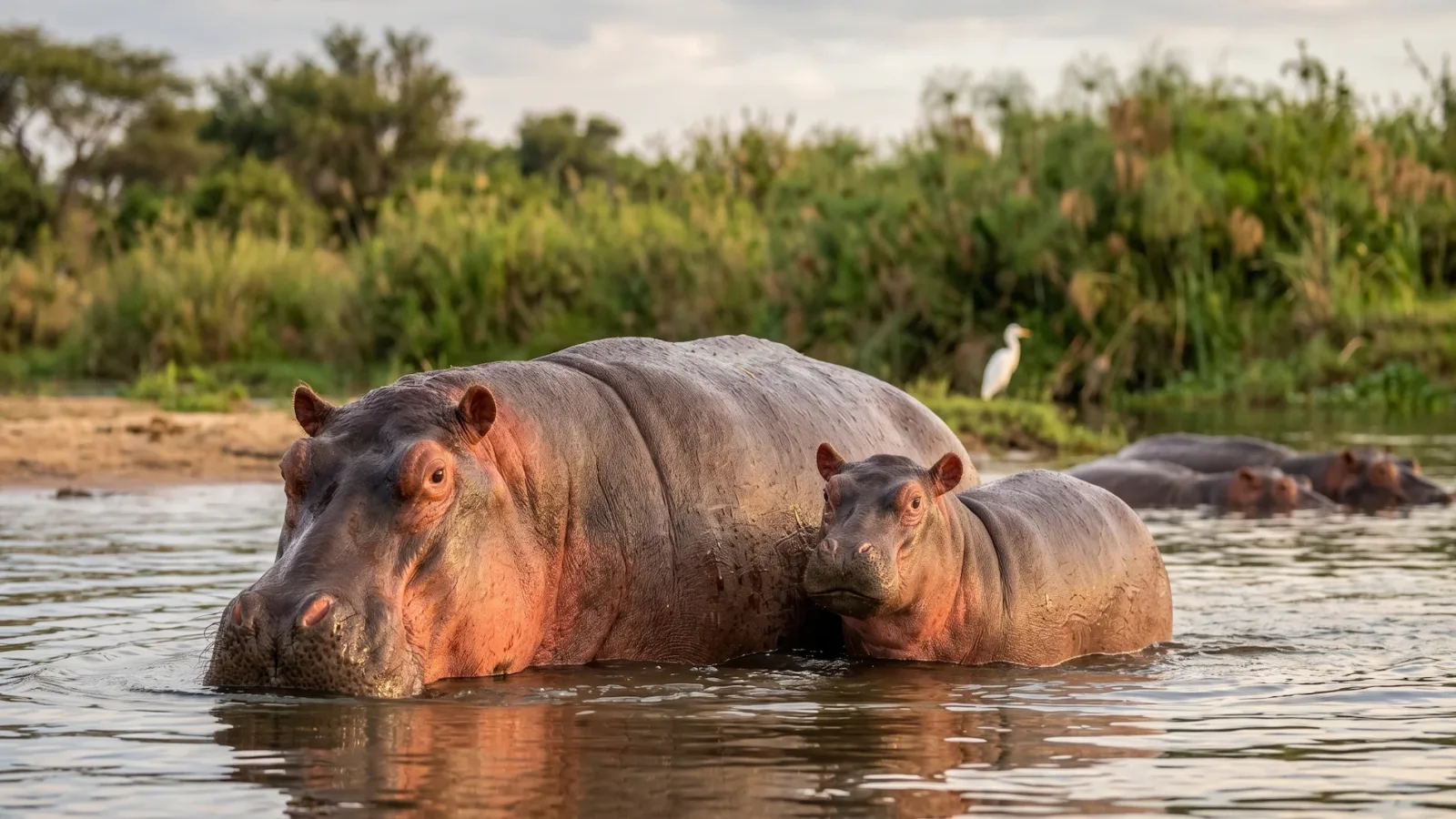
Hippopotamuses Rivers and Lakes Don't let their cartoonish appearance fool you; hippos are among the most aggressive, dangerous, and fiercely territorial animals on the continent.
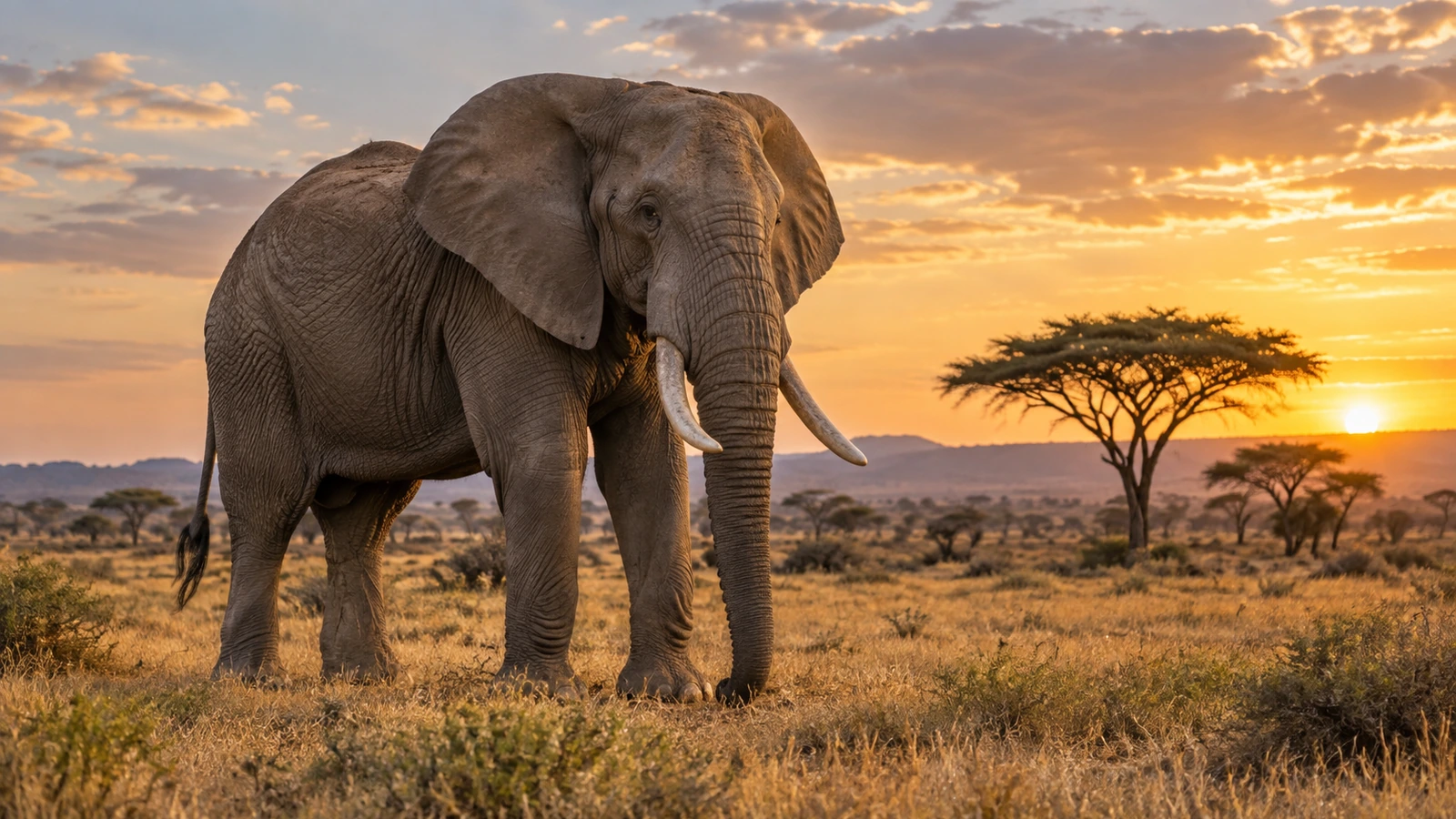
African Elephants Savannas and Forests Elephants can communicate across miles of open land using hidden, low-frequency seismic vibrations felt exclusively through the sensitive pads of their feet.
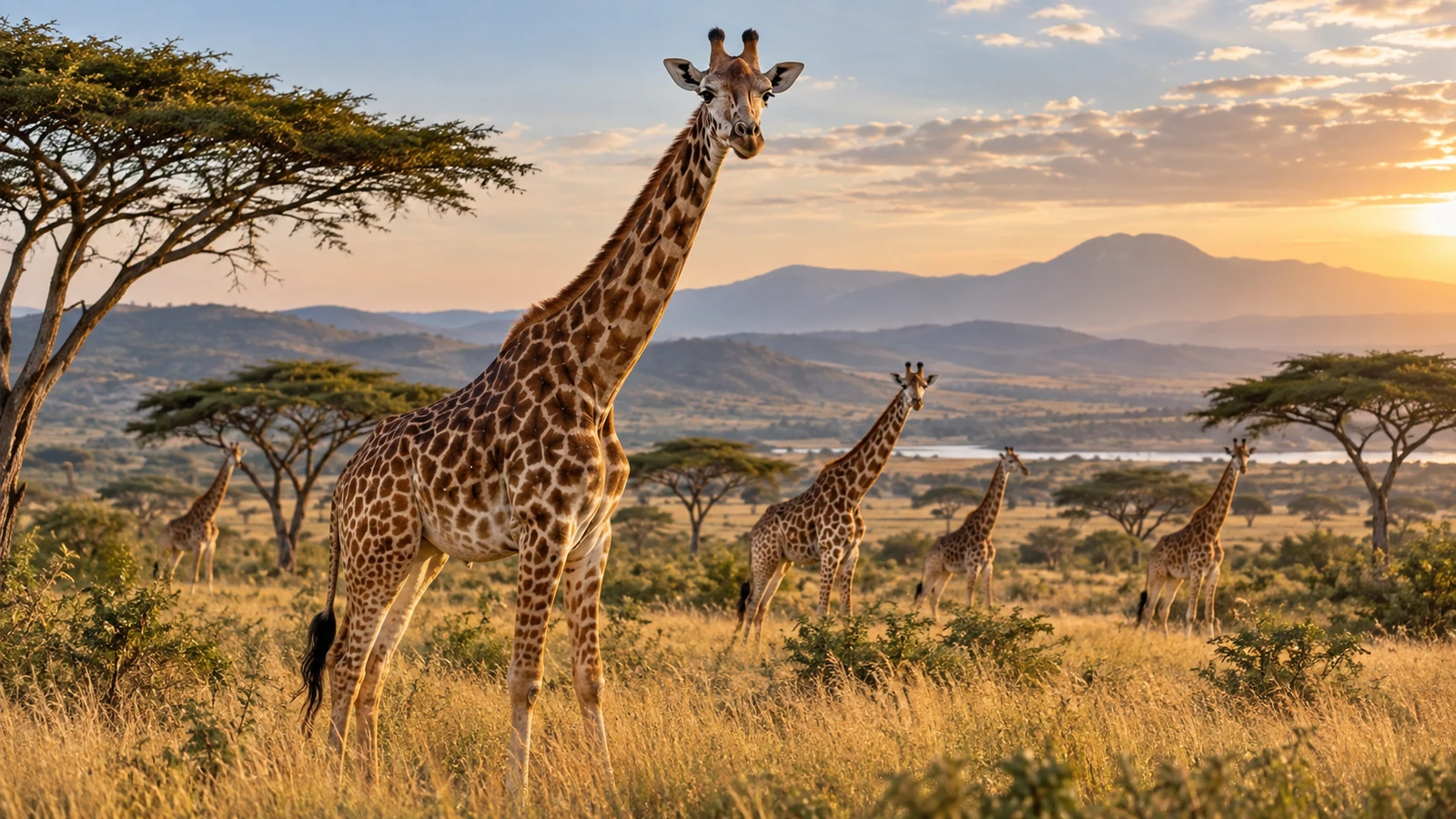
Giraffes Woodlands and Savannas To pump blood all the way up their towering necks, giraffes rely on massive, high-pressure hearts that essentially defy the laws of gravity.
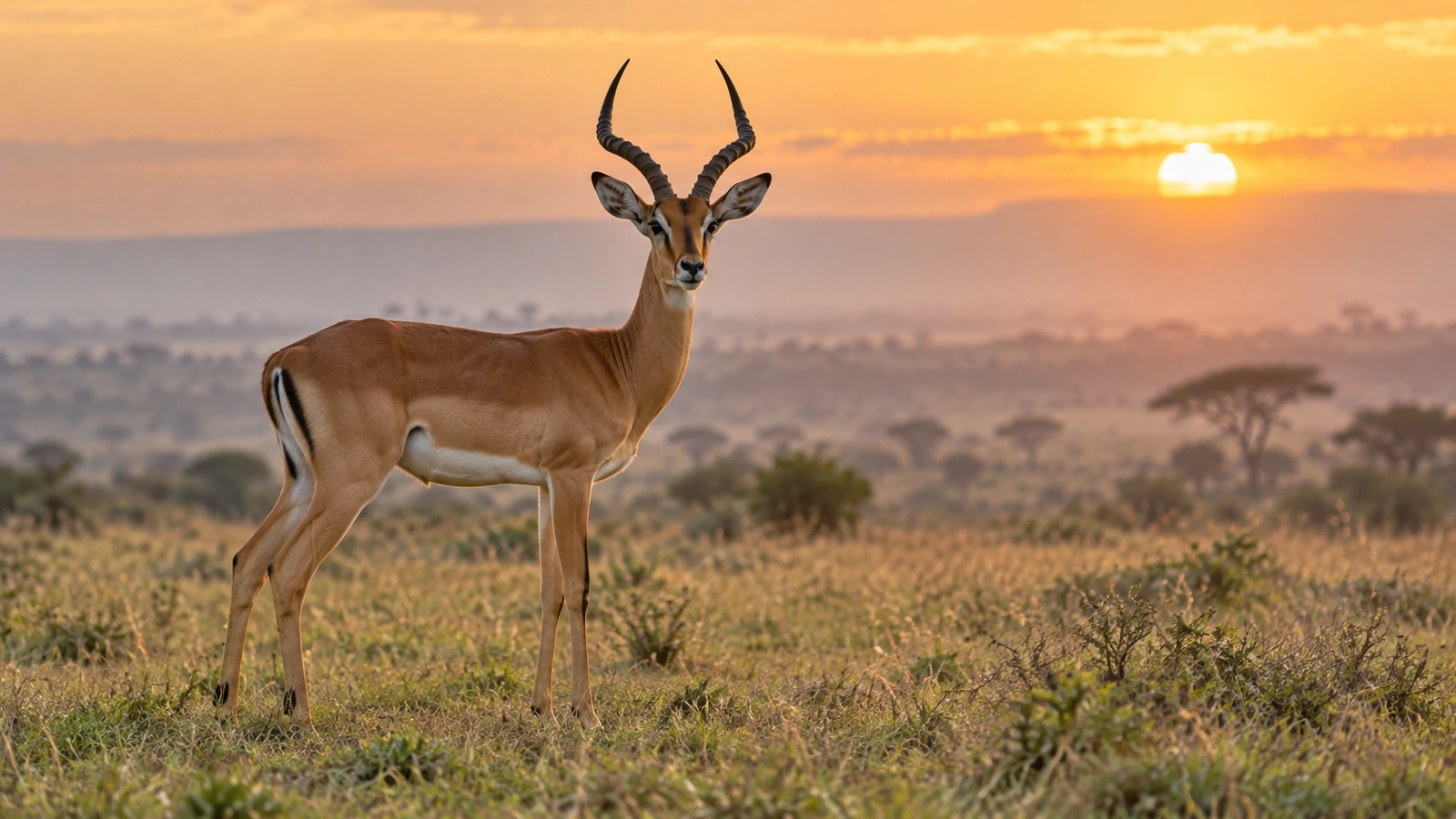
Antelopes Grasslands and Deserts Ranging from rabbit-sized forest hiders to horse-sized giants, antelopes possess bizarre survival tools like cliff-scaling rubber hooves and trunk-like snouts.
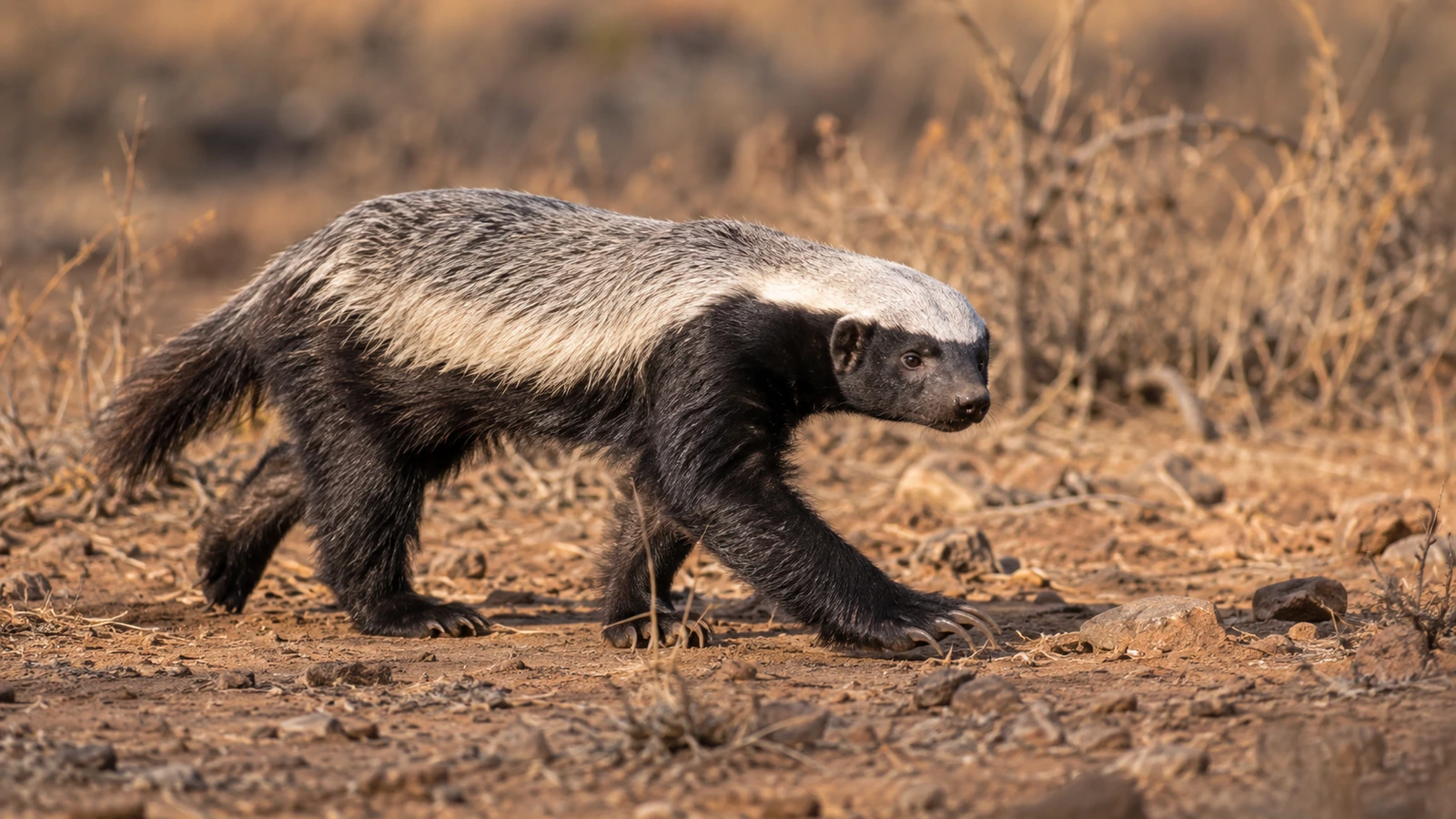
Honey Badgers Dry Forests and Scrub This notoriously fearless mustelid boasts rubbery, exceptionally loose skin and a unique natural immunity to the venom of deadly cobras.
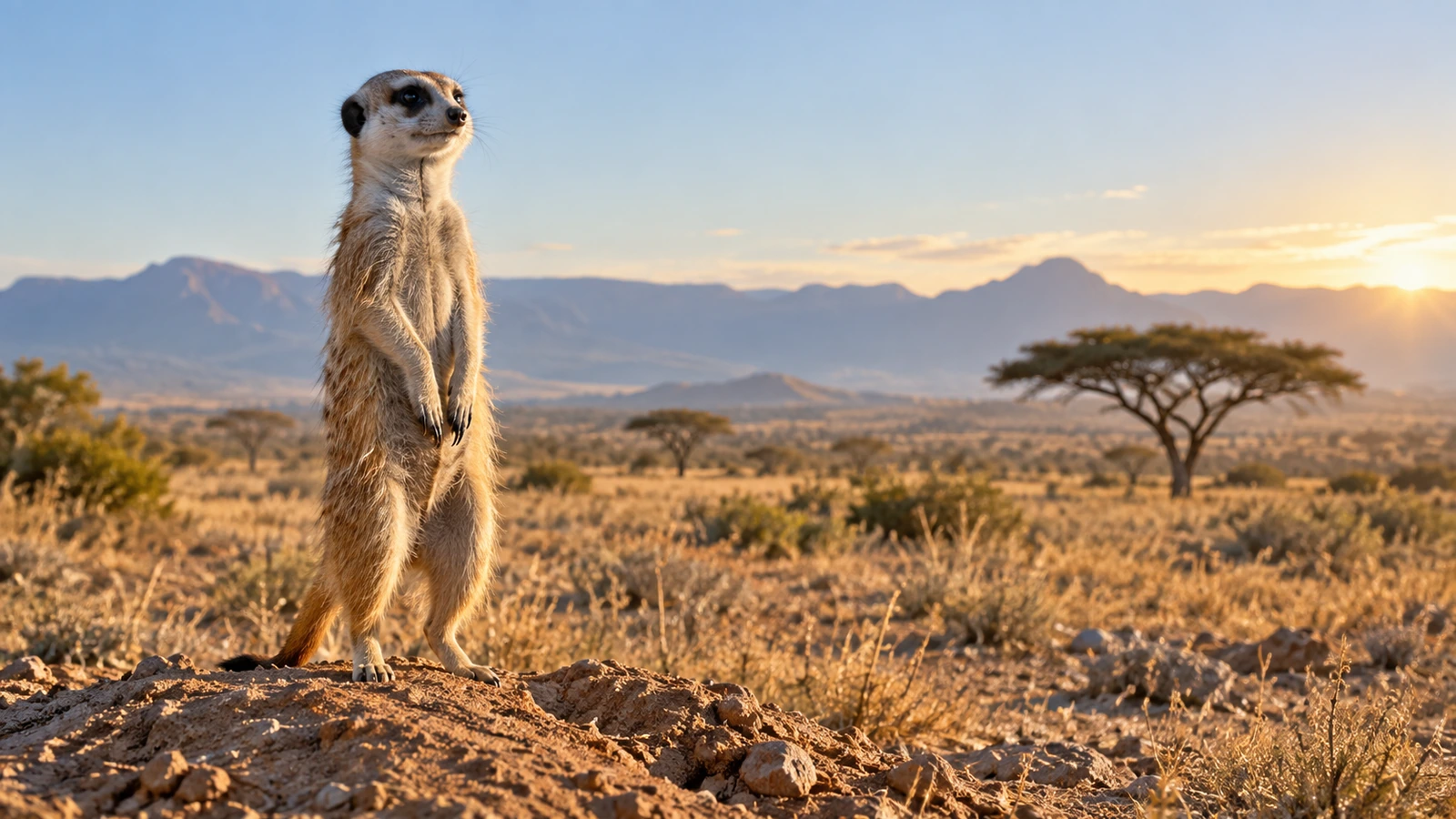
Suricates Kalahari and Namib Deserts These hyper-vigilant desert dwellers survive by hunting venomous scorpions and constructing elaborate subterranean fortresses ruled by strict matriarchs.
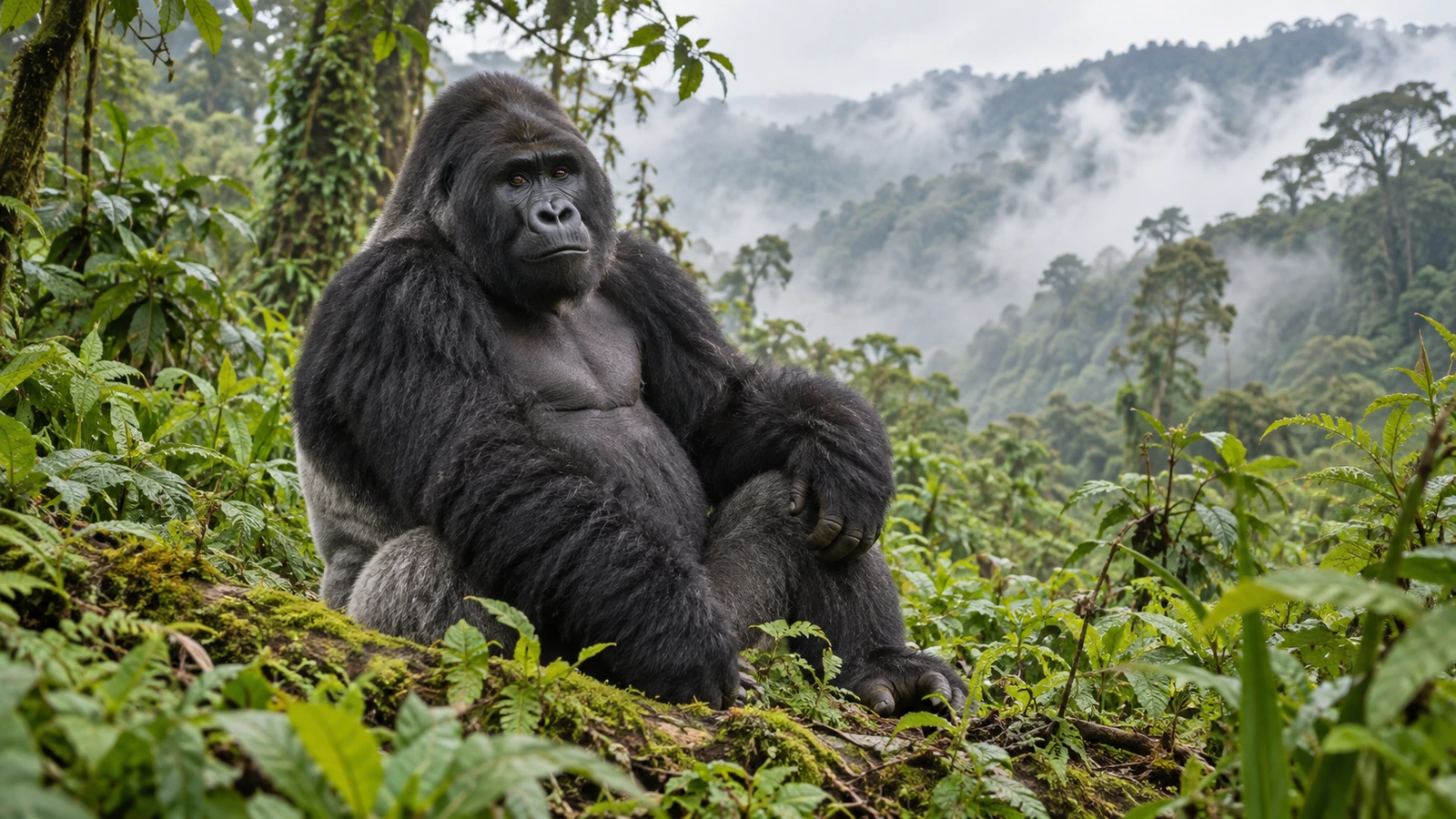
Gorillas Central African Rainforests The world's largest living primates are surprisingly gentle plant-eaters who carefully construct fresh, comfortable beds out of foliage every single evening.
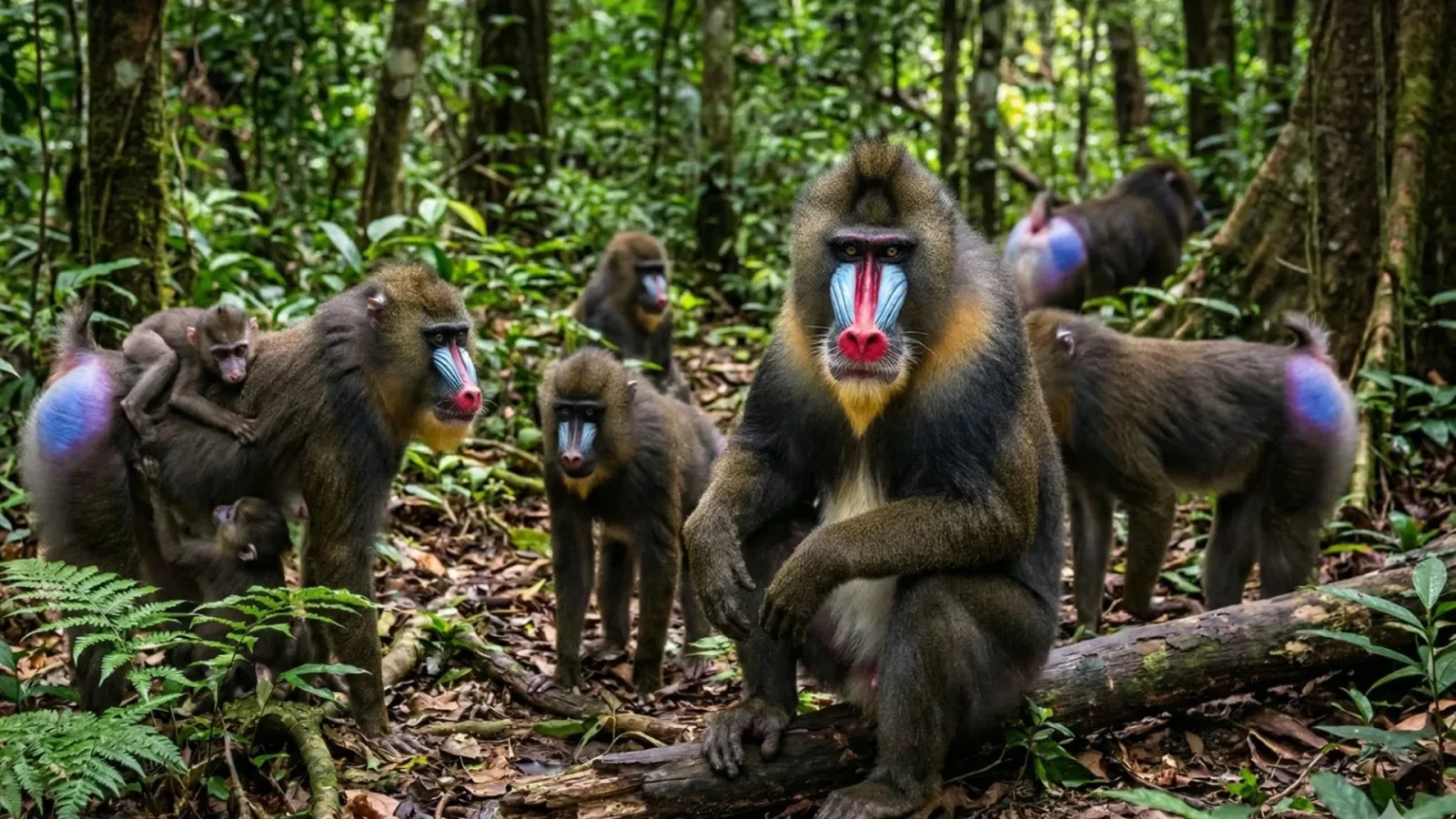
Mandrills Central African Rainforests The largest monkey in the world roams the dense forest floor in massive supergroups called hordes, which can sometimes number in the thousands.
Bonobos Congo Basin Forests Often mistaken for chimpanzees, bonobos are a completely distinct species famous for their incredibly peaceful, matriarchal, and highly cooperative societies.
Chimpanzees Forests and Savannas Our closest living relatives possess societies so complex they have been documented waging organized, multi-year wars and sparking bizarre cultural fashion trends.

Record holders

Fastest Land Animal

Up to 70 mph

Accelerates faster than most sports cars to run down evasive prey on the open plains. Cheetahs

Largest Terrestrial Mammal

~13,000 lbs

Possesses a highly versatile trunk containing over 40,000 individual muscles. African Elephants

Tallest Land Mammal

Up to 18 feet

Relies on a massive, high-pressure heart to defy gravity and pump blood up to its brain. Giraffes

Largest Primate

Up to 450 lbs

Combines immense physical power with a surprisingly gentle, herbivorous lifestyle. Gorillas

All 15, one fact at a time

The Misunderstood Matriarchs: 15 Fascinating Facts About Hyenas

Spotted Hyenas

Savanna, Sub-Saharan Africa

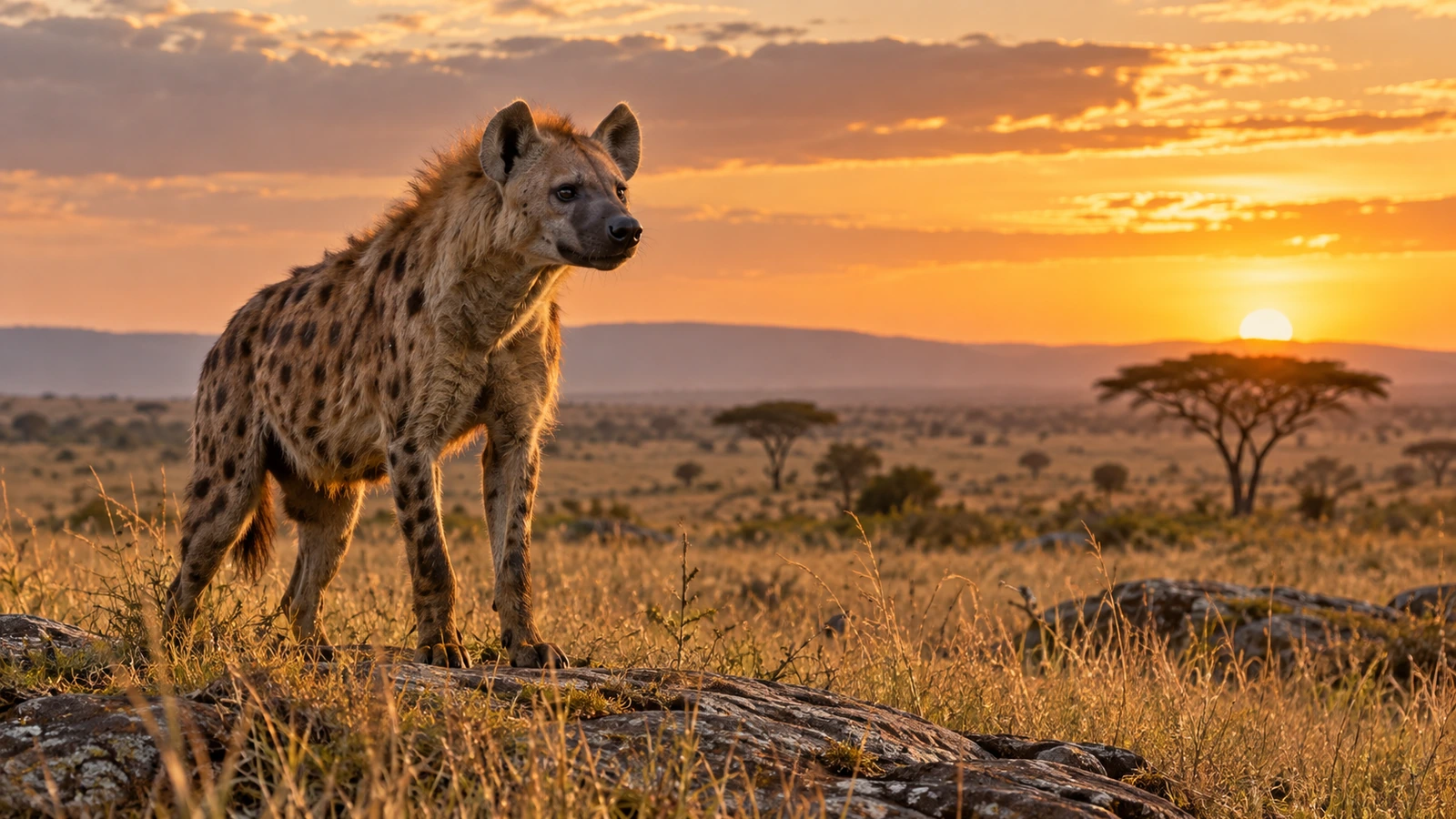
While pop culture paints them as mindless, cackling thieves, spotted hyenas actually hunt down the vast majority of their own meals. They live in sprawling, highly structured clans ruled by powerful females, where social rank is inherited directly from mother to daughter. Their immense jaw strength can effortlessly crush thick bone, but their astonishing cognitive abilities are what truly set them apart. Research shows they solve complex puzzles and coordinate group attacks with a level of sophistication rivaling many great apes.

Read the full article →
15 Fascinating Facts About Cheetahs

Cheetahs

Open Grasslands, Savanna

Built exclusively for explosive, high-speed chases, cheetahs sacrifice sheer physical power for unmatched aerodynamics and respiratory efficiency. Their semi-non-retractable claws act like track cleats, gripping the earth to execute sharp turns at highway speeds. However, this extreme specialization comes with intense vulnerabilities, making them prone to losing their hard-earned kills to larger, bulkier predators. Their fascinating evolutionary history reveals an ancient near-extinction event that forced the species to rebuild from just a handful of survivors.

Read the full article →
The Stealthy Shadow: 15 Fascinating Facts About Leopards

Leopards

Diverse African Habitats

Leopards are the undisputed masters of ambush and stealth, capable of thriving in nearly every environment Africa has to offer, from arid deserts to humid jungles. Unlike the pack-hunting lion, the leopard relies entirely on its own muscular prowess and camouflage to survive. Their iconic rosettes help them blend seamlessly into dappled woodland light, allowing them to strike with deadly precision. Surprisingly, they are also highly capable swimmers, occasionally taking to the water to hunt fish and crabs.

Read the full article →
15 Fascinating Facts About Zebras

Plains Zebras

Open Grasslands

Zebras have notoriously resisted centuries of human attempts to tame them, largely due to an ingrained, hyper-aggressive survival instinct forged alongside apex predators. Their fiercely protective herd dynamics mean they will readily attack threatening leopards or hyenas rather than simply fleeing. A single, well-placed kick from a zebra's hind legs contains enough blunt-force trauma to shatter a lion's jaw. They are highly communicative and socially complex animals, utilizing a wide range of vocalizations and facial expressions to maintain herd cohesion.

Read the full article →
15 Fascinating Facts About Rhinoceroses

Rhinoceroses

Savannas and Grasslands

Rhinoceroses roam the plains like living relics of the Pleistocene epoch, heavily armed with thick, protective skin and fearsome facial horns made entirely of keratin. However, their intimidating exterior hides a surprisingly complex social communication network. They navigate their territories by leaving highly specific chemical messages in massive, communal dung piles known as middens. While their eyesight is famously poor, their keen sense of smell and acute hearing allow them to detect threats—and each other—from miles away.

Read the full article →
15 Fascinating Facts About Hippos

Hippopotamuses

Rivers and Lakes

Hippopotamuses spend their days submerged in rivers and lakes to protect their sensitive skin from the blistering sun, secreting a bizarre red fluid that acts as a natural sunscreen and antibiotic. When dusk falls, these massive beasts emerge to graze, consuming enormous quantities of terrestrial grasses. Despite their immense bulk, they can run at terrifying speeds on land and possess jaws capable of biting a crocodile in half. Their fiercely guarded aquatic territories make them one of the deadliest forces to navigate in the African wild.

Read the full article →
The Ecosystem Architects: 15 Fascinating Facts About Elephants

African Elephants

Savannas and Forests

As the absolute heavyweights of the terrestrial world, elephants literally shape the ecosystems they inhabit by uprooting trees and digging vital dry-season water holes. Their iconic trunks are marvels of biological engineering, containing over 40,000 individual muscles capable of both uprooting massive trunks and delicately picking up a single blade of grass. Beyond their physical might, they boast immense emotional capacity and ancient memories, observing mourning rituals for fallen herd members. Their deeply complex matriarchal societies depend on the accumulated wisdom of their oldest females.

Read the full article →
The Towering Savanna Giants: 15 Fascinating Facts About Giraffes

Giraffes

Woodlands and Savannas

Towering up to eighteen feet tall, giraffes possess a dizzying array of biological hacks to survive life at the top of the canopy. Their blood vessels feature specialized valves that prevent them from blacking out when lowering their heads to drink, while tight, specialized skin on their legs acts like compression socks to prevent blood pooling. To protect themselves while browsing thorny acacia trees all day, they utilize prehensile, dark purple tongues that act as natural sunscreen. At night, these seemingly quiet giants communicate using low-frequency, ghostly hums.

Read the full article →
The Extraordinary Antelope: 15 Fascinating Facts About Antelopes

Antelopes

Grasslands and Deserts

The term 'antelope' covers a shockingly diverse array of bovids that have conquered almost every biome in Africa. Some species, like the klipspringer, walk exclusively on the tips of their hooves to scale near-vertical rock faces, while others, like the saiga, use elongated snouts to filter out harsh desert dust. To survive the constant threat of swift predators, they rely on hyper-alert senses, sudden zigzagging leaps, and staggering endurance. Their incredible evolutionary plasticity makes them the resilient backbone of the African food web.

Read the full article →
The Fearless Mustelid: 15 Fascinating Facts About Honey Badgers

Honey Badgers

Dry Forests and Scrub

Pound for pound, the honey badger is arguably the most formidable creature on the savanna. Their incredibly thick, loose skin allows them to twist around and bite an attacker even if they are grabbed from behind, rendering them nearly impossible to pin down. They regularly steal kills from apex predators like leopards and lions, relying on sheer aggression and pungent defensive odors. Astoundingly, they can survive direct bites from highly venomous snakes, eventually waking up from the neurotoxins to finish eating the snake that bit them.

Read the full article →
The Vigilant Desert Watchers: 15 Fascinating Facts About Suricates

Suricates

Kalahari and Namib Deserts

More commonly known as meerkats, suricates are highly cooperative carnivores that thrive in some of the most punishing desert environments on Earth. They are famous for their upright sentry duty, where designated guards constantly scan the skies for eagles while the rest of the mob forages. Their dark eye patches act as built-in sunglasses, cutting the harsh desert glare to help them spot danger. Beneath the sand, they maintain sprawling, multi-chambered burrows with specific rooms dedicated to sleeping, nursing, and temperature regulation.

Read the full article →
The Gentle Giants: 15 Fascinating Facts About Gorillas

Gorillas

Central African Rainforests

Despite their intimidating size and immense physical power, gorillas lead largely peaceful, vegetarian lifestyles deep within the rainforests of Central Africa. They live in tight-knit family troops led by a single, dominant silverback who dictates the group's movements and settles internal disputes. Their cognitive abilities are breathtaking; they have been observed dismantling poachers' snares and communicating through complex vocalizations and gestures. Sharing deeply emotional bonds, gorilla mothers fiercely protect and tenderly groom their young for years.

Read the full article →
The Vibrant Heavyweights: 15 Fascinating Facts About Mandrills

Mandrills

Central African Rainforests

Instantly recognizable by the vivid red and blue ridges on their faces, mandrills are striking primates that use bright coloration to signal social status. The more dominant a male mandrill becomes, the more intensely vibrant his facial and rump colors grow, fueled directly by testosterone levels. They boast lion-sized canine teeth designed for both intimidating rivals and cracking open hard nuts found on the jungle floor. Their highly social nature is staggering, with researchers documenting temporary mega-troops that represent some of the largest congregations of non-human primates ever recorded.

Read the full article →
15 Fascinating Facts About Bonobos

Bonobos

Congo Basin Forests

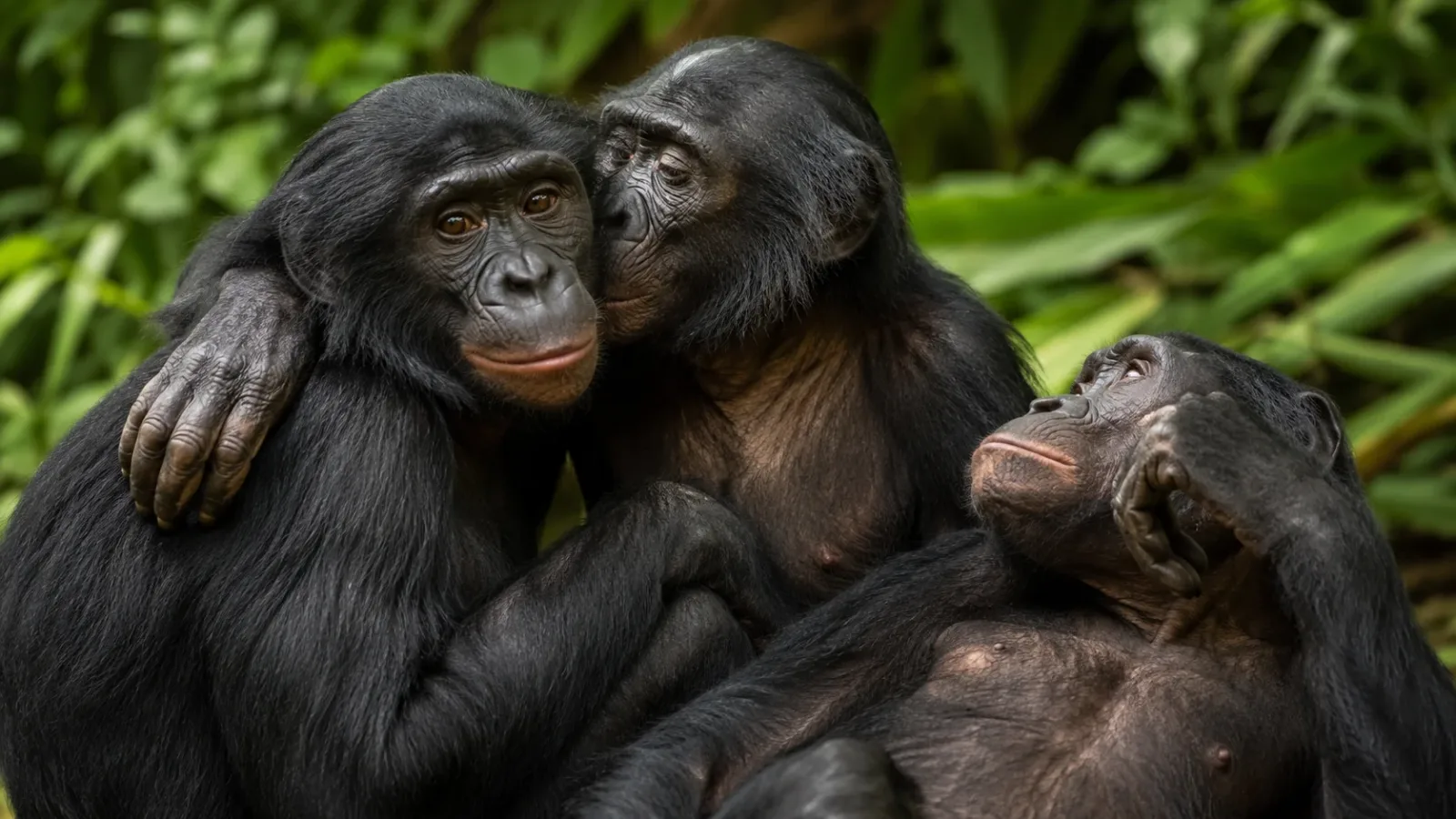
Separated from chimpanzees by the vast Congo River millions of years ago, bonobos took a completely different evolutionary path. Instead of the aggressive, male-dominated hierarchies seen in chimps, bonobos developed a peaceful social structure where females hold the power and alliances are maintained through frequent affection. They share a massive amount of our DNA, offering a beautiful glimpse into the cooperative, empathetic side of primate evolution. Their ability to share food, comfort distressed peers, and play throughout their adult lives makes them a fascinating biological anomaly.

Read the full article →
15 Fascinating Facts About Chimpanzees

Chimpanzees

Forests and Savannas

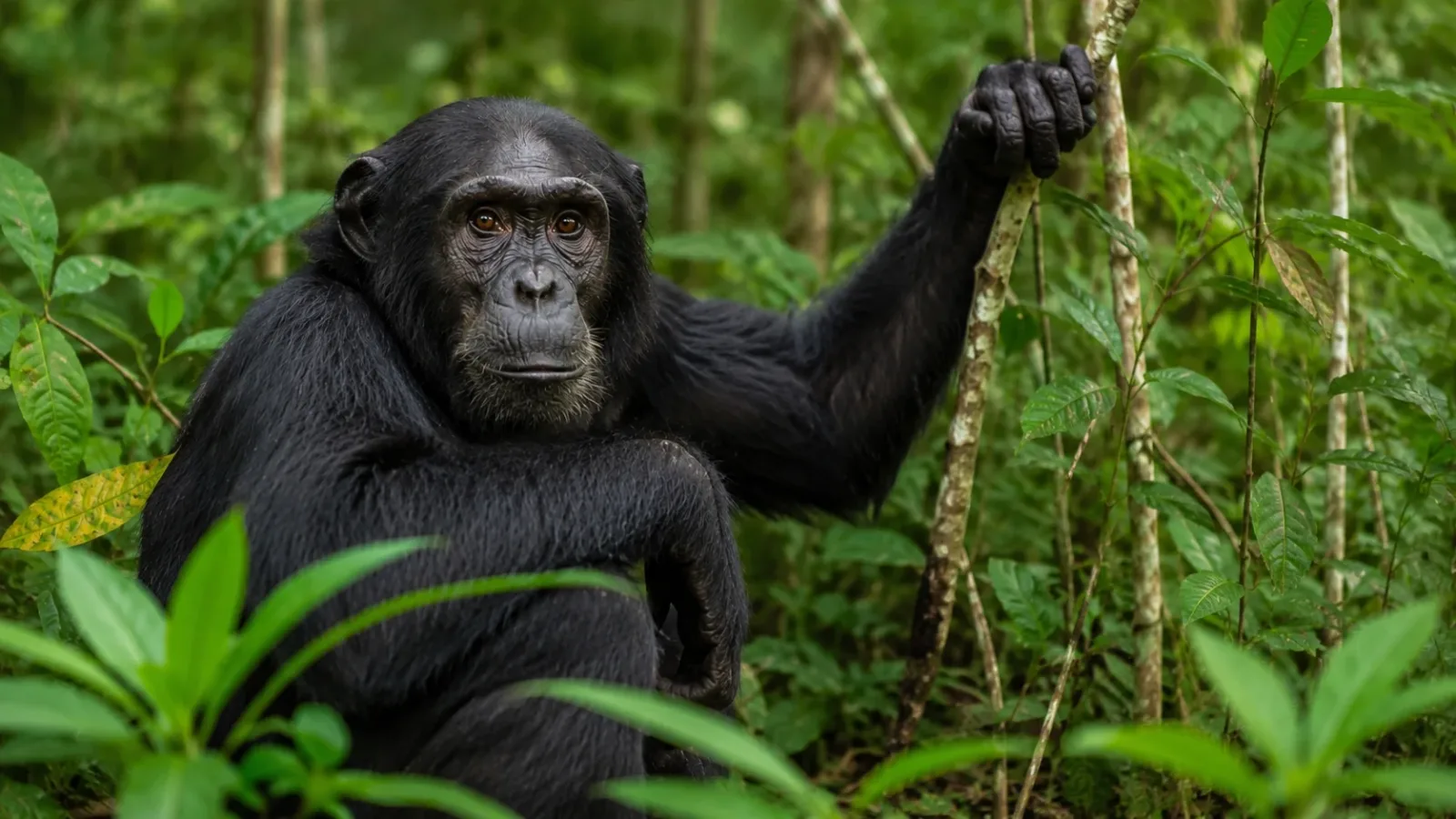
Chimpanzees offer a breathtaking and sometimes unsettling mirror to human behavior. They are highly adept tool users, fashioning spears to hunt small mammals and using selected stones as anvils to crack open nuts. Their political structures are intensely Machiavellian; dominant males must forge strategic alliances and win the favor of the troop to maintain their position. Different chimpanzee populations pass down distinct, learned cultural behaviors over generations, proving that culture is not an exclusively human phenomenon.

Read the full article →

Quiz: how much of that stuck?

6 questions, every answer is somewhere above.

African Wildlife 0 / 6

1. Which of these iconic animals is surprisingly more closely related to felines than to canines?

2. What bizarre adaptation do giraffes use to prevent sunburn on their tongues while browsing high canopy leaves?

3. Which striking primate is known for roaming the forest floor in massive supergroups called 'hordes'?

4. How do African elephants effectively communicate silently over vast distances?

5. Which fearsome carnivore possesses rubbery, tough skin and a natural immunity to deadly cobra venom?

6. How do hippopotamuses generally behave in their natural aquatic habitats?

Frequently asked

Why are there two separate great apes so closely related to humans in Africa?

Chimpanzees and bonobos share a massive amount of DNA with humans, but they are distinct species separated by the Congo River. This geographic divide allowed them to evolve divergent social structures, with chimps leaning toward male-dominated, sometimes aggressive societies, and bonobos developing peaceful, cooperative matriarchies.

Are zebras black with white stripes or white with black stripes?

Genetically speaking, zebras are black with white stripes. Their underlying skin is dark, and the white stripes are areas where pigmentation is deliberately suppressed during their embryonic development.

How do the big cats of Africa coexist without driving each other to starvation?

African predators utilize a concept called 'niche partitioning.' Cheetahs hunt fast, evasive prey in open daylight, leopards rely on stealth and often drag their kills into trees to avoid theft, and lions use brute force and pack hunting to take down larger game, allowing them all to share the same ecosystem without directly competing for the exact same meals.

Why do animals like meerkats live in such harsh desert environments?

Many specialized species have evolved unique adaptations to thrive in environments where competition from larger predators is lower. Meerkats utilize complex social teamwork, subterranean burrows for strict temperature control, and a diet of hardy insects and venomous scorpions to conquer the punishing extremes of the Kalahari and Namib deserts.

What is considered the most dangerous animal on the African savanna?

While lions and leopards get the most cinematic attention, hippos and crocodiles are actually responsible for a massive number of human fatalities. Among large land mammals, the highly territorial hippopotamus is considered extremely dangerous due to its unpredictable, aggressive nature and massive, bone-crushing jaws.

Keep going

Enjoyed these facts? There's more! 💌

Fresh fun facts in your inbox. No spam, ever.