15 Fun Facts
History

Explorers and Seafarers

From the freezing waters of the North Atlantic to the bustling spice ports of the Indian Ocean, explorers and seafarers have relentlessly pushed the boundaries of the known world. Discover the complex, dramatic, and often ruthless realities behind history's most famous maritime and overland expeditions.

Updated 22 September 2026 · 10 items · 150 facts in the linked articles · Reading time 5 min

Humanity has always possessed a dangerous, undeniable compulsion to see what lies beyond the horizon. For millennia, navigators and overland adventurers have launched themselves into the unknown, driven by an intoxicating mix of curiosity, religious zeal, and the promise of unimaginable wealth. But the history of exploration is rarely a simple tale of bold men mapping empty wilderness. More often, it is a story of profound, chaotic collisions between vastly different cultures, resulting in diplomatic triumphs, biological catastrophes, and the forging of global trade networks that shape our world today.

When we examine these expeditions side by side, surprising contrasts and unexpected parallels emerge. Consider the sheer scale of ambition: centuries before European galleons crossed the Atlantic, Norse longships navigated the ice-choked waters of North America, and Chinese treasure fleets the size of floating cities projected Ming Dynasty power across the Indian Ocean. Contrast the meticulous, state-sponsored diplomacy of Zheng He with the rogue, desperate mutinies of conquistadors like Hernán Cortés and Francisco Pizarro, who burned their boats and leveraged devastating foreign diseases to topple massive empires.

Behind the polished myths of history lie dramatic narratives of human endurance and glaring miscalculation. The same voyages that introduced world-altering concepts—like Marco Polo’s reports of paper currency, or Columbus’s accidental triggering of the Columbian Exchange—were frequently marred by shipwreck, piracy, and terrifying violence. Even legendary overland journeys, like the Corps of Discovery led by Lewis and Clark, were fundamentally complex military operations reliant entirely on the grace and diplomacy of Indigenous nations.

The figures who mapped the globe were visionaries, tyrants, diplomats, and opportunists. To understand their legacy is to understand the messy, violent, and wondrous genesis of the modern, interconnected world. Dive into the articles below to uncover the surprising truths behind history's most famous explorers and seafarers.

The short version

Every item on this page, with the one fact most people get wrong about it.

Name Where you'll meet it The fact worth knowing
Christopher Columbus 15th-Century Atlantic He famously used his foreknowledge of a lunar eclipse to trick Indigenous Jamaicans into providing his stranded crew with supplies.
Marco Polo 13th-Century Silk Road His detailed accounts of paper money and burning black rocks (coal) were initially dismissed by Europeans as pure fiction.
Vasco da Gama Cape of Good Hope He successfully broke the Venetian and Middle Eastern spice monopolies by establishing the first direct sea route from Europe to India.
Hernán Cortés 16th-Century Mesoamerica His world-altering expedition to Mexico was actually an illegal, unauthorized rogue mission.
Francisco Pizarro 16th-Century Andes He toppled the largest pre-Columbian empire in the Americas with a striking force of fewer than 200 men.
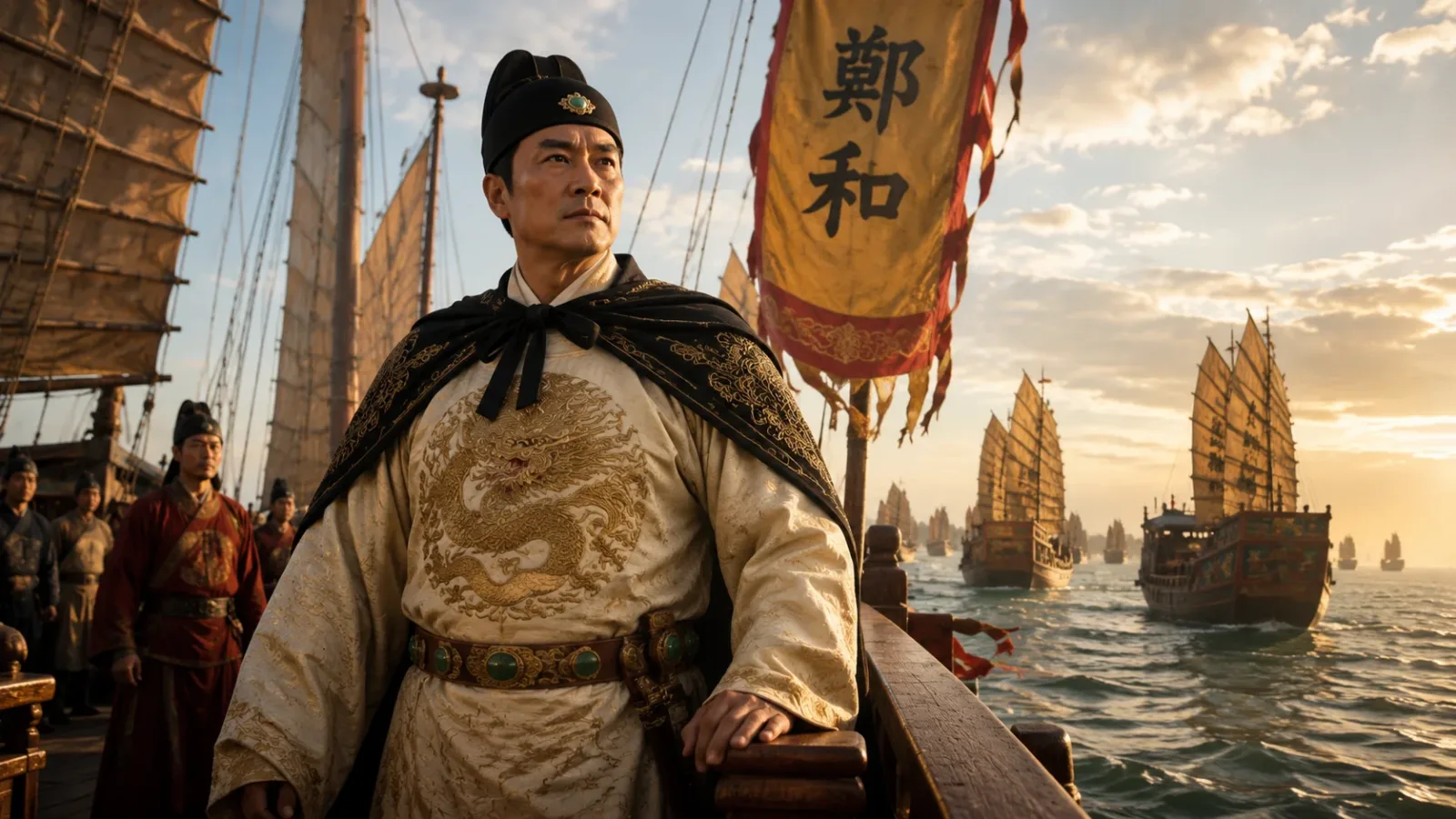
Zheng He 15th-Century Ming Dynasty He commanded massive wooden treasure ships that completely dwarfed the vessels Columbus would sail decades later.
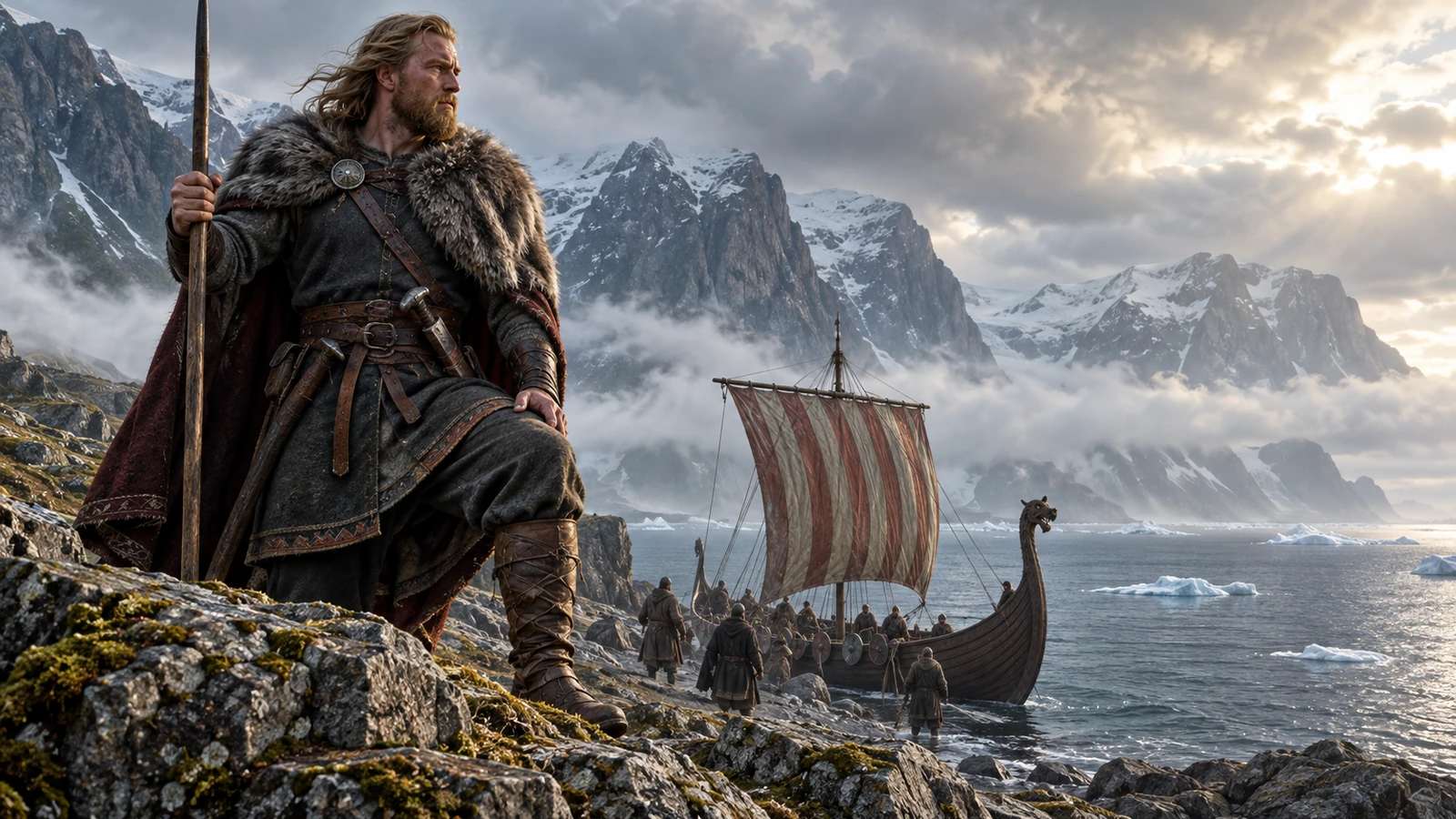
Leif Erikson 11th-Century North Atlantic He established a European foothold in North America nearly 500 years before Columbus ever set sail.
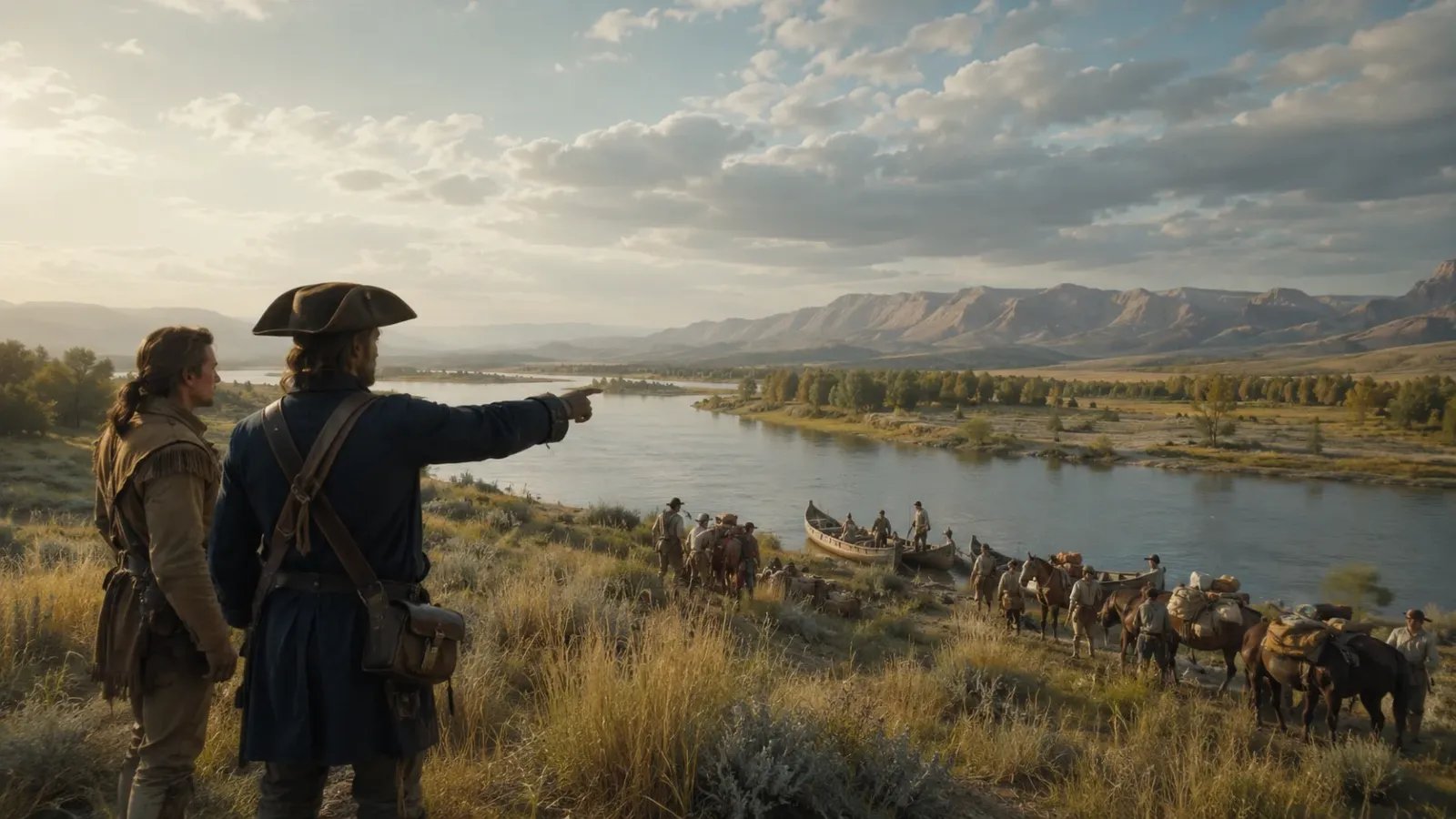
Lewis and Clark 19th-Century North America Their famous expedition was fundamentally a military and geopolitical operation, not just a scientific stroll into the wilderness.
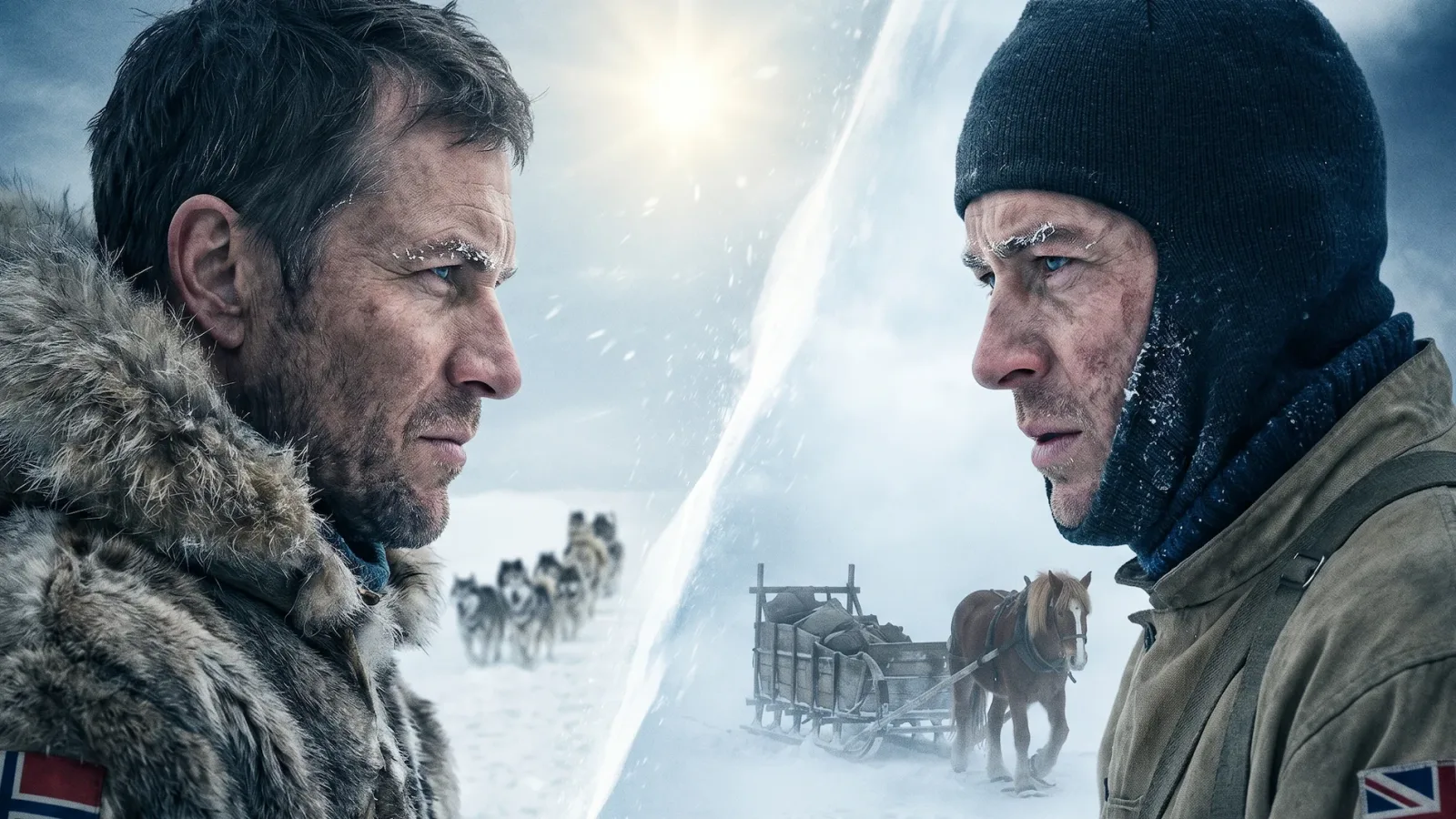
Amundsen vs Scott 1911-1912 Antarctica
Pirates Golden Age of Piracy, 17th-18th Century

Record holders

Largest Fleet

300+ ships

Zheng He commanded massive Ming Dynasty armadas that featured wooden treasure ships dwarfing anything in Europe at the time. Zheng He

First to North America

~1000 AD

Leif Erikson established the Norse settlement of Vinland nearly five centuries before Columbus crossed the Atlantic. Leif Erikson

Most Lucrative Route

India via the Cape

Vasco da Gama broke the Venetian spice monopoly and brought unimaginable, transformative wealth to the Portuguese Crown. Vasco da Gama

Smallest Conquering Force

< 200 men

Francisco Pizarro capitalized on disease and civil war to topple the massive Inca Empire with a tiny fraction of troops. Francisco Pizarro

All 10, one fact at a time

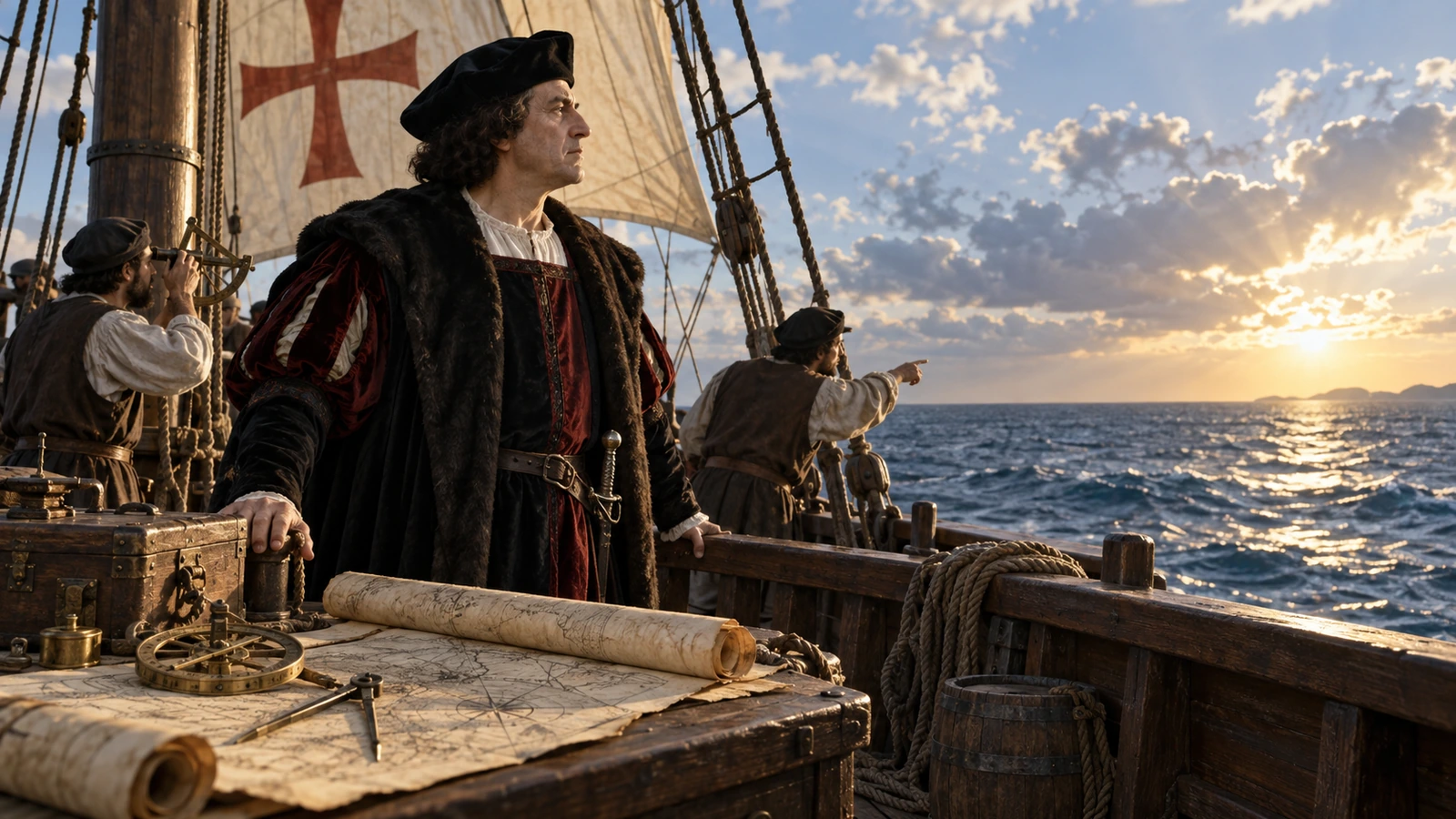
The Miscalculated Mariner: 15 Fascinating Facts About Christopher Columbus

Christopher Columbus

15th-Century Atlantic

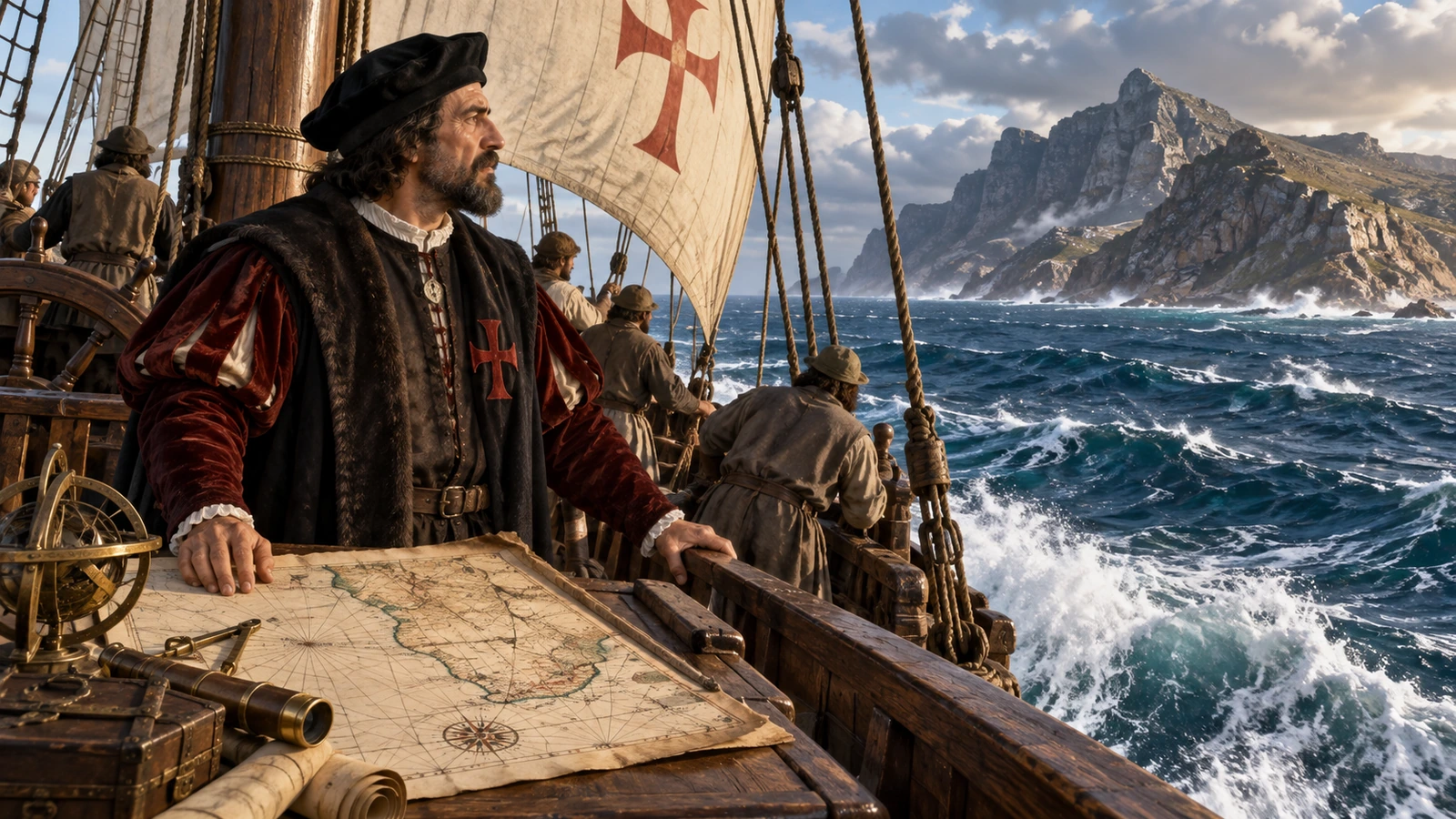
Though folklore credits him with 'discovering' the New World, Columbus actually went to his grave insisting he had reached the eastern fringes of Asia. His four transatlantic voyages were marred by shipwreck, mutiny, and catastrophic miscalculations regarding the Earth's circumference. Yet, despite his glaring navigational blunders and violent governance, his journeys permanently linked the hemispheres, triggering a biological and cultural exchange that forever altered human civilization.

Read the full article →
The Legendary Traveler: 15 Fascinating Facts About Marco Polo

Marco Polo

13th-Century Silk Road

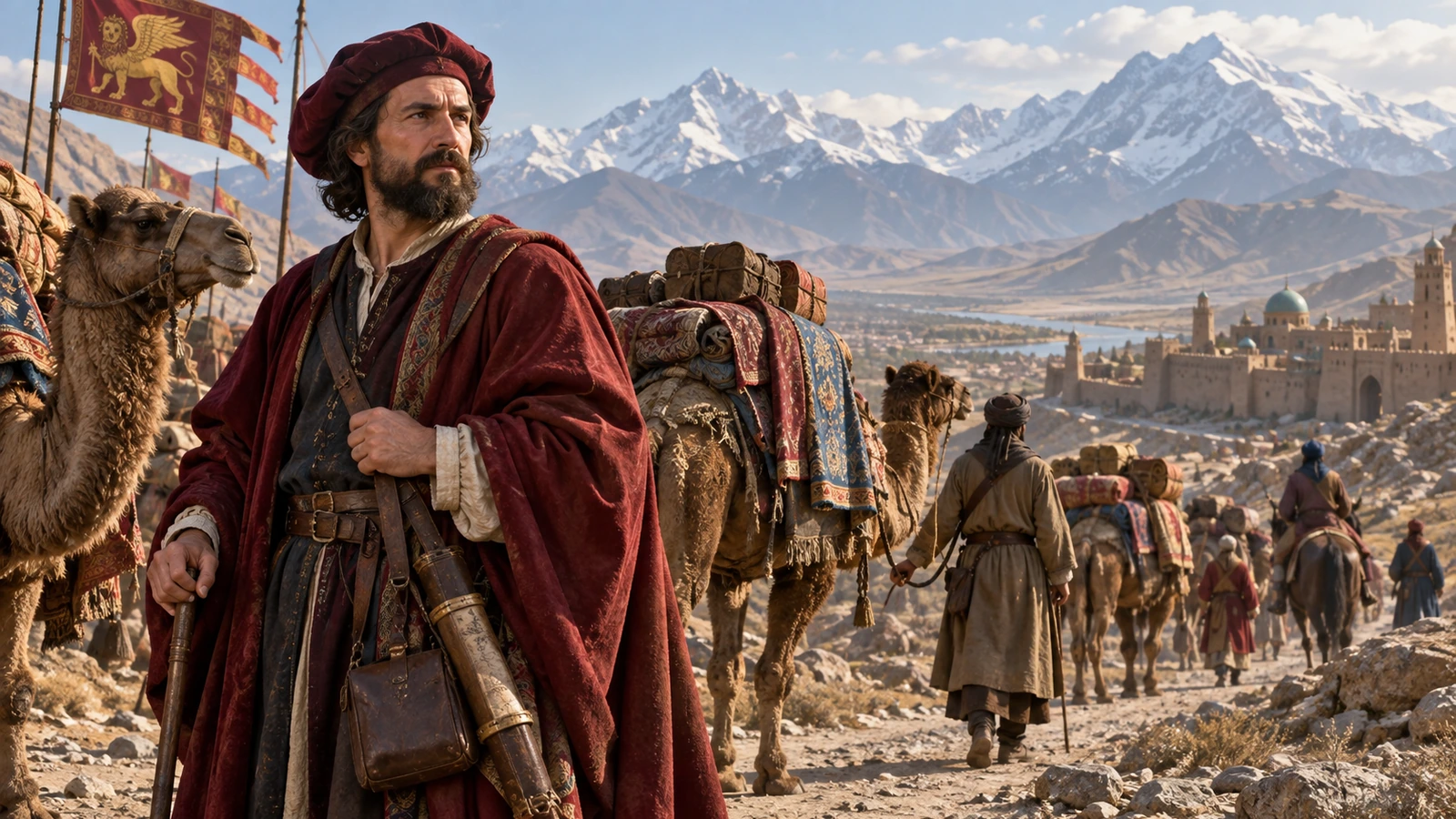
Setting out at just seventeen years old, the Venetian merchant spent over two decades traversing the vast and formidable Mongol Empire. He became a trusted envoy for Kublai Khan, experiencing technological and administrative innovations entirely unknown in Medieval Europe. His eventual memoir, dictated while he was a prisoner of war in Genoa, fundamentally reshaped Western geographical knowledge and served as a vital inspiration for later explorers.

Read the full article →
15 Interesting Facts About Vasco da Gama

Vasco da Gama

Cape of Good Hope

Sailing around the treacherous southern tip of Africa, da Gama achieved a maritime breakthrough that generations of Portuguese royalty had dreamed of. His arrival in India bypassed ancient overland trade routes, unlocking unimaginable wealth for Portugal and shifting the global balance of power. However, his initial diplomatic efforts were notoriously clumsy, as he arrived with cheap European trade goods that thoroughly unimpressed powerful local rulers.

Read the full article →
15 Surprising Facts About Hernán Cortés

Hernán Cortés

16th-Century Mesoamerica

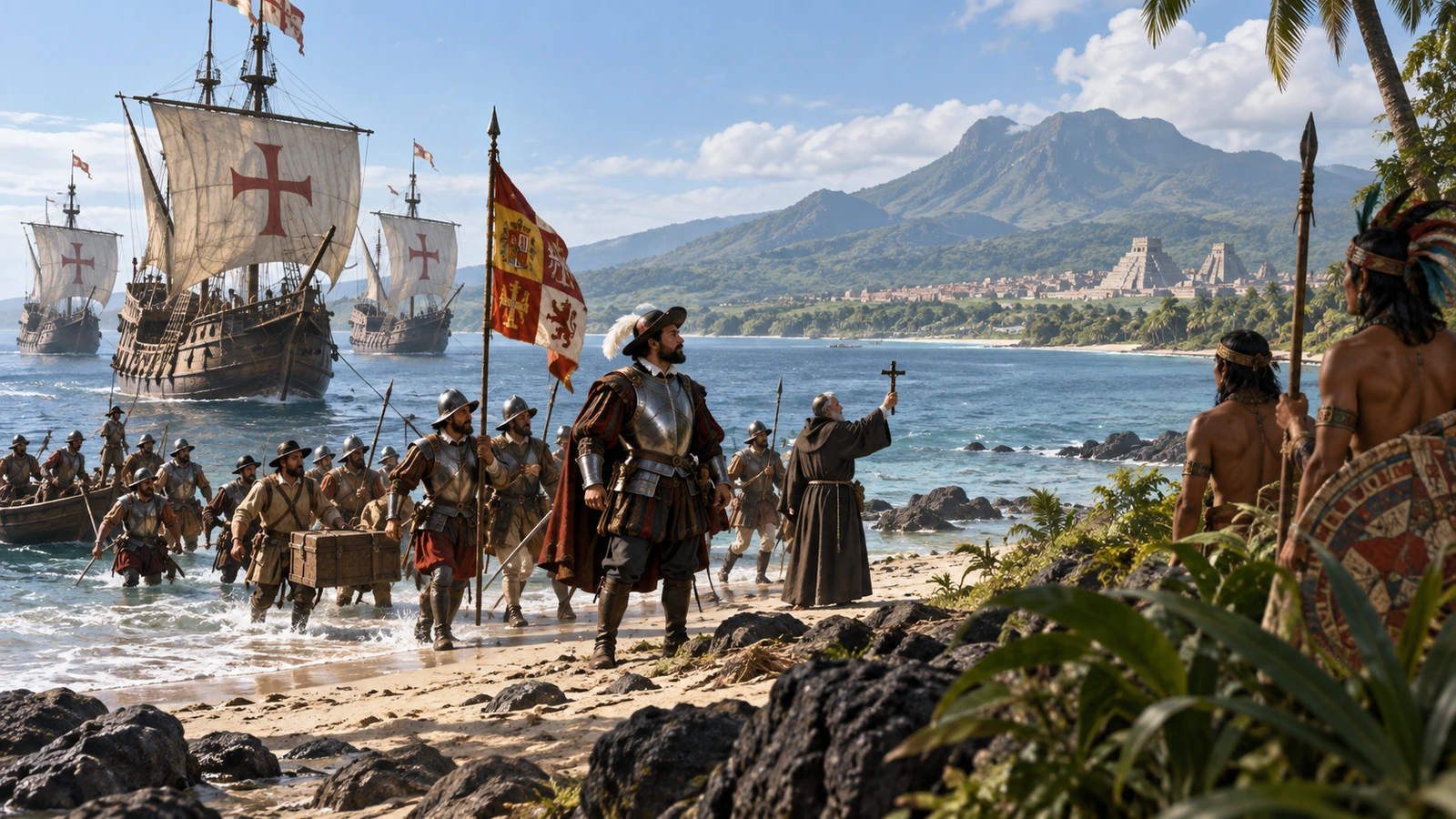
Driven by immense ambition and a thirst for glory, Cortés openly defied the Spanish governor of Cuba to launch his invasion of the Mesoamerican mainland. Through a masterful, if utterly ruthless, combination of diplomacy and warfare, he navigated a complex political landscape to forge alliances with Indigenous factions hostile to Aztec rule. His unauthorized campaign ultimately laid the legal and political groundwork for Spain's massive American empire.

Read the full article →
15 Curious Facts About Francisco Pizarro

Francisco Pizarro

16th-Century Andes

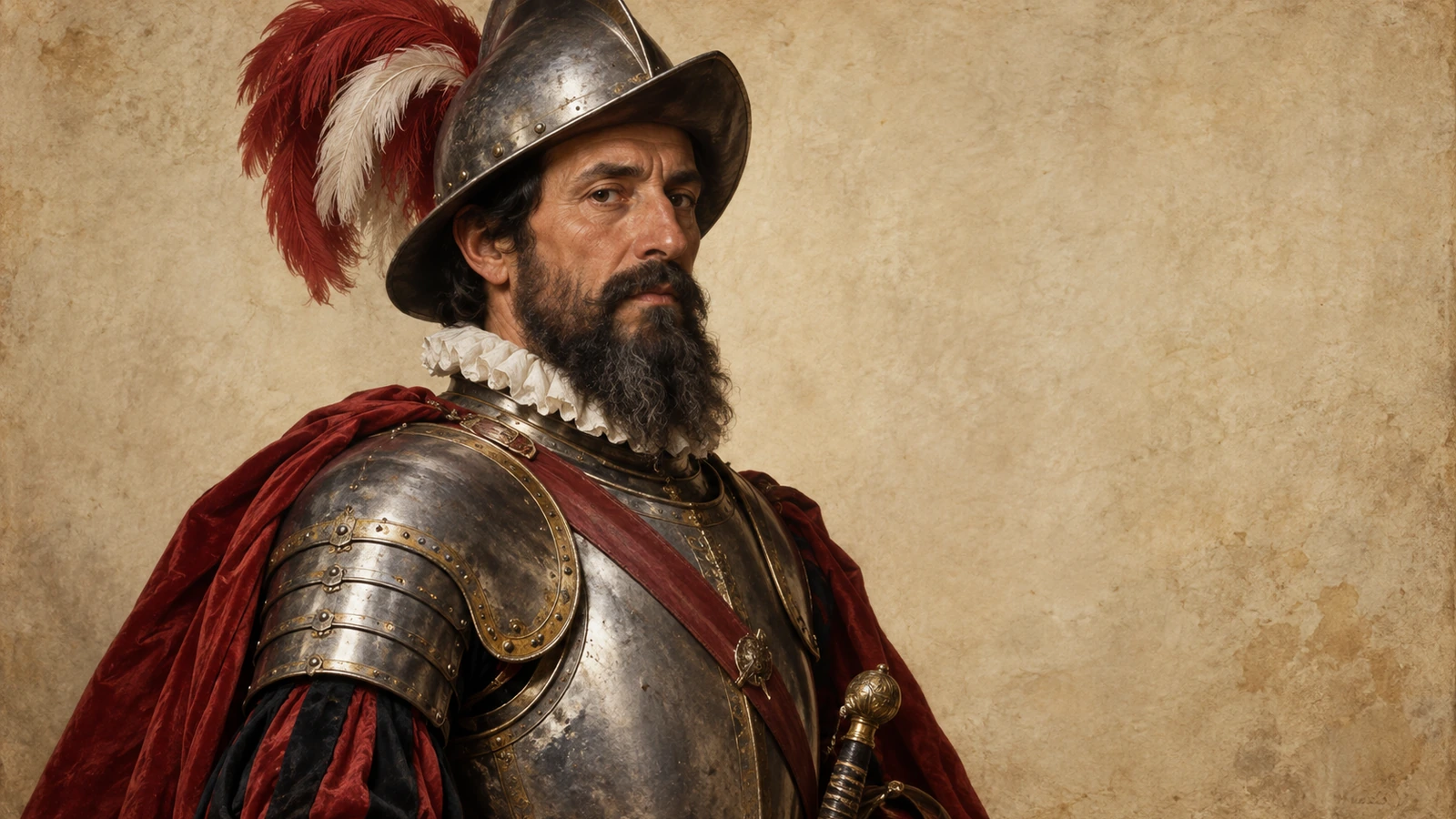
Unlike many glory-seeking youths of the era, Pizarro was an aging, illiterate soldier when he marched into the formidable Andes mountains. He ruthlessly capitalized on a raging Indigenous civil war and the devastation of European diseases to ambush and capture the Inca emperor Atahualpa. His devastating victory enriched the Spanish Crown beyond measure but resulted in catastrophic cultural and demographic destruction for the native Andean populations.

Read the full article →
15 Cool Facts About Zheng He

Zheng He

15th-Century Ming Dynasty

Long before European powers initiated their Age of Discovery, Admiral Zheng He was projecting Chinese imperial might from Southeast Asia all the way to the coast of East Africa. His seven epic voyages were massive diplomatic and commercial undertakings, utilizing sophisticated naval engineering and comprising tens of thousands of sailors. Unlike the European conquerors who followed, his primary mission was establishing tributary relationships and demonstrating wealth, rather than outright conquest.

Read the full article →
The Legendary Norse Explorer: 15 Fascinating Facts About Leif Erikson

Leif Erikson

11th-Century North Atlantic

Born into a turbulent family of exiled outlaws—most notably his father, Erik the Red—Leif inherited a potent legacy of westward expansion. He navigated treacherous, uncharted icy waters to establish a settlement he called Vinland, located in modern-day Newfoundland, Canada. His epic voyages highlight the extraordinary seafaring prowess of the Norse, combining raw physical courage with an intimate, deeply observed knowledge of oceanic navigation.

Read the full article →
The Uncharted Odyssey: 15 Fascinating Facts About the Lewis and Clark Expedition

Lewis and Clark

19th-Century North America

The Corps of Discovery was commissioned by Thomas Jefferson primarily to assert American sovereignty over the newly acquired, vastly unexplored Louisiana Purchase. Relying heavily on Indigenous diplomacy, guides, and trade, the expedition faced harsh winters, terrifying grizzly bears, and rampant disease. Their exhaustive journey ultimately mapped a massive swath of the continent and drastically reshaped the geopolitical landscape of North America.

Read the full article →
15 Fun Facts About the Race to the South Pole: Amundsen vs. Scott

Amundsen vs Scott

1911-1912 Antarctica

In one of exploration's most dramatic duels, Norway's Roald Amundsen and Britain's Robert Falcon Scott raced to become the first to reach the South Pole. Amundsen's meticulous planning and reliance on sled dogs and skis brought his team to the pole in December 1911, over a month ahead of Scott. Scott's expedition, slowed by failing ponies and motorized sledges, reached the pole only to find Amundsen's flag already planted, then perished on the return journey.

Read the full article →
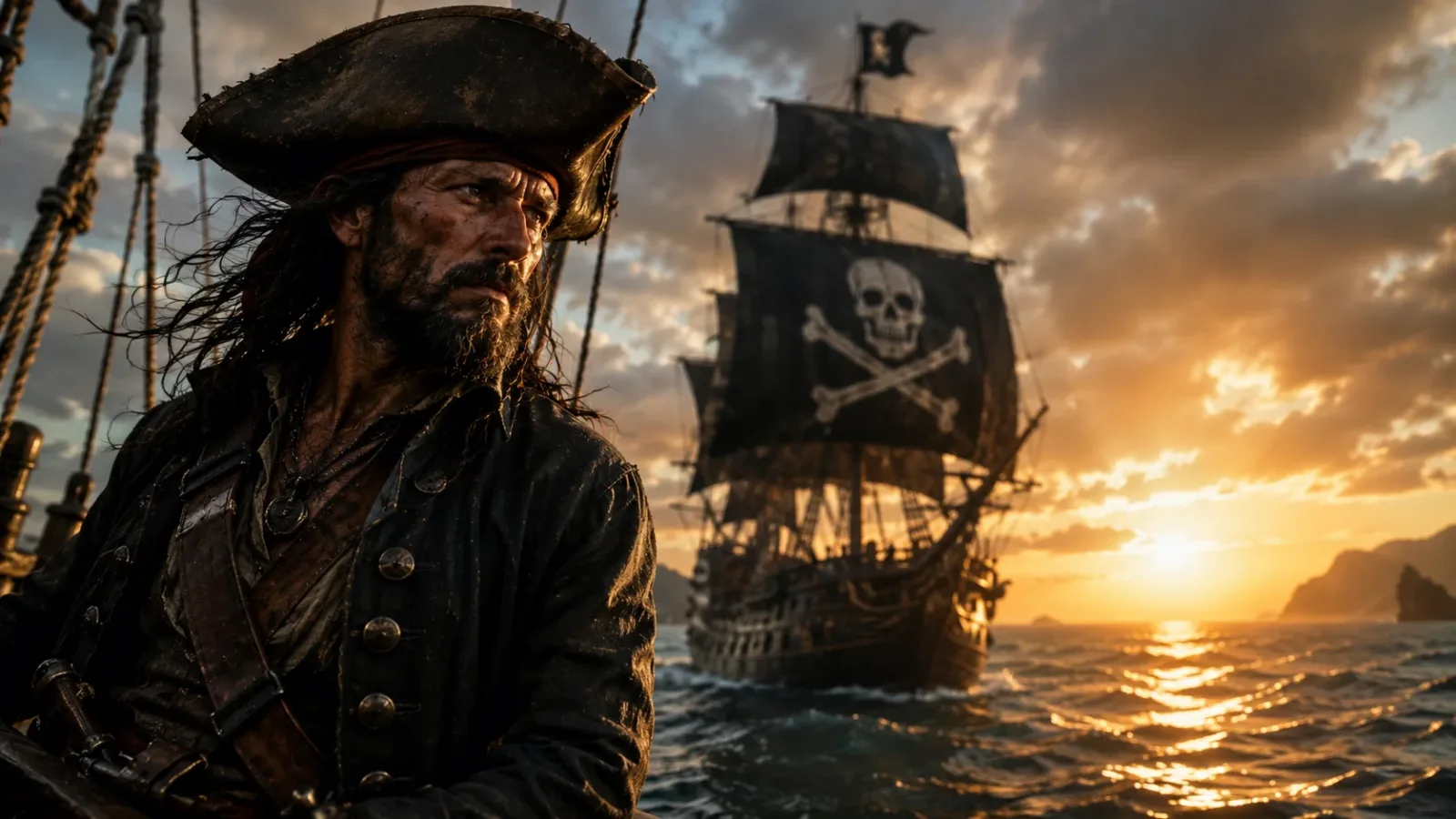
15 Fun Facts About Pirates That Hollywood Got Completely Wrong

Pirates

Golden Age of Piracy, 17th-18th Century

Long before Hollywood turned them into swashbuckling folk heroes, real pirates ran brutal, highly organized criminal enterprises across the high seas. Many crews operated under surprisingly democratic codes, voting on captains and dividing plunder by strict, agreed-upon shares, including compensation for injuries. Buried treasure was almost entirely fiction; most pirates spent their loot as fast as they stole it, living hard, short lives under constant threat of the noose.

Read the full article →

Quiz: how much of that stuck?

6 questions, every answer is somewhere above.

Explorers and Seafarers 0 / 6

1. Which explorer spent over two decades traversing Asia and serving in the court of Mongol Emperor Kublai Khan?

2. What astronomical event did Christopher Columbus use to secure supplies from Indigenous Jamaicans?

3. What drastic action did Hernán Cortés take to prevent his terrified men from retreating to Cuba?

4. Whose 15th-century armadas traveled through the Indian Ocean to project Ming Dynasty power?

5. The Lewis and Clark Expedition was primarily driven by what underlying motive?

6. Which aging Spanish conquistador achieved a devastating victory against the Inca Empire with fewer than 200 men?

Frequently asked

Why were European explorers so desperate to find new sea routes to Asia?

European powers wanted to bypass the Middle Eastern and Venetian merchants who held a strict monopoly on the highly lucrative spice and silk trades. Finding a direct maritime route meant unimaginable wealth and economic independence for countries like Portugal and Spain.

Did Christopher Columbus really discover America?

No. Millions of Indigenous people already populated the Americas long before Columbus arrived. Furthermore, Norse explorers like Leif Erikson had already reached and temporarily settled in North America nearly 500 years earlier.

How did small bands of conquistadors defeat massive empires like the Aztec and Inca?

While often vastly outnumbered, conquistadors succeeded through a grim combination of advanced European weaponry (like steel and firearms), political instability within the empires, opportunistic alliances with rival Indigenous factions, and the catastrophic spread of foreign diseases like smallpox.

Were Zheng He's voyages similar to European exploration?

Not exactly. While European explorers were primarily seeking trade monopolies, new territories to colonize, and resources to extract, Zheng He's massive armadas were largely diplomatic missions designed to project imperial Chinese wealth, awe foreign rulers, and secure tributary states.

Keep going

Enjoyed these facts? There's more! 💌

Fresh fun facts in your inbox. No spam, ever.