Sport
Winter Sports and Winter Olympics
Sixteen articles on winter sport: ski legends Killy, Klammer, Tomba, Maier and Vonn, short-track star Cathy Turner, eight Olympic disciplines from biathlon to snowboarding, the Winter Olympics, Nagano 1998 and Cortina d'Ampezzo.
Updated November 3, 2026
·
16 items
·
240 facts in the linked articles
·
Reading time 4 min
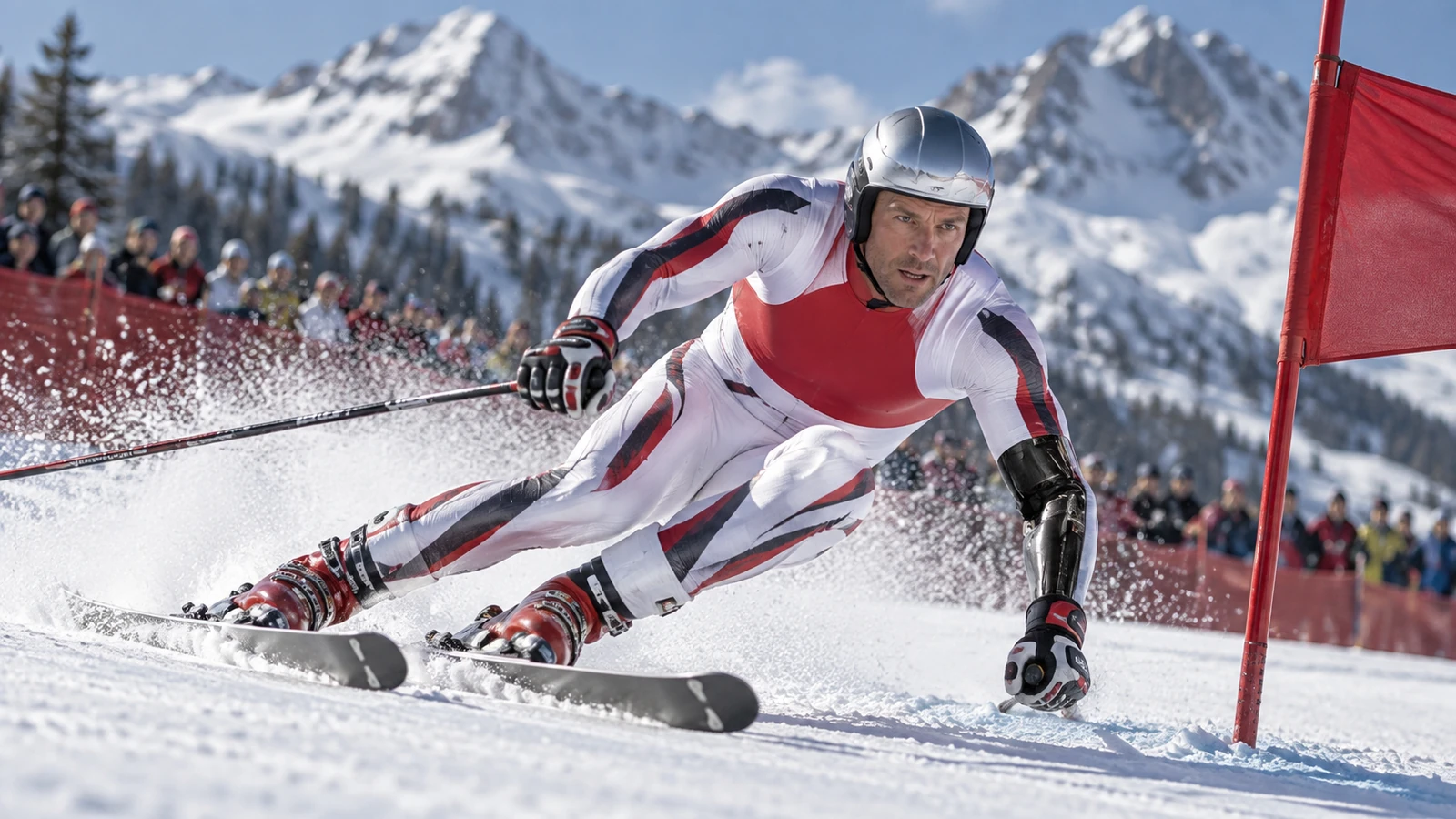
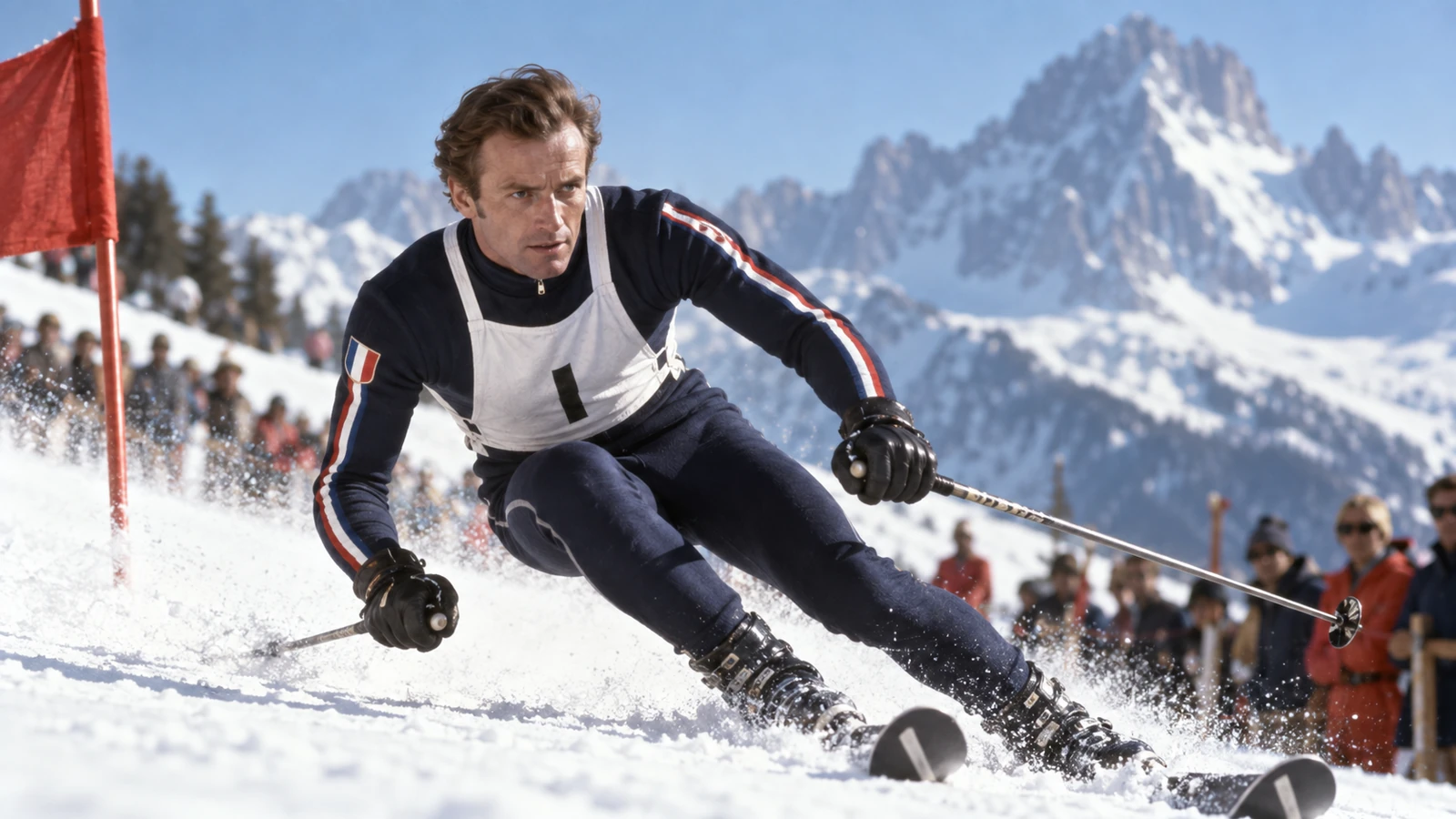
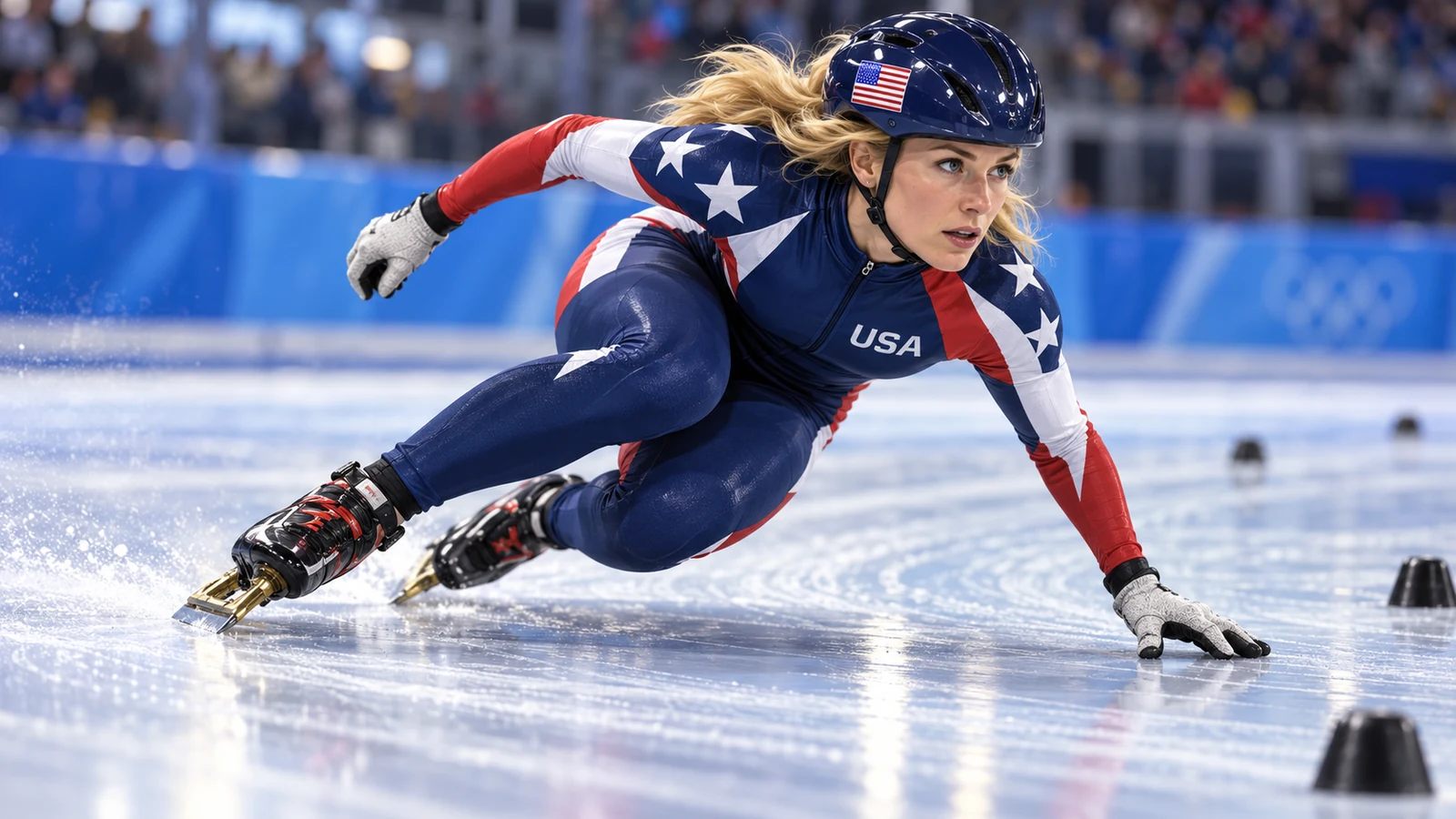
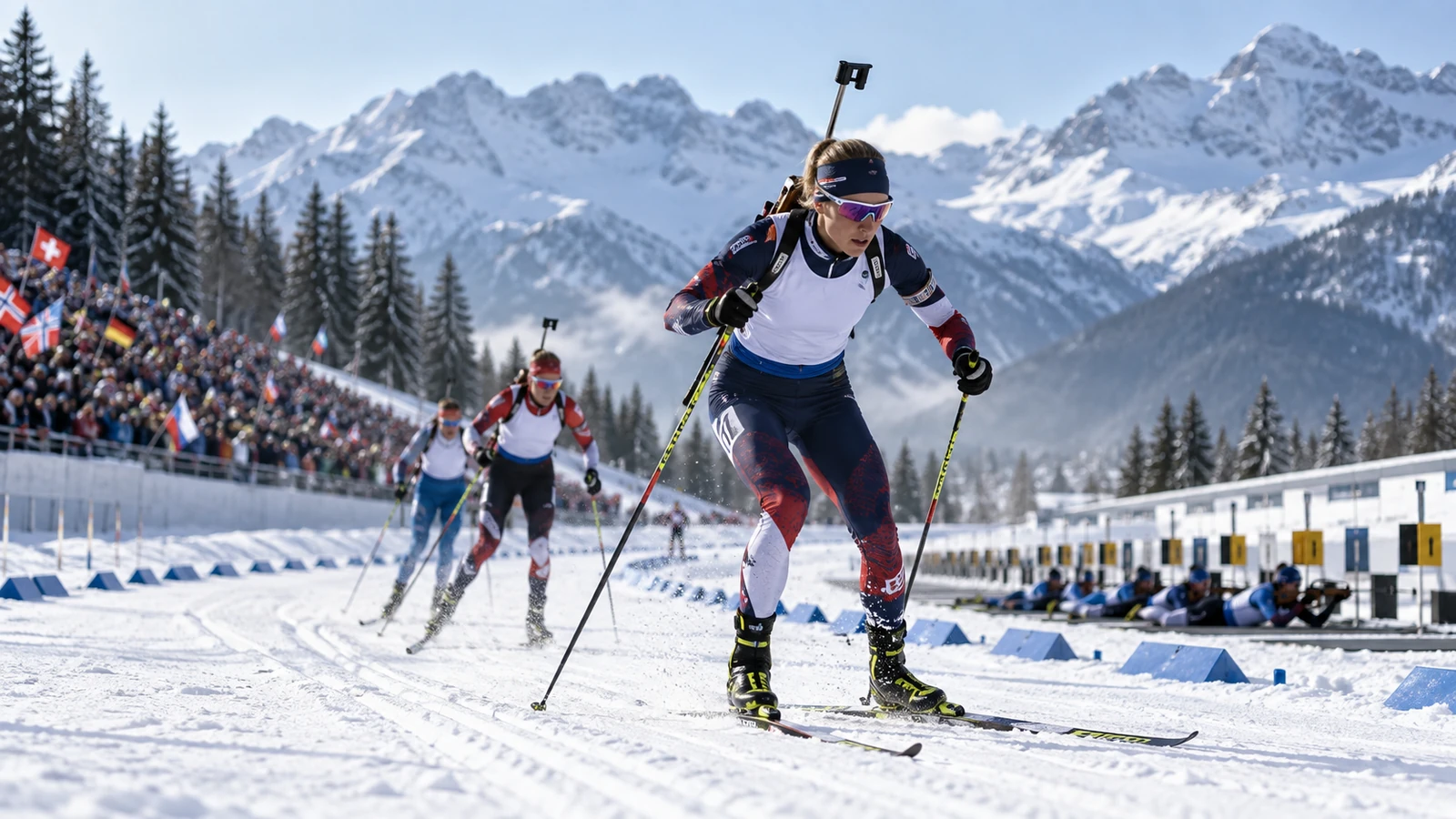
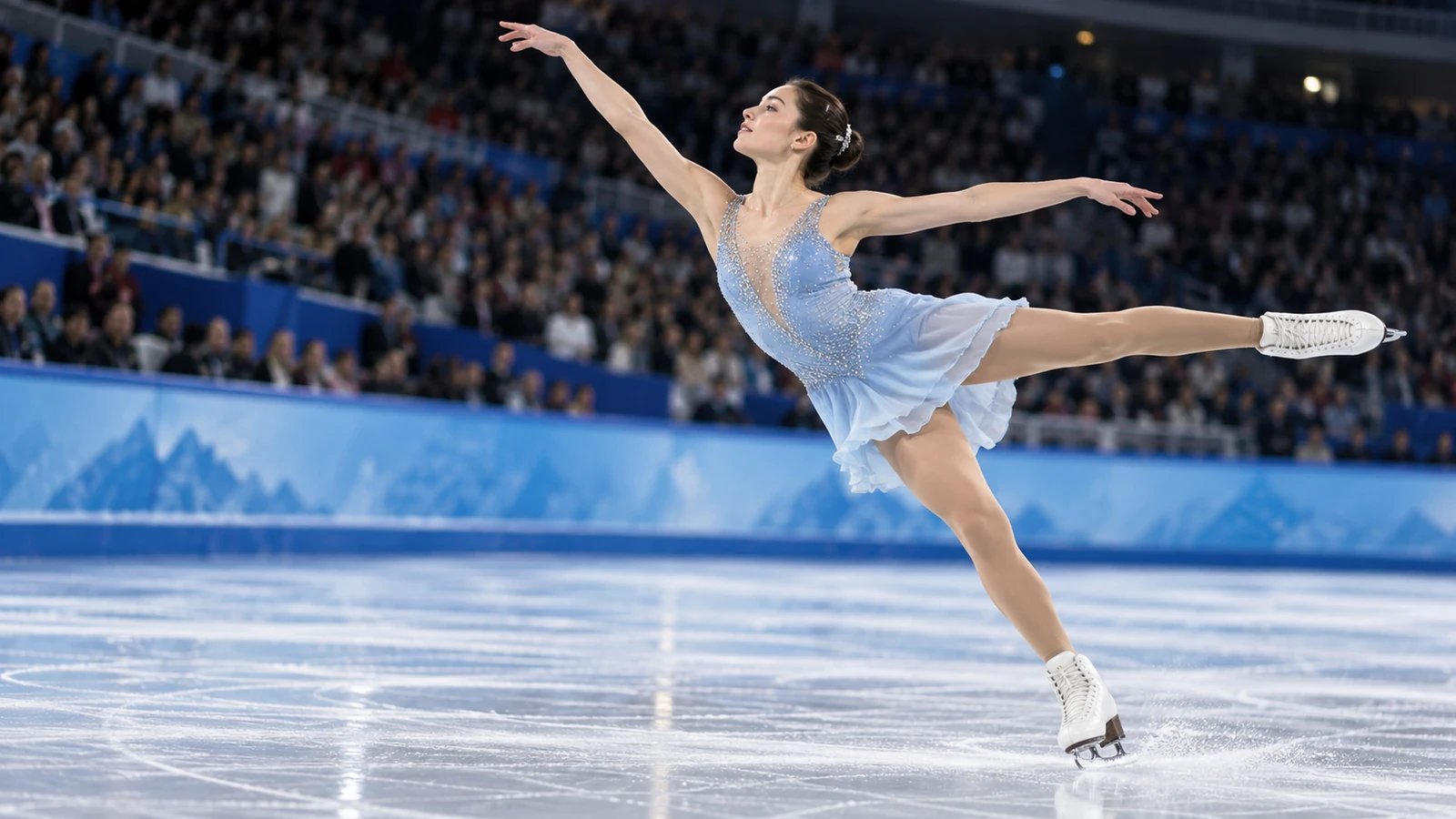
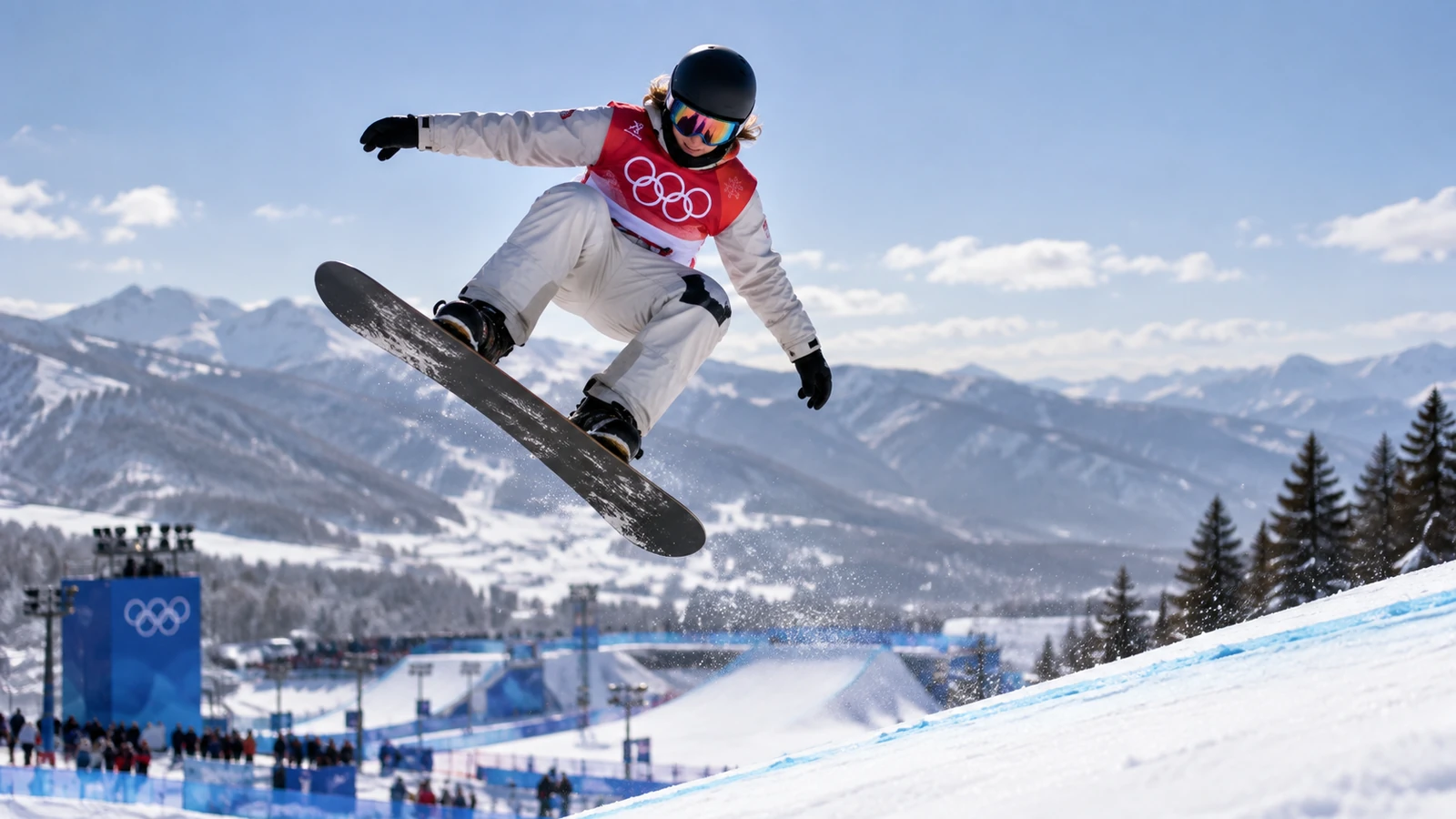
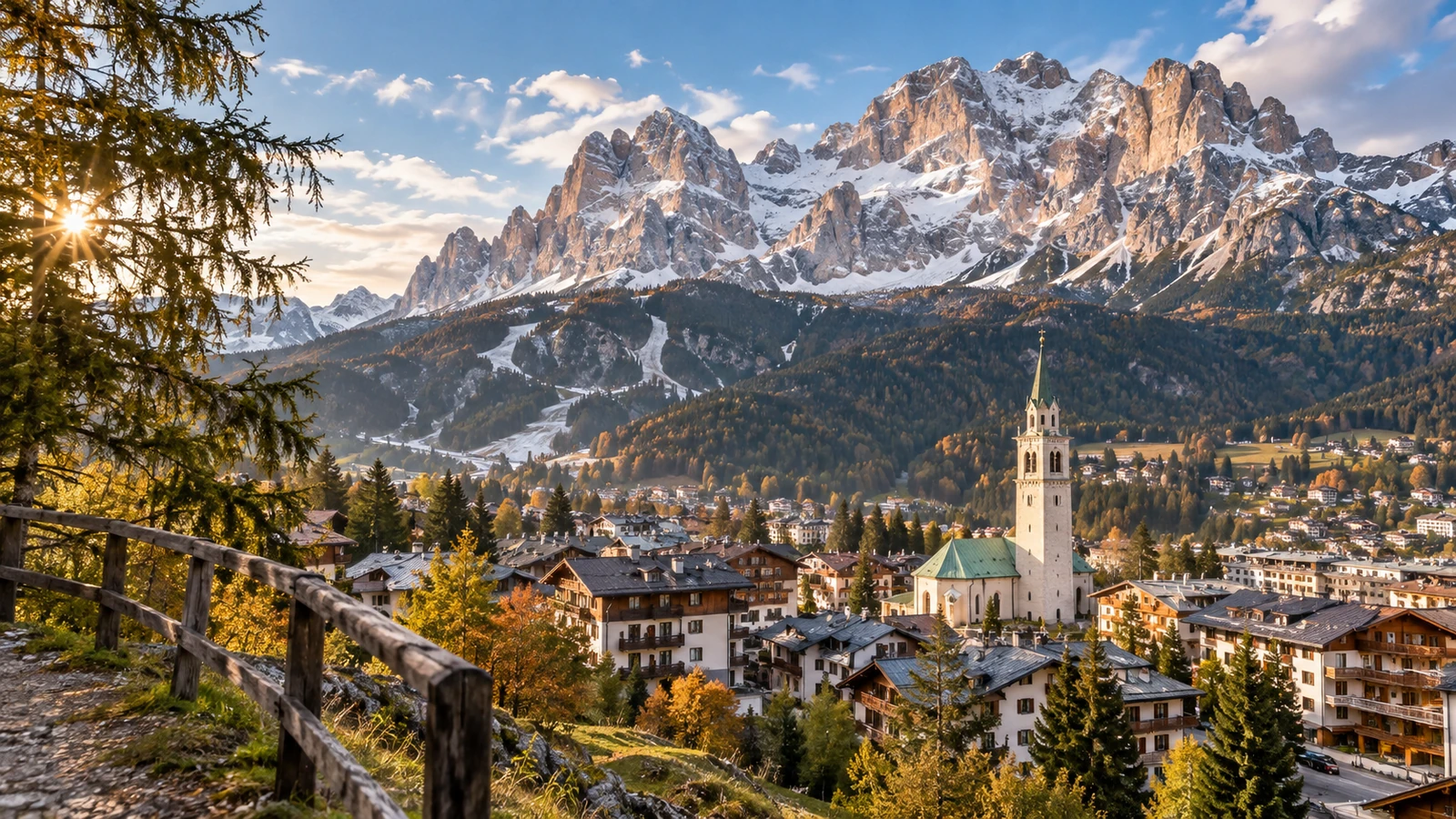
The Winter Olympics began in 1924 as a week-long trial event in France and grew into a festival of speed, courage and precision on snow and ice. This collection covers the sports and the champions that made it. It follows the great alpine skiers Jean-Claude Killy, Franz Klammer, Alberto Tomba, Hermann Maier and Lindsey Vonn, short-track champion Cathy Turner, and eight Olympic disciplines: biathlon, bobsleigh, curling, figure skating, ski jumping, speed skating and snowboarding, plus the Winter Games themselves, the 1998 Nagano Olympics and the Dolomite resort of Cortina d'Ampezzo.
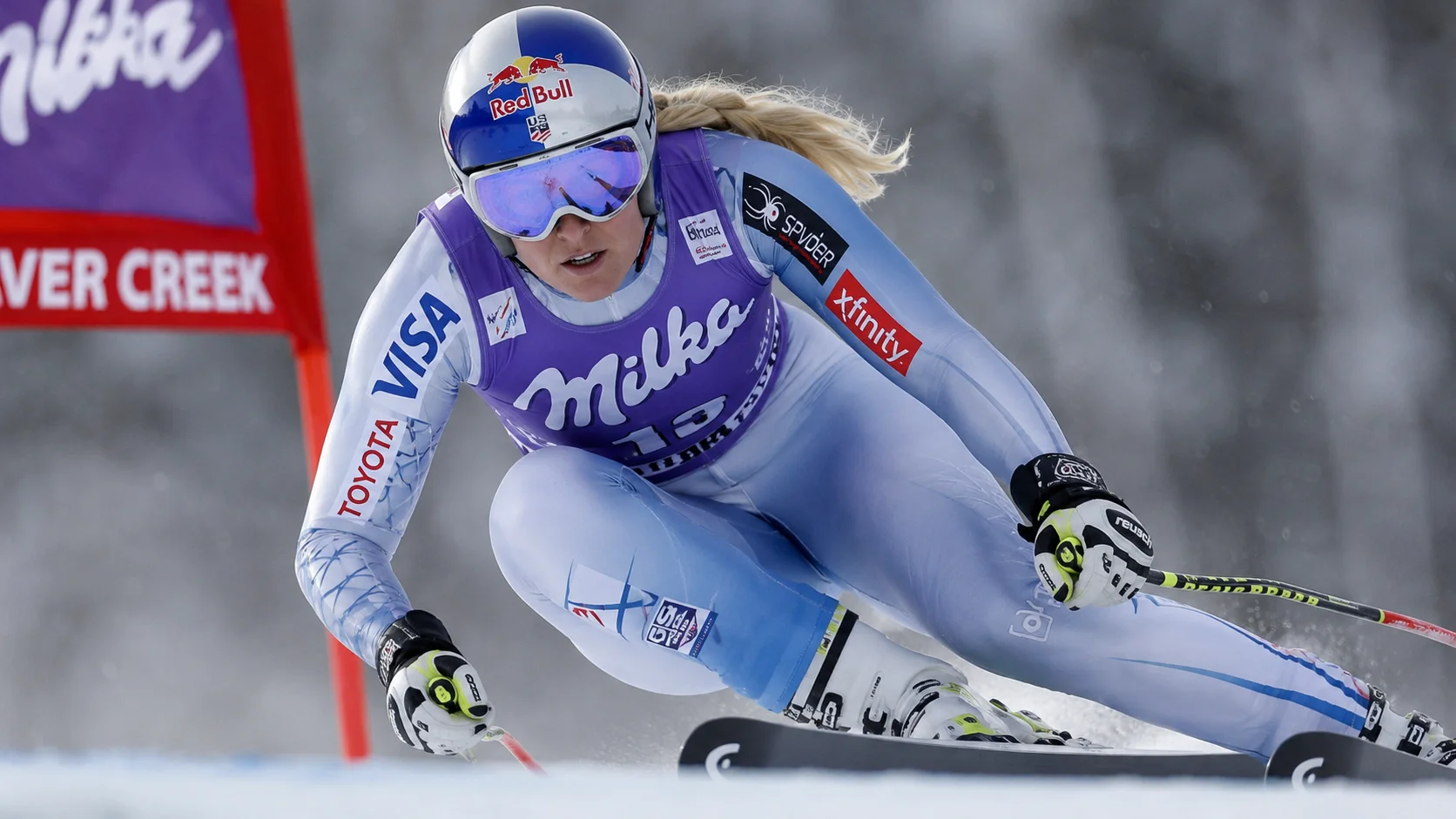
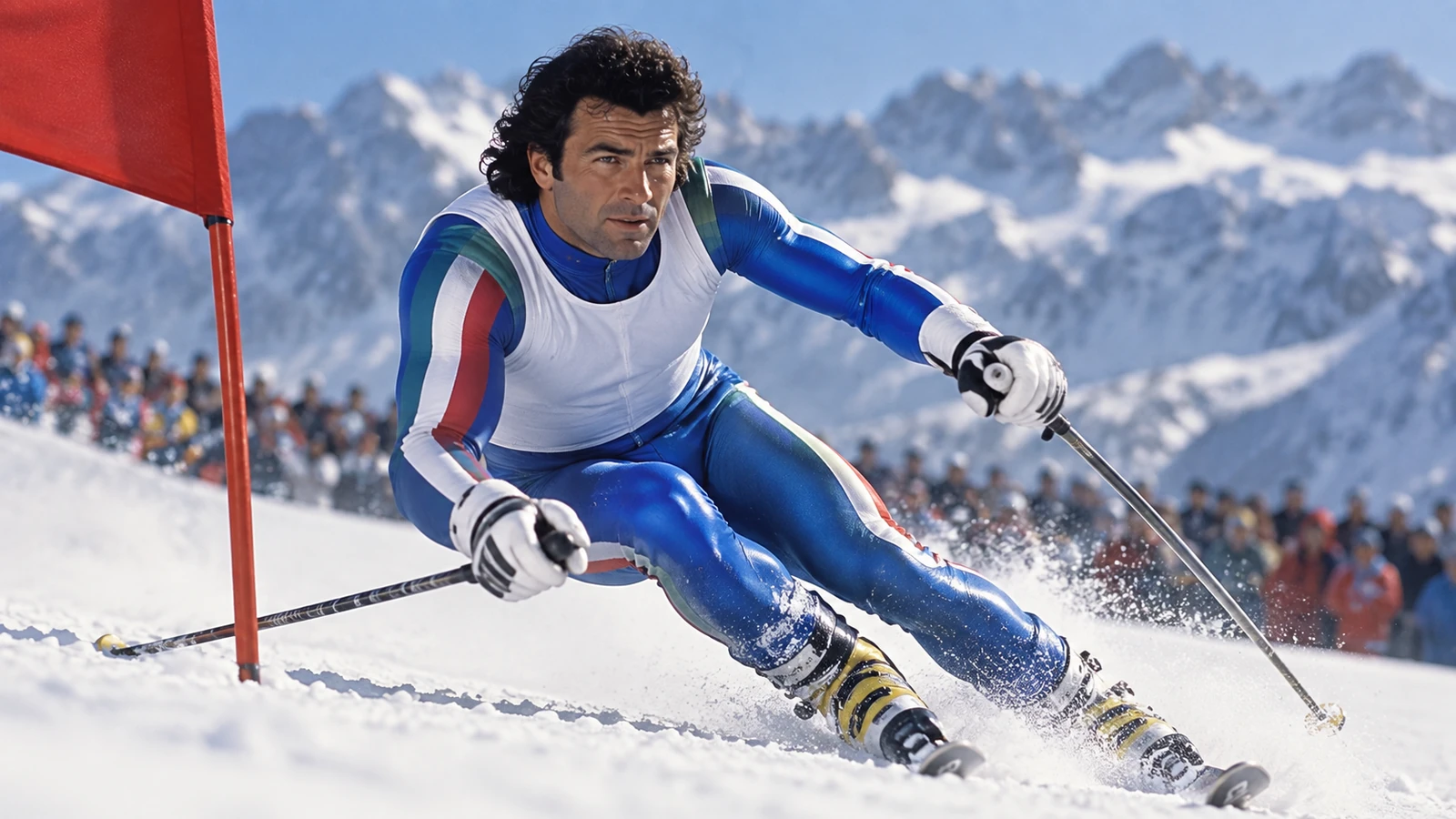
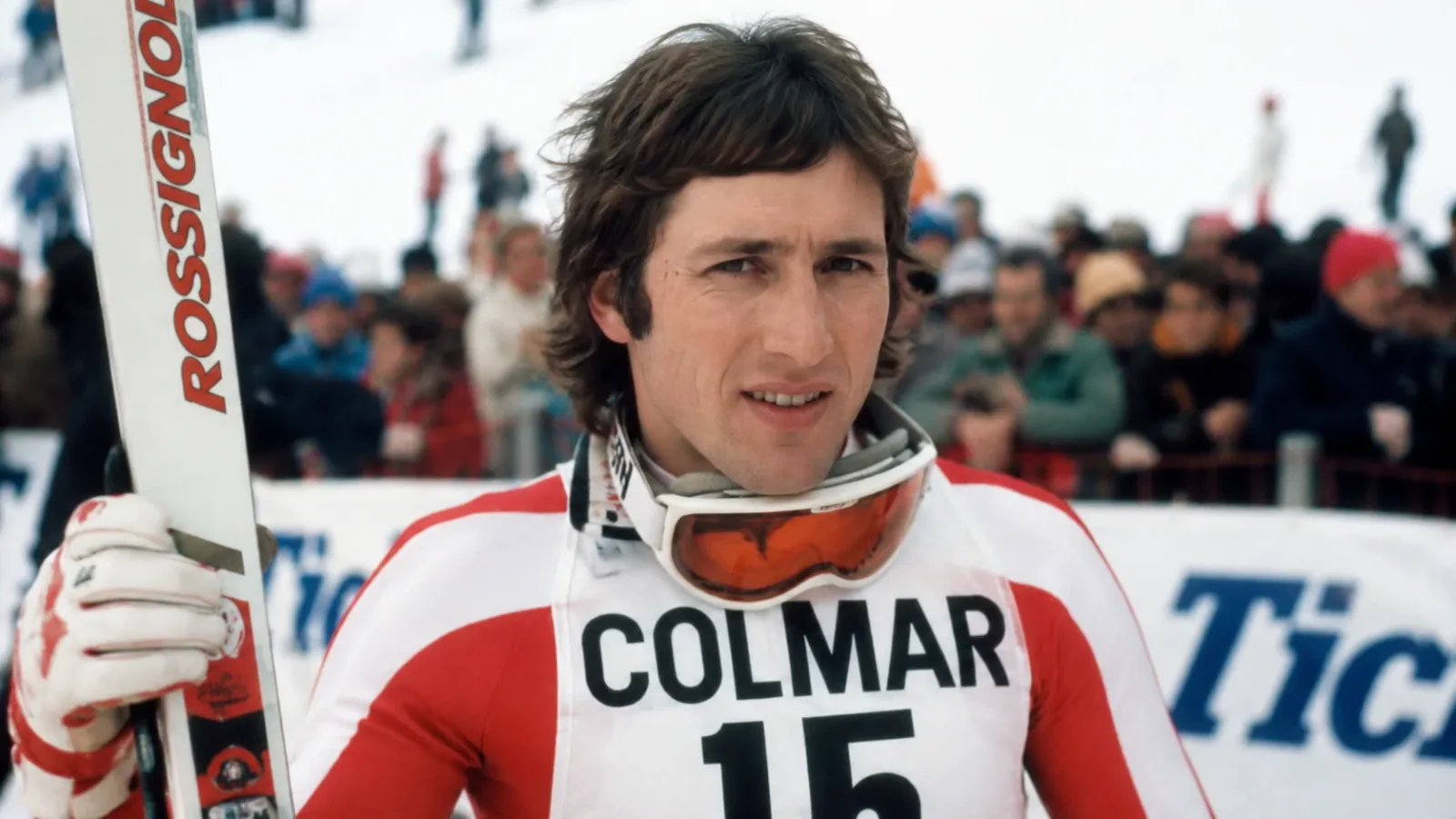
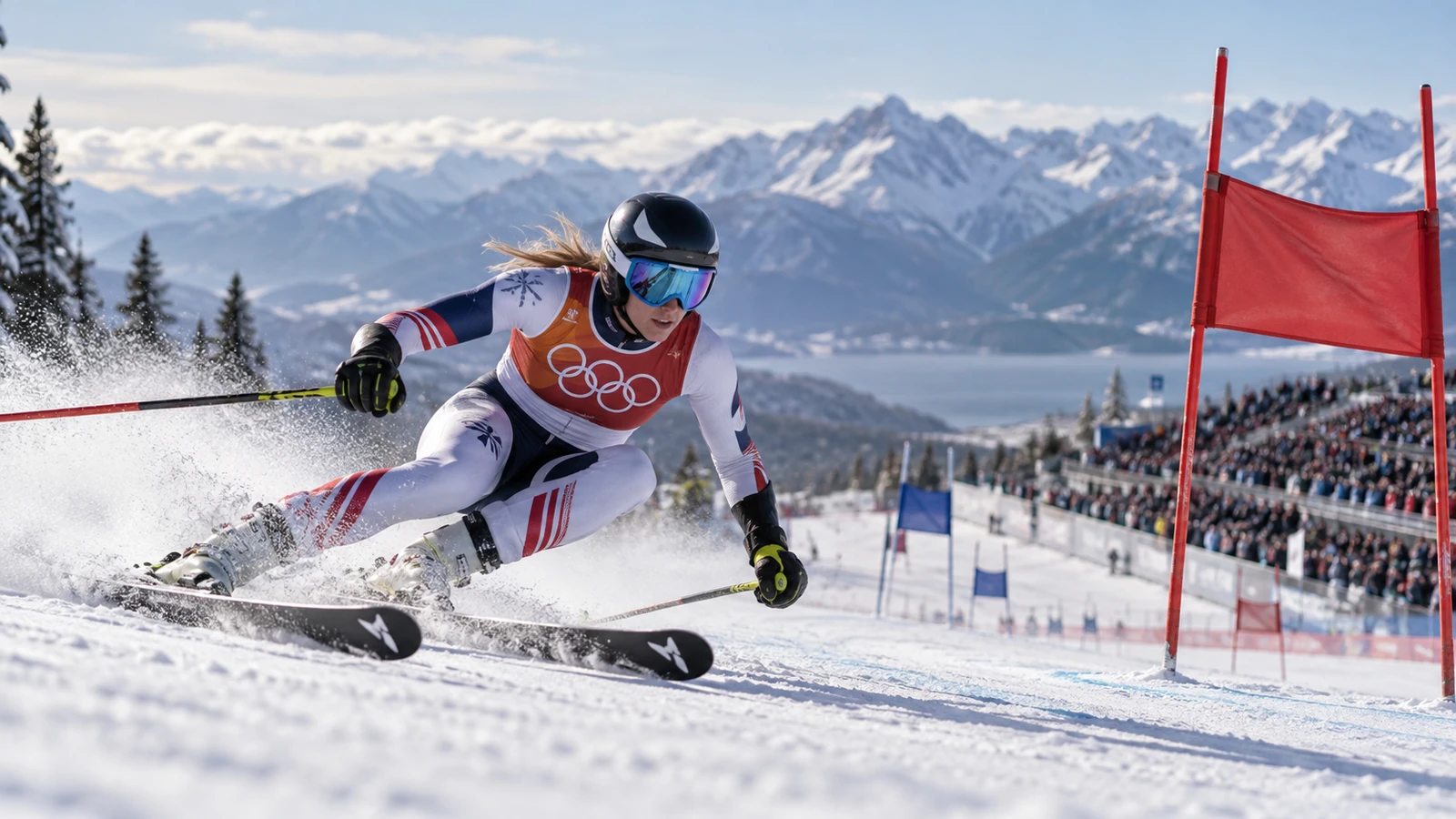
The skiers' stories are full of drama. Killy swept all three alpine golds at Grenoble in 1968, Klammer won his legendary 1976 downhill with the weight of Austria on his shoulders, and Maier survived a 65-mph crash at Nagano only to win two golds days later. Vonn collected 82 World Cup wins and once won a cow called Olympe, while Tomba grew up far from the mountains and still won 50 World Cup races.
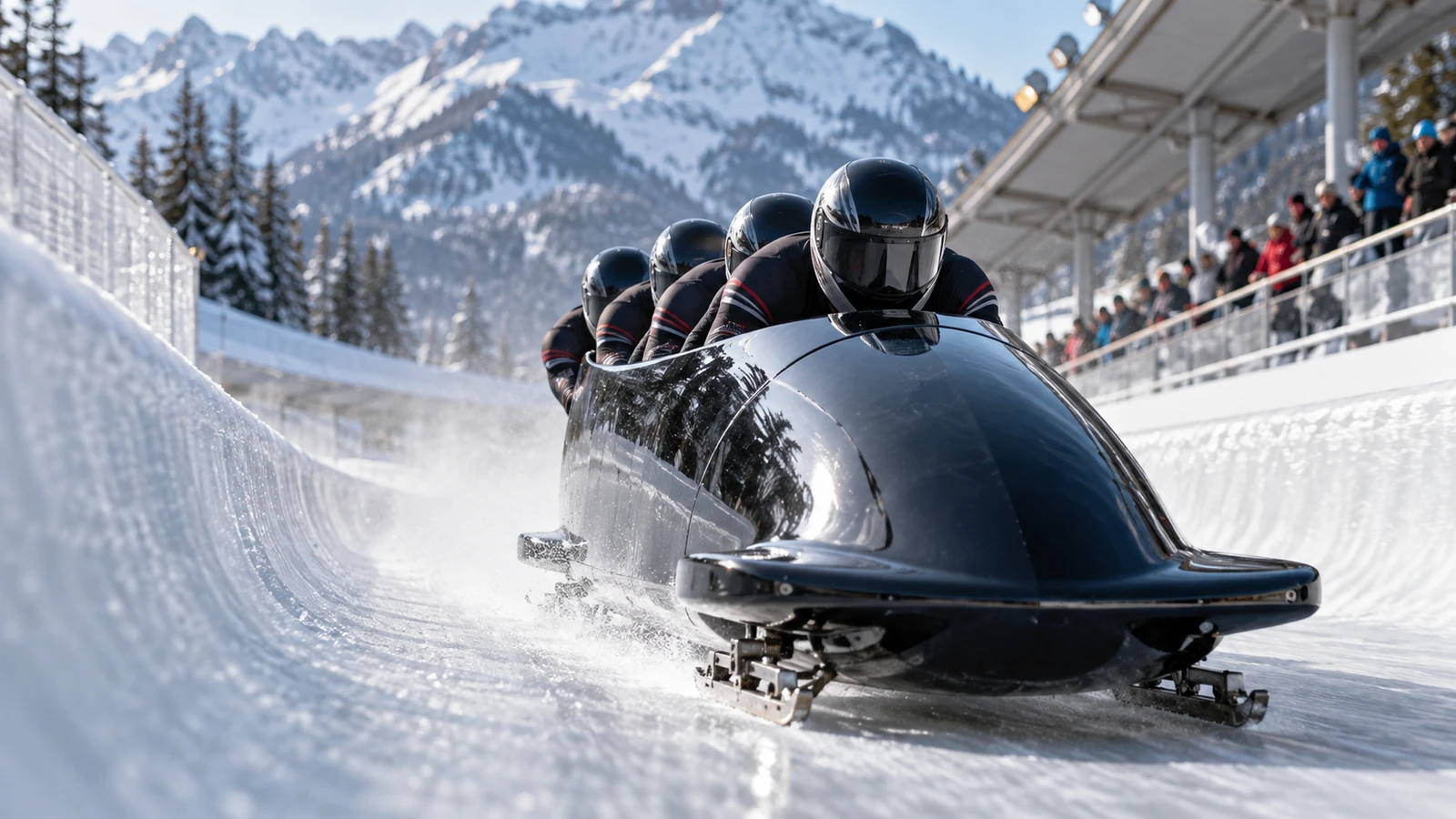
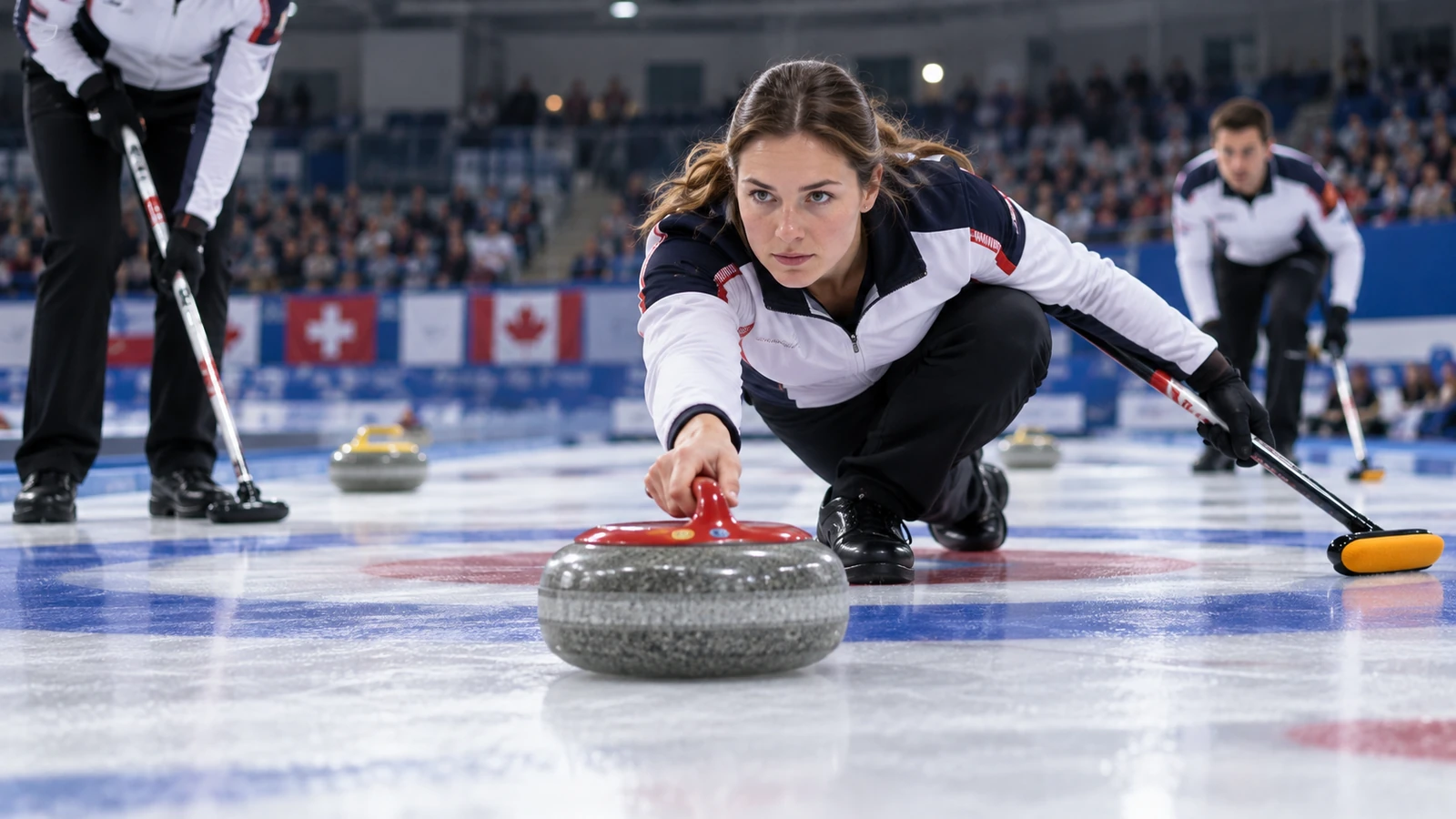
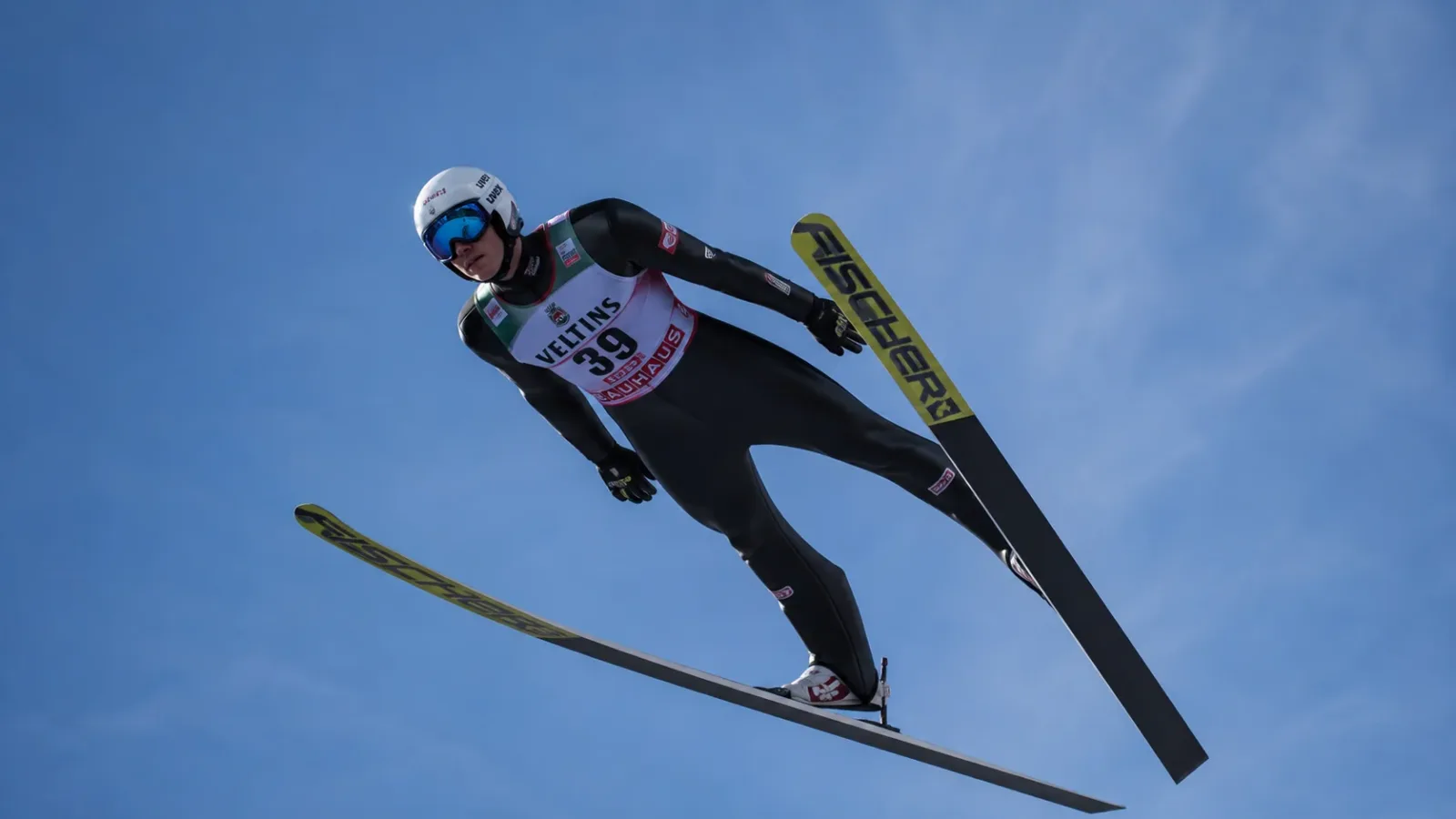
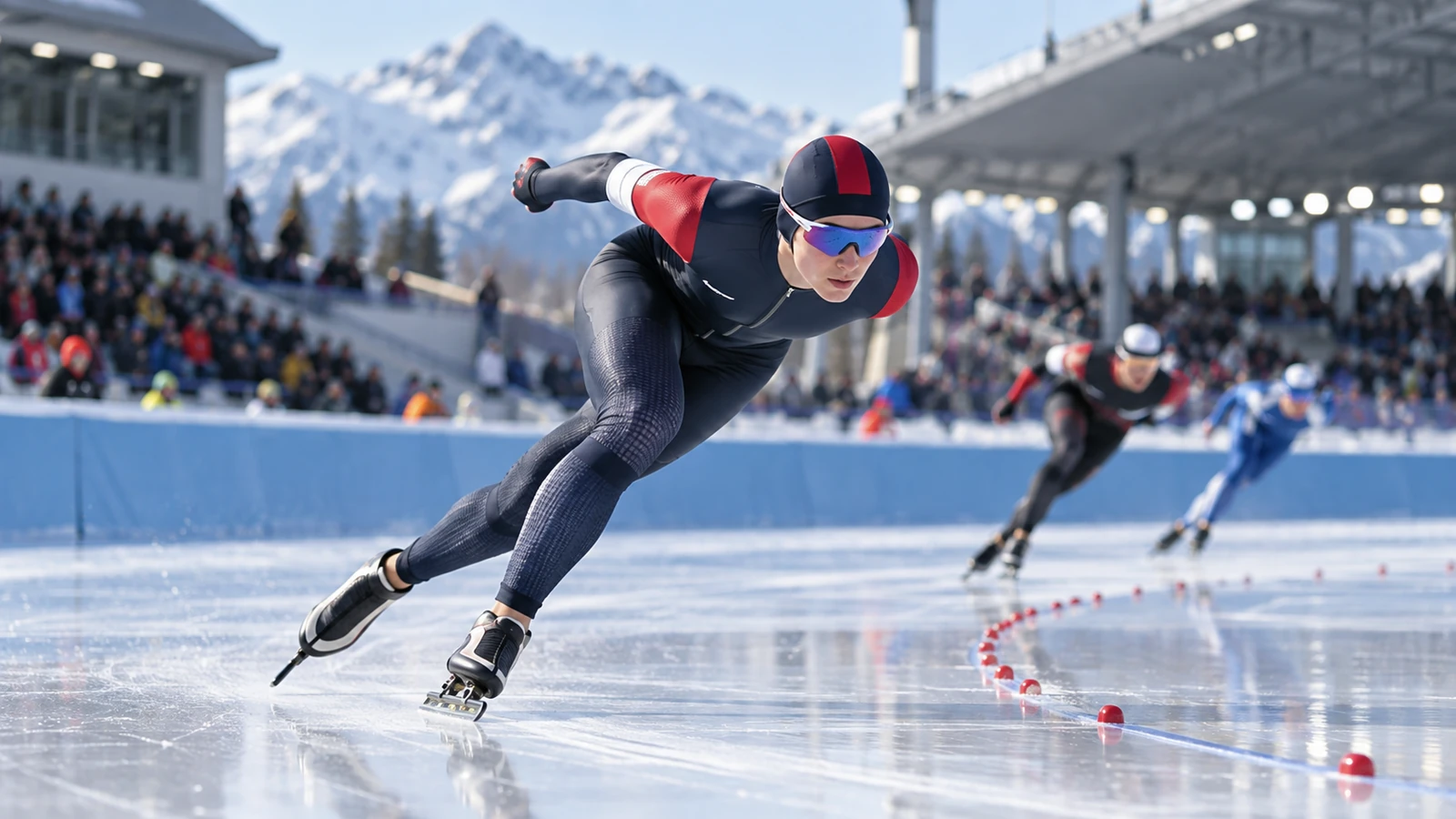
Every sport has its own science and quirks. Biathletes fire between heartbeats at targets the size of a golf ball, curling stones come mostly from a single Scottish island, bobsleigh brakemen never touch the brakes during a run, and ski jumpers must meet a strict BMI rule. Speed skaters gained huge speed from the hinged clap skate, and Steven Bradbury won gold after all his rivals crashed on the final turn.
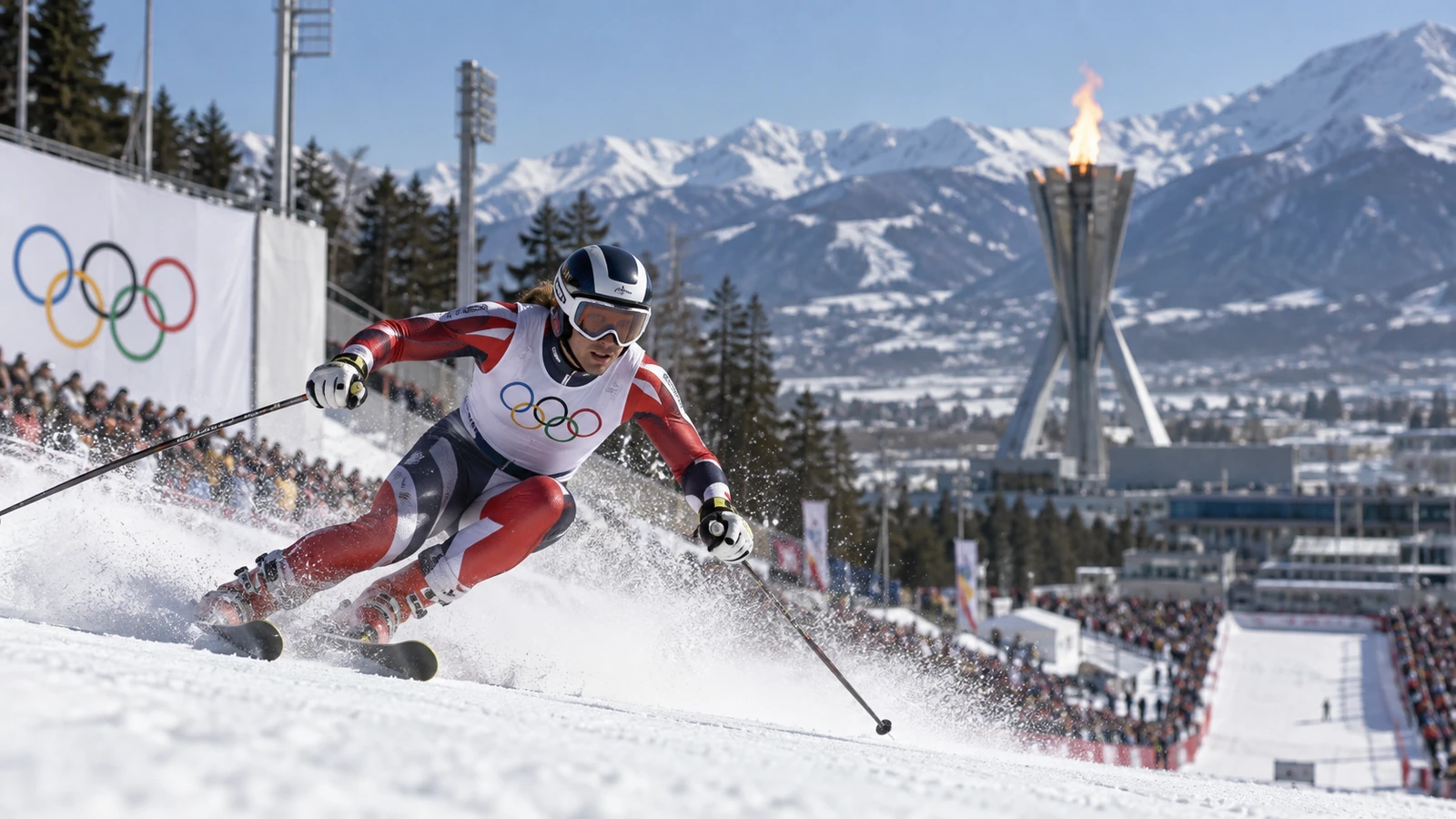
From Walt Disney's 1960 opening ceremony to Cortina's return as a host in 2026, the Winter Games are full of surprising history. Pick an article below to read fifteen facts.