15 Fun Facts
🎲
Travel

Natural Wonders of the World

Twenty natural wonders, from Iguazú Falls, the Great Barrier Reef and the Amazon to Mount Fuji, Kilimanjaro, Antarctica, the Mariana Trench and the glowing Sea of Stars, with the science and stories behind each landscape.

Updated November 3, 2026 · 20 items · 300 facts in the linked articles · Reading time 5 min

Some places on Earth look almost too strange to be real. This collection brings together twenty of the planet's natural wonders: thundering waterfalls and living reefs, sacred volcanoes and lone mountains, salt flats that become mirrors, cotton-white terraces and fairy-chimney valleys, the vast Amazon and the frozen poles, the deepest trench in the ocean and a beach that glows blue at night.

Many of them hold records. The Great Barrier Reef is the largest living structure on Earth, Kilimanjaro is the tallest free-standing mountain, Salar de Uyuni is the world's largest salt flat, and the Mariana Trench's Challenger Deep is deeper than Mount Everest is tall. Antarctica holds about 70 percent of Earth's fresh water, yet its Dry Valleys have not seen rain in two million years.

Their science is often surprising. The Amazon makes its own rain and is fertilised by dust blown from the Sahara, Iceland's Blue Lagoon was created by accident by a power plant, Pamukkale's white terraces are made of mineral deposits, not snow, and the Sea of Stars on Vaadhoo Island glows because of microscopic plankton defending themselves. Mount Fuji is actually three volcanoes stacked on top of each other, and its summit is owned by a shrine.

From Cappadocia's underground cities to Greenland's hidden mega-canyon and Lapland's eight seasons, these places also carry rich human stories. Choose a wonder below to read fifteen facts.
The short version

Every item on this page, with the one fact most people get wrong about it.

Name Where you'll meet it The fact worth knowing
Iguazú Falls Argentina and Brazil It is wider than Victoria Falls and taller than Niagara.
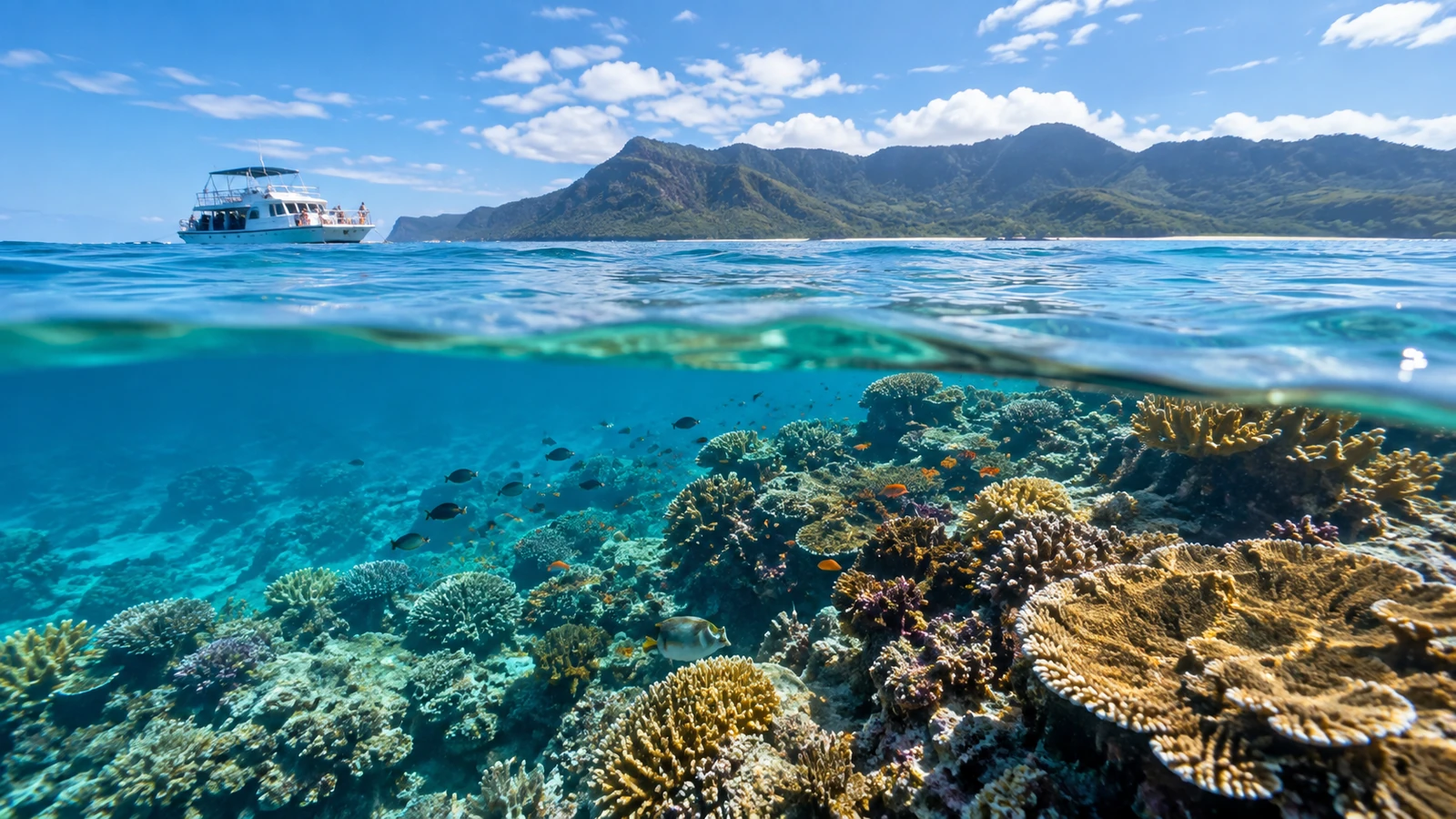
Great Barrier Reef Queensland, Australia It is the largest living structure on Earth.
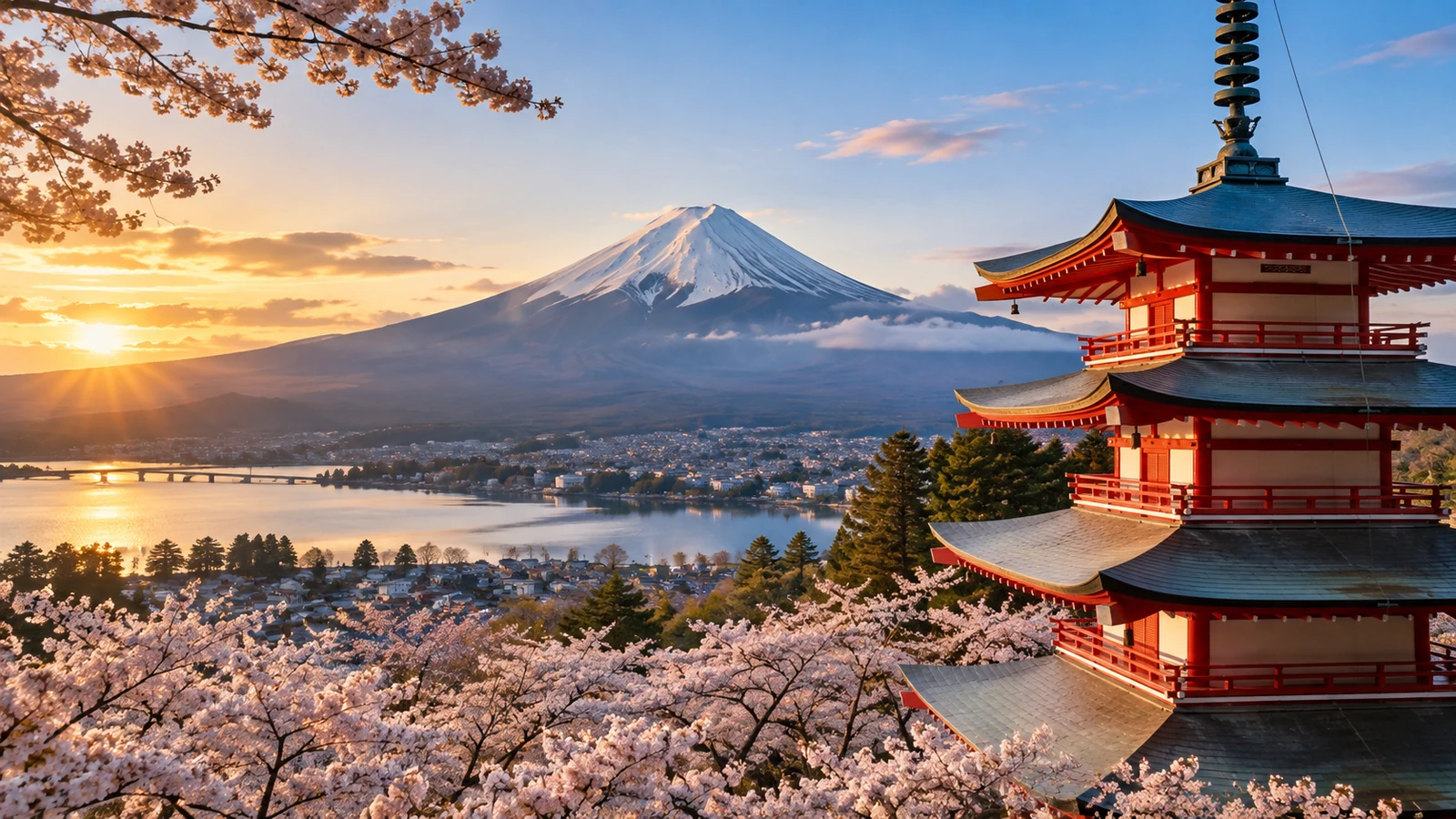
Mount Fuji Honshu, Japan Its summit is privately owned by a Shinto shrine.
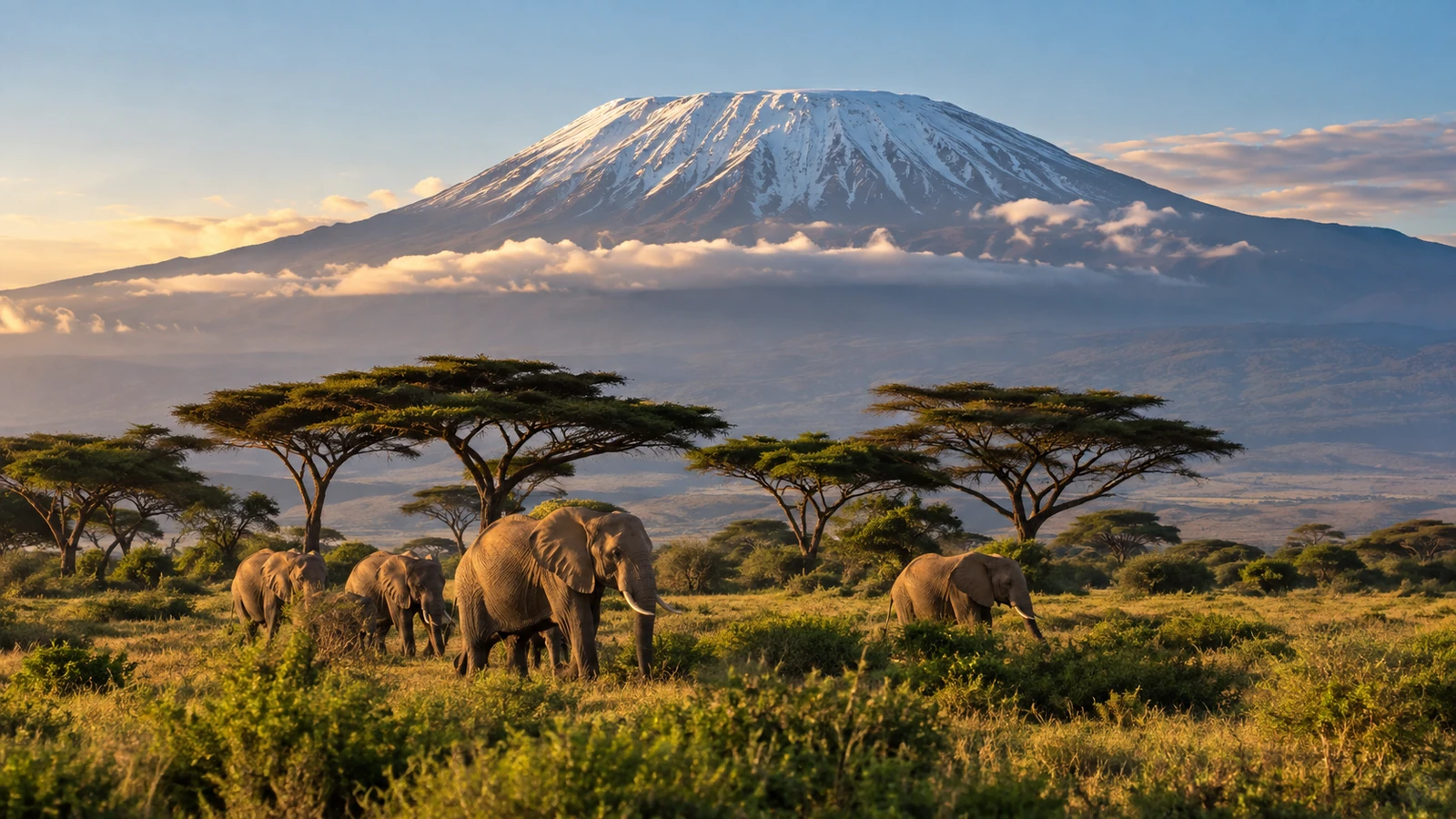
Mount Kilimanjaro Tanzania It is the tallest free-standing mountain on Earth.
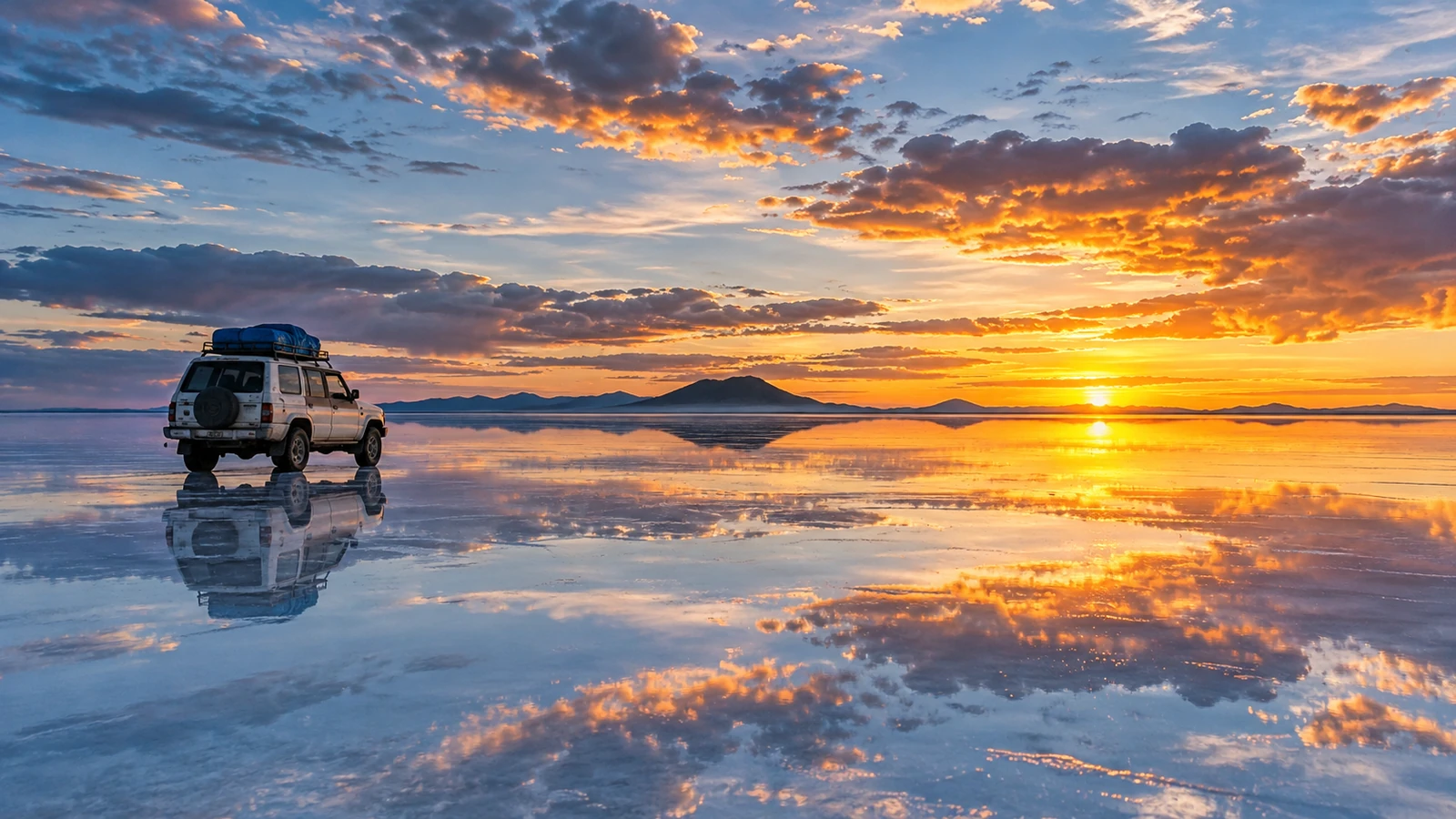
Salar de Uyuni Bolivia In the rainy season it becomes the world's largest mirror.
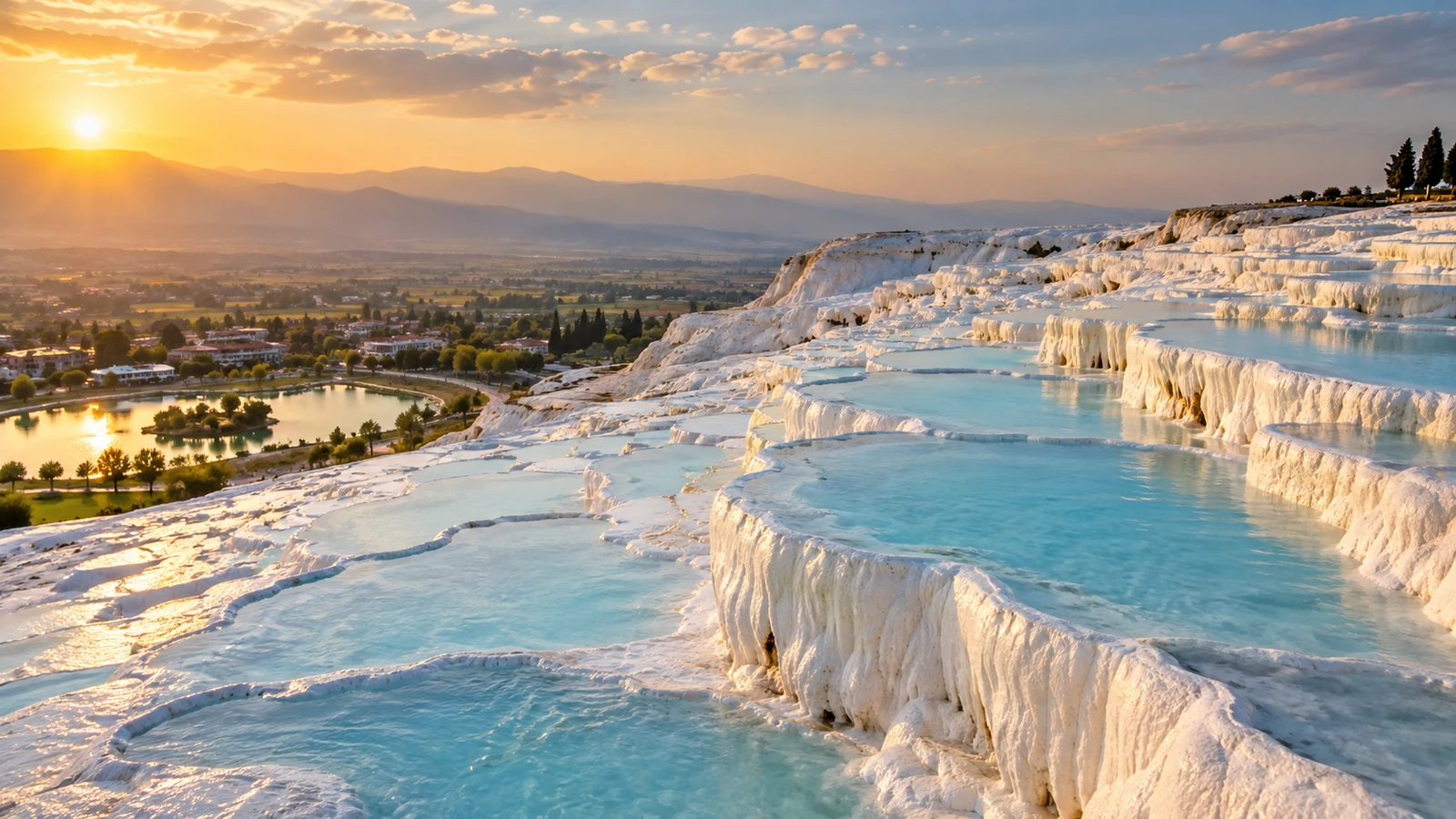
Pamukkale Türkiye Visitors can swim among fallen Roman columns.
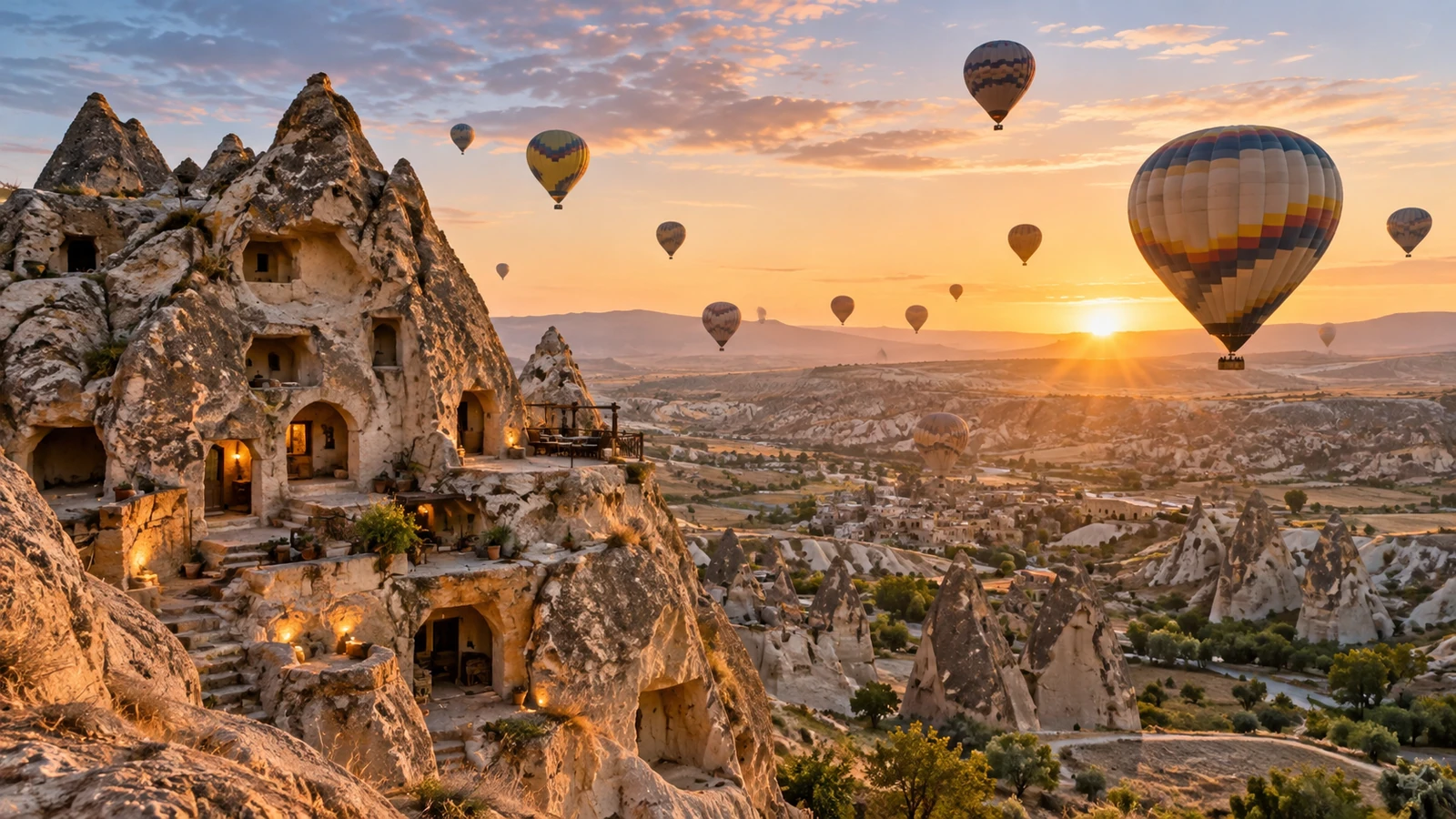
Cappadocia Central Türkiye The underground city of Derinkuyu could shelter 20,000 people.
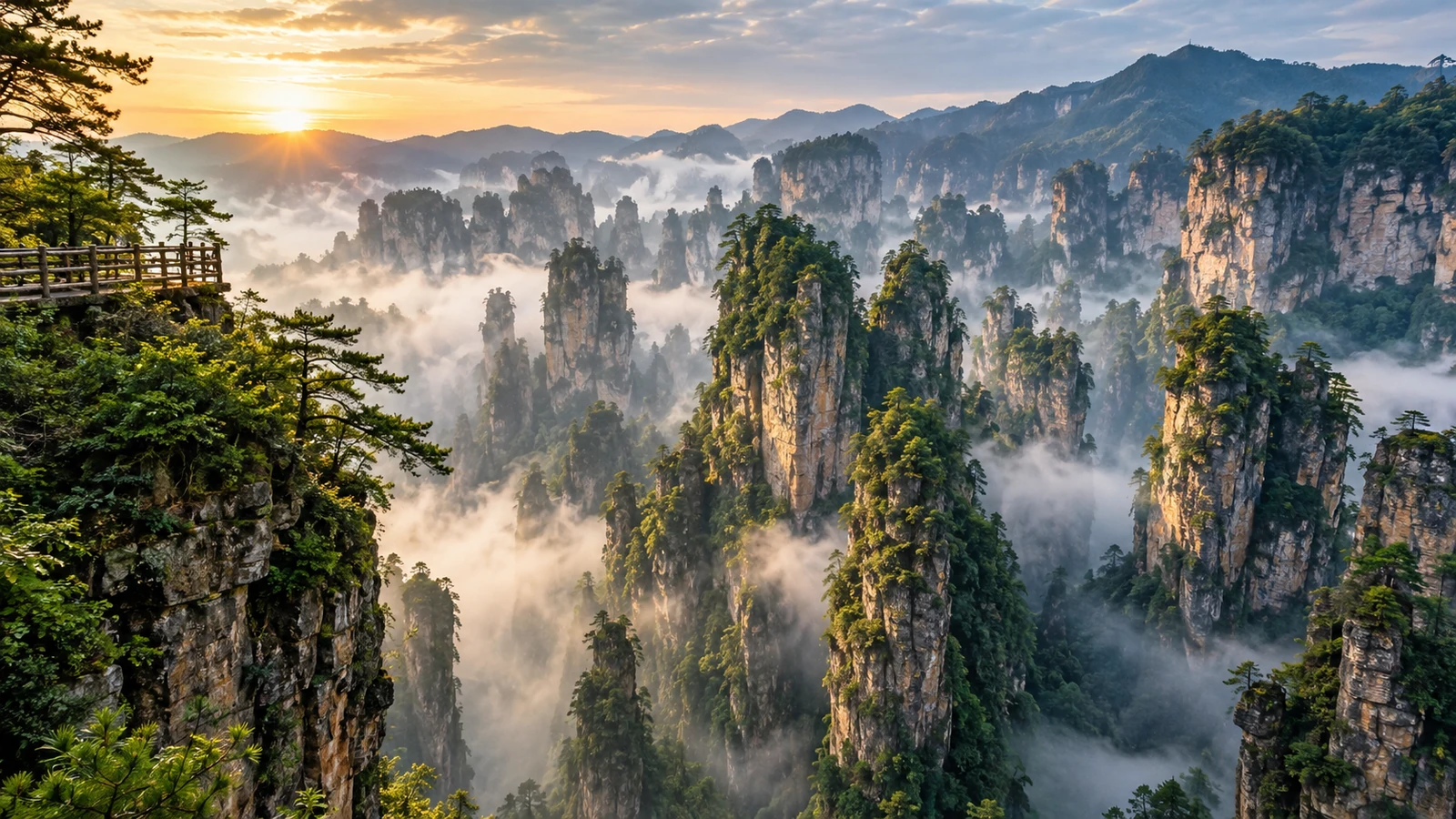
Zhangjiajie Hunan, China Its stone pillars inspired the floating mountains in Avatar.
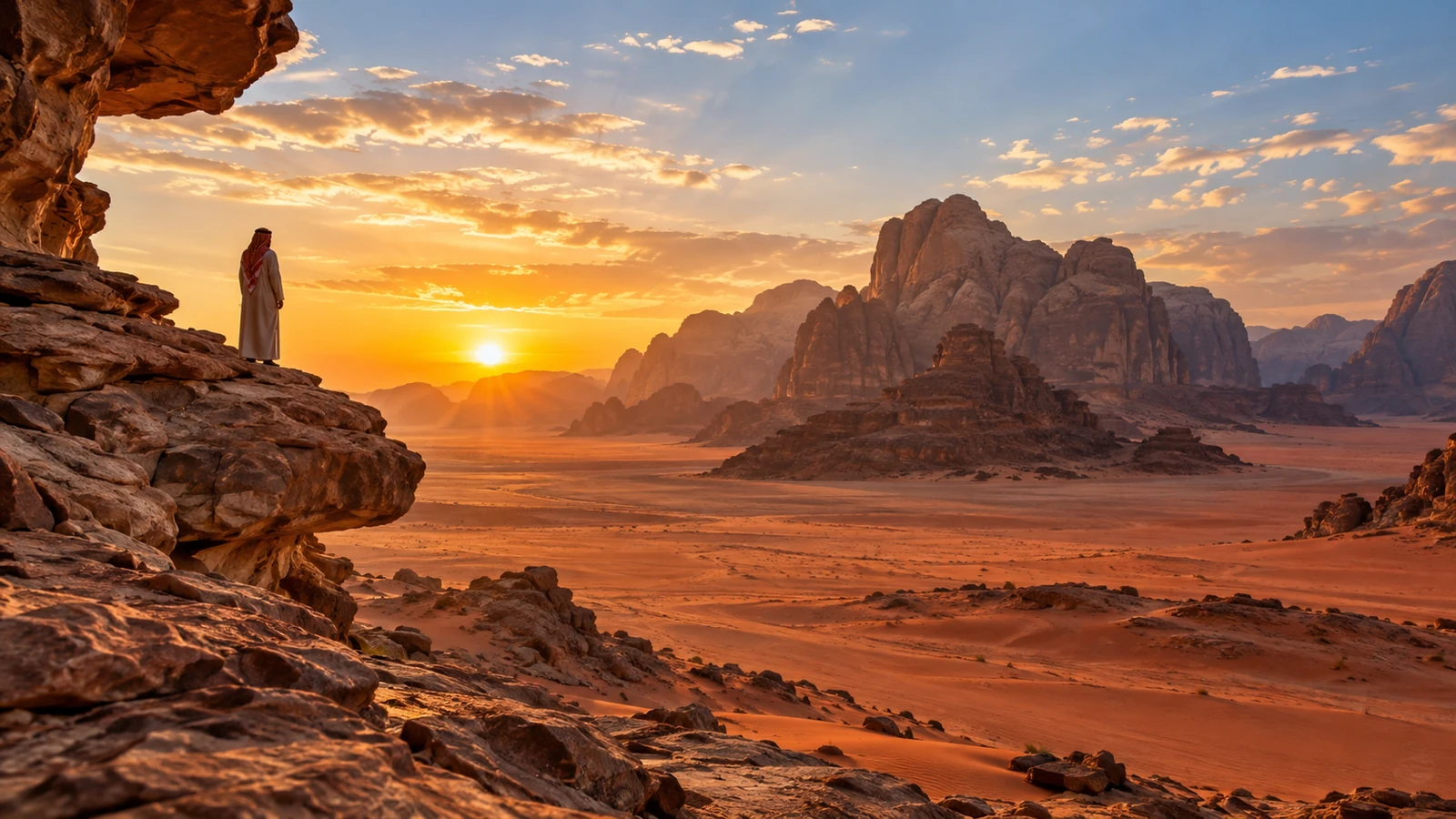
Wadi Rum Jordan More than 45,000 ancient rock inscriptions have been found there.
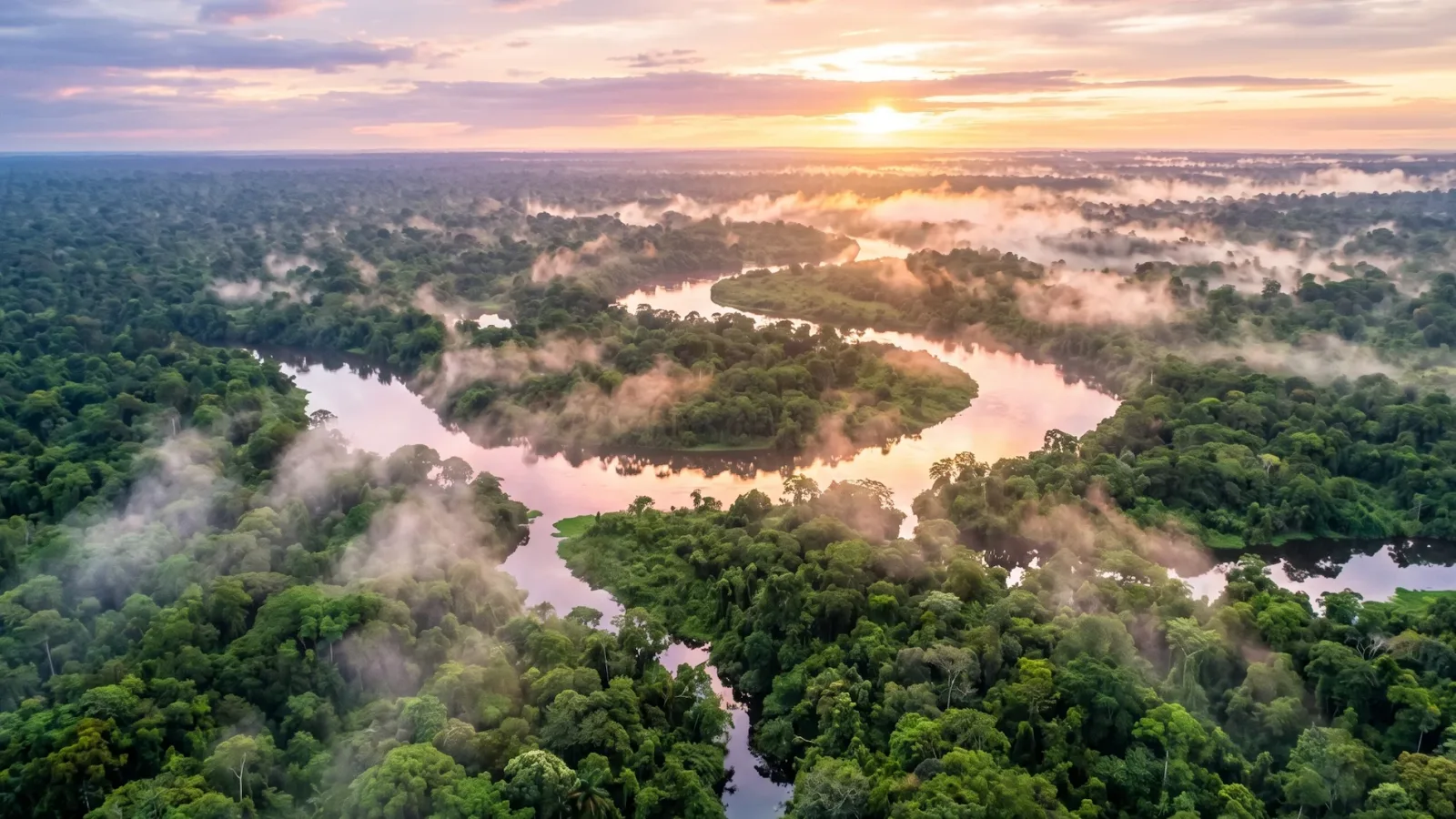
Amazon Rainforest South America The forest creates its own rain.
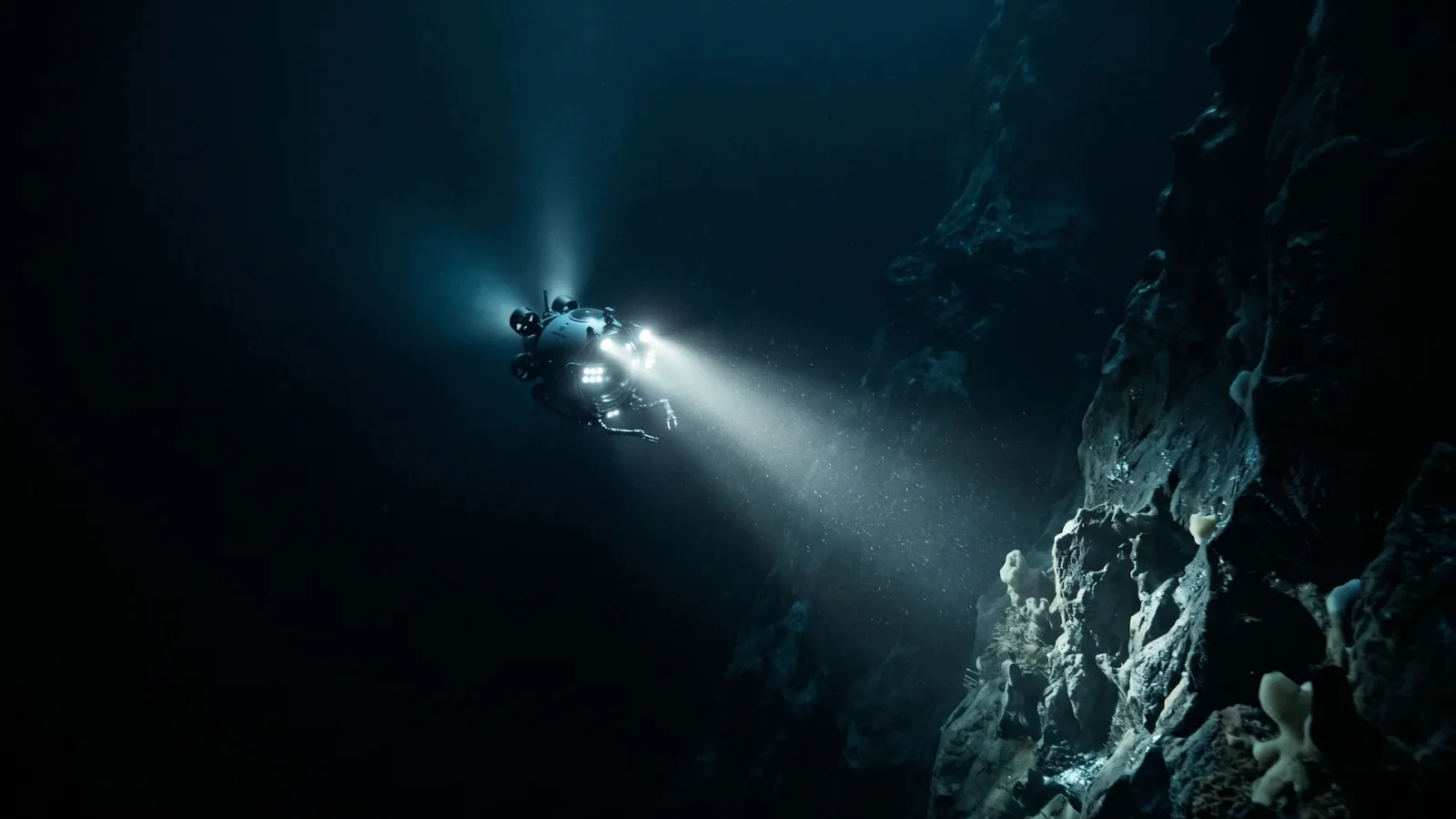
Mariana Trench Western Pacific The Challenger Deep is deeper than Mount Everest is tall.
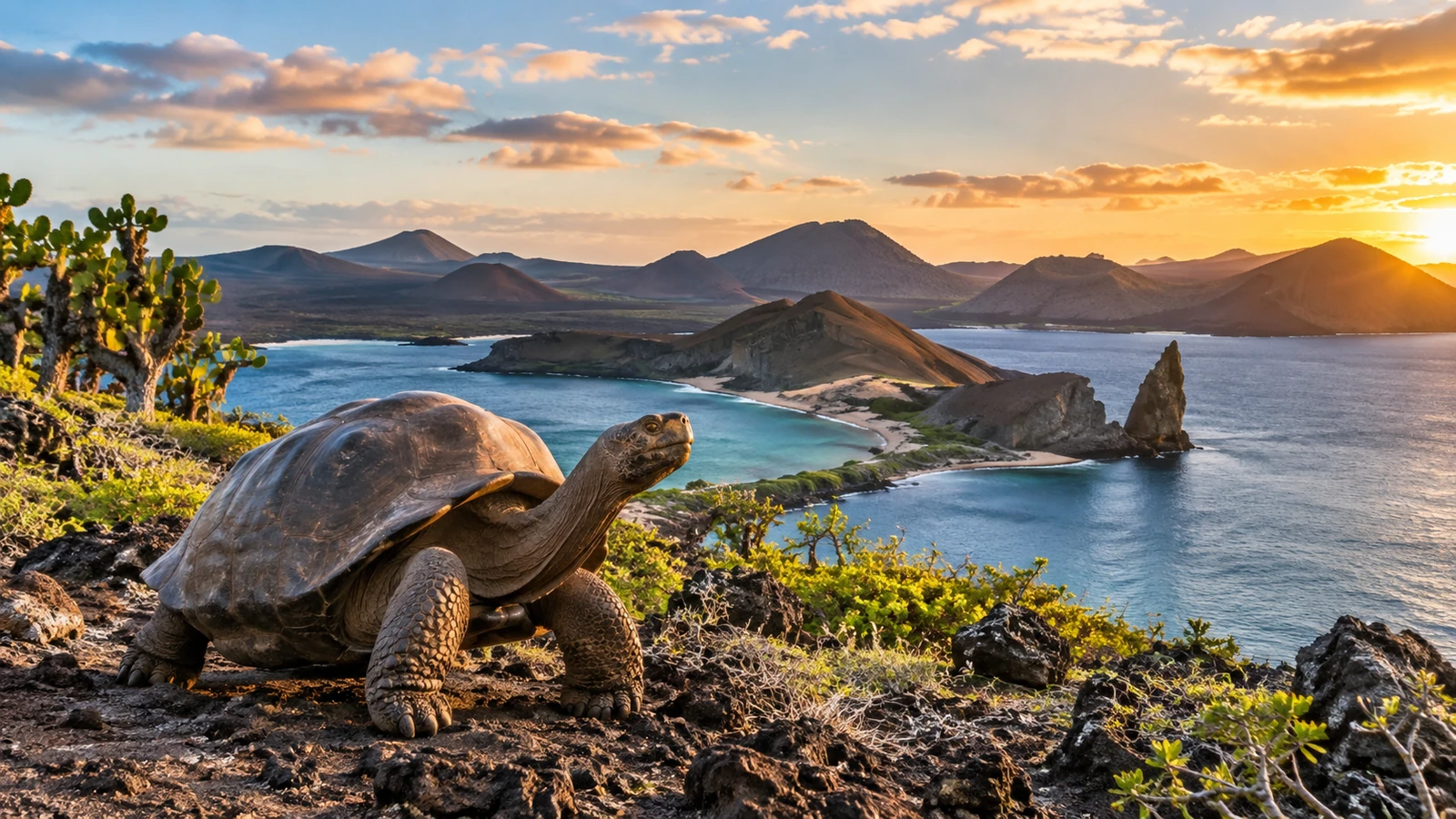
Galápagos Islands Ecuador Charles Darwin spent only five weeks there.
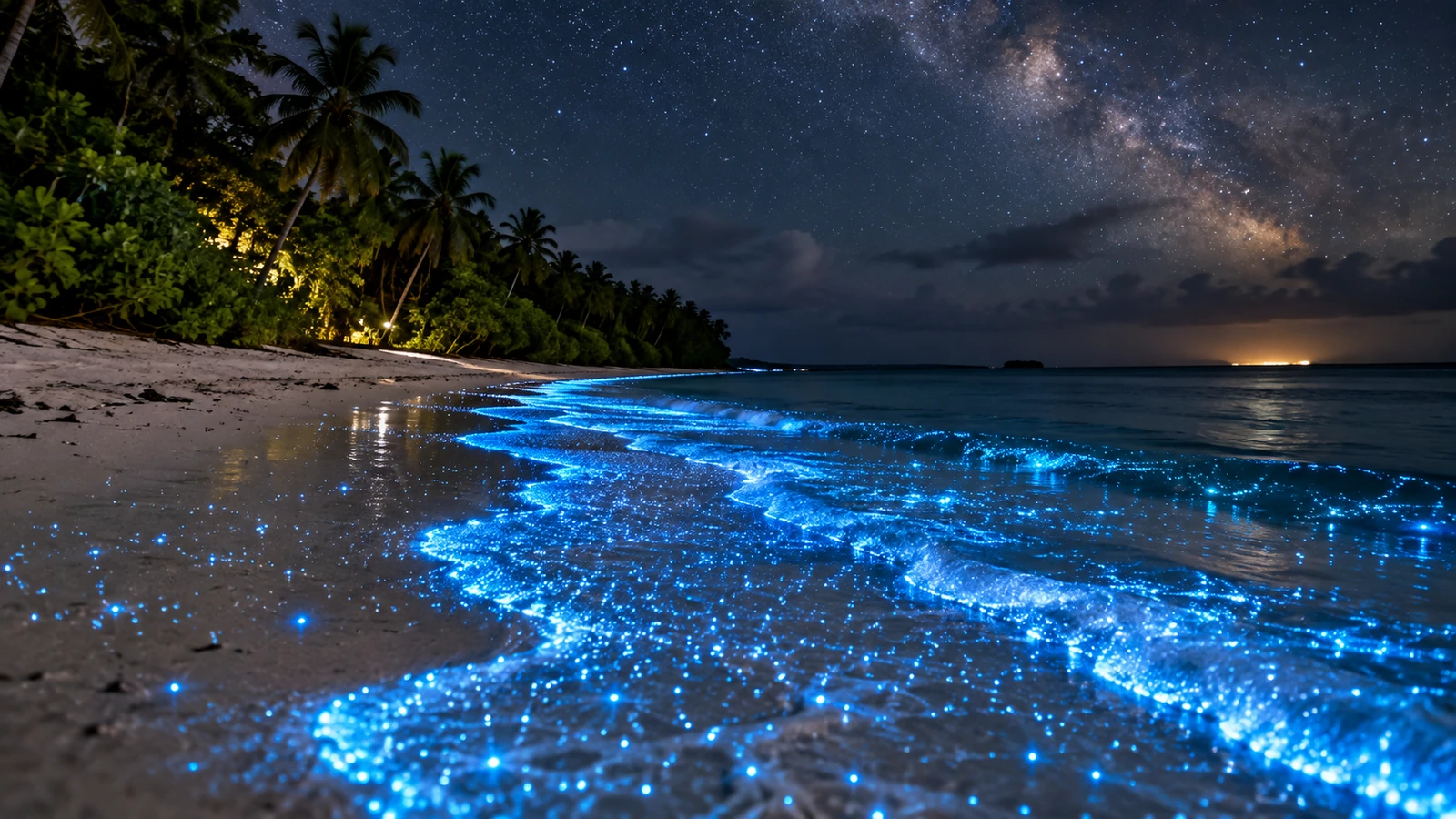
Sea of Stars Vaadhoo Island, Maldives The glow comes from microscopic plankton defending themselves.
Patagonia Argentina and Chile Cueva de las Manos preserves rock art about 13,000 years old.
Antarctica South Pole Its Dry Valleys have not seen rain in two million years.
Greenland Arctic North America No roads connect any of its towns.
The Alps Eight European countries Ötzi the Iceman preserved a 5,300-year-old crime scene.
Blue Lagoon Reykjanes, Iceland It was created entirely by accident.
Lake Bled Julian Alps, Slovenia Grooms traditionally carry their brides up 99 steps to the island church.
Lapland Northern Fennoscandia Rovaniemi was rebuilt in the shape of a reindeer's head.

Record holders

Largest Living Structure

Great Barrier Reef

The reef off Queensland is the largest structure built by living organisms on Earth. Great Barrier Reef

Driest Place

2 million years

Antarctica's Dry Valleys have not seen rain for about two million years. Antarctica

Biggest River Discharge

7 rivers combined

The Amazon discharges more water than the next seven largest rivers combined. Amazon Rainforest

Most Salt

~10 billion tonnes

Salar de Uyuni, the world's largest salt flat, holds an estimated 10 billion tonnes of salt. Salar de Uyuni

All 20, one fact at a time

The Thunderous Wonder: 15 Fascinating Facts About Iguazú Falls

Iguazú Falls

Argentina and Brazil

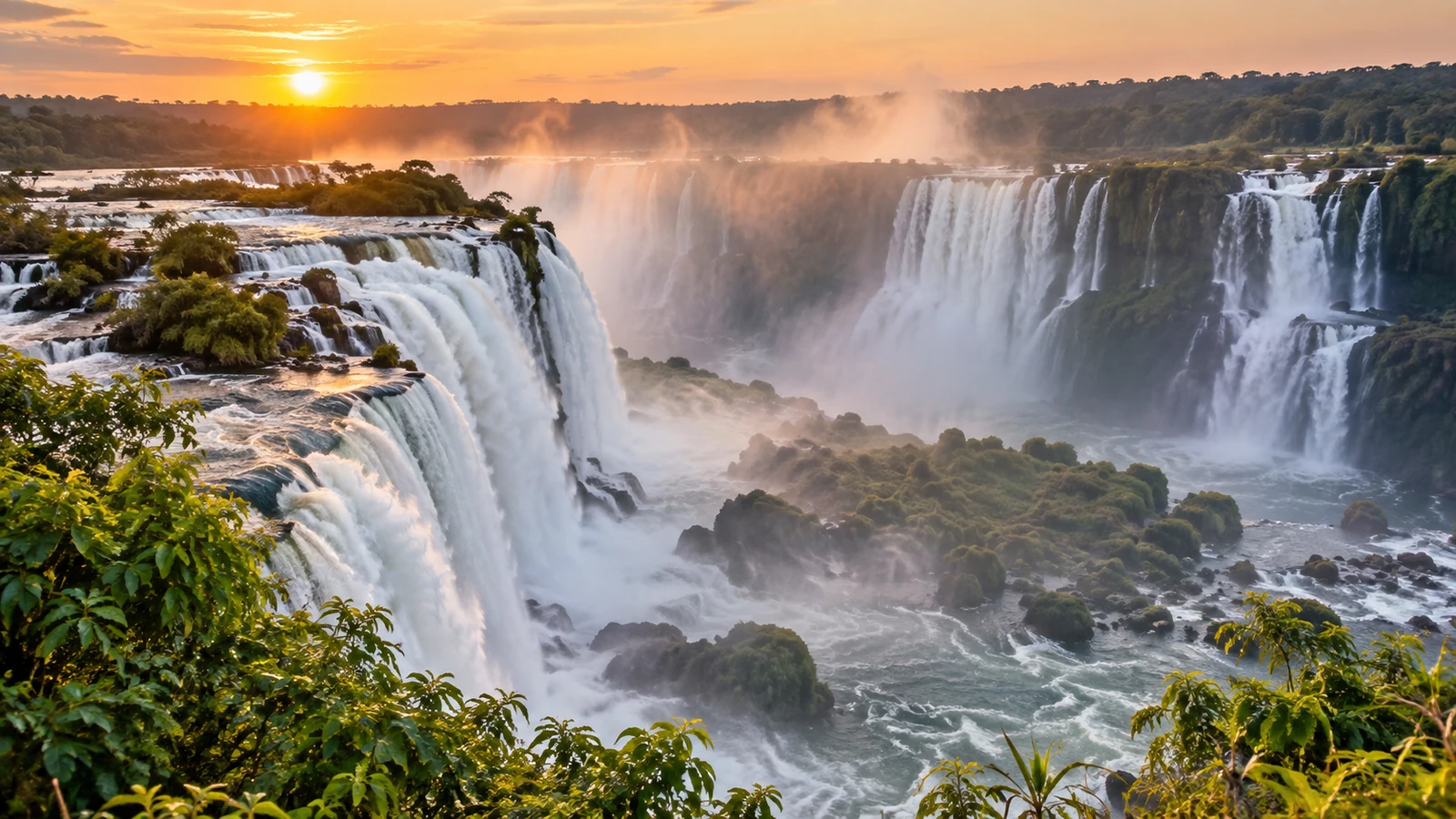
Iguazú's name means "big water", and it is made up of a chain of nearly 300 cascades. The Devil's Throat swallows more than half of the river's flow, and birds nest directly behind the falling water. Both Argentina and Brazil list it as a UNESCO site.

Read the full article →
The Living Wonder: 15 Fascinating Facts About the Great Barrier Reef

Great Barrier Reef

Queensland, Australia

The Great Barrier Reef is made of thousands of individual reefs and islands, and six of the world's seven sea turtle species nest there. Corals spawn in a mass, synchronised spectacle each year. Ocean warming and crown-of-thorns starfish threaten it.

Read the full article →
The Sacred Volcano: 15 Fascinating Facts About Mount Fuji

Mount Fuji

Honshu, Japan

Mount Fuji is three volcanoes stacked on top of each other and is still classified as active. Women were banned from climbing it until 1868, and a monk made the first recorded ascent in 663 AD. Hikers can post letters from its summit post office.

Read the full article →
The Sovereign Solitary Peak: 15 Fascinating Facts About Mount Kilimanjaro

Mount Kilimanjaro

Tanzania

Kilimanjaro is made of three volcanic cones, and climbers pass through five climate zones on the way up. Uhuru Peak means "freedom", and its ice fields are rapidly disappearing. A climber has even delivered a pizza to its summit.

Read the full article →
The Infinite Mirror: 15 Fascinating Facts About Salar de Uyuni

Salar de Uyuni

Bolivia

Salar de Uyuni is the world's largest salt flat and holds huge lithium reserves. NASA uses it to calibrate satellites, and its hotels are built from salt blocks. Cactus-covered coral islands rise from the salt.

Read the full article →
The Surreal Cotton Castle: 15 Fascinating Facts About Pamukkale

Pamukkale

Türkiye

Pamukkale's name means "cotton castle", and its white terraces are made of mineral deposits from hot springs. Above them lies the ancient spa city of Hierapolis, with a theatre for 12,000 people and a deadly "Gate to Hell". Visitors must walk barefoot to protect the stone.

Read the full article →
The Subterranean Wonderland: 15 Fascinating Facts About Cappadocia

Cappadocia

Central Türkiye

Cappadocia's fairy chimneys were carved from volcanic ash, and early Christians hid in its caves and painted its rock churches. Uçhisar Castle is a fortress cut from a giant rock. Today it is the hot-air balloon capital of the world.

Read the full article →
The Surreal Pillars: 15 Fascinating Facts About Zhangjiajie National Forest Park

Zhangjiajie

Hunan, China

Zhangjiajie was China's first national forest park, and its pillars are quartz sandstone rather than karst. It has the world's tallest outdoor elevator and a terrifying glass walkway. Living fossil plants and rare wildlife thrive there.

Read the full article →
The Red Wilderness: 15 Fascinating Facts About Wadi Rum

Wadi Rum

Jordan

Wadi Rum's red sandstone has made it Hollywood's favourite stand-in for Mars. T. E. Lawrence camped there during the Arab Revolt, and the Nabataeans built hidden water systems. Its Bedouin still cook in underground pits called zarb.

Read the full article →
15 Surprising Facts About the Amazon Rainforest: Wildlife & Wonders

Amazon Rainforest

South America

The Amazon is fertilised by dust from the Sahara and discharges more water than the next seven rivers combined. Pink dolphins swim through its flooded forests, and one river is hot enough to boil animals. No bridge crosses the Amazon River.

Read the full article →
15 Surprising Facts About the Mariana Trench & Its Deepest Secrets

Mariana Trench

Western Pacific

The pressure at the bottom of the Mariana Trench equals fifty jumbo jets pressing on your body. Plastic waste has reached its floor, and James Cameron dived there alone in 2012. The Mariana snailfish is the deepest known fish.

Read the full article →
The Enchanted Archipelago: 15 Fascinating Facts About the Galápagos Islands

Galápagos Islands

Ecuador

Marine iguanas are the only lizards that dive in the ocean, and the Galápagos have the only wild penguins north of the equator. Giant tortoises can live for more than 150 years, and some finches drink blood. Ninety-seven percent of the land is a protected national park.

Read the full article →
The Luminous Shoreline: 15 Fascinating Facts About the Vaadhoo Island Sea of Stars

Sea of Stars

Vaadhoo Island, Maldives

Vaadhoo's waves glow blue because dinoflagellates flash when the water moves. The light works like a burglar alarm against predators, and it is best seen around new moons. Blue light travels farthest underwater.

Read the full article →
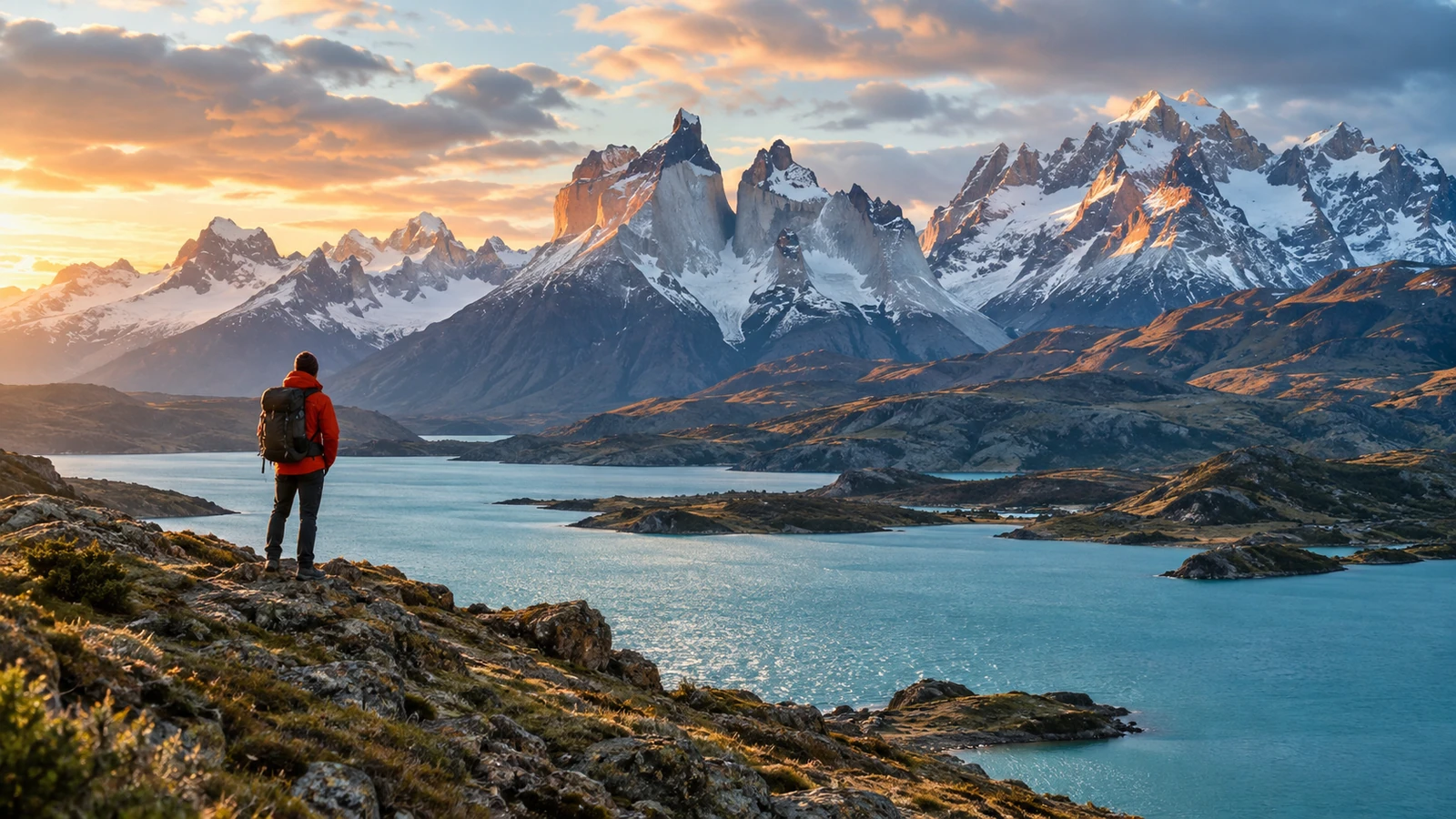
The Untamed Wilderness: 15 Fascinating Facts About Patagonia

Patagonia

Argentina and Chile

Patagonia covers more than a million square kilometres, and myths of giants fascinated Europeans for centuries. The Perito Moreno Glacier is still advancing, and the region hosted some of the largest dinosaurs ever found. Welsh settlers created their own enclave there.

Read the full article →
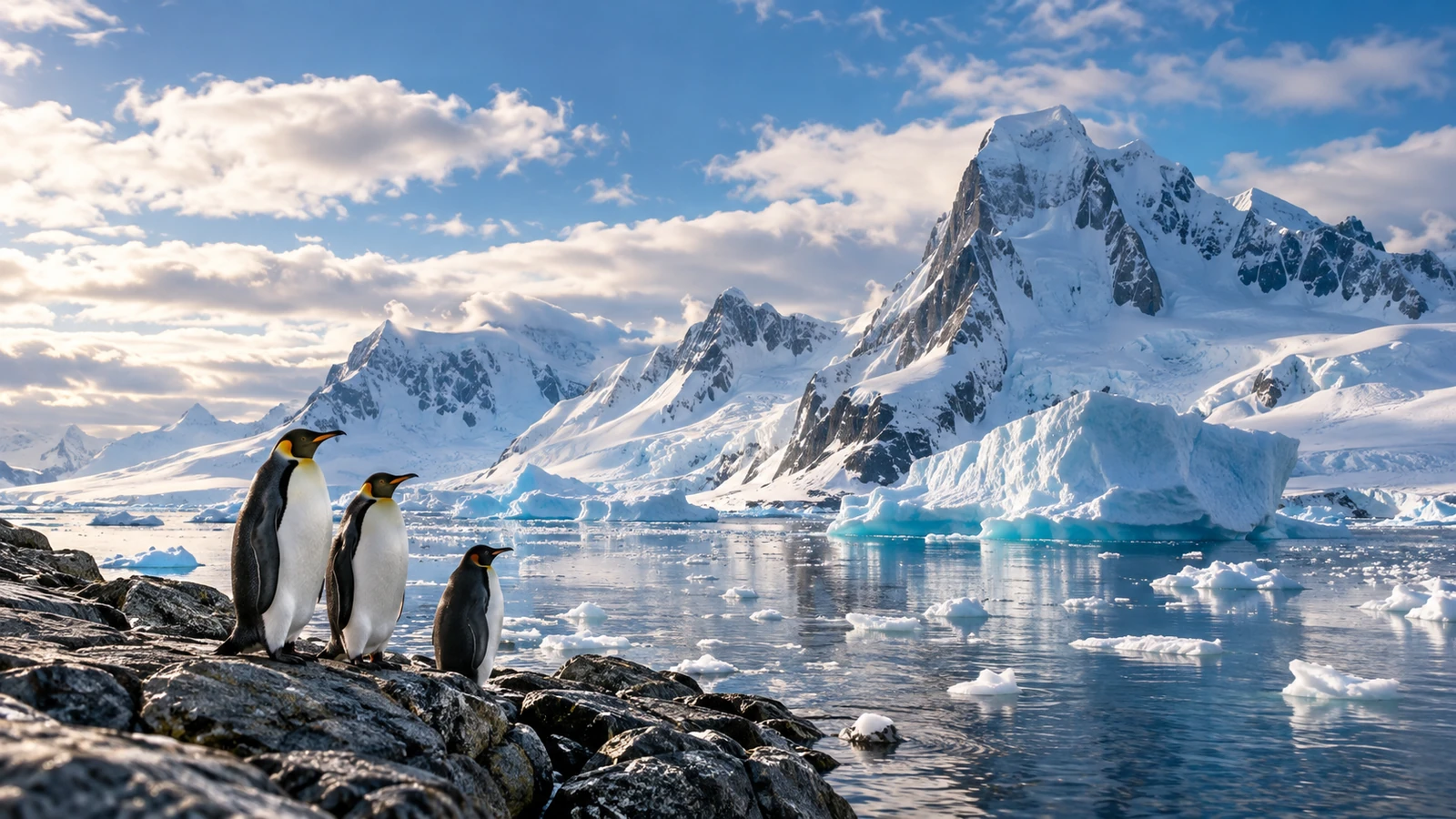
The Frozen Wilderness: 15 Fascinating Facts About Antarctica

Antarctica

South Pole

Antarctica holds about 70 percent of Earth's fresh water, and Blood Falls pours out red, iron-rich water. Mount Erebus spews tiny particles of gold, and winds can reach 200 mph. Ice cores preserve 800,000 years of climate history.

Read the full article →
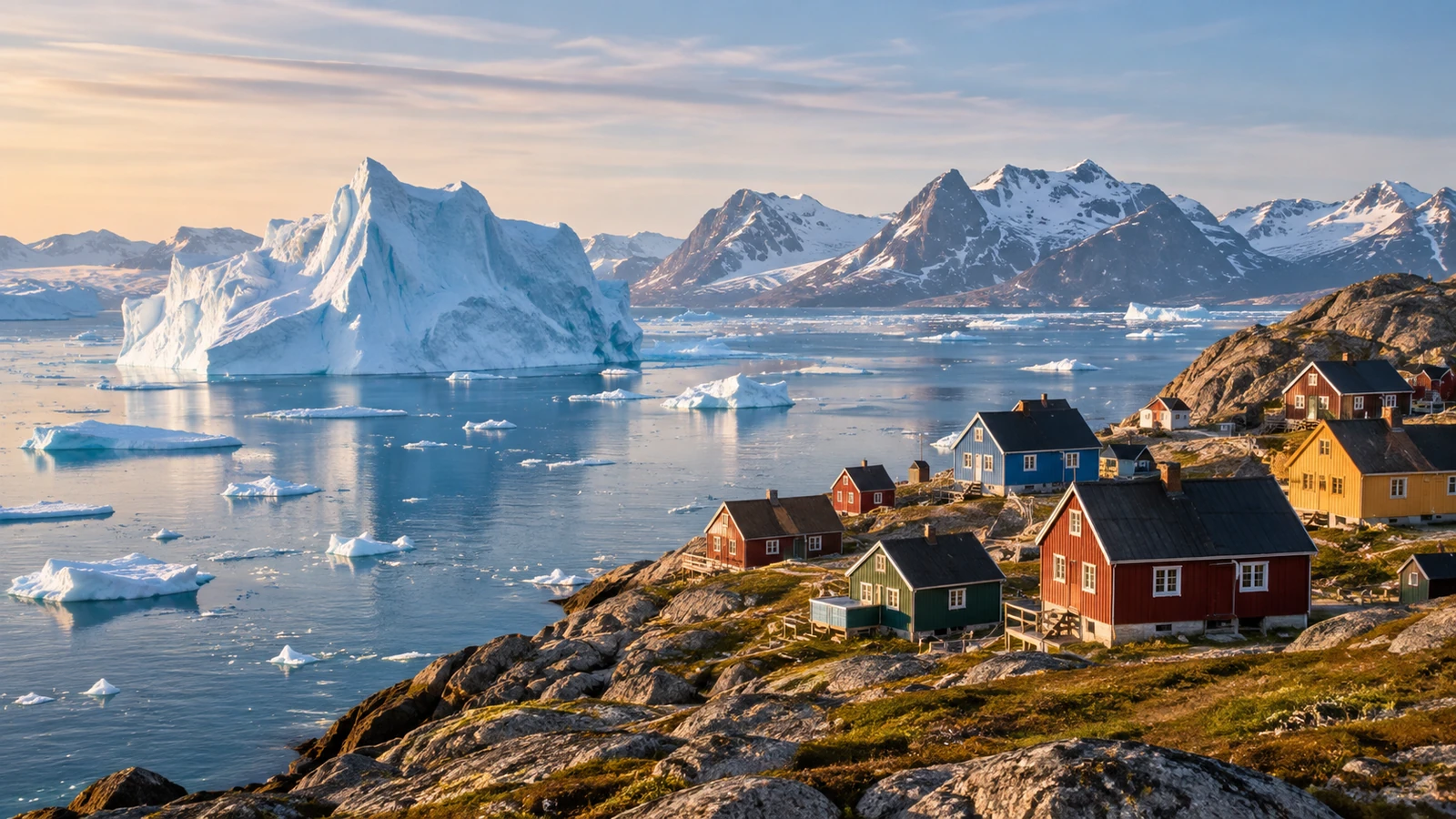
The Icebound Giant: 15 Fascinating Facts About Greenland

Greenland

Arctic North America

Erik the Red named Greenland as a marketing trick to attract settlers. It has the world's largest national park and the lowest population density, and the words "kayak" and "igloo" come from Greenlandic. A canyon longer than the Grand Canyon lies hidden under the ice.

Read the full article →
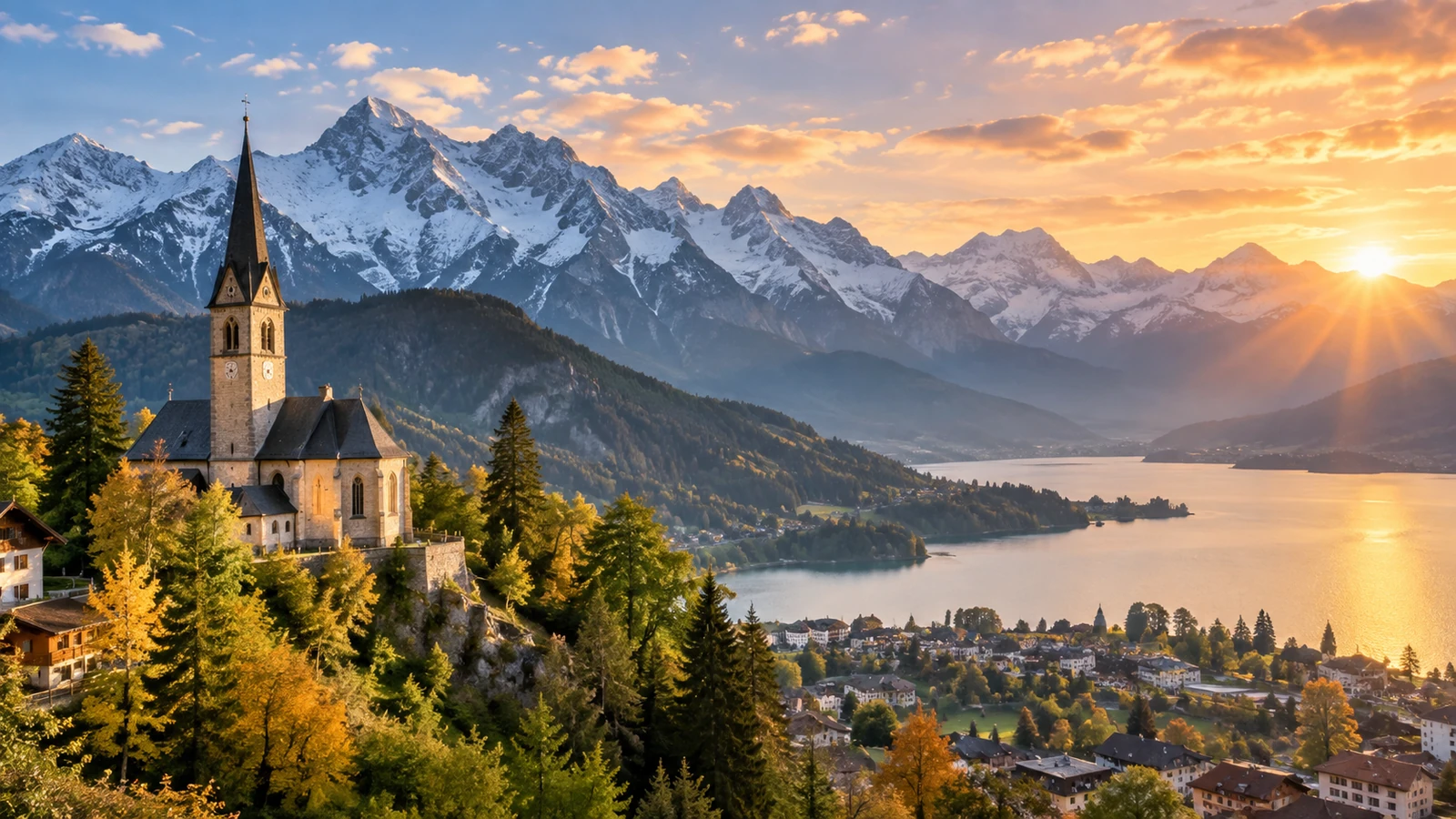
The Majestic Alps: 15 Fascinating Facts About Europe's Greatest Mountain Range

The Alps

Eight European countries

The Alps span eight countries and are still growing every year. Injured cows are flown down by helicopter, St Bernard dogs never really carried brandy, and the world's longest rail tunnel runs beneath them. A bet in St Moritz invented winter tourism.

Read the full article →
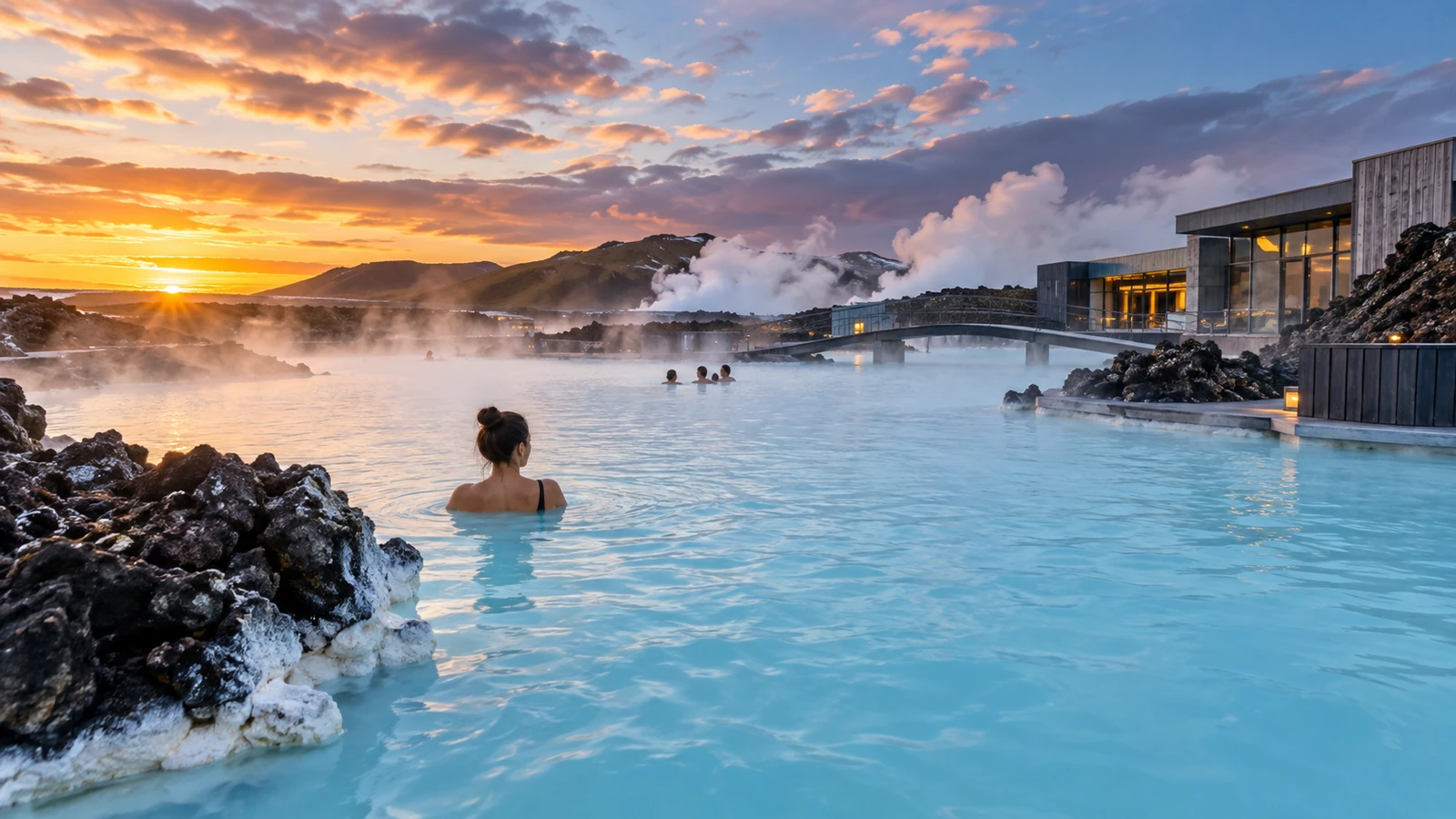
The Geothermal Marvel: 15 Fascinating Facts About Iceland's Blue Lagoon

Blue Lagoon

Reykjanes, Iceland

Iceland's Blue Lagoon formed from a geothermal power plant's waste water, and a psoriasis patient was the first to bathe in it. The water is not actually blue and comes from 2,000 metres underground. Nearby volcanic eruptions now threaten it.

Read the full article →
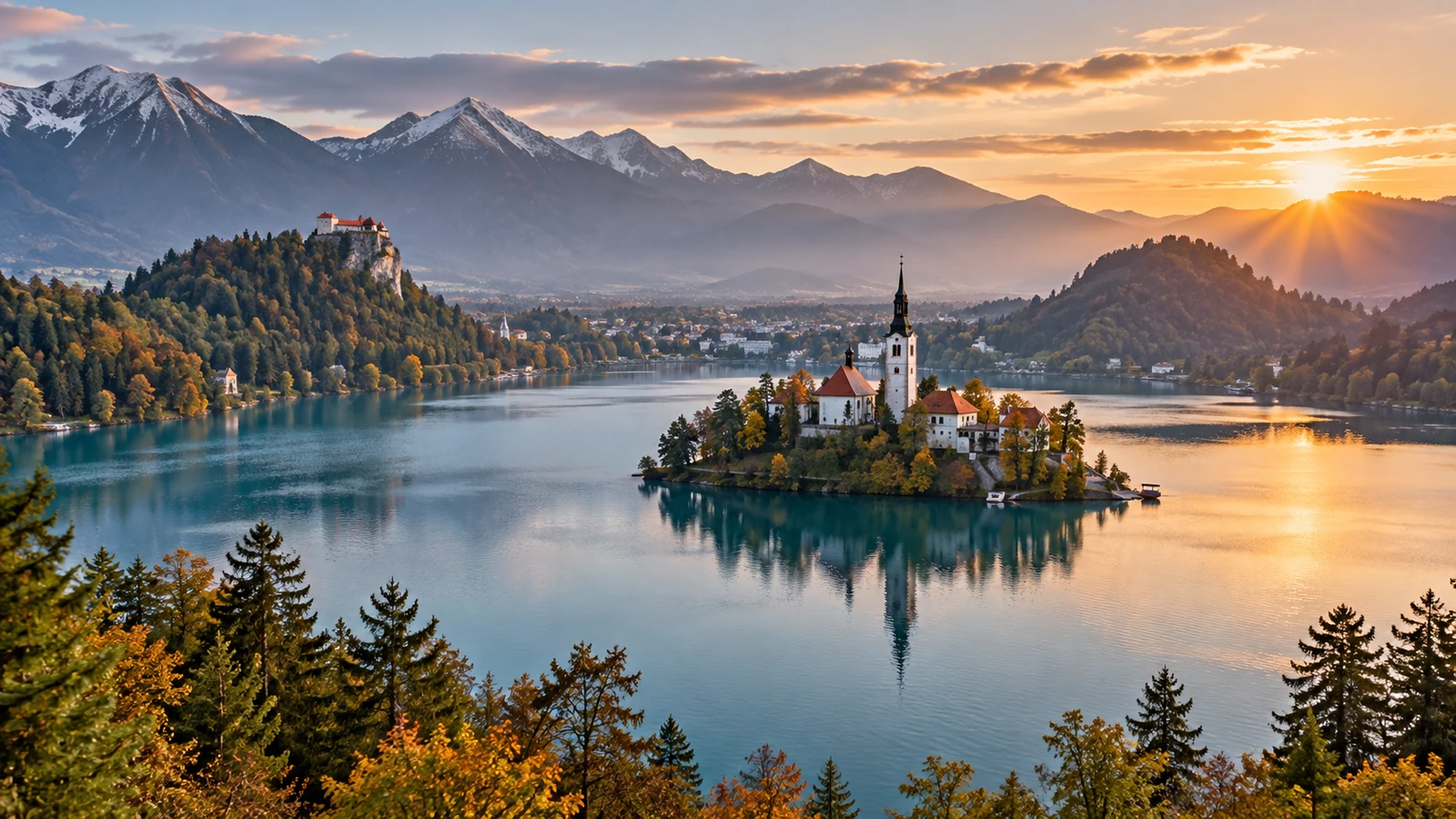
The Enchanted Mirror: 15 Fascinating Facts About Lake Bled

Lake Bled

Julian Alps, Slovenia

Lake Bled is fed by glacial water and thermal springs, and its island church stands on a pagan temple site. Bled Castle is Slovenia's oldest castle, and the famous cream cake kremšnita was created there in 1953. Only a family guild may row the traditional pletna boats.

Read the full article →
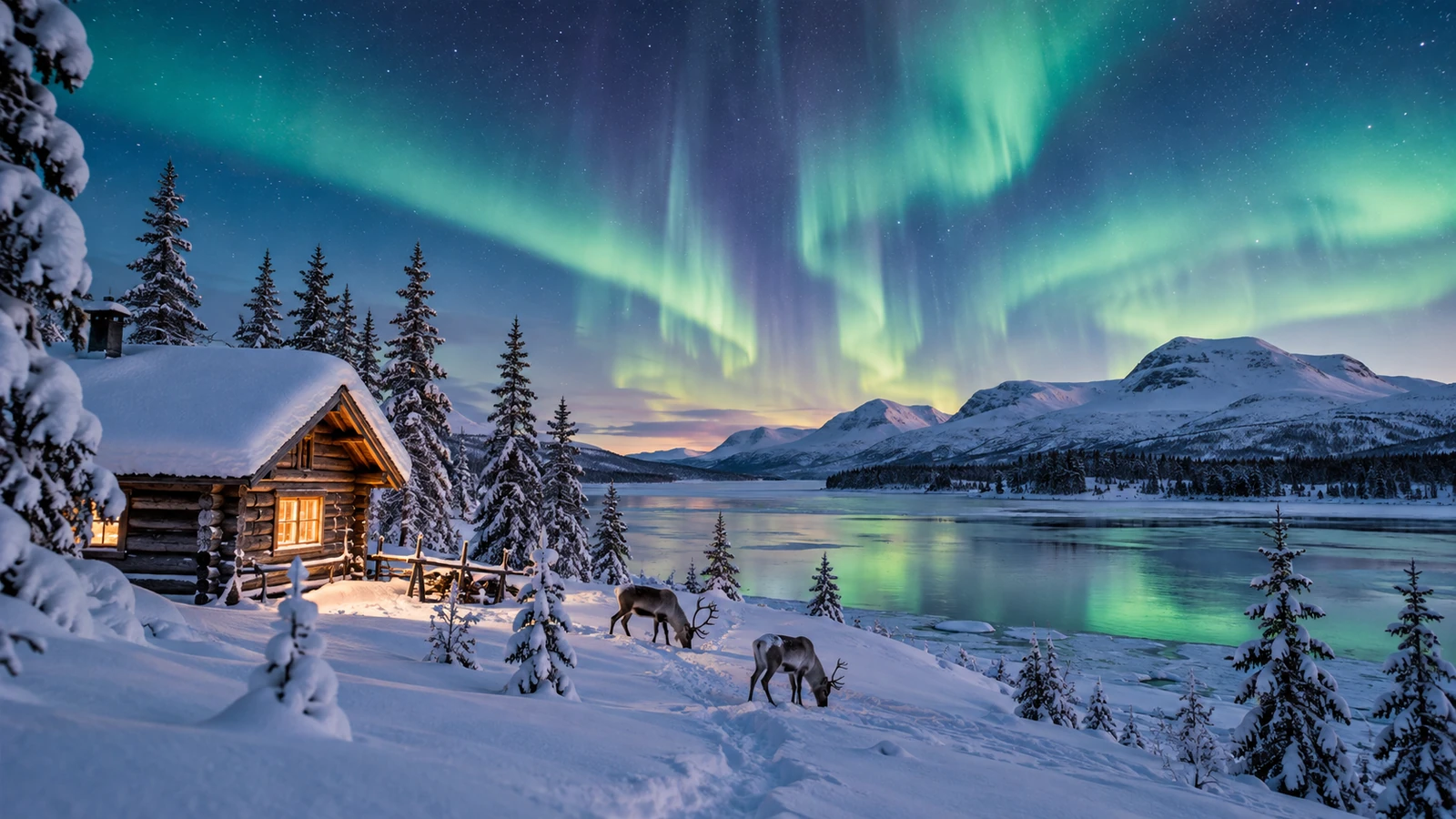
The Frozen Realm: 15 Fascinating Facts About Lapland

Lapland

Northern Fennoscandia

The Sámi have lived in Lapland for more than five thousand years and recognise eight seasons. Reindeer outnumber people in many districts, and the northern lights shine on nearly 200 nights a year. Ice hotels are rebuilt every winter.

Read the full article →

Quiz: how much of that stuck?

8 questions, every answer is somewhere above.

Natural Wonders of the World 0 / 8

1. What does the name Iguazú mean?

2. Who owns the summit of Mount Fuji?

3. Which space agency uses Salar de Uyuni to calibrate satellites?

4. What does Pamukkale mean in Turkish?

5. Which film's floating mountains were inspired by Zhangjiajie?

6. What fertilises the Amazon rainforest from across the ocean?

7. How long did Charles Darwin spend in the Galápagos?

8. How was Iceland's Blue Lagoon created?

Frequently asked

What is the deepest point in the ocean?

The Challenger Deep in the Mariana Trench, which is deeper than Mount Everest is tall. Film director James Cameron made a historic solo dive there in 2012.

Why does the Sea of Stars glow?

The blue light on Vaadhoo Island comes from microscopic dinoflagellates that flash when the water is disturbed. The glow is a defence that may attract larger predators to whatever is attacking them, a so-called burglar alarm.

Is Mount Fuji still an active volcano?

Yes. Geologists still classify Mount Fuji as active, and it is actually made up of three volcanoes stacked on top of each other.

Did St Bernard dogs really carry brandy?

No. The famous image of Alpine rescue dogs with brandy barrels is a myth, although St Bernards did help rescue travellers in the Alps.

Why was Greenland called green?

Erik the Red chose the name as a clever marketing campaign to attract Viking settlers, even though most of the island is covered by an ice sheet up to three kilometres thick.

Keep going

Enjoyed these facts? There's more! 💌

Fresh fun facts in your inbox. No spam, ever.