15 Fun Facts
History

Famous Disasters, Mysteries and Crimes

Explore the gripping truths behind history's most infamous disasters, unsolved mysteries, and legendary criminals. From colossal volcanic eruptions to the birth of the modern underworld, uncover the startling facts that separate myth from reality.

Updated 22 September 2026 · 12 items · 180 facts in the linked articles · Reading time 5 min

History is not shaped solely by triumphant victories and quiet progress; it is frequently forged in the crucible of disaster, catastrophe, and human defiance. The stories that linger longest in our collective memory are often those where our greatest ambitions collided with nature's fury, where engineering marvels met their tragic limits, or where notorious individuals violently broke the rules of society. This curated collection brings together the world's most enduring mysteries, catastrophic accidents, and legendary criminal minds to separate enduring myths from startling historical facts.

When you examine these extreme events side by side, a fascinating pattern emerges. Disasters and crimes serve as the ultimate stress tests for humanity. Whether it is a nuclear reactor melting down, a massive volcano obliterating a landscape, or a mobster consolidating the American underworld, these extreme disruptions force society to adapt. They expose the fatal flaws in our outdated safety laws, highlight the primitive nature of early forensic science, and repeatedly prove that truth is stranger than any Hollywood script.

Furthermore, the mythology surrounding these events is often entirely misleading. For decades, dime novels, sensational journalism, and urban legends have warped our understanding of everything from frontier outlaws to supposedly cursed patches of the Atlantic Ocean. Uncovering the reality behind these stories reveals shocking paradoxes—like ruthless gangsters advocating for milk safety, or deadly nuclear exclusion zones transforming into thriving wildlife sanctuaries.

Prepare to step past the headlines and cinematic dramatizations. Dive into the curated list below to uncover the gripping history, surprising science, and complex truths behind the most famous disasters, mysteries, and crimes the world has ever known.

The short version

Every item on this page, with the one fact most people get wrong about it.

Name Where you'll meet it The fact worth knowing
Bermuda Triangle Western North Atlantic Statistically, it is no more dangerous than any other heavily traveled ocean region.
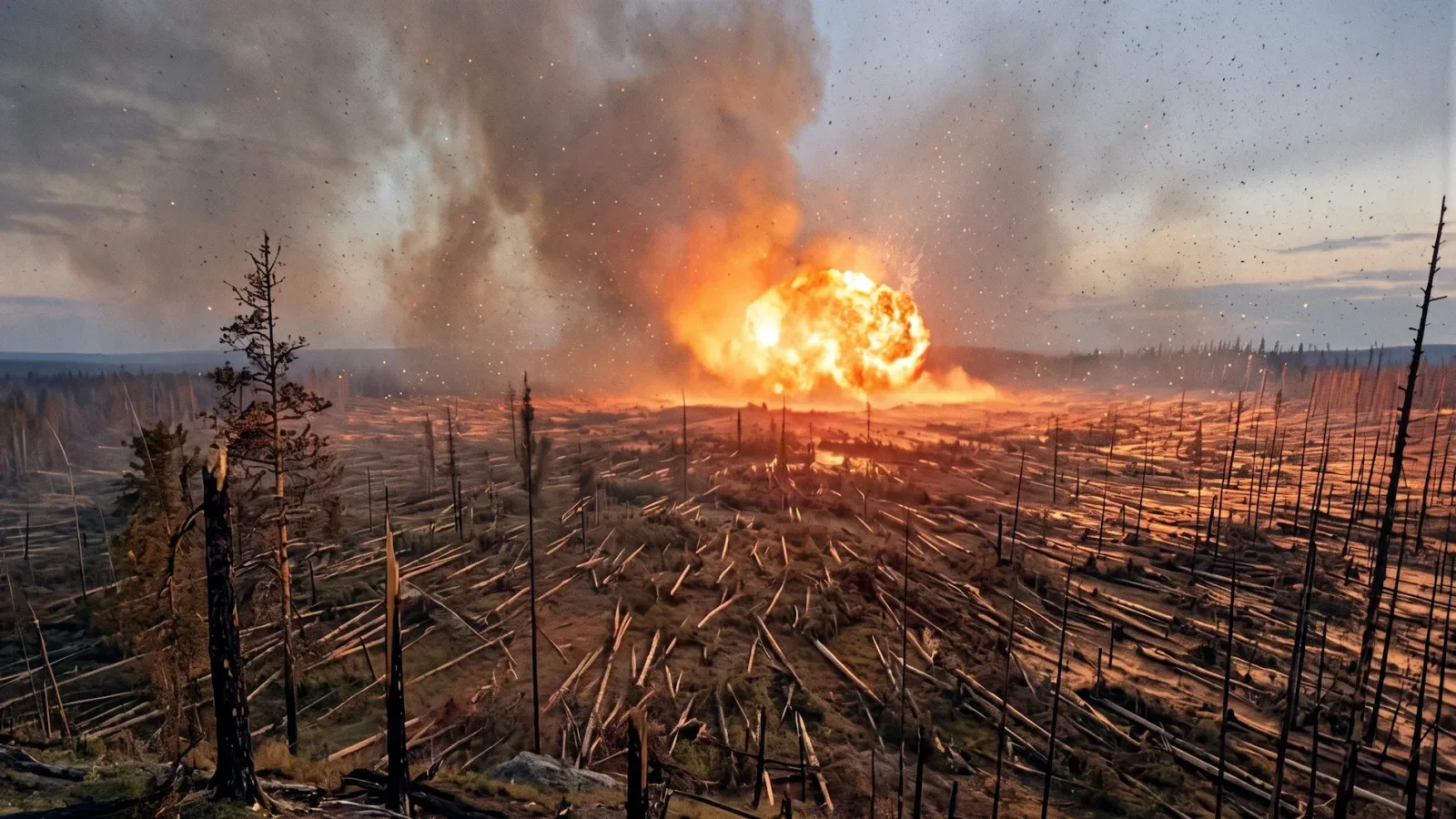
Tunguska Event Siberia, Russia (1908) The blast was 1,000 times more powerful than the bomb dropped on Hiroshima, yet left absolutely no impact crater.
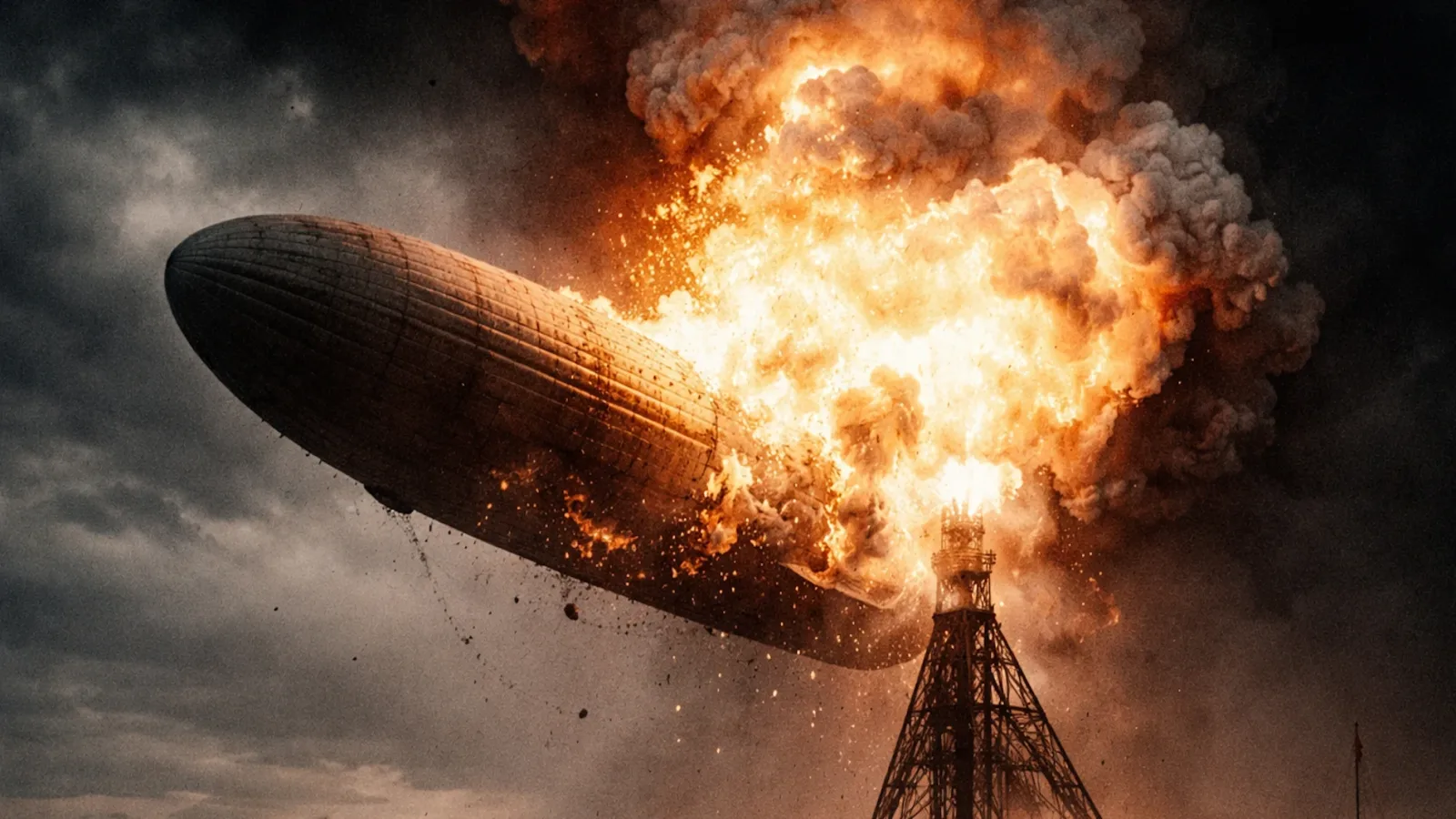
Hindenburg Disaster New Jersey, USA (1937) More than half of the passengers and crew actually survived the apocalyptic, fiery crash.
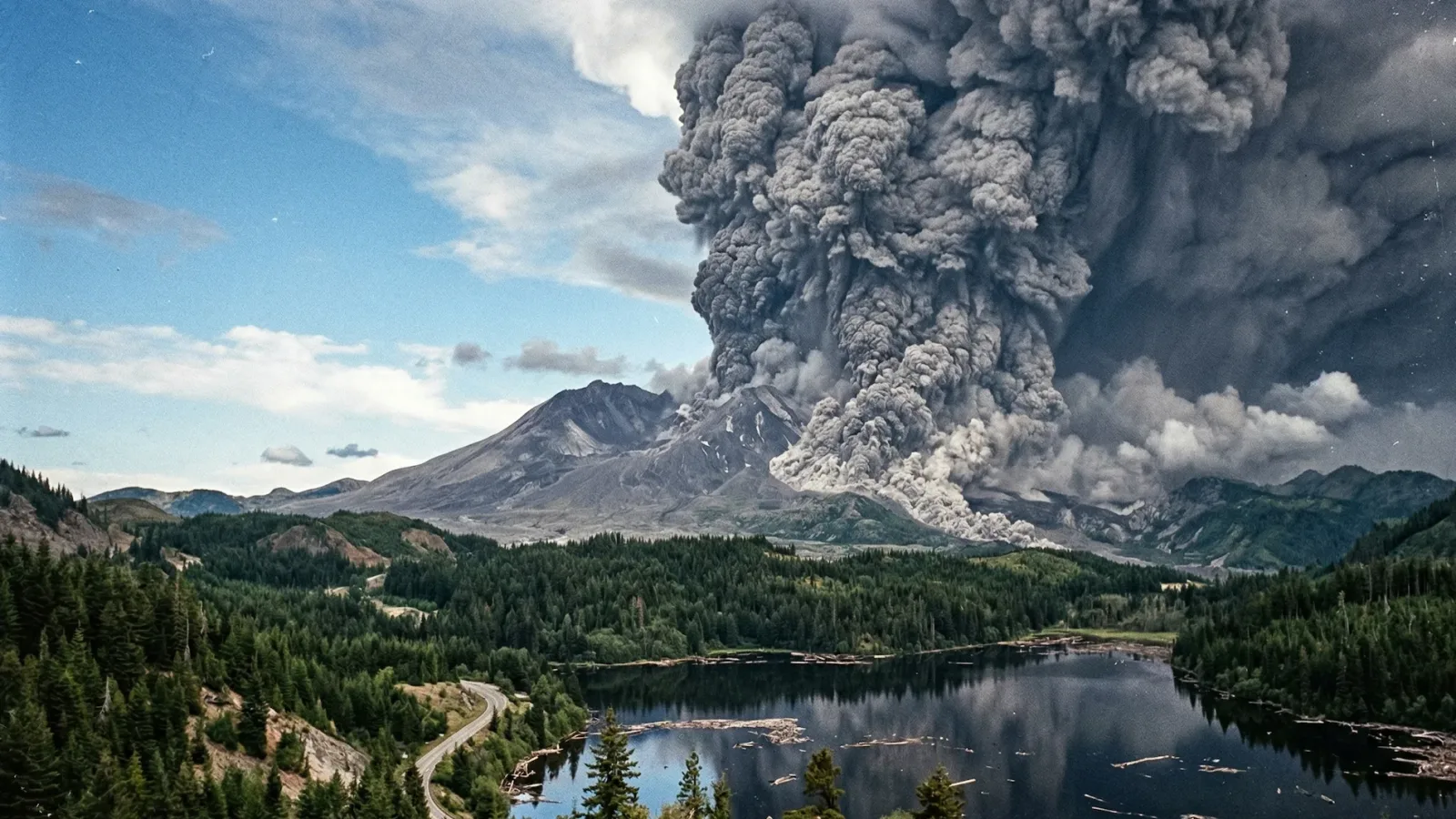
Mount St. Helens Washington State (1980) The eruption caused the largest landslide in recorded history, moving at speeds over 150 miles per hour.
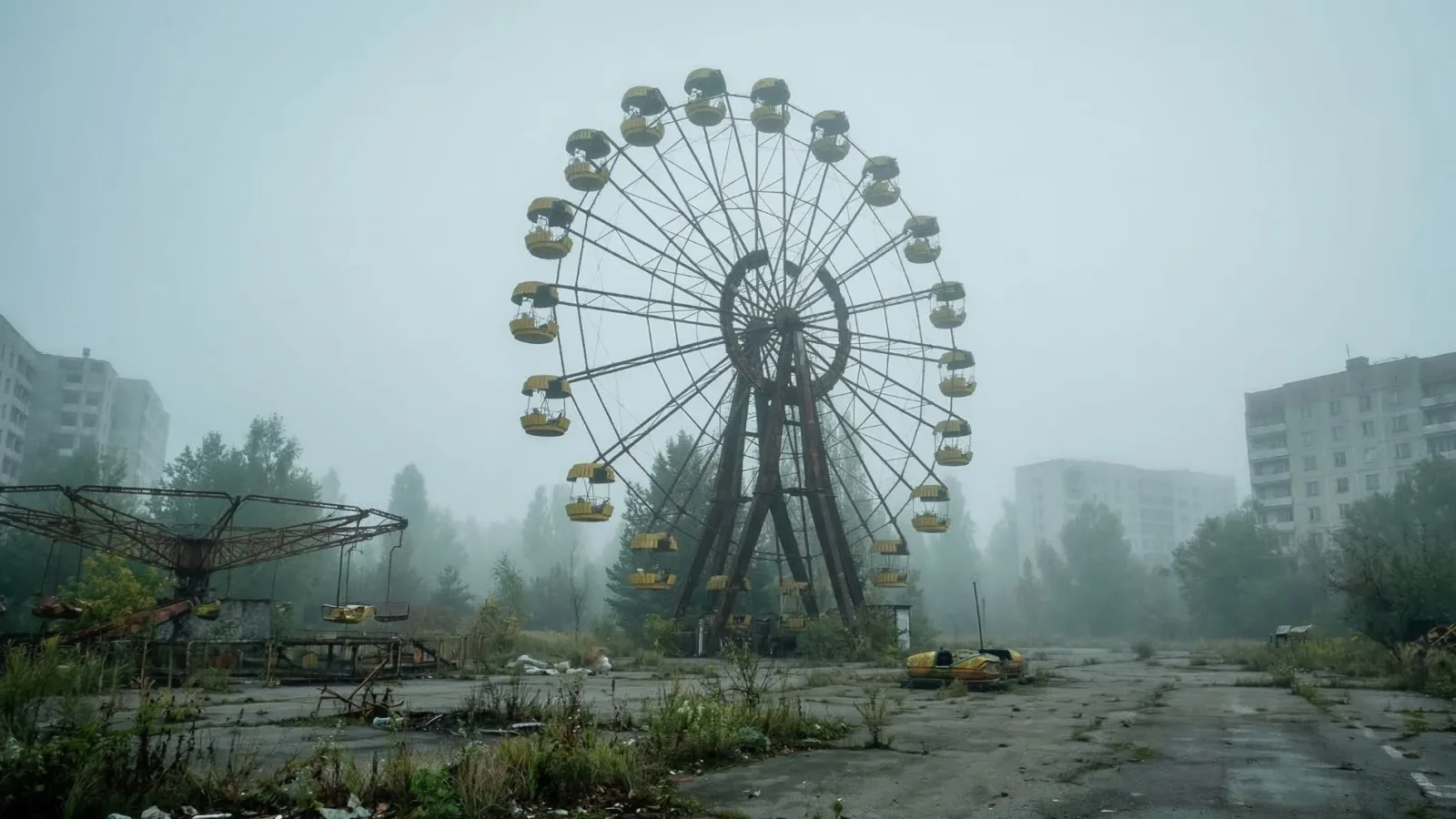
Chernobyl Soviet Ukraine (1986) The meltdown created an incredibly toxic mass of radioactive corium known as the "Elephant's Foot," which can still deliver a lethal dose of radiation in minutes.
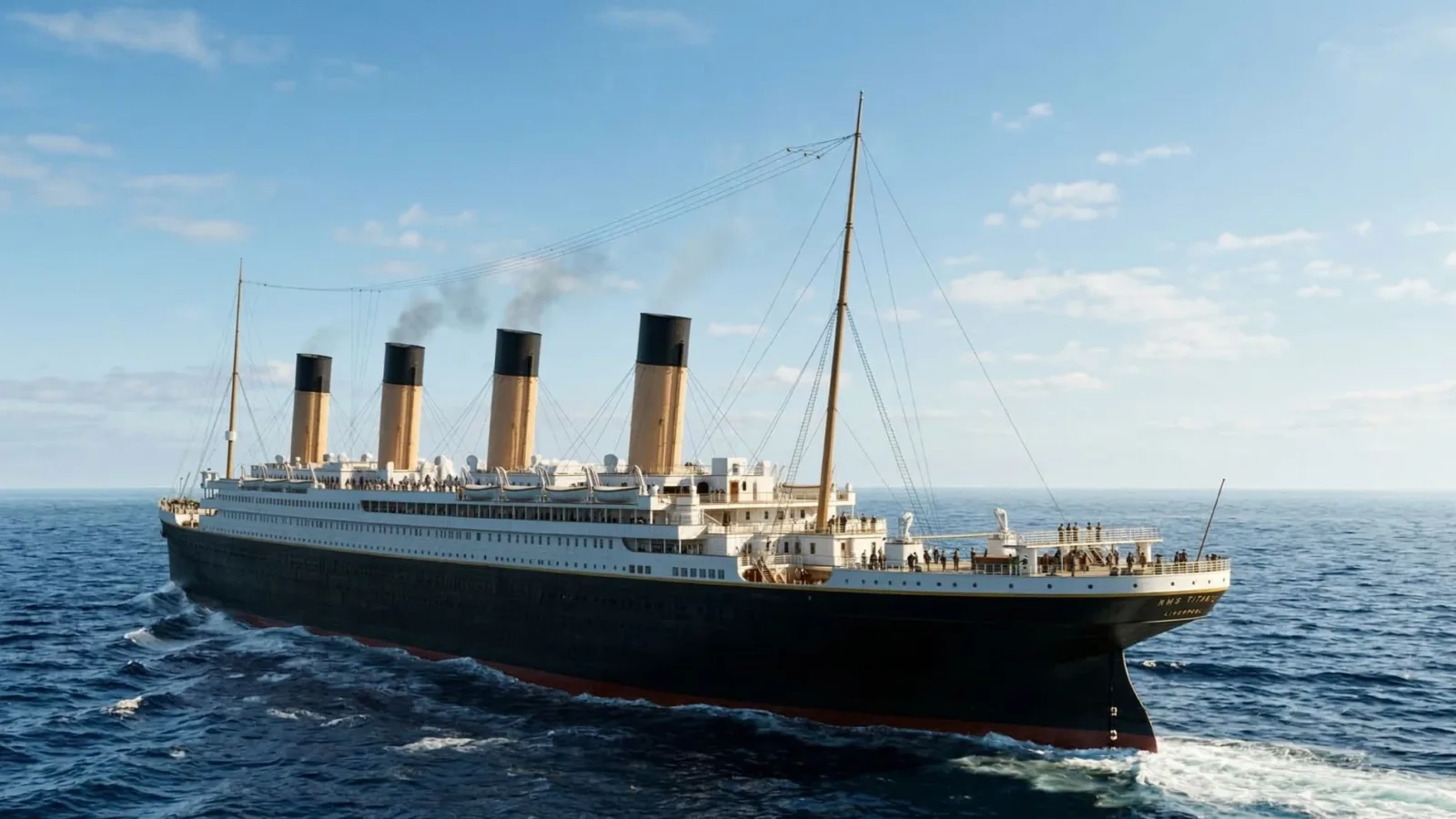
Titanic North Atlantic (1912) The ship was carrying enough lifeboats to meet the legal requirements of the time, even though they couldn't hold half the passengers.
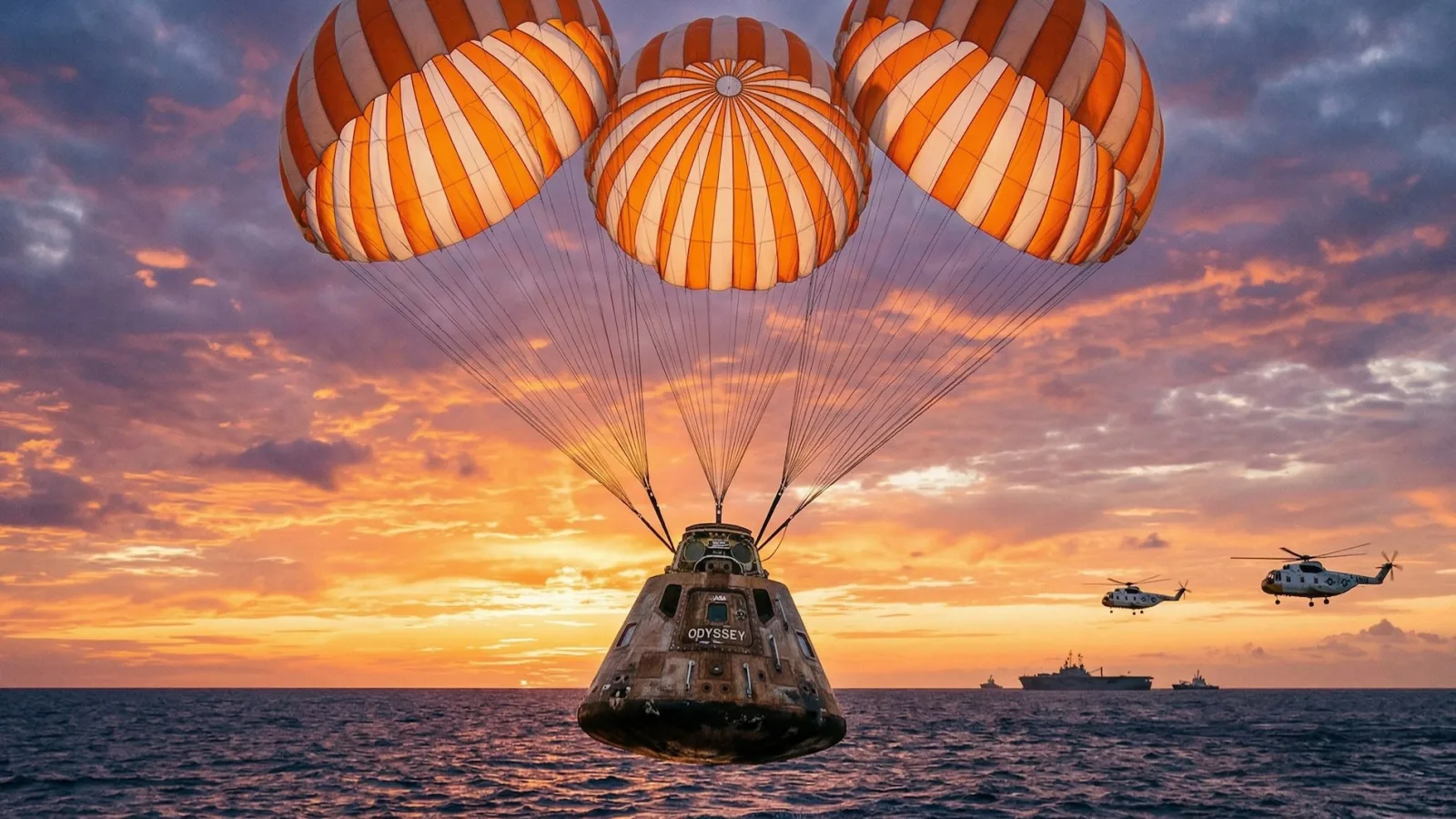
Apollo 13 Outer Space (1970) The crew used the Moon's gravity as a cosmic slingshot to fling their crippled spacecraft back toward Earth.
Jack the Ripper Whitechapel, London (1888) The iconic moniker was actually coined by a journalist who forged a taunting letter to boost newspaper circulation.
Al Capone Chicago, USA (1920s) The ruthless mob boss was the first person to successfully lobby for mandatory expiration dates on milk bottles.
Lucky Luciano New York, USA (Mid-20th C.) He secretly aided the U.S. Navy during World War II from his prison cell to protect New York's docks from sabotage.
Pablo Escobar Medellín, Colombia He lost an estimated 10% of his massive physical cash fortune annually simply to rats eating the buried bills.
Billy the Kid American Wild West (1800s) The legendary frontier gunslinger was actually born in a crowded New York City tenement.

Record holders

Largest Natural Blast

15 Megatons

The Tunguska event released energy equivalent to 1,000 Hiroshima bombs, flattening millions of trees. Tunguska Event

Farthest Human Voyage

248,655 miles

To survive, the Apollo 13 crew used a free-return trajectory around the far side of the Moon, setting a distance record that still stands. Apollo 13

Highest Velocity Mass Movement

~150 mph

The lateral blast and resulting landslide from Mount St. Helens moved with unprecedented and terrifying speed. Mount St. Helens

Wealthiest Criminal

~$30 Billion

At the peak of his power, Pablo Escobar commanded a drug empire that made him one of the richest men on Earth. Pablo Escobar

All 12, one fact at a time

15 Surprising Facts About the Bermuda Triangle: Myths & Science

Bermuda Triangle

Western North Atlantic

Despite the terrifying stories of alien abductions and dimensional portals, the world's most dreaded stretch of water actually sees a vast amount of daily traffic passing through completely unharmed. The true mystery isn't extraterrestrial, but rather how natural phenomena like rogue waves and severe weather patterns spawned a modern myth that refuses to sink. The legend owes more to sensationalized journalism than to actual maritime anomalies.

Read the full article →
15 Surprising Facts About the Tunguska Event: Mystery in Siberia

Tunguska Event

Siberia, Russia (1908)

When the sky tore open over the remote Siberian taiga in 1908, it flattened 80 million trees in a massive radial pattern but left no physical meteorite behind. Scientists now believe a stony asteroid exploded in mid-air, creating a devastating shockwave that completely vaporized the object before it hit the ground. It remains the most powerful natural explosion in recorded human history.

Read the full article →
15 Surprising Facts About the 1937 Hindenburg Disaster

Hindenburg Disaster

New Jersey, USA (1937)

The iconic footage of the majestic zeppelin engulfed in flames gives the impression of total, inescapable doom, but 62 of the 97 people aboard miraculously made it out alive. The tragedy didn't just destroy a single airship; it instantly shattered public confidence in passenger zeppelins. The disaster effectively ended the golden age of lighter-than-air travel virtually overnight.

Read the full article →
15 Surprising Facts About the 1980 Mount St. Helens Eruption

Mount St. Helens

Washington State (1980)

Rather than erupting straight up, the volcano's entire north flank collapsed, triggering a lateral blast that decimated hundreds of square miles of forest in mere minutes. The sheer speed and sideways trajectory of the blast caught volcanologists completely by surprise. This catastrophic event fundamentally changed how science monitors and predicts volcanic behavior around the globe.

Read the full article →
The Unspoken Catastrophe: 15 Fascinating Facts About the Chernobyl Disaster

Chernobyl

Soviet Ukraine (1986)

Triggered by a tragically botched safety test, the 1986 meltdown sent massive radioactive clouds across Europe and forced the permanent evacuation of entire cities. Deep within the ruins lies a solid flow of melted nuclear fuel and concrete that remains one of the most dangerous objects on Earth. Paradoxically, the resulting human exclusion zone has unexpectedly morphed into a thriving, radioactive wildlife refuge.

Read the full article →
The Gilded Titan: 15 Fascinating Facts About the Titanic

Titanic

North Atlantic (1912)

The sinking of the world's most luxurious ocean liner exposed the fatal lag between rapidly advancing maritime technology and outdated safety laws. Beyond the tragic loss of life, the ship itself was an engineering marvel, boasting heated saltwater pools and state-of-the-art electric elevators. Its shocking demise prompted a massive, immediate global overhaul of maritime safety regulations.

Read the full article →
The Harrowing Odyssey: 15 Fascinating Facts About Apollo 13

Apollo 13

Outer Space (1970)

What was supposed to be NASA's third lunar landing turned into a high-stakes struggle for survival when an oxygen tank exploded en route. Operating with minimal power, freezing temperatures, and jury-rigged carbon dioxide filters, the astronauts relied entirely on Earth-based engineers and raw ingenuity. They pulled off one of the most astonishing improvisational rescue missions in history.

Read the full article →
The Shadowed East End: 15 Fascinating Facts About Jack the Ripper

Jack the Ripper

Whitechapel, London (1888)

The unidentified killer terrorized London's impoverished East End, sparking a media frenzy that effectively birthed the modern true crime genre. The Victorian police's inability to catch the murderer was worsened by early forensic blunders and disastrous investigative attempts, including an aborted trial using bloodhounds. His true identity remains one of history's most intensely debated mysteries.

Read the full article →
The Infamous Gangster: 15 Fascinating Facts About Al Capone

Al Capone

Chicago, USA (1920s)

Capone built an unprecedented criminal empire on bootlegging, gambling, and extreme violence, yet he also intensely craved public approval, opening soup kitchens during the Great Depression. His paradoxical life included a stint playing the banjo in an Alcatraz prison band. He eventually succumbed to a slow cognitive decline caused by untreated syphilis.

Read the full article →
The Architect of Organized Crime: 15 Fascinating Facts About Lucky Luciano

Lucky Luciano

New York, USA (Mid-20th C.)

Charles "Lucky" Luciano revolutionized organized crime, transforming it from a chaotic battlefield of rival street factions into a highly structured corporate syndicate. By establishing "The Commission," he effectively created a governing board for the American Mafia. His unprecedented wartime cooperation with the government eventually earned him a highly controversial pardon and permanent exile to Italy.

Read the full article →
The Kingpin of Chaos: 15 Fascinating Facts About Pablo Escobar

Pablo Escobar

Medellín, Colombia

The sheer scale of Escobar's cartel operations generated wealth so staggering that he once burned two million dollars in physical cash just to keep his daughter warm while evading capture. His legacy extends far beyond his brutal reign of narco-terror. Today, the descendants of his private zoo's hippopotamuses roam Colombia's waterways as an invasive and dangerous ecological crisis.

Read the full article →
The Elusive Outlaw: 15 Fascinating Facts About Billy the Kid

Billy the Kid

American Wild West (1800s)

Far from the dime-novel caricature of a hardened, lifelong bank robber, Henry McCarty was a bilingual, orphaned teenager swept up in a violent territorial conflict known as the Lincoln County War. Though mythologized as a prolific murderer, he actually killed far fewer men than western legends claim. He was gunned down in pitch darkness at the young age of twenty-one.

Read the full article →

Quiz: how much of that stuck?

8 questions, every answer is somewhere above.

Famous Disasters, Mysteries and Crimes 0 / 8

1. How did the Apollo 13 crew manage to return to Earth after their spacecraft was crippled?

2. What surprising public safety measure was Al Capone responsible for championing?

3. Why did the Titanic not have enough lifeboats for everyone on board?

4. What is the primary reason the Tunguska Event is considered an anomaly?

5. Where did the famous serial killer moniker 'Jack the Ripper' actually come from?

6. What bizarre ecological issue did Pablo Escobar leave behind in Colombia?

7. Which criminal is credited with organizing the American Mafia by founding 'The Commission'?

8. What was the most surprising aspect of the 1980 Mount St. Helens eruption?

Frequently asked

Why is the Bermuda Triangle considered so dangerous?

Despite its terrifying reputation in pop culture, the Bermuda Triangle is statistically no more dangerous than any other heavily traveled ocean. The myth grew over decades from sensationalized media reports that ignored routine scientific explanations for lost vessels, such as severe weather and rogue waves.

Did anyone survive the Hindenburg explosion?

Yes. Surprisingly, 62 of the 97 passengers and crew members on board survived the disaster. While the historical footage makes the inferno look completely unsurvivable, the majority of the people aboard managed to leap to safety.

How much of the Wild West mythology surrounding Billy the Kid is true?

Very little. Far from a hardened frontier outlaw, he was a bilingual, orphaned New York City kid swept into a brutal territorial war. He also killed far fewer men than the dime-novel legends suggest before dying at just 21 years old.

Is it safe to visit Chernobyl today?

Parts of the Chernobyl Exclusion Zone were eventually opened to guided tours under strict radiation monitoring, as radiation levels in certain areas have dropped significantly. However, geopolitical conflicts and the ongoing war in Ukraine have recently restricted access and altered the region's safety protocols.

Are these historic disasters and crimes connected in any way?

While completely distinct in their specifics, they all represent critical inflection points in history. Whether it was engineering failures like the Titanic, or the consolidation of organized crime by men like Lucky Luciano, these events forced society to fundamentally rewrite safety laws, forensic protocols, and law enforcement strategies.

Keep going

Enjoyed these facts? There's more! 💌

Fresh fun facts in your inbox. No spam, ever.