The Cinematic Masterpiece: 15 Fascinating Facts About Pulp Fiction
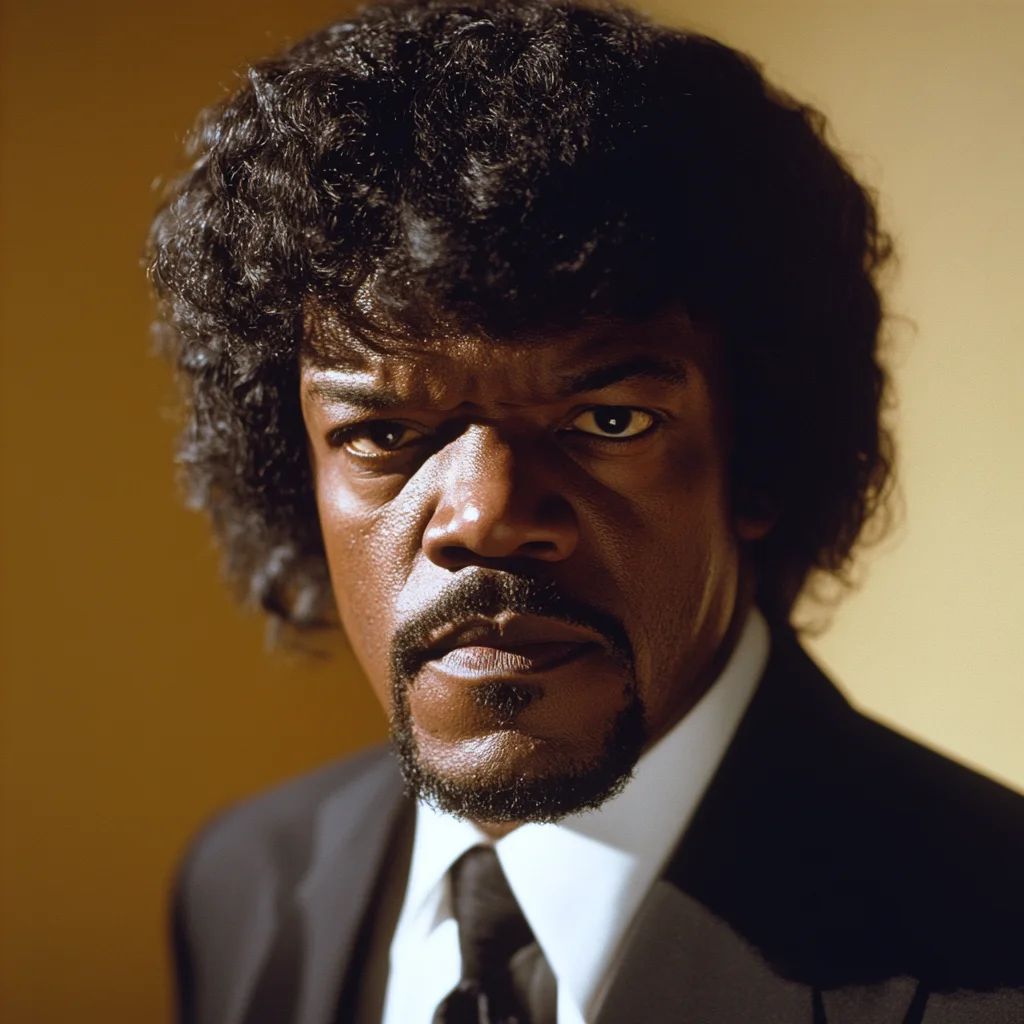
Quentin Tarantino's 1994 neo-noir classic Pulp Fiction redefined modern cinema with its non-linear storytelling, iconic dialogue, and unforgettable characters. Behind the camera lay a production filled with wild coincidences, improvised props, and legendary casting near-misses. From stolen vintage cars to clever practical tricks, the story of how this low-budget masterpiece came to life is as wild as the film itself. Here are 15 fascinating facts about Pulp Fiction that every movie lover should know.
1. Ezekiel 25:17 Is Mostly Fabricated
Samuel L. Jackson's thunderous recitation of Ezekiel 25:17 is one of cinema's most legendary monologues, yet very little of it originates from the actual Bible. Quentin Tarantino heavily modified the passage, taking only the final sentence directly from scripture. The bulk of the terrifying speech was pulled almost verbatim from the opening monologue of the 1976 Japanese martial arts film The Bodyguard, starring Sonny Chiba. Tarantino had long been an enthusiastic fan of Chiba and chose to adapt the quote for his own hitman character, Jules Winnfield. The dramatic embellishment created an iconic piece of cinematic prose that many fans still mistakenly believe to be genuine Biblical verse.
2. The Adrenaline Shot Was Filmed in Reverse
The nerve-wracking scene where Vincent Vega plunges an adrenaline needle directly into Mia Wallace's heart was achieved through clever practical manipulation. To guarantee safety and avoid injuring Uma Thurman, director Quentin Tarantino decided to shoot the dramatic strike in reverse. John Travolta placed the syringe tip directly against Thurman's chest and violently yanked it straight upward into the air. The film's editorial team then played the physical footage backward in post-production to create the illusion of a powerful, downward thrust. This seamless reversal produced a convincing visceral impact while keeping the lead actress entirely out of harm's way.
3. Tarantino's Car Was Stolen During Filming
The vintage red 1964 Chevrolet Chevelle Malibu driven by Vincent Vega actually belonged to Quentin Tarantino himself. During the film's production in 1994, thieves stole the prized classic vehicle directly from the street outside a friend's house. The crime remained completely unsolved for nearly two decades while the car vanished deep into the gray market. In 2013, police officers randomly stumbled upon the vehicle in San Bernardino, California, while investigating an unrelated fraud case. The unsuspecting current owner had restored the car without realizing it had been stolen from the famous director nearly twenty years prior.
4. The Glowing Briefcase Was a Simple Light Bulb
The mysterious glowing briefcase carried by Jules and Vincent serves as the ultimate cinematic MacGuffin in modern filmmaking history. Decades of intense fan debate have suggested the case contains everything from royal diamonds to Marcellus Wallace's stolen soul. In reality, prop master Patricia Dehaney simply installed a hidden battery and a small orange light bulb inside the leather container. Tarantino intentionally left the exact physical nature of the glowing contents ambiguous to allow audience imagination to take over. This deliberately unanswered mystery continues to inspire debate among cinephiles around the world.
5. Daniel Day-Lewis Battled for the Role of Vincent
The role of Vincent Vega revitalized John Travolta's career, but he was far from the director's first choice for the part. Tarantino originally wrote the character specifically for Michael Madsen, who had played Vic Vega in Reservoir Dogs. Madsen turned down the opportunity to film the Western epic Wyatt Earp instead, creating an unexpected vacancy. Oscar-winning actor Daniel Day-Lewis aggressively lobbied Tarantino for the role, expressing intense enthusiasm for the script. Tarantino stood firm on casting Travolta, setting up one of the greatest career comebacks in Hollywood history.
6. Robert Rodriguez Secretly Directed Tarantino
While Quentin Tarantino orchestrated the overall direction of the film, he could not direct himself while acting on camera. To solve this logistical hurdle during the scenes featuring his character Jimmie, Tarantino enlisted close friend Robert Rodriguez. Rodriguez stepped behind the camera uncredited to direct Tarantino's performance in the suburban house sequences. The duo shared a deep artistic trust and frequently collaborated on creative projects throughout their respective careers. Rodriguez's casual handling of the sequence allowed Tarantino to focus entirely on delivering his frantic comedic performance.
7. The "Bad Mother Fucker" Wallet Belonged to Tarantino
The iconic leather wallet embroidered with the phrase "Bad Mother Fucker" was not crafted by the prop department. The customized wallet actually belonged to Quentin Tarantino himself long before pre-production began on the film. Tarantino had purchased the distinct accessory because the phrase paid homage to the legendary theme song from the 1971 classic movie Shaft. The director handed his personal wallet to Samuel L. Jackson to use during the tense diner standoff in the final chapter. Today, replica versions of Tarantino's personal wallet remain among the most popular items of movie merchandise in history.
8. Steve Buscemi Made a Cameo as Buddy Holly
Actor Steve Buscemi makes a hilariously subtle cameo appearance inside the 1950s-themed restaurant Jack Rabbit Slim's. Buscemi plays the sarcastic, indifferent waiter dressed up as rock icon Buddy Holly who serves Vincent and Mia their meals. Tarantino originally intended for Buscemi to play the major supporting role of Jimmie, the suburban family man. Scheduling conflicts prevented Buscemi from taking on the larger role, but Tarantino was determined to keep him in the cast. Buscemi's brief appearance serving milkshakes stands out as one of the movie's funkiest hidden easter eggs.
9. Kurt Cobain Was Never Offered a Role
A persistent Hollywood rumor claimed that Nirvana frontman Kurt Cobain and his wife Courtney Love were offered roles in the film. Love publicly asserted that Tarantino asked Cobain to play the eccentric heroin dealer Lance, while she was offered the role of Jody. According to Love's account, Cobain was deeply flattered by the offer but ultimately declined the opportunity. Tarantino eventually set the record straight by publicly denying that he had ever offered a role to the rock star. The director confirmed he had never even met Cobain in person, putting an end to the long-standing industry legend.
10. Honey Bunny Was Named After a Dead Rabbit
The nickname of the frantic armed robber Honey Bunny, played by Amanda Plummer, has a surprisingly sweet origin story. Before production began, Tarantino hired typist Linda Chen to transcribe his long handwritten script into a polished format. Chen agreed to type the massive manuscript without fee under the condition that Tarantino would babysit her pet rabbit named Honey Bunny. Unfortunately, the beloved pet rabbit passed away while Tarantino was taking care of it during script transcription. To pay tribute to the beloved animal, Tarantino named Amanda Plummer's chaotic armed robber after Chen's pet rabbit.
11. Vincent and Mia Stole Their Dance Trophy
The famous scene where Vincent and Mia return home carrying a grand twist-dance trophy features a hidden narrative detail. Most viewers assume the pair won first place during their legendary performance to Chuck Berry's music at Jack Rabbit Slim's. However, a quiet radio broadcast playing in the background of a later scene reveals that the contest trophy was actually stolen. The background news report mentions that a dance trophy was swiped directly from the retro diner that exact same evening. This subtle clue suggests that Mia and Vincent were bad sports who simply stole the trophy after losing the contest.
12. The Film Uses 265 F-Bombs
The film features an extraordinarily high concentration of strong profanity throughout its multi-narrative running time. The classic movie utilizes the F-word a total of 265 times across its two-and-a-half-hour runtime. This high frequency established a temporary record for the most uses of the word in a major feature film released in 1994. Despite this staggering total, the count still fell short of Tarantino's directorial debut, Reservoir Dogs, which packed 269 uses. Tarantino's dialogue style relied heavily on intense vulgarity to establish gritty realism and hyper-stylized criminal rhythmic cadence.
13. Laurence Fishburne Turned Down the Role of Jules
Samuel L. Jackson earned an Academy Award nomination for his electrifying portrayal of hitman Jules Winnfield, but he was not the first choice. Tarantino originally wrote the character specifically with actor Laurence Fishburne in mind after admiring his dramatic work. Fishburne turned down the starring role after reading the screenplay, feeling concerned that the story glamorized heroin usage. Fishburne later admitted that rejecting the role was a misjudgment, as Jackson went on to create an enduring screen icon. Jackson seized the opportunity with incredible intensity, delivering a performance that redefined his entire Hollywood career.
14. The Film Was a Massive Box Office Hit on a Tiny Budget
Despite featuring an ensemble cast of big stars, the movie was made on a surprisingly modest independent production budget. Miramax Films funded the entire feature for just $8.5 million, with nearly half that amount spent on actor salaries. The movie went on to smash box office expectations, grossing over $213 million worldwide during its theatrical release. It became the first independent film in cinematic history to cross the monumental $100 million mark at the domestic box office. This astonishing return on investment changed Hollywood's perception of independent cinema forever.
15. The Circular Timeline Ends Where It Began
The groundbreaking narrative structure of the film operates in a full circular loop rather than a traditional linear timeline. The opening sequence introduces Pumpkin and Honey Bunny discussing a prospective robbery inside the cozy Hawthorne Grill diner. The multi-layered narrative branches out into three distinct subplots before returning to that exact same diner for the climax. By placing the resolution at the chronological midpoint of the story, Tarantino achieved a unique, cyclical viewing experience. This innovative structure allowed dead characters to reappear seamlessly, emphasizing themes of fate and redemption.
Sources & References
This AI-assisted post was rigorously curated and fact-checked for accuracy by:
 Martin Roháček
How fun was this article? 🤔
Tap a star to rate it
🧠 Quiz: How closely were you paying attention?
10 questions — all answers are in the article above!
Enjoyed these facts? There's more! 💌
Fresh fun facts in your inbox. No spam, ever.