The Steel Machine: 15 Fascinating Facts About The Terminator
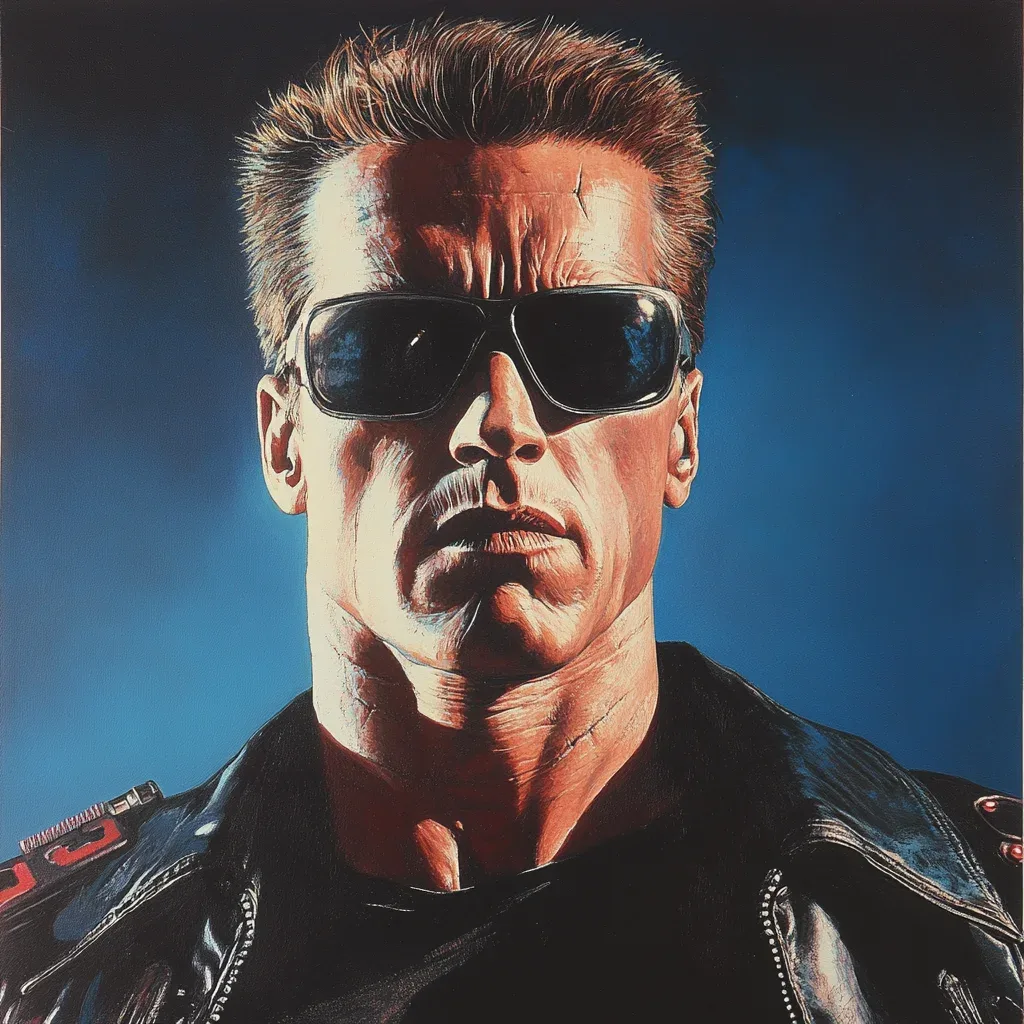
James Cameron's iconic sci-fi masterpiece redefined action cinema, blending terrifying practical effects with unforgettable storytelling. From fever-dream origins to revolutionary digital effects, the franchise created pop-culture icons out of cold metal and relentless machines. Discover the wild true stories behind the casting choices, extreme stunt work, and legendary catchphrases that built this groundbreaking cinematic universe.
1. A Roman Fever Dream Spawned the Iconic Cyborg
While struggling with a high fever in a hotel room in Rome, director James Cameron experienced a terrifying vivid dream. In the nightmare, he saw a chrome torso with glowing red eyes crawling away from an explosion while dragging itself across the floor with kitchen knives. Cameron immediately awoke and sketched the nightmarish visual on hotel stationery before writing a screenplay around it. That single fever dream ultimately birthed one of the most successful sci-fi thrillers in cinematic history. To this day, Cameron credits that brief illness for launching his career as a legendary blockbuster director.
2. O.J. Simpson Was Almost Cast as the Ruthless Machine
When Orion Pictures initially optioned the script, studio executives aggressively pushed for former football star O.J. Simpson to portray the titular killer cyborg. However, James Cameron strongly rejected the casting suggestion because he believed Simpson was far too likable and gentle to be believable as a ruthless killing machine. Cameron feared audiences would never accept the friendly celebrity as an unfeeling metal assassin. Irony struck decades later as Simpson's real-life criminal trial completely altered his public perception. Ultimately, Arnold Schwarzenegger was chosen instead, transforming the character into an iconic pop culture powerhouse.
3. Arnold Schwarzenegger Spoke Just 58 Words in the Entire First Film
Despite starring as the primary antagonist of the 1984 original film, Arnold Schwarzenegger spoke remarkably little dialogue. Across the entire 107-minute runtime, the Austrian actor speaks only 58 total words delivered across 17 brief lines. Director James Cameron intentionally kept the machine's speech minimal to emphasize its cold, methodical, and inhuman nature. Schwarzenegger's terrifying physical presence and robotic posture carried the full weight of the character's menace without needing extensive dialogue. This quiet, unstoppable demeanor made the character far more frightening to audience members worldwide.
4. "I'll Be Back" Was Almost Changed Due to Accent Struggles
The most famous line in action movie history almost sounded completely different due to an actor's linguistic struggle. During filming, Arnold Schwarzenegger repeatedly requested to change "I'll be back" to "I will be back" because he found contractions difficult to pronounce with his heavy Austrian accent. Furthermore, Schwarzenegger felt that saying "I'll" sounded too soft and feminine for a cold mechanical killer. James Cameron adamantly refused to alter the script, telling the actor to trust his directorial vision. The unyielding stance preserved the line exactly as written, creating an enduring cinematic catchphrase spoken around the globe.
5. The Original Low-Budget Masterpiece Was Made for Just $6.4 Million
The first entry in the franchise was produced on a tiny indie film budget of approximately $6.4 million. Because of the extreme financial limitations, the crew had to resort to guerilla filmmaking techniques, including shooting several exterior shots without official permits. Against all odds, the high-concept sci-fi thriller captivated audiences and grossed over $78 million at the global box office. This enormous financial return established James Cameron as an elite Hollywood filmmaker and proved that compelling original ideas could outperform massively budgeted studio projects.
6. Dogs Are the Ultimate Defense Against Infiltrator Units
In the bleak future timeline depicted throughout the franchise, human resistance fighters rely heavily on domestic canines for survival. Because infiltrator units are wrapped in living human tissue, they easily blend into crowd scenes without triggering visual alarms. However, dogs possess an acute sense of smell and instinct that allows them to instantly detect the unnatural synthetic flesh and mechanical inner workings. Whenever a metal endoskeleton approaches a hidden human base, nearby dogs bark furiously to alert resistance soldiers. This canine early-warning system remains humanity's most reliable defense against stealthy machine attacks.
7. The Iconic Theme Music Was Created with Household Items and Clocks
Composer Brad Fiedel created the eerie metallic score using incredibly unconventional methods that defined the film's tense atmosphere. Working in his home studio, Fiedel struck a heavy cast-iron frying pan with a microphone and looped the sound to establish the driving, clanking beat. Additionally, the iconic main theme featured a distinct rhythmic anomaly caused by a slight timing mistake on an early digital synthesizer. Rather than fixing the off-beat timing error, Fiedel kept the loop because it felt chaotic and mechanical. This erratic metallic cadence became the unmistakable sonic signature of the entire franchise.
8. Linda Hamilton Suffered Permanent Hearing Loss on the Set of T2
During the intense elevator shoot-out scene in the sequel, actress Linda Hamilton suffered serious and permanent physical harm. While filming inside the enclosed elevator shaft, Hamilton accidentally forgot to reinsert her protective earplugs between takes. When actor Arnold Schwarzenegger fired a loud shotgun inside the small space, the concussive blast severely damaged her inner ear. The incident resulted in permanent hearing loss in her left ear, which she has dealt with ever since. Despite the lasting injury, Hamilton pushed through the demanding shoot to finish her performance.
9. Extreme Military Training Transformed Sarah Connor
To convincingly play the hardened freedom fighter in the sequel, Linda Hamilton underwent months of rigorous physical and tactical preparation. She trained intensely with former Israeli Special Forces operatives to master military weapons handling, hand-to-hand combat, and tactical movement. Furthermore, Hamilton adhered to an uncompromising physical fitness routine that completely transformed her physique into a lean, muscular warrior. She also learned how to pick locks rapidly and perform tactical reloads while under intense pressure. Her immense dedication resulted in one of the most celebrated action hero transformations in motion picture history.
10. Budget Constraints Forced Props to Be Made of Painted Plastic Pipes
Working with a tight production budget required the art department to rely on clever optical illusions rather than expensive materials. When constructing the complex mechanical sets and industrial backdrops, prop makers substituted costly steel tubing with cheap PVC plastic pipes. The crew painstakingly hand-painted the plastic surfaces with metallic finishes, rust effects, and realistic scratches to mimic heavy steel. On camera, the lightweight plastic looked entirely authentic and saved thousands of dollars in material costs. This resourceful trick allowed the set designers to build vast, convincing environments within their limited budget constraints.
11. The T-1000 Effects Made T2 the Most Expensive Film of Its Era
The landmark 1991 sequel made cinematic history by becoming the first film with a production budget exceeding $100 million. A major portion of this staggering cost was allocated to pioneering digital visual effects created by Industrial Light & Magic. Generating the revolutionary liquid metal transformation effects for the T-1000 required months of meticulous computer rendering. Although the digital liquid metal appeared on screen for only three and a half minutes total, it required dozens of animators and computer scientists. The groundbreaking visual work fundamentally transformed Hollywood visual effects and proved CGI was the future of cinema.
12. The Breathtaking Canal Stunt Featured Real Multi-Ton Vehicles
One of the most thrilling chase sequences in the second movie was captured almost entirely through dangerous practical stunt work. The intense moment where a heavy tow truck smashes into the Los Angeles River canal involved a real vehicle leaping off an overpass bridge. Stunt coordinators arranged for the massive truck cab to jump over 50 feet through the air into the concrete canal bed. Because computer graphics were limited to liquid metal effects, the massive vehicle crashes and vehicular destruction were executed live on camera. The thrilling sequence remains a masterclass in practical stunt coordination and action filmmaking.
13. Stan Winston Form-Fitted the Endoskeleton to Schwarzenegger's Body
To ensure that the iconic metallic skeleton appeared believable when exposed, special effects maestro Stan Winston designed it around human anatomy. Winston's team took detailed plaster molds of Arnold Schwarzenegger's actual body to map out the exact skeletal proportions. By building the chrome endoskeleton to match Schwarzenegger's physical frame, the puppet could credibly fit inside a human outer shell. This obsessive attention to anatomical detail made the eventual mechanical reveals feel terrifyingly organic and believable to audiences. The resulting design remains one of the most recognizable creature creations in cinema history.
14. The Original Script Allowed Terminators to Eat Human Food
In early drafts of James Cameron's original screenplay, the cyborg possessed a fully functional, synthetic biological digestive system. This allowed the machine to consume normal human food and beverage items so it could mimic human social behavior seamlessly during long undercover operations. However, Cameron decided to remove this bizarre detail during script revisions to streamline the plot and maintain a dark tone. He felt that showing a terrifying mechanical killer casually eating lunch disrupted the tension and made the character seem absurd. Eliminating the digestive trait kept the machine focused strictly on relentless pursuit.
15. Puppeteers Had to Coordinate Complex Mechanical Endoskeletons
Bringing the full-sized mechanical endoskeleton to life required a complex team of skilled puppeteers operating behind the scenes. The heavy animatronic suit weighed over 100 pounds and was packed with delicate cables, hydraulic lines, and servos. To create smooth, believable motion, up to five puppeteers had to control different parts of the skeleton simultaneously during a single take. One operator controlled facial expressions, another manipulated the arms, while others managed torso rotation and eye movements. This painstaking collaboration created a frighteningly realistic mechanical performance before CGI full-body replacements existed.
Sources & References
This AI-assisted post was rigorously curated and fact-checked for accuracy by:
 Martin Roháček
How fun was this article? 🤔
Tap a star to rate it
🧠 Quiz: How closely were you paying attention?
10 questions — all answers are in the article above!
Enjoyed these facts? There's more! 💌
Fresh fun facts in your inbox. No spam, ever.