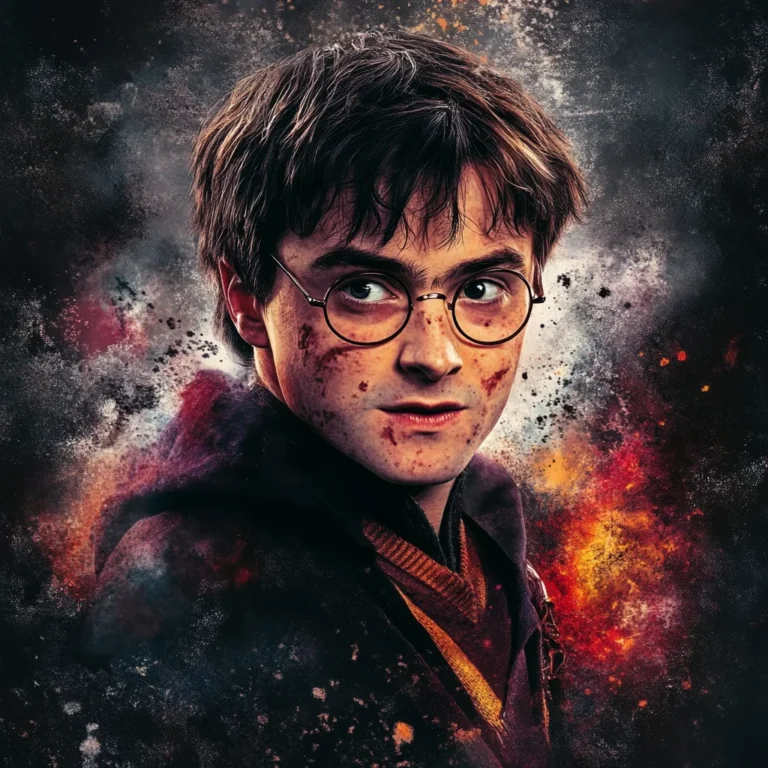
Harry Potter has enchanted millions with its magical story and unforgettable characters. But beyond the main plot, the wizarding world hides many curious and lesser-known secrets. These surprising details invite fans to dive deeper into J.K. Rowling’s enchanting universe and discover new layers of magic and mystery.
Harry Potter
J.K. Rowling created many spell names by blending Latin, French, and English words, making them sound mystical and meaningful.
Harry’s birthday, July 31, matches J.K. Rowling’s own birthday, linking the author and her hero closely.
Rowling based Hermione’s character partly on herself when she was a young student, highlighting her intellectual side.
The Hogwarts founders represent personality traits Rowling admired or critiqued, adding depth to the school’s history.
Harry’s invisibility cloak belongs to the rare magical artifacts called Deathly Hallows, making it one of the most powerful objects.
Rowling nearly killed off Ron but chose to keep his crucial friendship with Harry Potter intact for the story’s balance.
Each Hogwarts house has a unique common room with magical protections and distinct architectural styles, reflecting their character.
The Dementors symbolize depression, inspired by Rowling’s own battles, making them more than terrifying creatures.
Rowling cleverly adapted real mythologies to create magical creatures like hippogriffs and thestrals, enriching her magical world.
The Marauder’s Map reveals Hogwarts secret passages and was crafted by four former students nicknamed after animals.
Rowling developed detailed backstories for many characters that never appeared in the books, adding richness behind the scenes.
Snape’s love for potions reflects his deeper loyalty and complexity, giving clues about his true nature early on.
Several publishers rejected Harry Potter initially, but Rowling’s persistence turned the series into a worldwide phenomenon.
She wrote the series’ final chapter years before completing all books, carefully planning the story’s ending.
Every year, the Sorting Hat changes its song, commenting on Hogwarts students’ evolving spirit and challenges.
How useful was this post?
Click on a star to rate it!
This AI-assisted post was rigorously curated and fact-checked for accuracy by:
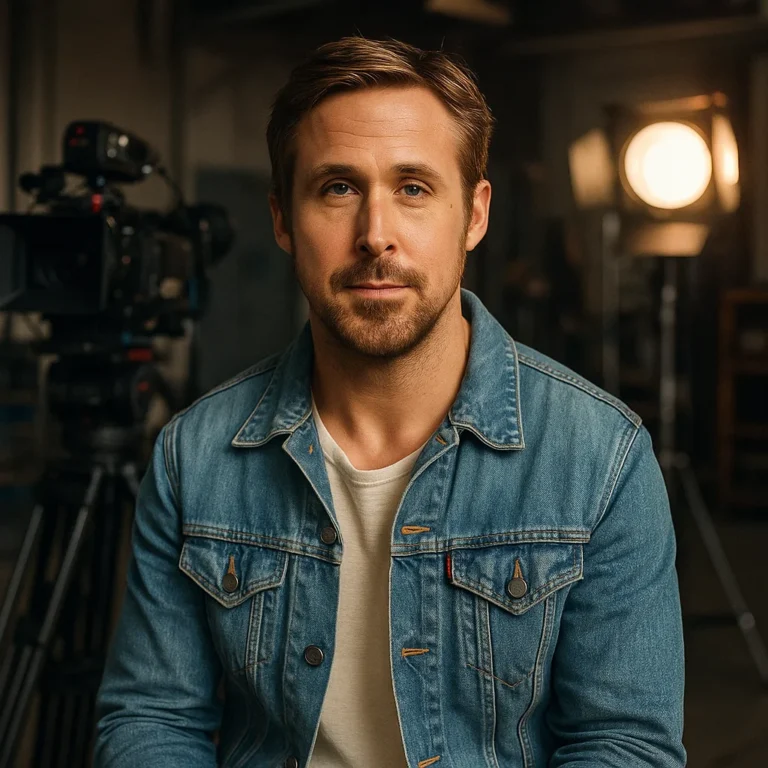
Ryan Gosling’s path to fame includes surprising struggles, creative risks, and heartfelt dedication. From his humble childhood to musical skills and unforgettable roles, discover little-known facts that make him one of Hollywood’s most intriguing actors.
Ryan GoslingRyan Gosling
Ryan Gosling was the only Mickey Mouse Club cast member who lived in a trailer park during filming, far away from other Mouseketeers.
He was home-schooled by his mother after facing constant bullying at elementary school.
Gosling built the kitchen table featured in The Notebook himself to prepare for his role as Noah.
He learned to play the piano in just a few months to authentically perform his La La Land scenes.
Ryan once gained 60 pounds for the film The Lovely Bones by eating melted ice cream, but was ultimately fired over creative differences.
After The Notebook, he briefly worked in a deli, wanting to experience a “real” job outside Hollywood.
He co-founded a Moroccan restaurant called Tagine in Los Angeles, though it later went bankrupt.
Gosling’s breakthrough indie film role was as a Jewish neo-Nazi in The Believer (2001), which challenged early fans’ expectations.
He does not have an entourage and prefers solitude when not working, embracing a rather private lifestyle.
Ryan is a talented musician; besides piano, he also played drums and guitar in his band Dead Man’s Bones.
The viral “Ryan Gosling Won’t Eat His Cereal” videos were tributes by a fan who died young; Gosling honored him with his own video.
He is one of the few actors to receive multiple Academy Award nominations before turning 40.
Gosling originally auditioned for the role of James Kirk in Star Trek but was considered too tall at 6’3”.
Before acting, he worked with his Elvis impersonator uncle, even performing at local events.
Despite fame, Gosling prioritizes family life, balancing acting with being a dedicated husband and father.
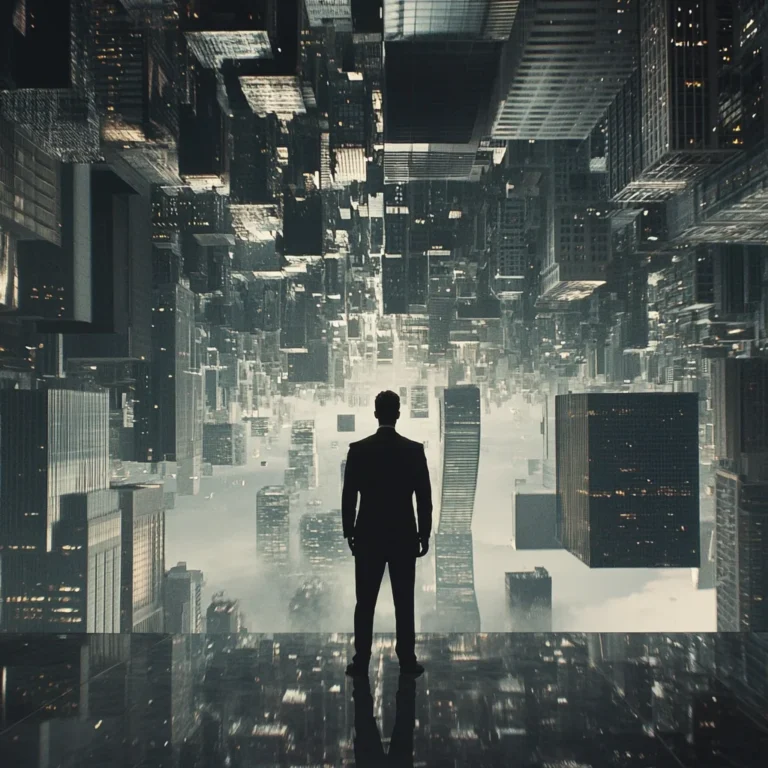
Inception, directed by Christopher Nolan, revolutionized the thriller genre with its complex dream layers and stunning visuals. Beneath the blockbuster’s fame lie captivating secrets and lesser-known details that enrich the story and production. Dive into the hidden gems behind Inception’s mind-bending narrative and groundbreaki
Inception
The film was initially conceived as a horror movie before evolving into a heist thriller, showcasing Nolan’s creative flexibility.
Ariadne’s character has a name after a figure in Greek mythology who helped Theseus escape the labyrinth, symbolizing her role as guide through dreams.
The crew filmed Joseph Gordon-Levitt’s famous zero-gravity hallway fight using a full 360-degree rotating set, without a green screen.
The “impossible” Penrose staircase in the film is based on a real 1960s print by M.C. Escher and achieved through clever camera angles.
Each main character represents a role in a filmmaking crew: Cobb as director, Arthur as producer, Ariadne as production designer, and Eames as actor.
Over 500 crew members worked tirelessly to create the iconic rotating hallway scene, which took three weeks to shoot.
The film’s soundtrack features the song “Non, Je Ne Regrette Rien” by Édith Piaf, slowed down to synchronize with the dream layers’ unique time dilation.
Leonardo DiCaprio found the chase scene in Morocco physically the toughest, having to dodge crowds and obstacles during intense filming.
The team used subtle details like license plates reading “The Alternate State” to cue viewers that certain sequences were dream layers.
Nolan wrote the script on spec to maintain creative control, completing the first draft alone before studio involvement.
Real sets physically tilted and rotated while filming, requiring actors to hold on tightly to avoid sliding off during shooting.
The safe code “528491” appears repeatedly as an Easter egg, tying the complex story elements together visually.
The “kick” sequence includes multiple synchronized actions to wake dreamers simultaneously, showing intricate planning behind the scenes.
The final spinning top scene remains deliberately ambiguous, fueling years of debate about Cobb’s reality versus his dreams.
Hans Zimmer infused the score with unique guitar sounds influenced by Ennio Morricone, adding to the film’s unforgettable atmosphere.