The Alien franchise redefined sci-fi horror by blending high-tech machinery with primal, biological fear. While audiences scream at the Xenomorph, the production of these films involved bizarre accidents and dark artistic visions. For instance, the original monster design came from a surrealist painter who exorcised his own nightmares through art. Furthermore, the most iconic scene in horror history relied on a lack of communication with the cast. Prepare to face the perfect organism.
Alien
The movie originally carried the title Star Beast. Screenwriter Dan O’Bannon struggled with the name until he noticed how often the word “alien” appeared in the script. Consequently, he swapped the title for the simpler, more ominous noun that became a household name.
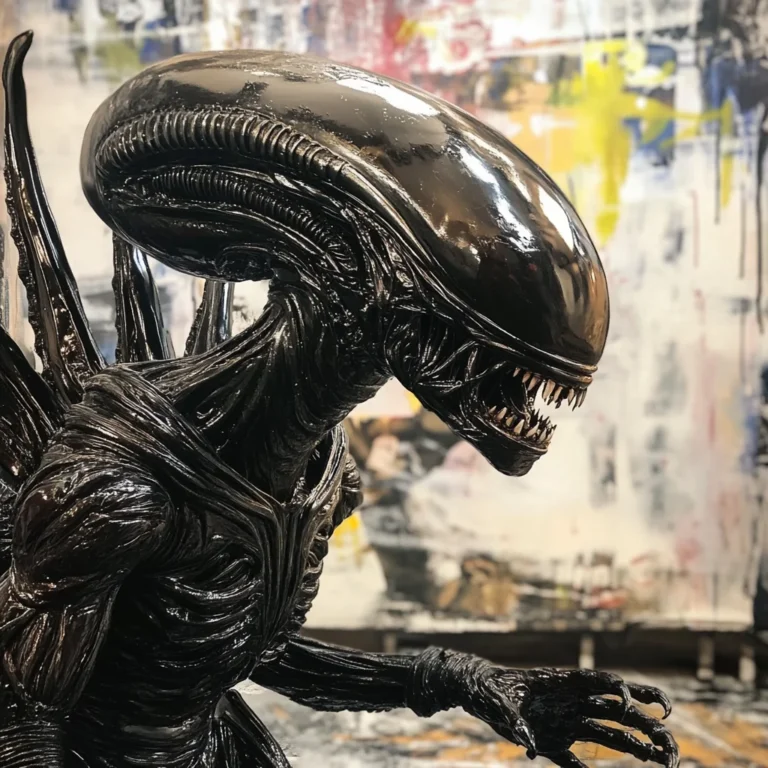
H.R. Giger designed the Xenomorph based on his painting Necronom IV. The Swiss artist suffered from chronic night terrors and used his art to “exorcise” his visions. Remarkably, he removed the creature’s eyes because he felt it was more terrifying if you could not tell where it was looking.
The front of the original Alien head contained a real human skull. Giger integrated the bone into the design to help him understand the anatomy of the face. In addition, he allegedly used condoms to create the creature’s thick, translucent lips.
Most of the cast did not know the “chestburster” scene would be so graphic. Director Ridley Scott kept the details secret to provoke a genuine reaction of raw terror. When the blood sprayed, actress Veronica Cartwright actually passed out from the shock.
The crew used real animal guts and pig’s blood for the chestburster scene. Specifically, they bought offal from a butcher shop and stuffed it into a mechanical torso. Because of the hot set lights, the meat started to rot and created a revolting stench.
A 6-foot-10 Nigerian design student named Bolaji Badejo played the Alien. A casting director discovered him in a London bar and realized his tall, thin frame was perfect for the costume. Therefore, he practiced Tai Chi to learn how to move with a slow, predatory grace.
The space suits in the original film were dangerous to wear. They were heavy, lined with nylon, and lacked proper ventilation for carbon dioxide. After Ridley Scott’s own children passed out while standing in for the actors, the crew finally added oxygen tanks.
James Cameron pitched the sequel, Aliens, in just a few seconds. He walked into a boardroom, wrote the word ALIEN on a whiteboard, and added an “S” at the end. Then, he drew two vertical lines through the S to turn it into a dollar sign.
Sigourney Weaver actually made that “impossible” basketball shot in Alien: Resurrection. She practiced for weeks, but the director wanted to use camera tricks. Remarkably, she sank the basket behind her back on the sixth take while the cameras were rolling.
The blue laser lights in the egg chamber belonged to the rock band The Who. The band was testing lighting for an upcoming tour on the soundstage next door. Consequently, the film crew “borrowed” the lasers to give the alien nest its eerie, futuristic glow.
Ridley Scott pushed the walls of the Nostromo set closer together every day. He did this without telling the actors to increase their sense of claustrophobia. As a result, the cast felt naturally more stressed and trapped as the filming progressed.
The character of Ripley was originally written as a man. However, the producers decided to gender-swap the role because they believed a female hero would be more unique for the time. Indeed, this decision turned Sigourney Weaver into a legendary action icon.
Weyland-Yutani was eventually bought out by Walmart. In a deleted scene from Alien: Resurrection, a character mentions that the massive, planet-owning corporation fell to the retail giant. This joke suggests that in the future, consumerism is more powerful than weaponized aliens.
Ash’s “android” insides consisted of pasta, caviar, and milk. When the crew decapitated the character, they needed a strange, non-human fluid to leak out. To illustrate, actor Ian Holm had to speak while his face was covered in this peculiar, edible concoction.
Finally, the Xenomorph has a hidden “Unnamed Predatory Species” on its homeworld. According to expanded lore, a massive creature exists on Xenomorph Prime that actually hunts the hunters. This proves that even the perfect organism has something to fear in the dark.
How useful was this post?
Click on a star to rate it!
This AI-assisted post was rigorously curated and fact-checked for accuracy by:
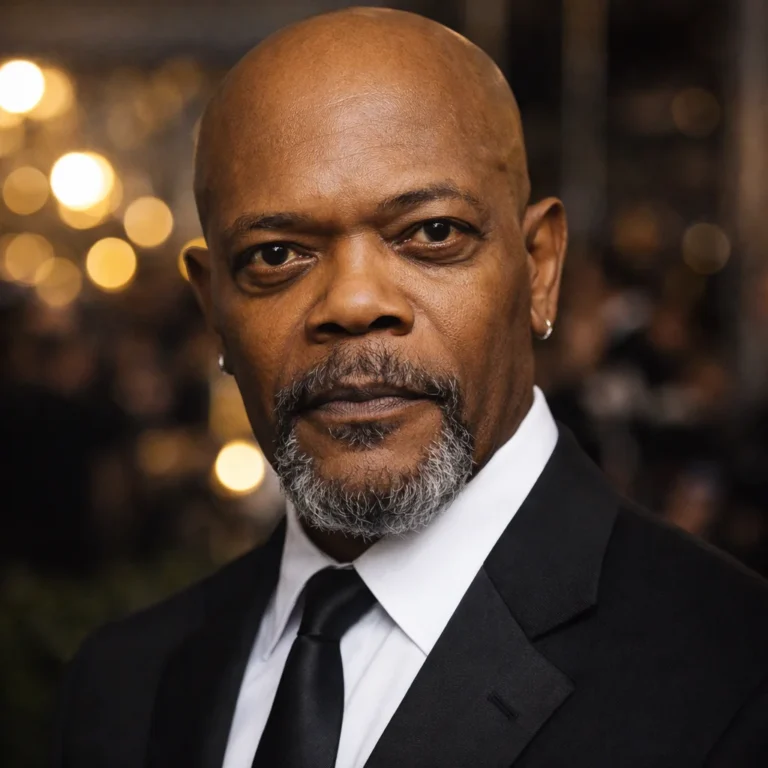
Samuel L. Jackson stands as a towering figure in cinema history with a presence that defines every scene he enters. While millions recognize his iconic voice and intense gaze, this legendary actor possesses many unique habits and surprising professional rules. Indeed, you can find a history of specialized contract clauses and unexpected hobby expertise behind his famous film roles. Furthermore, his journey from a young activist to the highest-grossing actor of all time remains a truly incredible story.
Samuel L. Jackson
Samuel L. Jackson is officially the highest-grossing actor of all time thanks to his many blockbuster film franchises. His movies have earned over 27 billion dollars globally, which places him ahead of every other star in Hollywood history.
He famously includes a special “golf clause” in every single film contract he signs for a new movie. This legal agreement allows him to leave the set twice a week to play golf at a local course nearby.
The actor struggled with a severe stutter during his childhood and used acting as a way to overcome it. Specifically, he discovered that using a certain famous curse word helped him find his rhythm and stop his speech blocks.
He personally requested a purple lightsaber for his role as Mace Windu in the Star Wars prequel trilogy. He wanted to be able to find himself easily during the massive battle scenes that featured many different Jedi characters.
George Lucas agreed to the unique color even though Jedi lightsabers usually only appeared in blue or green hues. Consequently, Jackson became the only character in the film universe to wield a weapon with that specific purple glow.
Samuel L. Jackson was a dedicated civil rights activist during his time as a student at Morehouse College. In 1969, he even participated in a protest that involved locking the school’s board of trustees inside a building.
He served as a pallbearer at the funeral of Martin Luther King Jr. shortly after the leader’s tragic death. This experience deeply impacted his worldview and his commitment to social justice throughout his long and successful professional career.
Surprisingly, he did not find mainstream fame until he was forty-five years old with his role in Pulp Fiction. This proves that success can arrive later in life if a person remains dedicated to their craft and passion.
He is a massive fan of comic books and actually gave Marvel permission to use his likeness for Nick Fury. The comic writers redesigned the character to look exactly like him years before he ever played the role on screen.
The actor once worked as a security guard for the popular television musical variety show called Soul Train. He watched many legendary musical acts perform while he stood off-camera to ensure the safety of the famous guests.
Samuel L. Jackson has appeared in over 150 movies throughout his career, which is a staggering number for any actor. He often works on several projects at the same time and rarely takes a long break from the camera.
He possesses a black belt in the martial art of judo, which he earned during his younger years. This physical training helps him maintain his incredible stamina and perform his own stunts in various high-octane action movie scenes.
The actor is a vegan and credits his plant-based diet for helping him maintain his health and energy levels. He made the switch several years ago and often advocates for the benefits of a lifestyle without animal products.
He famously recorded an audiobook version of the humorous children’s book Go the F**k to Sleep. The recording became an instant viral hit because his signature intense delivery perfectly matched the frustration of a tired parent.
Finally, Samuel L. Jackson never watches his own movies once they are finished and released to the public. He prefers to move on to the next creative challenge rather than dwelling on his past performances on the screen.
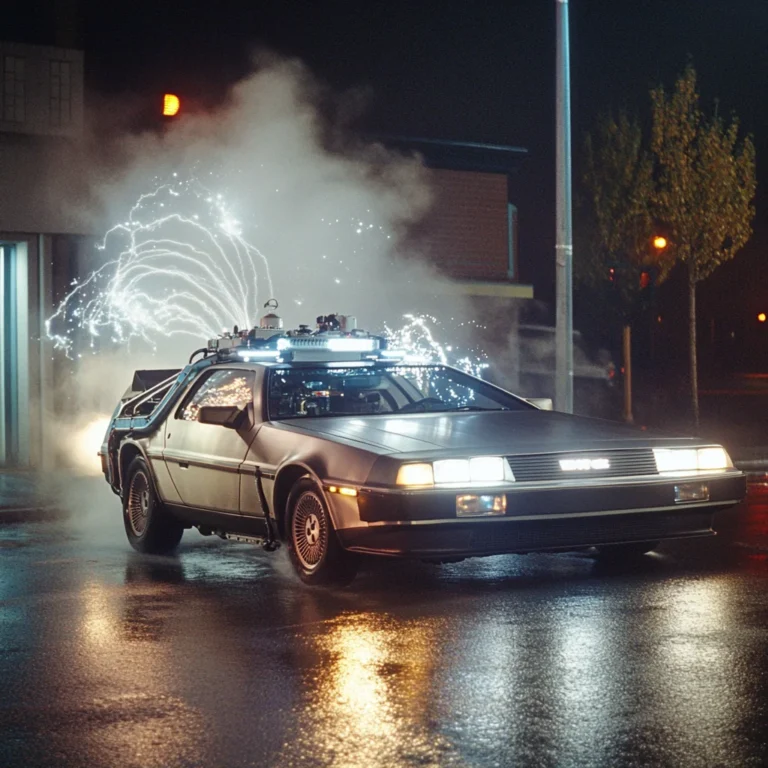
The Back to the Future trilogy defined 1980s cinema with its clever writing and memorable characters. It turned a quirky car into a global icon for time travel. Furthermore, the film's production faced massive challenges that almost cancelled the project entirely. Consequently, these movies remain beloved classics decades later. Explore these fascinating details about Marty McFly and Doc Brown.
Back to the Future
The time machine was originally a refrigerator. In early scripts, Doc Brown attached the device to a household fridge. However, the writers changed it because they feared children would lock themselves inside refrigerators to copy the movie.
Eric Stoltz originally played Marty McFly. He filmed for six weeks before the director fired him. Unfortunately, his performance was too serious for the comedic tone the filmmakers wanted.
The script was rejected over 40 times. every major studio passed on the project. Disney refused it because they thought the mother falling in love with her son was too inappropriate for a family movie.
A studio executive wanted to change the title. Sid Sheinberg hated the name Back to the Future. Instead, he suggested Spaceman form Pluto, but Steven Spielberg thankfully convinced him to keep the original title.
Michael J. Fox worked two jobs simultaneously. He filmed the TV show Family Ties during the day. Then, he rushed to the movie set at night and slept only three hours a day for months.
The DeLorean engine sound is fake. The real car had a weak V6 engine. Therefore, the sound designers dubbed over it with the roar of a powerful V8 engine to make it sound faster.
They chose 88 miles per hour for a simple reason. It had no scientific basis. The production designers simply thought the digital numbers looked cool and easy to remember on the speedometer.
Doc Brown’s pet was originally a chimpanzee. The early drafts featured a chimp named Shemp. Later, the studio head demanded they change the animal to a dog named Einstein.
Elijah Wood made his film debut in Part II. He plays one of the young boys playing the Wild Gunman arcade game. Unimpressed, he mocks Marty for using his hands to play a “baby’s toy.”
Flea from the Red Hot Chili Peppers appears in the sequels. He plays the character Needles. He challenges Marty to a street race that changes his future in the second and third films.
Huey Lewis cameos as a judge. The singer of “The Power of Love” appears early in the first film. Ironically, he tells Marty that his band is “just too darn loud” during the audition.
Part II and Part III were filmed back-to-back. This was a revolutionary strategy at the time. It saved the studio millions of dollars and allowed them to release the sequels only six months apart.
Robert Zemeckis lied about hoverboards. He joked in an interview that hoverboards were real but banned for safety. consequently, thousands of parents called toy stores demanding to buy the non-existent product.
Thomas F. Wilson carried cards to answer fan questions. The actor who played Biff got tired of answering the same questions. So, he handed out cards that confirmed the manure was fake and Michael J. Fox was nice.
Finally, the DeLorean is now a registered historic vehicle. The Library of Congress added the film to the National Film Registry. Thus, the car remains one of the most famous automobiles in cinema history.