The Loudest Legends: 15 Fascinating Facts About Van Halen
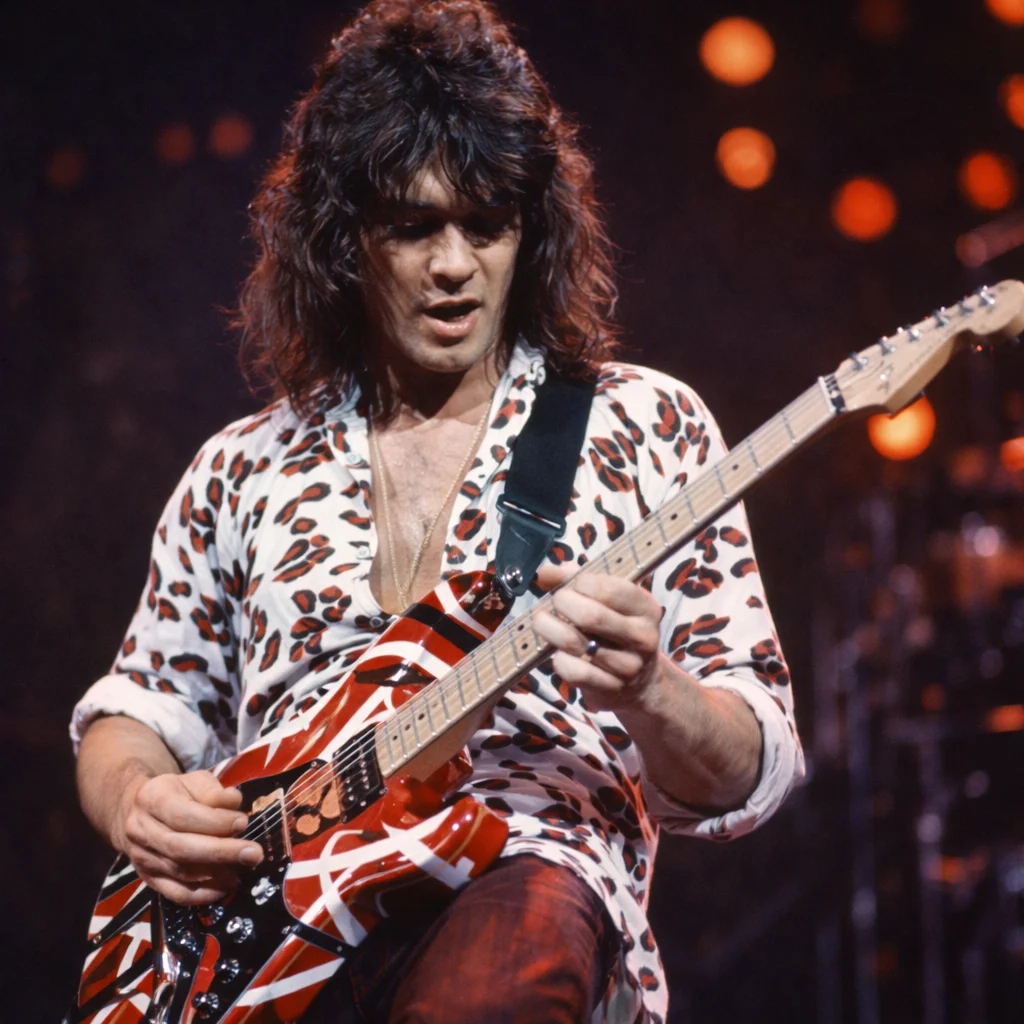
Van Halen reshaped the landscape of American hard rock with explosive guitar virtuosity, high-energy showmanship, and infectious pop sensibilities. From their humble beginnings playing backyard parties in Pasadena to dominating stadiums worldwide, the band's journey is filled with legendary rock folklore and bizarre true stories. Beyond the famous backstage contract riders and guitar solo breakthroughs lies a history packed with incredible innovation and surprising career pivots. Here are 15 fascinating facts about Van Halen that showcase the brilliance, chaos, and enduring legacy of rock's most electrifying lineup.
1. The Brown M&M's Clause Was a Genius Technical Safety Test
One of the most legendary backstage rider stories in rock history involves Van Halen demanding a bowl of M&Ms with all the brown candies removed. While critics dismissed this as outrageous diva behavior, Eddie Van Halen and David Lee Roth introduced the clause as a deliberate safety measure. Van Halen's massive 1980s arena productions required complex electrical wiring, heavy lighting rigs, and immense structural support that many local venues were ill-equipped to handle. If the band walked backstage and spotted a single brown M&M in the bowl, they knew the concert promoter had failed to carefully read the technical contract. That visual red flag immediately triggered a complete inspection of the venue's electrical and structural setups to prevent catastrophic equipment failures.
2. Eddie and Alex Van Halen Originally Played Each Other's Instruments
Before becoming one of rock music's most iconic guitar-and-drum duos, the Van Halen brothers started out on opposite instruments. Growing up in Pasadena, California, Eddie took drum lessons while Alex trained on the classical piano before purchasing a drum kit. While Eddie worked a job delivering newspapers to pay for his drum set, Alex would secretly practice on Eddie's drums while his brother was out on his route. Alex quickly surpassed Eddie's skills on the drums, leading Eddie to make a historic decision to give up drumming and pick up an electric guitar instead. That brotherly switch reshaped the sound of modern hard rock forever.
3. Gene Simmons Financed Their First Demo and Proposed a Terrible Name
In 1976, KISS bassist Gene Simmons walked into the Starwood Club in West Hollywood and was blown away by Van Halen's electrifying set. Simmons immediately signed the unsigned group to a management deal and paid out of his own pocket to record a 15-track demo tape at Electric Lady Studios in New York. Impressed by their raw energy, Simmons felt their self-titled name was underwhelming and tried to convince the band to rename themselves "Daddy Longlegs." Fortunately, the band rejected the name change, opting to stay true to their family namesake as recommended by frontman David Lee Roth.
4. They Were Originally Called Mammoth (and Rented Gear from David Lee Roth)
Before adopting the name Van Halen, the group performed under the moniker Mammoth, featuring Eddie on guitar and lead vocals, Alex on drums, and Mark Stone on bass. At the time, they routinely rented sound equipment and a PA system from charismatic local frontman David Lee Roth, paying him $10 a night for the gear. Realizing it was far more cost-effective to hire Roth as their full-time singer than to keep paying equipment rental fees, the brothers invited him into the lineup. Shortly after Roth joined, they discovered another local group was already using the name Mammoth, prompting Roth to suggest naming the band after the brothers' distinct surname.
5. Eddie Van Halen's Free "Beat It" Solo Literally Set Studio Speakers on Fire
When legendary producer Quincy Jones called Eddie Van Halen to guest on Michael Jackson's 1982 album Thriller, Eddie initially thought the call was a prank and hung up. Once convinced the offer was genuine, Eddie slipped into the studio and recorded his legendary, blistering guitar solo for "Beat It" in less than an hour, completely free of charge as a favor. During the recording session, the studio control room monitor speaker literally caught fire from the intense audio output, prompting an engineer to joke about the sheer heat of the solo. Eddie requested no payment or album royalties for his contribution, asking only for a six-pack of beer and guitar lessons from Jackson in return.
6. "Eruption" Was Never Meant to Be Recorded or Released
The groundbreaking two-minute guitar instrumental "Eruption," widely considered one of the greatest guitar solos of all time, was never intended to be an album track. While warming up his fingers in the studio for a gig at the Whisky a Go Go, Eddie casually played his finger-tapping routine while engineer Donn Landee secretly kept the tape rolling. Producer Ted Templeman heard the tape playback and was so astonished by Eddie's unprecedented speed and technique that he insisted it be placed on their 1978 debut album. Eddie actually considered the take flawed and wanted to re-record it, but Templeman preserved the raw, spontaneous magic of the original warm-up session.
7. The Iconic Frankenstrat Was Built from Bargain Parts for $130
Unable to find a commercial guitar that offered both the classic humbucking sound of a Gibson and the physical playability of a Fender, Eddie decided to build his own hybrid instrument. He purchased a factory-second Stratocaster-style body for $50 and a custom neck for $80, assembling what became the world-famous "Frankenstrat." He wired a PAF humbucking pickup into the body, modified the tremolo system, and painted it with bicycle paint using masking tape to create its iconic red, black, and white striped design. That homemade $130 instrument revolutionized guitar manufacturing and became an immortal icon of rock history.
8. They Set a Guinness World Record at the 1983 US Festival
At the height of their early 1980s stardom, Van Halen made history on Heavy Metal Day at the 1983 US Festival in San Bernardino, California. The band struck a massive deal with festival founder and Apple co-founder Steve Wozniak, earning a staggering $1.5 million for a single 90-minute headline performance. That payout earned Van Halen an official entry in the Guinness Book of World Records for the highest fee ever paid to a musical act for a single concert set. Their wild performance in front of over 300,000 screaming fans solidified their status as the world's premier stadium rock band.
9. Eddie Van Halen Holds a US Patent for a Guitar Attachment
Eddie Van Halen was not just a master musician; he was also a registered inventor with the United States Patent and Trademark Office. In 1987, Eddie was officially granted U.S. Patent No. 4,656,917 for a specialized musical instrument support prop. The invention featured a hinged, flip-out plate attached to the back of a guitar, allowing the player to rest the instrument horizontally against their body. This mechanical setup freed up both of the guitarist's hands to play the fretboard flat, like a piano keyboard, facilitating Eddie's famous two-handed tapping technique.
10. David Lee Roth Worked Incognito as an EMT in New York City
In the mid-2000s, legendary frontman David Lee Roth stepped away from the glitz of rock stardom to serve as a licensed emergency medical technician in New York City. Roth quietly completed over 200 hours of rigorous state training, riding on ambulances throughout Manhattan and responding to real medical emergencies. Wearing standard EMT uniforms and keeping a low profile, he helped treat hundreds of sick and injured patients, almost none of whom recognized the flamboyantly famous rock icon attending to them. Roth described the experience as deeply humbling and one of the most fulfilling periods of his entire life.
11. The Keyboard Synthesizer on "Jump" Sparked a Major Internal Feud
The synth riff of 1984's smash hit "Jump" became Van Halen's only number-one single on the Billboard Hot 100, but it almost tore the band apart. Eddie had written the synth line years earlier on an Oberheim OB-Xa synthesizer, but David Lee Roth strongly opposed incorporating keyboards, fearing it would soften their hard-rock image. Roth and producer Ted Templeman fought hard against the song's pop-leaning arrangement, but Eddie stood his ground at his newly built home studio. The massive global success of the track validated Eddie's sonic evolution, though creative tensions over pop synthesizer sounds ultimately contributed to Roth's departure shortly after.
12. 5150 Studio Was Named After a Police Code for Psychiatric Holds
In 1983, Eddie Van Halen built his state-of-the-art home recording sanctuary nestled in the hills of Studio City, California, christening it "5150 Studios." The name was directly inspired by Section 5150 of the California Welfare and Institutions Code, which allows peace officers or clinicians to place an individual under a 72-hour involuntary psychiatric hold. Eddie chose the name to reflect the manic, unhinged, and uncompromising creative atmosphere inside the private facility where the band felt free from record label interference. The studio went on to host the tracking of every Van Halen album released from 1986 onward.
13. Extreme Frontman Gary Cherone Was Van Halen's Surprising Third Vocalist
While most fans readily distinguish between the David Lee Roth and Sammy Hagar eras of Van Halen, the band briefly featured a third official lead vocalist in the late 1990s. Following Hagar's contentious departure in 1996, Van Halen recruited Gary Cherone, the former lead singer of the Boston hard rock band Extreme. Cherone relocated to Eddie's estate, co-writing and recording the 1998 studio album Van Halen III and embarking on an extensive global tour. Although their musical union lasted only three years, Cherone remains a respectful chapter in the band's long evolutionary history.
14. Wolfgang Van Halen Joined the Band as Bassist at Just 15 Years Old
In 2006, Van Halen shocked the music industry by announcing that Eddie's 15-year-old son, Wolfgang Van Halen, was officially joining the group as their new full-time bass guitarist. Wolfgang replaced founding bassist Michael Anthony, bringing a fresh surge of youthful energy and technical virtuosity to the rhythm section. Despite intense public scrutiny, Wolfgang proved to be a formidable musician, playing complex bass lines while providing precise backing vocals on the band's massive reunion tours and their final 2012 studio album, A Different Kind of Truth.
15. Michael Anthony's Soaring Backing Harmonies Were Van Halen's Secret Weapon
While Eddie's revolutionary guitar playing and the lead singers' antics drew headline attention, founding bassist Michael Anthony provided the sonic glue of Van Halen's signature sound. Anthony's ultra-high, operatic backing vocal harmonies were so powerful and distinctive that they became a defining hallmark of the band's radio hits like "Runnin' with the Devil" and "Dance the Night Away." Music producers frequently commented that Anthony's soaring falsetto harmonies created a lush vocal wall that made four musicians sound like a massive choir. Without Anthony's background vocals, Van Halen's iconic stadium choruses would have lost their signature high-voltage polish.
Sources & References
This AI-assisted post was rigorously curated and fact-checked for accuracy by:
 Martin Roháček
How fun was this article? 🤔
Tap a star to rate it
🧠 Quiz: How closely were you paying attention?
10 questions — all answers are in the article above!
Enjoyed these facts? There's more! 💌
Fresh fun facts in your inbox. No spam, ever.