The Big Loop: 15 Wild Facts About the Tour de France
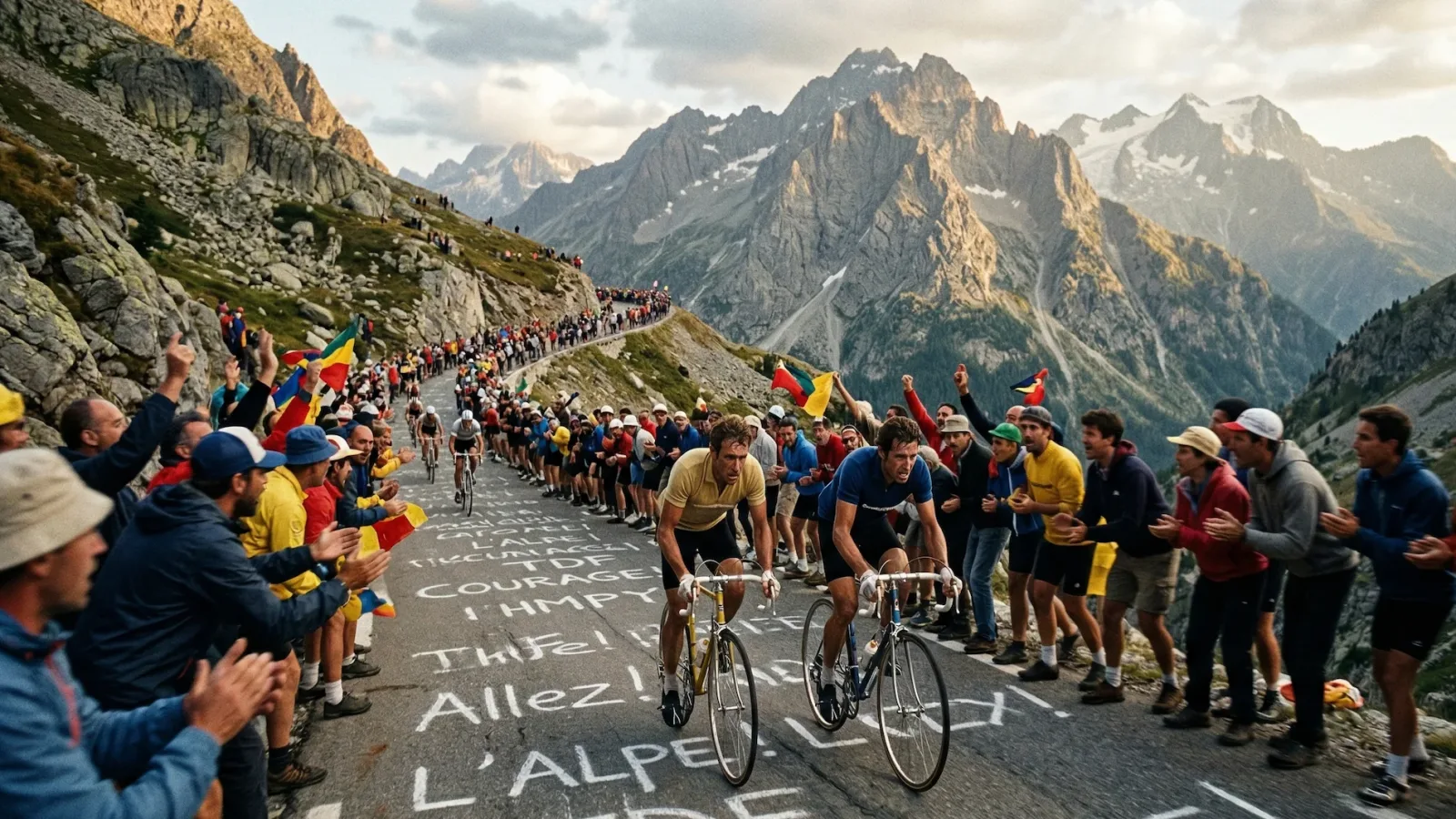
The Tour de France is universally recognized as the most grueling athletic endeavor on the planet. For over a century, cyclists have pushed the absolute limits of human endurance across the towering mountain ranges and sprawling countryside of France. However, the pristine, high-tech sport we watch today was born from a chaotic, wildly dangerous, and deeply bizarre history. From riders stopping to smoke cigarettes for an energy boost to literal sabotage on the roads, the early days of the peloton were a lawless fight for survival. Let us explore fifteen surprising and incredible historical facts about the race.
1. A Newspaper Publicity Stunt
The iconic race was established in 1903 by French journalist and cyclist Henri Desgrange. It was originally created as a marketing initiative to boost the circulation of the sports newspaper L’Auto. The first edition was a massive success, increasing the paper’s circulation six times over and cementing the event’s future.
2. The Brutal First Edition
The inaugural 1903 race consisted of just six stages, but they were more than double the distance of modern stages. The 2,428-kilometer route was won by Maurice Garin. His incredible victory margin of 2 hours, 59 minutes, and 31 seconds remains the largest lead in the history of the race to this day.
3. The Origins of the Yellow Jersey
The coveted “maillot jaune,” or yellow jersey, is worn by the overall time leader of the race and was officially introduced in 1919. The color yellow was chosen specifically because it matched the distinctive color of the paper on which L’Auto was printed, serving as a continuous advertisement for the newspaper.
4. Cheating by Train
The 1904 edition of the Tour was infamous for chaos, sabotage, and rampant cheating. Maurice Garin, the 1903 winner, along with the three runners-up, were completely disqualified and stripped of their placements after allegations surfaced that they had used trains to travel during the race to claim victory.
5. Smoking for Endurance
In the 1920s, competitors were frequently known to share cigarettes while riding on the course. At the time, it was widely believed by the riders that smoking would help to “open up” and expand their lungs in preparation for the grueling and oxygen-deprived mountain climbs.
6. Alcohol as a Painkiller
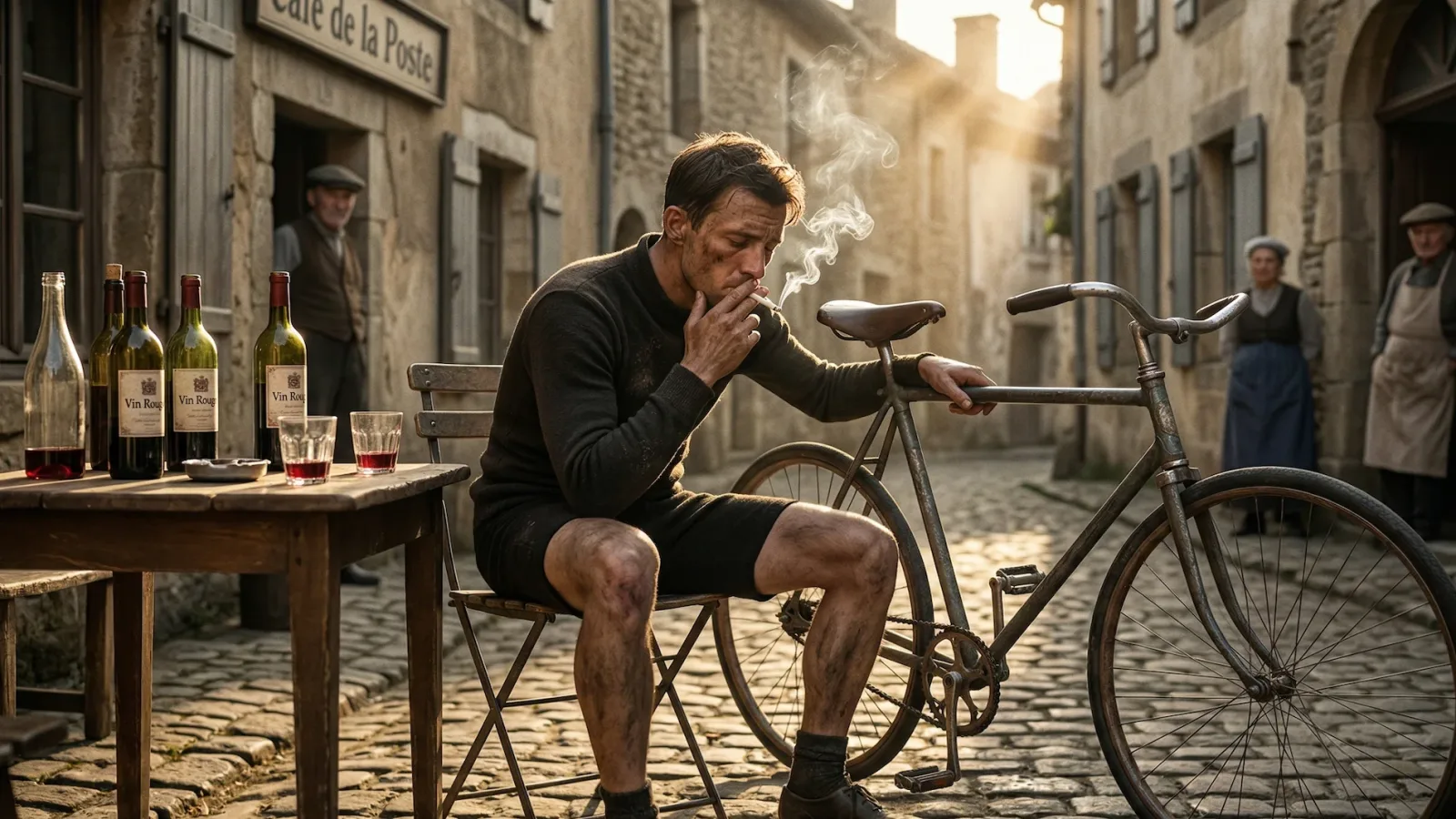
Before the 1960s, cyclists would commonly consume alcohol during the race to numb their aches and pains after riding hundreds of miles. This practice was officially banned in 1960 because sports authorities came to classify alcohol as an artificial stimulant that could unfairly impact performance.
7. Massive Calorie Burning
Riding in the Tour requires an unbelievable amount of energy, with cyclists burning around 4,000 to 6,000 calories during an average stage. On the most challenging mountain stages, that number can easily exceed 7,000 calories, which is roughly the caloric equivalent of eating over twenty slices of pizza in a single day.
8. Extreme Sweat Loss
Over the course of the three-week event, riders lose immense amounts of bodily fluids. It is estimated that a cyclist sweats enough throughout the entire Tour de France route to flush a standard household toilet nearly 40 times.
9. The Longest Route in History
While modern races are usually around 3,400 kilometers (approximately 2,100 miles), the route lengths fluctuated wildly in the early days of the competition. The 1926 edition holds the record as the longest route in Tour history, stretching a massive 3,570 miles across the French countryside.
10. Lead-Filled Water Bottles
In 1947, French cyclist Jean Robic won the Tour by utilizing a uniquely dangerous physical tactic. He was known for taking heavy, lead-filled water bottles at the top of mountain climbs so that the added weight would allow him to descend down the mountains significantly faster than his rivals.
11. The Smallest Margin of Victory
After thousands of miles of intense racing, the 1989 Tour was decided by mere seconds. American cyclist Greg LeMond secured the overall victory against French rider Laurent Fignon by an incredibly slim margin of just 8 seconds, making it the closest finish in the race’s long history.
12. A Four-Way Tie for Most Wins
To date, no single cyclist has officially won the Tour de France more than five times. The record of five overall victories is currently shared by four legendary riders: Jacques Anquetil, Eddy Merckx, Bernard Hinault, and Miguel Induráin.
13. The Vacant Title Years
Lance Armstrong originally won seven consecutive Tours from 1999 to 2005, making him the most famous cyclist in the world. However, after he declined to contest ongoing charges and admitted to illegal doping, his titles were formally revoked in 2012, and no alternate winners were named for those years.
14. The World’s Largest Annual Sporting Event
The Tour de France holds the title of the world’s largest annual sporting event. The race routinely attracts roughly 12 million live spectators lining the physical routes, while the global television broadcast reaches billions of viewers in nearly 200 different countries.
15. The Modern Format
Today, the format is highly structured and regulated, typically divided into 21 day-long stages and two crucial rest days, taking place over 23 calendar days. A maximum of 184 riders are permitted to start the race, divided evenly into 23 teams consisting of eight riders each.
Sources & References
This AI-assisted post was rigorously curated and fact-checked for accuracy by:
 Martin Roháček
How fun was this article? 🤔
Tap a star to rate it
🧠 Quiz: How closely were you paying attention?
10 questions — all answers are in the article above!
Enjoyed these facts? There's more! 💌
Fresh fun facts in your inbox. No spam, ever.