The Vibrant Capital: 15 Fascinating Facts About Berlin
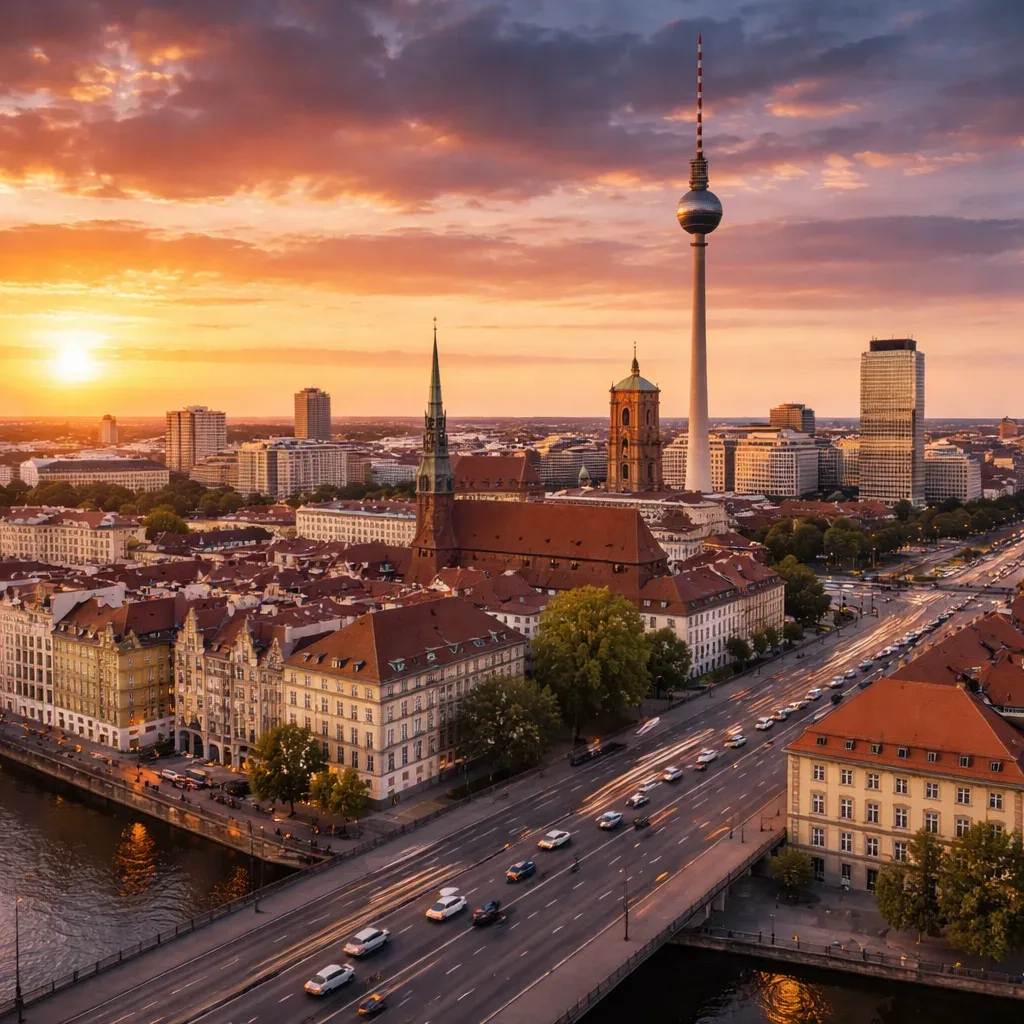
Berlin is a dynamic metropolis defined by its turbulent history, creative spirit, and surprising urban quirks. From expansive water networks and iconic street food to Cold War relics and thriving urban wildlife, Germany's capital holds endless secrets beneath its energetic surface. Discover the fascinating history, unique cultural traditions, and bizarre landscape features that make this European megacity unlike any other place in the world.
1. Berlin Has More Bridges Than Venice
While Venice is world-famous for its romantic canals, Germany's capital easily outperforms the Italian city when it comes to bridges. Berlin boasts approximately 1,700 bridges spanning its vast network of waterways, compared to Venice's roughly 400. These structures cross the Spree River, the Havel River, and dozens of canals like the Landwehr Canal to connect the metropolis's spread-out districts. Many of these bridges carry rich histories, serving as vital crossing points during the Cold War. Today, taking a boat tour along these waterways offers a unique perspective on the city's urban landscape.
2. The Modern Döner Kebab Was Born in Berlin
Although Turkish cuisine has deep traditional roots, the modern street-food version of the Döner kebab was created in West Berlin. In 1972, Turkish guest worker Kadir Nurman recognized the fast-paced lifestyle of West Berliners and began serving sliced, seasoned meat inside flatbread with salad and sauce. His invention revolutionized street food, making it portable and accessible for urban workers on the go. Today, Berliners consume approximately 60 tons of Döner meat every single day across thousands of local snack stands. The dish has become an undisputed symbol of the city's rich multicultural identity and vibrant culinary landscape.
3. Berlin Is Nine Times Larger Than Paris in Land Area
Many visitors are surprised by the sheer physical scale of Berlin when navigating its diverse neighborhoods. Geographically, the German capital covers about 892 square kilometers, making it roughly nine times larger than the official city limits of Paris. Because of this sprawling layout, Berlin lacks a single centralized downtown, functioning instead as a network of distinct urban villages. To help residents and tourists travel across these vast distances, the city operates an extensive public transport network including the U-Bahn, S-Bahn, and streetcars. Exploring the entire city requires significant time, as traveling between contrasting districts can feel like entering different towns altogether.
4. Bright Pink Pipes Snake Across the City Streets
Walking through central Berlin, visitors frequently encounter massive pink pipes running above ground along sidewalks and over roadways. These industrial conduits exist because Berlin was originally constructed on marshland with an unusually high water table. Whenever major construction takes place, engineers must pump millions of gallons of groundwater away from building sites into local canals. The pipes were painted bright pink after urban planners consulted color psychologists, who suggested the soft pastel hue would be less disruptive to drivers and pedestrians. Over time, these quirky industrial lines have become a beloved and iconic feature of the urban aesthetic.
5. Hitler’s Bunker Lies Beneath an Unremarkable Parking Lot
Hidden beneath an unassuming gravel parking lot in central Berlin lies the remnants of the Führerbunker, where Adolf Hitler spent his final days in 1945. Following World War II, Soviet and East German forces blew up parts of the underground complex, but the heavy reinforced concrete ceiling remained largely intact underground. To prevent the location from becoming a pilgrimage site for neo-Nazis, the German government deliberately left the ground unmarked for decades before building residential apartments and a parking area over it. Today, only a modest information board stands nearby to detail the history of the site without glorifying it. Thousands of pedestrians walk across the ordinary lot every day without realizing the dark historical site beneath their feet.
6. The East German Traffic Light Man Became a Cultural Icon
When Germany reunified, many East German symbols were phased out, but one cheerful figure famously survived. The Ampelmännchen, created in 1961 by traffic psychologist Karl Peglau, features a distinct hat-wearing figure that signaled when it was safe to cross East Berlin streets. The wide, stocky shape was designed to be easily visible and intuitively recognized by children and elderly citizens alike. Following reunification, public nostalgia—known as Ostalgie—and active campaigning saved the figure from being replaced by standard Western walk signals. Today, the iconic green and red figure is not only used across Berlin's traffic lights, but also graces souvenir shops as a cherished symbol of the city.
7. Berliners Eat 70 Million Currywurst Sausages Every Year
Currywurst is widely considered Berlin's ultimate comfort food, with a history tied directly to post-war recovery. In 1949, a local woman named Herta Heuwer obtained ketchup and curry powder from British soldiers stationed in the city. She mixed these ingredients with other spices, poured the tangy sauce over sliced steamed pork sausage, and began selling it at a street stand in Charlottenburg. The cheap, hearty snack quickly became an enormous hit among construction workers rebuilding the ruined capital. Today, Berliners and tourists consume an astounding 70 million Currywurst sausages every year from hundreds of traditional street vendors.
8. Teufelsberg Is an Artificial Hill Built from WWII Rubble
Teufelsberg, or "Devil's Mountain," is a 120-meter-high hill in western Berlin that did not exist before the mid-20th century. Following World War II, the Allies piled roughly 26 million cubic meters of war debris and ruined buildings over an unfinished Nazi military college. During the Cold War, the U.S. National Security Agency recognized the strategic elevation and built a major listening station atop the hill to intercept Eastern Bloc communications. After the Cold War ended, the facility was abandoned and eventually transformed into a huge, elevated street art gallery. Today, visitors can tour the decaying radar domes and admire panoramic views alongside vibrant graffiti murals.
9. The Fernsehturm's "Pope's Revenge" Unintentionally Displays a Cross
Standing at 368 meters, the Fernsehturm TV tower in Alexanderplatz was built by the East German government in the late 1960s as a symbol of communist strength and technological prowess. However, when the sun shines on the tower's giant stainless steel sphere, the reflection creates a distinct, bright light pattern in the shape of a cross. West Berliners and local residents quickly dubbed this unintended optical phenomenon "Die Rache des Papstes," or "The Pope's Revenge," mocking the anti-religious policies of the socialist regime. Despite various efforts by engineers to coat or alter the sphere's reflective surface, the cross shape continues to appear on sunny days.
10. Berlin Is the Only City in the World with Three Active Opera Houses
Classical music enthusiasts in Berlin enjoy an unprecedented cultural luxury, as it is the only city worldwide with three functioning, state-funded opera houses. This unique abundance is a direct legacy of the city's Cold War division between East and West Germany. The Deutsche Oper served West Berlin, while the Staatsoper Unter den Linden operated in East Berlin, alongside the Komische Oper. After reunification, instead of closing or consolidating these grand institutions, the city government chose to maintain all three to preserve their distinct artistic traditions. Today, these venues collectively attract world-class performers and showcase diverse repertoire ranging from classical masterpieces to modern experimental opera.
11. The East Side Gallery Is the Longest Open-Air Gallery in the World
Stretching along the banks of the Spree River, the East Side Gallery represents the longest surviving continuous section of the original Berlin Wall. Shortly after the wall fell in November 1989, 118 artists from 21 countries gathered to transform the former concrete barrier into an international memorial for freedom. Spanning 1.3 kilometers, the open-air gallery features over a hundred painted murals, including the iconic depiction of the socialist fraternal kiss between Leonid Brezhnev and Erich Honecker. The site stands as a powerful artistic testimony to the hope, political change, and unity that characterized the end of the Cold War.
12. East Berliners Used Homemade Hot Air Balloons to Escape
The heavily fortified Berlin Wall and inner German border pushed desperate citizens to conceive extraordinary methods of escape to the West. In 1979, two East German families constructed a hot air balloon out of synthetic fabric scraps, bedsheets, and an improvised gas burner built in a secret workshop. Floating through the dark night sky, they successfully crossed the border into West Germany, completing one of the most famous escapes in Cold War history. Other daring escapees swam across rivers, dug underground tunnels, or modified vehicles with hidden compartments to bypass armed guards. These creative efforts highlighted the profound human longing for freedom against incredible oppressive odds.
13. Berlin Has More Museums Than It Does Rainy Days
Culture lovers in Berlin will never run out of indoor attractions, as the city houses approximately 175 different museums. Intriguingly, this impressive cultural density means that the city possesses more museums than its average annual count of rainy days, which typically hovers around 100 days per year. The centerpiece of this cultural wealth is Museum Island, a UNESCO World Heritage site featuring five world-renowned museums situated in the Spree River. From ancient treasures at the Pergamon Museum to cutting-edge contemporary art in converted bunkers, the city offers art and history for every preference.
14. Late-Night Corner Stores Known as Spätis Are Cultural Hubs
In Berlin, late-night convenience stores known as Spätkaufs—or simply Spätis—are far more than just places to buy last-minute groceries. Originating in East Germany to serve night-shift workers, these neighborhood shops sell beer, snacks, tobacco, and everyday essentials late into the evening. Today, Spätis act as vital community gathering spots where locals gather on wooden benches outside to socialize and enjoy affordable beverages. They play a pivotal role in Berlin's relaxed nightlife culture, offering an authentic slice of everyday urban neighborhood life.
15. Wild Boars Regularly Roam City Suburbs and Public Parks
Despite being a bustling modern metropolis, Berlin is one of Europe's greenest capitals, with forests, lakes, and parks covering over 30% of its area. This expansive urban greenery has attracted a thriving population of thousands of wild boars (Wildschweine) that live within the city limits. It is not uncommon for residents to spot sounders of boars trotting through suburban neighborhoods or foraging in local parks. While generally peaceful, these wild animals occasionally cause lighthearted chaos by digging up manicured gardens or snatching food from unsuspecting picnickers.
Sources & References
This AI-assisted post was rigorously curated and fact-checked for accuracy by:
 Martin Roháček
How fun was this article? 🤔
Tap a star to rate it
🧠 Quiz: How closely were you paying attention?
10 questions — all answers are in the article above!
Enjoyed these facts? There's more! 💌
Fresh fun facts in your inbox. No spam, ever.