The Hellish Cult Classic: 15 Fascinating Facts About Constantine
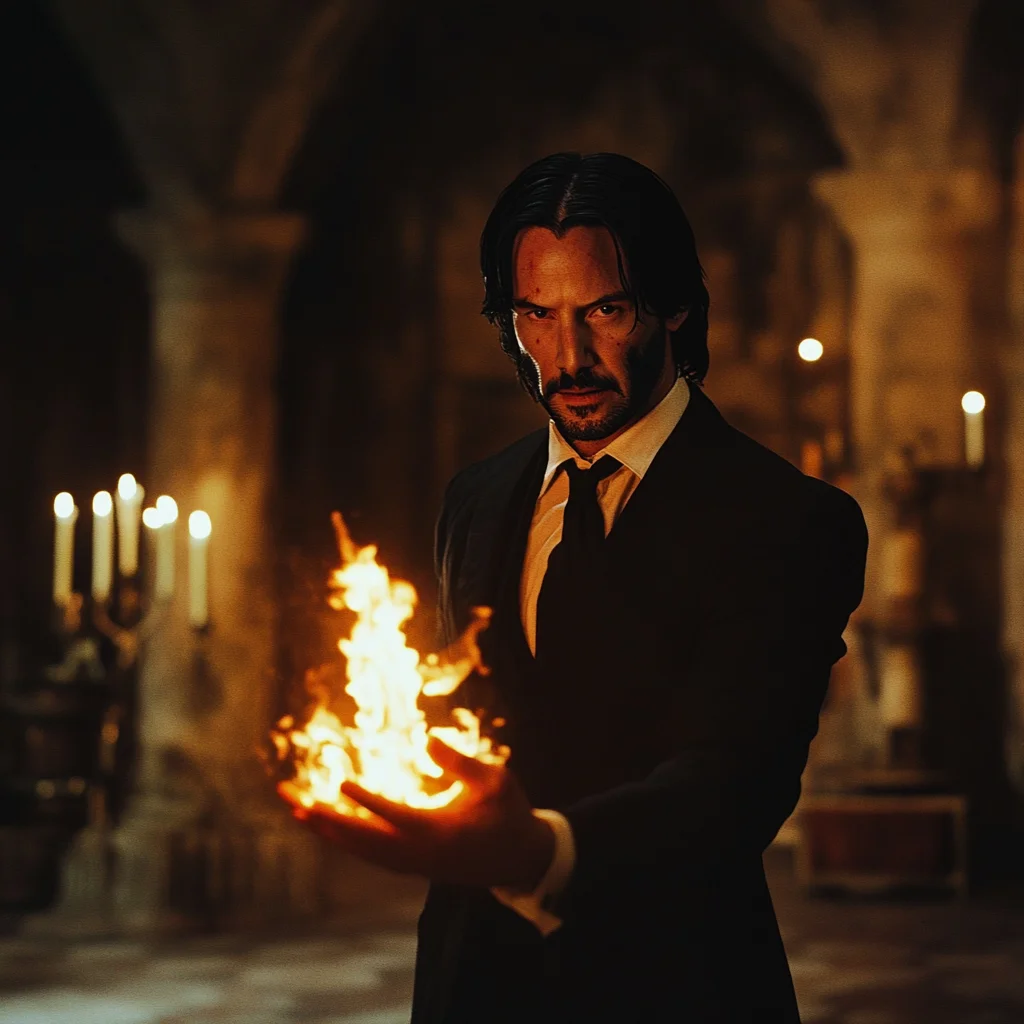
When Warner Bros. released Constantine in 2005, critics were divided over its dark, noir-infused departure from traditional superhero cinema. Starring Keanu Reeves as comic book exorcist John Constantine, the film blended occult theology, gritty action, and surreal supernatural visual effects. Over the past two decades, its striking imagery and moody performances have elevated it from a modest box office entry into a celebrated cult classic. From unexpected R-ratings to nuclear-inspired depictions of Hell, discover the intriguing secrets behind this beloved dark fantasy film.
1. John Constantine Was Originally a Blonde British Scouser
The film Constantine is loosely based on DC Vertigo's long-running comic book series Hellblazer, created by writer Alan Moore and artist Stephen R. Bissette. In the original comics, John Constantine is an irreverent, blonde working-class magician from Liverpool, England, whose physical appearance was explicitly modeled after the musician Sting. When director Francis Lawrence brought the project to the big screen, the setting was shifted from London to Los Angeles, and Keanu Reeves was cast, radically altering the character's look and accent. While hardcore comic purists initially protested the drastic changes, Reeves' stoic, chain-smoking antihero ultimately won over audiences. Today, the movie stands as an alternate, atmospheric interpretation of the classic comic book lore.
2. Director Francis Lawrence Made His Feature Debut
Before taking the helm of Constantine, director Francis Lawrence was renowned for directing high-profile music videos for global superstars like Britney Spears, Justin Timberlake, and Jennifer Lopez. Constantine marked his feature directorial debut, allowing him to translate his distinctive visual style and sharp rhythmic pacing into full-length cinema. His music video background heavily influenced the film's neon-lit noir aesthetics, sharp camera angles, and stylized color palette. Lawrence's successful debut paved the way for a major Hollywood career, leading him to direct box office blockbusters such as I Am Legend and multiple films in The Hunger Games franchise. His unique approach established a cinematic visual language that set the film apart from standard superhero fare.
3. The Film Was Shot Aiming for PG-13 but Got an Unavoidable R-Rating
During production, the filmmakers adhered meticulously to the Motion Picture Association guidelines to secure a commercially friendly PG-13 rating. Francis Lawrence carefully calibrated the onscreen violence, blood, and profanity to ensure the movie stayed strictly within PG-13 boundaries. However, when the MPAA screened the finished cut, they slapped the movie with an immediate R-rating purely based on its intense supernatural atmosphere and disturbing demonic themes. Lawrence later revealed that if he had known the film would be forced into an R-rating regardless of gore, he would have made the film even darker and more uncompromising. This unexpected rating ultimately helped cement the film's reputation as a mature, atmospheric horror-thriller.
4. Tilda Swinton Portrayed Gabriel as Completely Androgynous
One of the film's most critically acclaimed performances comes from Tilda Swinton, who played the Archangel Gabriel. Swinton deliberately approached the role without traditional gender cues, aiming to capture the ethereal, inhuman essence of a celestial being. She wore tailored male suits alongside delicate, flowing wings to create a striking contrast that felt both aristocratic and uncanny. Swinton studied classical religious iconography and angelic art, choosing to emphasize Gabriel's chilling moral detachment rather than typical villainy. Her unique performance provided a fresh perspective on angelic lore that remains one of the film's standout elements.
5. Peter Stormare Shot His Legendary Satan Cameo in Just Two Days
Actor Peter Stormare delivered one of cinema's most memorable portrayals of Lucifer, despite appearing on screen for less than ten minutes near the climax. Decked out in a sleek, tailored white suit with black tar dripping from his bare feet, Stormare's devil was equal parts menacing, charismatic, and unhinged. The entire confrontation sequence between Lucifer, Constantine, and Gabriel was filmed over just two long production days. Stormare improvised several key physical choices, including his eerie, slithering movements and dripping feet idea, which were added during production. His short screen time left a permanent mark on dark fantasy cinema.
6. Hell Was Modeled After Nuclear Weapon Test Explosions
Rather than portraying Hell as a traditional underground cavern filled with pitchforks and fiery pits, the visual effects team created a scorching, decaying version of Los Angeles. Visual effects supervisor Michael Fink and director Francis Lawrence drew inspiration from archival film footage of 1940s nuclear bomb tests in the Nevada desert. They envisioned Hell as a perpetual shockwave frozen in time, where buildings crumble in eternal thermal radiation and howling winds tear apart decaying structures. Demonic creatures roam through ruined streets, giving the underworld a distinctly modern, apocalyptic feel. This creative direction set Constantine apart from conventional depictions of the afterlife in cinema.
7. Water Serves as the Ultimate Spiritual Conduit
Throughout the movie, water plays a pivotal role as the primary medium or doorway connecting the physical world to the spiritual plane. This concept was developed by the writers to ground the film's esoteric magic in tangible physical elements. In various scenes, John Constantine submerges himself in a bathtub full of water or places his feet in a basin to cross over into Hell. The lore dictates that fluid elements act as universal conductors for spiritual energy, allowing mediums to glimpse alternate realities. This thematic choice provided a visually compelling motif that recurs during critical turning points in the story.
8. Guillermo del Toro Almost Directed the Movie
Before Francis Lawrence was hired to direct, visionary filmmaker Guillermo del Toro was offered the job. Del Toro, a massive fan of dark fantasy and comic book lore, heavily considered taking the director's chair. However, he ultimately declined the offer so he could direct another iconic comic book adaptation, 2004's Hellboy. Despite stepping away, del Toro maintained friendly communications with the creative team and shared ideas regarding creature designs and occult atmosphere. His passion for dark fantasy paved the way for a decade of Hollywood studios taking dark comic adaptations seriously.
9. Rachel Weisz Prepared for Her Role by Visiting a Real Morgue
Rachel Weisz pulled double duty in the film, portraying twin sisters Angela Dodson, an LAPD detective, and Isabel Dodson, a tormented psychiatric patient. To prepare for the intense realism required for playing a homicide detective investigating her sister's suspicious death, Weisz conducted extensive research. She spent time shadowing real Los Angeles law enforcement officers and even visited the Los Angeles County Morgue to observe autopsies firsthand. This intense preparation helped ground her performance in genuine trauma and law enforcement grit. Her grounded presence served as an essential emotional anchor for the audience amidst the film's supernatural madness.
10. The Iconic Holy Shotgun Was Built as a Working Prop
One of the most memorable weapons in action cinema is Constantine's heavy "Holy Shotgun," assembled from ancient holy relics to destroy demonic entities. The prop design team spent weeks crafting the ornate golden firearm, inscribing it with intricate holy symbols and Latin engravings. Weighing approximately 15 pounds, the prop was built with heavy metallic components to feel authentic in Keanu Reeves' hands during intense action sequences. The weapon featured functional moving parts that allowed Reeves to pump and manipulate it seamlessly on camera. It remains one of the most celebrated prop designs in 2000s fantasy cinema.
11. Shia LaBeouf's Character Had a Crucial Post-Credits Scene
Long before becoming a blockbuster lead actor, Shia LaBeouf appeared in Constantine as Chas Kramer, John's energetic young driver and aspiring apprentice. Kramer's character provides comic relief and youthful enthusiasm before meeting a tragic fate during the climax in the hydrotherapy room. However, audiences who stayed through the end credits were treated to a surprising revelation. In a post-credits scene, Constantine visits Kramer's grave, only to watch his former protege sprout angel wings and fly into the night sky. This scene confirmed that Chas had ascended to angelic status, laying groundwork for future stories.
12. Keanu Reeves Reunited with Rachel Weisz Nine Years After Chain Reaction
The dynamic chemistry between Keanu Reeves and Rachel Weisz was not born overnight; the two actors had previously starred together almost a decade earlier. They co-starred in the 1996 action thriller Chain Reaction, where they also played allies on the run from shadowy forces. Their existing friendship and mutual professional respect made their working relationship on Constantine effortless and cohesive. Director Francis Lawrence noted that their pre-existing comfort level allowed them to skip awkward building phases and plunge straight into complex emotional scenes. This deep trust reflected on screen, enhancing their characters' tense partnership.
13. Real Los Angeles Landmarks Were Transformed into Occult Hubs
Although Constantine features fantastical visual effects, much of the film was shot on location across real Los Angeles landmarks. The exterior of Papa Midnite's exclusive, neutral-ground club was filmed at the historic Terminal Annex building in downtown Los Angeles. The dramatic bowling alley scene where John encounters the demon Balthazar was shot at the famous Shatto 39 Lanes near Koreatown. Additionally, the ornate bank vault where the Spear of Destiny is uncovered was filmed inside the historic Los Angeles Herald-Examiner building. These authentic locations grounded the supernatural fantasy in a real, textured urban environment.
14. The Film Boxed Over $230 Million Despite Mixed Initial Reviews
When Constantine arrived in theaters in February 2005, film critics were divided, with some praising its visual flair and others criticizing its departure from comic canon. Despite mixed critical reviews, the movie proved to be a solid commercial success at the global box office. Made on a production budget of $100 million, it grossed over $230 million worldwide, performing exceptionally well in international markets. Over the years, home video sales and television broadcasts allowed the movie to build a passionate cult following. Modern retrospective reviews frequently celebrate the film as an underrated masterpiece of 2000s comic book cinema.
15. A Sequel Was Officially Announced After 17 Years of Fan Persistence
For nearly two decades, Keanu Reeves publicly expressed his desire to reprise the role of John Constantine, frequently naming him one of his favorite characters to play. Director Francis Lawrence and producer Akiva Goldsman also maintained interest in returning to the dark supernatural universe for a proper R-rated follow-up. In September 2022, Warner Bros. officially greenlit Constantine 2, bringing back Reeves and Lawrence to continue the story. The news sparked massive excitement among long-time fans who had campaigned for a continuation for seventeen years. The sequel promises to deliver the uncompromising, mature vision the creators originally envisioned.
Sources & References
This AI-assisted post was rigorously curated and fact-checked for accuracy by:
 Martin Roháček
How fun was this article? 🤔
Tap a star to rate it
🧠 Quiz: How closely were you paying attention?
10 questions — all answers are in the article above!
Enjoyed these facts? There's more! 💌
Fresh fun facts in your inbox. No spam, ever.