Travel
Iconic Monuments and Modern Landmarks
Ten world-famous landmarks, from the Eiffel Tower, the Statue of Liberty and the Taj Mahal to Burj Khalifa, the Sydney Opera House, Christ the Redeemer, the Louvre and the legendary Orient Express.
Updated November 3, 2026
·
10 items
·
150 facts in the linked articles
·
Reading time 4 min
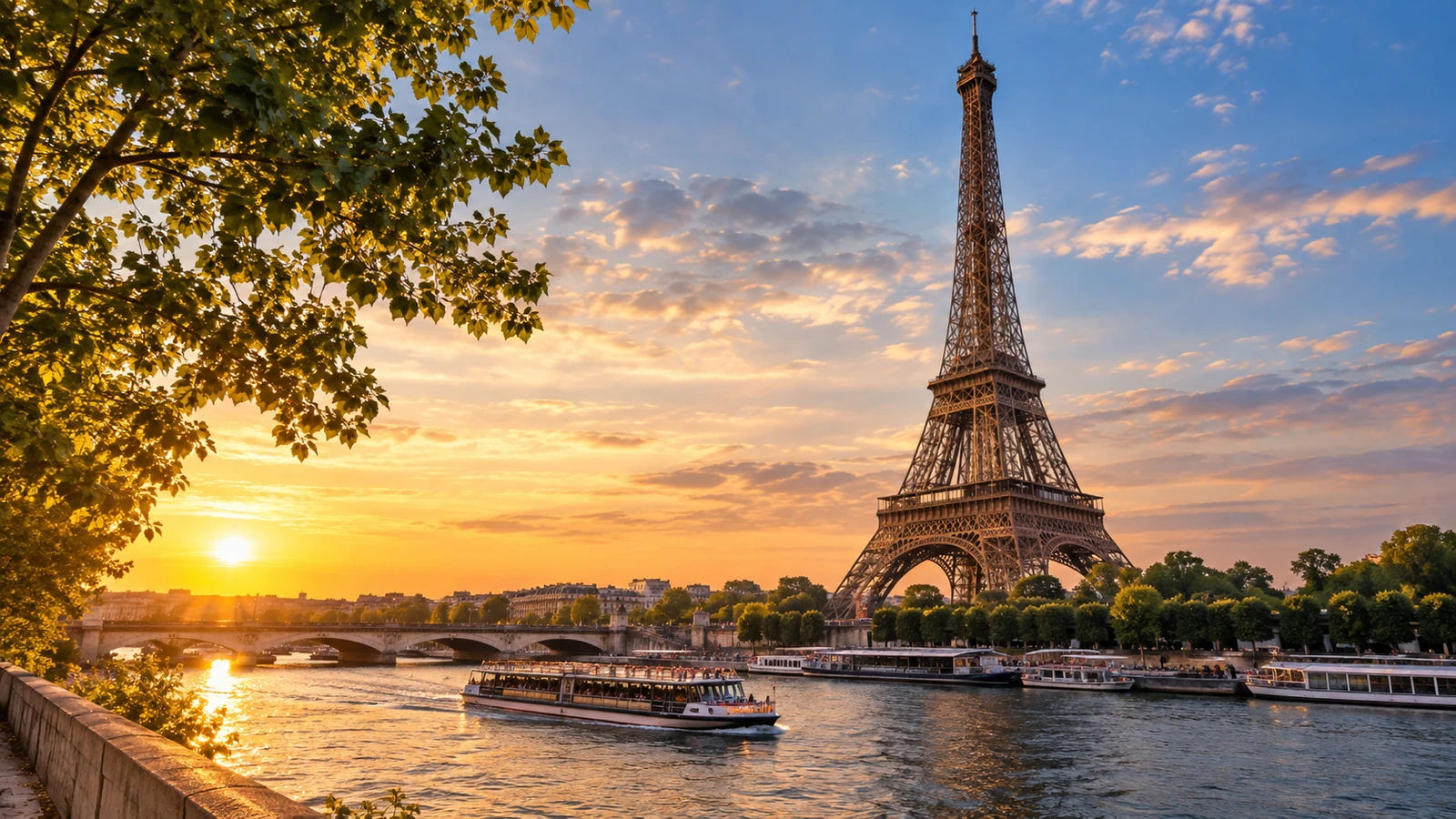
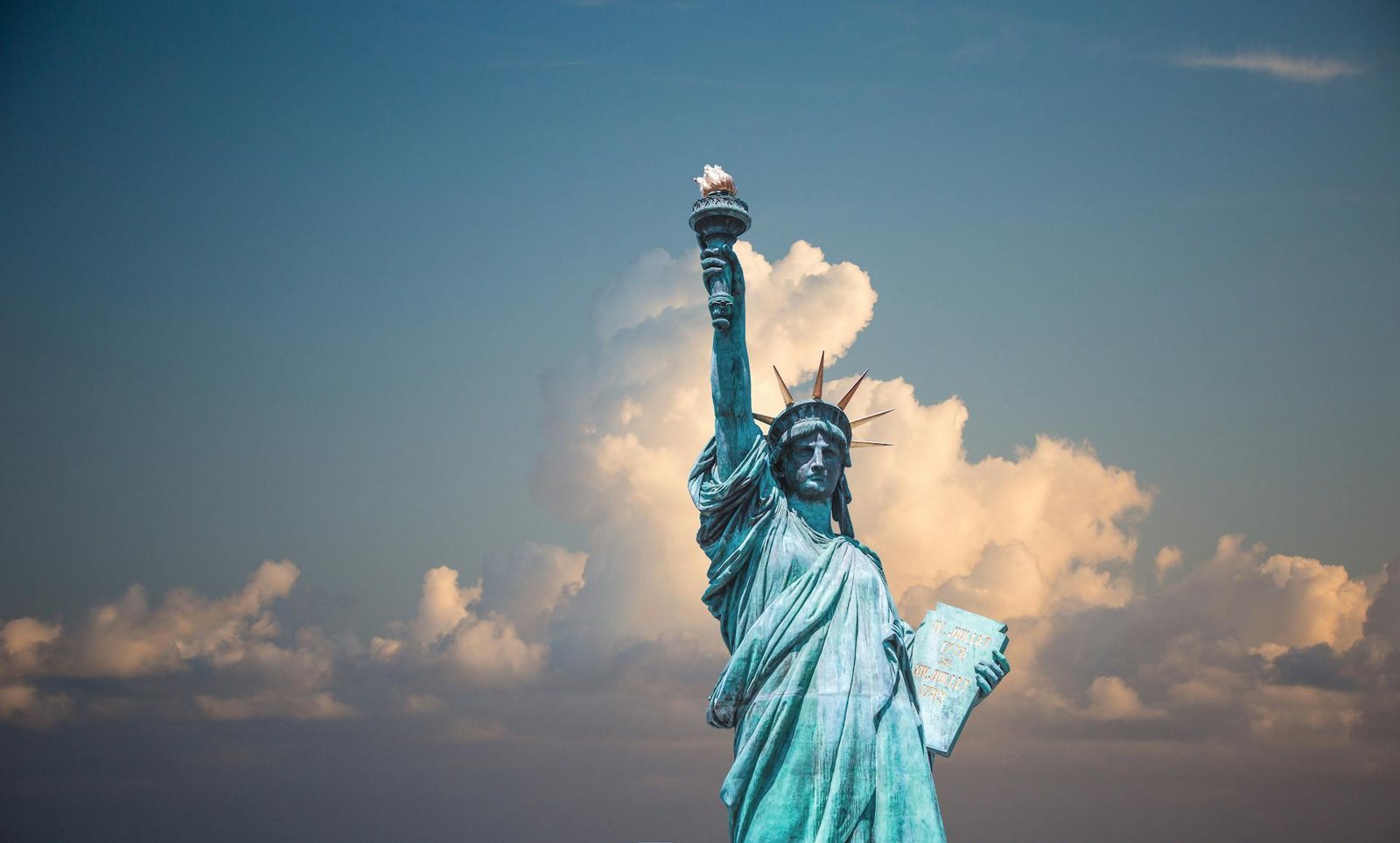
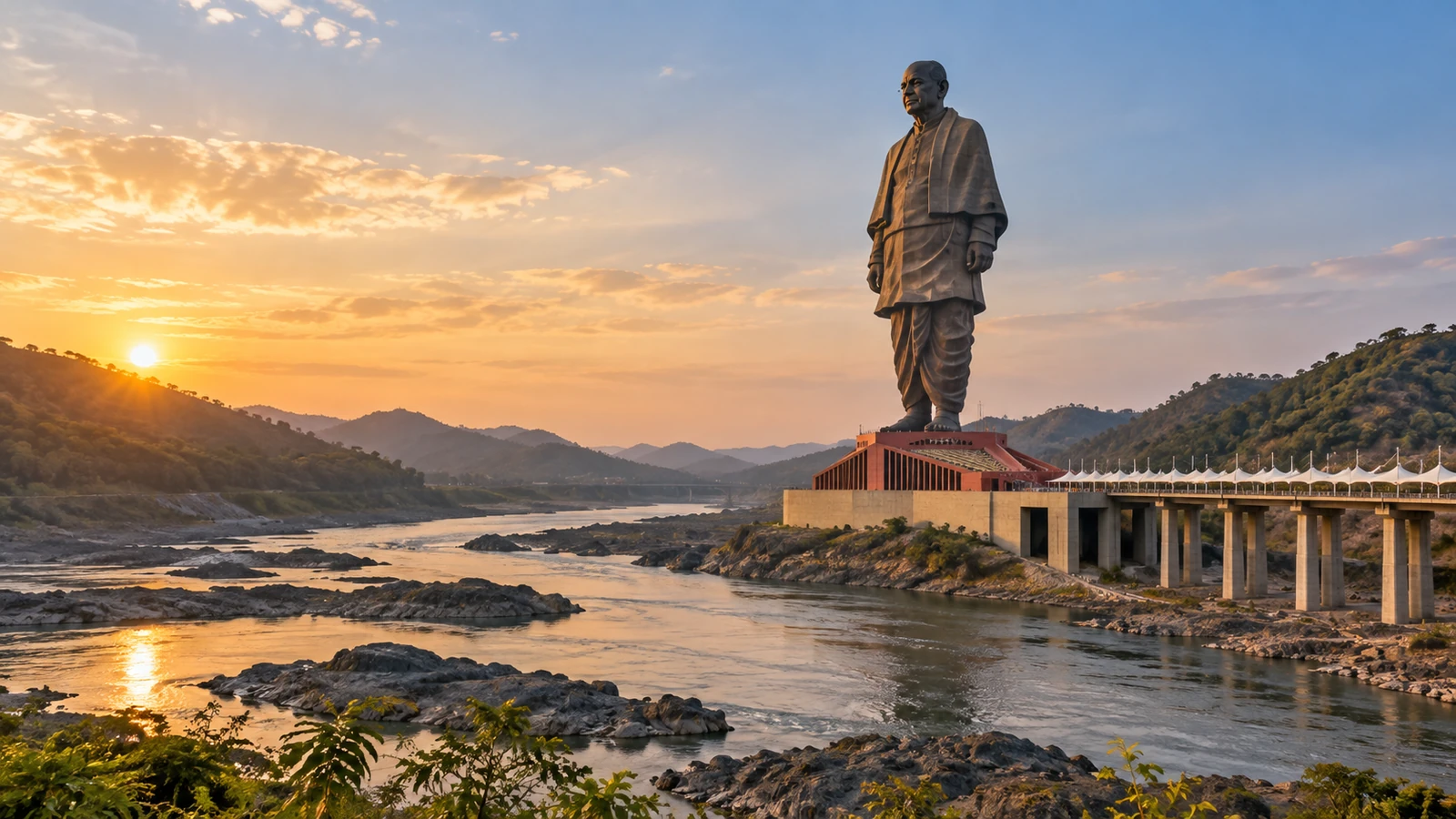
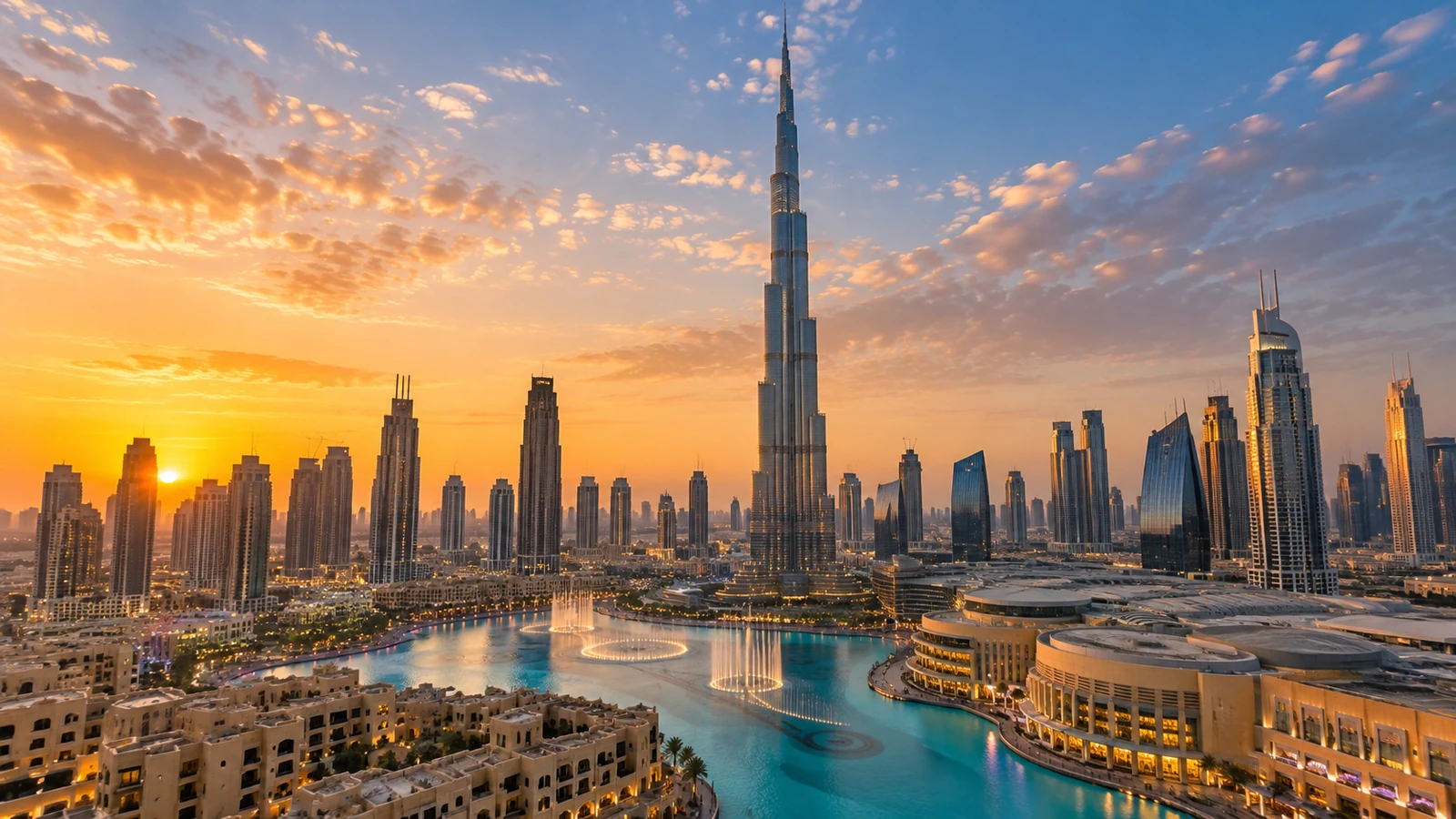
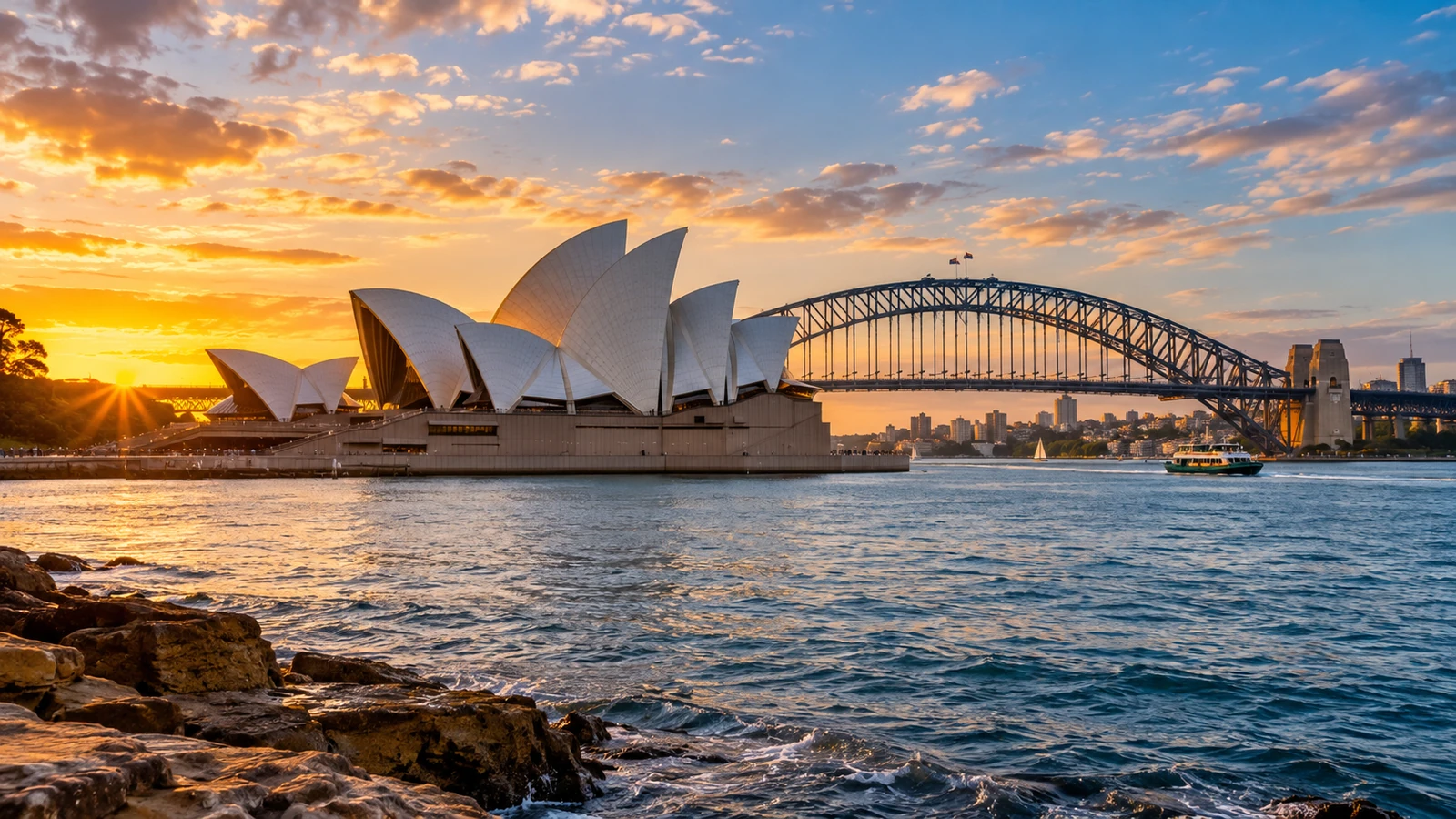
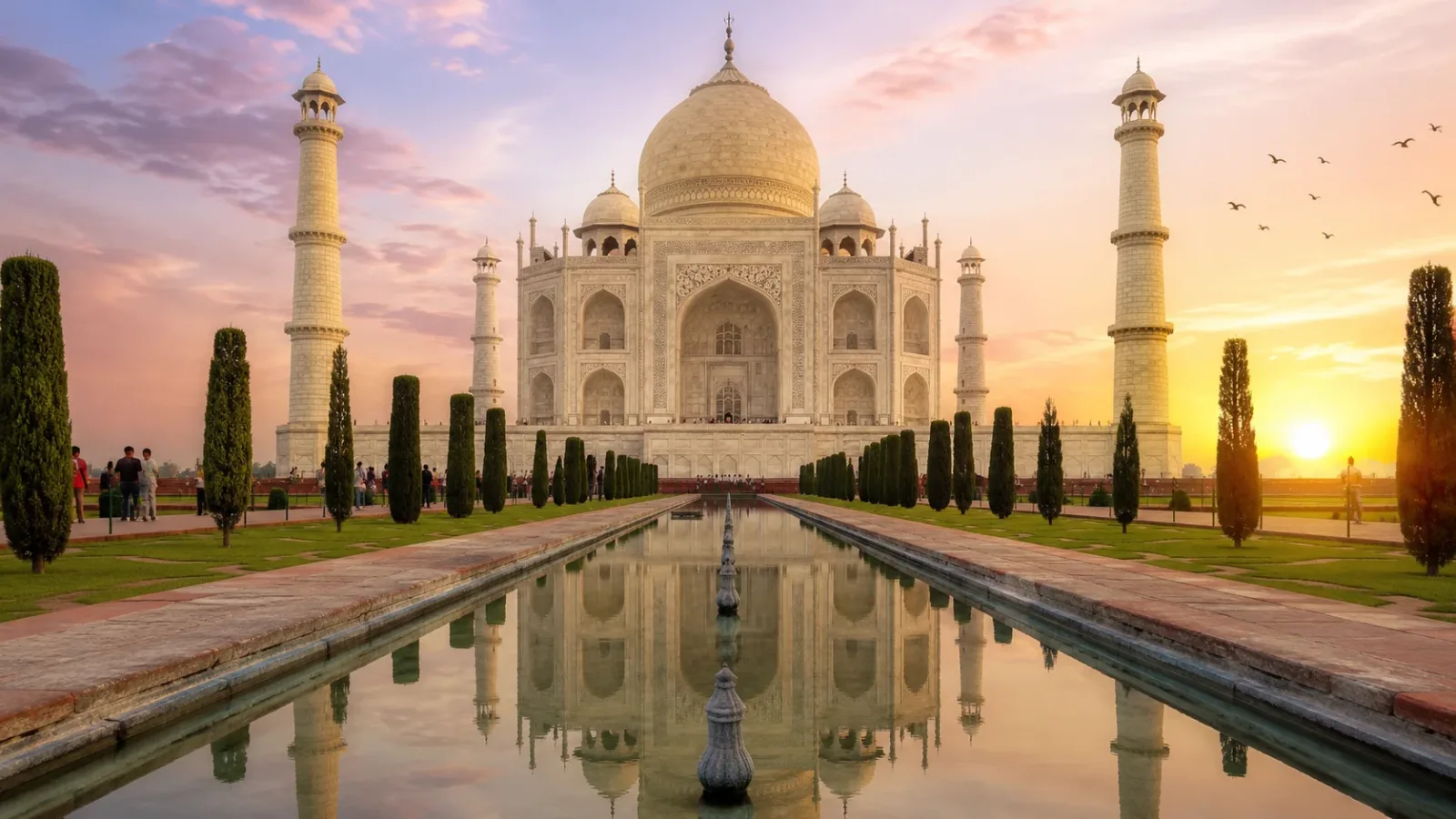
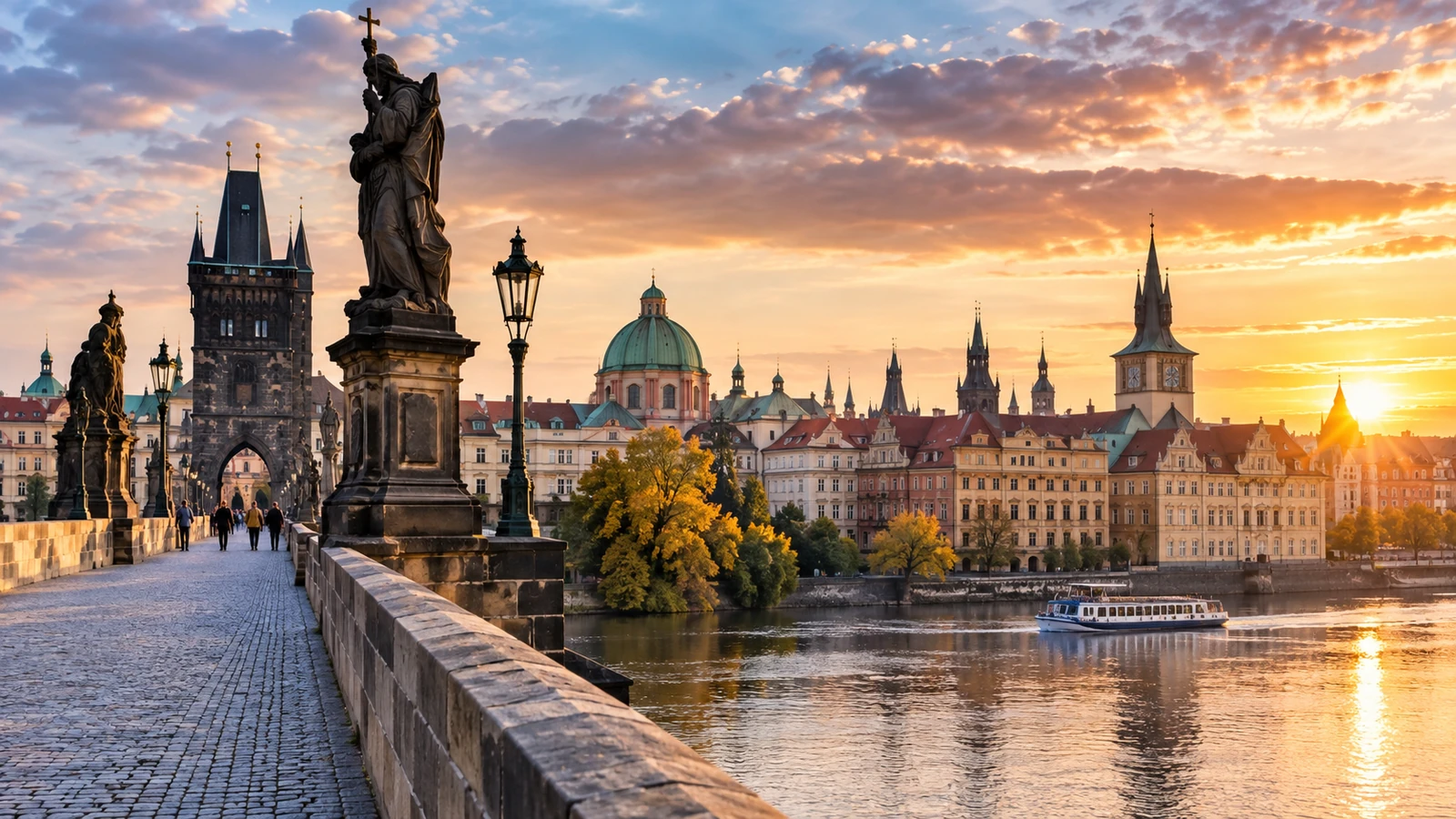
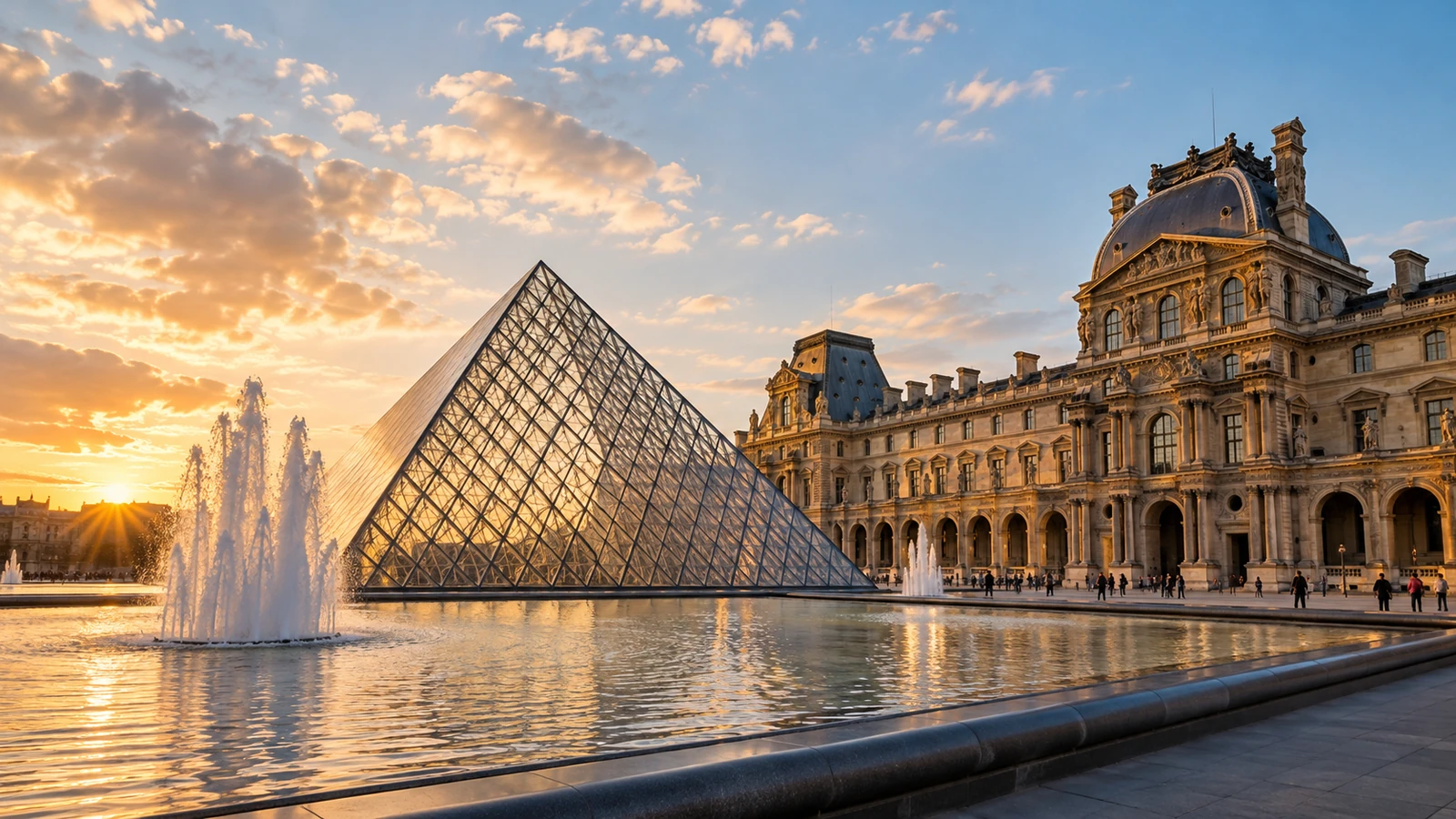
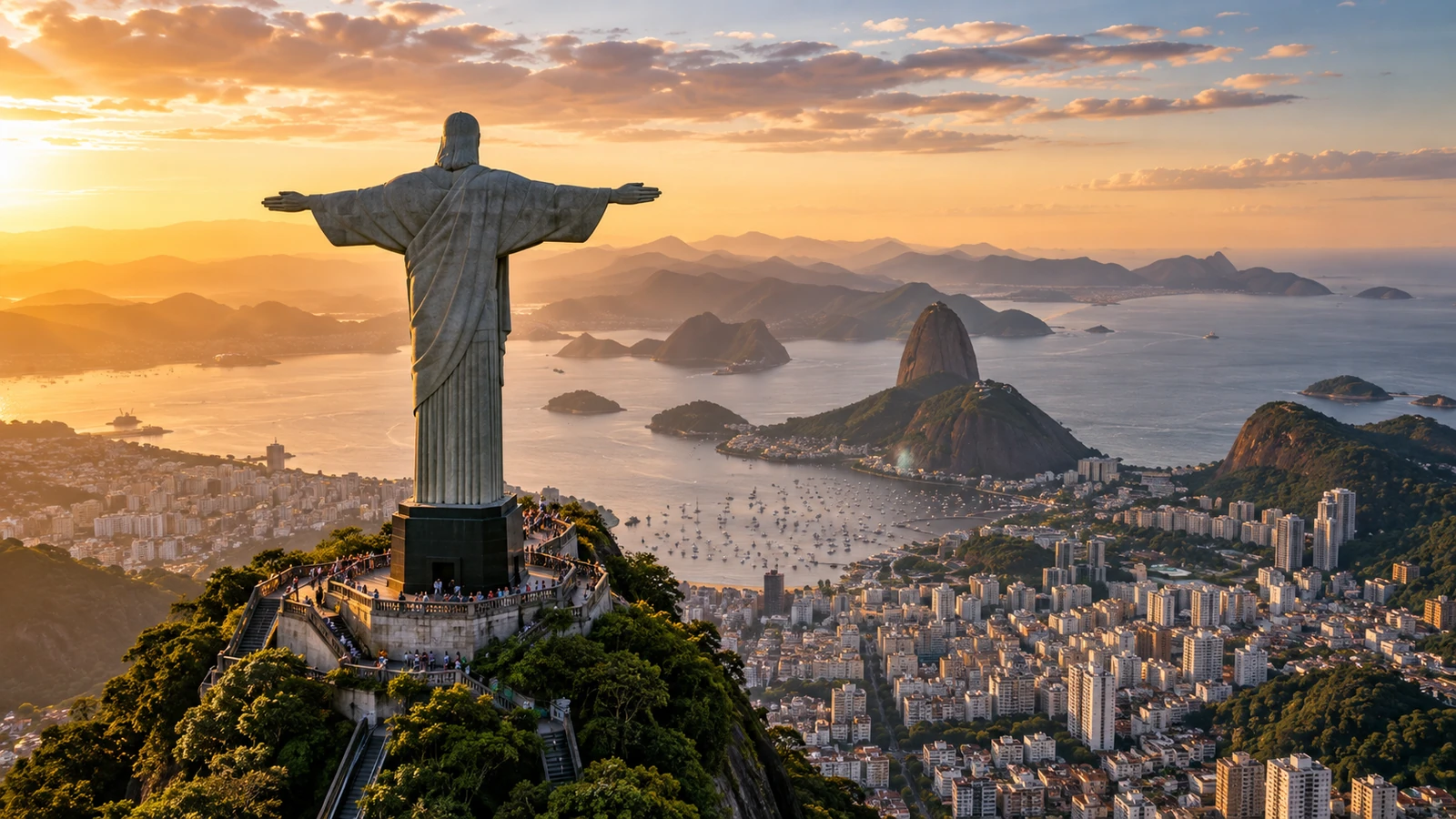
Some buildings become symbols of entire countries. This collection gathers ten of the world's most recognisable landmarks: the Eiffel Tower and the Louvre in Paris, the Statue of Liberty in New York Harbor, India's Taj Mahal and the record-breaking Statue of Unity, Dubai's Burj Khalifa, the Sydney Opera House, Prague's Charles Bridge, Christ the Redeemer above Rio de Janeiro and, on the move across Europe, the legendary Orient Express.
Many of them were controversial before they were loved. The Eiffel Tower was meant to be demolished after 20 years, the Sydney Opera House went more than 1,300 percent over budget and its architect never saw it finished, and the Louvre's glass pyramid was branded an eyesore. The Statue of Liberty only got her pedestal thanks to Joseph Pulitzer's crowdfunding campaign, and Christ the Redeemer was paid for by public donations rather than the Brazilian government.
Their engineering is just as remarkable. The Eiffel Tower grows by up to 15 centimetres in summer, Burj Khalifa collects 15 million gallons of condensation a year, the Statue of Unity stands 182 metres tall, and Charles Bridge's foundation stone was laid at a carefully chosen palindromic moment in 1357. The Taj Mahal's minarets lean outward on purpose, and a single Orient Express dining car hosted surrenders in both world wars.
From secret apartments and con men to snowbound trains and hidden prayers, each landmark below has fifteen facts to discover.