The Complex Commander: 15 Fascinating Facts About Richard Nixon
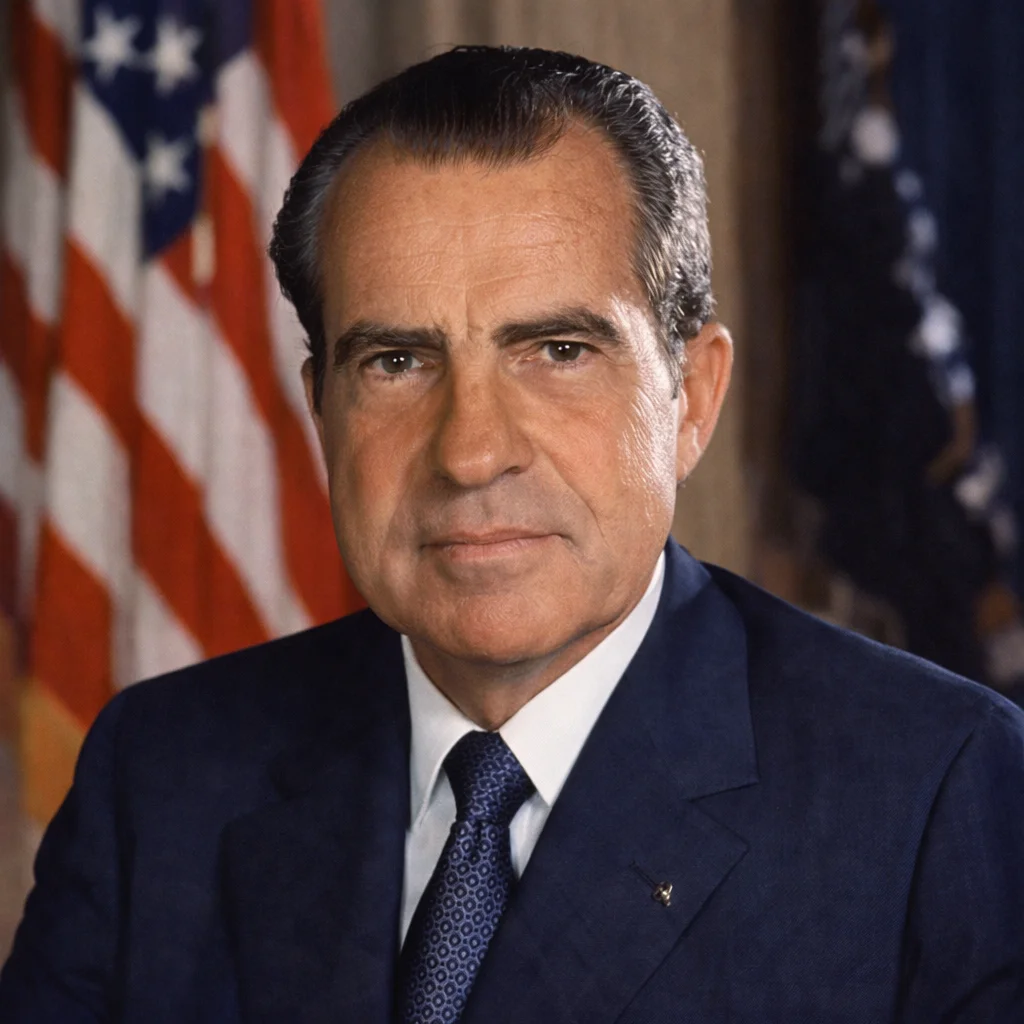
Richard Nixon remains one of the most enigmatic and polarizing figures in American political history. While best remembered for the Watergate scandal and his resignation from the presidency, his life was defined by extraordinary achievements, surprising personal talents, and unusual habits. From funding his first congressional campaign with poker winnings to establishing the Environmental Protection Agency, Nixon's story stretches far beyond political intrigue. Discover 15 fascinating facts that reveal the complex reality behind the 37th President of the United States.
1. He Played Five Different Musical Instruments Without Reading Sheet Music
Despite his public image as a stoic, formal, and sometimes rigid politician, Richard Nixon possessed a genuine passion for music. Throughout his life, he learned to play five distinct instruments: the piano, saxophone, clarinet, accordion, and violin. Remarkably, Nixon never learned to read sheet music fluently, instead playing entirely by ear and memory. His mother insisted on piano lessons during his childhood, and he maintained his musical talents well into his adult years. During his political career, he occasionally performed in public, famously playing a self-composed piano piece on The Jack Paar Program in 1963 and entertaining White House guests.
2. World War II Poker Winnings Funded His First Political Campaign
During his service as an officer in the United States Navy during World War II, Nixon developed an extraordinary knack for poker. Stationed in the South Pacific, he spent his downtime studying the game's mathematical odds and his fellow officers' betting behaviors. By the end of his military service, he had amassed thousands of dollars in cash winnings—a substantial fortune at the time. When he decided to run for the U.S. House of Representatives in 1946, he used those poker earnings to seed his initial campaign fund. This successful grassroots campaign launched his political career, taking him from California's 12th congressional district directly to Capitol Hill.
3. Elvis Presley Handed Him a Commemorative Pistol at the White House
In December 1970, rock icon Elvis Presley showed up unannounced at the gates of the White House demanding to see the President. Presley wanted to offer his assistance in fighting illegal drug use and requested an official badge from the Bureau of Narcotics and Dangerous Drugs. Secret Service agents permitted Elvis into the Oval Office, where he presented Nixon with a World War II-era Colt .45 pistol as a patriotic gift. Although firearms were strictly prohibited inside the Oval Office, security allowed the exchange to proceed under close monitoring. Nixon was delighted by the encounter and granted Elvis his requested federal narcotics badge.
4. He Placed the Longest-Distance Phone Call in Human History
On July 20, 1969, Nixon entered the history books by making the longest-distance telephone call ever placed. Speaking from the Oval Office, he was connected via radio communication directly to astronauts Neil Armstrong and Buzz Aldrin on the surface of the Moon. Nixon expressed the immense pride of the American people and described the conversation as the most historic phone call ever made from the White House. The radio signal traveled over 238,000 miles through space to reach the Lunar Module Eagle. This groundbreaking broadcast was heard live by millions of television viewers across the globe.
5. He Built a Private One-Lane Bowling Alley Beneath the White House
Nixon was an avid bowler who sought solace and exercise in the sport throughout his intense presidency. Unsatisfied with the existing two-lane alley in the nearby Executive Office Building, he arranged for a private single-lane bowling alley to be installed directly underneath the White House driveway in 1969. Nixon often spent hours bowling late at night to decompress from high-stakes geopolitical decisions, typically playing in his dress shirt and suit trousers. He was surprisingly skilled at the sport, once recording a personal high score of 232. Today, the private subterranean lane remains a quiet amenity for sitting presidents.
6. He Became the First U.S. President to Visit All Fifty States
During his 1960 presidential campaign against John F. Kennedy, Nixon made an ambitious pledge to personally visit all 50 U.S. states. Despite suffering a serious knee infection mid-campaign that hospitalized him for two weeks, he relentlessly pursued his promise. He achieved his goal in the final days of the election by visiting Hawaii, setting a new benchmark for presidential travel. Nixon continued this commitment to domestic outreach throughout his tenure in public office. His relentless travel strategy forever altered how modern presidential campaigns approach nationwide voter engagement.
7. A Cameo on a Comedy Show Helped Humanize His Political Image
In September 1968, while locked in a tense presidential race, Nixon made a surprising cameo on NBC's hit comedy show Rowan & Martin's Laugh-In. The brief segment featured Nixon delivering the show's signature catchphrase, "Sock it to me?", with a quizzical and deadpan expression. The appearance was orchestrated by his campaign strategists to soften his stiff public persona and appeal to younger voters. Nixon's opponent, Hubert Humphrey, was offered a similar opportunity but declined, fearing it would look unpresidential. Television historians often cite Nixon's brief pop-culture cameo as a crucial move that helped win him the presidency.
8. His Parents Named All Five Brothers After Historical English Kings
Richard Nixon was born into a devout Quaker family in Yorba Linda, California, with a unique naming tradition. His father, Francis Nixon, admired medieval English history and named all five of his sons after legendary British monarchs. Richard was named after King Richard I, famously known as Richard the Lionheart. His brothers were named Harold (after King Harold II), Donald, Arthur (after King Arthur), and Edward (after King Edward the Confessor). Tragically, two of his brothers died of tuberculosis during childhood, deeply shaping young Richard's emotional life and drive to succeed.
9. He Applied to Join the FBI But Never Received a Response
After graduating near the top of his class from Duke University School of Law in 1937, Nixon sought a career as a federal law enforcement agent. He formally submitted an application to J. Edgar Hoover's Federal Bureau of Investigation, hoping to work as an investigator. However, due to severe New Deal budget cuts, the bureau froze hiring, and Nixon's application was simply filed away without a reply. Having received no response, Nixon returned to Whittier, California, to join a local law firm instead. Had the FBI hired him, modern political history would likely have taken a vastly different turn.
10. A Speech About His Dog Saved His Position on the 1952 Ticket
In 1952, while serving as Dwight D. Eisenhower's vice presidential running mate, Nixon faced allegations of using an illegal political expense fund. To clear his name, he bought 30 minutes of national television time to deliver an emotional defense. During the address, he admitted receiving one personal gift from a donor: a black-and-white cocker spaniel puppy that his young daughters named Checkers. Nixon defiantly proclaimed that regardless of what his critics said, his family intended to keep the dog. The televised address, dubbed the "Checkers Speech," drew overwhelming public support and preserved his spot on the ticket.
11. He Established the Environmental Protection Agency via Executive Order
Although Nixon was a conservative Republican, his administration oversaw some of the most far-reaching environmental reforms in American history. Recognizing growing public alarm over air and water pollution, he signed Reorganization Plan No. 3 in 1970, consolidating federal environmental activities. This landmark executive order officially established the Environmental Protection Agency (EPA) to enforce national standards. Additionally, Nixon signed landmark legislation including the Clean Air Act of 1970, the Endangered Species Act of 1973, and the Safe Drinking Water Act. His environmental policy legacy remains one of the most substantial achievements of his presidency.
12. His Daily Breakfast Included Cottage Cheese Covered in Ketchup
Nixon was notoriously frugal and disciplined about his diet, maintaining a strict daily routine throughout his time in office. His standard breakfast consisted of fresh fruit, coffee, and a bowl of cottage cheese topped with tomato ketchup. White House chefs were initially stunned by this peculiar combination, but Nixon insisted it was both healthy and flavorful. He believed cottage cheese was an ideal source of protein, while ketchup provided a tangy kick to make the plain cheese palatable. This unusual culinary preference remains one of the most eccentric presidential dining habits recorded in history.
13. An 18.5-Minute Erasure in the Watergate Tapes Remains Unsolved
During the Watergate scandal investigation, federal prosecutors subpoenaed Nixon's Oval Office tape recordings to determine his knowledge of the cover-up. When officials reviewed the tape recorded on June 20, 1972—just three days after the Watergate break-in—they discovered an 18.5-minute section of audio erased by buzzing static. Nixon's personal secretary, Rose Mary Woods, claimed she accidentally erased part of the tape while transcribing it, demonstrating a convoluted physical stretch known as the "Rose Mary Stretch." However, forensic experts later concluded that the gap was caused by at least five separate manual erasures. The missing conversation remains one of political history's greatest unsolved mysteries.
14. He Quoted Chairman Mao Tse-tung During His Historic Trip to China
In February 1972, Nixon became the first sitting U.S. president to visit the People's Republic of China, ending 25 years of diplomatic silence. The week-long visit was a tactical diplomatic masterstroke designed to alter the balance of power in the Cold War. During a formal banquet in Beijing, Nixon astounded his Chinese hosts by quoting Chairman Mao Tse-tung's poetry in his toast. Standing near the Great Wall, he reflected on the vast history of China and emphasized the need for peace between the two superpowers. The historic trip paved the way for normalized economic and diplomatic relations between Washington and Beijing.
15. He Worked Grueling Early-Morning Hours at His Family's Citrus Grocery
Long before entering the world of national politics, Nixon learned the value of hard work through his family's struggling business. His father ran a grocery store and gas station in Whittier, California, where young Richard worked long hours every day. Rising at 4:00 AM, Richard drove a truck to the Los Angeles wholesale produce market to purchase fresh fruits and vegetables. He then returned to wash, sort, and display the produce before heading off to school for the day. This demanding routine instilled in him a relentless work ethic that defined his intense drive throughout his public career.
Sources & References
This AI-assisted post was rigorously curated and fact-checked for accuracy by:
 Martin Roháček
How fun was this article? 🤔
Tap a star to rate it
🧠 Quiz: How closely were you paying attention?
10 questions — all answers are in the article above!
Enjoyed these facts? There's more! 💌
Fresh fun facts in your inbox. No spam, ever.