The Masked Metalheads: 15 Fascinating Facts About Slipknot
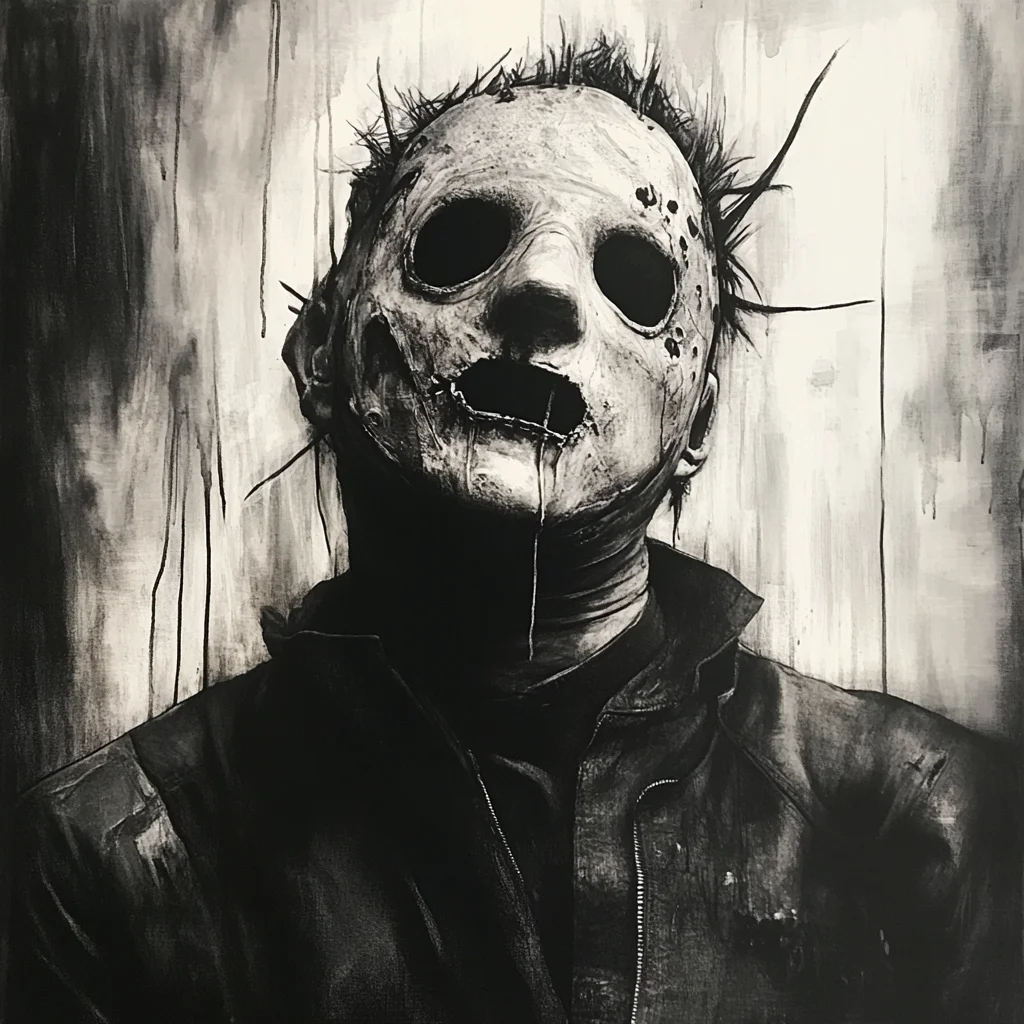
Formed in the heartland of Des Moines, Iowa, Slipknot exploded onto the heavy music scene in the late 1990s with absolute aggression, chaotic percussion, and iconic grotesque masks. Beyond their terrifying stage image lies a band defined by strict anti-ego philosophy, astonishing live stunts, and deep artistic evolution across decades. From humble blue-collar beginnings to creating their own global touring festival, the nine-piece metal outfit transformed heavy music culture forever. Discover the incredible true stories behind their mask evolutions, hidden album tracks, and legendary onstage antics.
1. The Band Originally Debuted as The Pale Ones
When the nine-member heavy metal powerhouse formed in Des Moines, Iowa, in 1995, they did not immediately settle on their famous name. Co-founders Shawn Crahan and Paul Gray originally dubbed the project The Pale Ones before briefly changing it to Meld. It was original drummer Joey Jordison who suggested changing the name to Slipknot, after a track they had written for their early demo tape. The name reflected the tightening tension of their sound and set the stage for their aggressive musical identity. Today, that moniker is synonymous with one of the most successful metal bands in music history.
2. Their Inaugural Show Was a Legendary Halloween Gig
Slipknot officially took the stage under their new name for the first time on October 31, 1995, at a local Des Moines club called the Crowbar. Dressed in makeshift face paint, grotesque makeup, and bizarre clothing, the band sought to disturb and intrigue the audience right from the start. Halloween provided the perfect eerie backdrop for their chaotic performance style and theatrical aesthetics. While they had not yet adopted their signature latex masks, that night laid the groundwork for their visual brand. The intense energy of that first gig proved that the Iowa outfit was unlike anything else in the mid-1990s music scene.
3. Every Original Member Adopted a Specific Number
To further strip away individual egos and present themselves as a unified entity, each member of Slipknot adopted a number from 0 to 8. Co-founder and percussionist Shawn Crahan selected #6, a choice tied to personal significance and dark artistic playfulness. Lead singer Corey Taylor took #8, while former drummer Joey Jordison claimed #1 and late bassist Paul Gray wore #2. The numbering system appeared on their jumpsuits alongside custom barcode patches, mocking the commercialization of musicians. Although fans eventually learned every member's true identity, the numbers remain an iconic part of their mythology.
4. Matching Jumpsuits Were Chosen to Eliminate Egos
Long before high-end stage costumes were an option, Slipknot chose matching industrial jumpsuits as their primary uniform. The decision was rooted in anti-establishment philosophy, aiming to destroy the traditional image of individual rockstar vanity. By wearing identical coveralls, the band forced audiences to focus on their collective wall of sound rather than personal image. Over the decades, the jumpsuits have undergone numerous redesigns, incorporating tribal symbols, barcodes, and distinct color schemes for different album eras. This utilitarian dress code became a symbol of working-class solidarity and artistic unity.
5. Members Worked Gritty Regular Jobs Before Breaking Big
Before achieving multi-platinum album sales and headlining arenas worldwide, the members of Slipknot worked ordinary, grueling jobs to pay the bills. Lead vocalist Corey Taylor worked the night shift at a local adult bookstore in Des Moines while writing lyrics between customer transactions. Drummer Joey Jordison worked long hours at a Sinclair gas station, and percussionist Shawn Crahan was a self-employed welder and concrete worker. Other members scrubbed dishes, poured concrete, or worked in retail to fund their early studio gear and touring vans. These blue-collar roots heavily influenced the angry, relentless work ethic that defined their early music.
6. Their Percussion Setup Included Metal Kegs and Bats
Slipknot's sound is famously heavy thanks in part to their unconventional auxiliary percussion section. In addition to a standard drum kit, percussionists Shawn Crahan and Chris Fehn performed using customized steel beer kegs and metal oil drums. They struck these industrial objects with aluminum baseball bats, wooden sticks, and metal pipes to create a harsh, metallic crunch. This acoustic assault added a chaotic, industrial rhythm layer that set them apart from traditional thrash and nu-metal acts. The sheer force of hitting metal kegs night after night often destroyed their equipment and left the band bruised.
7. DJ Sid Wilson Frequently Risked Life and Limb
Turntablist Sid Wilson, designated as #0, earned a reputation as the most reckless performer on stage during Slipknot's explosive live shows. In the band's early years, Wilson regularly climbed two-story lighting rigs and venue balconies before leaping blindly into the crowd below. His extreme stage diving resulted in numerous serious injuries over the years, including fractured ankles, broken ribs, and severe contusions. Despite the physical toll, his fearless antics became legendary among fans and added to the unhinged atmosphere of their concerts. His willingness to throw his body into the audience perfectly captured the band's visceral live ethos.
8. The Masks Evolve Dramatically with Every Album
Slipknot does not keep the same aesthetic forever; instead, every album cycle brings a complete overhaul of their terrifying masks. Each member collaborates with special effects artists to design masks that reflect their evolving internal emotions and artistic states. For vocalist Corey Taylor, his masks have ranged from crude leather faces with dreadlocks to translucent silicone visors. The evolution allows the band members to process personal trauma, anger, and growth while keeping their visual presence fresh. This ritualistic changing of the guard makes each album rollout a major event for the metal community.
9. The Term "Maggots" Began as a Gruesome Metaphor
Slipknot lovingly calls their global fanbase "Maggots," a moniker that originally sounded like an insult but carries a deeper artistic meaning. Former drummer Joey Jordison coined the term after watching massive festival crowds moving and twisting together under the stage lights. He remarked that from the stage, the undulating sea of fans resembled maggots feeding on a carcass, deriving life from the music. Far from taking offense, fans eagerly embraced the title as a badge of honor and collective identity. Today, being a self-proclaimed Maggot signifies membership in one of the most dedicated fanbases in rock history.
10. Their 1999 Debut Was Recorded in Absolute Studio Chaos
When Slipknot entered Indigo Ranch Studios in California to record their self-titled 1999 debut, producer Ross Robinson pushed them to their absolute physical limits. Robinson, known for his unyielding production methods, insisted on tracking performances in a cramped, boiling room packed with heavy gear. The intense heat, combined with the band's furious energy, resulted in physical exhaustion, vomiting, and genuine blood on the studio floor. Robinson's raw approach captured the unvarnished rage of the young band, helping the album reach double-platinum status. It proved to be a groundbreaking record that redefined heavy music at the turn of the millennium.
11. The Hidden Track "Eeyore" Was Born from a Frustrating Rehearsal
Tucked away at the end of their 1999 debut album lies a furious hidden track titled "Eeyore," which begins after several minutes of silence following the song "Scissors." The track was recorded during a chaotic soundcheck session and inspired by a bizarre real-life incident. The band wrote the aggressive song about a belligerent audience member with an Eeyore tattoo who cut in line at a show and caused a fight. Its inclusion as an unlisted easter egg rewarded dedicated listeners who let the CD keep playing to the end. "Eeyore" went on to become a fan-favorite rager that frequently made its way into live setlists.
12. Iowa Was Recorded During Their Darkest Era
Slipknot's 2001 sophomore album, Iowa, is widely considered one of the darkest and most extreme albums ever released by a major record label. Recorded during a turbulent period marked by severe exhaustion, substance abuse, and internal friction, the sessions were fueled by genuine bitterness. Vocalist Corey Taylor reportedly recorded vocals for the track "515" while naked, sobbing, and cutting himself on glass on the studio floor. Rather than softening their sound after commercial success, the band produced an uncompromising masterpiece of pure rage. Iowa debuted at number three on the Billboard 200 and remains a benchmark for brutal metal composition.
13. They Curated Their Own Touring Festival, Knotfest
In 2012, Slipknot expanded their brand by founding Knotfest, an immersive music festival that combines heavy metal lineups with a dark carnival atmosphere. Designed to give fans an all-encompassing experience, the event features amusement rides, fire-breathers, museum displays of band artifacts, and extreme visual art. Knotfest quickly grew from a single weekend event in the United States into a massive international festival brand. It has held editions in Japan, Mexico, Colombia, Australia, and Germany, featuring top-tier heavy bands from around the world. The festival stands as a testament to Slipknot's enduring cultural footprint and entrepreneurial vision.
14. Grammy Recognition Came After Multiple Nominations
Although their extreme imagery and harsh vocals initially repelled mainstream radio programmers, Slipknot eventually earned major music industry accolades. After receiving seven previous nominations, the band won their first Grammy Award in 2006 for Best Metal Performance for the hit track "Before I Forget." The song featured melodic hooks paired with heavy riffs, showcasing their ability to bridge commercial appeal with metal intensity. The Grammy win marked a pivotal moment, proving that a masked nine-piece from Iowa could achieve mainstream artistic validation without sacrificing their core identity.
15. Offstage Brotherhood and Humor Balance the Onstage Aggression
Behind the terrifying masks, dark lyrics, and aggressive stage chaos lies a band deeply committed to family and backstage camaraderie. Offstage, the band members balance the intense demands of touring by maintaining close bonds with their spouses and children. Backstage, their locker room environment is notoriously lighthearted, filled with elaborate practical jokes, video games, and laughter to offset stage tension. This stark contrast between their terrifying stage personas and grounded personal lives has helped them sustain a long career. Their mutual support network has allowed them to survive personal tragedies and thrive across four decades.
Sources & References
This AI-assisted post was rigorously curated and fact-checked for accuracy by:
 Martin Roháček
How fun was this article? 🤔
Tap a star to rate it
🧠 Quiz: How closely were you paying attention?
10 questions — all answers are in the article above!
Enjoyed these facts? There's more! 💌
Fresh fun facts in your inbox. No spam, ever.