15 Facts About Armenia All Travellers Should Know
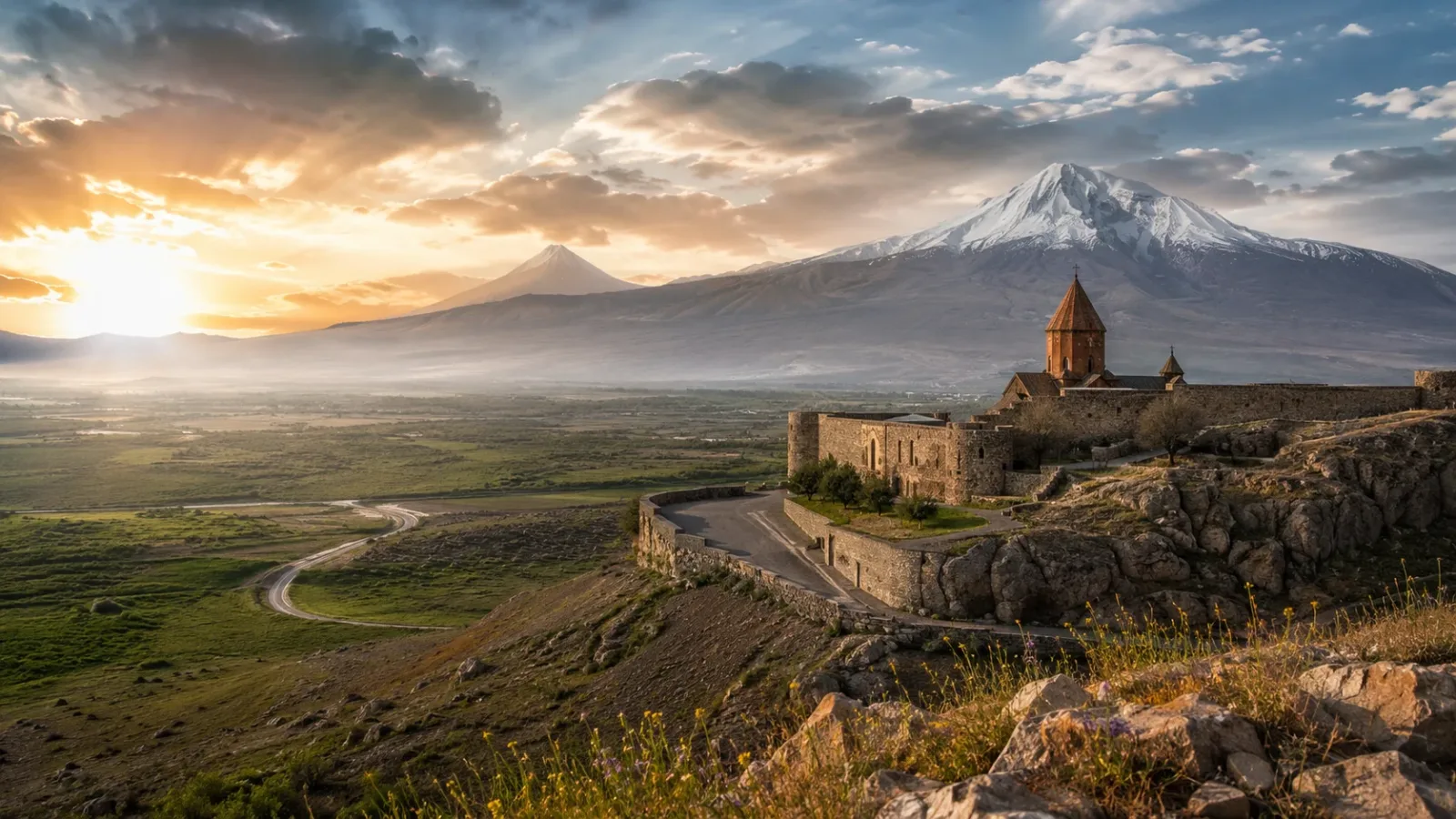
Armenia is a landlocked nation nestled in the South Caucasus region of Eurasia, straddling the crossroads of Eastern Europe and Western Asia. Despite its small size, it boasts an outsized historical footprint, a vibrant culture, and breathtaking mountainous landscapes. From ancient religious sites perched on sheer cliffs to a deep-rooted tradition of winemaking and intellectual pursuits, Armenia is a country of resilience and quiet grandeur. Discover the secrets of one of the world’s oldest civilizations.
1. The First Country to Adopt Christianity
In 301 AD, Armenia became the first nation in the world to adopt Christianity as its official state religion. This momentous decision was largely influenced by Saint Gregory the Illuminator, who converted the Armenian King Tiridates III. Today, the Armenian Apostolic Church remains a central pillar of the nation’s identity and culture.
2. A Capital Older Than Rome
Yerevan, the capital and largest city of Armenia, is one of the oldest continuously inhabited cities on Earth. It was founded in 782 BC by King Argishti I of Urartu. This makes Yerevan exactly 29 years older than Rome.
3. The “Pink City”
Yerevan is affectionately known as the “Pink City.” The nickname comes from the widespread use of a local volcanic rock called tuff, which has a distinct rosy hue, in the construction of its buildings, especially during the city’s Soviet-era architectural redesign by Alexander Tamanian.
4. The World’s Oldest Winery
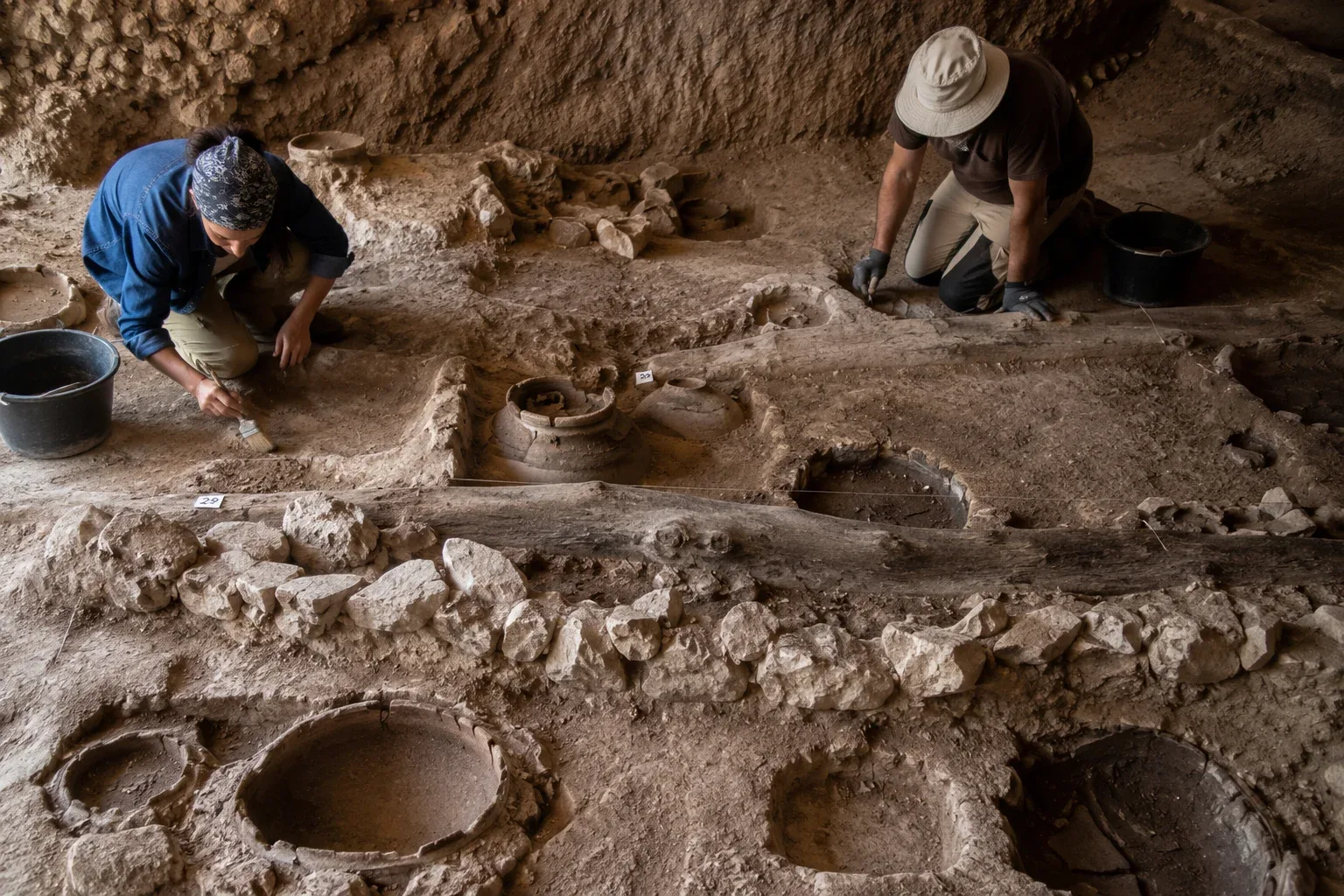
In 2007, archaeologists excavating the Areni-1 cave complex in southern Armenia discovered the world’s oldest known winery. Dating back over 6,000 years, the site contained a wine press, fermentation vats, jars, and cups, proving that ancient Armenians were mastering viticulture long before most of the world.
5. Home to the Oldest Leather Shoe
In that exact same Areni-1 cave, researchers also found the world’s oldest leather shoe. Dating to approximately 3,500 BC, the remarkably well-preserved, perfectly shaped footwear was stuffed with grass, predating the Giza Pyramids and Stonehenge.
6. Chess is Mandatory in Schools
Armenia is a global chess superpower. In 2011, it became the first country in the world to make chess a mandatory subject in its national school curriculum for primary students. The country believes the game fosters logic, strategic thinking, and problem-solving skills, which explains their disproportionate number of international Grandmasters.
7. The National Symbol is in Another Country
Mount Ararat, a majestic snow-capped volcano, is the ultimate national symbol of Armenia and features prominently on the country’s coat of arms. According to biblical tradition, it is the resting place of Noah’s Ark. However, due to shifting borders in the early 20th century, the mountain now lies entirely within the borders of modern-day Turkey, though it dominates the skyline of Yerevan.
8. A Unique, Ancient Alphabet
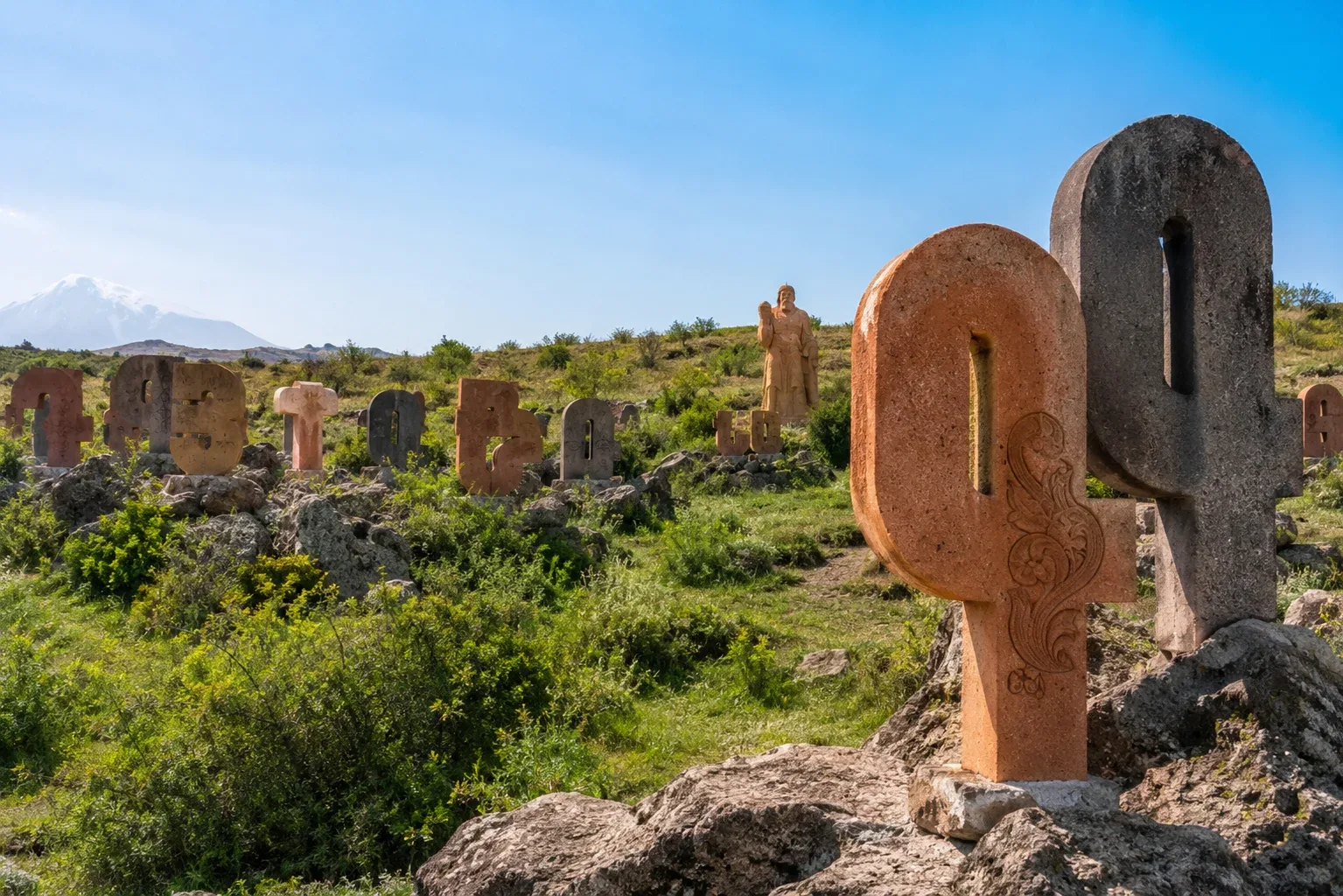
The Armenian alphabet is entirely unique and not derived from Latin or Cyrillic. It was invented in 405 AD by the linguist and cleric Mesrop Mashtots to translate the Bible into the local language. Originally consisting of 36 letters (with three more added later), it is celebrated as a masterpiece of phonetic precision and even has a dedicated monument—the Alphabet Monument—where giant stone letters stand in a field.
9. The Longest Reversible Aerial Tramway
Armenia holds a Guinness World Record for the “Wings of Tatev,” the longest reversible aerial cable car in the world. Stretching 5.7 kilometers (3.5 miles) over a spectacular gorge, it transports visitors to the breathtaking 9th-century Tatev Monastery, drastically reducing a treacherous 40-minute drive into a stunning 12-minute flight.
10. The Diaspora Outnumbers the Locals
Due to a tragic history of persecution, most notably the Armenian Genocide of 1915, and later economic migrations, the Armenian diaspora is massive. While roughly 3 million people live in Armenia today, an estimated 7 to 9 million Armenians live abroad, with massive communities in Russia, the United States, and France.
11. UNESCO-Protected Bread
Lavash is a soft, thin flatbread that is a cornerstone of Armenian cuisine. The traditional process of making lavash—which involves rolling the dough thin and slapping it against the hot walls of a clay oven called a tonir—is so culturally significant that it was inscribed on the UNESCO Representative List of the Intangible Cultural Heritage of Humanity in 2014.
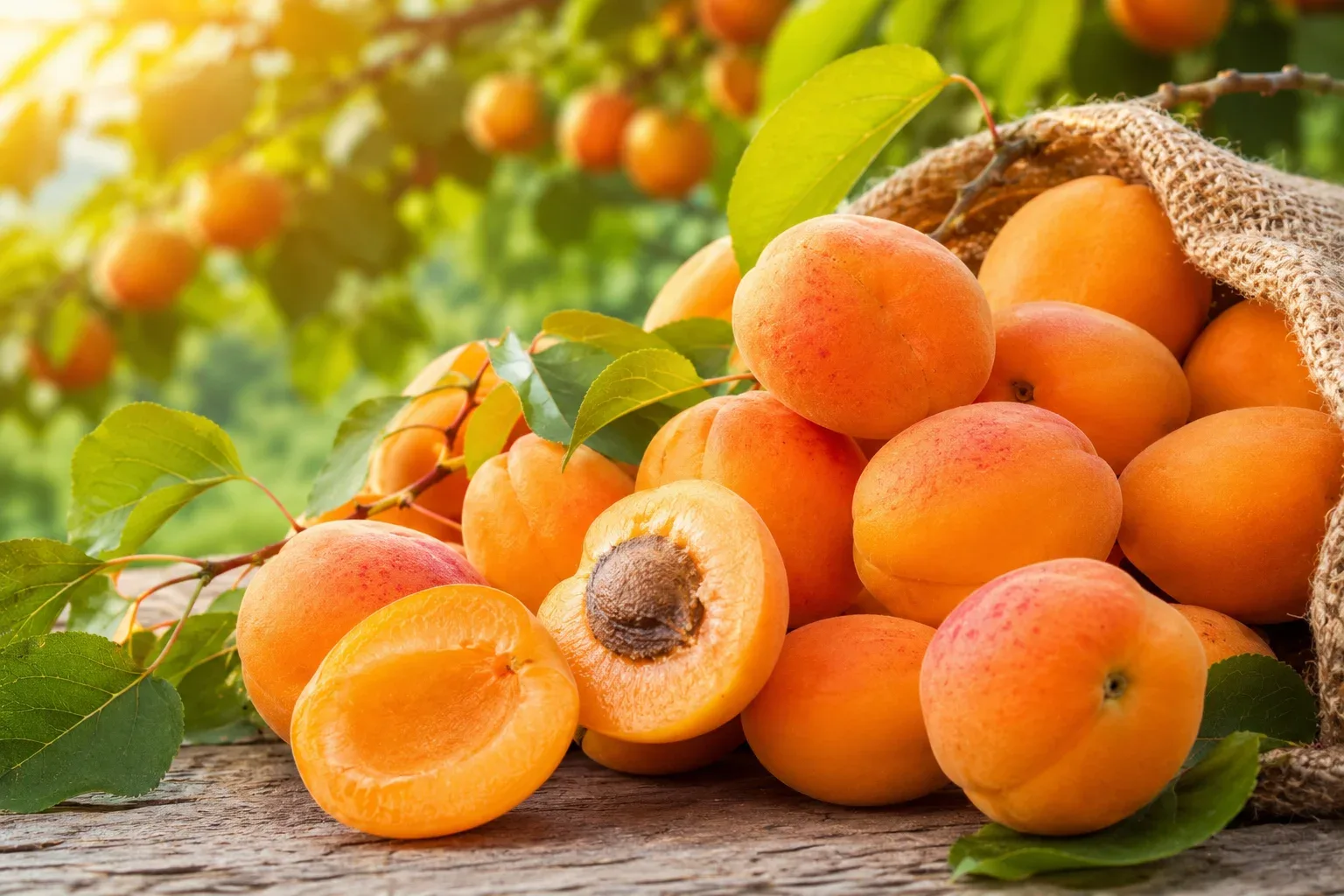
12. The Scientific Name of the Apricot Honors Armenia
The apricot is deeply intertwined with Armenian culture and has been cultivated there since antiquity. When the Romans were introduced to the fruit, they called it prunum armeniacum (the Armenian plum). Its scientific name remains Prunus armeniaca today.
13. A High-Altitude “Ocean”
Because Armenia is landlocked, Lake Sevan is often referred to as the “Armenian Sea.” Covering about 16% of the country’s surface area, it is one of the largest high-altitude freshwater lakes in Eurasia, situated at an elevation of 1,900 meters (6,200 feet) above sea level.
14. Masterpieces Carved in Stone
Armenia is famous for its khachkars, or cross-stones. These are intricately carved memorial steles bearing a cross, often surrounded by elaborate rosettes, botanic motifs, and knotwork. There are over 50,000 khachkars in Armenia, and no two are exactly alike. This craftsmanship is also recognized by UNESCO.
15. The Churchill Brandy Legend
Armenian brandy is world-renowned for its exceptional quality. Legend has it that during the 1945 Yalta Conference, Joseph Stalin served Winston Churchill Armenian “ArArAt” brandy. Churchill allegedly loved it so much that Stalin sent him 400 bottles every year thereafter. While historians debate the exact details, the premium reputation of Armenian brandy remains undisputed.
Sources & References
This AI-assisted post was rigorously curated and fact-checked for accuracy by:
 Martin Roháček
How fun was this article? 🤔
Tap a star to rate it
🧠 Quiz: How closely were you paying attention?
10 questions — all answers are in the article above!
Enjoyed these facts? There's more! 💌
Fresh fun facts in your inbox. No spam, ever.