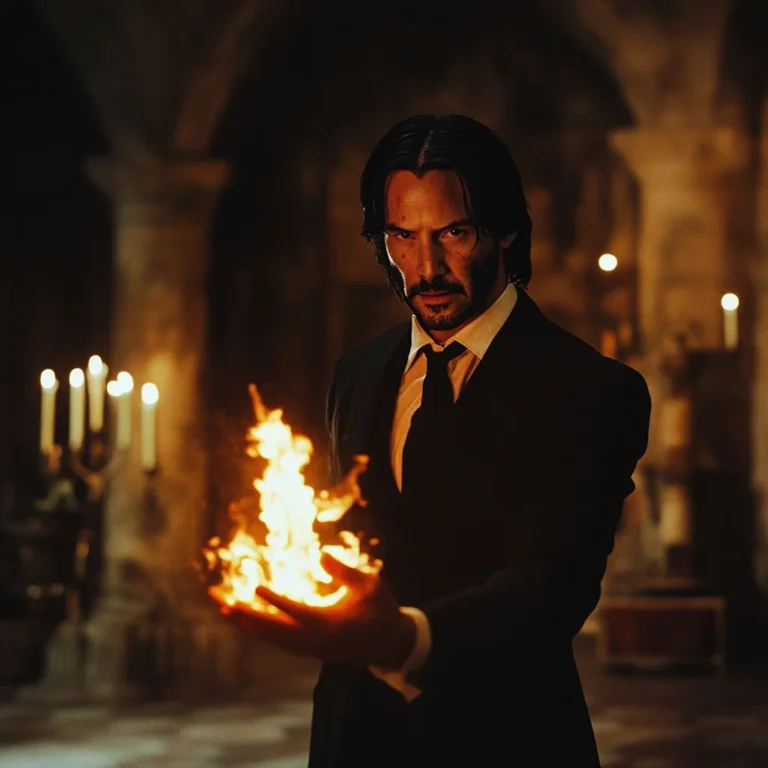
The movie Constantine blends supernatural action with biblical lore in a unique way. While fans know about Keanu Reeves as the demon hunter, many lesser-known details about the film’s production and story remain hidden. These intriguing facts shed light on how this cult classic came to life, uncovering secrets that make Constantine even more fascinating for viewers.
Constantine
Keanu Reeves learned to ride a motorcycle specifically for his role as John Constantine, adding authenticity to action scenes.
The character Constantine originally appeared in the Hellblazer comic series, which inspired the film’s dark tone.
Director Francis Lawrence made his feature film debut with Constantine, using his TV experience to create a visually distinct style.
The film’s portrayal of demons and angels draws heavily from Christian mythology but with creative liberties.
Guillermo del Toro helped design some of the demonic creatures, lending an eerie, otherworldly look.
Tilda Swinton played the angel Gabriel in the movie, choosing to portray the character without traditional gender cues.
The movie was filmed in multiple locations around Los Angeles, standing in for a gritty, supernatural cityscape.
Keanu Reeves performed many of his own stunts, including intense fight scenes and action sequences..
The iconic trench coat worn by Constantine became a defining costume piece for the character’s look.
The movie initially received mixed reviews but gained a strong cult following over time.
Constant references to sin, redemption, and fate reflect the film’s deep theological and philosophical layers.
The script included several scenes that were cut for pacing but remain popular among fans in deleted footage.
The soundtrack mixes rock and orchestral music to enhance the film’s dark yet dramatic tone.
The character’s love interest, Angela, was portrayed with a strong feminist angle, contrasting typical action tropes.
Constantine’s design emphasizes practical effects combined with CGI, creating a believable supernatural world.
How useful was this post?
Click on a star to rate it!
This AI-assisted post was rigorously curated and fact-checked for accuracy by:
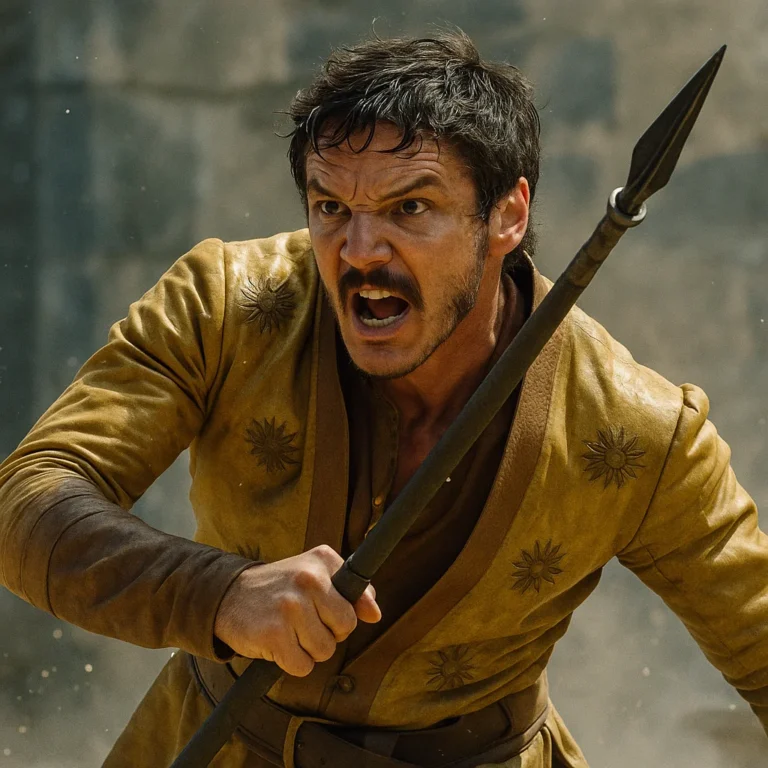
Pedro Pascal captured the hearts of the world with his roles as the protectve father figure in The Mandalorian and The Last of Us. While fans call him the "Daddy of the Internet," his journey to stardom was long and filled with rejection. In fact, he struggled for decades as an unknown actor, relying on the kindness of famous friends just to eat. Furthermore, his life began with a dramatic escape from a dictatorship, making his personal story just as intense as his movies. Prepare to unmask the man behind the helmet.
Pedro Pascal
Pedro Pascal was a competitive swimmer as a child. He participated in the state championships in Texas when he was eleven years old. However, he quit the sport immediately after discovering his passion for drama class.
He fled Chile as a baby due to political persecution. His parents were supporters of Salvador Allende and opposed the dictatorship of Augusto Pinochet. Consequently, the family sought political asylum in Denmark before eventually moving to the United States.
Sarah Paulson used to feed him when he was a starving artist. The two actors have been best friends since the early nineties. During his years of unemployment, she often gave him her daily food allowance so he would not go hungry.
He forgot he landed the role of Joel in The Last of Us because of a sleeping pill. He received the call late at night in London and took an Ambien immediately after to sleep. When he woke up the next morning, he had zero memory of the conversation and thought he was still waiting for the news.
He worked as a go-go dancer in Madrid in the nineties. After graduating from college, he moved to Spain and found work dancing in nightclubs. He wore silver hair and danced on platforms to earn a living.
His casting in Game of Thrones happened because of his friend Amanda Peet. He recorded his audition on an iPhone and sent it to Sarah Paulson, who showed it to Peet. Peet then forced her husband, showrunner David Benioff, to watch the tape.
He cannot see anything when wearing the Mandalorian helmet. He described the experience as “going blind” because his breath fogs up the narrow visor instantly. Furthermore, he has no peripheral vision and often trips over objects on set.
Oscar Isaac convinced him to take the Mandalorian role. His longtime friend and fellow Star Wars actor encouraged him to join the franchise. The two have been close friends since they performed in a play together in 2005.
He appeared in Buffy the Vampire Slayer as a college student named Eddie. Unfortunately, his character was turned into a vampire and killed by Buffy almost immediately. This remains one of his most famous early roles.
He changed his last name to honor his mother. Born José Pedro Balmaceda, he adopted his mother’s maiden name, Pascal, after she passed away. Additionally, he felt that Americans found “Pascal” easier to pronounce than “Balmaceda.”
He based his Wonder Woman 1984 character on Nicolas Cage. He channeled the eccentric acting style of Cage to play the villain Max Lord. Later, he got to star alongside his idol in The Unbearable Weight of Massive Talent.
The sequin pillow scene with Nicolas Cage was completely improvised. In the movie, his character shows off a pillow with Cage’s face on it. The awkward and hilarious interaction that followed was not in the script but made the final cut.
He was fired from over ten waiting jobs. Before he found success, he worked in various New York City restaurants to pay the bills. However, he admitted he was a terrible waiter and could not hold down a job.
He appeared in a music video with Heidi Klum. He played the supermodel’s love interest in the video for Sia’s song “Fire Meet Gasoline.” The video features the two of them in a dramatic, burning house.
Finally, he is a voracious reader. He often lists classics like Jane Eyre and Crime and Punishment as his favorite books. He has stated that reading was a major part of his upbringing and remains a way for him to relax.
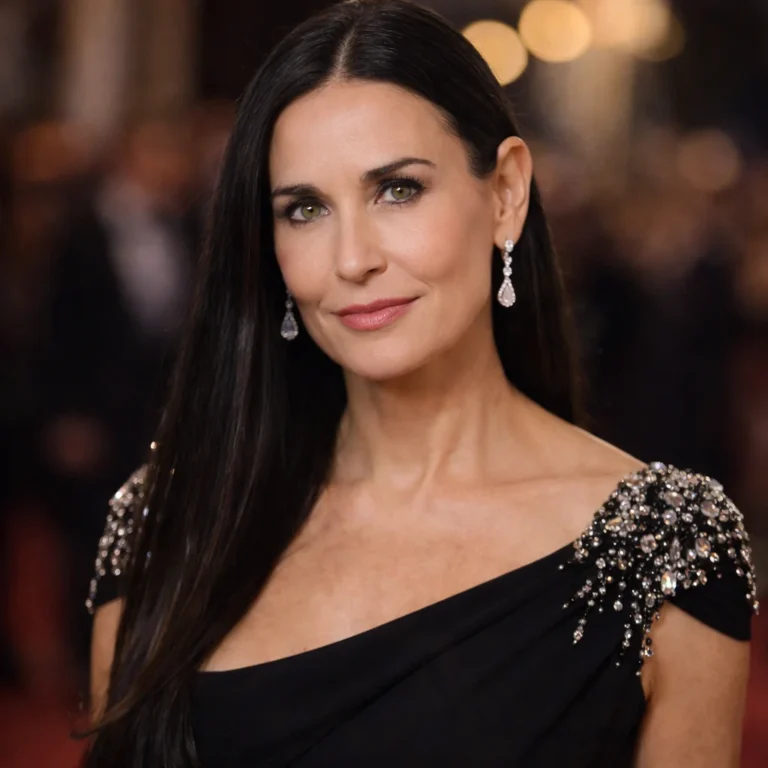
Demi Moore defined a generation of Hollywood stardom with her husky voice and fearless role choices. Initially, she rose from a difficult childhood in New Mexico to become the highest-paid actress in the world. Furthermore, her life off-screen has been just as fascinating, filled with unique health habits and high-profile relationships. Consequently, she remains a powerful figure in the industry with a story of incredible resilience. Explore these fascinating details about the star of Ghost.
Demi Moore
She owns a massive collection of dolls. Unusually, she possesses thousands of vintage dolls and keeps them in a separate house dedicated solely to storing them. In fact, her ex-husband Bruce Willis originally started the collection for her, and it is now insured for over two million dollars.
Leeches are part of her beauty routine. Shockingly, she traveled to Austria to undergo a detox therapy that involved trained medical leeches sucking her blood. She claimed that the enzyme released by the leeches helped detoxify her system and left her feeling revitalized.
She lost her two front teeth due to stress. Candidly, she revealed on The Tonight Show that she sheared off her front teeth because she was clenching her jaw so hard. She shared the photo publicly to highlight the physical dangers of severe stress.
Demi Moore broke salary records with Striptease. In 1996, she became the highest-paid actress in film history by negotiating a 12.5 million dollar paycheck for the role. Although the movie received mixed reviews, the deal shattered the glass ceiling for women’s pay in Hollywood.
She still has the clay pots from Ghost. Sentimental about her most famous role, she kept the small, misshapen clay pots she made during the iconic pottery wheel scene with Patrick Swayze. Today, they serve as a cherished reminder of the romantic blockbuster.
Her name comes from her first husband. Born Demetria Guynes, she took the last name of musician Freddy Moore when she married him at age 17. Even though they divorced just a few years later, she kept the name professionally for her entire career.
Demi Moore voiced Esmeralda in The Hunchback of Notre Dame. Uniquely, Disney cast her because they wanted a speaking voice that sounded different from the typical “princess” soprano. However, the singing voice for the character was provided by a different performer, Heidi Mollenhauer.
Childhood eye surgeries defined her early years. As a young girl, she suffered from severe strabismus, or crossed eyes, which required two operations to correct. Consequently, she had to wear an eye patch over her “good” eye to strengthen the weaker one.
She was born in Roswell, New Mexico. Although the town is famous for alien conspiracies, it is simply the place where the actress spent her early, humble years. She lived in a trailer park before eventually moving to California to pursue her dreams.
A raw vegan diet fuels her ageless look. For years, she has followed a strict diet where she does not eat food cooked above 118 degrees Fahrenheit. She believes this preserves the vital nutrients and enzymes in the vegetables.
She co-wrote songs with her first husband. Before she fully committed to acting, she dabbled in songwriting and even appeared in the music video for the song “It’s Not a Rumor.” She is listed as a co-writer on several tracks from that period of her life.
Obsessive cycling helped her prepare for roles. While filming Indecent Proposal, she would wake up at 4:00 AM to cycle 60 miles a day to stay in shape. She later admitted that this extreme workout routine was driven by an unhealthy obsession with her body image.
Demi Moore started her career on General Hospital. Long before she was a movie star, she played the character Jackie Templeton on the popular daytime soap opera. This role gave her the steady income and exposure she needed to break into film.
Her Vanity Fair cover changed maternity fashion forever. Bravely, she posed nude while seven months pregnant for the August 1991 issue. This controversial image sparked a cultural conversation and made pregnancy photoshoots a glamorous trend.
Finally, she returned to horror with The Substance. Decades after her peak stardom, she took on a grueling role in this body horror film that required hours of prosthetic makeup. Critics praised her performance as a brave and vulnerable look at aging in Hollywood.