The Relentless Icon: 15 Fascinating Facts About Arnold Schwarzenegger
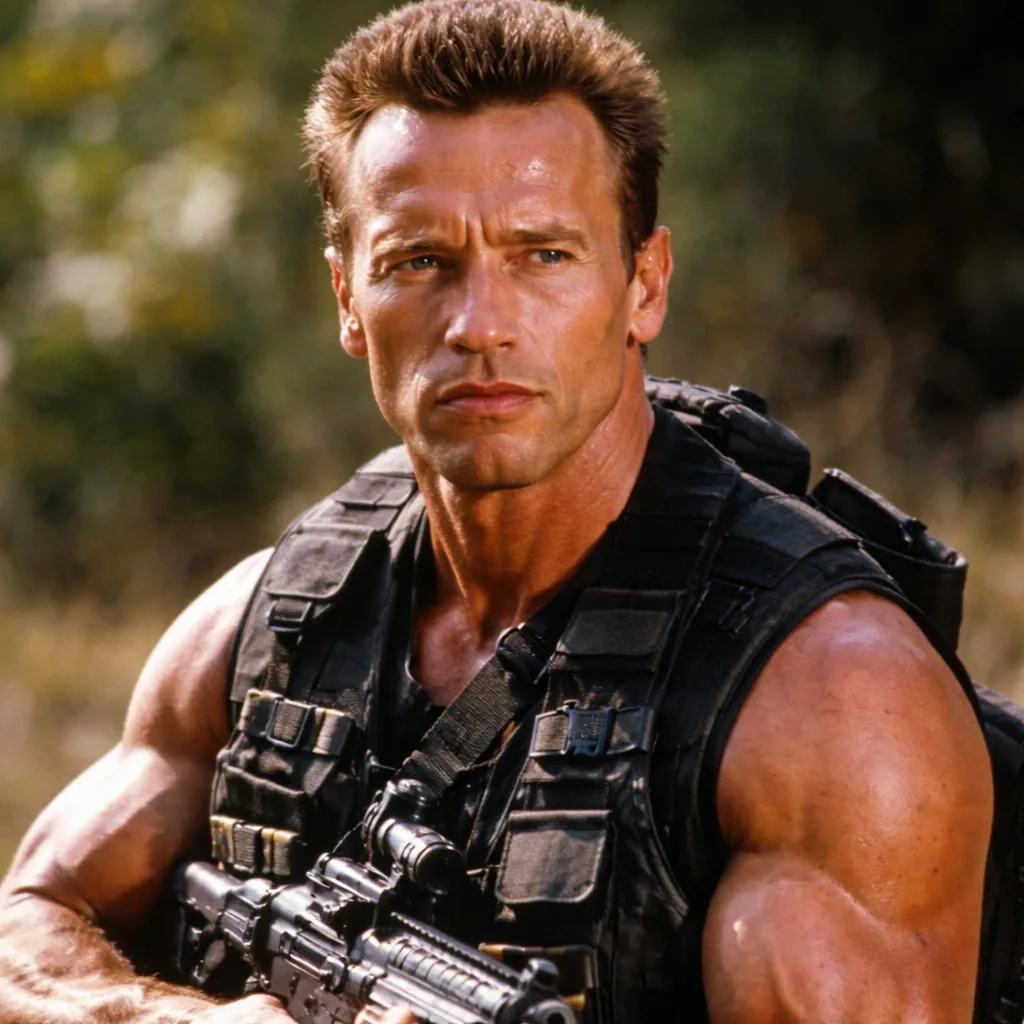
Arnold Schwarzenegger has led one of the most remarkable lives of the modern era, transitioning seamlessly from world-champion bodybuilder to blockbuster action star and top-tier political leader. Beyond his iconic movie catchphrases and massive physique lies a story of shrewd business instincts, surprising real-life heroics, and incredible determination. From going AWOL in the military to earning millions before ever landing a starring role, his path to global fame is packed with unbelievable details. Here are 15 fascinating facts about the Austrian Oak that reveal the man behind the legend.
1. He Went AWOL from the Austrian Army to Win a Bodybuilding Contest
In 1965, an eighteen-year-old Arnold Schwarzenegger was serving his mandatory year of military duty in the Austrian army. Driven by an overwhelming desire to compete in the Junior Mr. Europe contest in Stuttgart, Germany, he decided to leave his military base without permission. Arnold won the competition handily, but his military superiors were far from amused by his unauthorized departure. Upon returning to his base, he was promptly placed in a military prison where he spent a week reflecting on his defiance. Fortunately, his officers recognized his incredible dedication and later allowed him time to train during the remainder of his service.
2. He Was Already a Self-Made Millionaire Before Starring in Blockbusters
Contrary to popular belief, Arnold Schwarzenegger did not rely on Hollywood movies to make his initial fortune. Before gaining fame as a leading actor, he teamed up with fellow bodybuilder Franco Columbu to launch a bricklaying business in Southern California. Taking advantage of the post-earthquake construction boom in 1971, the entrepreneurial duo expanded their enterprise into a massive financial success. Arnold wisely invested those profits into Southern California real estate developments and mail-order fitness equipment, securing his financial independence early on. By the time he landed major film roles, he was already a self-made millionaire capable of selecting acting roles on his own terms.
3. His Voice Was Dubbed Over in His Feature Film Debut
Arnold made his feature film debut starring as the titular mythological hero in the 1970 low-budget comedy Hercules in New York. At the time, producers felt his Austrian accent was far too thick for American moviegoers to understand easily. Additionally, his real name was deemed too long and complex for cinema marquees, leading him to be credited under the stage name Arnold Strong. To solve the vocal issue, the film studio completely dubbed over his performance using an uncredited voice actor. Decades later, the original audio tracks featuring Arnold's actual voice were restored for special home video releases.
4. He Convinced James Cameron to Cast Him as the Terminator Instead of the Hero
When casting began for the 1984 sci-fi classic The Terminator, Orion Pictures originally envisioned Arnold playing the human freedom fighter Kyle Reese. However, during a dinner meeting with director James Cameron, Arnold spoke passionately about how the murderous T-800 cyborg should act on screen. Cameron was so fascinated by Arnold's villainous vision and intense physical presence that he realized he had found his killer robot. Arnold initially hesitated to play a cold-blooded villain, fearing it might damage his heroic screen image. Cameron ultimately convinced him that the killer machine would become the true star of the film, forever altering cinema history.
5. He Fought Against Saying His Most Famous Catchphrase
The iconic line "I'll be back" from The Terminator almost sounded completely different due to Arnold's insistence. During filming, Arnold argued with director James Cameron, claiming that saying "I will be back" sounded more mechanical and fitting for an android. He also expressed concern that the contraction "I'll" made his Austrian accent sound unnatural and difficult to pronounce quickly. Cameron rejected the suggestion and bluntly told the actor to focus on his acting while letting the director handle the writing. Arnold delivered the line as scripted, creating one of the most recognizable and endlessly quoted movie lines in cinematic history.
6. He Took Zero Upfront Salary for Twins and Made a Fortune
When Arnold wanted to prove he could star in comedic roles, Hollywood studios were hesitant to pay his usual hefty action-star fee. To greenlight the 1988 comedy Twins, Arnold and co-star Danny DeVito agreed to forgo their traditional upfront salaries entirely. Instead, they struck a deal with director Ivan Reitman to split 45 percent of the film's gross box office profits. The risky gamble paid off tremendously when the modest comedy turned into a massive international blockbuster. Arnold earned over thirty-five million dollars from the backend deal, making it one of the most lucrative single-film paydays of his entire career.
7. He Personally Convinced Manufacturers to Build the Civilian Hummer
The powerful civilian SUV known as the Hummer owes its very existence to Arnold Schwarzenegger's persistent enthusiasm. In 1990, while filming Kindergarten Cop near a military convoy, he spotted the military High Mobility Multipurpose Wheeled Vehicle. Entranced by its colossal build and off-road capabilities, he immediately began nagging manufacturer AM General to produce a civilian version. The company initially resisted, doubting there would be any market demand for such an oversized consumer vehicle. After Arnold agreed to purchase the first two units produced, AM General finally launched the civilian Hummer H1 line in 1992.
8. He Bought and Still Drives the Actual Tank He Drove in the Army
During his mandatory service in the Austrian army, young Arnold learned to operate an official M47 Patton tank. Decades after leaving the military and achieving world fame, he decided to purchase that exact same 50-ton vehicle in 1991. He had the military machine shipped directly to the United States, paying around twenty thousand dollars to secure it. Today, Arnold uses the functional war machine for promotional events and charitable fundraisers in California. Donors often bid large sums of money for the unique opportunity to crush old cars alongside the action superstar.
9. He Won a Golden Globe Award for Acting in 1977
Long before he was recognized as an international box office giant, Arnold earned critical acclaim from the Hollywood Foreign Press Association. In 1977, he won the Golden Globe Award for New Star of the Year in a Motion Picture. He received the prestigious honor for his compelling performance as an eccentric bodybuilder in the 1976 comedy-drama Stay Hungry. Starring alongside Jeff Bridges and Sally Field, Arnold demonstrated genuine charm and dramatic range beyond his muscle-bound physique. This major industry accolade proved to skeptics that he possessed legitimate acting talent.
10. He Earned a College Degree Through Distance Learning While Training
Despite juggling intensive training, business ventures, and acting classes, Arnold prioritized earning a traditional college education. He enrolled in distance learning programs through the University of Wisconsin-Superior while living and working in California. To earn his credits, he completed coursework by mail and took proctored exams at local academic centers. In 1979, he officially graduated with a Bachelor of Arts degree in International Marketing and Business Administration. He later returned to the campus in 1996 to deliver the commencement address and accept an honorary doctorate degree.
11. He Rescued a Struggling Swimmer While on Vacation in Hawaii
In March 2004, while taking a vacation in Maui, Hawaii, Arnold demonstrated real-life heroics off the movie screen. While relaxing on the beach, he noticed a swimmer out in the ocean struggling against strong coastal currents. Recognizing that the man was in clear distress, Arnold swam out approximately one hundred yards to reach him. He instructed the exhausted man to hold onto his body and successfully towed him all the way back to shore. The grateful swimmer recovered quickly, thanking the sitting California Governor for saving his life in the open ocean.
12. He Sent a Famous Hidden Acrostic Insult in an Official Veto Memo
In 2009, while serving as the Governor of California, Arnold sparked political headlines with a surprisingly brazen veto message. Disagreeing sharply with a bill passed by the California State Assembly, he issued an official veto memorandum returning the document. Political commentators quickly noticed that the first letter of each line on the left margin spelled out an explicit vulgarity. His official spokesperson maintained that the acrostic crude phrase was an astounding statistical coincidence rather than a hidden message. However, given Arnold's legendary sense of humor, few political insiders believed the hidden vulgarity was merely accidental.
13. He Hosts an Annual Sports Festival Next to His Own Bronze Statue
In 2014, the city of Columbus, Ohio, honored the famous bodybuilder by unveiling a massive bronze statue of his iconic pose. The eight-foot-tall bronze monument stands outside the Greater Columbus Convention Center to celebrate his lasting sporting legacy. Every year, Arnold personally visits the statue during the annual Arnold Sports Festival, which he co-founded back in 1989. The massive event has grown into one of the largest multi-sport festivals in the world, featuring tens of thousands of athletes. Arnold regularly poses for photographs beside his likeness, taking time to inspire young competitors attending the gathering.
14. He Grew Up Under the Strict Discipline of a Local Police Chief Father
Arnold's famous work ethic and mental toughness were forged during a tough post-WWII childhood in Thal, Austria. His father, Gustav Schwarzenegger, served as the local police chief and maintained a strictly disciplined, militaristic household. Young Arnold and his older brother Meinhard were required to earn their breakfasts through rigorous morning exercise routines. His father frequently pitted the two brothers against each other in athletic competitions, pushing Arnold to excel under intense pressure. Although their relationship was often difficult, Arnold credits those demanding early years with instilling his relentless ambition.
15. He Was the Youngest Person Ever to Win the Mr. Universe Title
Arnold Schwarzenegger made history in the fitness world long before his name became synonymous with Hollywood blockbusters. In 1967, at just twenty years of age, he won the prestigious Mr. Universe competition in London, England. This victory made him the youngest person ever to win the title, a record that helped cement his reputation globally. He went on to win the Mr. Universe title three more times, establishing absolute dominance over the sport. His unmatched physique and charismatic persona transformed competitive bodybuilding from a niche subculture into a worldwide phenomenon.
Sources & References
This AI-assisted post was rigorously curated and fact-checked for accuracy by:
 Martin Roháček
How fun was this article? 🤔
Tap a star to rate it
🧠 Quiz: How closely were you paying attention?
10 questions — all answers are in the article above!
Enjoyed these facts? There's more! 💌
Fresh fun facts in your inbox. No spam, ever.