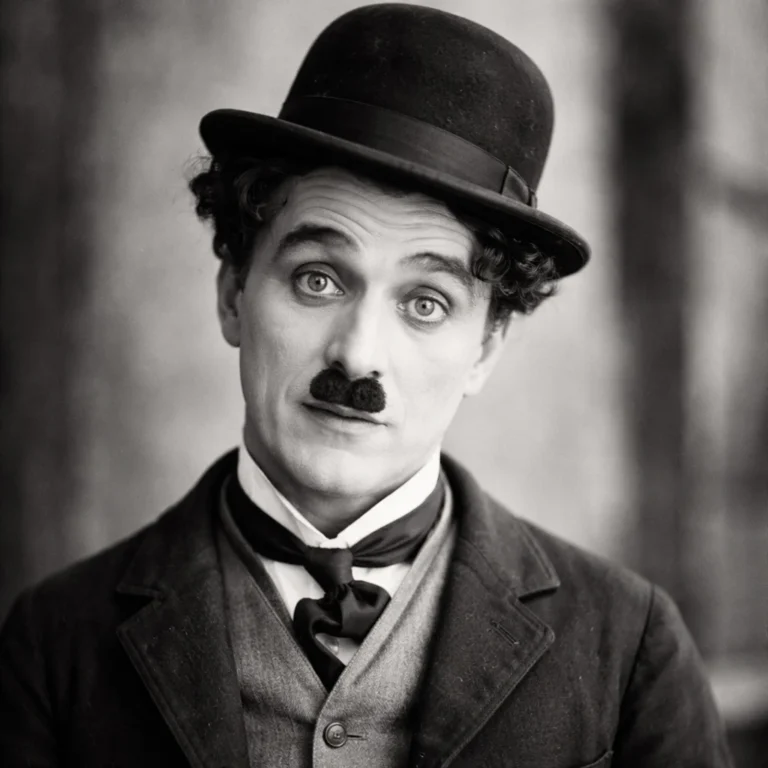
Charlie Chaplin remains the most famous face of the silent film era. His character, "The Tramp," made the entire world laugh without saying a single word. However, his real life contained enough tragedy and scandal for a dramatic movie script. Furthermore, political enemies pursued him relentlessly during his later years. Consequently, he spent decades in exile away from Hollywood. Explore the wild details about the comedy genius who changed cinema.
Charlie Chaplin
Amazingly, Charlie Chaplin once entered a look-alike contest as himself and lost. He did not even make the finals, finishing in a disappointing third place.
Thieves dug up his grave and stole his coffin shortly after he died. They held the body for ransom, but the police eventually recovered it in a cornfield.
Most fans only know him in black and white, so they miss a key detail. In reality, Charlie Chaplin possessed piercing blue eyes that surprised visitors constantly.
He did not just act; he also composed the music for many of his films. In fact, he wrote the famous song “Smile,” which became a pop standard years later.
He became the very first actor to ever appear on the cover of Time magazine. This 1925 milestone cemented his status as a global superstar.
Adolf Hitler grew a similar mustache specifically to associate himself with the beloved comedian. Consequently, Chaplin mocked the dictator mercilessly in his film The Great Dictator.
The FBI kept a massive, 2,000-page file on Charlie Chaplin for decades. J. Edgar Hoover considered him a dangerous communist and desperately wanted to deport him.
While visiting London for a movie premiere, the US government revoked his re-entry permit. Therefore, he settled in Switzerland and did not return to America for twenty years.
He was a notorious perfectionist who often filmed scenes hundreds of times. For one scene in City Lights, he forced the actress to repeat a simple action 342 times.
Interestingly, he kept his Romani heritage a secret for most of his life. He only received a letter confirming his birth in a caravan shortly before his death.
Before they were famous, Stan Laurel worked as Chaplin’s understudy in a touring troupe. Thus, the future star of Laurel and Hardy mastered comedy by watching the master.
He received an honorary Oscar in 1972 after returning from his long exile. The audience gave him a 12-minute standing ovation, the longest in Academy Awards history.
Critics and the public often judged him for marrying much younger women. His last wife, Oona O’Neill, was only 18 when she married the 54-year-old star.
He signed the first million-dollar contract in the history of Hollywood. This deal in 1918 made him one of the wealthiest people in the entire world.
Finally, Charlie Chaplin never became an official US citizen despite living there for decades. He proudly kept his British citizenship until the very end of his life.
How useful was this post?
Click on a star to rate it!
This AI-assisted post was rigorously curated and fact-checked for accuracy by:
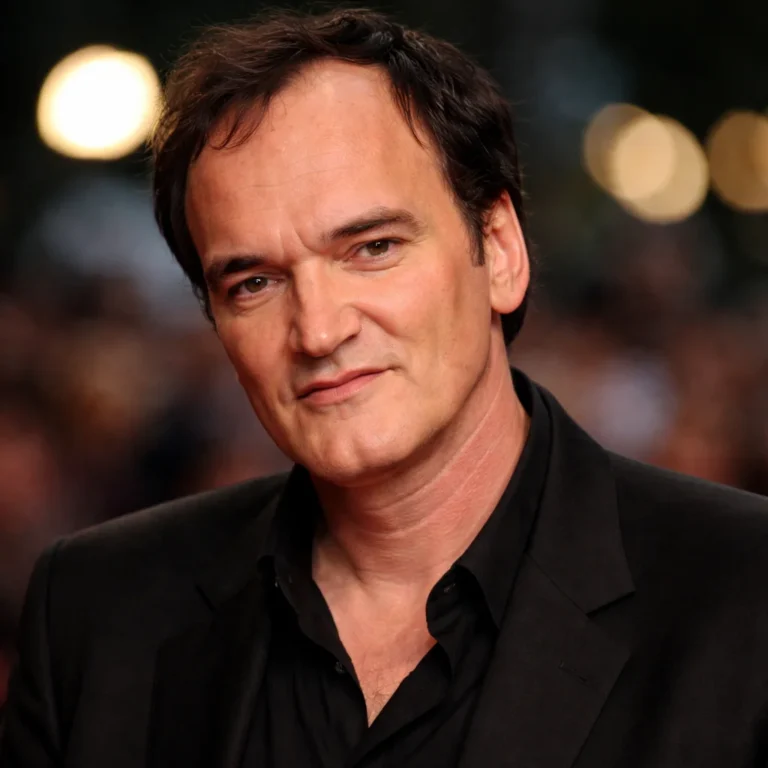
Quentin Tarantino changed cinema with his sharp dialogue and nonlinear storytelling. While fans obsess over his bloody action scenes, his personal life contains just as many surprises as his scripts. For instance, he funded his debut movie by playing an Elvis impersonator on a famous TV show. Furthermore, he refuses to use a computer when he writes his screenplays. Prepare to visit the New Beverly Cinema.
Quentin Tarantino
Quentin Tarantino worked as an Elvis impersonator on The Golden Girls. In 1988, he appeared in a single episode of the popular sitcom. He played one of many Elvis impersonators at a wedding. Consequently, the residual checks from this small role helped him fund the production of Reservoir Dogs.
He famously never went to film school. When people ask him about his education, he simply says, “I went to films.” He learned his craft while he worked as a clerk at Video Archives in Manhattan Beach. There, he watched thousands of movies and discussed them with customers all day long.
He plans to retire after his tenth film. Tarantino has repeatedly stated that he wants a perfect filmography. He believes directors lose their touch as they age. Therefore, he intends to drop the microphone after his next movie to preserve his legacy as an artist.
He writes all his scripts by hand. He refuses to use a computer or a typewriter during the creative process. Instead, he sits in his home with a red felt-tip pen and a yellow legal pad. He feels this ritual connects him more deeply to his characters.
A thief stole his car during the filming of Pulp Fiction. The cherry red 1964 Chevelle Malibu that John Travolta drives actually belonged to Tarantino. Someone stole it from the set in 1994. Remarkably, police recovered the vehicle in Oakland seventeen years later in 2013.
He owns the movie theater he visited as a child. In 2007, he bought the New Beverly Cinema in Los Angeles. He acts as the head programmer for the venue. Furthermore, he enforces a strict rule that the theater must project only 35mm film, never digital.
Adam Sandler almost played the Bear Jew. Tarantino wrote the role of Donny Donowitz in Inglourious Basterds specifically for the comedian. However, Sandler had already committed to film Funny People. Thus, the role went to horror director Eli Roth instead.
He invented a fake brand of cigarettes. Characters in his movies frequently smoke “Red Apple” cigarettes. He created this fictional brand to avoid product placement. Consequently, you can spot the yellow package in Pulp Fiction, Kill Bill, and Once Upon a Time in Hollywood.
He strangled an actress himself to get the shot right. In Inglourious Basterds, the character Bridget von Hammersmark dies by strangulation. Tarantino did not trust the actor to do it safely or realistically. Therefore, he stepped into the frame and applied the pressure to Diane Kruger’s neck himself.
His editor was his secret weapon. Sally Menke edited every single one of his films until she died in 2010. He often described her as his “only, truly, genuine co-writer.” She possessed the unique ability to tame his chaotic footage into a coherent story.
Jamie Foxx rode his own horse in Django Unchained. The actor brought his horse, Cheetah, to the set. He convinced the director to let him use the animal in the film. Thus, the horse you see on screen actually belongs to Foxx in real life.
A customer’s mistake inspired the title Reservoir Dogs. While he worked at the video store, a customer mispronounced the French film Au Revoir les Enfants. The customer called it “the reservoir movie.” Tarantino loved the sound of it and combined it with Straw Dogs to create the title.
The wallet in Pulp Fiction belonged to Quentin Tarantino . The famous wallet that says “Bad Mother Fucker” was not a prop. It actually belonged to Tarantino’s personal collection. He gave it to Samuel L. Jackson to use in the diner scene because the original prop looked too cheap.
Quentin Tarantino holds a specific record for the F-word. His films consistently rank high for profanity. Specifically, Pulp Fiction uses the word 265 times. However, Reservoir Dogs beats it with 269 uses. Finally, Django Unchained takes the crown with over 110 uses of a racial slur alone.
Finally, he directed a scene in Sin City for one dollar. His friend Robert Rodriguez scored Kill Bill: Vol. 2 for a single dollar. To return the favor, Tarantino guest-directed the car sequence in Sin City. He accepted the same symbolic payment for his work.
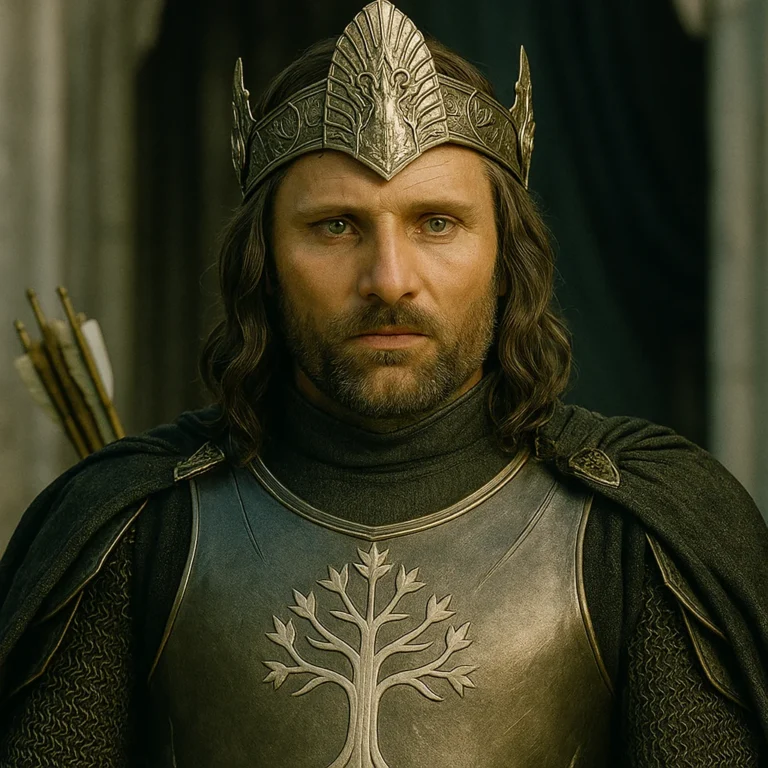
Viggo Mortensen is more than just Aragorn—he’s a seasoned actor, poet, photographer, and publisher with a rich multicultural background. Discover fascinating insights into his multifaceted career and artistic passions.
Viggo Mortensen
Viggo Mortensen was born on October 20, 1958, in New York City and has Danish, American, and Argentine heritage.
He gained worldwide fame for portraying Aragorn in the epic “The Lord of the Rings” trilogy.
Mortensen pursues multiple art forms beyond acting, including photography, poetry, painting, music, and publishing.
He founded Perceval Press to support artists and authors whom mainstream publishers often overlook.
Viggo is known for his dedication to roles, learning new skills like horse riding and sword fighting for “The Lord of the Rings.”
He earned three Academy Award nominations, including for the films “Eastern Promises,” “Captain Fantastic,” and “Green Book.”
Mortensen began his career in films with a small role in Ridley Scott’s “Witness” (1985).
He is fluent in English, Danish, Spanish, and French, owing to his multinational upbringing.
Apart from Hollywood, Viggo has worked in independent films and international cinema, always choosing challenging characters.
He once infamously responded to a journalist’s rude question by flipping the bird—a testament to his passionate and sometimes fiery personality.
Mortensen’s interest in poetry and photography often intersects with his film projects, capturing behind-the-scenes moments and inspirations.
He is also a humanitarian, involved in social and environmental causes, often using his art and platform to highlight important issues.
Viggo has performed live readings of poetry and frequently collaborates with other artists across creative disciplines.
He speaks openly about his family life, including his three children and relationship with his wife, which gives him a down-to-earth aura.
Despite his fame, Mortensen maintains a somewhat private life and earns admiration for his humility and depth both on and off screen.