The Unyielding Icon: 15 Fascinating Facts About Clint Eastwood
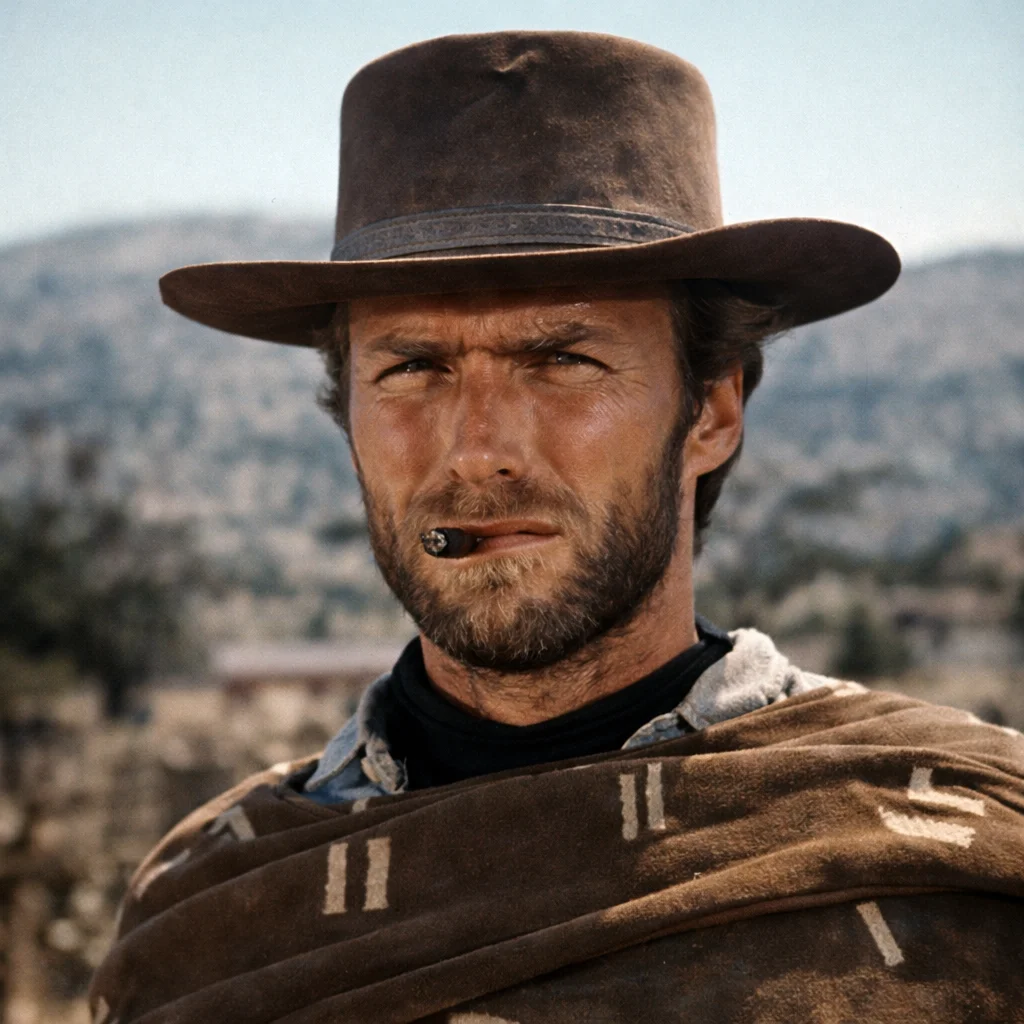
Clint Eastwood stands as one of the most durable and iconic figures in cinematic history, boasting a career that spans over seven decades as an actor, director, and producer. Beyond his legendary hard-boiled antiheroes and Oscar-winning Westerns lies a life full of surprising turns and extraordinary survival stories. From swimming through ocean waters after a military plane crash to serving as mayor of a small California town, his real-life adventures match his legendary film roles. Here are 15 fascinating facts about Clint Eastwood that highlight the man behind the Hollywood legend.
1. He Survived a Pacific Plane Crash by Swimming Three Miles
In October 1951, while serving in the U.S. Army, Clint Eastwood was aboard a Douglas AD-1 military bomber that ran out of fuel and crashed into the Pacific Ocean near Point Reyes, California. He and the pilot were forced to swim nearly three miles through freezing, rough waters and shark-infested conditions to reach the shore safely. Eastwood later recalled that the traumatic ordeal gave him an acute sense of survival and a unique perspective on life's hardships. His military service was actually extended because he was required to remain at the base as a witness for the official military crash investigation. The harrowing experience instilled in him a calm demeanor under pressure that defined both his acting persona and his directing style later in life.
2. He Ran for Mayor of Carmel to Overturn an Ice Cream Ban
In 1986, Eastwood decided to run for mayor of his adopted hometown, Carmel-by-the-Sea, California, after a frustrating dispute with the town council over building permits. His platform focused heavily on reforming municipal regulations, including overturning a bizarre local zoning policy that effectively banned selling ice cream cones on public streets. He won the mayoral election in a landslide with over 72 percent of the vote and served a two-year term for a modest salary of $200 per month. During his tenure, he successfully legalized local ice cream shops, expanded public restrooms, and renovated historic municipal facilities. He chose not to seek a second term in 1988 so he could return full-time to his film career and spend more time with his family.
3. He Is an Accomplished Self-Taught Composer and Pianist
Beyond his celebrated work in front of and behind the camera, Eastwood is a highly accomplished, self-taught pianist and film composer. He taught himself to play jazz and blues piano by ear as a teenager and initially considered pursuing a degree in music theory before pursuing acting. Over the years, he has composed original musical scores and haunting main themes for several of his critically acclaimed films, including Mystic River, Million Dollar Baby, and Changeling. He also wrote the poignant piano theme for Unforgiven and contributed musical pieces to Grace Is Gone and J. Edgar. His deep passion for American music earned him honors from the Kennedy Center and an induction into the California Hall of Fame.
4. He Never Washed His Iconic Poncho Across Three Westerns
Throughout Sergio Leone's iconic "Dollars" trilogy—A Fistful of Dollars, For a Few Dollars More, and The Good, the Bad and the Ugly—Eastwood wore the exact same green patterned poncho. Fearing that washing the garment would ruin its distinctive, weathered look or cause the delicate fabric to disintegrate, he never washed it once during all three film shoots. The stiff, dirty poncho became a central component of the "Man with No Name" character's enigmatic and rugged aesthetic. Eastwood later admitted in interviews that if the poncho had ever been laundered, it would have completely fallen apart. He kept the famous piece of cinematic history stored safely in his personal collection for decades after filming wrapped.
5. Universal Studios Fired Him for His Speech and Neck Size
In 1959, early in his acting career, Universal Studios abruptly terminated Eastwood's $75-a-week contract alongside fellow young actor Burt Reynolds. Studio executives offered bizarre physical justifications for the decision, claiming Eastwood's Adam's apple stuck out too far, he spoke too slowly, and he slurred his words. Reynolds was let go during the exact same meeting because executives felt he had a broken nose and spoke too fast. The two future megastars famously went out for dinner afterward to laugh about their unexpected setback. Reynolds joked that he could take acting lessons to fix his speech, but Eastwood was in trouble because he couldn't shrink his neck.
6. Frank Sinatra Was Originally Cast as Dirty Harry
The role of rugged inspector Harry Callahan in the 1971 classic Dirty Harry was originally created with legendary singer Frank Sinatra in mind. Early pre-production even progressed far enough for Warner Bros. to print promotional posters featuring Sinatra's name above the title. However, Sinatra had suffered a severe wrist injury while filming The Manchurian Candidate years earlier, making it painful to handle the heavy .44 Magnum revolver. After several other leading men like Paul Newman and Steve McQueen turned down the project, the role ultimately fell to Eastwood. Eastwood reworked the character's demeanor and turned Dirty Harry into one of the most defining antiheroes in cinema history.
7. Nurses Nicknamed Him Samson When He Was Born
When Clint Eastwood was born on May 31, 1930, at Saint Francis Memorial Hospital in San Francisco, the hospital staff was astounded by his size. The infant weighed a staggering 11 pounds and 6 ounces (5.2 kilograms), leading the stunned nurses to give him the nickname "Samson." His family struggled through the Great Depression, moving frequently along the Pacific coast while his father searched for steady work. Despite those early hardships, Eastwood grew into a tall, athletic youth who eventually reached a towering height of six feet four inches. His massive birth weight proved to be a fitting start for a man who would become one of Hollywood's biggest screen presences.
8. His Production Company Was Named After an Agent's Warning
Eastwood established his independent film production company in 1967 and named it Malpaso Productions, which translates from Spanish as "bad step." The name was chosen as a humorous jab at his talent agent, who had strongly advised him against starring in an obscure Italian Western called A Fistful of Dollars. The agent had warned that leaving Hollywood to shoot a European Western would be a fatal "bad step" for his burgeoning career. The film turned out to be a massive international success that launched Eastwood into global stardom. Eastwood adopted the ironic name to remind himself to trust his own instincts over conventional Hollywood advice.
9. He Is Severely Allergic to Horses Despite His Western Career
Despite spending decades on screen as the quintessential Western cowboy, Eastwood is actually allergic to horses. His health condition extends to household pets as well, leaving him prone to allergies around cats and dogs. During the filming of Western classics like High Plains Drifter, The Outlaw Josey Wales, and Pale Rider, he had to endure severe allergic reactions on set. He frequently suffered through sneezing fits, itchy eyes, and nasal congestion while trying to project an icy, immovable cowboy presence. Through careful preparation and over-the-counter medication, he managed to work closely with horses without letting his symptoms ruin a scene.
10. He Directs Without Ever Shouting Action or Cut
Eastwood is renowned throughout the film industry for his exceptionally tranquil and quiet approach to directing movie sets. Rather than shouting traditional commands like "Action!" or "Cut!", he quietly instructs actors with phrases like "Okay, go ahead" and "That's enough of that." He adopted this calm methodology after observing how loud traditional director commands frightened horses while he was starring on the TV show Rawhide. He realized that a sudden, loud shout created unnecessary tension and anxiety among human cast members as well. His peaceful atmosphere encourages actors to deliver more relaxed, authentic performances while keeping productions moving efficiently ahead of schedule.
11. He Worked Physical Blue-Collar Jobs Before Finding Fame
Long before achieving fame in Hollywood, Eastwood worked a grueling series of manual labor jobs to support himself. As a young man in the Pacific Northwest and California, he spent time working as a timber logger, a hay baler, a truck driver, and a steel furnace stoker. He also worked as a lifeguard at a military base swimming pool while serving in the United States Army. These demanding physical roles gave him a grounded perspective on life that influenced his rugged screen persona. His blue-collar background also shaped his reputation as a pragmatic filmmaker who values efficiency and respects crew members.
12. He Purchased Mission Ranch to Save It From Developers
In 1986, Eastwood bought the historic 22-acre Mission Ranch property in Carmel, California, to rescue it from commercial real estate developers. Dating back to the 1850s as a dairy farm and later an officer's club, the historic landmark was slated for demolition to build an 80-unit condominium complex. Eastwood invested millions of dollars of his personal fortune to restore the historic wooden buildings, wetlands, and dining facilities. He turned the ranch into a beautifully preserved resort and restaurant that remains open to the public today. By purchasing the land, he successfully preserved a vital piece of Northern California history for future generations to enjoy.
13. He Flies His Own Helicopter to Avoid California Traffic
Eastwood holds a legitimate pilot's license with decades of flight experience and specializes in operating rotary-wing aircraft. He regularly pilots his own Eurocopter AS350 helicopter directly to movie shoots and business meetings to avoid Southern California's notorious highway traffic. He has frequently spoken about how flying provides him with solitude and a sense of freedom far removed from celebrity life. Navigating through the air allows him to clear his mind and focus prior to demanding production schedules. His hands-on experience as an aviator also added authenticity to his performance in the 1982 military thriller film Firefox.
14. His Film Debut Featured a Mouse Hidden in His Pocket
Eastwood made his very first on-screen feature film appearance in the 1955 Universal sci-fi monster flick Revenge of the Creature. He played an uncredited minor role as a laboratory technician named Jennings who accuses a senior researcher of eating a missing test mouse. The comedic scene concludes when Eastwood's character discovers that the missing rodent was actually hiding in his own coat pocket the entire time. Director Jack Arnold included the bit part to provide a brief moment of lighthearted relief during the creature feature. Although the brief role lasted under two minutes, it launched one of the longest and most successful careers in Hollywood history.
15. He Refuses to Dye His Hair or Disguise His Natural Aging
Unlike many Hollywood actors who turn to plastic surgery, cosmetic treatments, or hair dye to maintain a youthful image, Eastwood has consistently embraced natural aging. Throughout his later career in movies like Unforgiven, Gran Torino, and Cry Macho, he insisted on wearing minimal makeup and keeping his natural gray hair. He firmly believes that an actor's face should authentically reflect the age and hard-won experiences of the character being portrayed. His refusal to disguise his aging process has earned him immense respect from both audiences and film critics worldwide. This realistic approach to growing older on screen has allowed his career to flourish across eight distinct decades.
Sources & References
This AI-assisted post was rigorously curated and fact-checked for accuracy by:
 Martin Roháček
How fun was this article? 🤔
Tap a star to rate it
🧠 Quiz: How closely were you paying attention?
10 questions — all answers are in the article above!
Enjoyed these facts? There's more! 💌
Fresh fun facts in your inbox. No spam, ever.