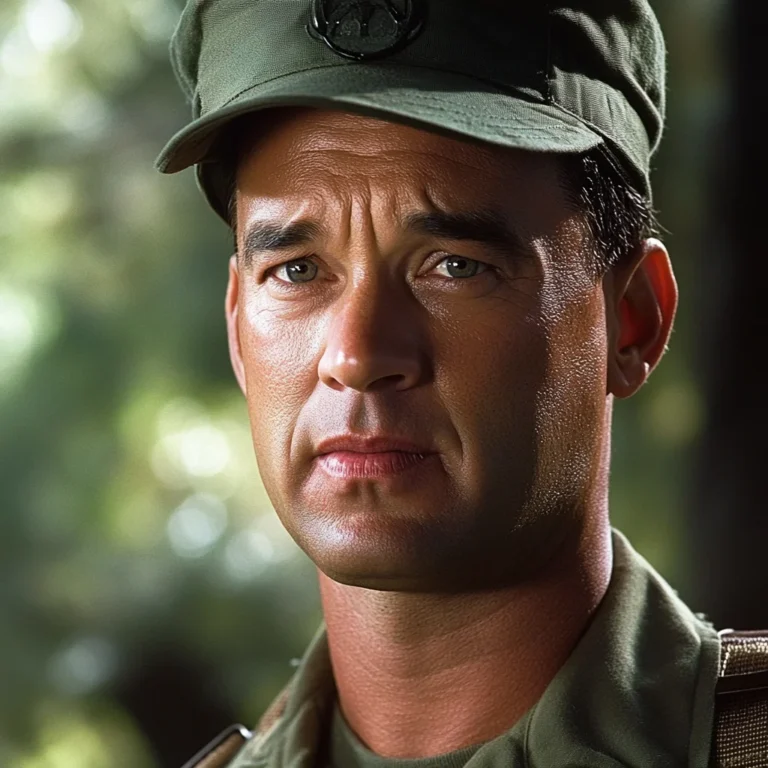
Forrest Gump remains one of the most beloved films in cinema history, but behind the scenes lies a treasure of surprising details. With its mix of humor, heart, and history, the movie captured the world’s imagination. Yet Forrest Gump hides quirky secrets, unexpected cameos, and unusual production choices that many fans have never heard about.
Forrest Gump
The film is based on Winston Groom’s 1986 novel, though many storylines were changed dramatically.
Tom Hanks agreed to take a share of the profits instead of a full salary, which proved highly lucrative.
Forrest’s iconic running scenes were partly performed by Tom Hanks’ younger brother, Jim.
Robin Wright filmed emotional moments during real illness, adding genuine depth to Jenny’s character.
Many extras in the Vietnam battle scenes were actual amputees wearing prosthetics for authenticity.
The bench from the film was placed in Savannah and became a tourist attraction.
Kurt Russell reportedly voiced Elvis during Forrest’s dance scene, though he received no official credit.
Haley Joel Osment, who played Forrest’s son, made his screen debut with this role.
Forrest Gump’s cross‑country run covered over 3,500 miles spread across multiple filming locations.
To save budget, Tom Hanks personally funded some filming of the running scenes.
The ping‑pong trick shots were computer‑generated because real play could not match the speed required.
Gary Sinise wore blue fabric on his legs during filming, which was digitally erased afterward.
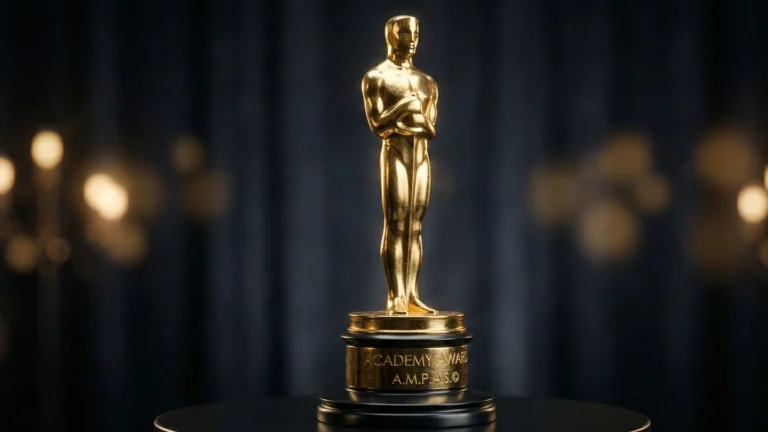
Forrest Gump won six Academy Awards including Best Picture, cementing its cultural legacy.
The shrimp company Bubba Gump became a global restaurant chain inspired directly by the movie.
The line “My name is Forrest Gump. People call me Forrest Gump” was improvised by Hanks.
How useful was this post?
Click on a star to rate it!
This AI-assisted post was rigorously curated and fact-checked for accuracy by:
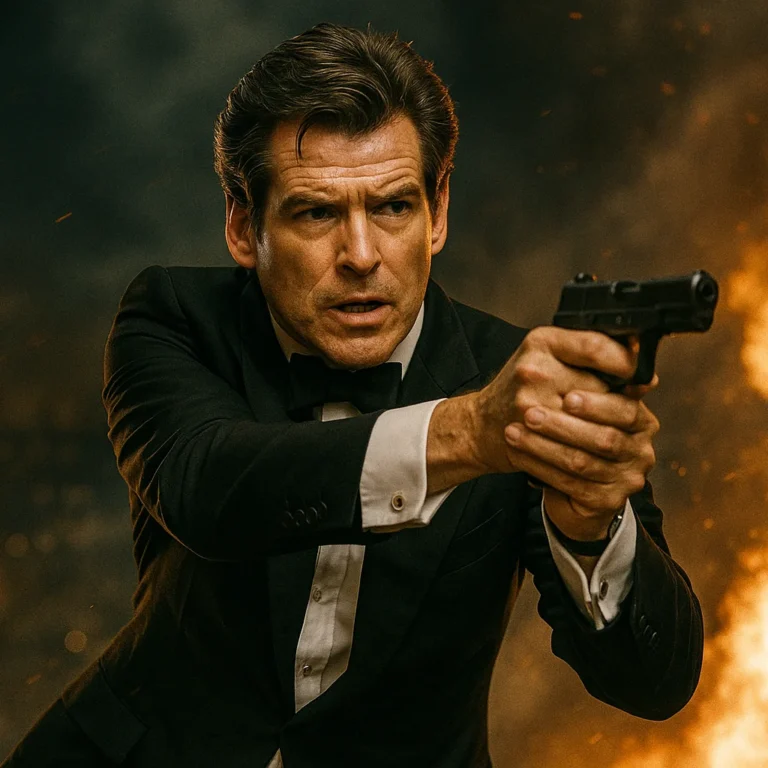
Pierce Brosnan redefined James Bond for the ‘90s and 2000s with charm, daring stunts, and lasting appeal. Explore fascinating insights into his career and life beyond 007.
Pierce Brosnan
Pierce Brosnan’s grandparents raised him after his mother left to work in England and his father left the household shortly after his birth.
Before becoming James Bond, Brosnan was a trained commercial illustrator and studied at the Drama Centre in London.
He rose to fame playing the title role in the TV series Remington Steele (1982–1987), which made him a household name in the United States.
Producers initially cast Brosnan as James Bond in the late 1980s, but he had to postpone because his contract with Remington Steele prevented him, so Timothy Dalton took the role instead.
He officially became James Bond in 1994, debuting with GoldenEye in 1995, which was the highest-grossing Bond film at that time.
Brosnan played James Bond in four films: GoldenEye, Tomorrow Never Dies, The World Is Not Enough, and Die Another Day.
He brought a suave and charming yet tough edge to Bond, revitalizing the character for a new generation.
Brosnan’s Bond used more gadgets than his predecessors, including a pen that could helicopter and an invisible car.
He gained a reputation for performing many of his own stunts during Bond films, enhancing the action scenes’ realism.
After the Bond series, Brosnan starred in diverse films such as Mamma Mia!, Percy Jackson & the Olympians, and The November Man.
He is an avid environmentalist and has campaigned for ocean conservation efforts globally.
Brosnan is also a painter, with his artworks exhibited in galleries.
He became a U.S. citizen in 2004, though he retains his Irish citizenship.
In 2003, Pierce Brosnan was appointed an Honorary Officer of the Order of the British Empire (OBE) for his contributions to film.
Brosnan remains one of the most beloved and recognizable James Bonds, helping keep the franchise thriving into the 21st century.
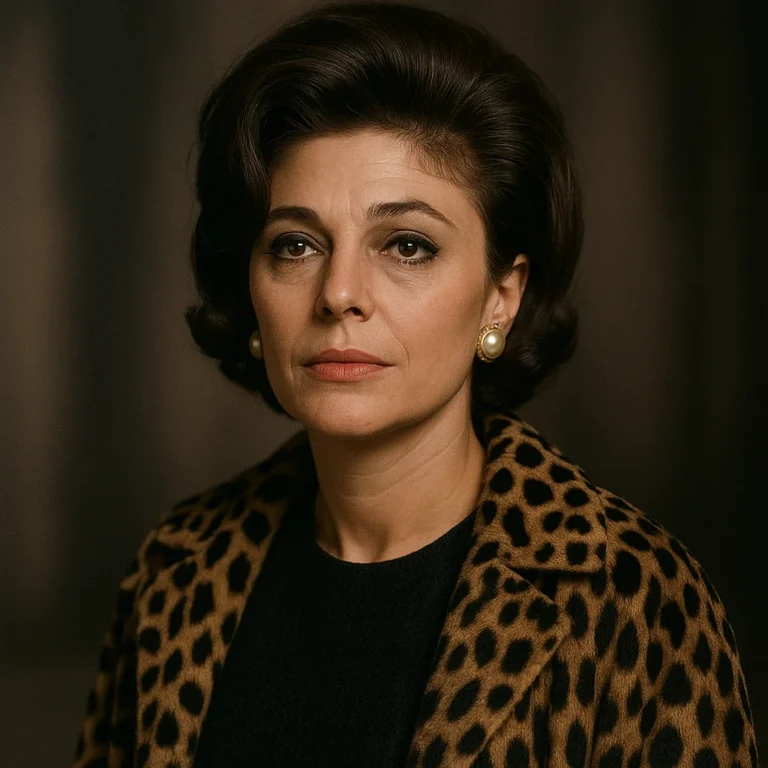
Anne Bancroft remains one of Hollywood’s most magnetic and complex actresses. While everyone remembers her for The Graduate, her artistry stretched far beyond that role. Behind the elegance and intensity were fascinating stories, personal quirks, and fearless choices that defined Anne Bancroft’s unforgettable career.
Anne Bancroft
Anne Bancroft was born Anna Maria Louisa Italiano, but she changed her name after a studio executive told her it sounded “too ethnic.”
She studied under Lee Strasberg at the Actors Studio in New York, where she developed her intense Method acting style.
Before Hollywood recognized her, Bancroft worked in television shows where she often performed live scenes without retakes.
She won an Academy Award for The Miracle Worker, yet she nearly turned down the role because she was exhausted from Broadway performances.
Anne Bancroft starred in The Graduate at only 35 years old, even though her co-star Dustin Hoffman was 29.
Despite her fame, she disliked being labeled a sex symbol and preferred complex, intelligent characters.
Mel Brooks first saw her on stage and fell in love instantly. They married in 1964 and stayed together for over 40 years.
She secretly wrote short stories and poems, and she once said writing gave her “a private world to breathe in.”
Anne Bancroft directed Fatso in 1980, making her one of the few women directors in Hollywood at the time.
She never watched The Graduate after its release because she felt uncomfortable seeing herself in such an iconic role.
Bancroft often carried a notebook filled with acting observations and personal reflections that inspired her future performances.
When filming The Elephant Man, Anne spent weeks studying hospital records to portray her character authentically.
She surprised fans when she performed a comedic role in Mel Brooks’s To Be or Not to Be, showing her playful side.
Anne Bancroft voiced her admiration for Meryl Streep, calling her “the actress who carries truth in every blink.”
Her final film appearance, in Heartbreakers, proved she could still captivate audiences with humor, charm, and precision after decades in the industry.