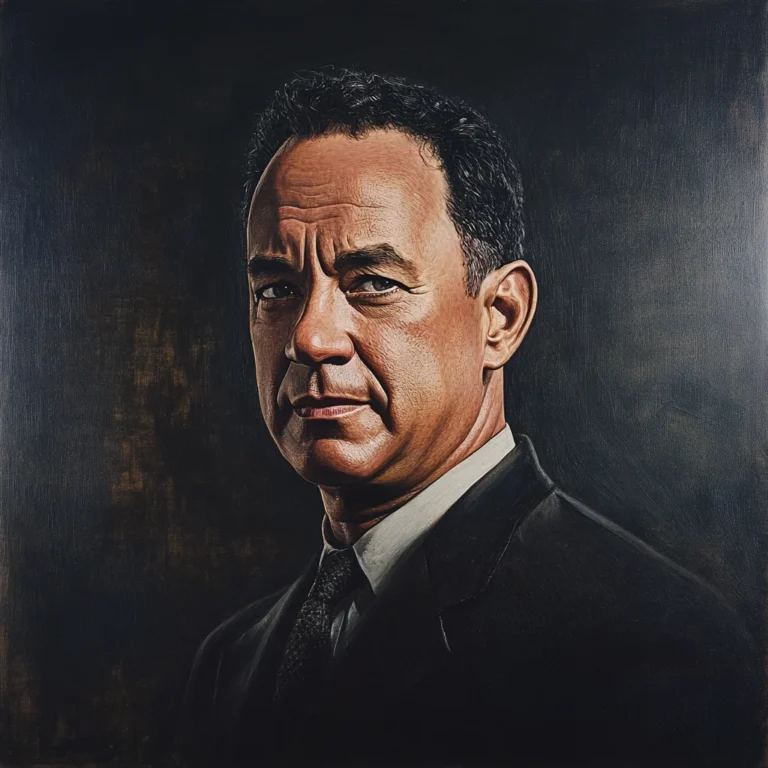
Tom Hanks captivates audiences worldwide with his versatile acting, iconic characters, and heartfelt storytelling. From comedic hits to dramatic masterpieces, he stands as one of Hollywood’s most respected figures. His achievements on screen and beyond reflect a remarkable career marked by dedication, talent, and cultural influence.
Tom Hanks
Tom Hanks was born on July 9, 1956, in Concord, California. His full name is Thomas Jeffrey Hanks.
He gained early fame with comedies like Splash (1984) and Big (1988), where he earned his first Oscar nomination.
Hanks won consecutive Academy Awards for Best Actor in Philadelphia (1993) and Forrest Gump (1994), a rare achievement.
Moreover, he voiced the beloved character Sheriff Woody in the Toy Story animated film series.
Hanks has collaborated with director Steven Spielberg on numerous projects, including Saving Private Ryan and Bridge of Spies.
His 1995 film Apollo 13 showcased his skill portraying real-life heroes, earning critical praise and multiple Oscar nominations.
Tom Hanks directed and starred in That Thing You Do! (1996), a tribute to 1960s pop music.
He is known for his friendly, approachable personality, often called “America’s Dad” by fans and media.
Hanks has received prestigious honors like the Kennedy Center Honor (2014) and the Presidential Medal of Freedom (2016).
In 2020, he won the Golden Globe Cecil B. DeMille Award for lifetime achievement in film.
He married actress Rita Wilson in 1988; they have shared a longtime partnership both personally and professionally.
Hanks is a typewriter enthusiast and a fan of model trains, showing passions outside of acting.
He tested positive for COVID-19 in early 2020 along with his wife while filming in Australia, bringing attention to the pandemic.
The actor is also an author, with several published works including novels and non-fiction.
Interestingly, an asteroid named “12818 Tomhanks” honors his cultural impact.
How useful was this post?
Click on a star to rate it!
This AI-assisted post was rigorously curated and fact-checked for accuracy by:
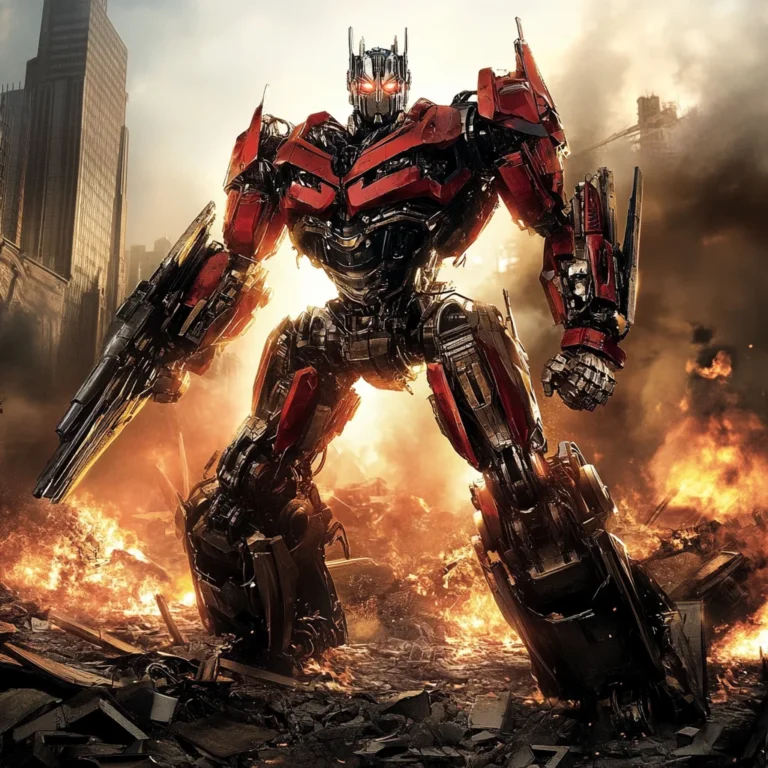
Director Michael Bay brought the beloved Saturday morning cartoons to life with explosive energy and groundbreaking visual effects. For over a decade, the franchise dominated the summer box office by pitting the heroic Autobots against the evil Decepticons. The production required unprecedented cooperation with the US military and pushed computer-generated imagery to its absolute breaking point. Furthermore, the series influenced car sales and pop culture worldwide. Prepare to roll out with these mechanical giants.
Transformers
Peter Cullen based the iconic voice of Optimus Prime on his own brother. His brother served as a Marine and told Peter to be “strong enough to be gentle” before the audition. Consequently, this specific tone defined the character for forty years across cartoons and live-action films.
Michael Bay changed Bumblebee from a Volkswagen Beetle to a Chevrolet Camaro. He felt the Beetle reminded audiences too much of Herbie the Love Bug and wanted something tougher. Thus, this decision modernized the character and significantly boosted sales for Chevy.
General Motors provided hundreds of vehicles for the production of Transformers. They even gave the filmmakers access to concept cars that the public had not seen yet. Therefore, the movie functioned as a massive, high-speed car commercial for the American automaker.
The writers changed Megatron’s alternate mode from a handgun to an alien jet. In the original cartoons, the villain shrank down into a pistol, which the directors deemed unrealistic for a live-action film. Consequently, they made him a terrifying alien tank and jet instead.
A single frame of the Driller robot in Dark of the Moon took 122 hours to render. The visual effects team at ILM had to push their computers to the limit to create the complex beast. As a result, the studio had to upgrade its entire render farm to finish the movie.
The Transformers production team destroyed over 500 cars during the filming of the third movie. They obtained flood-damaged vehicles from insurance companies specifically to wreck them in the final battle. Thus, they staged massive highway carnage without destroying usable cars.
Shia LaBeouf severely injured his hand in a real-life car accident during filming. The writers had to quickly rewrite the script for Revenge of the Fallen to explain his heavy bandage. Therefore, the character Sam Witwicky burns his hand in the movie to cover the actor’s actual injury.
The 2007 Writers Guild strike severely impacted the second Transformers film. Michael Bay claimed he wrote the action sequences himself on a notepad because he had no script to work with. Consequently, critics often cite this lack of a screenplay as the reason for the movie’s chaotic plot.
Linkin Park played a huge role in the sonic identity of the franchise. The band contributed songs to the first three films, including the hit “New Divide.” Furthermore, they worked closely with composer Hans Zimmer to blend their rock sound with the orchestral score.
The Department of Defense gave the production unprecedented access to military hardware. They allowed the crew to film F-22 Raptors and used actual soldiers as extras in the desert scenes. As a result, the films feature some of the most authentic military depictions in Hollywood history.
The sheer processing load melted a computer while rendering the robot Devastator. The constructicon was so complex that the hardware physically failed under the stress. Thus, the artists created one of the most complicated CGI models in cinema history.
Hugo Weaving voiced Megatron in the first three films but never met Michael Bay. He recorded his lines in Australia and later admitted he did not care much for the role. Consequently, Frank Welker, the original cartoon voice, took over for the later films.
Age of Extinction targeted the Chinese market specifically. The studio filmed large portions of the finale in Hong Kong and included Chinese product placement throughout the story. Therefore, it became the highest-grossing film in China at the time of its release.
Transformers filmmakers used sound clips to create Bumblebee’s radio voice. Since the character lost his voice box, he communicates by scanning radio frequencies for song lyrics. Interestingly, this limitation made him the most expressive and lovable character in the series.
Finally, the actors often screamed at tennis balls on sticks. Since the robots are entirely CGI, the cast had to pretend to see giant aliens during filming. Thus, their ability to sell the fear and awe sold the illusion to the audience.
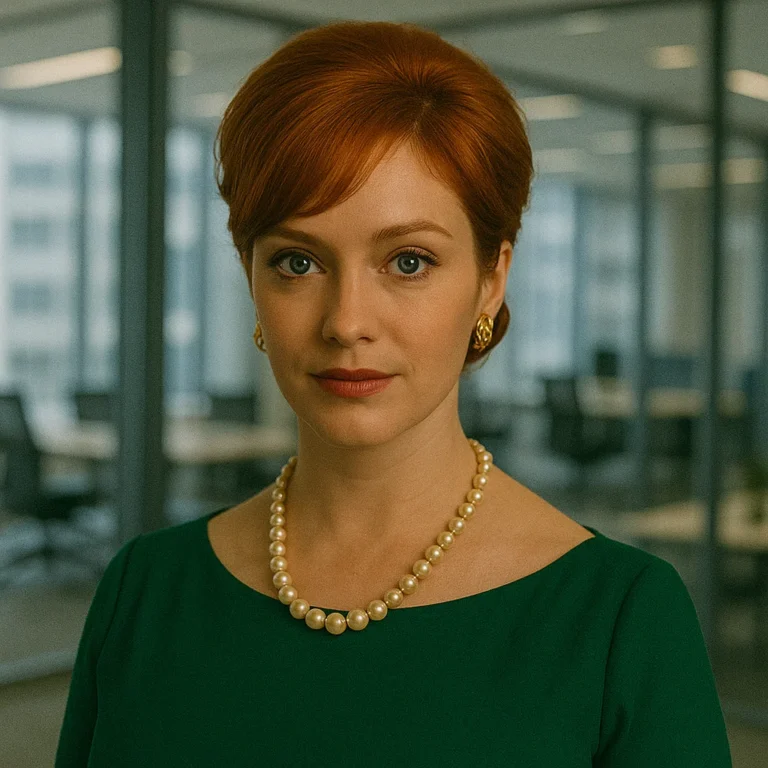
Christina Hendricks commanded the screen as Joan Holloway in the hit series Mad Men. Her sharp wit and classic style made her an instant icon of sixties fashion. However, she struggled for years in Hollywood before landing her breakout role. Surprisingly, she worked as a model and a music video actress while waiting for her big chance. Today, she continues to dazzle audiences with her range in both comedy and drama. Prepare to meet the woman behind the red lipstick.
Christina HeChristina Hendricksndricks
Christina Hendricks served as the hand model for the American Beauty poster. She held the rose on the iconic stomach image. Therefore, her hand became famous long before her face did.
Naturally, she is actually a blonde, not a redhead. She began dyeing her hair at age ten after reading Anne of Green Gables. Consequently, she kept the fiery look for her entire career.
She plays the accordion in real life. The writers of Mad Men added this skill to her character, Joan. Thus, she performed the French song “C’est Magnifique” herself on the show.
Christina Hendricks went through a heavy goth phase in high school. She dyed her hair black and purple while wearing leather jackets. Unfortunately, other students bullied her relentlessly for her alternative style.
She holds dual citizenship in the United States and the United Kingdom. Her father came from England, which gave her this status. Therefore, she feels a strong connection to British culture.
Professionally, she worked as a shampoo girl before she became a model. She washed hair in a salon during her teenage years. Eventually, she entered a cover contest for Seventeen magazine that launched her career.
She voiced the villain Gabby Gabby in Toy Story 4. Pixar cast her because they wanted a voice that sounded welcoming yet creepy. Thus, she brought the vintage doll character to life perfectly.
Christina Hendricks starred in the music video for “One Hit Wonder” by Everclear. She appeared as a game show contestant in the nineties clip. Consequently, rock fans recognized her long before she reached prime time.
She loves to knit on movie sets to pass the time. In fact, she often brings her needles and yarn to her trailer. This hobby helps her relax between intense scenes.
Interestingly, she was voted “Sexiest Woman Alive” by Esquire magazine. The publication gave her the title in 2010 after a reader poll. However, she always focused more on her acting skills than her looks.
She played a con artist named Saffron in the sci-fi show Firefly. Fans loved her performance as the deceptive wife of Captain Mal. Therefore, the character returned for another episode due to popular demand.
Originally, her agency dropped her for taking the Mad Men role. They claimed a period piece about an ad agency would never succeed. Luckily, Christina Hendricks ignored their bad advice and took the job anyway.
She keeps a fully stocked bar in her home. She appreciates fine scotch and whiskey. Furthermore, she even served as a brand ambassador for Johnnie Walker.
She acted as a judge in the architecture movie The Neon Demon. She played a modeling agent who ruthlessly judged young girls. Thus, she channeled her own early experiences in the fashion industry.
Finally, she possesses a massive collection of hats. She loves to wear vintage headwear in her daily life. Consequently, her personal style often reflects the classic eras she portrays on screen.