
The Rubber-Faced Virtuoso: 15 Fascinating Facts About Jim Carrey
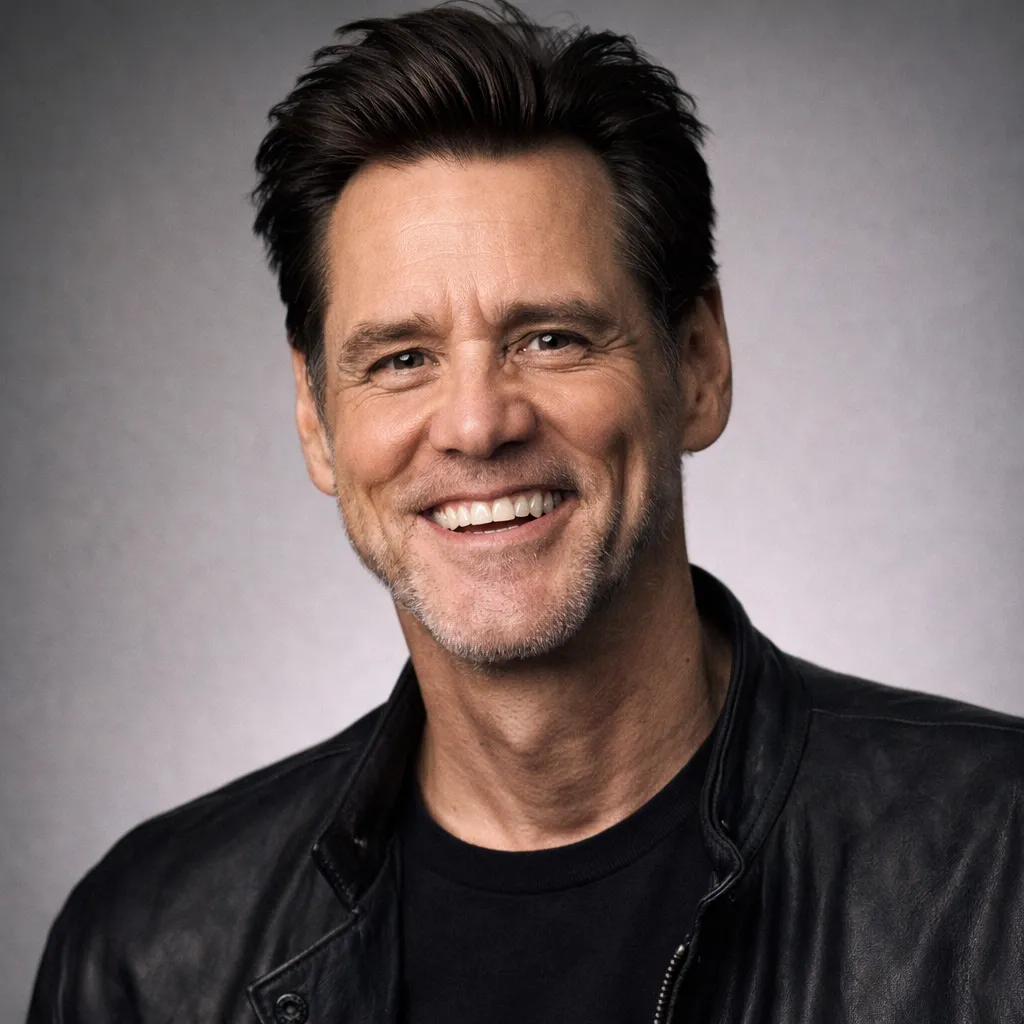
From sleeping in a Volkswagen van during a teenage period of homelessness to becoming the first actor in Hollywood history to command a $20 million paycheck, Jim Carrey's rise to stardom is one of cinema's most compelling stories. Behind his iconic physical comedy and energetic performances lies an intriguing life filled with surreal moments, from pen-pal letters with Tupac Shakur to endurance training with a CIA specialist. Here are 15 unbelievable facts about the legendary actor, comedian, and artist.
1. The Ten-Million-Dollar Check Written to Himself
Before achieving international fame, Jim Carrey used a vivid visualization technique to keep his acting dreams alive. In 1990, broke and struggling in Los Angeles, he wrote himself a check for ten million dollars for "acting services rendered" and post-dated it for Thanksgiving 1995. He carried the deteriorating paper in his wallet as a daily reminder of his personal ambition and drive. Right around Thanksgiving 1995, Carrey discovered that his record-breaking salary for Dumb and Dumber matched that exact figure. When his beloved father passed away in 1994, Carrey placed the famous check into his father's pocket to lie with him forever.
2. Surviving Homelessness in a Yellow Volkswagen Van
Long before living in luxury mansions, Jim Carrey experienced extreme financial hardship during his early teenage years in Canada. After his father lost his accounting job, the entire family fell into sudden impoverishment and lost their home. To survive, the family lived out of a yellow Volkswagen camper van parked on various relatives' properties and campsites across Ontario. Carrey has spoken openly about how this tumultuous period fostered deep resentment before he learned to transform his anger into comedy. The experience profoundly shaped his work ethic and fueled his relentless drive to achieve financial stability.
3. Dropping Out at Sixteen for Janitorial Shifts
The family's dire financial situation forced Jim Carrey to make immense personal sacrifices during his high school years. At age sixteen, he dropped out of school entirely to work eight-hour evening shifts as a janitor and security guard at a tire factory in Scarborough. His entire family worked at the facility to pay off living expenses, leaving Carrey exhausted during what should have been his formative teenage years. The grueling manual labor made him bitter, but it also solidified his determination to make a living through stand-up comedy. Once his family was able to leave those jobs, Carrey immediately plunged full-time into the Toronto comedy scene.
4. The Sentimental Origins of The Mask's Yellow Suit
The iconic bright yellow suit worn by Carrey in the 1994 blockbuster The Mask was actually a touching homage to his family's history. When Carrey was first starting out as a stand-up comedian in Canada, his mother lovingly stitched together a yellow polyester zoot suit for his stage performances. She believed the vibrant color made her son stand out under the harsh club lighting and projected confidence. When production began on The Mask, Carrey specifically requested that his character wear an identical yellow suit during the film's climax. The wardrobe choice served as a silent tribute to his mother's early support and belief in his talent.
5. A Surprising Prison Correspondence with Tupac Shakur
During the mid-1990s, Jim Carrey forged an unexpected and heartfelt connection with legendary hip-hop artist Tupac Shakur. When Shakur was serving a prison sentence at the Clinton Correctional Facility in 1995, Carrey began writing him funny, encouraging letters. Having learned that Shakur was a fan of his slapstick comedy, Carrey sent routine correspondence specifically designed to make the rapper laugh and lift his spirits during hard times. Shakur greatly appreciated the gesture, noting that Carrey's humor provided a rare moment of levity during a dark chapter of his life. The unusual friendship remained a point of mutual respect between two cultural icons of the decade.
6. Shattering Hollywood Salary Records with The Cable Guy
In 1996, Jim Carrey shattered long-standing Hollywood economics by becoming the first actor ever paid $20 million upfront for a single film. Sony Pictures paid the staggering sum for Carrey to star in the dark comedy The Cable Guy, forever altering salary expectations for A-list talent. Industry insiders were initially stunned by the unprecedented paycheck, debating whether any single star could justify such an immense expenditure. However, coming off a string of massive hits like Ace Ventura, The Mask, and Dumb and Dumber, Carrey proved his unmatched box-office drawing power. The deal set a benchmark that redefined contract negotiations across the entire entertainment industry for years to come.
7. Enduring CIA Torture Techniques for The Grinch
Transforming into the green titular character for How the Grinch Stole Christmas was so physically agonizing that Carrey nearly quit the project. The full-body foam latex suit and tight facial prosthetics took over eight hours to apply each day and caused extreme claustrophobia. To help Carrey cope with the intense daily physical distress, producer Brian Grazer hired a specialist who trained CIA operatives to endure interrogation and torture. The specialist taught Carrey coping mechanisms like heavy smoking, punching himself in the leg, and constant television distractions to withstand the application process. Carrey endured the grueling procedure 92 times during filming, ultimately delivering a classic holiday performance.
8. Extreme Method Acting on the Set of Man on the Moon
When portraying his comedy idol Andy Kaufman in the 1999 biopic Man on the Moon, Jim Carrey took method acting to incredible extremes. Carrey refused to answer to his own name on set, demanding that everyone address him exclusively as Andy Kaufman or Kaufman's obnoxious lounge-singer alter ego, Tony Clifton. The immersive commitment created tremendous friction among the cast and crew, as Carrey remained in character even when the cameras stopped rolling. Director Miloš Forman was forced to deal with the chaotic off-camera antics, which were documented in detail by a behind-the-scenes film crew. This footage was suppressed for years before finally being released in the 2017 documentary Jim & Andy: The Great Beyond.
9. Rejected Twice by Saturday Night Live
Despite becoming one of the most celebrated comedic performers of his generation, Saturday Night Live famously passed on Jim Carrey twice. Carrey auditioned for the iconic sketch comedy show during its 1980–1981 season overhaul, but executive producer Jean Doumanian selected other performers instead. He auditioned a second time years later, only to be turned down again by the show's talent scouts. Rather than derailing his career, the rejection pushed Carrey toward Fox's rival sketch show In Living Color, where his fearless physical humor made him a breakout star. Carrey eventually returned to SNL as a triumphant guest host in 1996, 2011, and 2014.
10. A Second Career as a Prolific Fine Artist
Beyond his legendary work in cinema, Jim Carrey is an accomplished, deeply passionate visual artist who spends long hours in his studio. In the 2010s, Carrey retreated heavily from public life to immerse himself in painting, sculpting, and mixed-media political cartooning. His studio in New York is filled with massive, vibrant canvases that explore complex emotional, spiritual, and social themes. Carrey has described painting as a vital emotional outlet that allows him to process personal pain and express thoughts that words cannot convey. In 2017, he released a short documentary titled I Needed Color, showcasing his striking artwork to critical acclaim.
11. Authoring a Philosophical Children's Book
In 2013, Jim Carrey expanded his creative portfolio into literature by publishing a children's book titled How Roland Rolls. The story follows a small ocean wave named Roland who fears what will happen to him when he hits the shore and his life ends. Through his journey, Roland discovers that he is not just an isolated wave, but an integral part of the vast ocean itself. The illustrated book explores heavy existential themes of interconnectedness, consciousness, and death in a gentle, child-friendly format. Carrey wrote the book specifically to help children navigate deep questions about existence and emotional safety.
12. Honored on an Official Canadian Postage Stamp
In 2014, Canada Post honored Jim Carrey by featuring his portrait on a limited-edition domestic postage stamp. The commemorative issue celebrated Carrey alongside four other legendary Canadian comedians, including Mike Myers, Catherine O'Hara, Martin Short, and Olivier Guimond. The stamp featured an illustration of Carrey's expressive face alongside images of his famous cinematic roles. Carrey expressed deep pride at receiving the national tribute, reflecting on his journey from a struggling youth in Ontario to a recognized Canadian cultural ambassador. The honor highlighted his permanent legacy as one of Canada's greatest artistic exports.
13. Navigating Mental Health Without Medication
Jim Carrey has been candid throughout his career about his long struggle with clinical depression and his journey toward recovery. For many years, he relied on prescription antidepressants to manage his symptoms, but he eventually decided to discontinue all psychiatric medication. Carrey adopted a holistic lifestyle, cutting out alcohol, caffeine, and drugs while embracing spiritual exploration and creative expression. He has publicly discussed how shifting his perspective on ego and identity helped him overcome dark emotional periods. Today, Carrey maintains his mental balance through art, meditation, and a minimalist approach to fame.
14. Holding Dual Citizenship with Canada and America
Though Jim Carrey spent the first two decades of his life as a Canadian citizen, he officially became a United States citizen in October 2004. Carrey applied for American citizenship after living and working in the country for more than twenty years, taking his oath in Los Angeles. However, he made a point of retaining his Canadian status, holding dual citizenship proudly ever since. He frequently speaks fondly of his Canadian upbringing and credits the country's cultural identity with shaping his unique style of humor. Carrey has stated that maintaining his dual status allows him to honor both his roots and the country that enabled his success.
15. Announcing His Eventual Retirement from Acting
While promoting Sonic the Hedgehog 2 in 2022, Jim Carrey stunned fans by announcing his intention to retire from acting. Carrey stated that he felt he had "done enough" in his cinematic career and possessed everything he needed for a peaceful, fulfilling life. He clarified that he might consider returning for an exceptionally important script, but expressed a desire to focus on his art and spiritual journey instead. After decades in the spotlight, Carrey voiced a preference for quiet living over the relentless pace of Hollywood production. His comments signaled a shift toward enjoying his legacy rather than continuing to seek the limelight.
Sources & References
This AI-assisted post was rigorously curated and fact-checked for accuracy by:
 Martin Roháček
How fun was this article? 🤔
Tap a star to rate it
🧠 Quiz: How closely were you paying attention?
10 questions — all answers are in the article above!
Enjoyed these facts? There's more! 💌
Fresh fun facts in your inbox. No spam, ever.