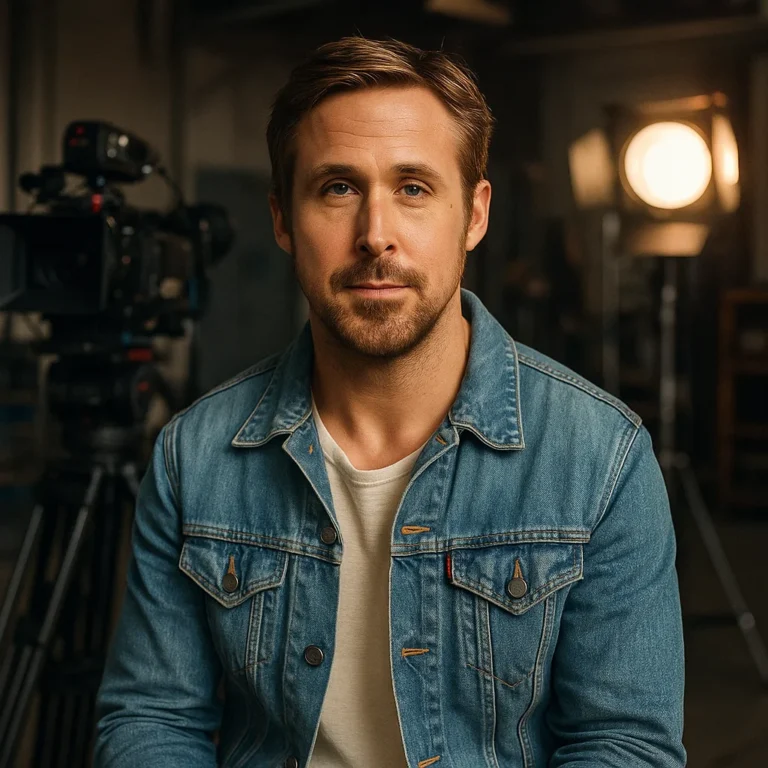
Ryan Gosling’s path to fame includes surprising struggles, creative risks, and heartfelt dedication. From his humble childhood to musical skills and unforgettable roles, discover little-known facts that make him one of Hollywood’s most intriguing actors.
Ryan GoslingRyan Gosling
Ryan Gosling was the only Mickey Mouse Club cast member who lived in a trailer park during filming, far away from other Mouseketeers.
He was home-schooled by his mother after facing constant bullying at elementary school.
Gosling built the kitchen table featured in The Notebook himself to prepare for his role as Noah.
He learned to play the piano in just a few months to authentically perform his La La Land scenes.
Ryan once gained 60 pounds for the film The Lovely Bones by eating melted ice cream, but was ultimately fired over creative differences.
After The Notebook, he briefly worked in a deli, wanting to experience a “real” job outside Hollywood.
He co-founded a Moroccan restaurant called Tagine in Los Angeles, though it later went bankrupt.
Gosling’s breakthrough indie film role was as a Jewish neo-Nazi in The Believer (2001), which challenged early fans’ expectations.
He does not have an entourage and prefers solitude when not working, embracing a rather private lifestyle.
Ryan is a talented musician; besides piano, he also played drums and guitar in his band Dead Man’s Bones.
The viral “Ryan Gosling Won’t Eat His Cereal” videos were tributes by a fan who died young; Gosling honored him with his own video.
He is one of the few actors to receive multiple Academy Award nominations before turning 40.
Gosling originally auditioned for the role of James Kirk in Star Trek but was considered too tall at 6’3”.
Before acting, he worked with his Elvis impersonator uncle, even performing at local events.
Despite fame, Gosling prioritizes family life, balancing acting with being a dedicated husband and father.
How useful was this post?
Click on a star to rate it!
This AI-assisted post was rigorously curated and fact-checked for accuracy by:
Bella Ramsey burst onto the screen with a ferocity that stunned audiences worldwide. While fans know the actor best for playing tough, no-nonsense characters like Lyanna Mormont and Ellie Williams, the real person behind the roles is surprisingly gentle and musical. In fact, Ramsey almost quit acting entirely before landing the role of a lifetime in The Last of Us. Furthermore, the star learned a perfect American accent not from a coach, but from watching cursing swear words. Prepare to survive the apocalypse with the new face of Hollywood.
Bella Ramsey
Bella Ramsey started acting as a hobby at age four. The star joined a local theater group simply for fun and never attended a formal drama school. Consequently, the raw, natural talent seen on screen comes from instinct rather than years of classical training.
The role of Lyanna Mormont in Game of Thrones was only supposed to be one scene. The script initially called for a brief appearance, but the producers were so impressed by the performance that they kept writing the character into future seasons.
Ramsey wore a chest binder for nearly ninety percent of filming The Last of Us. As a non-binary actor, Ramsey found that binding helped with focus and comfort on set. This allowed for a better connection with the character of Ellie.
The actor learned the American accent by swearing. To prepare for the role of Ellie, Ramsey practiced a catalog of American curse words. The specific cadence and emphasis of swearing helped unlock the rest of the dialect.
Bella Ramsey plays the guitar and sings. The actor often posts covers of songs on social media and even wrote a song for the movie Catherine Called Birdy. This musical talent added a layer of depth to the character of Ellie in the second season.
The star is vegan and passionate about animal rights. Ramsey often advocates for veganism and environmental causes during interviews. This lifestyle choice reflects a deep personal commitment to compassion for all living beings.
Ramsey almost rejected the role of Ellie because of fame. After the overwhelming attention from Game of Thrones, the actor feared losing anonymity. Fortunately, the decision was made to accept the part despite the fear of becoming a global superstar.
The actor struck up a real-life friendship with co-star Pedro Pascal. Their bond on set mirrored the father-daughter dynamic of their characters. They often joked around between takes, creating the genuine chemistry that fans loved.
Bella Ramsey voiced the title character in Hilda. The animated Netflix series features the actor as a fearless, blue-haired adventurer. This voice role allowed Ramsey to explore a softer, more whimsical side of acting.
The star admitted to being gender fluid. Ramsey has stated that gender has never been something that felt particularly important or fixed. Consequently, the actor uses they/them pronouns but does not mind she/her in certain contexts.
Ramsey had to cut off over ten inches of hair for The Last of Us. To transform into the rugged survivor Ellie, the long locks were chopped into a shorter, messier style. This physical change helped separate the actor from previous period drama roles.
The actor learned sign language for a role. In The Last of Us, the character encounters a deaf community, requiring Ramsey to learn American Sign Language. This added another layer of authenticity to the performance.
Bella Ramsey loves writing screenplays. In addition to acting, the star spends free time writing scripts and stories. This passion for storytelling extends beyond just performing lines written by others.
The producers of The Last of Us told Ramsey not to play the video game. They wanted a fresh interpretation of Ellie rather than a copy of the digital character. However, Ramsey watched gameplay clips on YouTube to understand the essence of the world.
Finally, Ramsey is a devout Christian. The actor has spoken openly about faith and how it provided a grounding force during struggles with mental health. This spiritual foundation remains a quiet but essential part of life.
Audiences know Elisabeth Moss for her intense dramatic roles in hit shows. However, her background is surprisingly cheerful and unique. For instance, she originally trained to become a professional ballet dancer. Furthermore, she started acting before she could even read scripts properly. Consequently, her career path is full of hidden surprises. Therefore, dig into these secrets about the queen of peak TV. You will see her differently.
Elisabeth Moss
Elisabeth Moss started acting at a very young age. Specifically, she voiced a character in the cartoon Frosty Returns at age ten.
She originally wanted to be a ballerina. In fact, she moved to New York specifically to study ballet at the School of American Ballet.
Surprisingly, she graduated high school two years early. Because she was home-schooled, she finished her studies at age sixteen.
Elisabeth Moss kept a prop from Mad Men. She took the thermos that her character Peggy Olson used frequently.
Her marriage was incredibly short and chaotic. She married comedian Fred Armisen, but they separated after only eight months.
She is a powerhouse producer today. Currently, Elisabeth Moss produces The Handmaid’s Tale and has significant creative control.
She played the president’s daughter on The West Wing. Uniquely, she landed this recurring role when she was only seventeen.
Although she plays Americans, she holds dual citizenship. Because her father is British, she owns a UK passport.
She is a massive sports fan. Specifically, Elisabeth Moss loves the Chicago Cubs and attends their games often.
She directs episodes of her own shows. For instance, she directed several intense episodes of The Handmaid’s Tale herself.
She filmed The Invisible Man with no co-star. Instead, she acted against a green man or empty space.
Elisabeth Moss was raised in the Church of Scientology. Consequently, she defends the religion in interviews despite public controversy.
She loves horror movies deeply. Therefore, starring in Us and The Invisible Man was a dream come true.
She rarely takes breaks between projects. Colleagues often describe her as the hardest-working person on any film set.
Finally, Elisabeth Moss makes history often. She won two Emmys in the same year for acting and producing.