The Shawshank Redemption has captivated audiences for decades, yet many hidden details escape even devoted fans. From on-set secrets to unusual casting decisions, these lesser-known insights reveal the fascinating layers behind the beloved prison drama.
Shawshank Redemption
The film is based on Stephen King’s novella “Rita Hayworth and Shawshank Redemption.”
King sold the rights for just one dollar, a common gesture for projects he believed in.
The oak tree from the final scene became a popular tourist spot in Ohio until a storm damaged it.
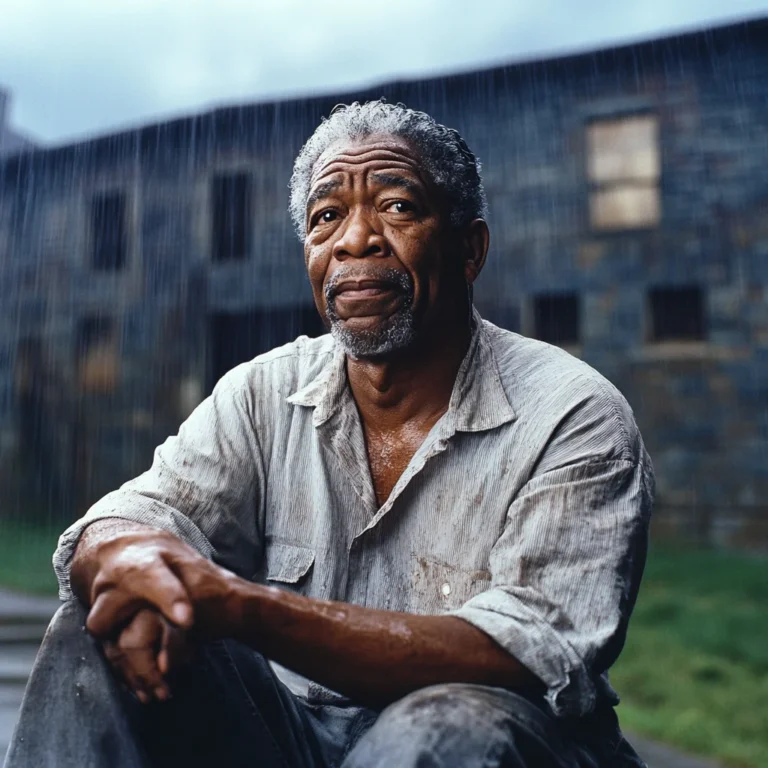
Morgan Freeman recorded his narration before filming ended to guide the movie’s tone.
Tim Robbins learned how to play chess for his role as Andy Dufresne.
The prison library scenes feature real books, not props.
Director Frank Darabont insisted on real maggots for the scene with Brooks’ bird, Jake.
Freeman injured his arm during the baseball scene, which took nine hours to shoot.
The role of Red was originally written for a white Irishman, but Freeman’s audition won everyone over.
Rain for the escape scene was a mixture of water and cocoa powder to enhance the look on camera.
The filming location, Ohio State Reformatory, is now a museum and haunted attraction.
The opening courtroom scene took just one day to film.
Darabont fought to keep the ending with Red finding Andy on the beach.
Thomas Newman’s score helped the film gain emotional depth, despite initial studio doubts.
The movie earned seven Oscar nominations but no wins, yet it later became IMDb’s top-rated film.
How useful was this post?
Click on a star to rate it!
This AI-assisted post was rigorously curated and fact-checked for accuracy by:
Indiana Jones, the legendary archaeologist, thrills fans with globe-trotting adventures, iconic style, and unexpected twists. Since his debut, Indiana Jones has redefined the action hero, influencing pop culture and inspiring real-life explorers. Discover what truly sets Indiana Jones apart from every other cinema legend.
Indiana Jones
Indiana Jones sprang from a creative conversation between George Lucas and Steven Spielberg, aiming for a new kind of movie hero.
The character’s full name is Dr. Henry Walton Jones, Jr., but everyone knows him as “Indy” or “Indiana Jones”.
Lucas named Indiana after his own dog. Spielberg’s dog inspired the name of Willie Scott, Indy’s love interest in Temple of Doom.
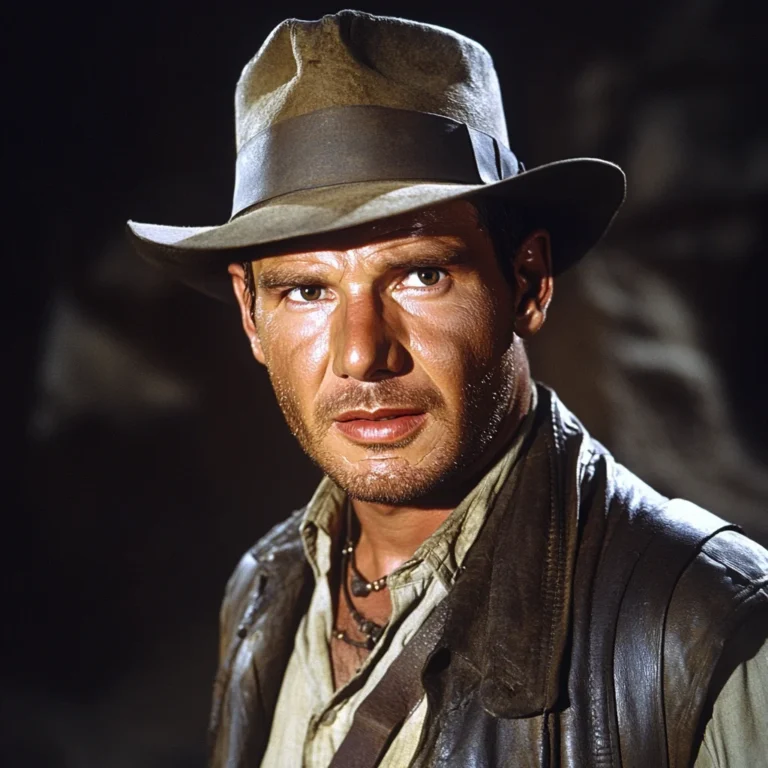
Tom Selleck was originally cast as Indiana Jones, but TV commitments meant Harrison Ford got the iconic role instead.
Indy’s iconic fedora, whip, and leather jacket became some of cinema’s most recognized costume elements.
Beneath his fearless persona, Indiana secretly hates snakes—a trait established in the legendary Well of Souls scene with thousands of live snakes.
Set designers sometimes had to use rubber hoses when real snakes ran out, making the pit even more crowded.
The famous scene where Indy shoots a swordsman in Raiders of the Lost Ark was improvised by Ford due to illness on set.
In Temple of Doom, Club Obi-Wan is a clever Easter egg, referencing Star Wars, another Lucas creation.
Indy’s satchel is actually a World War II-era gas mask bag, adding a touch of real history to his look.
Harrison Ford taught Ke Huy Quan (Short Round) to swim during their downtime while filming in Sri Lanka.
In The Last Crusade, the production bred over 2,000 rats for the underground Venice scenes, ensuring safety for the cast.
Indy’s adventures have won multiple Oscars, celebrating achievements in sound, visual effects, and editing over the years.
Raiders of the Lost Ark’s epic boulder chase required Ford to run from the rolling prop at least ten times for different camera angles.
Indiana Jones inspired countless real-life archaeologists.
Inception, directed by Christopher Nolan, revolutionized the thriller genre with its complex dream layers and stunning visuals. Beneath the blockbuster’s fame lie captivating secrets and lesser-known details that enrich the story and production. Dive into the hidden gems behind Inception’s mind-bending narrative and groundbreaki
Inception
The film was initially conceived as a horror movie before evolving into a heist thriller, showcasing Nolan’s creative flexibility.
Ariadne’s character has a name after a figure in Greek mythology who helped Theseus escape the labyrinth, symbolizing her role as guide through dreams.
The crew filmed Joseph Gordon-Levitt’s famous zero-gravity hallway fight using a full 360-degree rotating set, without a green screen.
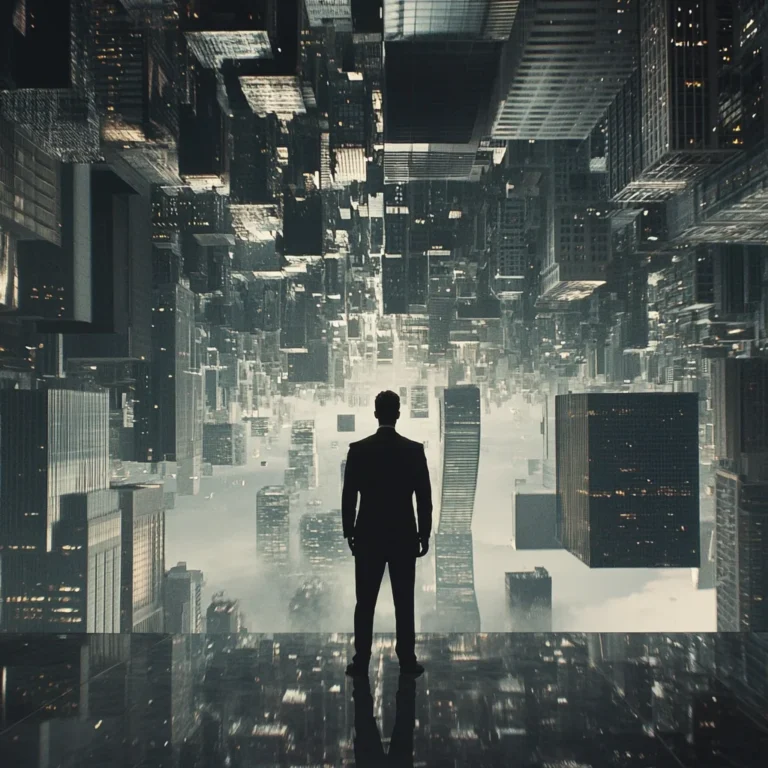
The “impossible” Penrose staircase in the film is based on a real 1960s print by M.C. Escher and achieved through clever camera angles.
Each main character represents a role in a filmmaking crew: Cobb as director, Arthur as producer, Ariadne as production designer, and Eames as actor.
Over 500 crew members worked tirelessly to create the iconic rotating hallway scene, which took three weeks to shoot.
The film’s soundtrack features the song “Non, Je Ne Regrette Rien” by Édith Piaf, slowed down to synchronize with the dream layers’ unique time dilation.
Leonardo DiCaprio found the chase scene in Morocco physically the toughest, having to dodge crowds and obstacles during intense filming.
The team used subtle details like license plates reading “The Alternate State” to cue viewers that certain sequences were dream layers.
Nolan wrote the script on spec to maintain creative control, completing the first draft alone before studio involvement.
Real sets physically tilted and rotated while filming, requiring actors to hold on tightly to avoid sliding off during shooting.
The safe code “528491” appears repeatedly as an Easter egg, tying the complex story elements together visually.
The “kick” sequence includes multiple synchronized actions to wake dreamers simultaneously, showing intricate planning behind the scenes.
The final spinning top scene remains deliberately ambiguous, fueling years of debate about Cobb’s reality versus his dreams.
Hans Zimmer infused the score with unique guitar sounds influenced by Ennio Morricone, adding to the film’s unforgettable atmosphere.