The Versatile Action Star: 15 Fascinating Facts About Kate Beckinsale
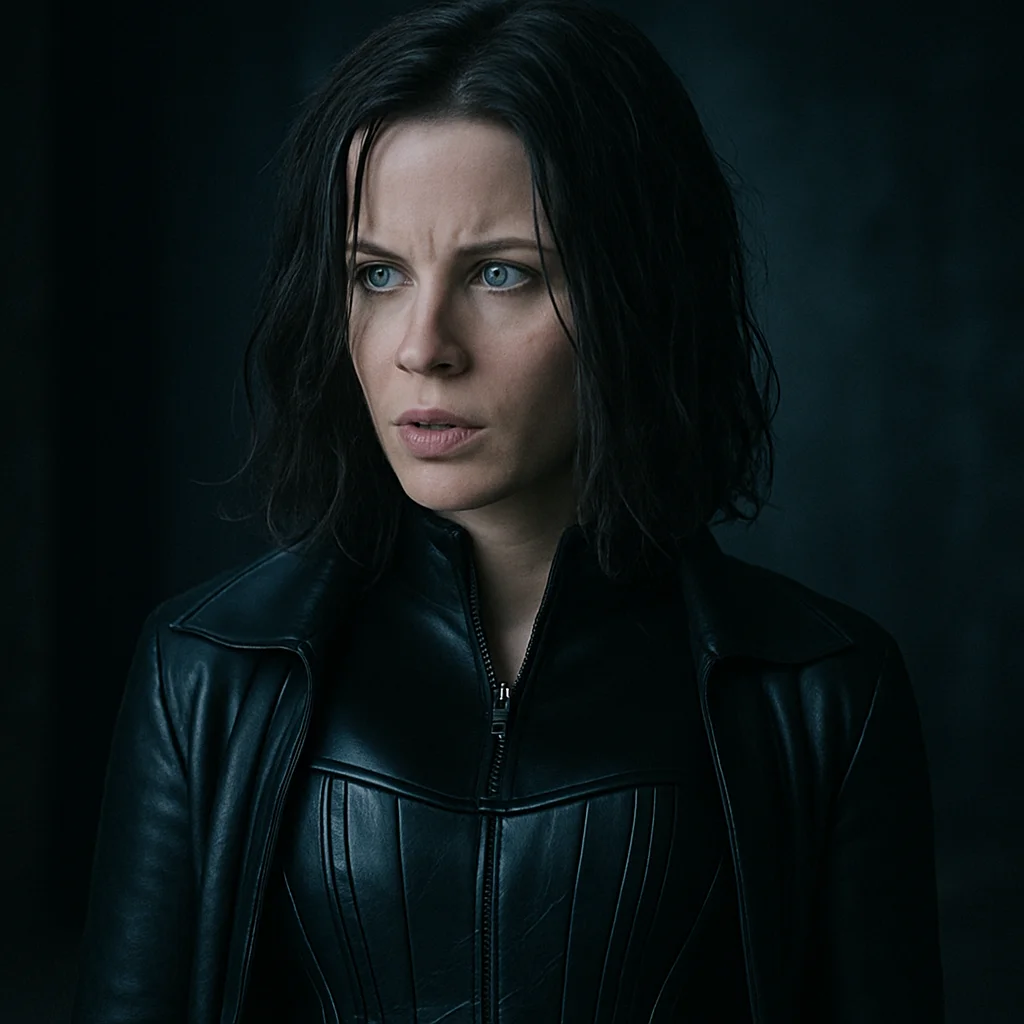
Kate Beckinsale has spent decades captivating audiences around the globe, transitioning seamlessly from classical Shakespearean adaptations to leather-clad action cinema and razor-sharp period comedies. Born into a prominent British acting family, she weathered tragic childhood loss and severe teenage health battles before rising to fame while studying modern languages at Oxford. Known as much for her razor-sharp wit and literature background as her iconic role as Selene in the Underworld franchise, Beckinsale remains one of Hollywood's most versatile talents. Here are 15 fascinating facts about the life, career, and unexpected talents of Kate Beckinsale.
1. Born into British Television Royalty
Kate Beckinsale was born into a prominent English acting dynasty that made her a familiar name in Britain long before her own stardom. Her father, Richard Beckinsale, was one of the UK's most beloved sitcom stars, famous for his iconic roles in classic comedy series like Porridge and Rising Damp. Her mother, Judy Loe, is an accomplished television and stage actress who has appeared in numerous British medical dramas and series. Growing up surrounded by scripts, stage sets, and industry professionals gave Beckinsale a unique perspective on performance from an early age. Although her father's early death cast a long shadow over her childhood, she inherited his comedic timing and screen presence.
2. She Made Her Screen Debut at Age Three
Long before landing major Hollywood roles, Beckinsale had her very first screen appearance as a toddler. At just three years old, she featured alongside her mother in a 1977 episode of the classic British biographical show This Is Your Life. The episode was dedicated to her father, Richard Beckinsale, who was being honored by host Eamonn Andrews. Seeing her childhood captured on film established an early comfort with camera crews that followed her into adulthood. While most three-year-olds are learning basic vocabulary, Beckinsale was already making national television appearances.
3. She Won National Writing Awards as a Teenager
Before committing fully to an acting career, Beckinsale displayed an exceptional talent for the written word. During her teenage years, she won the prestigious WH Smith Young Writers Award not once, but twice in consecutive years. She took home top honors for both her fiction and her poetry, earning widespread recognition in British literary circles. Her writing showcased a sharp intellect, vivid imagination, and a sophisticated command of language well beyond her years. Though acting ultimately took center stage in her life, her literary abilities remained a defining aspect of her intellect and creative energy.
4. She Studied Russian and French at Oxford
Beckinsale attended New College, Oxford, where she immersed herself in French and Russian literature rather than drama. Her interest in Russian literature was particularly intense, leading her to study classic works by authors like Fyodor Dostoevsky and Anton Chekhov in their original language. She was actively involved with the Oxford University Dramatic Society, balancing demanding academic coursework with student theater productions. During her university years, she was cast in Kenneth Branagh's feature film adaptation of Much Ado About Nothing, which proved to be her major professional breakthrough. Unable to balance her rapidly growing acting obligations with her academic studies, she ultimately made the difficult decision to leave Oxford early to pursue acting full-time.
5. She Sold Radical Political Newspapers as a Youth
Growing up in a politically active household led Beckinsale into some unexpected childhood activities. Her mother and stepfather, director Roy Battersby, were deeply involved in left-wing political movements in Great Britain. As a young girl, Beckinsale helped her family sell The News Line, a Trotskyist newspaper published by the Workers Revolutionary Party, on London streets. She recalled standing outside subway stations and bustling street corners delivering political literature to passersby. This unusual upbringing exposed her to intense ideological discussions and gave her a distinctly non-traditional perspective on society during her formative years.
6. The Devastating Loss of Her Father at Age Five
When Beckinsale was just five years old, tragedy struck her family when her father, Richard Beckinsale, died suddenly from a massive heart attack at age 31. His unexpected passing shocked the British public and left a profound emotional scar on his young daughter. She grew up watching her father on television reruns, using archival footage as a way to maintain a connection with his memory and spirit. Beckinsale has frequently noted that losing her father at such an early age instilled in her a deep sense of vulnerability and a constant awareness of life's fragility. The loss heavily influenced her emotional development and later performance style, bringing depth and sensitivity to her dramatic roles.
7. She Overcame Anorexia and Teen Mental Health Struggles
During her teenage years, Beckinsale faced severe personal health battles, including a dangerous struggle with anorexia nervosa. At age fifteen, she experienced a severe breakdown that required intensive medical treatment and therapeutic support to overcome. She spent significant time in therapy working through the psychological trauma associated with her father's death and the intense pressures of adolescence. Beckinsale has described herself as a "late bloomer" who felt entirely out of place with typical teenage social activities like partying and dating. Her full recovery allowed her to reclaim her health and rebuild her self-confidence before launching her professional entertainment career.
8. Her Breakout Role Was in a Shakespeare Adaptation
Beckinsale achieved worldwide critical recognition while still an Oxford student when she was cast in Kenneth Branagh's film adaptation of Shakespeare's Much Ado About Nothing (1993). Playing the innocent and gentle Hero, she starred alongside an ensemble cast that included Denzel Washington, Emma Thompson, and Keanu Reeves. Filmed on location in sun-drenched Tuscany, the movie showcased her effortless grace and classic screen presence. Critics praised her performance for bringing warmth, emotional clarity, and youthful elegance to the famous theatrical role. The success of the film established her as one of the most promising young classical actresses in British cinema.
9. She Had to Train Reluctantly to Become an Action Star
Despite her later reputation as an iconic action lead in the Underworld franchise, Beckinsale was never naturally inclined toward sports or physical fitness. She grew up disliking exercise and had never stepped foot inside a gym before being cast in the 2001 blockbuster Pearl Harbor. To prepare for her defining role as the vampire warrior Selene in 2003's Underworld, she underwent months of grueling martial arts, gun handling, and stunt training. Transforming herself into a convincing, leather-clad action heroine required overcoming immense personal hesitation and physical discomfort. Her dedication paid off, as Selene became one of the most memorable and enduring female action heroes of twenty-first-century cinema.
10. She Maintained a Close Bond and Coparenting Partnership with Michael Sheen
Beckinsale was in a high-profile relationship with Welsh actor Michael Sheen from 1995 to 2003, and they share a daughter, Lily Mo Sheen. During their time together, she temporarily relocated to New York City to support Sheen's acclaimed Broadway stage career while continuing her own auditions. Although their romantic relationship ended in 2003 during the filming of Underworld, the pair retained an extraordinarily close and affectionate friendship. They have frequently celebrated holidays together and supported one another's careers, serving as a famous example of successful, loving coparenting in Hollywood. Beckinsale has often referred to Sheen as family, maintaining that mutual respect remained paramount despite their romantic separation.
11. She Spent a Year Studying Abroad in Paris
As part of her modern languages degree at Oxford, Beckinsale spent a transformative year living in Paris during the early 1990s. Immersing herself in French culture and language allowed her to become fluent in spoken and written French. The experience provided her with an independent lifestyle away from the watchful eyes of the British press and casting directors. During her time in France, she honed her appreciation for European cinema and world literature, which shaped her artistic tastes. Even after decades living in North America, she retains her fluency in French and often interviews with French media outlets in their native tongue.
12. She Received Universal Acclaim for Her Comedy in 'Love & Friendship'
While widely known for action blockbusters, Beckinsale delivered what many critics consider her finest performance in Whit Stillman's 2016 period comedy Love & Friendship. Adapted from Jane Austen's lesser-known epistolary novella Lady Susan, the film starred Beckinsale as the manipulative, cunning, and hilariously sharp-tongued widow Lady Susan Vernon. Her rapid-fire delivery of Austen's sardonic dialogue earned her rave reviews from major film critics around the globe. Many critics noted that her background in classical literature and comedic pedigree made her exceptionally suited for the role. The film proved her remarkable versatility, proving that her comedic talents were just as formidable as her dramatic and action heroics.
13. She Faced Intense Aesthetic Pressures on 'Pearl Harbor'
When Beckinsale was cast in Michael Bay's 2001 epic Pearl Harbor, she encountered rigid Hollywood beauty standards that she openly criticized in later years. Director Michael Bay insisted that she work with a personal trainer and lose weight before filming began, stating publicly that she did not fit the traditional Hollywood bikini ideal. Beckinsale was baffled by these demands, pointing out that nurses during World War II did not look like modern fitness models. Rather than remaining silent, she candidly spoke out about the absurd body expectations placed on female actors in high-budget studio productions. Her outspoken comments highlighted the harsh body image pressures pervasive in early 2000s filmmaking.
14. She Is Famous for Elaborate On-Set Pranks
Behind her glamorous red-carpet image, Beckinsale is widely known among directors and co-stars as an incorrigible onset prankster. She routinely devises elaborate jokes, including placing fake moustaches on sleeping crew members and hiding surreal props in castmates' trailers. During production of various films, co-stars have reported falling victim to her sharp wit and playful practical jokes designed to lighten stressful shooting schedules. Her offbeat sense of humor is also famous on her personal social media accounts, where she frequently posts absurd sketches, cat antics, and satirical commentary. This playful demeanor contrasts sharply with the intense, stoic characters she often plays on screen.
15. She Embraces an Unplanned and Adventurous Career Path
Unlike many actors who meticulously map out their Hollywood trajectories, Beckinsale has always taken an organic, improvisational approach to her career choices. She has publicly stated that she never set out to become an action movie icon or a period drama specialist, preferring instead to let her life unfold naturally. Describing her life as a grand, unpredictable adventure, she relies on intuition and curiosity when selecting film projects and personal endeavors. This fluid philosophy has allowed her to transition effortlessly between British indie films, massive studio franchises, stage roles, and prestige television. By remaining open to unexpected opportunities, she has sustained a vibrant, multi-decade career across continents and genres.
Sources & References
This AI-assisted post was rigorously curated and fact-checked for accuracy by:
 Martin Roháček
How fun was this article? 🤔
Tap a star to rate it
🧠 Quiz: How closely were you paying attention?
10 questions — all answers are in the article above!
Enjoyed these facts? There's more! 💌
Fresh fun facts in your inbox. No spam, ever.