1. He Didn’t Invent “Separation of Powers,” but He Perfected It
Montesquieu is most famous for articulating the “separation of powers”—the division of government into the executive, legislative, and judicial branches. While ancient thinkers like Aristotle and later philosophers like John Locke toyed with similar ideas, it was Montesquieu who definitively argued that keeping these three powers strictly separate and independent was the only way to prevent tyranny and protect civil liberties.
2. The US Founding Fathers Were Obsessed With Him
When drafting the United States Constitution, the Founding Fathers relied heavily on Montesquieu’s political framework. James Madison, the “Father of the Constitution,” quoted Montesquieu more than any other political philosopher during the Constitutional Convention. The entire American system of “checks and balances” is essentially Montesquieu’s theory brought to life.
3. He Inherited His Famous Name and Job
He was born Charles-Louis de Secondat. He only acquired the famous title “Baron de Montesquieu” in 1716 after the death of his childless uncle. Along with the title, his uncle left him the family’s vast estates and the powerful, prestigious office of Président à mortier (deputy president) in the Parliament of Bordeaux.
4. He Sold His Powerful Government Position
Unlike many who clung to power, Montesquieu actually found his day job as a magistrate incredibly tedious. After serving in the Bordeaux Parliament for a decade, he sold his lucrative judicial office in 1626. He used the immense payout to fund his true passions: traveling the world, studying different cultures, and writing.
5. His First Masterpiece Was a Satirical Novel
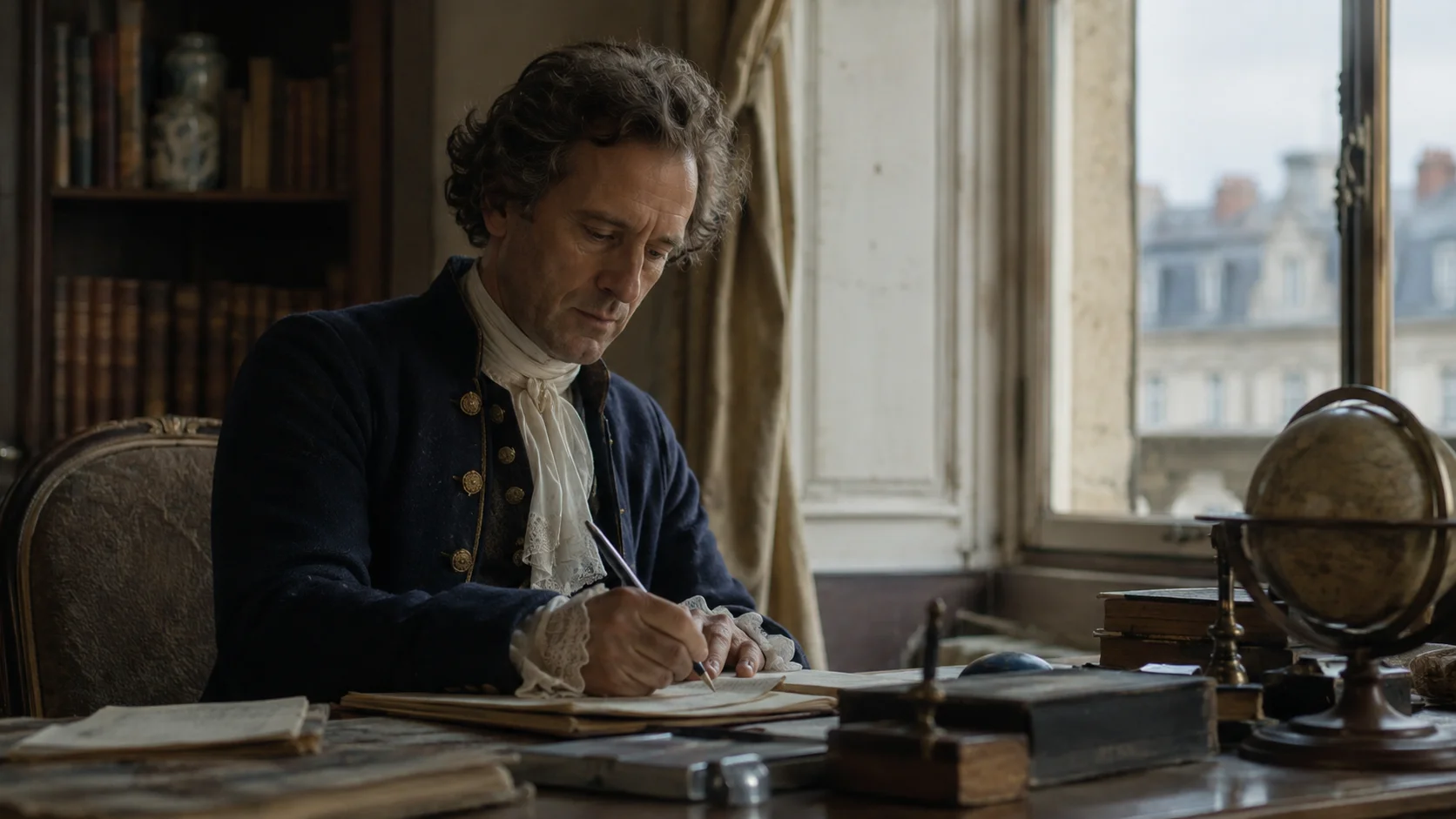
Before he wrote heavy political theory, Montesquieu achieved massive fame by publishing The Persian Letters (1721). It was a brilliant, biting satirical novel told from the perspective of two fictional Persian noblemen traveling through France. By using “outsiders” to comment on French society, Montesquieu ruthlessly mocked the Catholic Church, the absolute monarchy, and the absurdity of Parisian high society.
6. He Published His Satires Anonymously
Because The Persian Letters heavily criticized the reigning French establishment, publishing it was highly dangerous. To avoid prison or exile, Montesquieu published the book anonymously in Amsterdam. However, his authorship quickly became an open secret in the Parisian salons, catapulting him to literary superstardom.
7. He Was a Highly Successful Winemaker
Philosophy wasn’t his only source of income. Montesquieu was a devoted and savvy agricultural businessman who managed his family’s expansive vineyards at the Château de La Brède. He produced high-quality wine and was highly protective of his brand, aggressively marketing his Bordeaux vintages to wealthy aristocratic clients in England.
8. He Believed Climate Determined Human Behavior
One of his most fascinating—and deeply flawed—ideas was his “Meteorological Climate Theory.” Montesquieu genuinely believed that a region’s climate dictated the physical and psychological traits of its people, which in turn dictated their laws. He argued that cold climates produced brave, rigid, and liberty-loving people, while extreme heat caused physical and moral exhaustion, making hot climates more prone to slavery and despotism.
9. The Spirit of the Laws Took Over Two Decades to Write
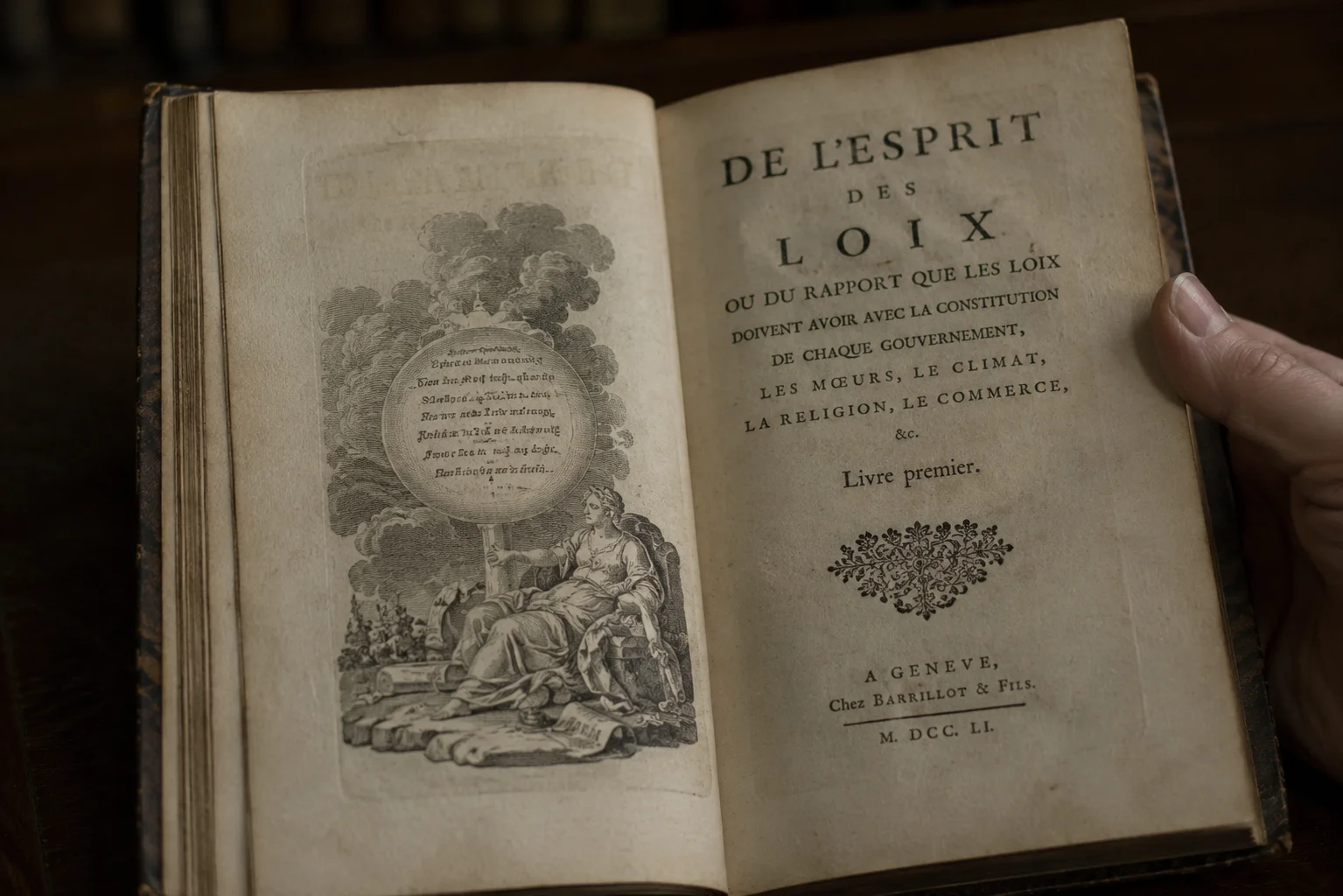
His magnum opus, The Spirit of the Laws (1748), was a monumental achievement in human thought, analyzing the laws, social structures, and histories of societies around the globe. It was an obsessive, exhausting undertaking; Montesquieu spent 21 years researching and writing the massive treatise, traveling across Europe to gather observations firsthand.
10. The Catholic Church Banned His Masterpiece
Despite Montesquieu’s efforts to avoid outright heresy, The Spirit of the Laws enraged religious authorities because it treated religion as a social phenomenon to be studied, rather than an absolute divine truth. In 1751, the Catholic Church officially placed the book on its infamous Index Librorum Prohibitorum (List of Prohibited Books).
11. He Categorized All Governments into Three Types
Before Montesquieu, most thinkers used complex systems to categorize governments. Montesquieu simplified politics down to three basic models, each driven by a specific human emotion or “principle”: Republics (driven by civic virtue), Monarchies (driven by a sense of honor), and Despotisms (driven by absolute fear).
12. He Was a Pioneer of the Anti-Slavery Movement
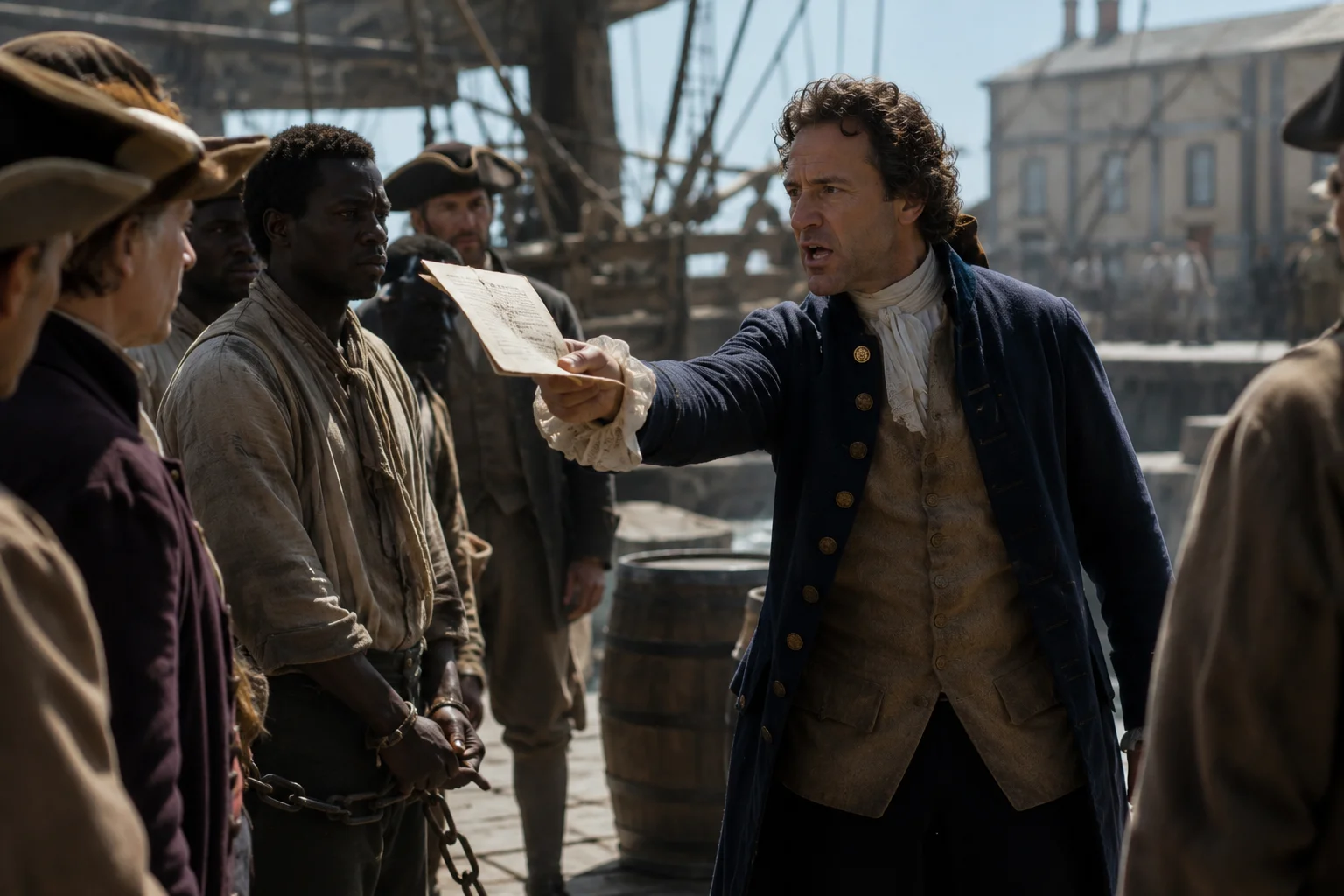
Unlike many of his contemporaries who accepted or justified the trans-Atlantic slave trade, Montesquieu was fiercely opposed to it. In The Spirit of the Laws, he deployed biting sarcasm to tear apart the economic and racist arguments used to justify slavery, declaring that all humans were born free and that slavery was unnatural and inherently corrupting to both the master and the enslaved.
13. He Was Nearly Blind in His Later Years
Like many scholars of his era who worked by candlelight, Montesquieu suffered from deteriorating eyesight. As he aged, his vision worsened drastically due to cataracts. During the final years of writing The Spirit of the Laws, he was virtually blind and had to dictate the majority of the massive manuscript to a rotating staff of secretaries.
14. He Greatly Admired the British System
While traveling Europe, Montesquieu spent about two years living in England. He was deeply impressed by the British political system, which had established a constitutional monarchy following the Glorious Revolution. He incorrectly, but influentially, believed that the British system perfectly separated the executive (the King), legislative (Parliament), and judicial branches, using it as the model for his own theories.
15. Only One Major Philosopher Attended His Funeral
When Montesquieu died in Paris in 1755 from a severe fever, the intellectual landscape of France was highly fractured. Despite his massive influence on the Enlightenment, the fiery, radical new generation of philosophes often viewed him as too moderate or too aristocratic. It is famously reported that Denis Diderot was the only major intellectual peer to attend his funeral.