1. The Challenger Deep is Deeper Than Mount Everest is Tall
To truly grasp the staggering depths of the Mariana Trench, you have to invert the tallest mountain on Earth. If you were to drop Mount Everest straight down into the trench’s deepest point, known as the Challenger Deep, its snowy peak would still be buried over a mile underwater. Reaching depths of roughly 36,000 feet, this abyssal valley easily dwarfs any geographical feature found above the ocean surface, representing the absolute extreme limit of the Earth’s crust.
2. The Crushing Pressure Equals Fifty Jumbo Jets on Your Body
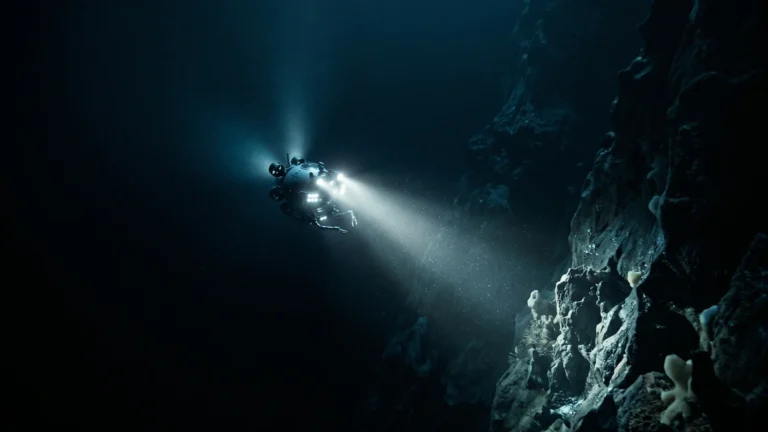
Descending into the deepest parts of the ocean subjects any object to an incredibly violent and unforgiving physical environment. At the bottom of the Challenger Deep, the immense weight of the water column overhead creates a crushing pressure that is over 1,000 times the standard atmospheric pressure at sea level. To put that into perspective, it is the equivalent of having the massive weight of fifty commercial jumbo jets resting squarely on top of a single human being.
3. Giant Single-Celled Organisms Survive in the Extreme Depths
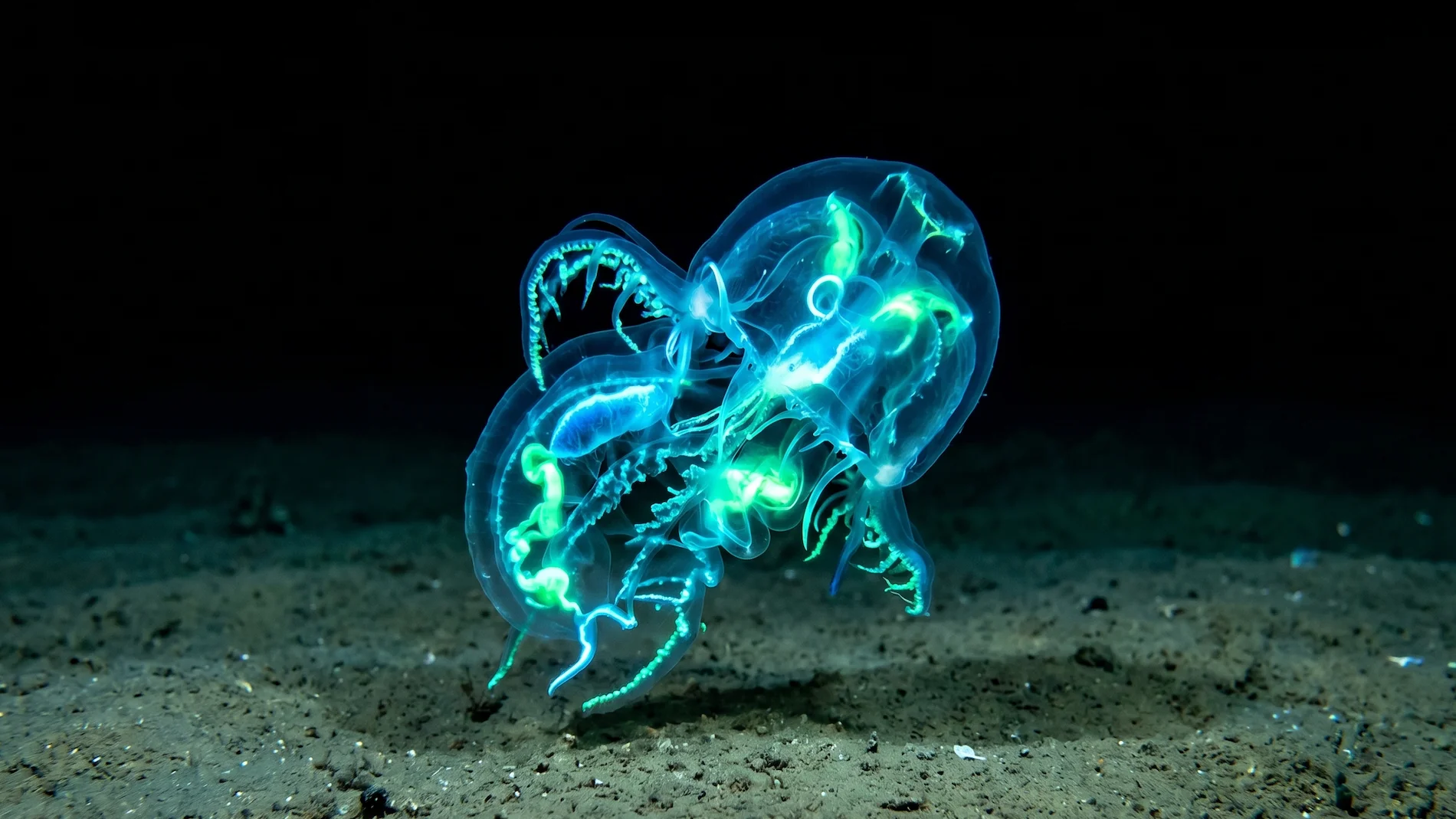
Despite the horrific pressure and complete lack of sunlight, the trench is actually teeming with bizarre and uniquely adapted lifeforms. Scientists were stunned to discover flourishing colonies of xenophyophores, which are massive, alien-looking single-celled organisms that frequently resemble enormous sea sponges. These delicate, highly specialized amoebas extract trace minerals from the muddy seafloor and somehow manage to thrive in an environment that would instantly crush most complex marine animals.
4. Human Plastic Waste Has Already Contaminated the Very Bottom
In one of the most depressing modern discoveries in marine biology, the deepest and most isolated place on our planet is not immune to human pollution. When advanced submersibles surveyed the bottom of the Challenger Deep, their cameras captured the haunting image of a standard plastic grocery bag and discarded candy wrappers resting in the mud. Deep ocean currents actively funnel microplastics and man-made debris down into these abyssal trenches, turning them into inescapable, highly toxic underwater garbage dumps.
5. James Cameron Completed a Historic Solo Dive in 2012
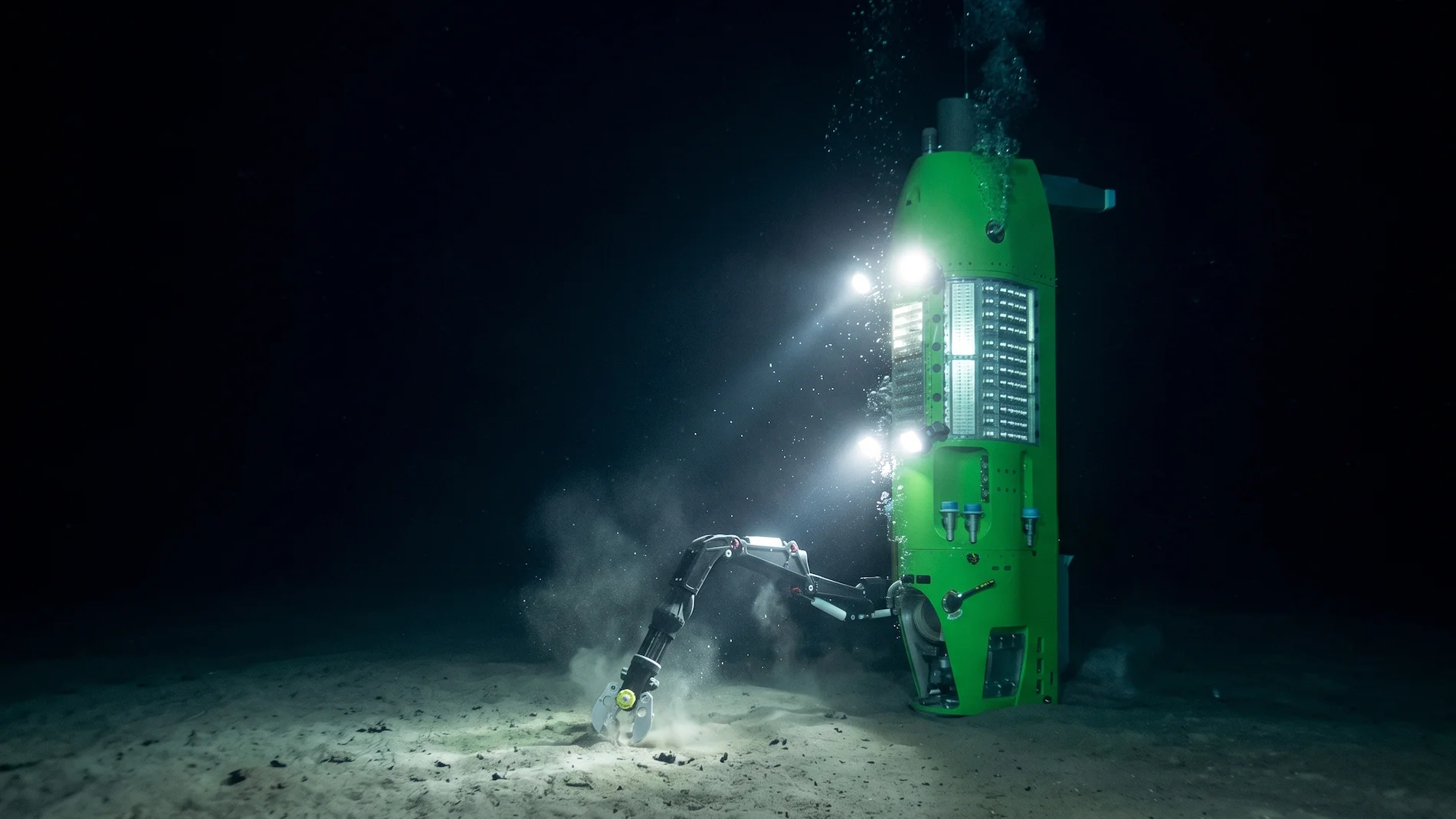
While a few brave explorers had previously reached the bottom, famous Hollywood director James Cameron made global headlines by conquering the trench entirely alone. In 2012, Cameron squeezed into the claustrophobic, lime-green Deepsea Challenger submersible and successfully executed the very first solo descent to the Challenger Deep. During his multi-hour expedition, he captured unprecedented high-resolution 3D footage of the barren, lunar-like seafloor and collected vital sediment samples that revolutionized our understanding of hadal zone biology.
6. Hydrothermal Vents Spew Liquid Sulfur and Carbon Dioxide
Standard biology dictates that all life relies on the sun, but the Mariana Trench hosts entire ecosystems built entirely on toxic chemical energy. Towering hydrothermal vents along the trench walls violently spew superheated, mineral-rich fluids, including highly toxic liquid sulfur and pure carbon dioxide. In the complete absence of sunlight, unique bacteria utilize these harsh chemicals to produce food through a process called chemosynthesis, supporting thriving, alien communities of blind crabs and ghost-white shrimp.
7. The Trench Was Formed by a Violent Tectonic Subduction Zone
This massive oceanic canyon was not gently carved by water currents, but rather by the violent, slow-motion collision of the Earth’s massive tectonic plates. The Mariana Trench marks a treacherous subduction zone where the heavy, ancient Pacific plate is constantly being forced downward beneath the much lighter Philippine plate. This massive geological friction drags the seabed incredibly deep into the Earth’s mantle, occasionally triggering powerful earthquakes and devastating tsunamis across the Pacific Rim.
8. It is Pitch Black and Freezing Cold at the Bottom
Once you descend past the first few thousand feet, the ocean becomes completely devoid of all natural sunlight. In the extreme depths of the Mariana Trench, the water is permanently pitch black, leaving alien bioluminescence as the only possible source of illumination. Furthermore, the water temperature hovers just a few degrees above absolute freezing, typically resting between 34°F and 39°F, making it one of the most inhospitable, freezing, and lightless environments ever explored by mankind.
9. The Mariana Snailfish is the Deepest Known Fish on Earth
Finding a vertebrate animal surviving in the hadal zone shocked marine biologists, who assumed the extreme pressure would literally melt the calcium in fish bones. The ghostly, translucent Mariana Snailfish defies this logic, swimming comfortably at staggering depths exceeding 26,000 feet. Evolving without heavy scales or dense bones, this bizarre apex predator relies on a highly flexible, gelatinous body that perfectly equalizes the crushing external water pressure.
10. The Trench is a Crescent-Shaped Scar 1,500 Miles Long
While most people blindly envision the trench as a single, perfectly round sinkhole, it is actually a massive geological scar spanning the vast ocean floor. The Mariana Trench stretches an incredible 1,500 miles long, forming a massive crescent shape just east of the Mariana Islands. Despite this incredible and imposing length, it is surprisingly narrow, averaging only about 43 miles wide as the two tectonic plates slowly grind against one another.
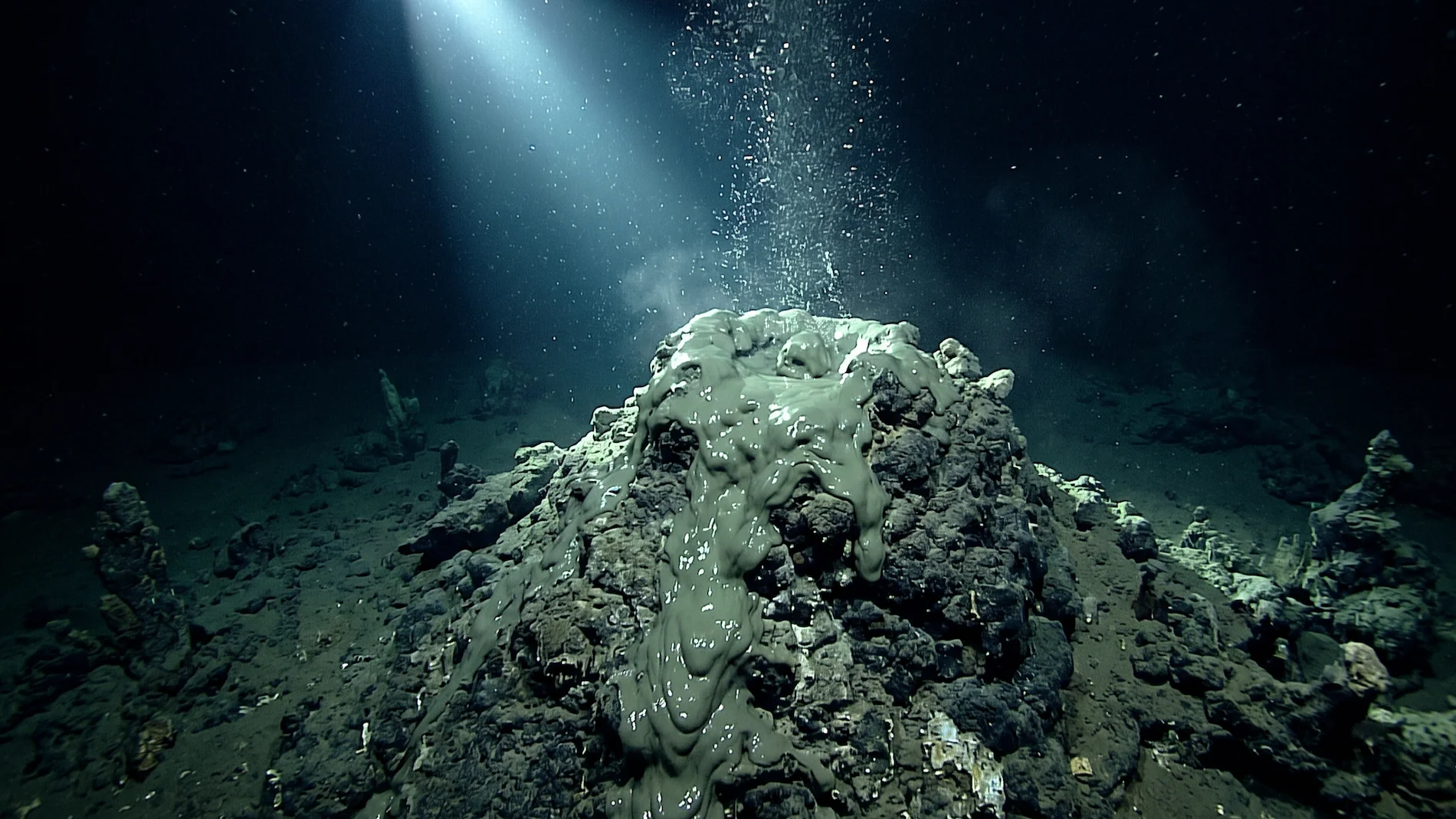
11. Bizarre “Mud Volcanoes” Might Have Sparked Life on Earth
The trench is surrounded by strange geological formations known as serpentine mud volcanoes, which spew a highly basic, mineral-rich mud instead of scorching hot lava. The chemical reactions occurring deep within these mud volcanoes produce large amounts of methane and hydrogen, which are crucial building blocks for basic cellular organisms. Astrobiologists strongly theorize that similar deep-sea chemical incubators may have provided the exact perfect conditions for the very first microbial life to emerge on our young planet.
12. Most of the Mariana Trench Remains Completely Unexplored
Despite the amazing technological advancements in deep-sea submersibles and robotic rovers, the vast majority of the Mariana Trench remains a total mystery. Because the extreme pressure constantly threatens to violently implode expensive equipment, mapping and sampling these abyssal depths is incredibly dangerous, slow, and expensive. Marine biologists estimate that we have accurately surveyed far less than five percent of the trench’s total area, meaning thousands of undiscovered species are likely still hiding in the dark.
13. Deep-Sea Amphipods Survive by Digesting Sunken Wood
Food is incredibly scarce at the bottom of the ocean, forcing deep-sea scavengers to evolve highly creative diets to avoid ultimate starvation. Scientists discovered giant, shrimp-like crustaceans called amphipods swarming the Mariana Trench that possess specialized enzymes capable of actively digesting solid wood. Whenever a dead tree or piece of driftwood eventually sinks thousands of feet to the trench floor, these voracious scavengers quickly devour it, surviving on the fibrous cellulose that almost no other marine animal can digest.
14. The Megalodon Shark is Definitely Extinct and Not Hiding Here
Thanks to sensationalist science fiction movies, a persistent internet myth regularly claims that the prehistoric Megalodon shark is secretly surviving at the bottom of the trench. However, marine biologists unequivocally confirm that this massive predator is entirely extinct and could never physically survive in this specific environment. The Megalodon was a warm-water coastal hunter that relied on blubber-rich whales for food, meaning it would instantly freeze and starve to death in the lightless, freezing depths of the Challenger Deep.
15. The Deepest Depths Have Their Own Unique “Hadal Zone”
Marine scientists neatly divide the ocean layers into specific biological zones based on depth, available sunlight, and atmospheric pressure. The absolute deepest layer of the ocean, beginning around 20,000 feet and extending straight to the bottom of the trench, is officially classified as the Hadal Zone. Appropriately named after Hades, the ancient Greek god of the underworld, this forbidding zone represents the final, most extreme biological frontier on Earth, accessible to only a handful of the bravest oceanographers.
Sources and References