The Formidable Trailblazer: 15 Fascinating Facts About Anne Bancroft
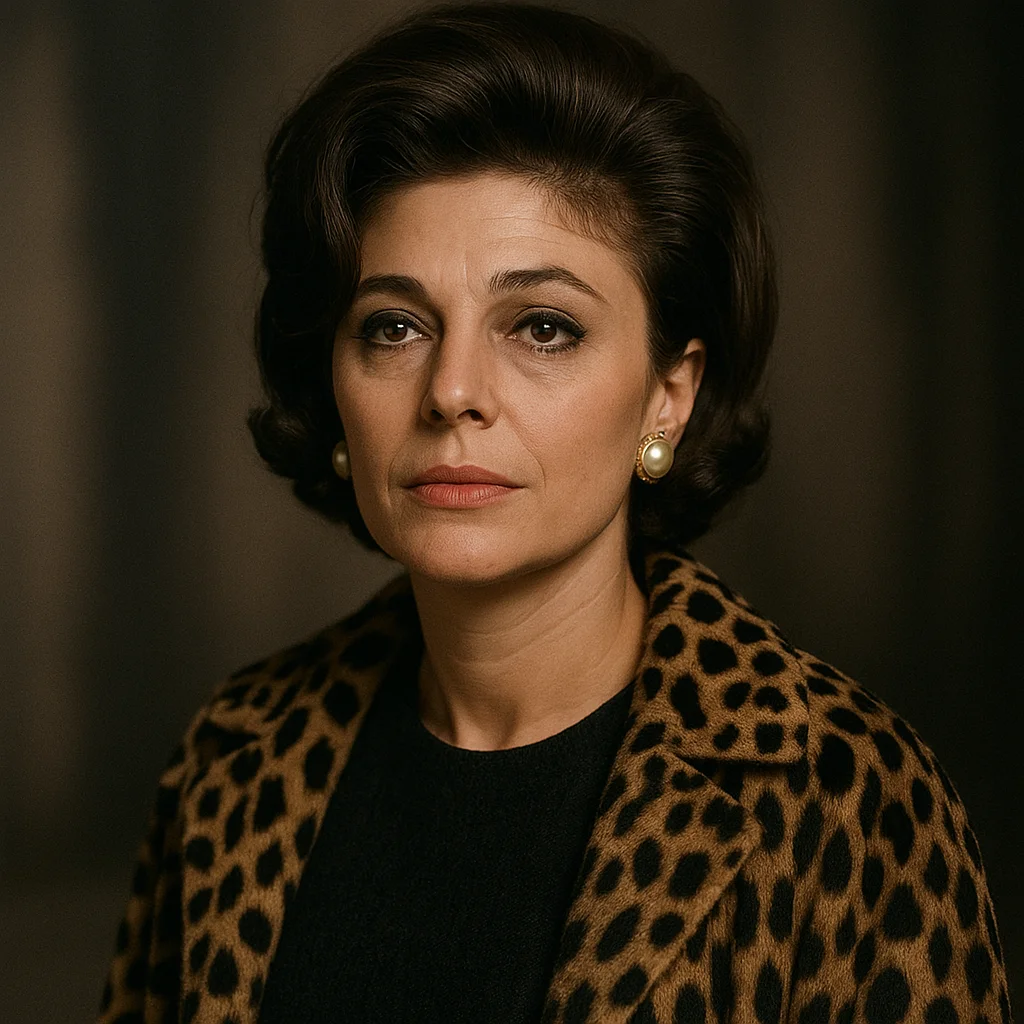
Anne Bancroft was one of Hollywood's most versatile and formidable talents, capturing the hearts of audiences across stage, screen, and television. From her Oscar-winning portrayal of Annie Sullivan in The Miracle Worker to her legendary turn as Mrs. Robinson in The Graduate, she consistently redefined what it meant to be a leading lady. Behind her powerful screen presence was a passionate writer, a pioneering female director, and half of one of entertainment history's most beloved marriages with Mel Brooks. Discover fifteen fascinating facts about the remarkable life and enduring legacy of this acting icon.
1. She Changed Her Name After Being Told Her Birth Name Was Too Ethnic
Born Anna Maria Louisa Italiano in the Bronx in 1931, the daughter of Italian immigrants grew up surrounded by a vibrant cultural heritage. When she signed her first studio contract with 20th Century Fox in the early 1950s, studio head Darryl F. Zanuck insisted that her birth name sounded far too ethnic for mainstream American audiences. He presented her with a list of proposed stage names from which she selected Bancroft because it sounded dignified and classic. She initially tried performing under the moniker Anne Marno, but the studio pushed for the more formal choice. Though she accepted the new name for her Hollywood career, she always maintained a deep personal pride in her Italian roots.
2. She Sharpened Her Craft in High-Stakes Live Television
Before achieving cinematic stardom, Anne Bancroft gained invaluable performing experience in the high-pressure world of 1950s live television. Performing as Anne Marno, she appeared in dozens of live anthology dramas, including Studio One and The Philco Television Playhouse. Live broadcasting offered no safety net for actors, as forgotten lines or botched stage cues were broadcast instantly to millions of viewers. Bancroft later credited this grueling medium with instilling intense personal discipline and rapid line memorization. This early trial by fire prepared her for the rigorous demands of Broadway theatre and major feature films.
3. She Trained Under Lee Strasberg at the Actors Studio
Determined to deepen her emotional range, Bancroft joined the prestigious Actors Studio in New York City during the mid-1950s. Under the direction of legendary acting coach Lee Strasberg, she mastered Method acting, a technique focused on accessing deep psychological memory to create raw, authentic performances. Strasberg helped her move past standard studio glamour, pushing her to uncover complex character motivations. Her intense commitment to emotional truth became the defining hallmark of her acting technique. This rigorous training transformed her from a conventional starlet into one of the most respected dramatic actors of her generation.
4. She Almost Turned Down Her Oscar-Winning Role in The Miracle Worker
Bancroft earned widespread critical acclaim playing Annie Sullivan, the relentless teacher of Helen Keller, in the original Broadway production of The Miracle Worker. However, the intense physical and emotional demands of playing the role on stage night after night left her completely exhausted. When director Arthur Penn offered to bring the story to the big screen, Bancroft initially hesitated to accept due to her sheer fatigue. Fortunately, she decided to reprise the role on film, delivering a legendary performance alongside Patty Duke. Her powerful portrayal earned her the Academy Award for Best Actress in 1963.
5. The Real Age Difference in The Graduate Was Surprisingly Small
In 1967, Bancroft took on her most famous cinematic role as the seductive older woman Mrs. Robinson in Mike Nichols's classic film The Graduate. While the movie presents Mrs. Robinson as a middle-aged cougar seducing a young college graduate, the real-life age gap between the lead actors was minimal. Bancroft was just 35 years old during filming, while her co-star Dustin Hoffman was 29. Through incredible makeup, wardrobe, and a commanding screen presence, Bancroft effortlessly projected the aura of a weary, sophisticated woman. Her performance created one of the most indelible characters in cinema history.
6. She Had Complex Feelings About Mrs. Robinson's Legacy
Although Mrs. Robinson brought Bancroft international fame and an Academy Award nomination, the role eventually became a source of professional frustration. She felt annoyed that interviewers and fans frequently reduced her extensive, diverse body of work to that single character. The character's status as an iconic sex symbol conflicted with Bancroft's personal desire to portray complex, intelligent heroines. Furthermore, she rarely rewatched The Graduate after its release, preferring to focus on new artistic challenges. Despite her reservations, she remained proud of the film's undeniable cultural impact and brilliant direction.
7. Her First Meeting with Mel Brooks Was Love at First Sight
Bancroft met comedy writer and director Mel Brooks in 1961 during a rehearsal for The Perry Como Show. As she was practicing a dance routine on stage, Brooks shouted out to her from across the empty studio floor to introduce himself. His boisterous personality and quick wit immediately captivated Bancroft, initiating a romance that led to their marriage in 1964. Their affectionate partnership lasted for over 41 years until her death in 2005, making them one of Hollywood's most enduring couples. Throughout their decades together, they frequently collaborated on creative projects and publicly praised each other's talents.
8. She Directed the Groundbreaking Feature Film Fatso
In 1980, Bancroft stepped behind the camera to write and direct the comedy-drama feature Fatso, starring Dom DeLuise. At a time when female directors were exceptionally rare in major Hollywood studios, her leadership represented a monumental achievement. The film explored themes of compulsive eating, family dynamics, and body image with a rare balance of humor and empathy. Bancroft also played a key supporting role in the movie, demonstrating her versatile talent as a director, writer, and performer. Her work on the project helped open doors for future generations of women filmmakers in studio cinema.
9. She Maintained a Secret Passion for Creative Writing
Away from the public eye, Bancroft was an avid, passionate writer who constantly penned poetry and short stories in private notebooks. She rarely shared her literary compositions with the public, viewing writing as an essential personal refuge and creative outlet. She once reflected that writing provided her with a private world to breathe in away from the pressures of acting. Her journals contained detailed character observations, philosophical reflections, and emotional studies that nourished her acting craft. This quiet literary practice gave her a unique depth of understanding when analyzing screenplays and theatrical scripts.
10. She Conducted Deep Historical Research for The Elephant Man
When director David Lynch cast Bancroft as Victorian stage actress Madge Kendal in the 1980 drama The Elephant Man, she approached the role with meticulous care. To ensure total historical accuracy, she spent weeks reviewing Victorian medical archives and theatrical records. She wanted to capture not only the grand mannerisms of the era, but also the genuine compassion required to connect with Joseph Merrick. Her nuanced performance added crucial warmth to the tragic narrative, earning broad praise from film critics. Her dedication to research reflected her unwavering commitment to authenticity in every performance.
11. She Sang in Polish for To Be or Not to Be
Bancroft showcased her remarkable versatility and comedic talents when she starred alongside her husband Mel Brooks in the 1983 comedy To Be or Not to Be. Playing a flamboyant Polish stage actress in occupied Warsaw, she threw herself into the film's physical comedy and musical numbers. For one memorable sequence, Bancroft and Brooks recorded and performed a duet version of the classic song Sweet Georgia Brown sung entirely in Polish. Her playful performance demonstrated that she was just as adept at high-energy comedy as she was at grand dramatic roles. The film remains a cherished highlight of her collaboration with Brooks.
12. She Was an Outspoken Admirer of Meryl Streep
Despite being a revered acting titan herself, Bancroft held immense respect for fellow performers and was never hesitant to voice her praise. She particularly idolized Meryl Streep, whom she considered one of the finest actors in cinematic history. Bancroft famously described Streep as the actress who carries truth in every blink, admiring her peer's ability to embody complex characters effortlessly. Streep reciprocated the admiration, viewing Bancroft as a major pioneer who helped elevate the standing of women in modern cinema. This mutual respect highlighted Bancroft's generous spirit and deep reverence for the craft of acting.
13. She Belongs to the Elite Triple Crown of Acting Club
Bancroft achieved one of the rarest distinctions in the entertainment industry by earning the prestigious Triple Crown of Acting. This honor is reserved for performers who win an Academy Award, an Emmy Award, and a Tony Award in competitive acting categories. Over her distinguished career, she won an Oscar for The Miracle Worker, two Tony Awards for her stage work, and two Primetime Emmy Awards for television appearances. Fewer than thirty performers in entertainment history have accomplished this remarkable feat. Her Triple Crown status underscores her extraordinary consistency across film, theater, and television.
14. She Continued Working in Unique Voice Roles Later in Life
In the final decade of her life, Bancroft expanded her artistic repertoire by lending her rich, distinctive voice to major animated projects. She voiced the formidable Queen in the 1998 hit feature film Antz, bringing royal authority and sly humor to the animated adventure. She also recorded extensive voice work for the animated feature Delgo, which was released posthumously in 2008. Alongside live-action performances in films like Heartbreakers, these voice roles allowed her to connect with younger audiences. Her expressive vocal talent proved that her dramatic presence transcended live-action screen performance.
15. She Kept Her Final Health Battle Deeply Private
Throughout her celebrated career, Bancroft was known for guarding her personal life fiercely from tabloid intrusion and media gossip. When she was diagnosed with uterine cancer in the early 2000s, she chose to keep her illness private among close family and trusted friends. She continued working and enjoying time with her husband Mel Brooks and son Max without drawing public attention to her health struggle. When she passed away in New York City on June 6, 2005, at age 73, her death came as a shock to fans worldwide. Her legacy endures as one of American cinema's most formidable, resilient, and versatile artists.
Sources & References
This AI-assisted post was rigorously curated and fact-checked for accuracy by:
 Martin Roháček
How fun was this article? 🤔
Tap a star to rate it
🧠 Quiz: How closely were you paying attention?
10 questions — all answers are in the article above!
Enjoyed these facts? There's more! 💌
Fresh fun facts in your inbox. No spam, ever.