1. She Was Orphaned Almost Immediately
Born in Florence, Italy, in 1519, Catherine was the sole heiress of the immensely wealthy and powerful Medici family. However, tragedy struck almost immediately. Her mother, Madeleine de La Tour d’Auvergne, died of puerperal fever less than three weeks after giving birth. Her father, Lorenzo II de’ Medici, died of syphilis mere days later. Catherine was raised by her grandmother and aunts.
2. She Was Held Hostage as a Child
During a political uprising against the Medici family in 1527, the citizens of Florence rebelled, and eight-year-old Catherine was taken hostage by the city’s republican government. She was placed in a series of convents for her own protection. There were even terrifying public calls from the rebels to hang the young girl from the city walls or force her into a brothel, though she ultimately survived the siege unharmed.
3. She Was Overshadowed by Her Husband’s Mistress
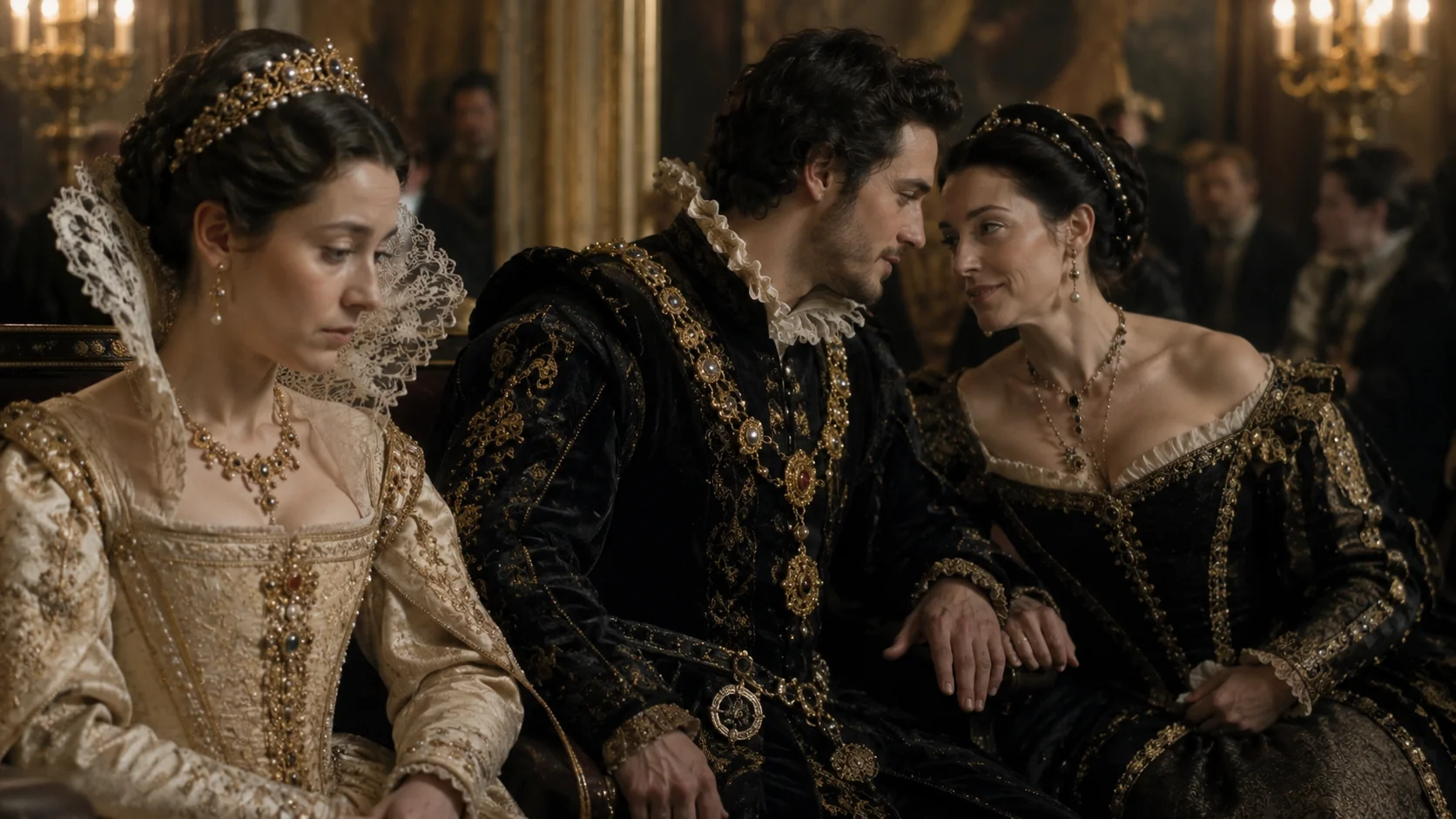
Arranged by her uncle, Pope Clement VII, Catherine married Henry, Duke of Orléans (later King Henry II of France), when they were both 14. Her marriage was profoundly unhappy. Henry was completely infatuated with his glamorous, older mistress, Diane de Poitiers. Diane exerted immense influence over the king, dictating court politics and even overseeing the education of Catherine’s children, forcing the queen into the background.
4. She Took a Decade to Produce an Heir
For the first ten years of her marriage, Catherine failed to conceive, putting her in severe danger of being divorced and sent back to Italy. Desperate, she resorted to various folk remedies, including drinking mule’s urine and wearing a poultice of cow dung and ground stags’ antlers. She eventually sought the help of the physician Jean Fernel, who noticed anatomical anomalies in the royal couple. After his advice, Catherine gave birth to her first child in 1544, followed by nine more.
5. She Introduced the Side-Saddle to France
Before Catherine, women in the French court either rode on horseback being led by a man or sat sideways on a pillion seat, which was precarious and passive. Catherine introduced a new design of the side-saddle with a specialized pommel that allowed a woman to hook her right leg around it. This innovation permitted women to control their own horses and ride at high speeds alongside men during hunts.
6. She Was Known as the “Black Queen”
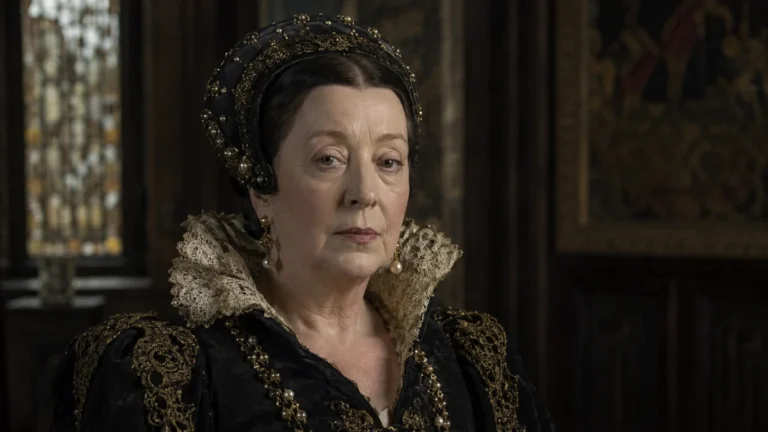
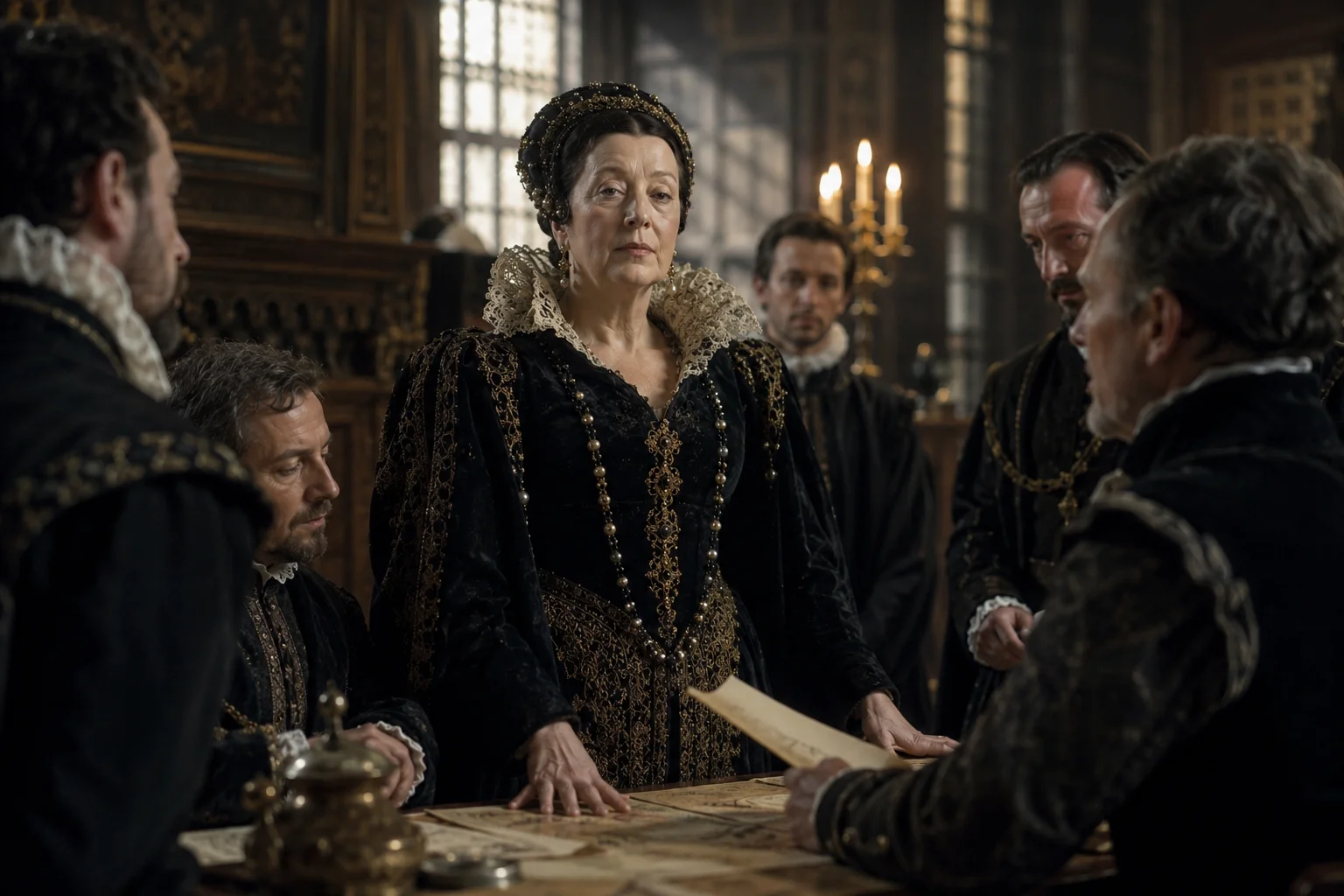
In 1559, King Henry II was participating in a jousting tournament when a splinter from his opponent’s lance pierced his eye and penetrated his brain, killing him after days of agony. Devastated, Catherine adopted black mourning clothes as her permanent attire—breaking the French royal tradition where queens typically wore white in mourning. She wore black for the remaining 30 years of her life.
7. She Employed a “Flying Squadron” of Spies
To maintain control over a deeply fractured kingdom, Catherine created the Escadron Volant (The Flying Squadron). This was a specialized network of around 80 beautiful, highly educated aristocratic women. Catherine deployed them to seduce powerful noblemen, diplomats, and rival political leaders to gather intelligence, manipulate decisions, and report secrets back to the Queen Mother.
8. She Was a Patron of Nostradamus
Fascinated by astrology and the occult, Catherine frequently consulted seers and astrologers. Her most famous consultant was the apothecary and reputed clairvoyant Michel de Nostredame, known as Nostradamus. After reading his published almanacs, she invited him to the royal court in Paris in 1555 to draw up horoscopes for her children, cementing his historical fame.

9. She Sparked the Development of Ballet
Catherine was a grand patron of the arts and used magnificent court festivals as political tools to project power and unity. In 1581, she sponsored the Ballet Comique de la Reine to celebrate a royal wedding. Combining music, poetry, set design, and dance into a single, cohesive narrative, it is widely considered by historians to be the first true ballet in Western history.
10. She Forced Her Rival to Surrender a Castle
Upon the death of her husband, Henry II, Catherine finally exacted her revenge on his long-time mistress, Diane de Poitiers. While she did not execute her, Catherine ruthlessly banished Diane from the royal court and forced her to hand over the stunning Château de Chenonceau—a beautiful castle spanning the river Cher that Henry had gifted to Diane instead of his wife.
11. She Reigned Through Her Three Sons
Because King Henry II died relatively young, three of Catherine’s sons sequentially ascended to the French throne: Francis II, Charles IX, and Henry III. Because her sons were either underage, sickly, or politically weak when they took power, Catherine served as the official Regent or the primary power behind the throne for decades, effectively ruling France herself.
12. She Is Blamed for the St. Bartholomew’s Day Massacre
Catherine’s darkest historical legacy is her association with the St. Bartholomew’s Day Massacre in 1572. Days after marrying her daughter to the Protestant Henry of Navarre in an attempt at peace, a targeted assassination of Protestant (Huguenot) leaders in Paris spiraled out of control. It escalated into a weeks-long bloodbath across France, leaving an estimated 10,000 to 30,000 Protestants dead. Most historians agree Catherine initiated the original assassinations to eliminate her political rivals.
13. She Revolutionized French Court Cuisine (Mostly)
Legend dictates that Catherine brought Italian forks, artichokes, macarons, and refined banqueting to the “barbaric” French court. While modern food historians note that some of these culinary myths are exaggerated (the French had forks, though rarely used them), Catherine undeniably elevated the prestige of court dining, turning banquets into highly choreographed, theatrical displays of state power.
14. She Was a Master Architect
Determined to leave a physical legacy, Catherine poured massive sums of money into grand architectural projects. Her most famous commission was the Tuileries Palace in Paris, complete with magnificent, Italian-style geometric gardens. She also expanded the Louvre and added a massive, multi-story gallery across the bridge at her beloved Château de Chenonceau.
15. Her Dynasty Died With Her
Catherine spent her entire adult life fighting to keep the Valois dynasty on the throne, but her efforts were ultimately in vain. She outlived almost all of her ten children. Just eight months after Catherine died in 1589, her favorite son, King Henry III, was assassinated by a fanatical friar. He left no heirs, bringing an end to the House of Valois and passing the crown to the Bourbon dynasty.