Emilia Clarke rose from early roles to global stardom as Daenerys Targaryen in Game of Thrones, combining powerful performances with resilience and versatility. Explore her journey from London-trained actor to Hollywood and stage star.
Emilia Clarke
Emilia Clarke was born on October 23, 1986, in London, England.
She is best known for her role as Daenerys Targaryen, the “Mother of Dragons,” in HBO’s Game of Thrones (2011–2019).
Clarke was cast as Daenerys in her third professional acting role, replacing the original actress after the pilot was reshot.
She received four Primetime Emmy Award nominations for her portrayal of Daenerys, including one for Outstanding Lead Actress in 2019.
Emilia’s character arc traces Daenerys’s evolution from a frightened girl to a powerful queen, earning critical acclaim.
She earned reports of being one of the highest-paid actors on television, making up to £2 million per episode in later Game of Thrones seasons.
Clarke made her television debut in 2009 with a guest role on the BBC medical drama Doctors.
She has appeared in major films such as Terminator: Genisys (2015), Solo: A Star Wars Story (2018), Me Before You (2016), and Last Christmas (2019).
Emilia made her Broadway debut as Holly Golightly in Breakfast at Tiffany’s (2013), showcasing her stage talents.
She is an advocate for brain injury awareness, having survived two brain aneurysms during the early seasons of Game of Thrones.
Clarke is multilingual and studied at Drama Centre London, gaining classical acting training.
Her dedication to learning horse riding and combat skills enhanced her performance as Daenerys, especially in dragon-riding scenes.
She lent her voice and likeness to the 2014 Game of Thrones video game.
Emilia has spoken openly about overcoming on-set challenges, including discomfort acting nude in large productions.
Beyond acting, she founded the production company Magical Thinking Pictures to develop original projects and nurture new talent.
How useful was this post?
Click on a star to rate it!
This AI-assisted post was rigorously curated and fact-checked for accuracy by:
Most people recognize Woody Harrelson as a lovable bartender from Cheers or a zombie killer. However, his real life is actually stranger than fiction. For instance, he has a fascinating personal history involving hitmen and high-stakes chess. Furthermore, he advocates passionately for the environment and animal rights. Consequently, you will love learning these wild details about his journey. Therefore, get ready to explore the untold stories of this Hollywood icon.
Woody Harrelson
Woody Harrelson had a truly notorious father named Charles. Specifically, his dad was a professional hitman convicted of killing a judge. Consequently, Woody visited him in prison often.
Surprisingly, he attended Hanover College with Mike Pence. In fact, they were friends while studying theology together in Indiana. It is certainly an odd pairing.
He blew his nose aggressively during his Cheers audition. Because he acted so chaotic, the casting director laughed immediately. As a result, he won the role instantly.
Although characters eat Twinkies in Zombieland, Woody Harrelson is a raw vegan. Therefore, the crew made special cornmeal cakes. He refused the real sponge cakes.
Additionally, he is a bold activist. In 1996, he climbed the Golden Gate Bridge to protest logging. Consequently, police arrested him for the massive traffic jam.
He is surprisingly talented at chess. In fact, he once played World Champion Garry Kasparov to a draw. He loves the game deeply and plays often.
Originally, Woody Harrelson did not plan on acting. Instead, he studied religious education because he wanted to be a minister. However, theater eventually called his name.
He made cinematic history with Lost in London. Amazingly, he directed and starred in this film while live-streaming it. They filmed it in one single take.
He almost rejected the iconic role of Haymitch Abernathy. Initially, he thought the character was too shallow. Fortunately, the director convinced him to take the part.
He once owned a unique business. Specifically, he opened an oxygen bar in West Hollywood where people bought air. Sadly, the bar closed quickly.
Woody Harrelson practices yoga every single day. He claims it keeps him young. Furthermore, he often refuses to use a cell phone to stay peaceful.
He also excels at soccer. In 2010, he scored the winning penalty kick during a charity match. The crowd went absolutely wild for him.
Furthermore, he loves hemp products. He once wore a tuxedo made entirely of hemp to a red carpet. He promotes the plant whenever possible.
His sense of humor is unique. He and his wife once pretended to get divorced as a joke. However, the media took it seriously.
Finally, Woody Harrelson applied to open a dispensary in Hawaii. Although the state denied him, he remains a vocal advocate. He truly believes in legalization.
The Matrix movies blend mind-bending action with deep philosophy and stunning effects. Explore surprising secrets behind the scenes and the meaning within the Matrix saga. From sushi-inspired code to real clubs and revolutionary filming, discover what makes the Matrix truly iconic.
Matrix
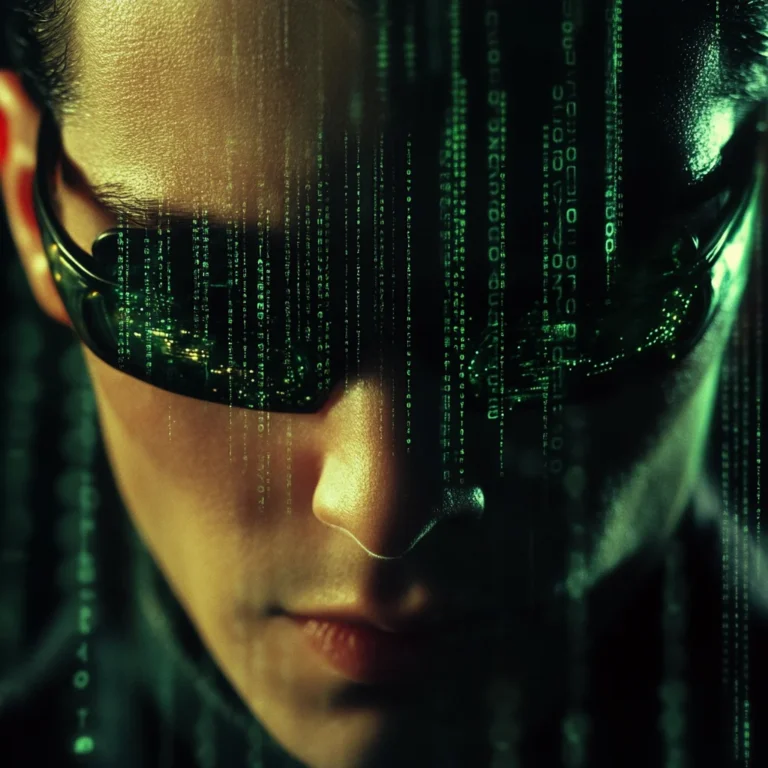
The iconic green code in Matrix’s opening sequence is actually sushi recipes from a Japanese cookbook.
Neo’s room number in the film is 101, symbolizing the basics of reality and control systems.
Trinity’s fight scene was shot with a complex rig of over 100 cameras to create the famous bullet-time effect.
The S&M nightclub where Neo meets Trinity is a real club called The Hellfire Club in Sydney.
The Wachowskis originally conceived Matrix as a 600-page comic book script.
Neo’s costume trench coat was made from an inexpensive synthetic fabric printed to look like wool.
Keanu Reeves had back surgery before filming but still trained four months for the difficult fight scenes.
Morpheus’s ship, the Nebuchadnezzar, is named after an ancient Babylonian king.
The Matrix contains repeated background characters—twins and triplets—that hint at glitches in the simulated world.
Neo’s file shown during interrogation reveals his birthdate as March 11, 1962, making him 37 in the real world timeline.
The agent Smith character was inspired by elements from Neil Gaiman’s Sandman comics and The Invisibles.
The bullet-time sequence was created using 120 still cameras triggered in perfect sync.
The film’s color grading uses green tint for scenes inside the Matrix and a blueish tint for the real world.
The movie includes subtle foreshadowing, like the phrase “You need to unplug,” hinting at Neo’s path to freedom.
Some actors studied philosophical works such as “Simulacra and Simulation” by Jean Baudrillard to better understand the film’s themes.