The Golden Gramophone: 15 Fascinating Facts About the Grammy Awards
Since 1959, the Grammy Awards have served as the ultimate symbol of musical prestige and artistic triumph. Yet behind the glamour, red carpets, and golden statues lies a history packed with surprising upsets, stolen identities, and bizarre behind-the-scenes rules. From fake trophies handed out on stage to presidents winning major categories, the story of music's biggest night is far wilder than the television broadcast lets on. Here are 15 fascinating facts about the history, controversies, and strange secrets of the Grammy Awards.
1. The Awards Were Almost Named "The Eddies"
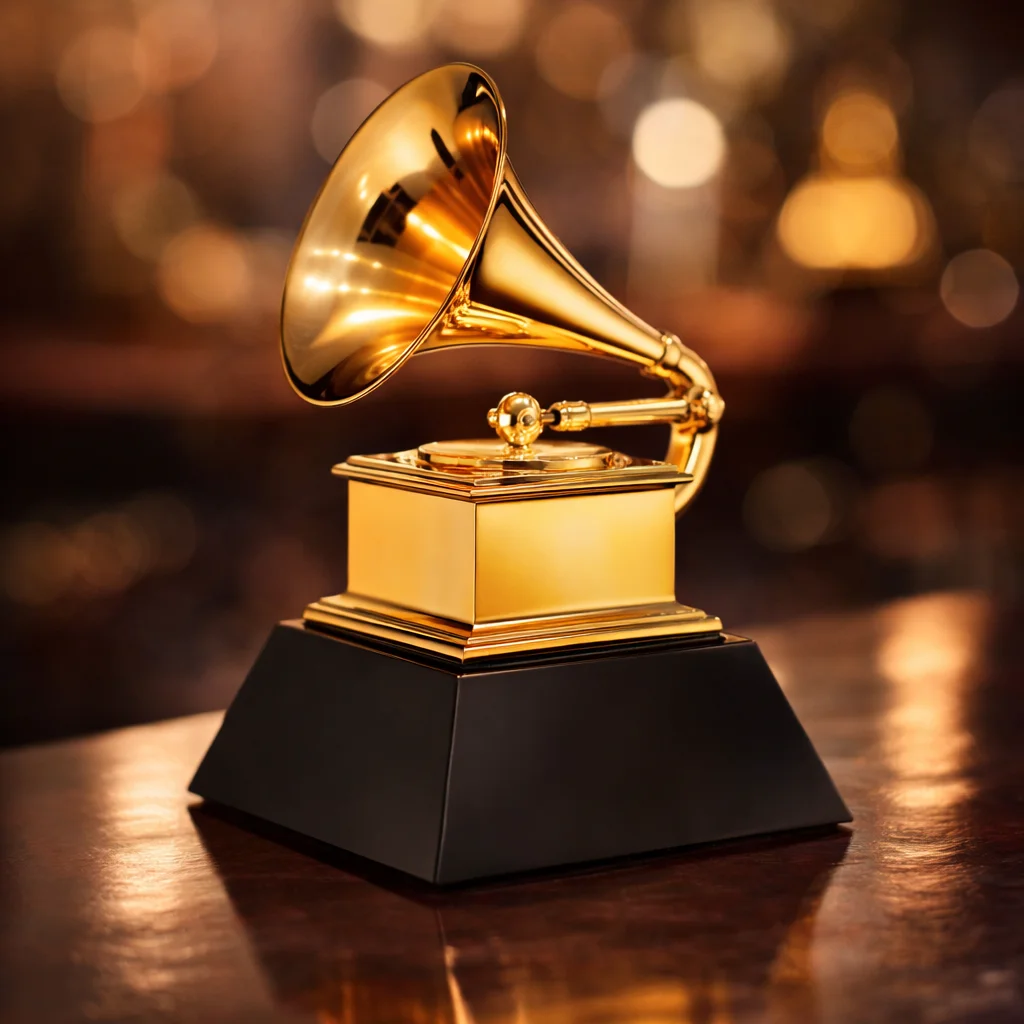
When the National Academy of Recording Arts and Sciences established a music award in the late 1950s, they initially planned to call it "The Eddie" in honor of Thomas Edison, the inventor of the phonograph. However, after launching a nationwide mail-in naming contest, the organization reconsidered. Mail-in responses overwhelmingly favored the nickname "Grammy," a direct reference to the gramophone invented by Emile Berliner. The Academy embraced the popular choice, casting miniature brass gramophones to represent the pinnacle of musical achievement. Today, the iconic award remains synonymous with the recording industry's highest honor.
2. The First Ceremony Took Place Simultaneously in Two Cities
The very first Grammy Awards ceremony took place on May 4, 1959, but it looked nothing like the massive television spectacles of today. To accommodate artists on both coasts of the United States, organizers hosted two simultaneous black-tie dinner banquets on the exact same evening. One gala took place at the Beverly Hilton Hotel in Los Angeles, while the other occurred at the Park Sheraton Hotel in New York City. A total of 28 awards were handed out across the two locations without any live television broadcast. Key winners of the night included Henry Mancini, Perry Como, and Ella Fitzgerald.
3. The Trophies Handed Out on Stage Are Fake "Stunt Doubles"
Viewers watching the televised broadcast might assume that artists are handed their personalized awards directly on stage, but that is actually an illusion. The golden gramophones handed out during the live ceremony are standard "stunt doubles" used strictly for presentation and photo opportunities. Because the winners are kept strictly secret until the envelopes are opened, the Recording Academy cannot engrave the brass plaques ahead of time. After walking offstage, winners hand back the temporary trophies to backstage handlers. The actual, custom-engraved statues are individually crafted and shipped to the winners' homes several months later.
4. Grammy Trophies Are Handcrafted From a Custom Metal Called Grammium
Each official Grammy trophy weighs approximately five pounds and is crafted from a proprietary zinc alloy known as "Grammium." This unique, shatter-resistant metal formula was developed specifically by Billings Artworks, a specialized foundry based in Johnstown, Colorado. Craftsmen at the studio cast, file, and polish every statue by hand before plating it in 24-karat gold. The delicate gramophone features a meticulously assembled tone arm and vinyl record plate designed to withstand generations of display. If a trophy is ever damaged, artists can return it to the Colorado workshop for complete restoration.
5. Elvis Presley Never Won a Competitive Rock Grammy
Despite being celebrated worldwide as the undisputed "King of Rock and Roll," Elvis Presley never won a competitive Grammy Award in any rock category. Over the course of his legendary career, Presley received 14 total Grammy nominations but walked away with just three competitive wins. Remarkably, every single one of his Grammy victories was awarded for his gospel music recordings. He earned his first trophy in 1967 for the gospel album How Great Thou Art, followed by two subsequent wins for gospel performances in 1972 and 1974. The Academy eventually granted him a Lifetime Achievement Award in 1971 to acknowledge his broader musical legacy.
6. Aretha Franklin Saved the Show With 20 Minutes' Notice
At the 40th Annual Grammy Awards in 1998, operatic legend Luciano Pavarotti was scheduled to perform his signature aria, "Nessun Dorma." Just 20 minutes before he was set to take the stage, Pavarotti called in sick due to vocal distress, leaving producers facing a disastrous live broadcasting gap. Producer Ken Ehrlich desperately approached soul legend Aretha Franklin, who had performed the piece two nights prior at a tribute dinner. Without a proper soundcheck, Franklin stepped up to the microphone backed by a full orchestra and delivered a chilling, flawless rendition in Pavarotti's original key. Her sudden, soaring performance remains widely regarded as one of the greatest moments in live television history.
7. A Band Featuring Flute Solos Shocked Heavy Metal Favorites Metallica
In 1989, the Recording Academy created the brand-new category for Best Hard Rock/Metal Performance, heavily favoring heavy metal pioneers Metallica for their album ...And Justice for All. However, in one of the most shocking upsets in award show history, the golden gramophone was awarded to the progressive rock band Jethro Tull. Critics and fans were left utterly baffled, considering Jethro Tull prominently featured acoustic instruments and a lead flute player rather than heavy metal riffs. The band's record label had not even bothered to send a representative to the ceremony because they assumed Metallica's victory was a certainty. The massive backlash prompted the Academy to split hard rock and heavy metal into two distinct categories the following year.
8. Will Smith Boycotted the First Rap Category Award
The 1989 Grammy Awards marked a major milestone by introducing the first-ever category dedicated to hip-hop, titled Best Rap Performance. However, controversy erupted when the Recording Academy announced that the presentation of the award would not be included in the live television broadcast. In protest of this blatant snub, nominees DJ Jazzy Jeff & The Fresh Prince (Will Smith) led a high-profile boycott of the ceremony alongside fellow hip-hop icons Public Enemy and Salt-N-Pepa. Smith publicly declared that skipping the show was a matter of respect for a genre that was driving contemporary culture. Their protest successfully forced the Academy to air the rap category on television starting the very next year.
9. Sinéad O'Connor Was the First Artist to Refuse Her Award
Irish singer-songwriter Sinéad O'Connor made history in 1991 by becoming the very first artist to officially refuse a Grammy Award. After winning Best Alternative Music Performance for her critically acclaimed album I Do Not Want What I Haven't Got, O'Connor publicly rejected the trophy and boycotted the broadcast. She wrote a letter to the Academy arguing that the award show prioritized commercial success and material gain over true artistic merit. O'Connor expressed that she refused to participate in an event that she believed promoted extreme commercialism within the music industry. To this day, she remains one of the few artists to ever voluntarily turn down the prestigious honor.
10. Milli Vanilli Remains the Only Winner to Have Their Award Revoked
Pop duo Milli Vanilli made history for an entirely different reason when they became the first and only artists to have their Grammy Award officially revoked. After winning Best New Artist at the 1990 ceremony, rumors began swirling that performers Rob Pilatus and Fab Morvan did not sing a single note on their hit debut album. Months later, producer Frank Farian publicly confirmed that the duo were merely charismatic lip-syncers brought in to front studio session singers. Following the explosive confession, the Recording Academy swiftly stripped Milli Vanilli of their title and demanded the return of the trophies. The scandal permanently damaged both performers' careers and dramatically reshaped music industry transparency.
11. Three US Presidents Have Won Golden Gramophones
Winning a Grammy is not an achievement reserved exclusively for professional musicians and recording artists. Three modern United States Presidents—Jimmy Carter, Bill Clinton, and Barack Obama—have all won golden gramophones for their work off the microphone. Each president claimed victory in the Best Spoken Word Album category for narrating the audiobook editions of their autobiographies. Barack Obama earned two trophies for Dreams from My Father and The Audacity of Hope, while Bill Clinton won two awards, including one for his memoir My Life. Jimmy Carter stands out among the group, having earned three separate Grammy Awards for his audiobook narrations over the years.
12. The Youngest Winner in History Was Eight Years Old
The record for the youngest person ever to win a competitive Grammy Award belongs to Leah Peasall, who achieved the milestone at just eight years old. In 2002, Leah and her two older sisters, known as The Peasall Sisters, contributed traditional harmony vocals to the soundtrack of the hit film O Brother, Where Art Thou?. When the soundtrack won the prestigious Album of the Year award, all featured artists on the project were officially recognized as Grammy winners. Leah surpassed the previous record held by country singer LeAnn Rimes, who had won her first Grammy at age 14. The Peasall Sisters' haunting vocal arrangements played a major role in bringing traditional bluegrass music back into mainstream culture.
13. Beyoncé Holds the All-Time Record for Most Wins
At the 65th Annual Grammy Awards in 2023, pop superstar Beyoncé officially etched her name into the history books as the most awarded individual in Grammy history. Winning Best Dance/Electronic Album for her critically acclaimed project Renaissance brought her career total to 32 golden gramophones. This historic achievement broke the long-standing record previously held by Hungarian-British orchestral conductor Georg Solti, who had held the top mark of 31 wins since 1997. Beyoncé earned her first Grammy back in 2001 as a member of Destiny's Child before building a legendary solo catalog. Her record-breaking tally spans dozens of categories across multiple genres over two decades.
14. Snoop Dogg Holds the Record for Most Nominations Without a Win in Rap
Despite being recognized worldwide as one of the most influential hip-hop figures of all time, Snoop Dogg holds a heartbreaking record at the Grammy Awards. Throughout his storied career, the West Coast icon has received 17 Grammy nominations without a single victory. His nominations range from iconic tracks like "Nuthin' but a 'G' Thang" and "Drop It Like It's Hot" to major album categories. His impressive streak of snubs makes him the most-nominated rapper in history to never take home a golden gramophone. Despite never winning, Snoop Dogg remains philosophical about the snubs, often joking that his cultural longevity outweighs any physical trophy.
15. Brian McKnight Earned 16 Nominations Without Winning a Single Trophy
While Snoop Dogg leads the hip-hop genre in unrewarded nominations, R&B crooner Brian McKnight holds an even more agonizing distinction in his own genre. McKnight has earned a staggering 16 Grammy Award nominations throughout his career without securing a single win. Hits like "Back at One" and "Anytime" earned critical praise and commercial success, yet the coveted trophy repeatedly eluded him. His 16 losses make him one of the most nominated male solo artists in Grammy history without a victory. McKnight's record serves as a stark reminder of how competitive the R&B category has historically been during peak eras of popular music.
Sources & References
This AI-assisted post was rigorously curated and fact-checked for accuracy by:
 Martin Roháček
How fun was this article? 🤔
Tap a star to rate it
🧠 Quiz: How closely were you paying attention?
10 questions — all answers are in the article above!
Enjoyed these facts? There's more! 💌
Fresh fun facts in your inbox. No spam, ever.