15 Fun Facts
🎲
History

Gangsters, Outlaws and Infamous Criminals

Dive deep into the gritty truths behind history's most notorious rule-breakers. From Wild West gunslingers and Caribbean pirates to Prohibition-era mobsters, discover the bizarre facts, stunning blunders, and romanticized myths of the world's most famous outlaws and infamous criminals.

Updated November 1, 2026 · 12 items · 180 facts in the linked articles · Reading time 6 min

Outlaws, gangsters, and infamous criminals have long captivated the public imagination, transforming from mere lawbreakers into enduring cultural myths. Whether they operated on the high seas, in frontier boomtowns, or on the rain-slicked streets of Prohibition-era Chicago, these figures challenge our understanding of morality, justice, and the darker sides of human ambition.

What unites a Victorian serial killer, a Colombian narco-baron, and a Wild West gunslinger? Often, it is the bizarre contradictions between their brutal reality and their romanticized legends. The public loves an antihero—newspapers turned Bonnie and Clyde into star-crossed lovers, and dime novels elevated Billy the Kid to frontier royalty. Yet, peeling back the Hollywood veneer reveals a much grittier truth, where mob bosses lobbied for milk safety and legendary 30-second gunfights were sparked by local gun-control ordinances rather than epic showdowns of good versus evil.

Furthermore, the environments that bred these outlaws are as fascinating as the criminals themselves. Grand social experiments like Prohibition inadvertently built modern organized crime empires, while institutions like Alcatraz, designed to contain the worst of the worst, developed their own strange, insular societies where guards' children played jump rope just yards away from infamous murderers.

Prepare to leave the cinematic myths behind. Dive into the curated collection below to explore the verified history, surprising blunders, and complex realities of the world's most notorious criminals and the legendary justice systems that tried to tame them.

The short version

Every item on this page, with the one fact most people get wrong about it.

Name Where you'll meet it The fact worth knowing
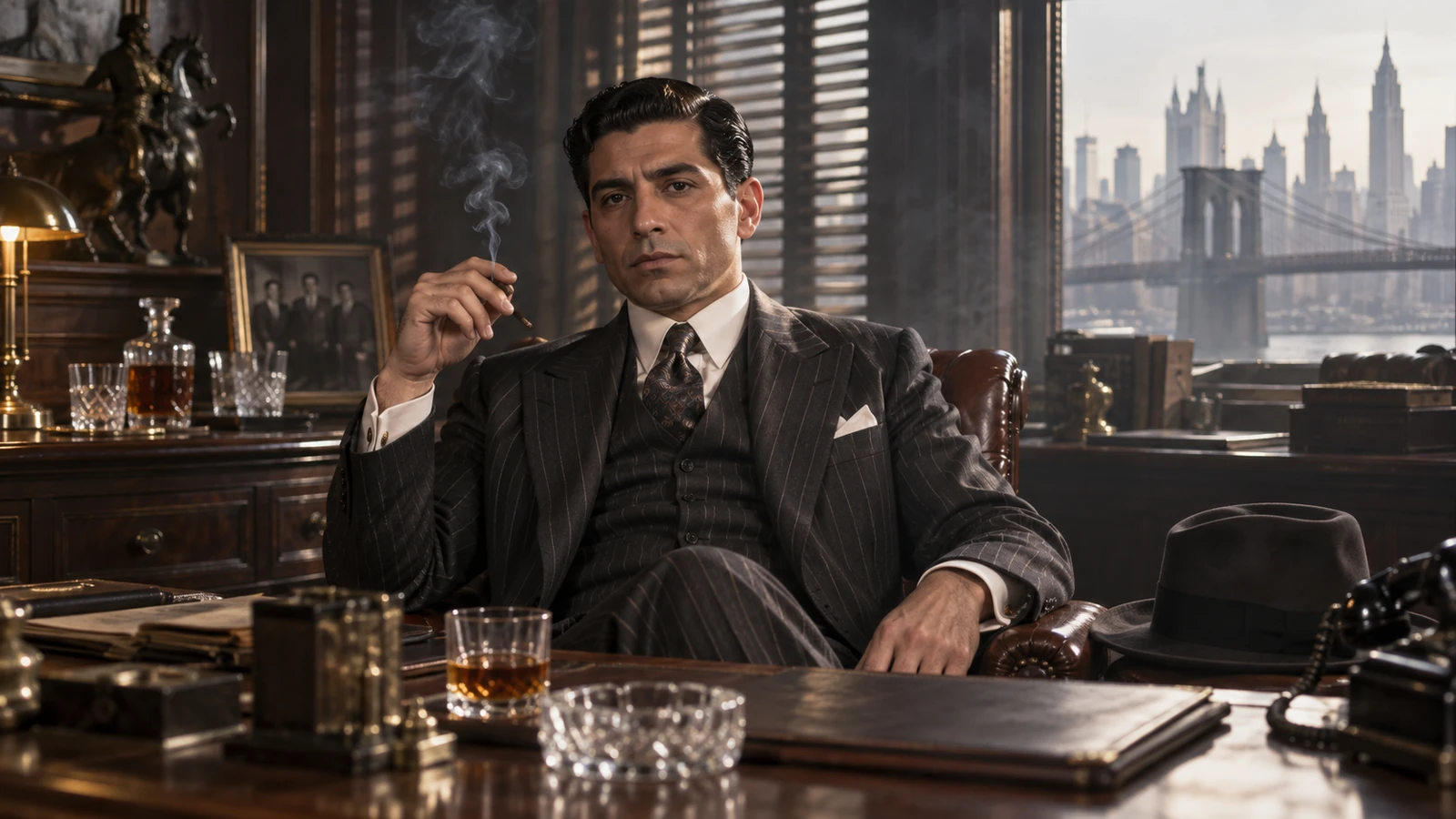
Al Capone Chicago, Prohibition Era The most feared mob boss in American history was a passionate advocate for expiration dates on milk bottles.
Lucky Luciano New York City Mafia The architect of the modern American Mafia secretly collaborated with the U.S. Navy during World War II.
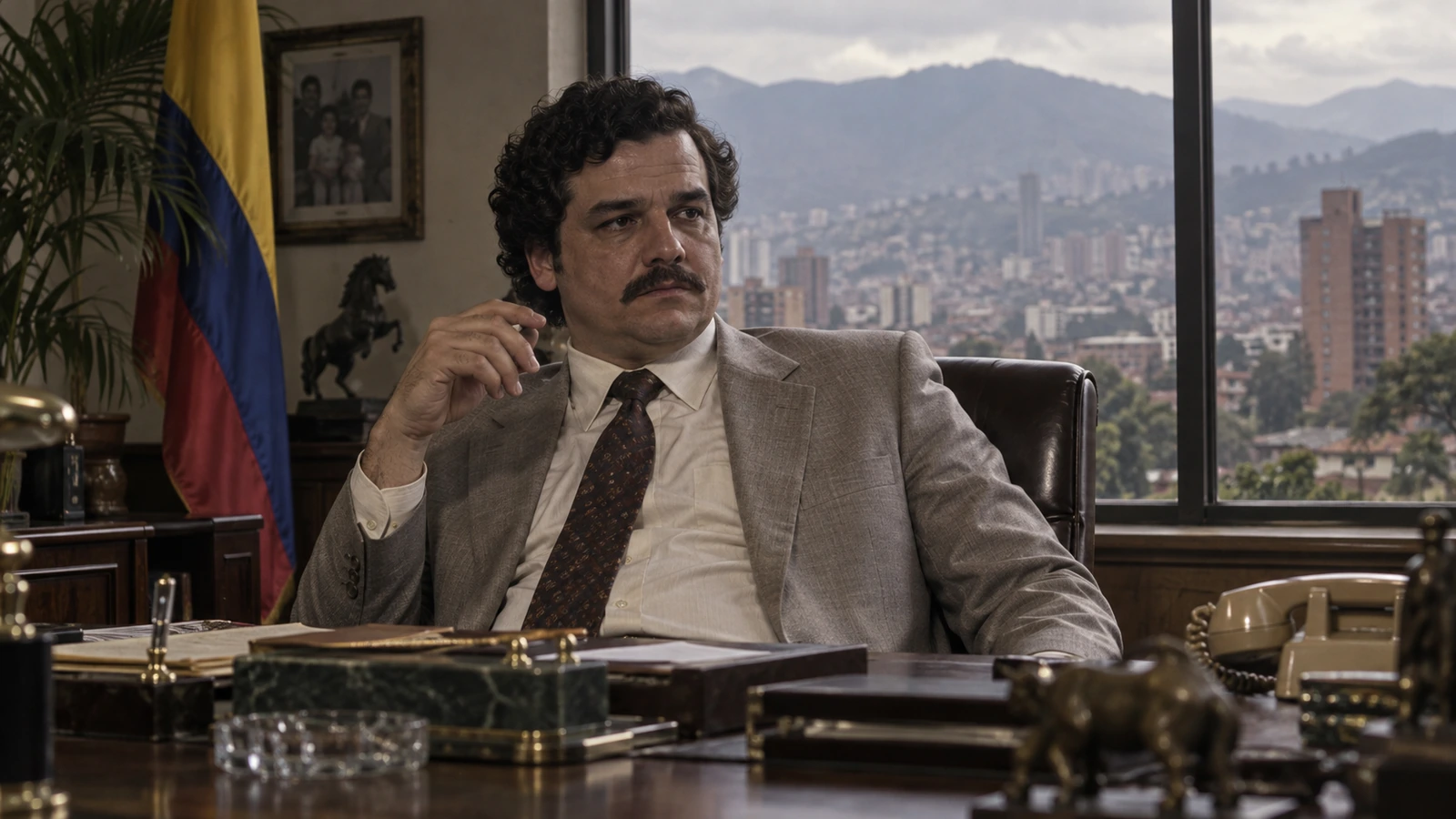
Pablo Escobar Medellín Cartel, Colombia Escobar's illegal zoo accidentally created the largest invasive hippo population outside of Africa.
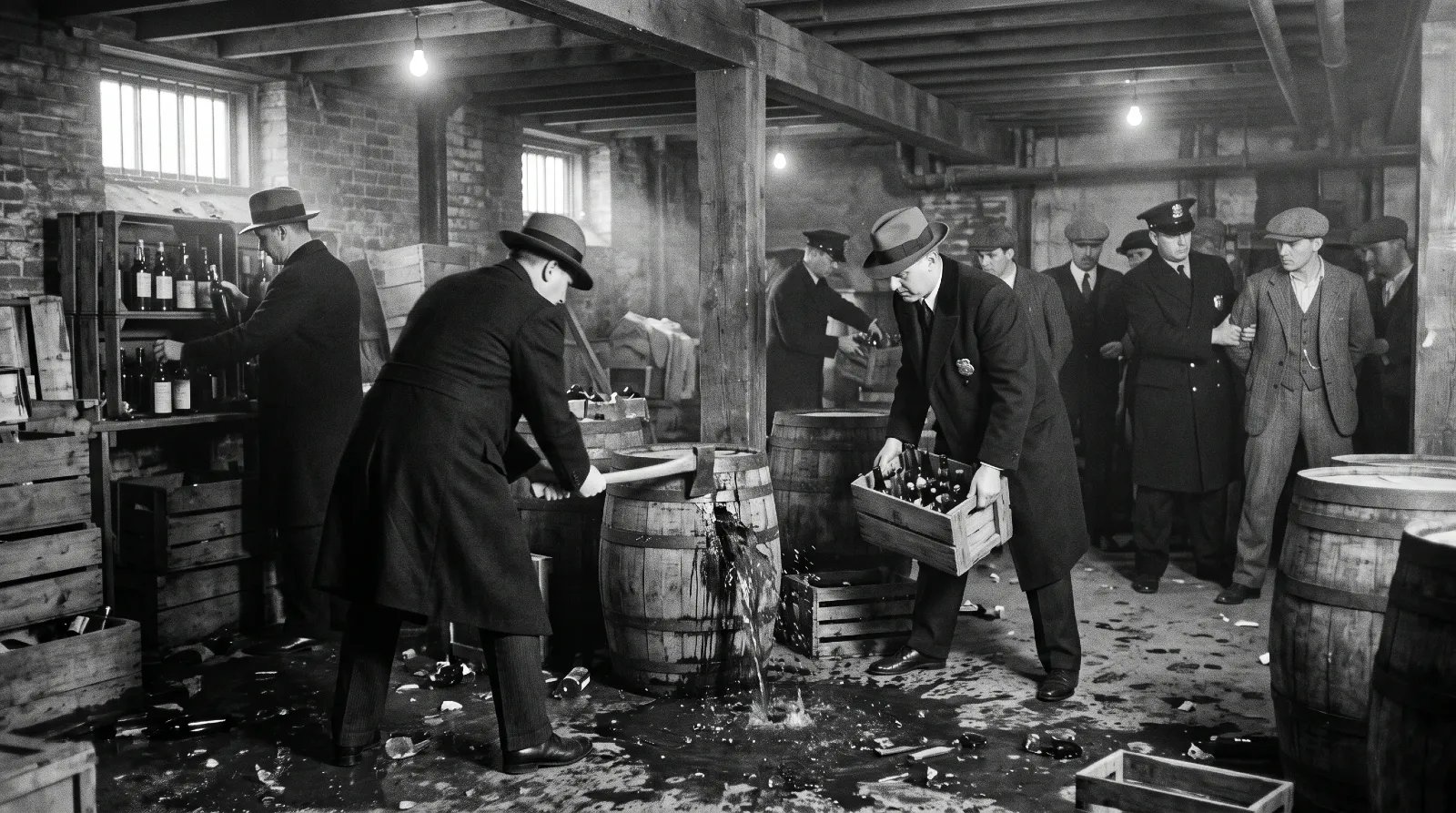
Prohibition Era United States, 1920-1933 The law that made America dry didn't actually make it illegal to consume alcohol.
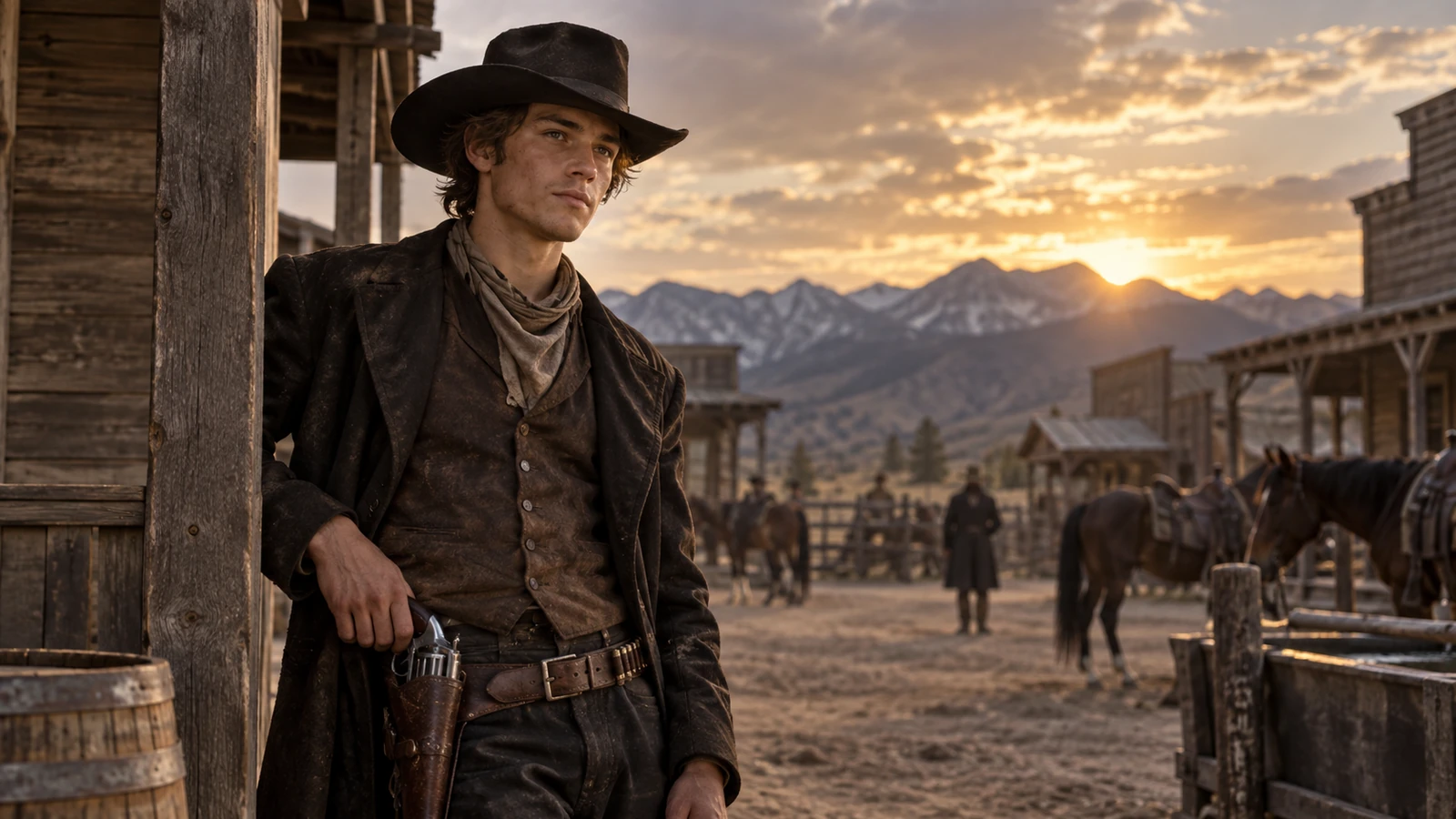
Billy the Kid New Mexico Territory There is only one authenticated photograph of the legendary frontier outlaw in existence.
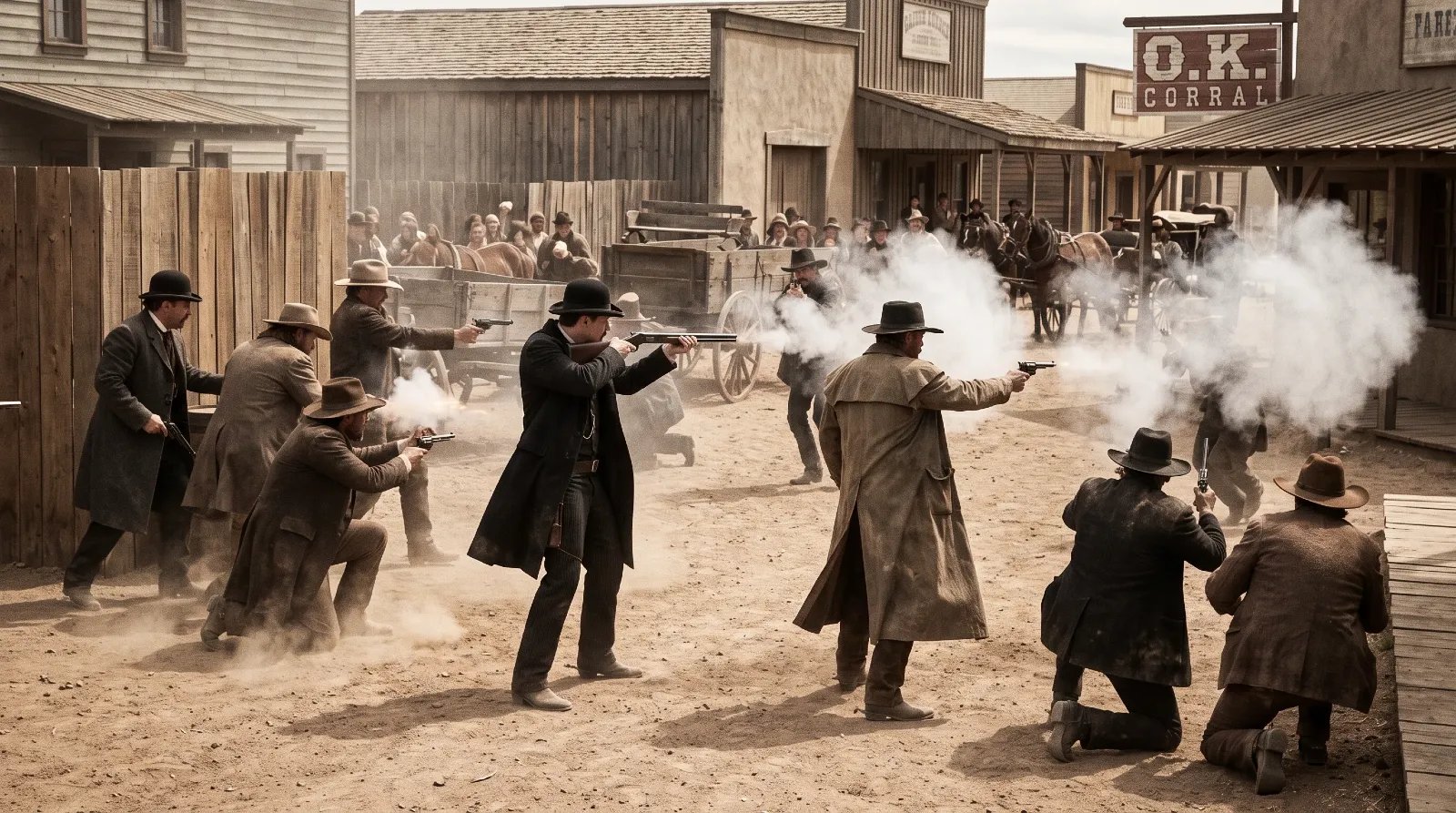
O.K. Corral Tombstone, Arizona The most famous shootout in Wild West history was actually sparked by a local gun-control ordinance.
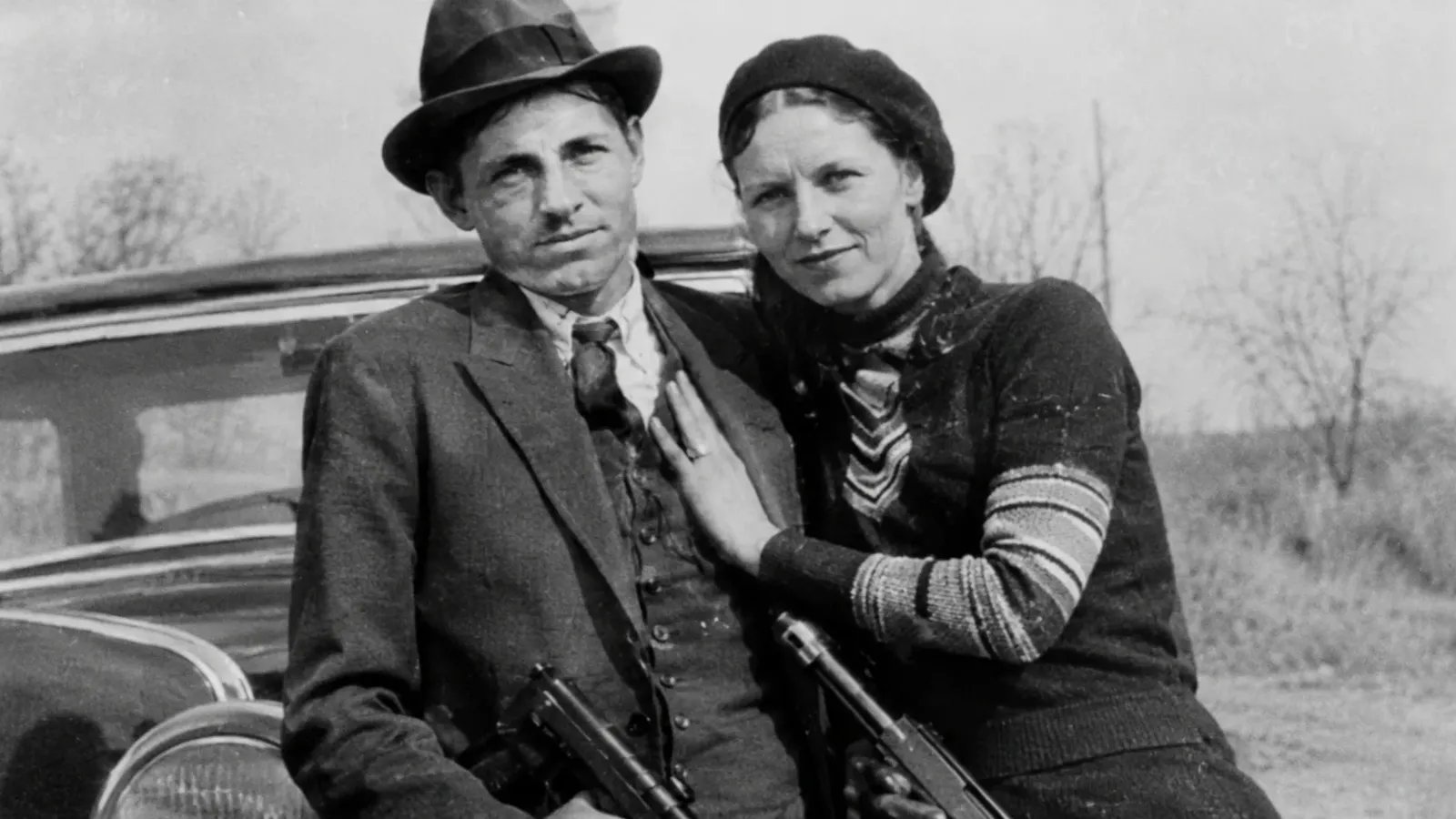
Bonnie and Clyde American Midwest, 1930s The famous photograph of Bonnie Parker smoking a cigar was a joke, and she wasn't actually a cigar smoker.
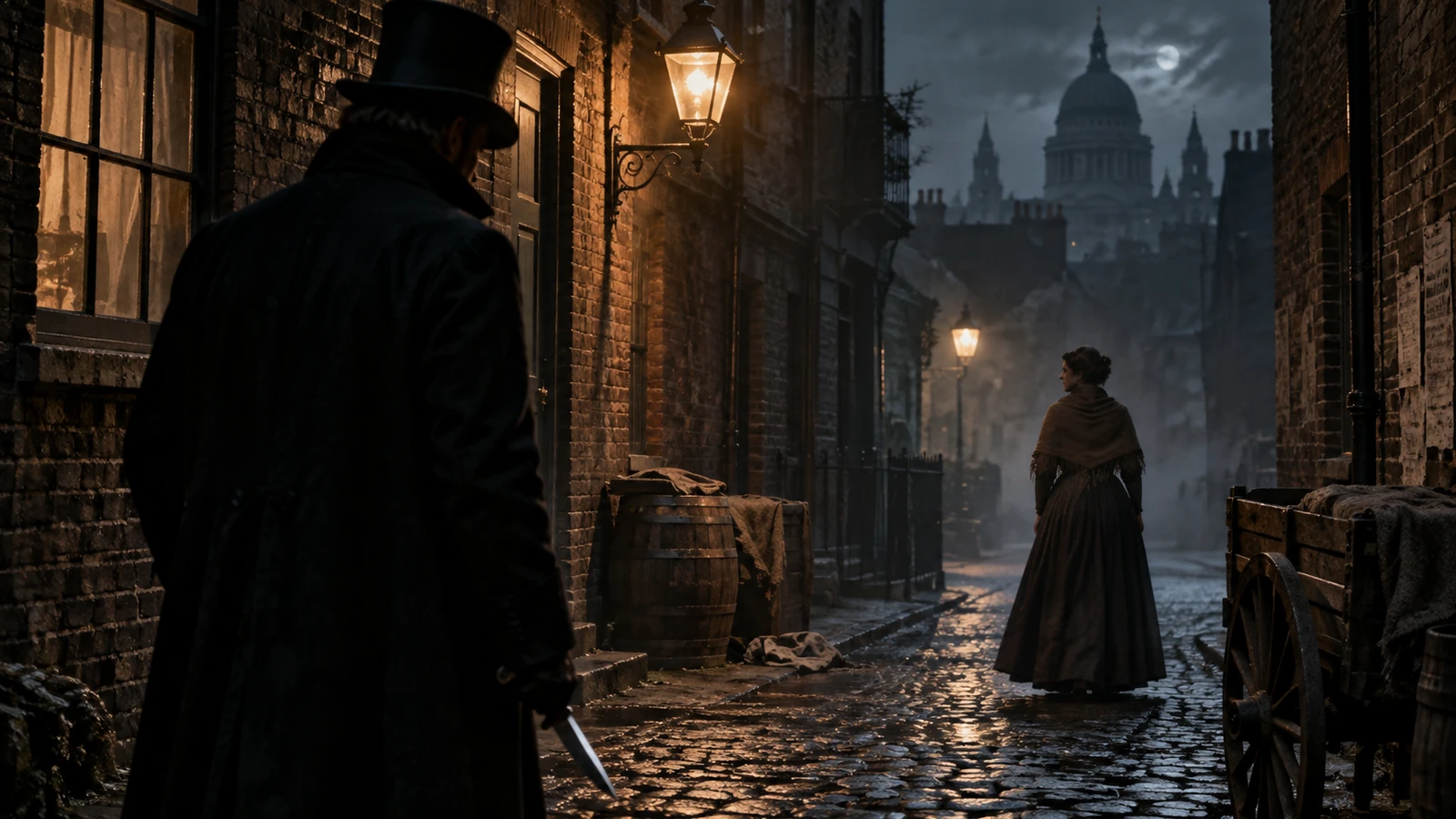
Jack the Ripper Victorian London The name 'Jack the Ripper' was likely invented by a journalist looking to sell more newspapers.
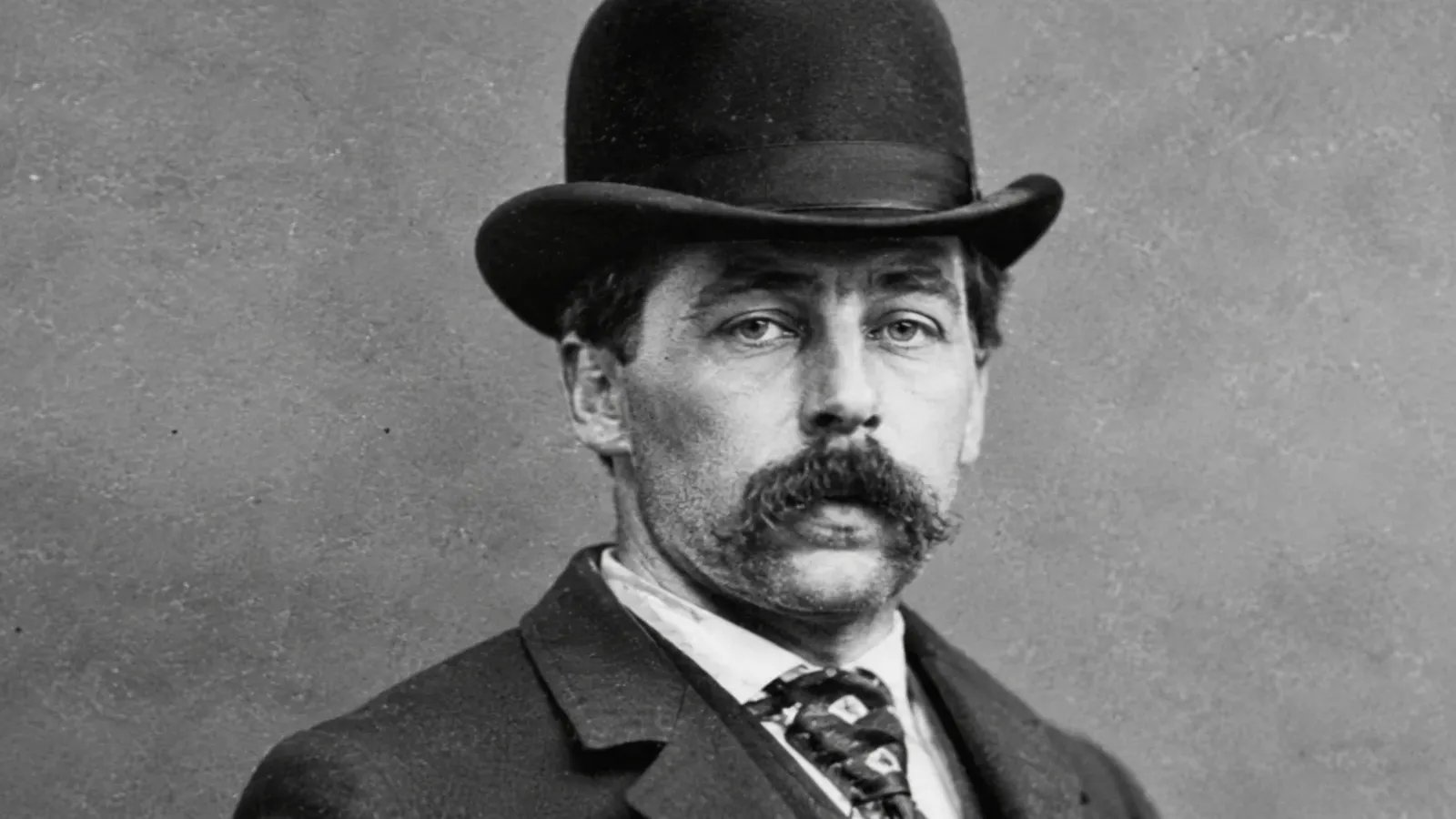
H. H. Holmes Chicago, Late 19th Century America's 'first serial killer' wasn't captured by a homicide detective, but by a tenacious insurance investigator.
Lizzie Borden Fall River, Massachusetts Despite the famous nursery rhyme, Lizzie Borden was actually acquitted of the murders of her father and stepmother.
Golden Age Pirates Caribbean & High Seas Pirate ships operated as early democracies, complete with worker's compensation and elected captains.
Alcatraz Island San Francisco Bay The families of the prison guards, including young children, lived comfortably on the island alongside America's worst criminals.

Record holders

Most Profitable

~$420M/week

At the peak of his cartel's power, Pablo Escobar commanded a global narcotics empire that generated staggering daily revenues. Pablo Escobar

Most Enduring Mystery

130+ years

The true identity of Jack the Ripper remains officially unknown, spawning over a century of conspiracy theories and amateur sleuthing. Jack the Ripper

Most Pervasive Myth

30 Seconds

The most legendary gunfight in American history was remarkably brief and didn't even occur inside the corral it is named after. O.K. Corral

Highest Security

0 Confirmed

Though dozens of inmates attempted to flee Alcatraz, no one is officially known to have survived the treacherous escape to the mainland. Alcatraz Island

All 12, one fact at a time

The Infamous Gangster: 15 Fascinating Facts About Al Capone

Al Capone

Chicago, Prohibition Era

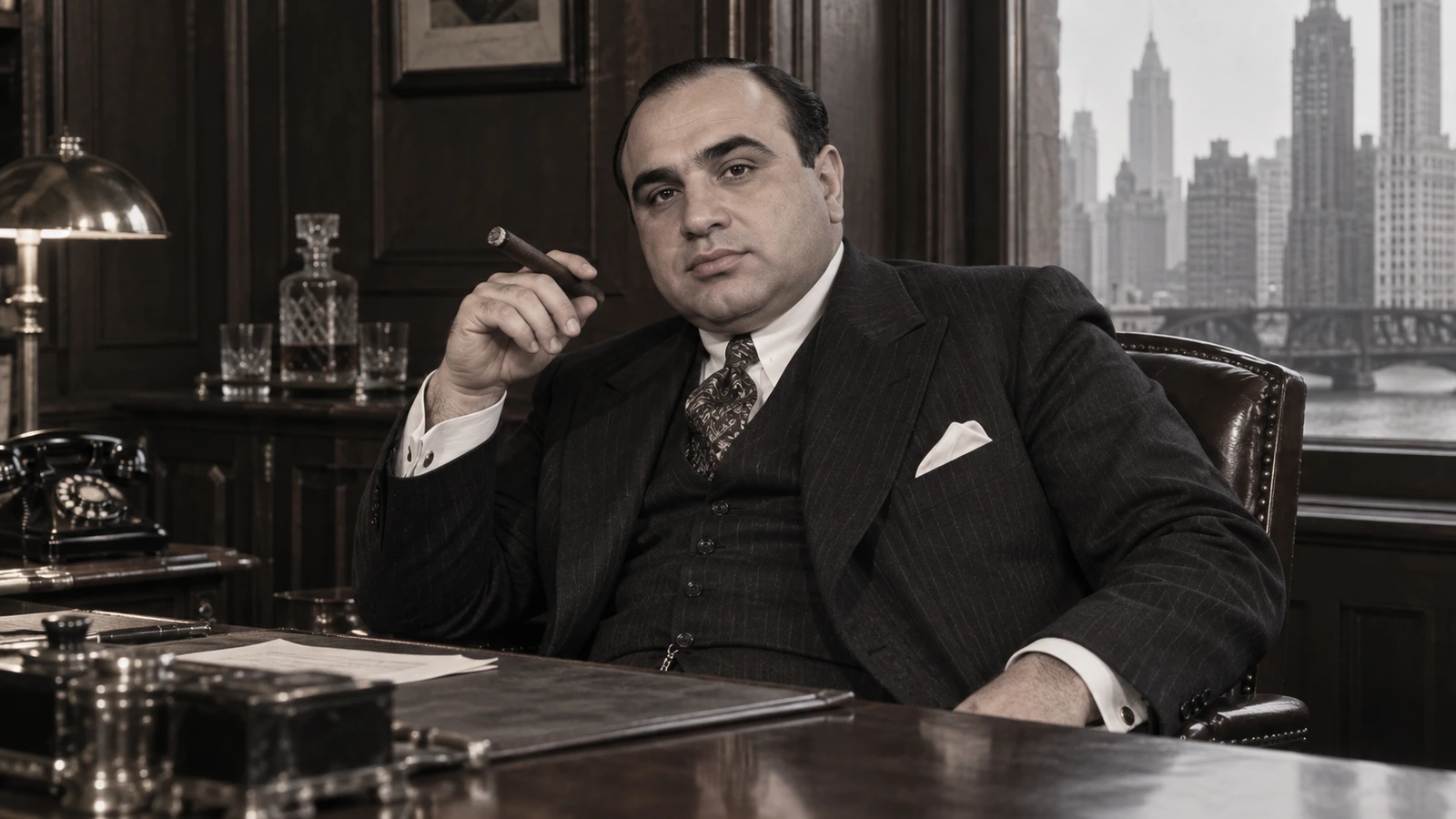
Behind the ruthless reputation of 'Scarface' was a man obsessed with public relations and surprising civic causes. Disturbed by a relative becoming ill from tainted milk, Capone used his immense underworld influence to lobby for strict dairy safety standards in Chicago. He even purchased his own dairy processing plant to control the supply chain. It's a stark reminder that even the most violent criminal masterminds possessed bizarrely mundane domestic concerns.

Read the full article →
The Architect of Organized Crime: 15 Fascinating Facts About Lucky Luciano

Lucky Luciano

New York City Mafia

Charles 'Lucky' Luciano didn't just organize street gangs into a corporate empire; he leveraged his power from behind bars when the government needed him most. In what became known as Operation Underworld, naval intelligence recruited Luciano to prevent sabotage on the New York waterfront and gather intelligence for the invasion of Sicily. His unprecedented cooperation earned him a commuted sentence, though he was promptly deported and spent his final years in exile, forever separated from the criminal syndicate he built.

Read the full article →
The Kingpin of Chaos: 15 Fascinating Facts About Pablo Escobar

Pablo Escobar

Medellín Cartel, Colombia

The staggering wealth generated by the Medellín Cartel allowed Pablo Escobar to indulge in unimaginable eccentricities, including importing exotic animals to his private estate. While authorities relocated his elephants and giraffes after his death, they abandoned four hippopotamuses, assuming they would die off. Instead, the 'cocaine hippos' thrived in the Colombian climate, multiplying into a massive herd that now threatens the local ecosystem—a bizarre, living legacy of the kingpin's unchecked power.

Read the full article →
America Goes Dry: 15 Surprising Facts About Prohibition

Prohibition Era

United States, 1920-1933

The Volstead Act banned the manufacture, sale, and transportation of intoxicating liquors, but it contained a massive loophole: drinking it wasn't a federal crime. Wealthy Americans stockpiled massive cellars of wine and spirits before the law took effect, legally enjoying their reserves for over a decade. Meanwhile, the resulting black market fueled the rise of organized crime, transformed neighborhood pharmacies into booming front businesses, and led to the federal government deliberately poisoning industrial alcohol.

Read the full article →
The Elusive Outlaw: 15 Fascinating Facts About Billy the Kid

Billy the Kid

New Mexico Territory

For a figure who looms so large in American mythology, Henry McCarty—better known as Billy the Kid—left behind virtually no physical evidence of his life. The single verified tintype photograph shows a scruffy, oddly dressed teenager, standing in stark contrast to the dashing gunslinger portrayed in a century of Hollywood films. Disentangling the boy from the myth reveals a much more complicated player in the Lincoln County War, whose ultimate fame was largely manufactured by the sheriff who killed him.

Read the full article →
Thirty Seconds in Tombstone: 15 Fascinating Facts About the Gunfight at the O.K. Corral

O.K. Corral

Tombstone, Arizona

Forget the cinematic showdowns of good versus evil; the 30-second burst of violence that cemented Wyatt Earp's legend was fundamentally a law enforcement dispute over carrying firearms in town limits. Furthermore, the shootout didn't even happen inside the O.K. Corral, but rather in a narrow empty lot nearby. The event was barely a footnote in national history for half a century until a highly fictionalized biography of Earp turned a chaotic frontier arrest into a cornerstone of American folklore.

Read the full article →
Outlaw Lovers: 15 Fascinating Facts About Bonnie and Clyde

Bonnie and Clyde

American Midwest, 1930s

During the Great Depression, the press eagerly consumed a roll of undeveloped film left behind at a gang hideout, using a playful snapshot of Bonnie chomping a cigar and holding a gun to brand her a tough, cigar-smoking gun moll. In reality, Parker was a Camel cigarette loyalist and a tragic figure who suffered horrific burn injuries during her time on the run. The media's sensationalist framing turned a desperate, violent string of robberies into a romanticized tale of star-crossed outlaws.

Read the full article →
The Shadowed East End: 15 Fascinating Facts About Jack the Ripper

Jack the Ripper

Victorian London

The terrifying moniker that immortalized the unidentified Whitechapel murderer didn't come from the killer himself. Most historians believe the infamous 'Dear Boss' letter, which first used the signature 'Jack the Ripper,' was a cheeky hoax penned by a local reporter seeking to sensationalize the tragedy. The Victorian police's inability to solve the brutal murders led to disastrous blunders—like failed trials using bloodhounds—but also fundamentally pushed law enforcement toward modern forensic science and psychological profiling.

Read the full article →
The Murder Castle: 15 Facts About H. H. Holmes

H. H. Holmes

Chicago, Late 19th Century

The legend of H.H. Holmes and his labyrinthine Chicago 'Murder Castle' often overshadows the reality of his actual downfall. Holmes was primarily a highly prolific con artist whose murders were usually a means to cover up complex financial scams. He was finally brought to justice not because authorities connected him to a string of missing persons, but because he bungled a life insurance fraud scheme, prompting a suspicious insurance company and the Pinkerton Detective Agency to track him down.

Read the full article →
Forty Whacks: 15 Fascinating Facts About Lizzie Borden

Lizzie Borden

Fall River, Massachusetts

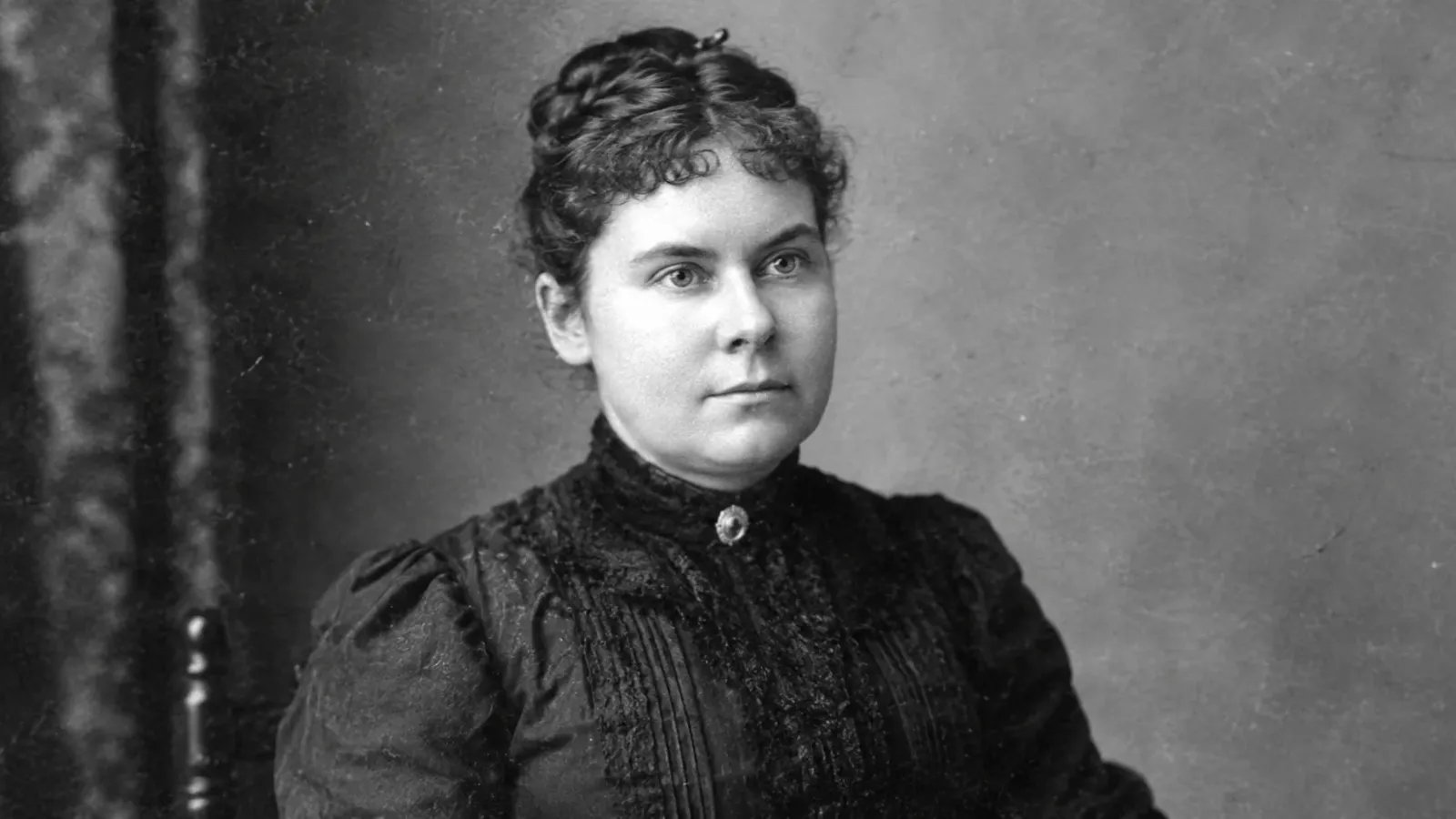
A morbid schoolyard rhyme permanently convicted Lizzie Borden in the court of public opinion, claiming she gave her parents 'forty whacks' with an axe. In the actual courtroom, however, the jury found her not guilty after a highly publicized trial. The prosecution's case was entirely circumstantial, hindered by bizarre police work and changing testimonies. Lizzie lived out the rest of her life in the very same town, ostracized by polite society but legally a free woman in America's most famous unsolved mystery.

Read the full article →
15 Fun Facts About Pirates That Hollywood Got Completely Wrong

Golden Age Pirates

Caribbean & High Seas

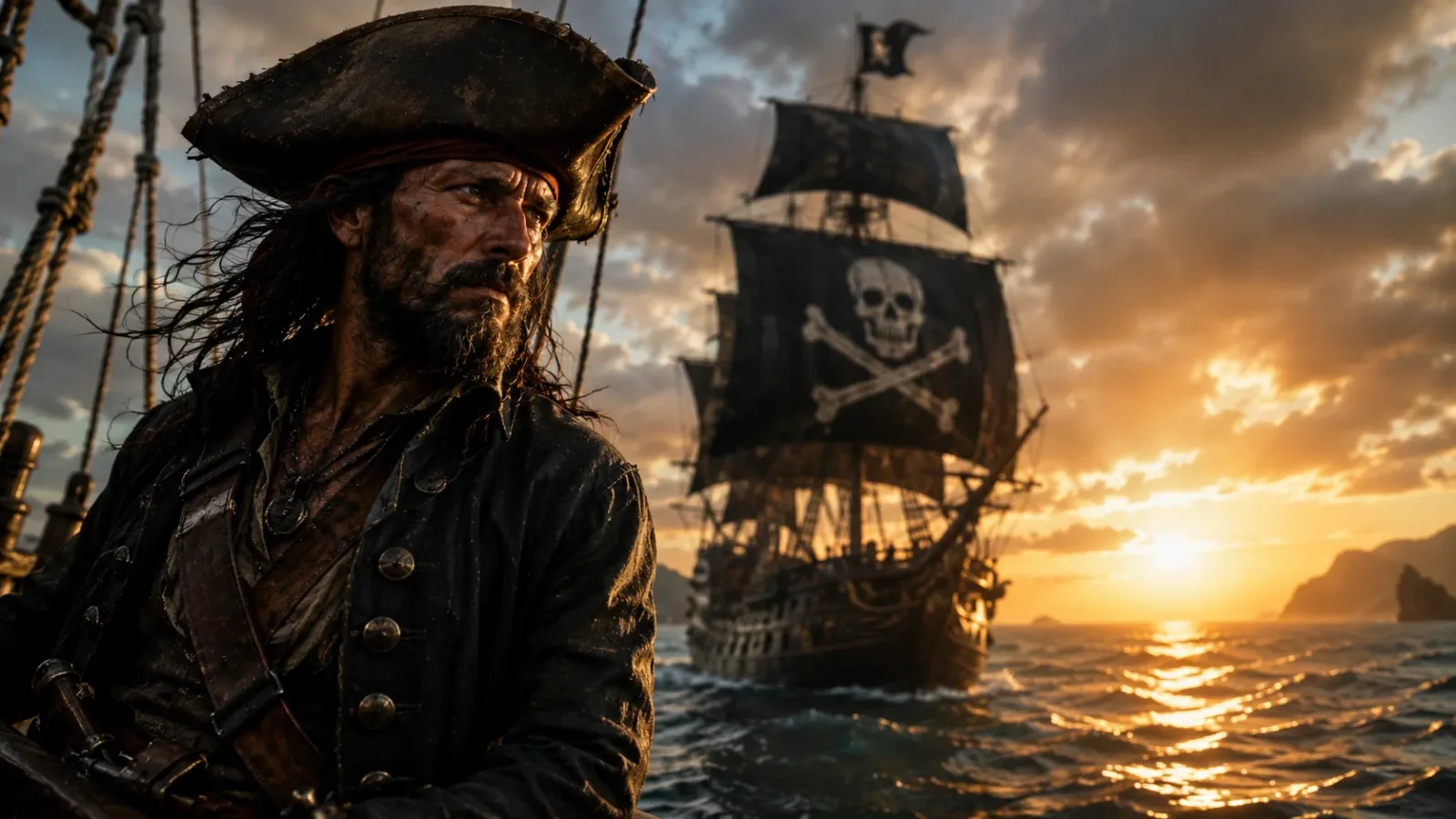
Far from the tyrannical dictatorships portrayed in Hollywood blockbusters, pirate crews were surprisingly egalitarian. They voted for their captains, could remove them from power if they abused their authority, and strictly adhered to written codes of conduct. Even more astonishing, pirate syndicates maintained standardized payout systems for injuries—a primitive form of health insurance where losing a leg or an eye guaranteed a fixed sum of compensation from the collective plunder.

Read the full article →
The Impregnable Fortress: 15 Fascinating Facts About Alcatraz

Alcatraz Island

San Francisco Bay

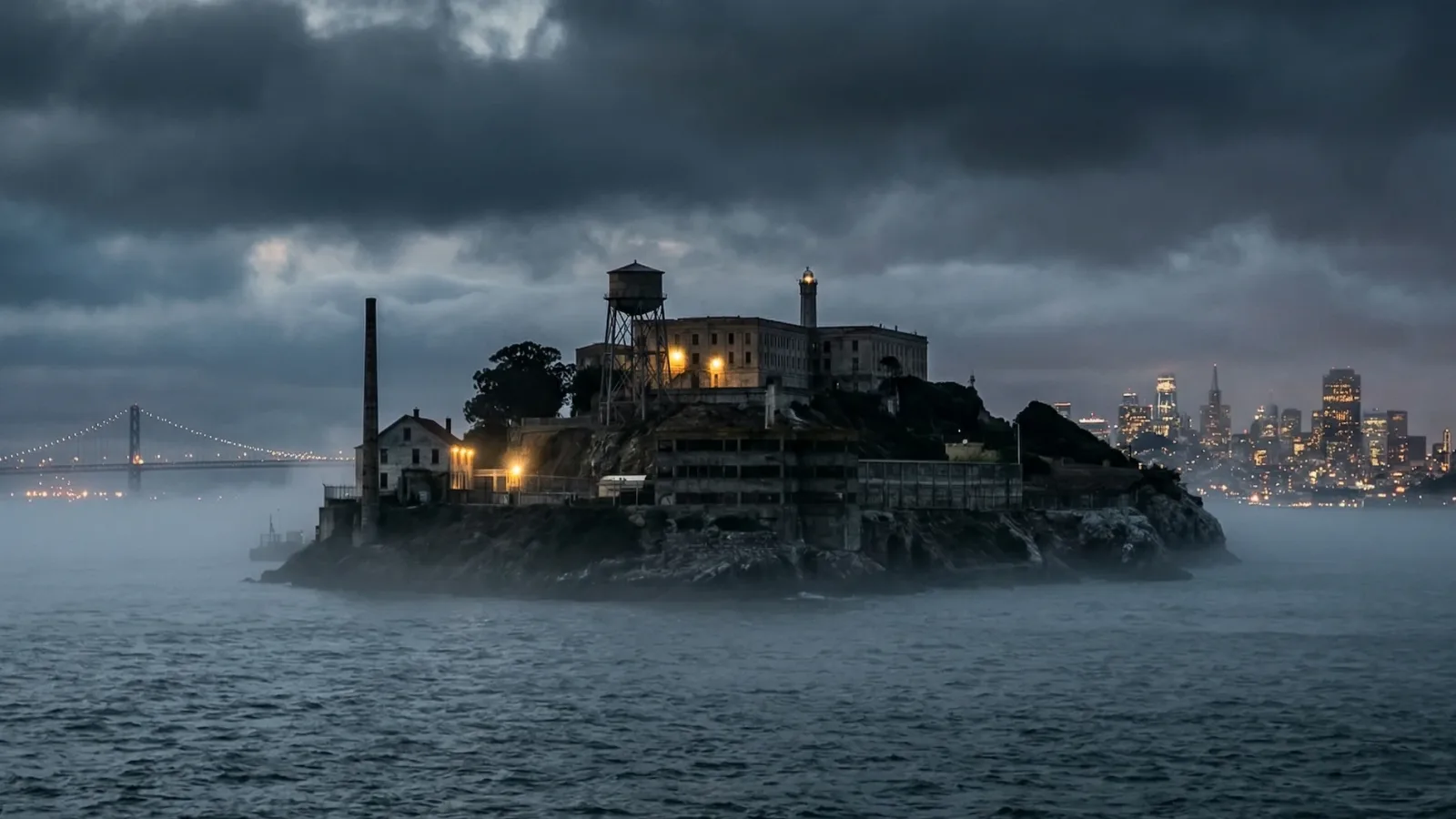
It is universally remembered as an inescapable fortress of dread, but Alcatraz was also a lively residential neighborhood. The guards and administrators lived on the island with their families, boasting a bowling alley, a soda fountain, and perfectly manicured gardens. Children took a daily ferry to San Francisco for school and spent their weekends riding bicycles around the island, treating the presence of infamous mobsters like Al Capone and Machine Gun Kelly as just another ordinary backdrop to their childhood.

Read the full article →

Quiz: how much of that stuck?

8 questions, every answer is somewhere above.

Gangsters, Outlaws and Infamous Criminals 0 / 8

1. What surprising industry did Al Capone lobby to regulate and improve?

2. How did mobster Lucky Luciano assist the United States government during World War II?

3. What animal did Pablo Escobar introduce to Colombia that has now become a major invasive species?

4. What is the true story behind the famous photo of Bonnie Parker smoking a cigar?

5. Which of the following was actually perfectly legal to do under the Volstead Act during Prohibition?

6. What kind of professional eventually caused the downfall of H. H. Holmes?

7. What was the legal outcome of Lizzie Borden's famous murder trial?

8. Which surprisingly modern concept did Golden Age pirate crews utilize on their ships?

Frequently asked

Why did organized crime become so powerful in the 1920s?

The implementation of Prohibition in the United States created a massive, highly lucrative black market for alcohol. Gangsters capitalized on this overnight demand, amassing enough wealth and violent power to corrupt local governments and establish sophisticated national syndicates.

Did outlaws in the Wild West actually have quick-draw duels in the street?

Rarely. Quick-draw showdowns at high noon are largely an invention of Hollywood and dime novels. Most frontier gunfights were chaotic, sloppy, and often involved ambushes or close-quarters brawls fueled by alcohol rather than honorable duels.

How do we know so much about the daily lives of pirates?

Much of our reliable historical information comes from admiralty court records, the surviving journals of literate pirates and captives, and written articles of agreement (pirate codes) that crews signed before setting sail.

Why are notorious criminals often romanticized in popular culture?

Criminals are frequently romanticized during times of economic hardship or social unrest. They are often perceived as antiheroes fighting back against oppressive banks, corrupt authorities, or an unfair class system—a narrative eagerly amplified by sensationalist media looking to sell a compelling story.

Keep going

Enjoyed these facts? There's more! 💌

Fresh fun facts in your inbox. No spam, ever.