Buster Keaton stands as one of the greatest silent film stars in history. Initially, he conquered the vaudeville stage before he revolutionized cinema with his dangerous stunts and deadpan humor. Furthermore, he directed and starred in some of the most technically complex movies of the 1920s. Consequently, his influence on visual comedy remains unmatched nearly a century later. Explore these fascinating details about The Great Stone Face.
Buster Keaton
Harry Houdini gave him his famous nickname. When Keaton was just six months old, he fell down a flight of stairs but remained completely unhurt. Consequently, the famous magician saw the fall and remarked, “That was a real buster,” which was slang for a spill or fall.
As a child, a cyclone sucked him out of a window. Amazingly, the strong wind lifted him from his room and deposited him unharmed in a street several blocks away. This event happened in Kansas years before The Wizard of Oz made similar storms famous.
His parents used him as a “human projectile” in their act. Specifically, his father sewed a suitcase handle into Buster’s clothing to throw him around the stage more easily. Therefore, the authorities frequently investigated the family to ensure the child was not being abused.
He broke his neck while filming Sherlock Jr. During a scene where water from a railroad tower hits him, the force slammed his neck against a steel rail. Surprisingly, he kept filming and only discovered the fracture thirty-five years later during a routine X-ray.
Dangerously, he performed the famous “falling house” stunt without trickery. In Steamboat Bill, Jr., a two-ton house facade collapsed around him with only two inches of clearance on either side. Reportedly, the cameraman looked away during the take because he was too terrified to watch.
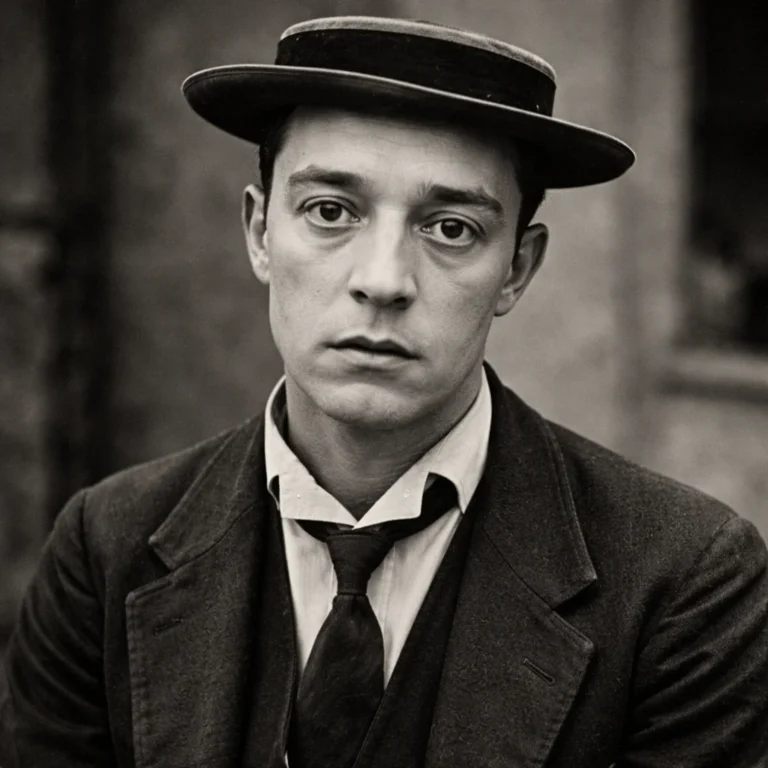
He modified Stetsons to create his signature porkpie hats. Because he wanted a specific look, he cut down fedoras and stiffened the brims with sugar water. Thus, he created a unique silhouette that fans instantly recognized.
He never smiled on camera to get more laughs. Early in his career, he realized that audiences laughed harder when he maintained a stoic expression during chaotic situations. As a result, he earned the nickname “The Great Stone Face.”
Buster Keaton served in France during World War I. He joined the 40th Infantry Division and suffered permanent ear damage due to loud artillery fire. Unfortunately, this hearing loss plagued him for the rest of his life.
He wrote gags for the Marx Brothers later in his career. After his own stardom faded, he worked as an uncredited writer for MGM. For instance, he devised several physical comedy bits for films like A Night at the Opera.
The General features the most expensive shot in silent film history. He purchased a real locomotive and drove it across a burning bridge until it collapsed into the river below. Consequently, the train wreckage remained in the river as a tourist attraction for decades.
Tragically, signing with MGM was the biggest mistake of his life. In 1928, he gave up his independent studio to join the massive corporation. Therefore, he lost his creative control and his career spiraled downward for many years.
He appeared in the classic noir film Sunset Boulevard. He played himself as one of the “Waxworks,” a group of forgotten silent film stars who play cards with the main character. This role highlighted the tragic reality of aging in Hollywood.
Unusually, he possessed a “fingerprint” memory for bridge. He was an avid card player who could recall every hand played in a game. This sharp mental acuity contrasted with his physical, tumble-heavy public persona.
He starred in a Twilight Zone episode called “Once Upon a Time.” Creatively, the episode featured a silent segment that paid homage to his early work. Thus, he introduced his unique style of comedy to a new generation of television viewers.
Finally, he received an Honorary Academy Award in 1959. After years of obscurity, Hollywood finally recognized his unique talents and contribution to the industry. The standing ovation he received marked a triumphant return to glory before his death.
How useful was this post?
Click on a star to rate it!
This AI-assisted post was rigorously curated and fact-checked for accuracy by:
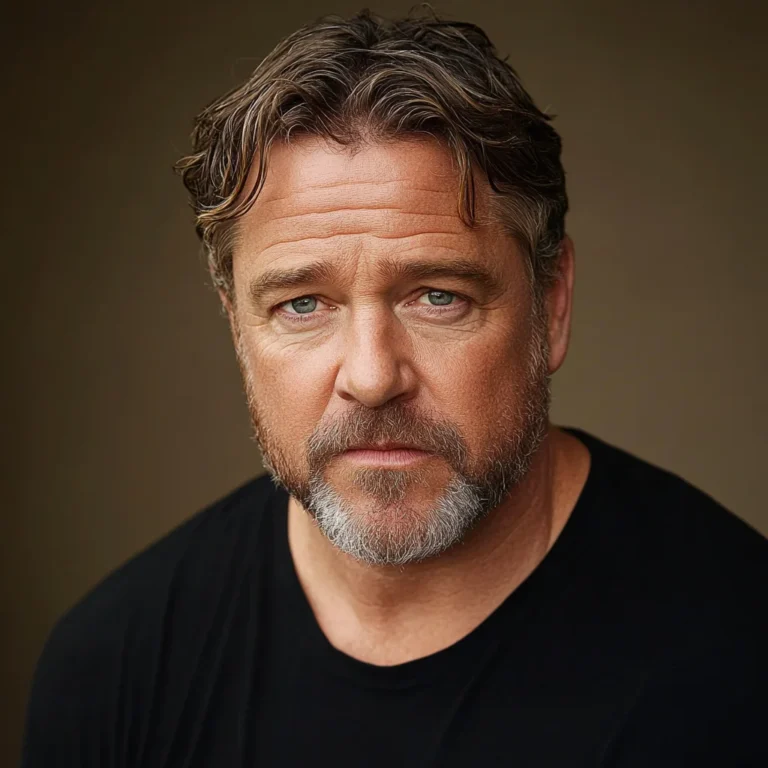
Russell Crowe captivates with unforgettable performances and remarkable versatility. Born in New Zealand and raised in Australia, he rose from his breakout role in "Romper Stomper" to Oscar-winning glory in "Gladiator." Crowe’s passion stretches beyond acting to music, directing, and sports. Discover intriguing stories and milestones from his extraordinary career.
Russel Crowe
Russell Crowe was born on April 7, 1964, in Wellington, New Zealand, and moved to Australia at age four.
He shot to fame with a powerful performance in “Romper Stomper” (1992), kicking off his star trajectory.
He won an Academy Award for Best Actor with his unforgettable portrayal of Maximus in “Gladiator” (2000).
Crowe received three consecutive Oscar nominations for “The Insider,” “Gladiator,” and “A Beautiful Mind,” a rare achievement.
Playing Nobel laureate John Nash in “A Beautiful Mind” earned him international praise and new fans everywhere.
Apart from film, Crowe leads rock bands such as 30 Odd Foot of Grunts and Russell Crowe & the Ordinary Fear of God.
Crowe debuted as a director with “The Water Diviner” (2014), which he also starred in.
He owns a sprawling farm northwest of Sydney, showcasing his appreciation for rural life.
Passionate about rugby, Crowe acts as co-owner of the National Rugby League team South Sydney Rabbitohs.
Remarkably, he turned down the legendary role of Aragorn in “The Lord of the Rings” trilogy.
Critics debated his age when he played Robin Hood at 45, yet he brought new energy to the iconic character.
His filmography includes hits like “3:10 to Yuma,” “Master and Commander,” “Les Misérables,” and “Thor: Love and Thunder”.
Crowe has earned multiple Golden Globe awards, highlighting his consistent excellence in demanding roles.
Fans sometimes call him “Rusty,” but Crowe has admitted he’s not fond of the nickname.
Collectively, his movies have grossed over $5 billion globally, proving his lasting box office appeal.
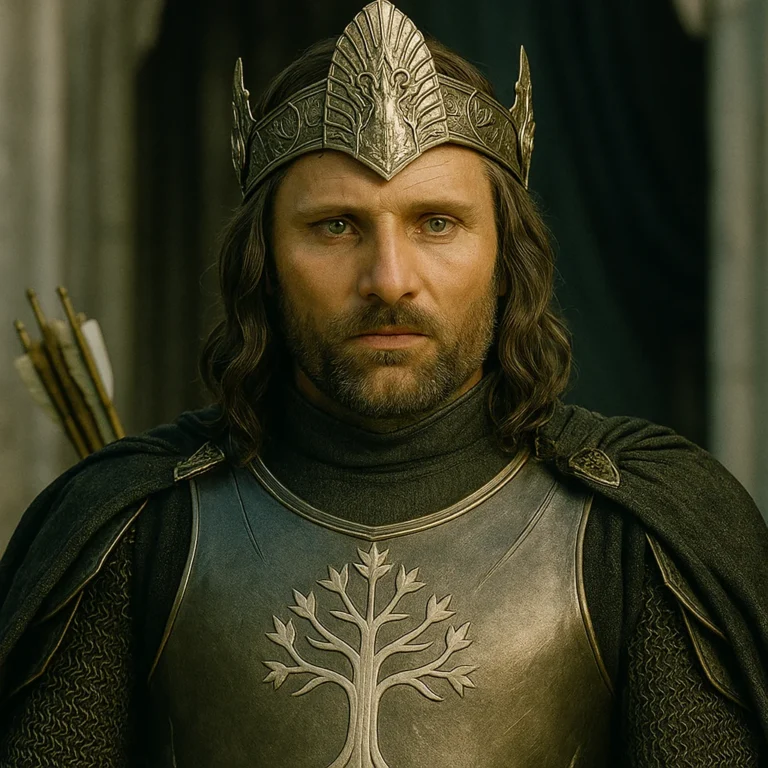
Viggo Mortensen is more than just Aragorn—he’s a seasoned actor, poet, photographer, and publisher with a rich multicultural background. Discover fascinating insights into his multifaceted career and artistic passions.
Viggo Mortensen
Viggo Mortensen was born on October 20, 1958, in New York City and has Danish, American, and Argentine heritage.
He gained worldwide fame for portraying Aragorn in the epic “The Lord of the Rings” trilogy.
Mortensen pursues multiple art forms beyond acting, including photography, poetry, painting, music, and publishing.
He founded Perceval Press to support artists and authors whom mainstream publishers often overlook.
Viggo is known for his dedication to roles, learning new skills like horse riding and sword fighting for “The Lord of the Rings.”
He earned three Academy Award nominations, including for the films “Eastern Promises,” “Captain Fantastic,” and “Green Book.”
Mortensen began his career in films with a small role in Ridley Scott’s “Witness” (1985).
He is fluent in English, Danish, Spanish, and French, owing to his multinational upbringing.
Apart from Hollywood, Viggo has worked in independent films and international cinema, always choosing challenging characters.
He once infamously responded to a journalist’s rude question by flipping the bird—a testament to his passionate and sometimes fiery personality.
Mortensen’s interest in poetry and photography often intersects with his film projects, capturing behind-the-scenes moments and inspirations.
He is also a humanitarian, involved in social and environmental causes, often using his art and platform to highlight important issues.
Viggo has performed live readings of poetry and frequently collaborates with other artists across creative disciplines.
He speaks openly about his family life, including his three children and relationship with his wife, which gives him a down-to-earth aura.
Despite his fame, Mortensen maintains a somewhat private life and earns admiration for his humility and depth both on and off screen.